words SAMANTHA SHARPE, UNIVERSITY OF TECHNOLOGY SYDNEY; MONIQUE RETAMAL, UNIVERSITY OF TECHNOLOGY SYDNEY; AND TAYLOR BRYDGES, UNIVERSITY OF TECHNOLOGY SYDNEY top image VIA PEXELS
If things don’t change fast, the fashion industry could use a quarter of the world’s remaining global carbon budget to keep warming under 2℃ by 2050, and use 35% more land to produce fibres by 2030.
While this seems incredible, it’s not. Over the past 15 years, clothing production has doubled while the length of time we actually wear these clothes has fallen by nearly 40%. In the EU, falling prices have seen people buying more clothing than ever before while spending less money in the process.
This is not sustainable. Something has to give. In our recent report, we propose the idea of a wellbeing wardrobe, a new way forward for fashion in which we favour human and environmental wellbeing over ever-growing consumption of throwaway fast-fashion.
What would that look like? It would mean each of us cutting how many new clothes we buy by as much as 75%, buying clothes designed to last, and recycling clothes at the end of their lifetime.
For the sector, it would mean tackling low incomes for the people who make the clothes, as well as support measures for workers who could lose jobs during a transition to a more sustainable industry.

image RON LACH / PEXELS
Sustainability efforts by industry are simply not enough
Fashion is accelerating. Fast fashion is being replaced by ultra-fast fashion, releasing unprecedented volumes of new clothes into the market.
Since the start of the year, fast fashion giants H&M and Zara have launched around 11,000 new styles combined.
Over the same time, ultra-fast fashion brand Shein has released a staggering 314,877 styles. Shein is currently the most popular shopping app in Australia. As you’d expect, this acceleration is producing a tremendous amount of waste.
In response, the fashion industry has devised a raft of plans to tackle the issue. The problem is many sustainability initiatives still place economic opportunity and growth before environmental concerns.
Efforts such as switching to more sustainable fibres and textiles and offering ethically-conscious options are commendable. Unfortunately, they do very little to actually confront the sector’s rapidly increasing consumption of resources and waste generation.
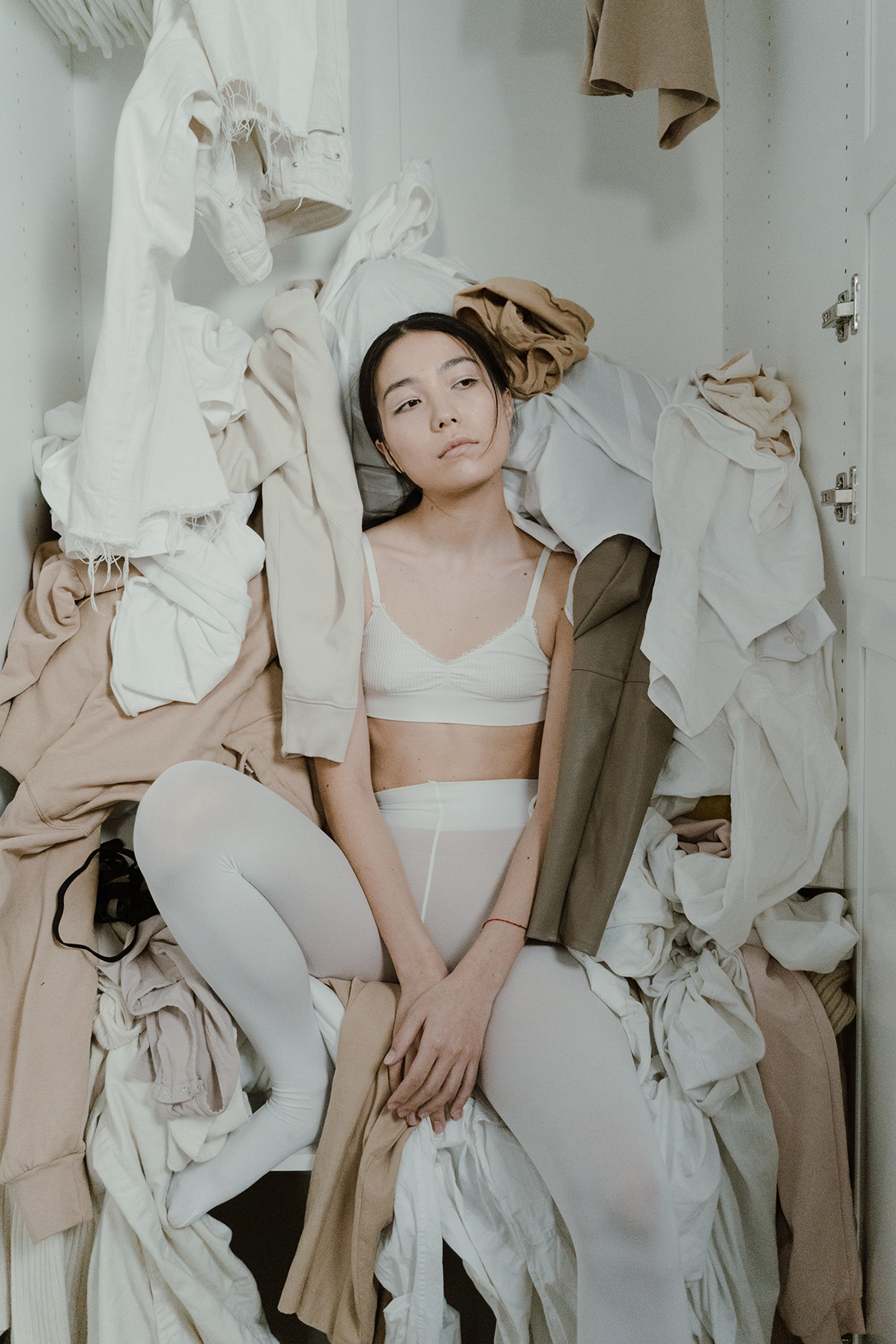
image RON LACH / PEXELS
On top of this, labour rights abuses of workers in the supply chain are rife.
Over the past five years, the industry’s issues of child labour, discrimination and forced labour have worsened globally. Major garment manufacturing countries including Myanmar, Cambodia, Bangladesh and Vietnam are considered an “extreme risk” for modern slavery.
Here’s what we can do to tackle the situation.
Limit resource use and consumption
We need to have serious conversations between industry, consumers and governments about limiting resource use in the fashion industry. As a society, we need to talk about how much clothing is enough to live well.
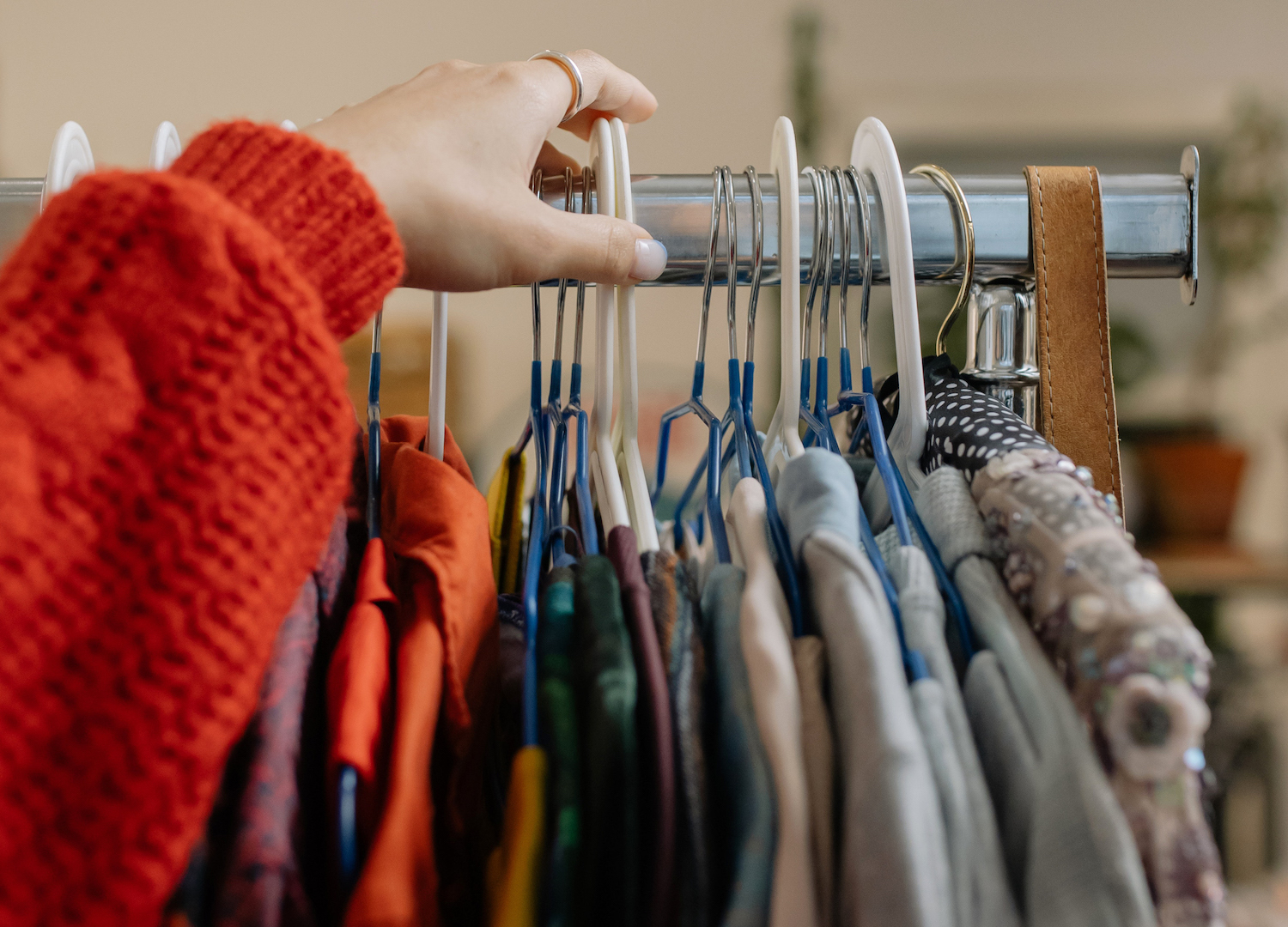
On an individual level, it means buying fewer new clothes, as well as reconsidering where we get our clothes from. Buying second-hand clothes or using rental services are ways of changing your wardrobe with lower impact.
READ MORE: Do You Shop for Second-Hand Clothes? You’re Likely to Be More Stylish
Expand the slow fashion movement
The growing slow fashion movement focuses on the quality of garments over quantity, and favours classic styles over fleeting trends.
We must give renewed attention to repairing and caring for clothes we already own to extend their lifespan, such as by reviving sewing, mending and other long-lost skills.
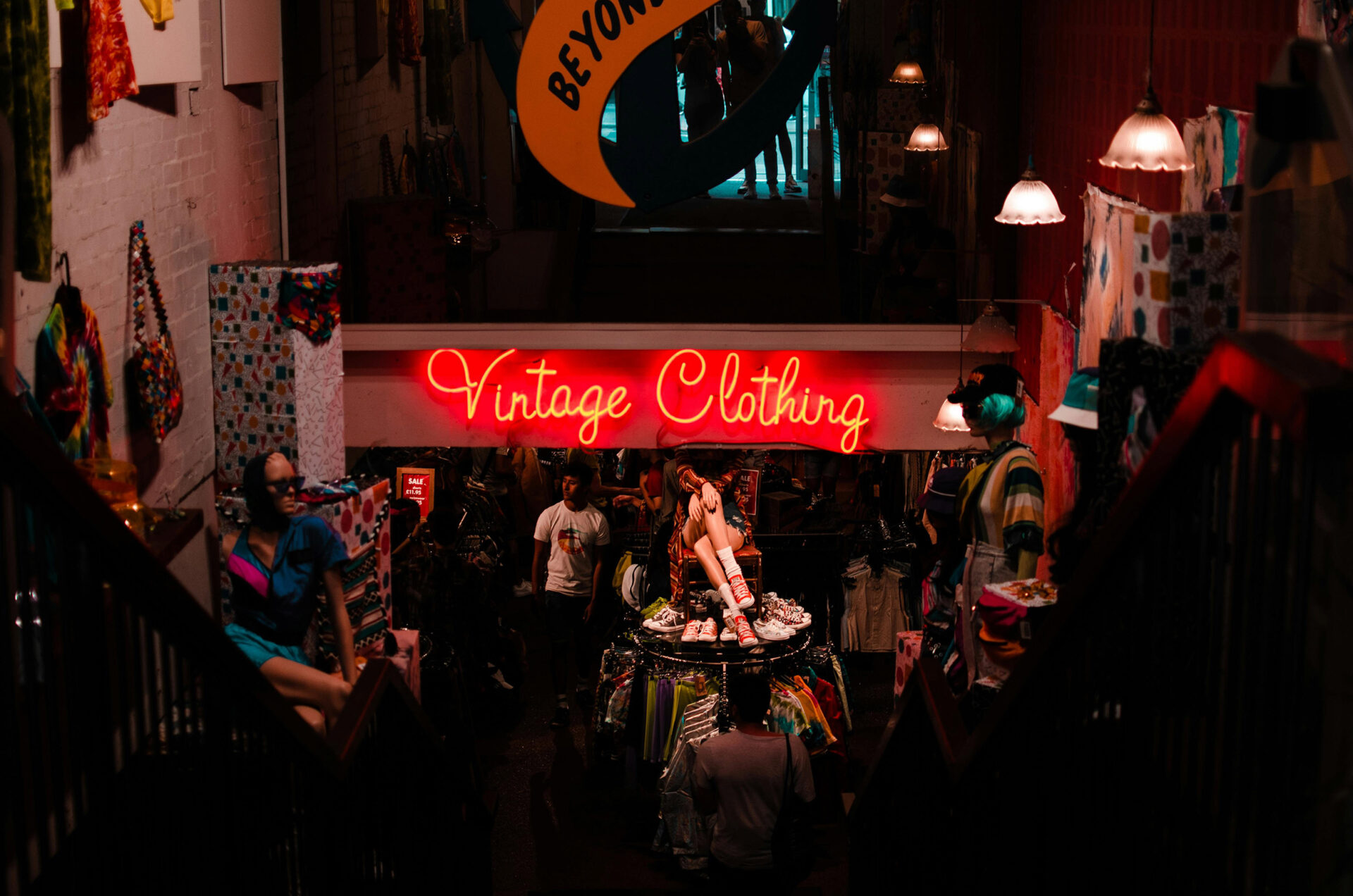
image KEI SCAMPA / PEXELS
New systems of exchange
The wellbeing wardrobe would mean shifting away from existing fashion business models and embracing new systems of exchange, such as collaborative consumption models, co-operatives, not-for-profit social enterprises and B-corps.
What are these? Collaborative consumption models involve sharing or renting clothing, while social enterprises and B-corps are businesses with purposes beyond making a profit, such as ensuring living wages for workers and minimising or eliminating environmental impacts.
There are also methods that don’t rely on money, such as swapping or borrowing clothes with friends and altering or redesigning clothes in repair cafes and sewing circles.
Diversity in clothing cultures
Finally, as consumers we must nurture a diversity of clothing cultures, including incorporating the knowledge of Indigenous fashion design, which has respect for the environment at its core.
Communities of exchange should be encouraged to recognise the cultural value of clothing, and to rebuild emotional connections with garments and support long-term use and care.
What now?
Shifting fashion from a perpetual growth model to a sustainable approach will not be easy. Moving to a post-growth fashion industry would require policymakers and the industry to bring in a wide range of reforms, and re-imagine roles and responsibilities in society.
You might think this is too hard. But the status quo of constant growth cannot last.
It’s better we act to shape the future of fashion and work towards a wardrobe good for people and planet – rather than let a tidal wave of wasted clothing soak up resources, energy and our very limited carbon budget.
This article is republished from The Conversation under a Creative Commons license. Read the original article.
WANT MORE SUSTAINABLE FASHION CONTENT? RIGHT THIS WAY!

“My piece of advice for makers and designers? Run your own race… make sure your key decisions stay anchored in your brand’s core beliefs.”
- Bec Bligh
Quick show of hands: who’s opened a water bottle expecting a refreshing sip… and instead been greeted by the unmistakable whiff of uh-oh?
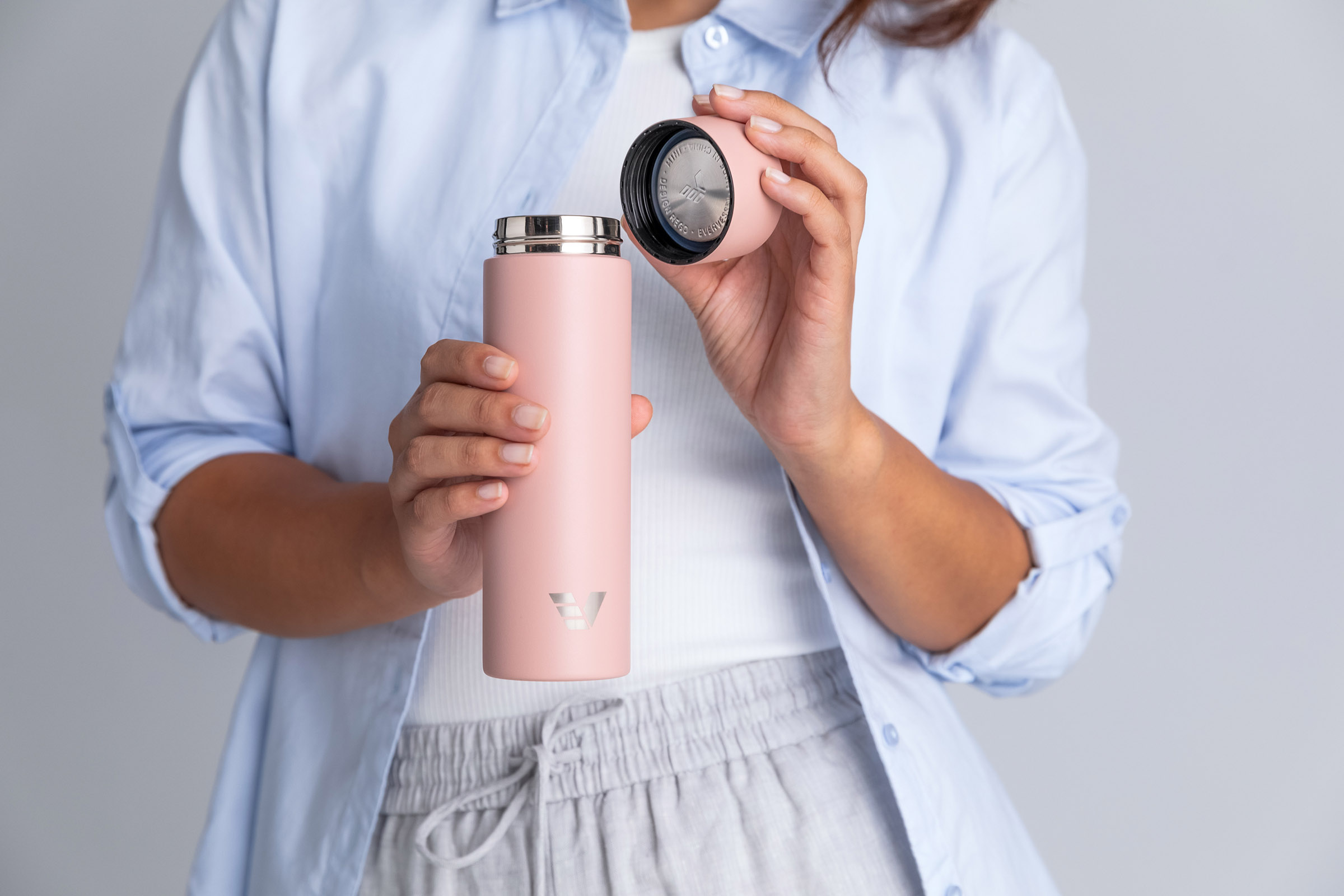
Because for something that follows us everywhere (desk, car, hikes, yoga…), the humble drink bottle is strangely prone to becoming a science experiment. Hard-to-clean corners and gaskets. Mystery smells. Bec Bligh and her husband Tim know it well. A six-month sailing trip along the Queensland coast left them with a lifetime of memories and one stubborn annoyance: mouldy water bottles they couldn’t properly clean.
So they did something about it.
Enter @EverVessel. Thoughtfully designed borosilicate glass and stainless steel bottles that keep things beautifully simple: durable materials, wide openings, easy-to-clean parts and none of the techy gimmicks that tend to age badly. Turns out simplicity, done well, is pretty powerful stuff. (Their many design awards agree!)
And lately they’ve added a little extra delight: the Artist Series, where creatives like Paola Castro, Ben Miners and Martin Thompson transform these everyday companions into tiny travelling artworks. There are more colabs in the works, too: hydration, but make it joyful! 🎨💧
We chatted with Bec about the sailing trip that started it all, the philosophy behind Ever Vessel, and why the most sustainable product is often just the one you keep using.
Tap the link in our bio to read the full conversation. 🚰
#EverVessel #ReusableWaterBottle


Pull up a chair… there’s room at this table!
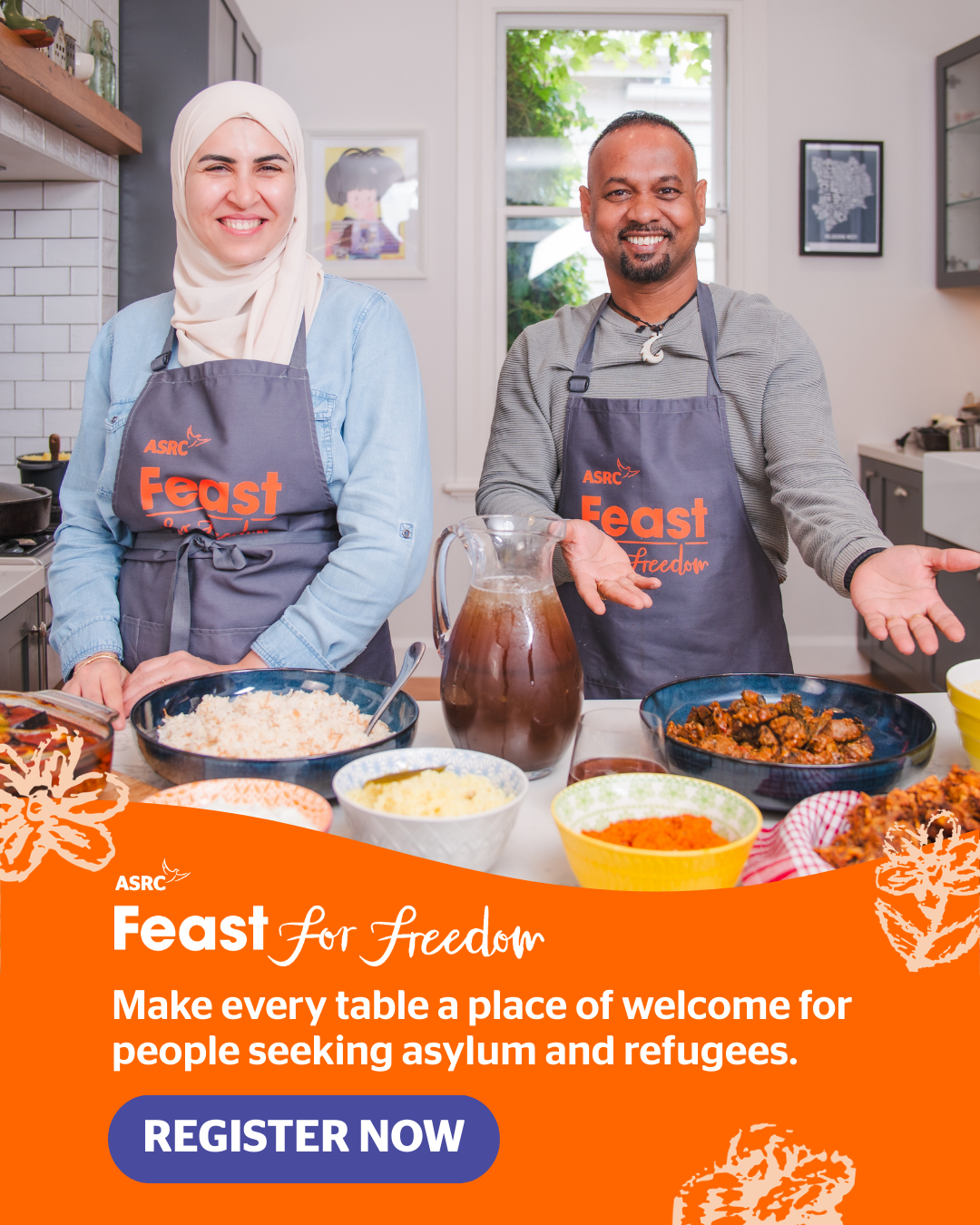
For the first time, Feast for Freedom is bringing people together for a spectacular long-table dinner as part of the Melbourne Food & Wine Festival.
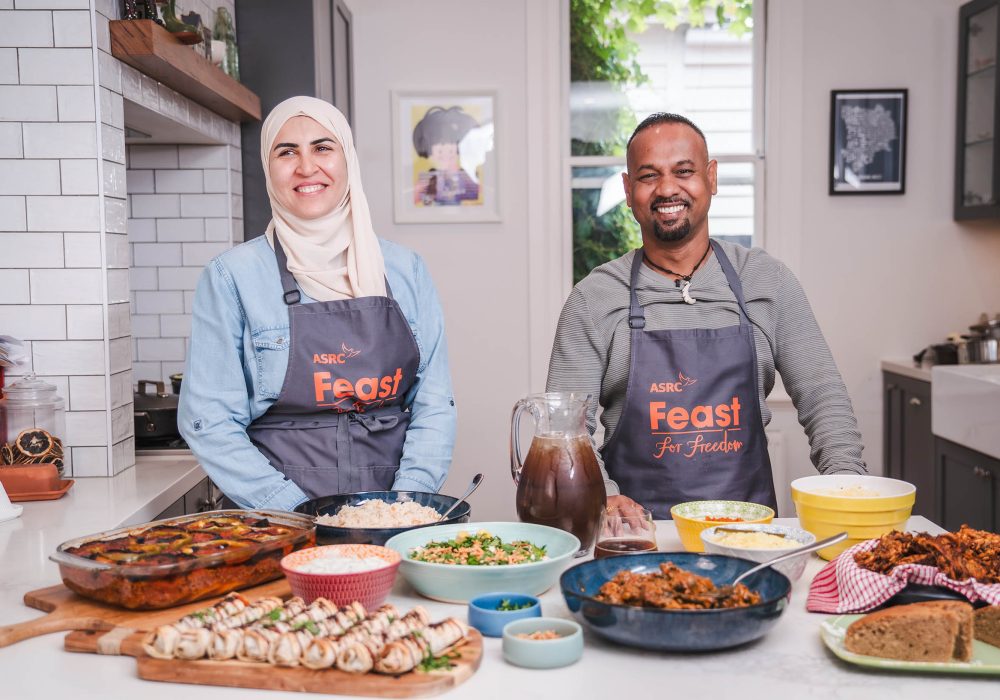
A Longer Table is exactly what it sounds like: one beautiful shared table inside the Asylum Seeker Resource Centre (@Asrc1), piled with generous dishes inspired by this year’s hero cooks, Noha and Nige.
From 6 to 9pm on Wednesday, 25 March, this is what you can expect:
🍽 A three-course shared feast
🍷 Matched drinks
🎶 Live entertainment
✨ A room full of good humans
Your ticket doesn’t just buy you a delicious dinner. It supports the ASRC’s vital work and helps create a fairer future for people seeking asylum.
Seats are limited, and long tables have a way of filling up quickly – head to @MelbFoodAndWine’s website to book now: feastforfreedom.org.au/mfwf
#FeastForFreedom #MelbourneFoodAndWineFestival #LongTableDinner #FoodForChange

Sew versatile! 🪡
Another great make from Lisa from @SunnySewsEveryday:
My #PeppermintWaratahWrapDress is finished and I’m so proud of it. It has been designed not to flap open and flash your pants in the wind, so I feel confident it will be a great wheelchair or standing dress in English weather.
#PeppermintPatterns #WrapDress #WrapDressPattern

Frame your face with the Peppermint Bucket Hat!
Stay safe and stylish in the sun with your very own self-sewn and self-drafted wide-brimmed bucket hat. This beginner-friendly sew is perfect for a sunny day. Get out your pencils – this pattern is created using equations and maths!
This DIY project was featured in Issue 53 and now you can access it for the lovely low price of only $5.
Sun-safe chic is always in style. ☀️
Find it via the link in our bio!
Photos: @KelleySheenan
#PeppermintPatterns #PeppermintBucketHat #BucketHat #BucketHatPattern #DIY

✨ INSTANT CLASSIC ✨
The Peppermint Myrtle Shift Dress is a beginner-friendly make with a few special details based on the ever-stylish shift shape – the perfect dress you need in your wardrobe right now!
Myrtle cuts above the knee with options to customise the length. Don’t think she’s reserved for hot weather either: try a heavier-weight fabric to turn your Myrtle into a pinafore-style garment for layering.
For our fabrics we chose two from our lovely sewing partner @Karmme_Apparel – the bold Rottnest Stripes in a lightweight, soft-drape cotton, and the quality linen in the handpainted Mexico Collection.
Get making the Myrtle – the only question is, can you stop at just one?
Link in bio 🪡
Fabric: @Karmme_Apparel
Sewist: @Laura_The_Maker
Photos: @KelleySheenan
Models: @SerahSews and @Pins_And_Tonic
Location: @ShareTheDignityAustralia
#PeppermintMyrtleShiftDress #PeppermintPatterns

It’s time to Feast!
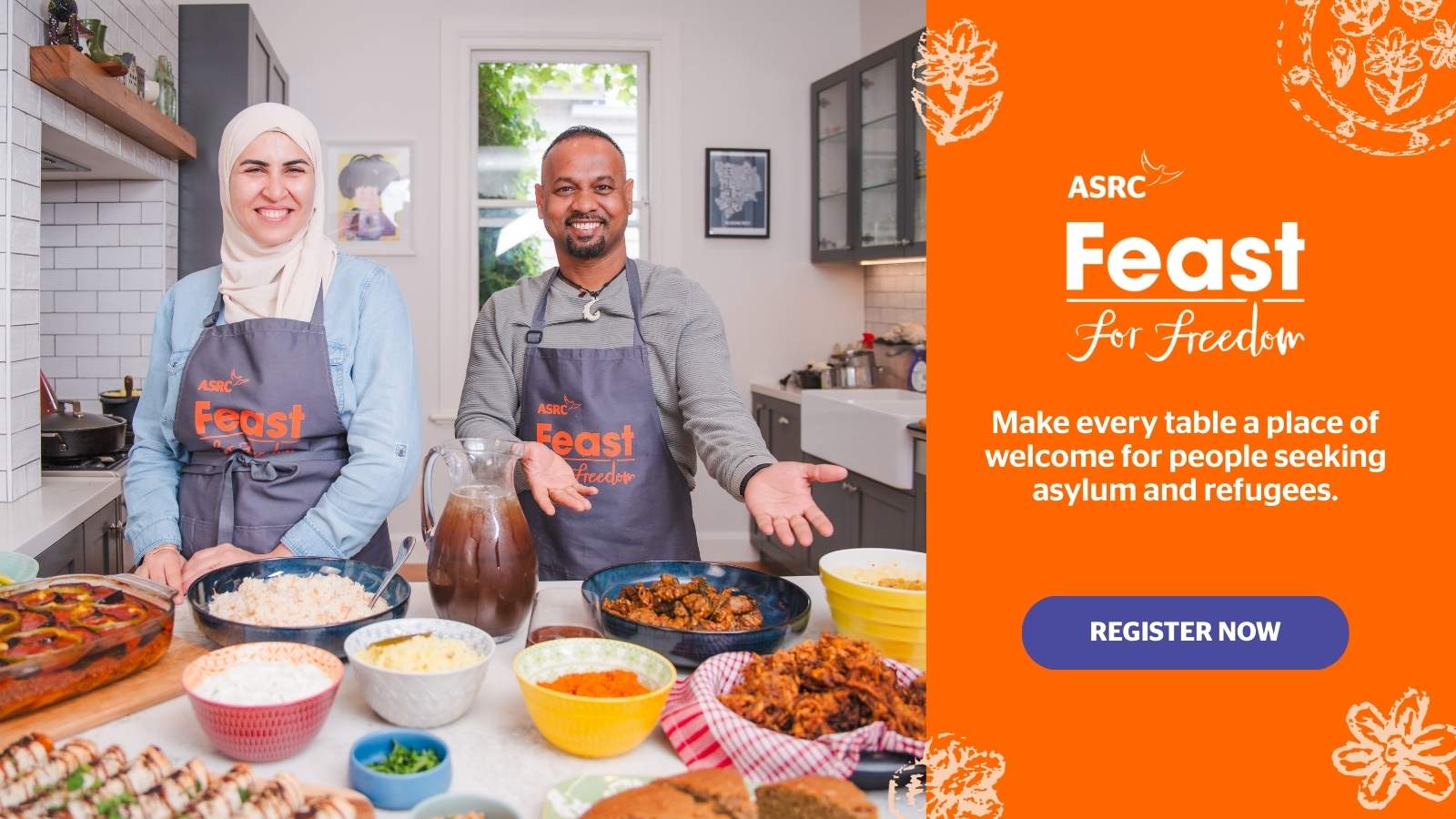
Some recipes travel a long way before they land on your table to delight your taste buds. This year’s Feast for Freedom invites us to gather our friends, cook something delectable and raise funds for the incredible work of the Asylum Seeker Resource Centre (@Asrc1) while we’re at it.
The 2026 Feast features recipes shared by two remarkable cooks: Noha, who brought the flavours of Palestine with her when she arrived in Australia, and Nige, a Sri-Lankan Tamil cook whose journey with food began in the most unexpected of places.
You can host your own Feast up until 30 April – simply register online and get planning! Host a dinner, organise a workplace lunch, or gather your community… However you do it, the idea is simple: cook, connect and celebrate the cultures and stories that shape Australia.
Want to find out more? Head to the link in bio to meet Noha and Nige, learn more about their stories, and discover a delicious recipe to try.
#FeastForFreedom #PeppermintMagazine #FoodForGood #ASRC
