
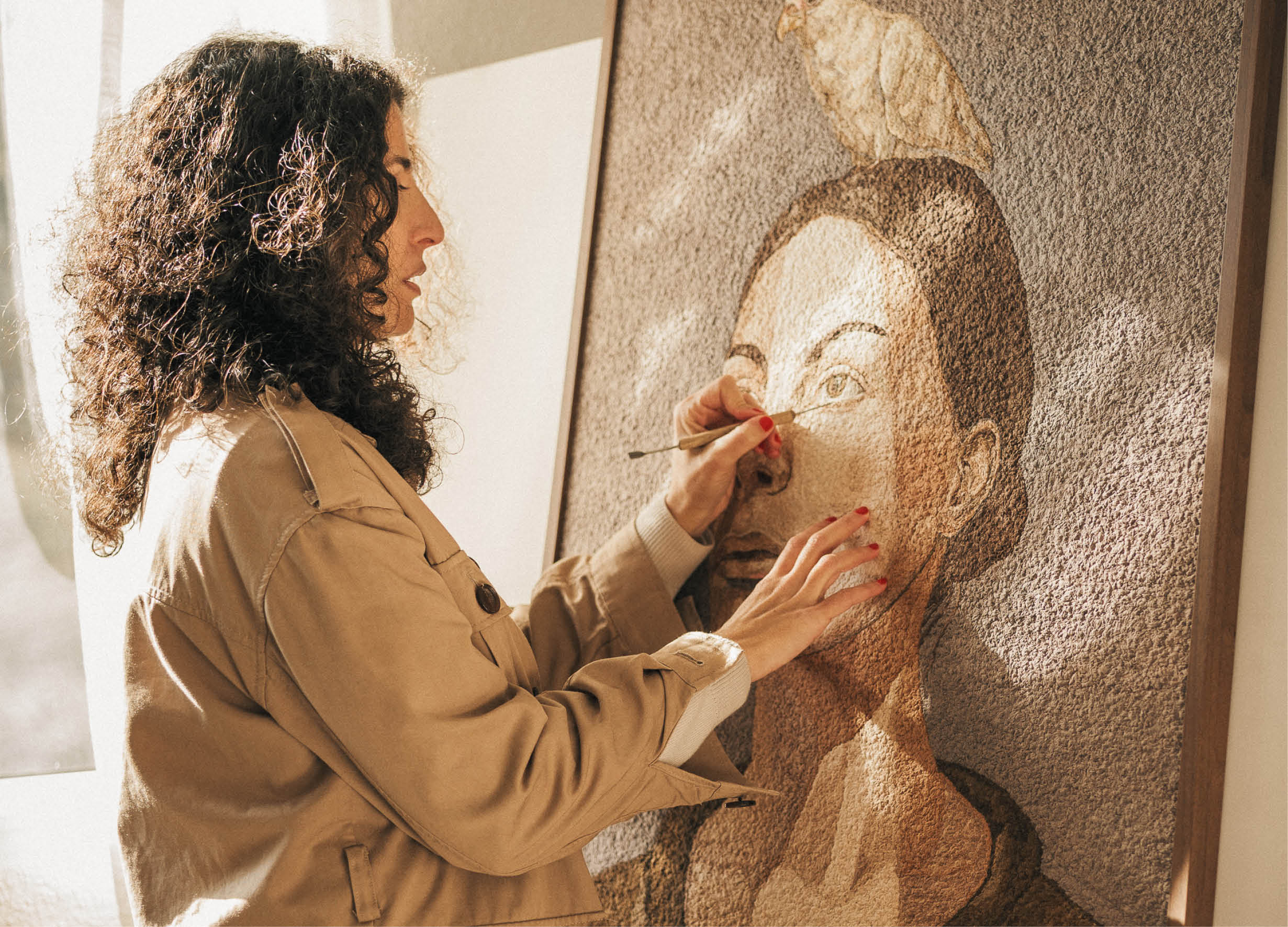
words TEELA REID artwork LAUREN ROGERS
This year will see a referendum called for First Nations constitutional recognition through an Indigenous Voice to Parliament. In Issue 57, our team had the honour of working alongside Wiradjuri and Wailwan lawyer Teela Reid as she penned the feature ‘Voice, A New Vision’.
“The idea to enshrine a First Nations Voice is one of the systemic changes mandated in the Uluru Statement from the Heart: ‘We call for a First Nations Voice to Parliament enshrined in the Constitution.’ That is the invitation the Australian people have overwhelmingly accepted at the heart of the Uluru Statement – to enshrine a First Nations Voice,” Teela writes.
“It invites the Australian people to ‘walk with us’ towards a First Nations Voice and a Makarrata Commission. A Makarrata Commission would supervise a process of treaties and truth-telling. Makarrata is a Yolngu word meaning ‘coming together after a struggle’. This is the vision for a better future and the mandate formulated by a cross-section of the First Nations community.”
As part of Peppermint’s commitment to sharing valuable resources and amplifying First Nations’ voices, over the next few weeks, we will be publishing this feature online in full so it is free for all to access. Here, Teela explains the process and principles of a referendum.
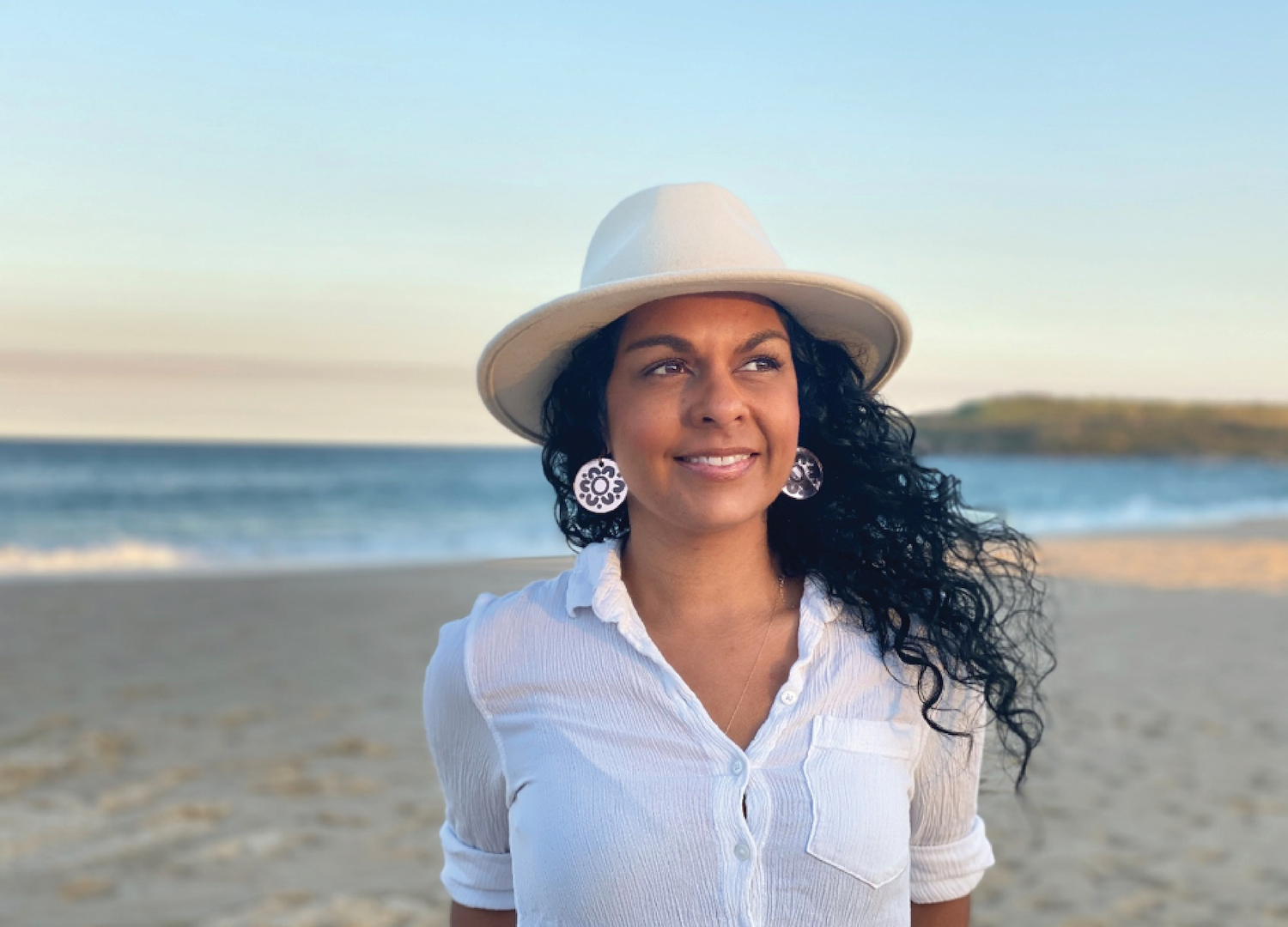
above TEELA REID BY JAKAYLA REID
What is a referendum?
A referendum is a mandatory vote required to amend the Australian constitution. The question will require a simple yes or no response. You will not be voting on the model of the Voice, but you will be asked whether or not it ought to exist.
Establishing a First Nations Voice enables the many different First Nations an opportunity to be heard on the issues affecting their communities. It is as simple as saying nothing about us, without us!
What is the Voice?
A First Nations Voice to Parliament is a modest idea that will have a profound impact on our nation. The Uluru Statement from the Heart mandates it must be “a First Nations Voice” enshrined in the Australian constitution. It is a request for a representative body in the Australian constitution – a Voice that is elected by and for First Nations peoples. This is crucial given First Nations politicians represent the interests of their political parties – whether that be Labor, Liberal or the Greens. Establishing a First Nations Voice enables the many different First Nations an opportunity to be heard on the issues affecting their communities. It is as simple as saying nothing about us, without us! It is also an incredible opportunity to listen and learn from the many First Nations peoples that have lived on this continent since time immemorial.
Why do we need to have a referendum?
First Nations peoples were intentionally omitted from Australia’s constitution in 1901. In 1967, a referendum enabled the federal parliament to make laws with respect to Aboriginal and Torres Strait Islander peoples, but it did not allow us a Voice in those laws.
A referendum process provides an opportunity for the Australian people to guarantee the First Nations Voice be established. A constitutionally enshrined First Nations Voice ensures the Voice is durable and there is certainty for First Nations input into laws and policies beyond the unpredictability of government cycles. A referendum process provides an opportunity for the Australian people to respond to the Uluru Statement from the Heart, and gives the First Nations Voice public legitimacy. A referendum secures its function within the democratic process, irrespective of which government wins an election.
A constitutionally enshrined First Nations Voice ensures the Voice is durable and there is certainty for First Nations input into laws and policies beyond the unpredictability of government cycles.
It is important to understand that for the referendum to be consistent with the Uluru Statement, the Australian government must act in good faith and put to the public a vote on a question on the “First Nations Voice”. This process resets the balance of power between the people of Australia and the First Nations. It is simply the beginning, and not the endpoint, to building a better future for our nation. One that is based on the self-determination of First Nations peoples to influence the laws and policies that affect our lives.
The status quo is not working. Consecutive governments have failed to Close the Gap and improve the lives of First Nations peoples. A fundamental change is necessary to ensure the voices of First Nations peoples are centred in policy decisions that affect their communities. The architecture of our society is formed by the structures that have the power to tell our nation’s story – it is why it is so important to create a First Nations Voice.
What are the steps to this process?
Step One
The Australian government puts to the people a question broadly asking:
A Proposed Law to alter the Constitution to recognise the First Peoples of Australia by establishing an Aboriginal and Torres Strait Islander Voice. Do you approve this proposed alteration?
Step Two
The public votes on the referendum question.
Step Three
If YES, passed by a double-majority of the Australian population, the Voice legislative design process is underway with First Nations communities.
If NO, the referendum fails. The only option left is for the government of the day to legislate.
https://www.instagram.com/p/CoCUOStvL7X/
Will First Nations sovereignty be ceded?
A First Nations Voice enshrined in the Australian constitution cannot cede First Nations sovereignty. The first issue with understanding “sovereignty” is that it can mean different things to different people. How settlers define sovereignty can be different to how First Nations peoples express and enforce their sovereignty. To some it might be an individual right, to others it might be a collective right. The essential point to be made is that no western law can ever cede First Nations sovereignty.
The essential point to be made is that no western law can ever cede First Nations sovereignty.
How will the Voice effect change?
The Australian constitution is a document that stipulates the separation of powers. It mandates there must be separate legislature, executive and judiciary powers as fundamental pillars of our democracy. These are written into the constitution as principles: it does not include models or details of how these function – the details are outlined in legislation. The Australian constitution is the boundaries within which parliament can make laws, for instance, regarding tax.
A First Nations Voice within the Australian constitution would provide a powerful mechanism for checks and balances on parliament and the government of the day that currently do not exist. But it would only relate to the boundaries within which parliament makes laws in relation to Aboriginal and Torres Strait Islander people.
A First Nations Voice would provide the framework for Makarrata, the process required to engage in treaty-making for the many different First Nations. Treaties are creatures of legislation, they require the time to negotiate the terms and conditions. Without a First Nations Voice, they are inevitably vulnerable because they rely on the good faith of the government of the day to uphold their promises.


“My piece of advice for makers and designers? Run your own race… make sure your key decisions stay anchored in your brand’s core beliefs.”
- Bec Bligh
Quick show of hands: who’s opened a water bottle expecting a refreshing sip… and instead been greeted by the unmistakable whiff of uh-oh?
Because for something that follows us everywhere (desk, car, hikes, yoga…), the humble drink bottle is strangely prone to becoming a science experiment. Hard-to-clean corners and gaskets. Mystery smells. Bec Bligh and her husband Tim know it well. A six-month sailing trip along the Queensland coast left them with a lifetime of memories and one stubborn annoyance: mouldy water bottles they couldn’t properly clean.
So they did something about it.
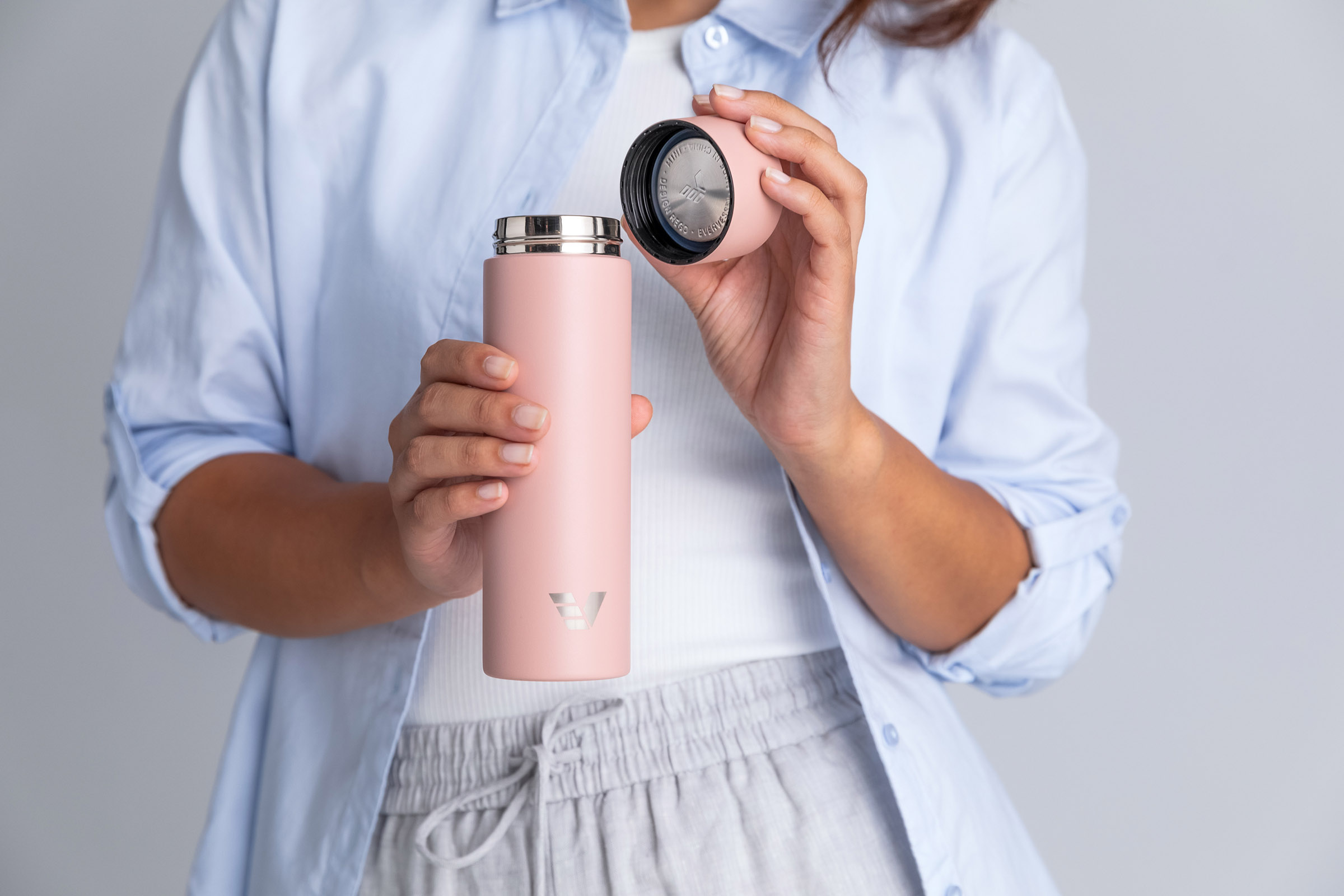
Enter @EverVessel. Thoughtfully designed borosilicate glass and stainless steel bottles that keep things beautifully simple: durable materials, wide openings, easy-to-clean parts and none of the techy gimmicks that tend to age badly. Turns out simplicity, done well, is pretty powerful stuff. (Their many design awards agree!)
And lately they’ve added a little extra delight: the Artist Series, where creatives like Paola Castro, Ben Miners and Martin Thompson transform these everyday companions into tiny travelling artworks. There are more colabs in the works, too: hydration, but make it joyful! 🎨💧
We chatted with Bec about the sailing trip that started it all, the philosophy behind Ever Vessel, and why the most sustainable product is often just the one you keep using.
Tap the link in our bio to read the full conversation. 🚰
#EverVessel #ReusableWaterBottle


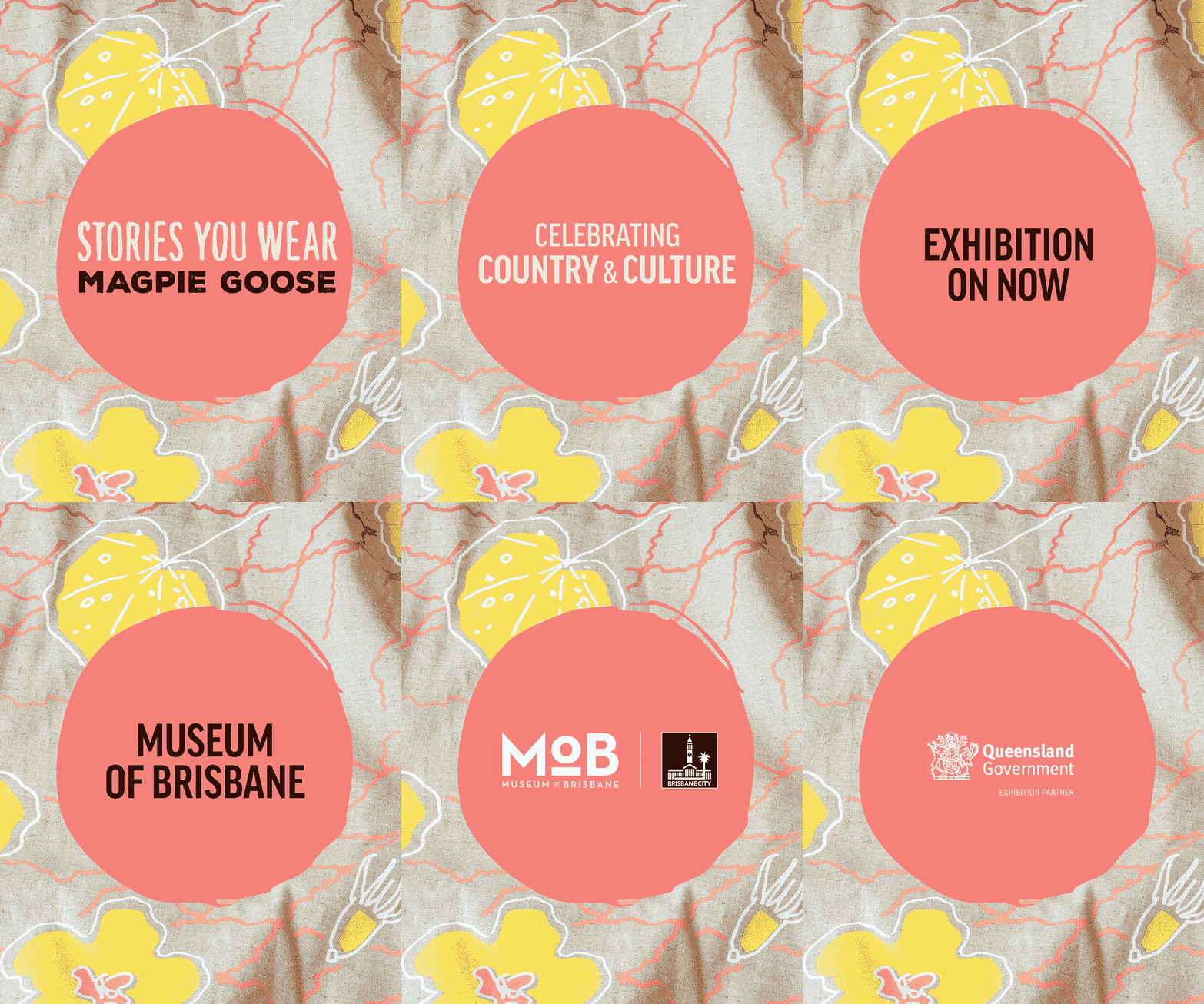
Pull up a chair… there’s room at this table!
For the first time, Feast for Freedom is bringing people together for a spectacular long-table dinner as part of the Melbourne Food & Wine Festival.
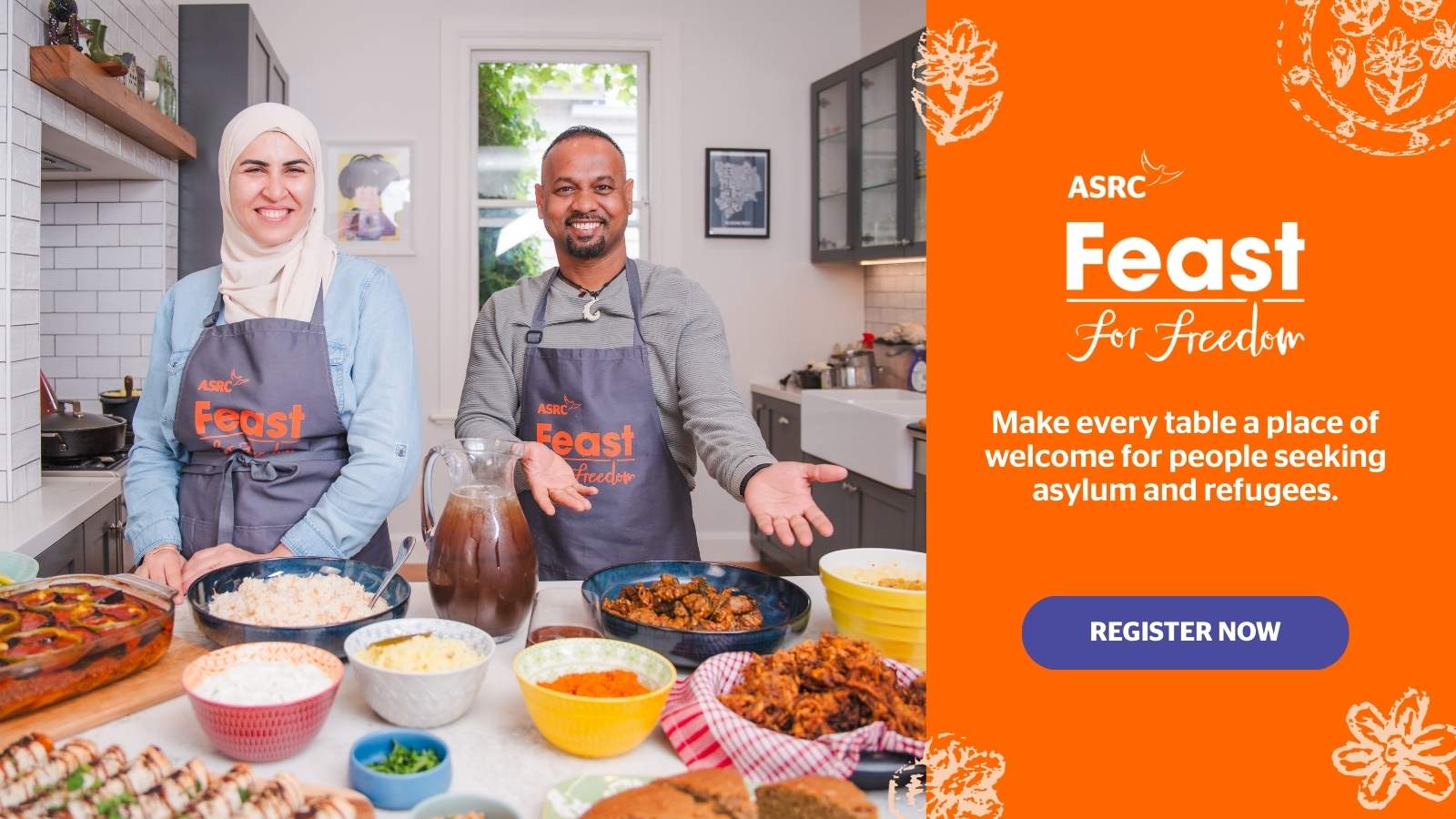
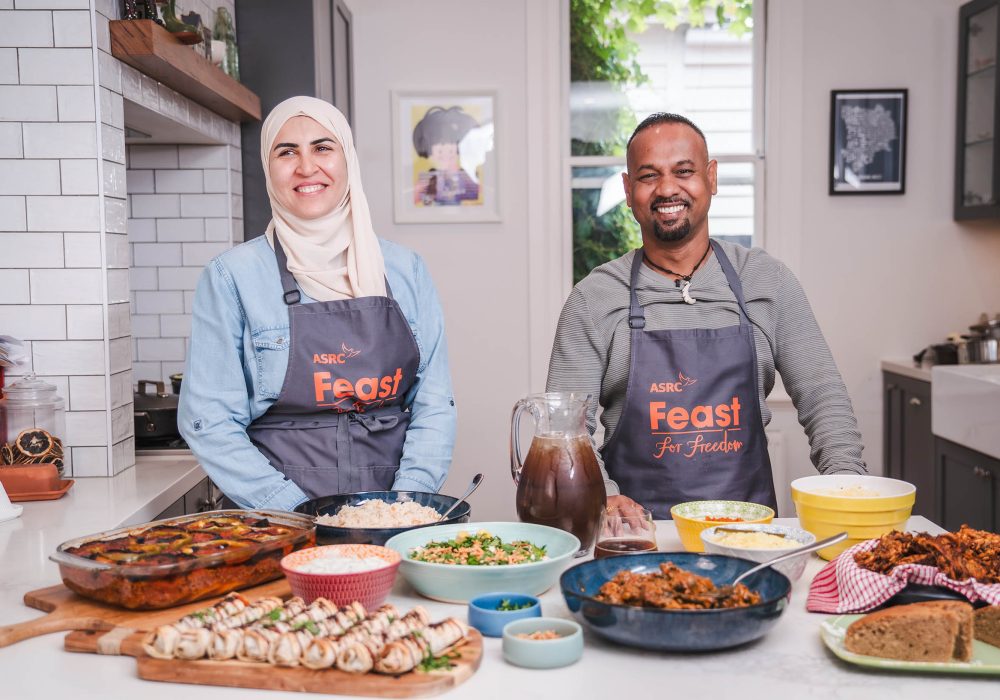
A Longer Table is exactly what it sounds like: one beautiful shared table inside the Asylum Seeker Resource Centre (@Asrc1), piled with generous dishes inspired by this year’s hero cooks, Noha and Nige.
From 6 to 9pm on Wednesday, 25 March, this is what you can expect:
🍽 A three-course shared feast
🍷 Matched drinks
🎶 Live entertainment
✨ A room full of good humans
Your ticket doesn’t just buy you a delicious dinner. It supports the ASRC’s vital work and helps create a fairer future for people seeking asylum.
Seats are limited, and long tables have a way of filling up quickly – head to @MelbFoodAndWine’s website to book now: feastforfreedom.org.au/mfwf
#FeastForFreedom #MelbourneFoodAndWineFestival #LongTableDinner #FoodForChange

Sew versatile! 🪡
Another great make from Lisa from @SunnySewsEveryday:
My #PeppermintWaratahWrapDress is finished and I’m so proud of it. It has been designed not to flap open and flash your pants in the wind, so I feel confident it will be a great wheelchair or standing dress in English weather.
#PeppermintPatterns #WrapDress #WrapDressPattern

Frame your face with the Peppermint Bucket Hat!
Stay safe and stylish in the sun with your very own self-sewn and self-drafted wide-brimmed bucket hat. This beginner-friendly sew is perfect for a sunny day. Get out your pencils – this pattern is created using equations and maths!
This DIY project was featured in Issue 53 and now you can access it for the lovely low price of only $5.
Sun-safe chic is always in style. ☀️
Find it via the link in our bio!
Photos: @KelleySheenan
#PeppermintPatterns #PeppermintBucketHat #BucketHat #BucketHatPattern #DIY

✨ INSTANT CLASSIC ✨
The Peppermint Myrtle Shift Dress is a beginner-friendly make with a few special details based on the ever-stylish shift shape – the perfect dress you need in your wardrobe right now!
Myrtle cuts above the knee with options to customise the length. Don’t think she’s reserved for hot weather either: try a heavier-weight fabric to turn your Myrtle into a pinafore-style garment for layering.
For our fabrics we chose two from our lovely sewing partner @Karmme_Apparel – the bold Rottnest Stripes in a lightweight, soft-drape cotton, and the quality linen in the handpainted Mexico Collection.
Get making the Myrtle – the only question is, can you stop at just one?
Link in bio 🪡
Fabric: @Karmme_Apparel
Sewist: @Laura_The_Maker
Photos: @KelleySheenan
Models: @SerahSews and @Pins_And_Tonic
Location: @ShareTheDignityAustralia
#PeppermintMyrtleShiftDress #PeppermintPatterns

It’s time to Feast!
Some recipes travel a long way before they land on your table to delight your taste buds. This year’s Feast for Freedom invites us to gather our friends, cook something delectable and raise funds for the incredible work of the Asylum Seeker Resource Centre (@Asrc1) while we’re at it.
The 2026 Feast features recipes shared by two remarkable cooks: Noha, who brought the flavours of Palestine with her when she arrived in Australia, and Nige, a Sri-Lankan Tamil cook whose journey with food began in the most unexpected of places.
You can host your own Feast up until 30 April – simply register online and get planning! Host a dinner, organise a workplace lunch, or gather your community… However you do it, the idea is simple: cook, connect and celebrate the cultures and stories that shape Australia.
Want to find out more? Head to the link in bio to meet Noha and Nige, learn more about their stories, and discover a delicious recipe to try.
#FeastForFreedom #PeppermintMagazine #FoodForGood #ASRC
