
The voices of women, girls and non-binary folk have often been silenced when it comes to history, politics, science, art… well, you name it. But multigenerational storytelling night, Generation Women, is speaking truth to power, offering a warm and inclusive space where people of all ages can come together to share, celebrate and learn.
Held in Sydney and Melbourne, the monthly event aims to amplify a selection of female and non-binary voices – representing those in their twenties through to their seventies (and beyond) – each sharing their own stories on a specific theme.
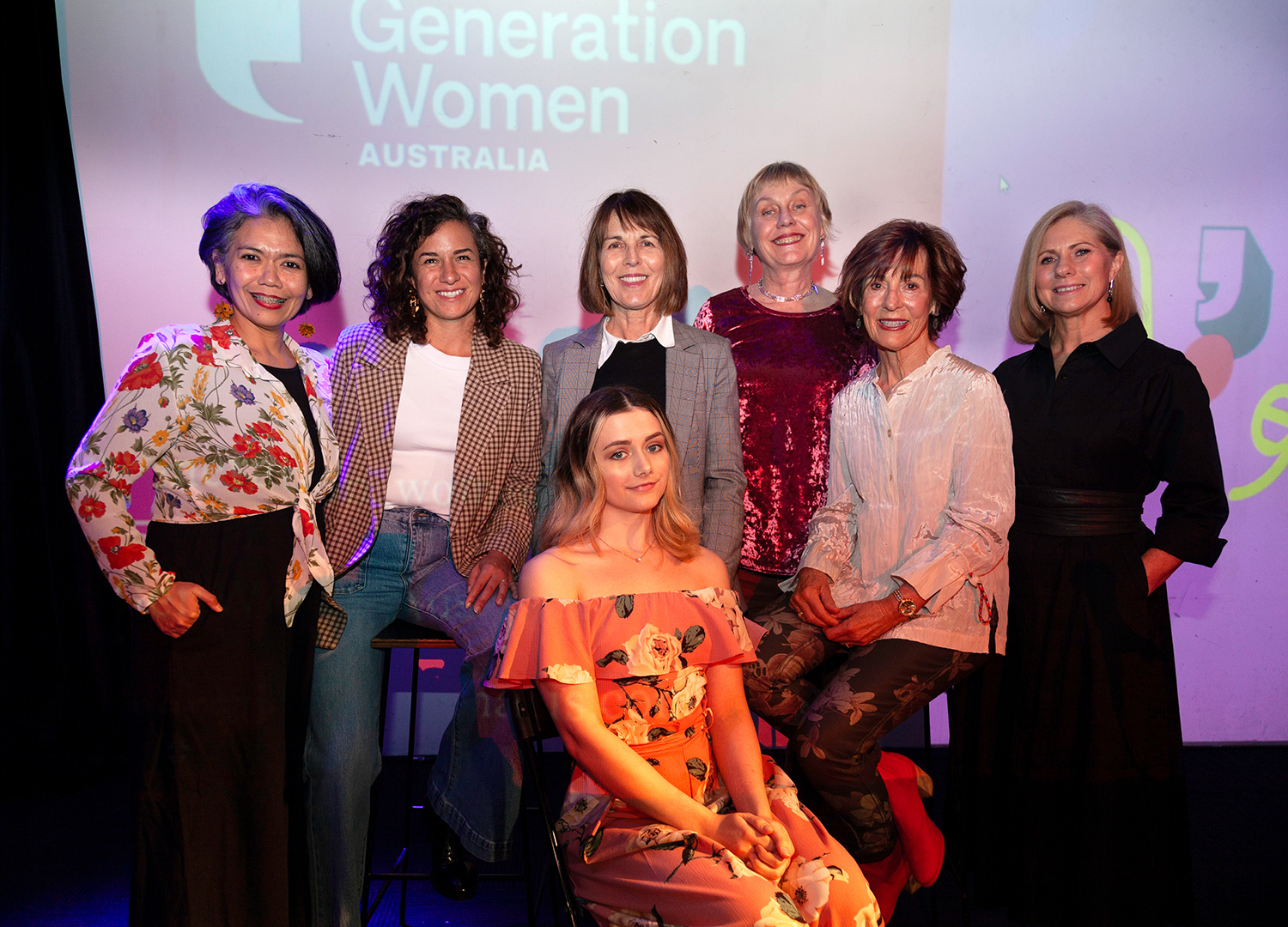
above GENERATION WOMEN MELBOURNE SEPTEMBER PERFORMERS. PHOTO BY SEVIM DOGAN OZKAN
Peppermint is proud to partner with the Generation Women team to bring you a monthly series sharing the words and wisdom from some of the storytellers. September’s theme was ‘The Skin I’m In’, with performers like author Suzanne McCourt sharing stories of the joy, shame, strength, freedom, pain of having a body – and the complicated and often lifelong journey many of us go on to become comfortable in our skin.
For more information about Generation Women, including forthcoming events, head to their website here.
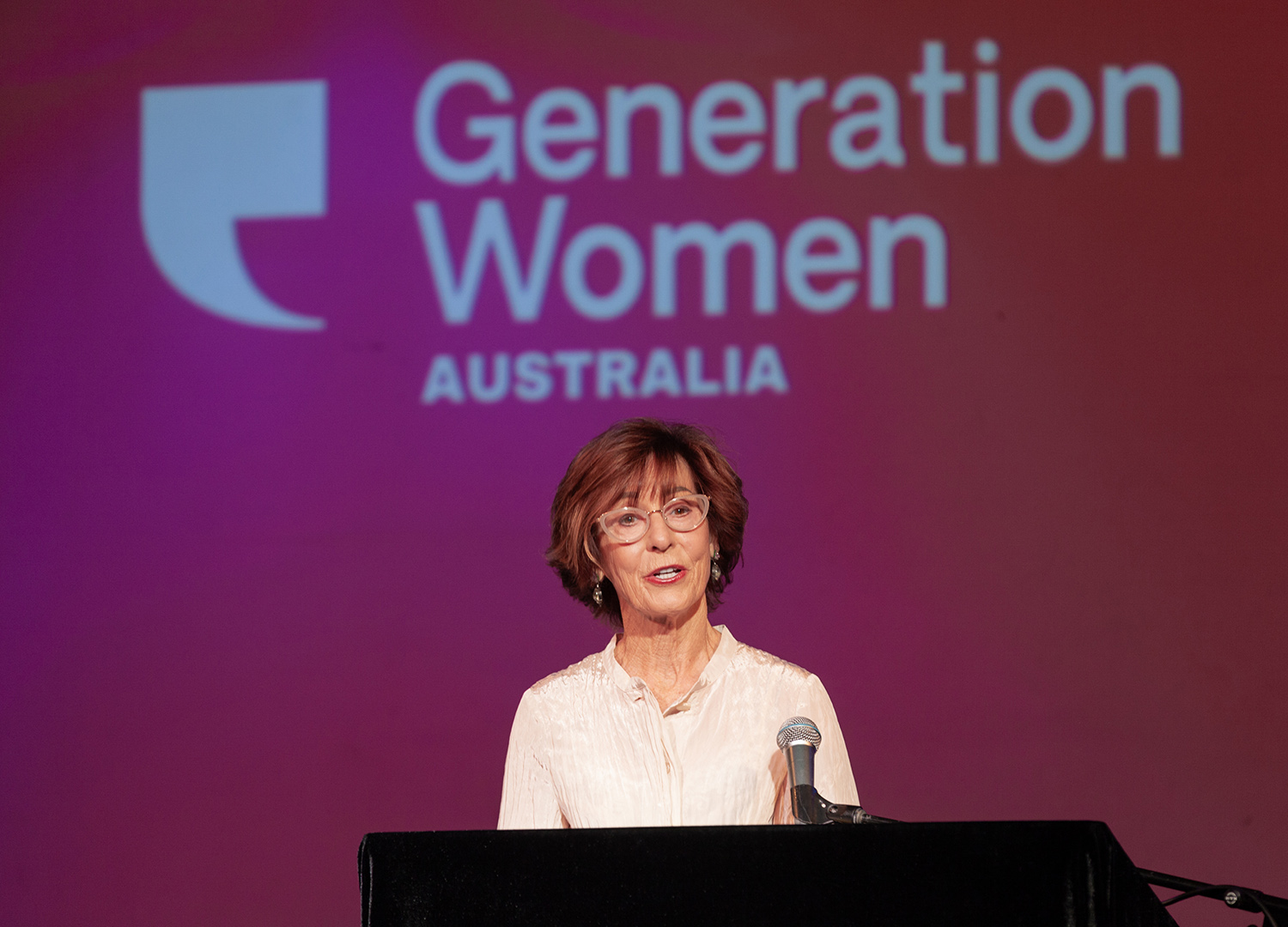
above SUSAN MCCOURT SPEAKING AT GENERATION WOMEN MELBOURNE: THE SKIN I’M IN. PHOTO BY SEVIM DOGAN OZKAN
Melbourne Storyteller Team 70s: Suzanne McCourt
CONTENT WARNING: This article contains references to domestic violence, sexual assault, eating disorders and mental health. If you or someone you know is impacted, call 1800RESPECT or 1800RESPECT.org.au; contact Lifeline on 13 11 14; or visit beyondblue.org.au.
A few weeks ago, a fellow swimmer on the beach told me that a hit of cocaine gives you a high for three minutes, but a cold-water swim gives you a high for three hours. I said I couldn’t vouch for the cocaine.
In winter, if I wear a wetsuit, I can swim for longer, but I don’t get the same hit of seawater on skin. So if not a wetsuit, a swimsuit. And there lies one of life’s little challenges. Buying a new one. In those change rooms—so small and mirrored and well lit—there is suddenly a lot of skin. Droopy bits, and someone else’s bottom seems to have followed me in. It’s hard to see all that skin without the ‘shame’ word slinking into the cubicle beside me.
I find shame is a slippery emotion, hard to define, hard to hold onto. It hides in the shadows. It’s full of self-loathing. I welcome the opportunity tonight to bring it out of the change room…so to speak.
I was lucky to grow up in a small fishing village in the southeast of South Australia—Beachport, not far from Mt Gambier—population 150.
Shame is a slippery emotion, hard to define, hard to hold onto. It hides in the shadows. It’s full of self-loathing.
Thirty kids in the local school. My first maths lesson was a walk to the beach to collect those round white trapdoors from turban shells to use as counters. Geography, we rushed to the jetty on a cold winter’s day to watch a whale and her calf breaching in the bay.
I learned to swim in a lake behind the dunes, which had such a high salt content, we had to keep our heads out of water to avoid the salt stinging our eyes.
When I was seven, I fell into a hole on the reef on the front beach and almost drowned. I still feel the terror of floating amongst the weed and rock on the bottom before an older girl rescued me.
Small towns can be defining. ‘You were not really wanted,’ I was told by a girl in primary school, obviously parroting her mother. ‘You were just an effort to save a breaking marriage.’
These days, it’s hard to relate to the shame of divorce in the early 1950’s. My mother had to arrange for a photographer to burst in on my father and his ‘floosy’, undergo a very public court case, live with the condemnation of the locals. ‘Your mother is the most common woman in town,’ that same little popsicle told me.
There lies the beginnings of shame.
READ MORE – “Go Where the Boss Tells You Not to Go”: Reflections on the Night John Lennon Died
After the divorce, my father burned our house down. Luckily, my Mum was recovering from a nervous breakdown and the effects of electric shock therapy that she’d been given in an Adelaide mental asylum, and we were staying on a farm just out of town. My father was best mates with the local policeman, who enjoyed a drink or two himself. The fire was officially recorded as an electrical fault. Guilt – and shame? – in the coverup, no doubt played some part in how quickly the townspeople collected money to build us four rooms.
My mother hid her shame in those four rooms, and I learned to hide with her. I hid in books. I hid in being a good girl, in getting good marks at school. I always felt alone. I felt like I didn’t have a father or a mother. When the local Lions Club arrived with a food box I learned from my mother’s embarrassment that it was better to go hungry than have people knowing about your shame.
I hid in being a good girl, in getting good marks at school. I always felt alone.
Eventually we moved to the city. It was the sixties and attitudes were changing. A teaching scholarship enabled me to flee to Darwin. I married the journalist I wanted to be, but you carry shame in your skin and bones. It came with me.
Shame makes you silent. It takes away your voice. Married with two children, my voice began crying out to be heard, but I learned to eat and eat and eat to stifle it. I cleansed myself with laxatives as my mother had done before me, until I was skin and bone. Back then, not much was known about eating disorders and I ended up in a hospital being given deep sleep therapy that hid the shame for only as long as I slept. Oddly, I was exactly the same age as my mother when she’d been given electric shock therapy. Generational patterns are powerful.
Long after my own divorce, and a wonderful therapist, I began to find my voice on paper. At first, through Julia Cameron’s morning pages, where I wrote about my father passing me in the street, of how he would never look at me. How I hated him. I wrote about the madness of my mother’s cleaning, how I slept with her until I was fifteen, how many years later, she told me what her father had done to her when she was a child. And I began to question how much of my shame belonged to my mother, my father, my grandfather, maybe generations before? I wrote that one day I wanted to write a book about that little girl and her shame.
Often over the years, I had lessons to learn how to swim—properly—without my head stuck out of water. I failed every time. My fear of drowning was too great. But six years ago, when I turned 70, I met a man, who said: ‘Why don’t we start with seven-year-old Suzanne?’
He taught me to float on my back, and on my front. He taught me to put my face in water and blow bubbles, to turn my head and take little breaths. He taught me a method called effortless swimming, the technique used by Shane Gould where a twist of your hips propels you through the water like a fish.
Anytime you get frightened, you can rest and catch your breath. That’s all you need to remember.
If I got panicky, he waited patiently. ‘You can always float on your back,’ he said. ‘Anytime you get frightened, you can rest and catch your breath. That’s all you need to remember.’
By then I had written my book about that little girl. She’s in my first novel, The Lost Child which, like many first novels, is hugely autobiographical. Writing that novel connected me to my father, to his own childhood trauma and shame, and I learned to forgive him. It connected me to my mother, and her incredible courage in forging the life she did. It connected me to my shame, and I learned that we have to bring shame into the light before it can lose its power.
Learning to swim has connected me to a new world, a world that’s as embryonic as being reborn. On the beach with a group of women of all ages, pulling off swim coats, beanies and Uggies and donning goggles and swim caps, no one judges me by the skin I’m in. And after a lifetime of judging my body as my whole self, I’m learning to be kinder to grown up me.
There’s something almost primeval about walking off the edge of the earth into the sea. I still have that moment of hesitation, that pause before diving in. Will the water hold me?
My winter skin is different to my summer skin. In winter the water is ice-cube cold. It prickles with a million tingling needle hits, so blissful that it feels as if I’m in my natural fishy habitat, that with every rhythmic reach and kick and twist, I can swim forever.
But I’ve also had to learn that when I’m really blissing out, I’m likely approaching that dangerous state of hypothermia, and I’d better get back to the beach as fast as I can.
In winter the water is ice-cube cold. It prickles with a million tingling needle hits, so blissful that it feels as if I’m in my natural fishy habitat, that with every rhythmic reach and kick and twist, I can swim forever.
Swimming, I’m as alone as that little girl once was—yet I’m not alone. Beneath me, there are gardens of rock and weed, graceful waving kelps, purply starfish and little pink snapper, sometimes stingrays making crazy secret patterns on the sea floor, sometimes brown striped banjo sharks.
There are scary things too, sometimes dark shadowy shapes: then I feel my breath tighten and I have to remember to blow out and breathe: that I won’t drown: that I can always lie on my back and rest to catch my breath. I’m learning to do this with shadowy shapes that live out of water too.
It’s taken a long time, but swimming has given me one of the greatest gifts of all—an appreciation of my body and what it can do. At 76, at last, I love the skin I’m in. And bless the computer age, I now buy my Speedos online!
READ MORE – Strength, Resilience and Success: The Game-Changing Rise of Women’s Sport



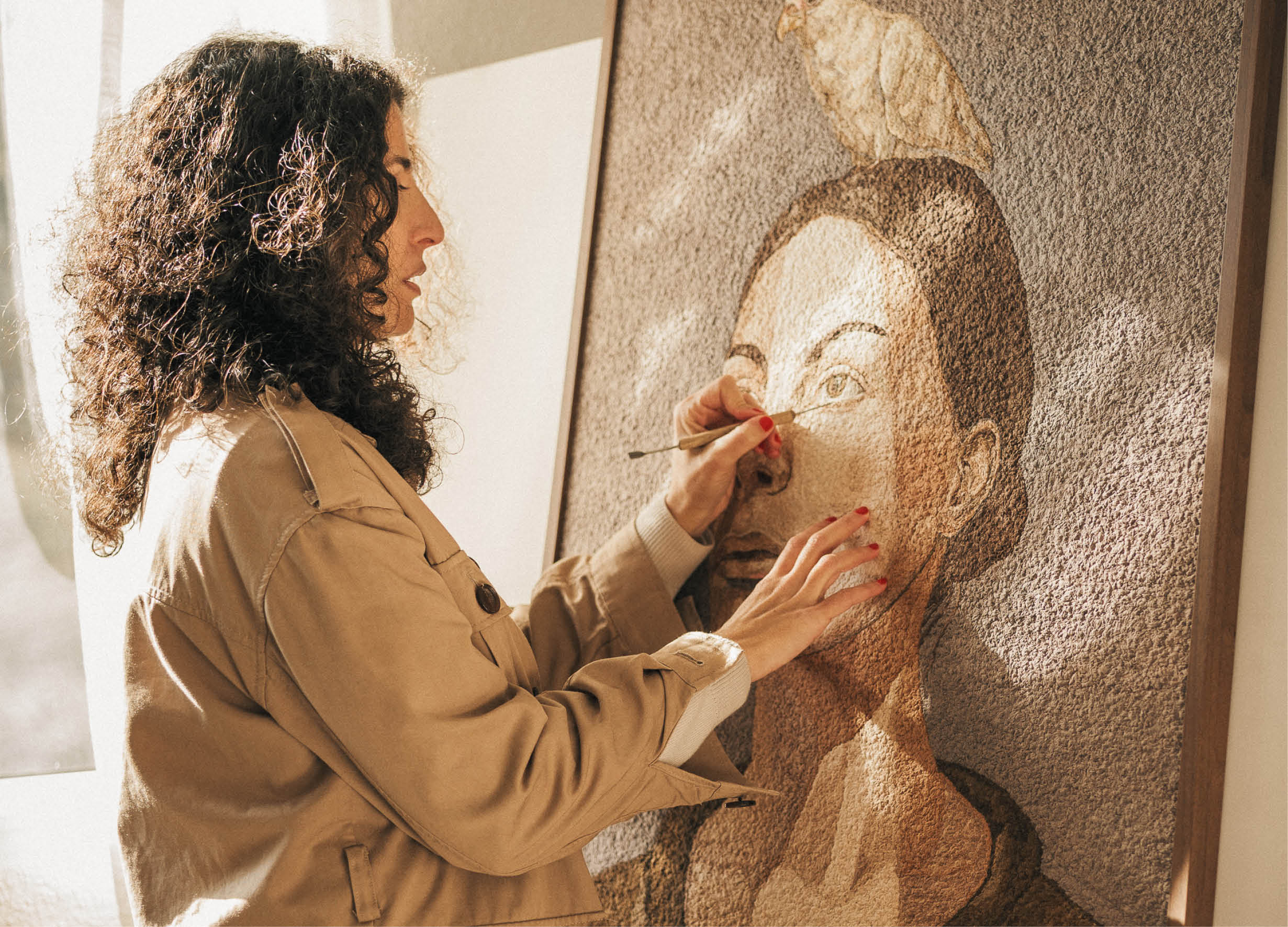

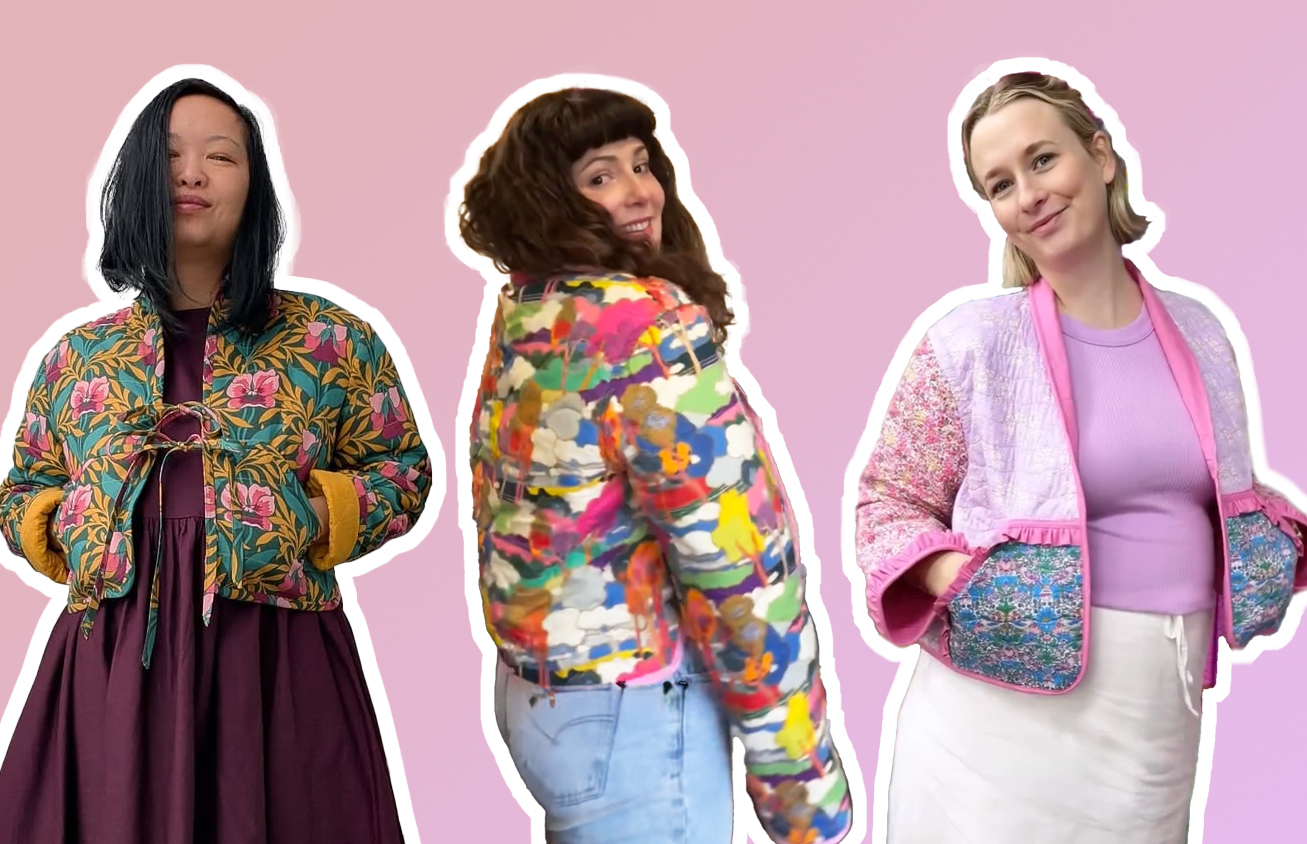
“My piece of advice for makers and designers? Run your own race… make sure your key decisions stay anchored in your brand’s core beliefs.”
- Bec Bligh
Quick show of hands: who’s opened a water bottle expecting a refreshing sip… and instead been greeted by the unmistakable whiff of uh-oh?
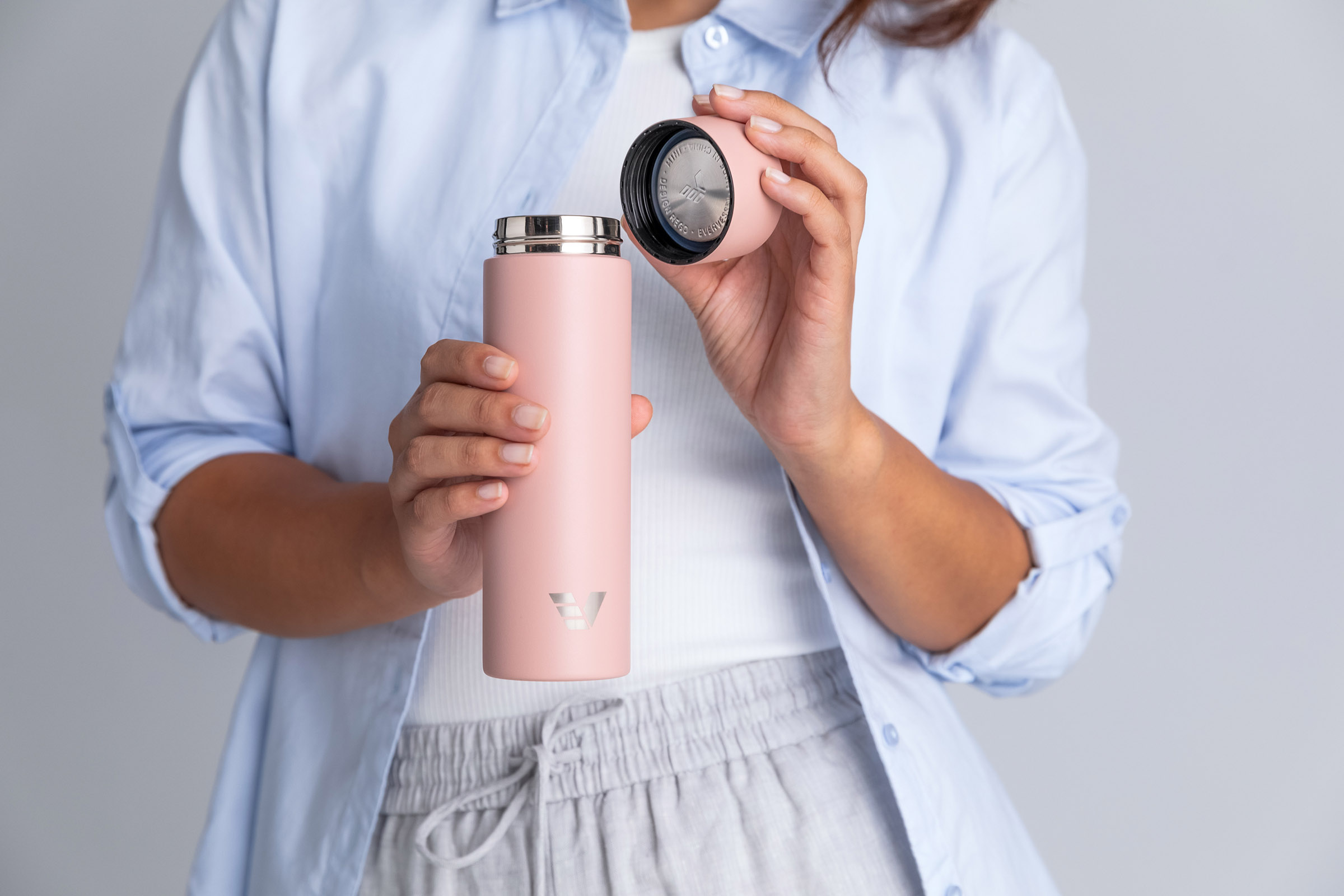
Because for something that follows us everywhere (desk, car, hikes, yoga…), the humble drink bottle is strangely prone to becoming a science experiment. Hard-to-clean corners and gaskets. Mystery smells. Bec Bligh and her husband Tim know it well. A six-month sailing trip along the Queensland coast left them with a lifetime of memories and one stubborn annoyance: mouldy water bottles they couldn’t properly clean.
So they did something about it.
Enter @EverVessel. Thoughtfully designed borosilicate glass and stainless steel bottles that keep things beautifully simple: durable materials, wide openings, easy-to-clean parts and none of the techy gimmicks that tend to age badly. Turns out simplicity, done well, is pretty powerful stuff. (Their many design awards agree!)
And lately they’ve added a little extra delight: the Artist Series, where creatives like Paola Castro, Ben Miners and Martin Thompson transform these everyday companions into tiny travelling artworks. There are more colabs in the works, too: hydration, but make it joyful! 🎨💧
We chatted with Bec about the sailing trip that started it all, the philosophy behind Ever Vessel, and why the most sustainable product is often just the one you keep using.
Tap the link in our bio to read the full conversation. 🚰
#EverVessel #ReusableWaterBottle


Pull up a chair… there’s room at this table!
For the first time, Feast for Freedom is bringing people together for a spectacular long-table dinner as part of the Melbourne Food & Wine Festival.
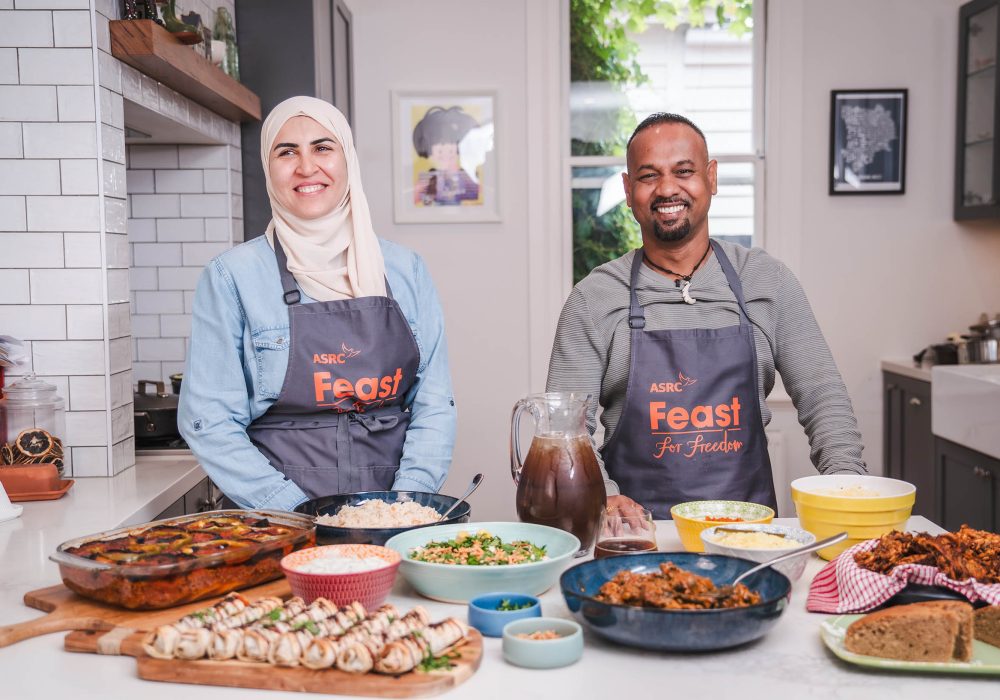
A Longer Table is exactly what it sounds like: one beautiful shared table inside the Asylum Seeker Resource Centre (@Asrc1), piled with generous dishes inspired by this year’s hero cooks, Noha and Nige.
From 6 to 9pm on Wednesday, 25 March, this is what you can expect:
🍽 A three-course shared feast
🍷 Matched drinks
🎶 Live entertainment
✨ A room full of good humans
Your ticket doesn’t just buy you a delicious dinner. It supports the ASRC’s vital work and helps create a fairer future for people seeking asylum.
Seats are limited, and long tables have a way of filling up quickly – head to @MelbFoodAndWine’s website to book now: feastforfreedom.org.au/mfwf
#FeastForFreedom #MelbourneFoodAndWineFestival #LongTableDinner #FoodForChange

Sew versatile! 🪡
Another great make from Lisa from @SunnySewsEveryday:
My #PeppermintWaratahWrapDress is finished and I’m so proud of it. It has been designed not to flap open and flash your pants in the wind, so I feel confident it will be a great wheelchair or standing dress in English weather.
#PeppermintPatterns #WrapDress #WrapDressPattern

Frame your face with the Peppermint Bucket Hat!
Stay safe and stylish in the sun with your very own self-sewn and self-drafted wide-brimmed bucket hat. This beginner-friendly sew is perfect for a sunny day. Get out your pencils – this pattern is created using equations and maths!
This DIY project was featured in Issue 53 and now you can access it for the lovely low price of only $5.
Sun-safe chic is always in style. ☀️
Find it via the link in our bio!
Photos: @KelleySheenan
#PeppermintPatterns #PeppermintBucketHat #BucketHat #BucketHatPattern #DIY

✨ INSTANT CLASSIC ✨
The Peppermint Myrtle Shift Dress is a beginner-friendly make with a few special details based on the ever-stylish shift shape – the perfect dress you need in your wardrobe right now!
Myrtle cuts above the knee with options to customise the length. Don’t think she’s reserved for hot weather either: try a heavier-weight fabric to turn your Myrtle into a pinafore-style garment for layering.
For our fabrics we chose two from our lovely sewing partner @Karmme_Apparel – the bold Rottnest Stripes in a lightweight, soft-drape cotton, and the quality linen in the handpainted Mexico Collection.
Get making the Myrtle – the only question is, can you stop at just one?
Link in bio 🪡
Fabric: @Karmme_Apparel
Sewist: @Laura_The_Maker
Photos: @KelleySheenan
Models: @SerahSews and @Pins_And_Tonic
Location: @ShareTheDignityAustralia
#PeppermintMyrtleShiftDress #PeppermintPatterns

It’s time to Feast!
Some recipes travel a long way before they land on your table to delight your taste buds. This year’s Feast for Freedom invites us to gather our friends, cook something delectable and raise funds for the incredible work of the Asylum Seeker Resource Centre (@Asrc1) while we’re at it.
The 2026 Feast features recipes shared by two remarkable cooks: Noha, who brought the flavours of Palestine with her when she arrived in Australia, and Nige, a Sri-Lankan Tamil cook whose journey with food began in the most unexpected of places.
You can host your own Feast up until 30 April – simply register online and get planning! Host a dinner, organise a workplace lunch, or gather your community… However you do it, the idea is simple: cook, connect and celebrate the cultures and stories that shape Australia.
Want to find out more? Head to the link in bio to meet Noha and Nige, learn more about their stories, and discover a delicious recipe to try.
#FeastForFreedom #PeppermintMagazine #FoodForGood #ASRC
