

How to Practise Active Allyship in the Lead-Up to the Referendum

words CARLY DOBER above UNSPLASH

Australia’s history is marked by colonisation and dispossession, a painful legacy that continues to affect First Nations peoples to this day. Here, director of the Australian Association of Psychologists Incorporated and Headspace mental health expert Carly Dober shares how the psychology behind allyship can make us more effective allies. 


Human beings have an innate desire to belong to a group, and when belonging is conditional, our brains respond to this in the same way they would perceive a physical threat to safety. Allyship, at its core, is about recognising and leveraging one’s privilege to support marginalised communities. It’s a continuous process of learning, listening and taking action to dismantle systemic barriers and promote equity. Allyship is about work, and not just the illusion of work. We see this through performative allyship – the practice of actions and words that serve more to promote an individual’s character than the cause they are speaking about. Not only can this be counterproductive, but it’s an ineffective way to engage meaningfully with the social issue and community that exists within it, and can cause harm to marginalised communities.

Mobilising public support is key to any movement’s success. When advantaged group members participate in social movements in online and offline spaces, there is an increased belief in the wider population that solidarity is normal behaviour, which then provides social support for the movement. Advantaged groups can provide emotional and psychological support to disadvantaged members, and show marginalised groups that people care enough to really show up for them. 

It’s a continuous process of learning, listening and taking action to dismantle systemic barriers and promote equity.

In the context of the upcoming referendum, allyship becomes even more significant. We stand at the precipice of a decision that will shape the future of this country, and it is crucial that we highlight the importance of supporting mental health and wellbeing during this transformative time. This momentous occasion calls for solidarity as we strive to create a society that embraces diversity and inclusivity.


READ MORE – Voice, A New Vision: How We Vote Will Forever Change Our Narrative


As allies, we have the power to create tangible change by mobilising for the referendum. This includes not taking space from First Nations peoples but listening to what First Nations peoples have to say on this matter and all matters concerning them, elevating First Nations voices, having a yarn – but not forcing anyone to talk about the referendum if they choose not to – calling out misinformation and disinformation when we see it that causes harm to these communities, and voting alongside the majority of First Nations peoples in support of a fairer and more inclusive society. It means engaging with credible, First Nations-led sources to increase your understanding of these diverse voices and perspectives. 

Some of the public discourse about the referendum has included derogatory, discriminative and racist undertones leading to significant distress experienced by First Nations peoples who will recall this long after people cast their votes on 14 October. Being an ally does not stop once the voting booths have closed, it is something enacted every day after. First Nations peoples experience the double burden of being minority groups first through times of social change and encounter ongoing discrimination on personal, institutional, and sociocultural levels that continue to impact their mental health and wellbeing. 

By having difficult conversations with friends, family members, colleagues and acquaintances, and challenging the status quo that does not serve us all equally, we can help take some of the emotional and cultural burden from First Nations peoples. By exploring inherited prejudiced beliefs, and using inquiry to hold each other accountable, we can make space for people to change their minds with new information and perspectives. Being an ally means acknowledging that sometimes you need to have these uncomfortable conversations.


READ MORE – Voice, A New Vision: The Process and Principles of a Referendum


The trauma of dispossession, forced removals and the erosion of cultural identity have left deep scars that echo through generations. As a psychologist, I’ve witnessed firsthand the profound impact of this historical trauma on individuals and communities. Many First Nations people coming to therapy can be cautious to disclose their cultural background due to a history of significant discrimination, and out of a rational fear that the person they’re about to meet for support of their mental health may treat them in ways they’ve experienced in the past. 

By exploring inherited prejudiced beliefs, and using inquiry to hold each other accountable, we can make space for people to change their minds with new information and perspectives.

The mental health disparities between Indigenous and non-Indigenous Australians are stark and concerning. Rates of psychological distress, substance abuse – which can occur in many cases in an effort to manage mental health symptoms and loneliness – and suicide are disproportionately high among First Nations peoples. These disparities cannot be fully understood without acknowledging the historical context in which they occur. The intergenerational trauma resulting from colonisation, along with ongoing systemic inequalities, perpetuates these alarming statistics. To be at risk of significant and ongoing mental distress and suicide simply due to your indigeneity is not good enough. What we have been doing so far as a nation hasn’t been working. Something has got to change. 

For me, allyship looks like voting yes. This decision is not just a matter of political choice – it is a commitment to addressing the ongoing impacts of colonisation on First Nations peoples’ mental health and a recognition of the need to catch up with other nations that have already enshrined First Nations voices in their constitutions. Beyond that, it’s about wanting the best for people I may never meet. 

I would like to believe that Australia is an overwhelmingly kind and compassionate nation that has a very loud minority who are fearful of change. I understand change can bring up challenging emotions for people, and this can be hard to sit with. I understand people can respond to change in many ways, and not all of the responses can be helpful. But this referendum is an opportunity to bridge divides and foster unity in our nation. It’s a chance to show that we are willing to learn from our history, acknowledge wrongs and take concrete steps towards reckoning with the past. It’s a signal to First Nations peoples that we respect their voices and wisdom, and that we are ready to walk beside them.


READ MORE – Voice, A New Vision: A Chronology of First Nations Action

You might also like

JOIN OUR MAILING LIST

Brighten up your inbox with our not-too-frequent emails featuring Peppermint-related news, events, competitions and more!

explore

More articles

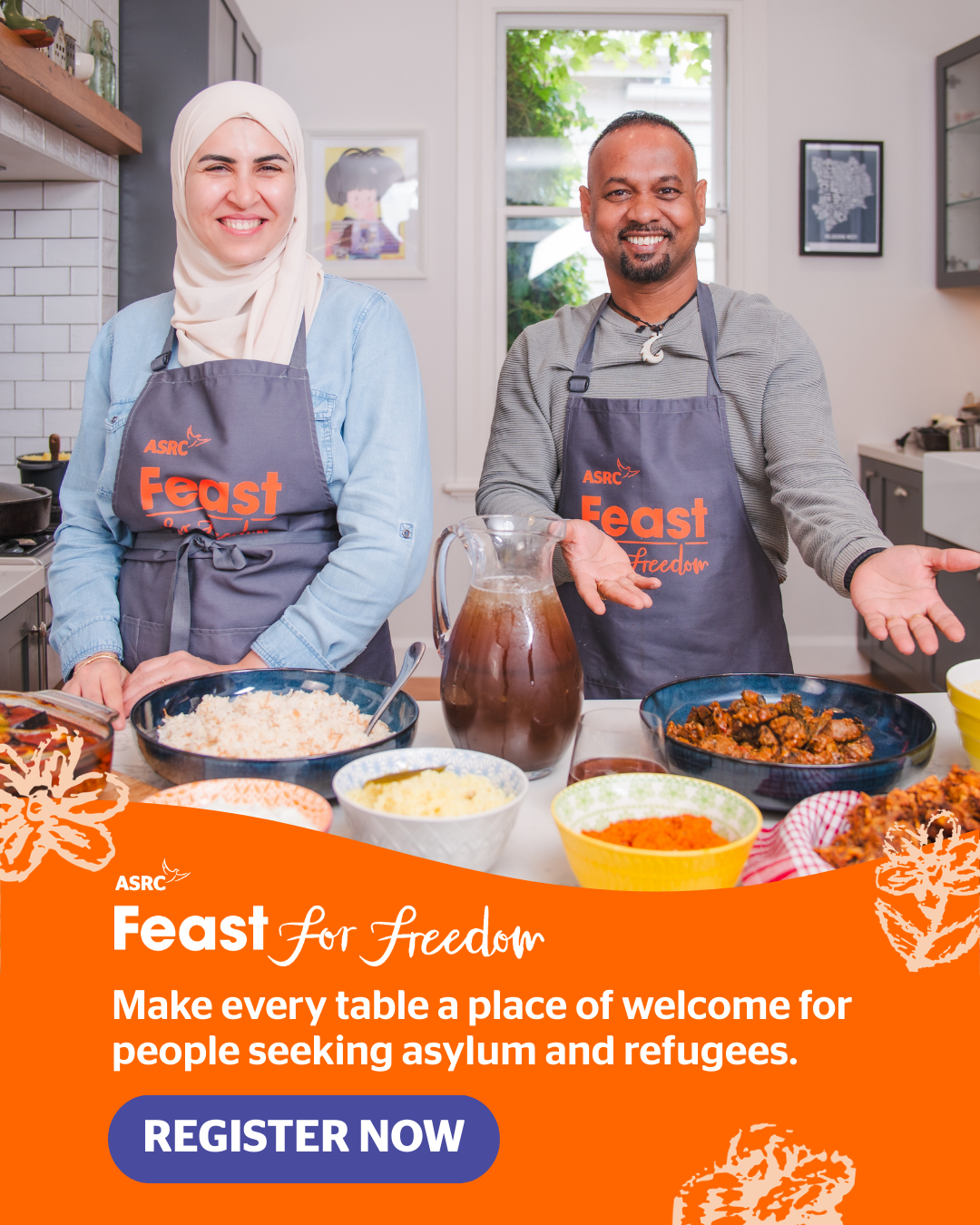
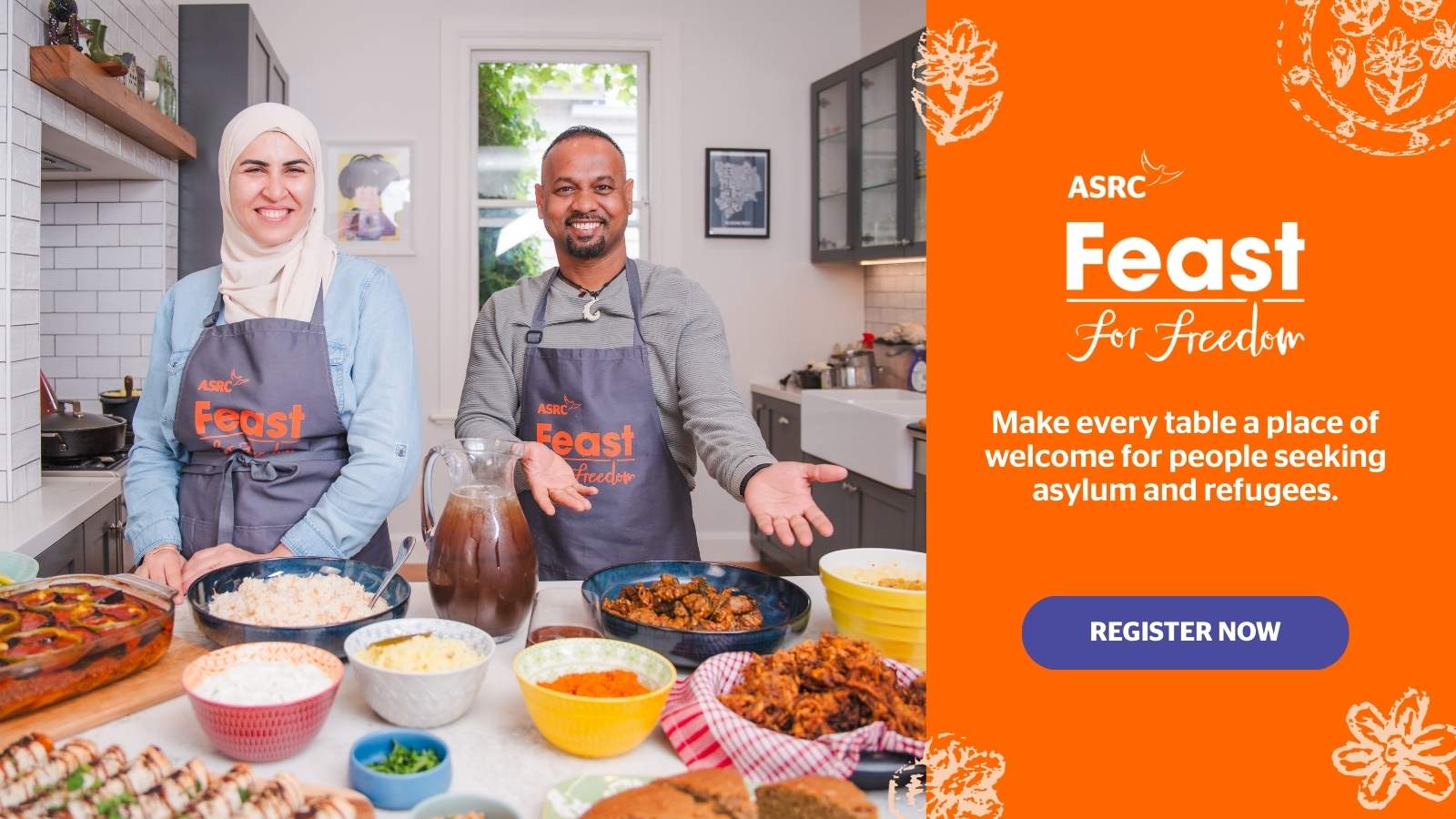
Imagine a table big enough for everyone, breaking bread and finding common ground with those we may see as ‘different’, but are at heart the same. Enter Feast for Freedom: a call for connection across cultures, and to say, ‘you are welcome here’.
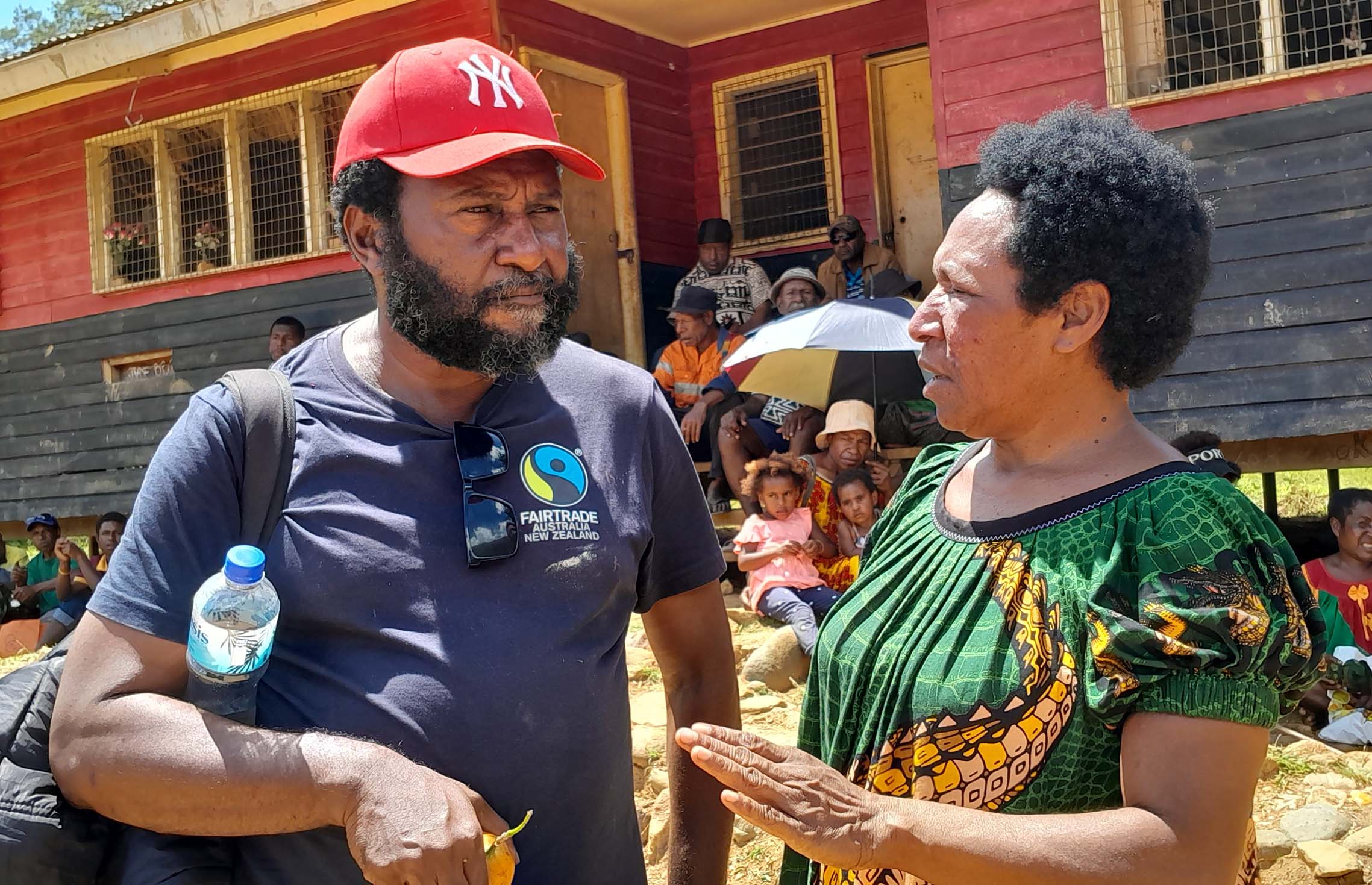
Coffee begins long before your morning cuppa! Papua New Guinean farmer Elizabeth Duna shares what it takes to grow great coffee, strengthen communities, and lead as a woman in farming, as 2026 marks the Year of the Woman Farmer.
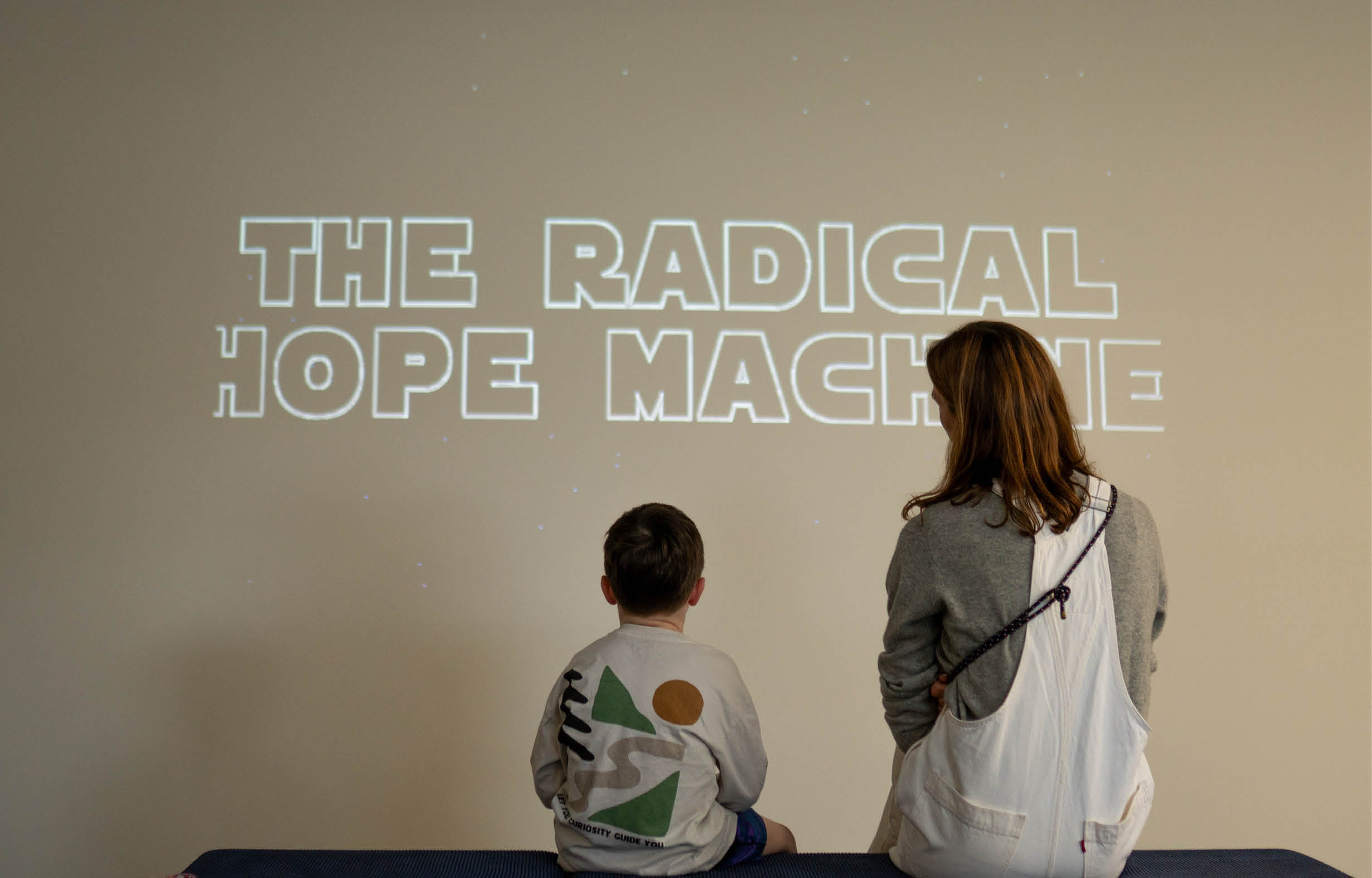
Salt air, good vibes and bold ideas will soon collide at the Sunshine Coast’s annual Horizon Festival. Celebrating ten years of creativity this May, Horizon brings art, music, performance and radical imagination to Kabi Kabi and Jinibara Country.
Looking for a beach (or backyard) brolly that’s anything but boring? Come stand under Basil Bangs’ umbrella! 17 years into their journey, this Northern Beaches-based company is actively pursuing B-Corp certification.
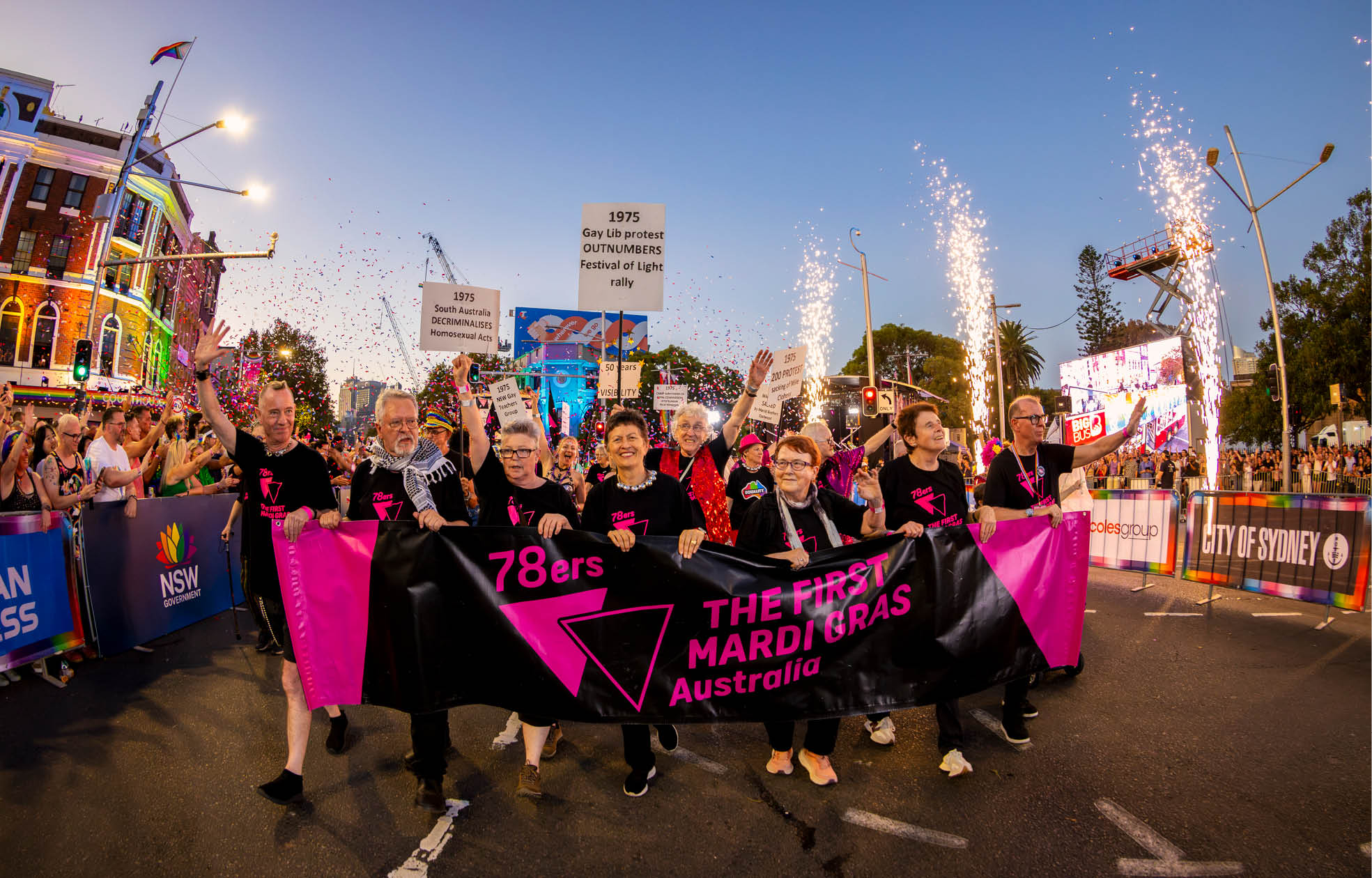
🎵 I’m coming out! I want the world to know, I’ve got to let it show… 🎵 The Sydney Mardi Gras isn’t just a celebration of glamour, grit and queer pride, it’s an act of defiance built on a background of activism and ongoing discrimination.

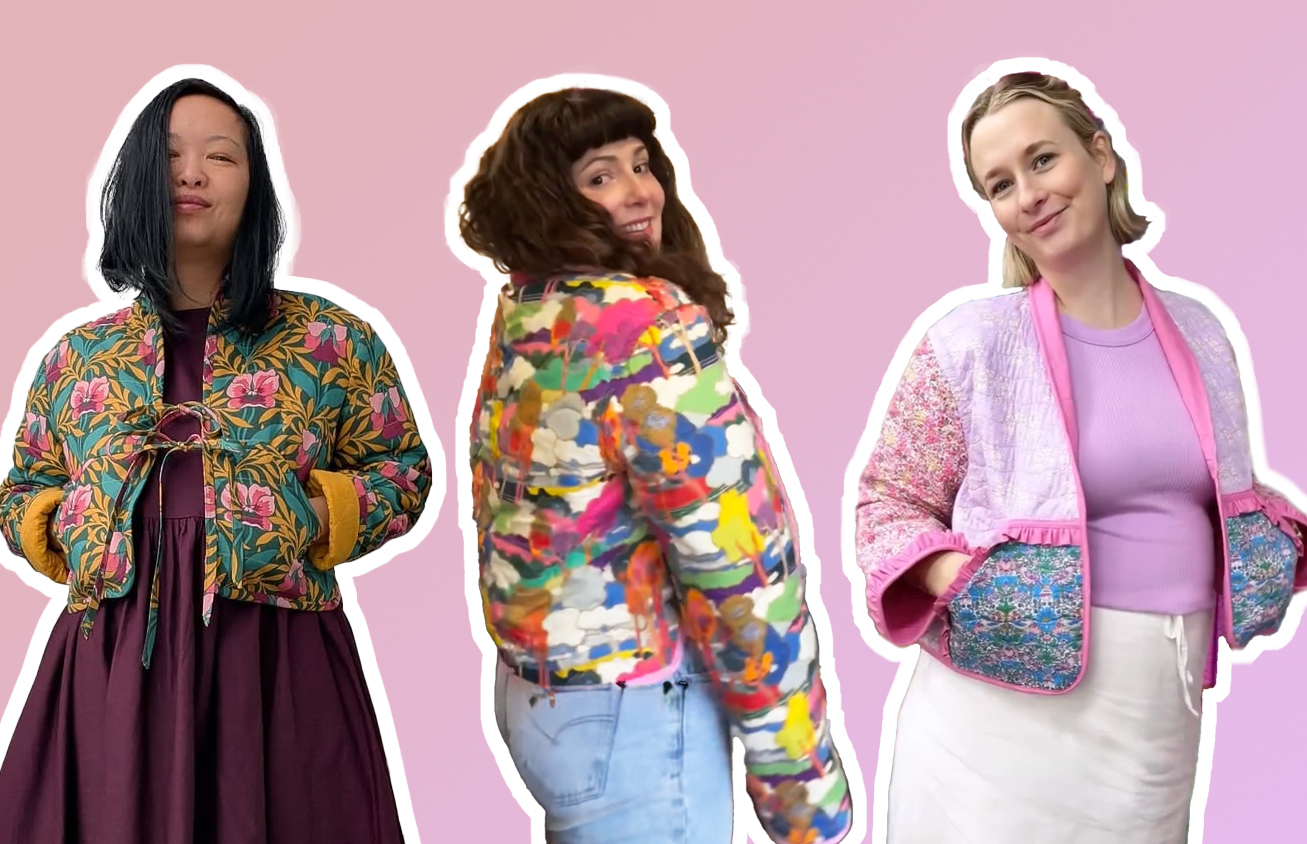
Have you made the Viola Quilted Jacket yet? This pattern hits the sweet spot for both established sewists keen to learn a new skill (quilting!),…

Hang out with us on Instagram

Pull up a chair… there’s room at this table!⁠
⁠
For the first time, Feast for Freedom is bringing people together for a spectacular long-table dinner as part of the Melbourne Food & Wine Festival.⁠
⁠
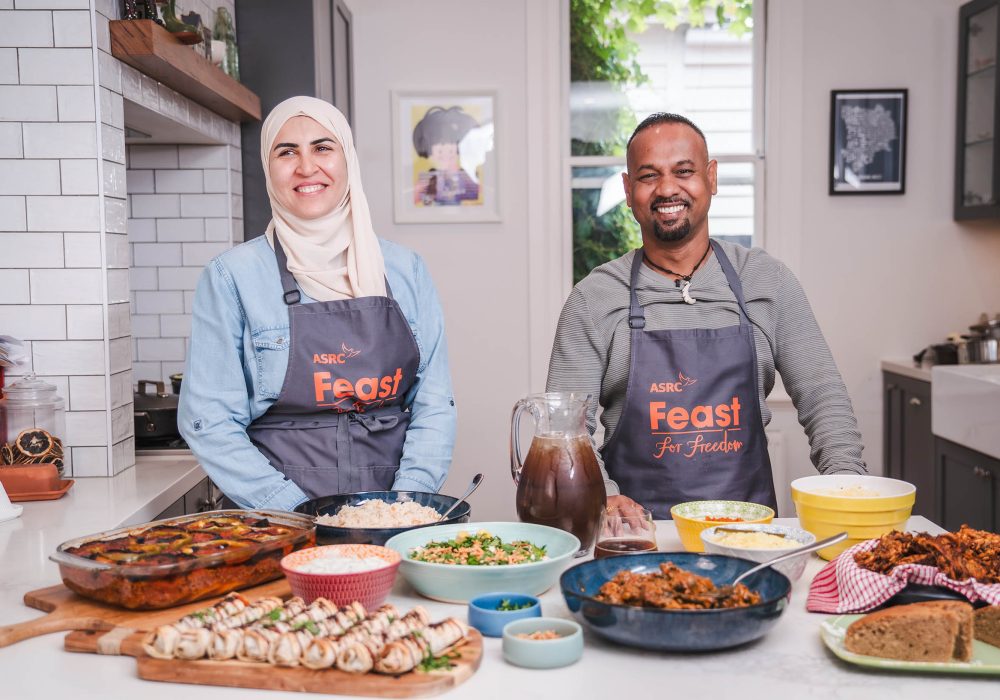
A Longer Table is exactly what it sounds like: one beautiful shared table inside the Asylum Seeker Resource Centre (@Asrc1), piled with generous dishes inspired by this year’s hero cooks, Noha and Nige.⁠
⁠
From 6 to 9pm on Wednesday, 25 March, this is what you can expect:⁠
🍽 A three-course shared feast⁠
🍷 Matched drinks⁠
🎶 Live entertainment⁠
✨ A room full of good humans⁠
⁠
Your ticket doesn’t just buy you a delicious dinner. It supports the ASRC’s vital work and helps create a fairer future for people seeking asylum.⁠
⁠
Seats are limited, and long tables have a way of filling up quickly – head to @MelbFoodAndWine’s website to book now: feastforfreedom.org.au/mfwf⁠
⁠
#FeastForFreedom #MelbourneFoodAndWineFestival #LongTableDinner #FoodForChange ⁠
Sew versatile! 🪡

Another great make from Lisa from @SunnySewsEveryday:

My #PeppermintWaratahWrapDress is finished and I’m so proud of it. It has been designed not to flap open and flash your pants in the wind, so I feel confident it will be a great wheelchair or standing dress in English weather.

#PeppermintPatterns #WrapDress #WrapDressPattern
✨ INSTANT CLASSIC ✨

The Peppermint Myrtle Shift Dress is a beginner-friendly make with a few special details based on the ever-stylish shift shape – the perfect dress you need in your wardrobe right now! 

Myrtle cuts above the knee with options to customise the length. Don’t think she’s reserved for hot weather either: try a heavier-weight fabric to turn your Myrtle into a pinafore-style garment for layering.

For our fabrics we chose two from our lovely sewing partner @Karmme_Apparel – the bold Rottnest Stripes in a lightweight, soft-drape cotton, and the quality linen in the handpainted Mexico Collection. 

Get making the Myrtle – the only question is, can you stop at just one?

Link in bio 🪡

Fabric: @Karmme_Apparel
Sewist: @Laura_The_Maker
Photos: @KelleySheenan
Models: @SerahSews and @Pins_And_Tonic
Location: @ShareTheDignityAustralia

#PeppermintMyrtleShiftDress #PeppermintPatterns