
words KEITH SEIFERT photos UNSPLASH
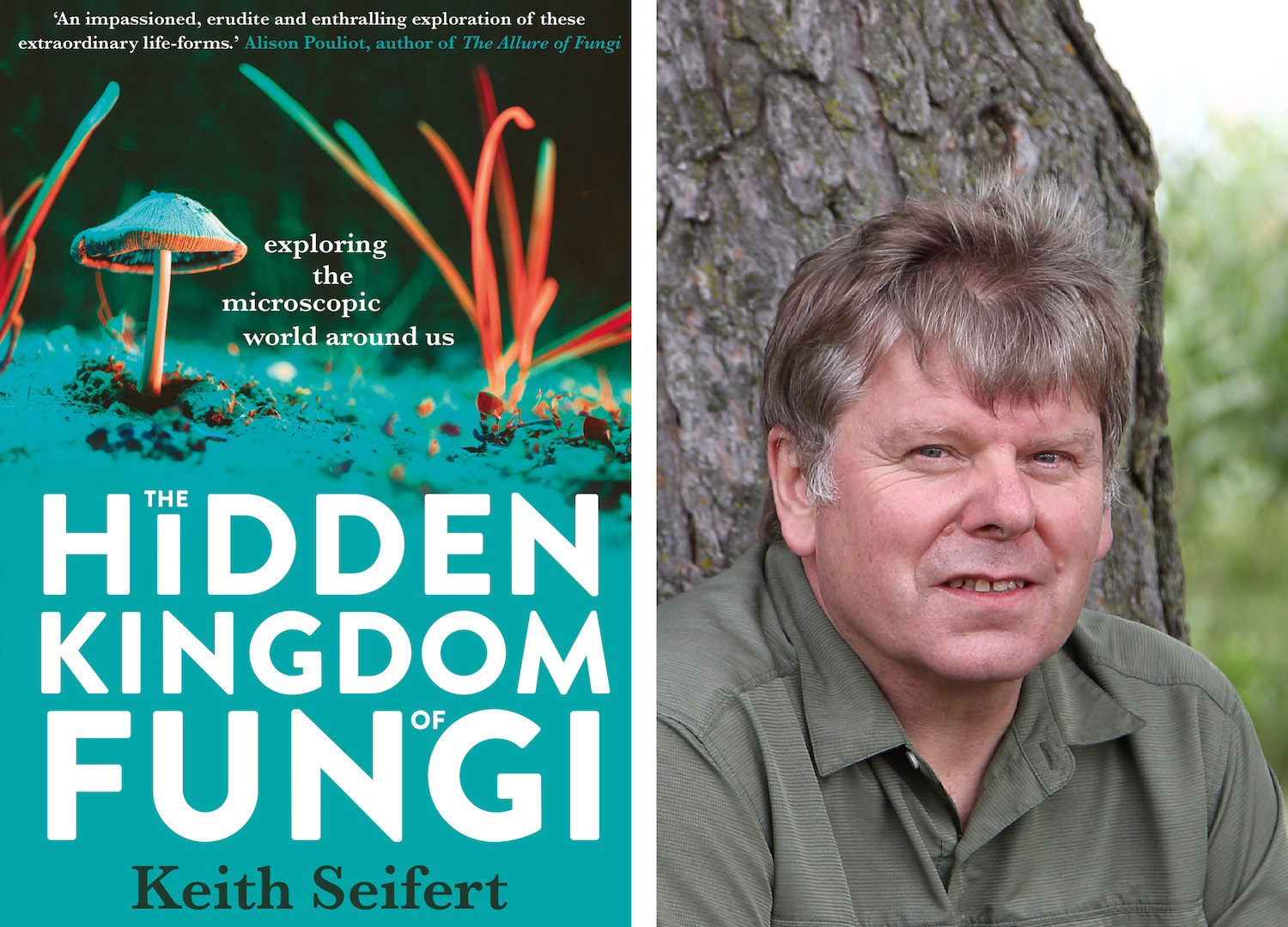
Esteemed mycologist Dr Keith Seifert loves fungi. And fair enough. They’re essential to life on Earth – from releasing the carbon in plants to that delicious umami flavour we can’t get enough of. Revealing this world and all of its beautiful complexity in his latest book, The Hidden Kingdom of Fungi, here Keith posits how amateur naturalists can contribute to our knowledge of the world’s biodiversity and shares some of the things you can do to future-proof the biodiversity of your area.
Without realising it, some people already know quite a lot about fungi. Orchid growers, for example, quickly learn about mycorrhizae because without them they would have no orchids. Out of necessity, gardeners learn about plant diseases and how to avoid them. People who make bread get interested in sourdough starters. Homebrewers experiment with different strains of yeast. Anyone with access to a computer, a mobile phone and its camera, and an internet connection can take advantage of many of the scientific advances that have let us peer deeper into the microbial world.
Anyone with access to a computer, a mobile phone and its camera, and an internet connection can take advantage of many of the scientific advances that have let us peer deeper into the microbial world.
For a few hundred dollars you can purchase a pretty nice microscope with a built-in camera and start to document the microbes in your neighbourhood. You can even send specimens to commercial services and buy a DNA barcode. Contributing fresh observations and data to science is no longer restricted to people with PhDs in industry and academia – we can all take part.
Increasingly, citizen scientists – regular, everyday people in cities and rural communities around the globe – are documenting the biodiversity of their own surroundings and sharing it on digital platforms like the iNaturalist website and mobile app. You can upload photographs (with the GPS coordinates, time and date embedded in the image files), and the artificial intelligence (AI) algorithms will suggest the identity of the organism in the picture. The iNat community of specialists, both amateur and expert, check the results. After two people have confirmed the identification, it is considered “research grade” and a dot is added to the international map of that species’ distribution. At the moment the system works best for larger animals and plants and some groups of insects. Interest is growing and identifications of larger fungi, like mushrooms, lichens, and polypores, are improving. Special projects, such as time-limited bioblitzes (like the Continental MycoBlitz) or ongoing surveys, unite local, national or international naturalists with common interests, building a solid sense of community. When I travel, I use the app as a portable field guide, and at home, I lurk in the background and try to help people identify their moulds.
In recent years, information about historical specimens and cultures – previously only accessible to specialists through card catalogues and institutional databases – was put online at the behest of the Convention on Biological Diversity. The Global Biodiversity Information Facility (GBIF) database collates the catalogues of the world’s biological collections and complements the information collected by iNaturalist and similar citizen science initiatives. Combined, they show the distribution of species as verified by professional researchers and as observed by citizen scientists.
When I travel, I use the app as a portable field guide, and at home, I lurk in the background and try to help people identify their moulds.
If a species seems like it might occur in a particular area but we have no specimens or cultures, iNaturalist can mobilise local participants to try to fill the gap. This allows dedicated amateurs, who often become experts without formal academic training, to contribute specimens to public collections and work with taxonomists who can access state-of-the-art technology. New observations and specimens accumulate at an increasing rate, along with knowledge about where species live and what plants or animals they associate with. This enhances molecular detections made in DNA-based surveys. If potential impacts on biodiversity are well understood, they can be balanced against economic concerns when political decisions, such as imposing quarantines, are being made. And if you like, you can look to see when and where in your area you might hunt for a particular fungus – chanterelles, for example. It’s an exciting time. We are learning which species are truly rare and which just appeared that way because only a few specialists were looking for them. Eventually, we should be able to watch distribution maps of fungi shift in the same way we now watch weather patterns. A dispersed community of interested naturalists can monitor species of interest much more effectively than a small number of border officials and field scouts, something that is already happening with invasive plants. The energy of citizen scientists helps to carry knowledge about microfungi gained from the Petri dish back into nature to help find answers to that critical question: “What does it do?”
Apart from wandering in the wilds, there are other ways you can enjoy the benefits of the mycelial revolution. If you have a garden, growing native plants – which are ideally suited for conditions in your area – helps maintain the integrity of the ecosystem you call home. By cultivating these plants, you also preserve native microbial biodiversity. The mutualistic endophytes and mycorrhizae evolved along with these plants and should also be ideal for your local conditions.
To optimise growth and keep weeds at bay, look for biofertilisers and biocontrol agents at garden centres or online. You can also buy little tins and bags of AM inoculum for flowers and shrubs in your garden. And for your lawn, look for premium grass seed that includes endophytes that protect the plants from hungry insects without having to use insecticides. If you are able, contribute to the Trillion Tree Campaign. This project aims to reduce atmospheric carbon by locking it away in the cellulose and lignin of a trillion newly planted trees. One of the founders is a mycorrhizal researcher. The success of this initiative will depend on endophytes and ectomycorrhizae, of course. Eventually, the project will also benefit the wood decay fungi, but preferably after a few centuries pass and we have more leeway with our carbon budget.
Excerpt from The Hidden Kingdom of Fungi by Keith Seifert (UQP, 2022), out now at all good bookshops and online.






“My piece of advice for makers and designers? Run your own race… make sure your key decisions stay anchored in your brand’s core beliefs.”
- Bec Bligh
Quick show of hands: who’s opened a water bottle expecting a refreshing sip… and instead been greeted by the unmistakable whiff of uh-oh?
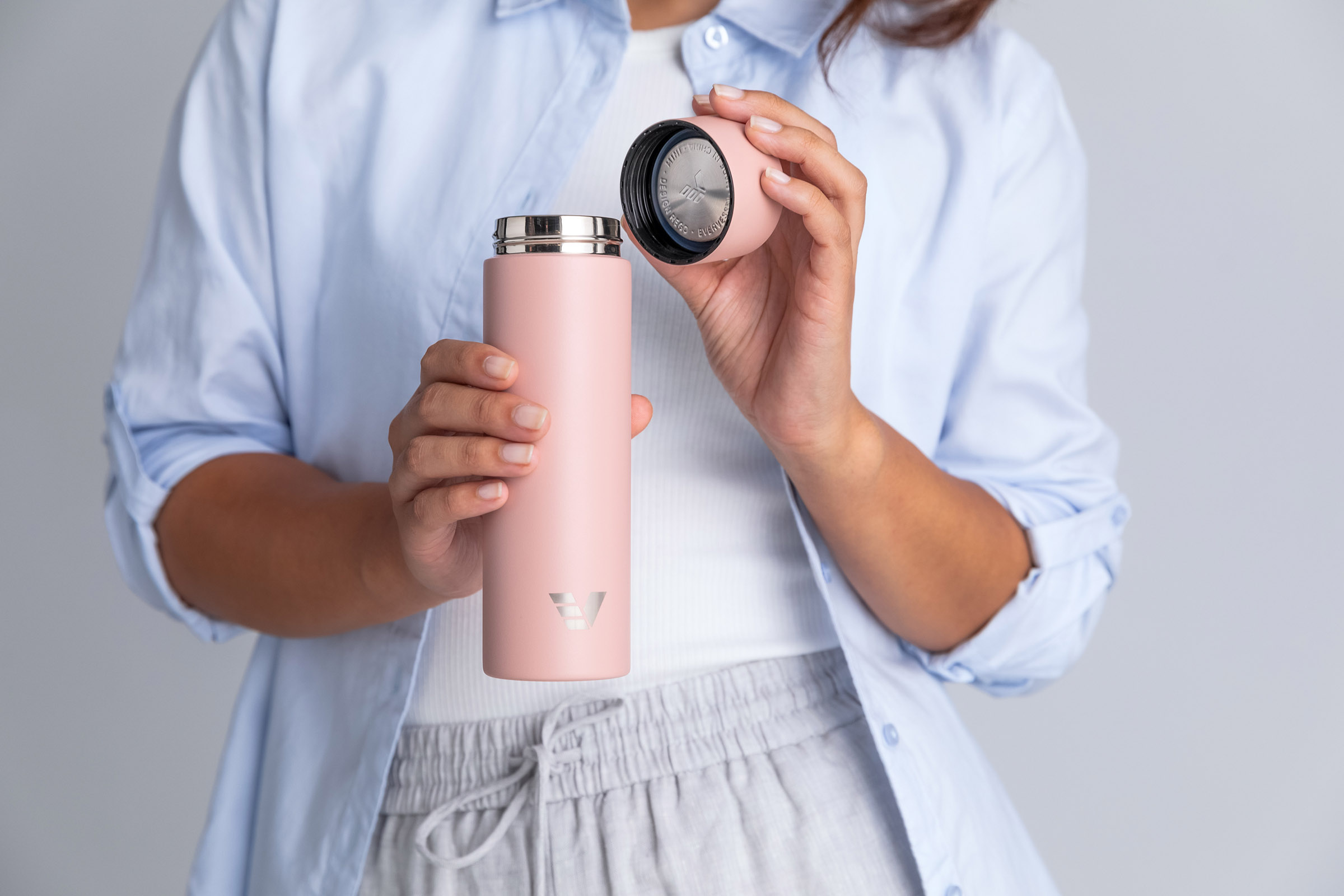
Because for something that follows us everywhere (desk, car, hikes, yoga…), the humble drink bottle is strangely prone to becoming a science experiment. Hard-to-clean corners and gaskets. Mystery smells. Bec Bligh and her husband Tim know it well. A six-month sailing trip along the Queensland coast left them with a lifetime of memories and one stubborn annoyance: mouldy water bottles they couldn’t properly clean.
So they did something about it.
Enter @EverVessel. Thoughtfully designed borosilicate glass and stainless steel bottles that keep things beautifully simple: durable materials, wide openings, easy-to-clean parts and none of the techy gimmicks that tend to age badly. Turns out simplicity, done well, is pretty powerful stuff. (Their many design awards agree!)
And lately they’ve added a little extra delight: the Artist Series, where creatives like Paola Castro, Ben Miners and Martin Thompson transform these everyday companions into tiny travelling artworks. There are more colabs in the works, too: hydration, but make it joyful! 🎨💧
We chatted with Bec about the sailing trip that started it all, the philosophy behind Ever Vessel, and why the most sustainable product is often just the one you keep using.
Tap the link in our bio to read the full conversation. 🚰
#EverVessel #ReusableWaterBottle


Pull up a chair… there’s room at this table!
For the first time, Feast for Freedom is bringing people together for a spectacular long-table dinner as part of the Melbourne Food & Wine Festival.
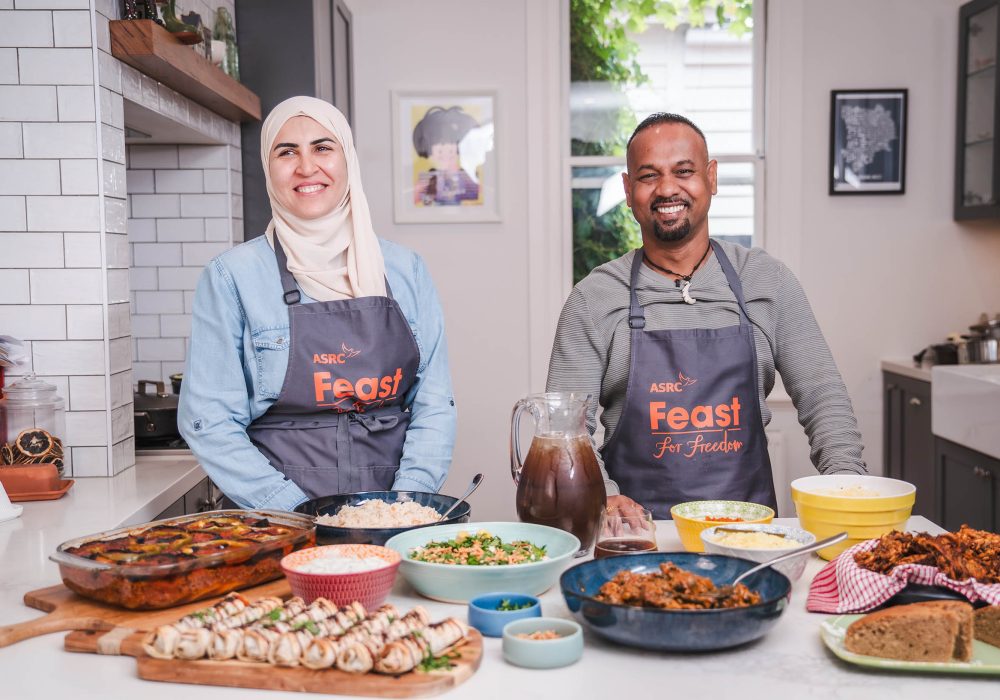
A Longer Table is exactly what it sounds like: one beautiful shared table inside the Asylum Seeker Resource Centre (@Asrc1), piled with generous dishes inspired by this year’s hero cooks, Noha and Nige.
From 6 to 9pm on Wednesday, 25 March, this is what you can expect:
🍽 A three-course shared feast
🍷 Matched drinks
🎶 Live entertainment
✨ A room full of good humans
Your ticket doesn’t just buy you a delicious dinner. It supports the ASRC’s vital work and helps create a fairer future for people seeking asylum.
Seats are limited, and long tables have a way of filling up quickly – head to @MelbFoodAndWine’s website to book now: feastforfreedom.org.au/mfwf
#FeastForFreedom #MelbourneFoodAndWineFestival #LongTableDinner #FoodForChange

Sew versatile! 🪡
Another great make from Lisa from @SunnySewsEveryday:
My #PeppermintWaratahWrapDress is finished and I’m so proud of it. It has been designed not to flap open and flash your pants in the wind, so I feel confident it will be a great wheelchair or standing dress in English weather.
#PeppermintPatterns #WrapDress #WrapDressPattern

Frame your face with the Peppermint Bucket Hat!
Stay safe and stylish in the sun with your very own self-sewn and self-drafted wide-brimmed bucket hat. This beginner-friendly sew is perfect for a sunny day. Get out your pencils – this pattern is created using equations and maths!
This DIY project was featured in Issue 53 and now you can access it for the lovely low price of only $5.
Sun-safe chic is always in style. ☀️
Find it via the link in our bio!
Photos: @KelleySheenan
#PeppermintPatterns #PeppermintBucketHat #BucketHat #BucketHatPattern #DIY

✨ INSTANT CLASSIC ✨
The Peppermint Myrtle Shift Dress is a beginner-friendly make with a few special details based on the ever-stylish shift shape – the perfect dress you need in your wardrobe right now!
Myrtle cuts above the knee with options to customise the length. Don’t think she’s reserved for hot weather either: try a heavier-weight fabric to turn your Myrtle into a pinafore-style garment for layering.
For our fabrics we chose two from our lovely sewing partner @Karmme_Apparel – the bold Rottnest Stripes in a lightweight, soft-drape cotton, and the quality linen in the handpainted Mexico Collection.
Get making the Myrtle – the only question is, can you stop at just one?
Link in bio 🪡
Fabric: @Karmme_Apparel
Sewist: @Laura_The_Maker
Photos: @KelleySheenan
Models: @SerahSews and @Pins_And_Tonic
Location: @ShareTheDignityAustralia
#PeppermintMyrtleShiftDress #PeppermintPatterns

It’s time to Feast!
Some recipes travel a long way before they land on your table to delight your taste buds. This year’s Feast for Freedom invites us to gather our friends, cook something delectable and raise funds for the incredible work of the Asylum Seeker Resource Centre (@Asrc1) while we’re at it.
The 2026 Feast features recipes shared by two remarkable cooks: Noha, who brought the flavours of Palestine with her when she arrived in Australia, and Nige, a Sri-Lankan Tamil cook whose journey with food began in the most unexpected of places.
You can host your own Feast up until 30 April – simply register online and get planning! Host a dinner, organise a workplace lunch, or gather your community… However you do it, the idea is simple: cook, connect and celebrate the cultures and stories that shape Australia.
Want to find out more? Head to the link in bio to meet Noha and Nige, learn more about their stories, and discover a delicious recipe to try.
#FeastForFreedom #PeppermintMagazine #FoodForGood #ASRC
