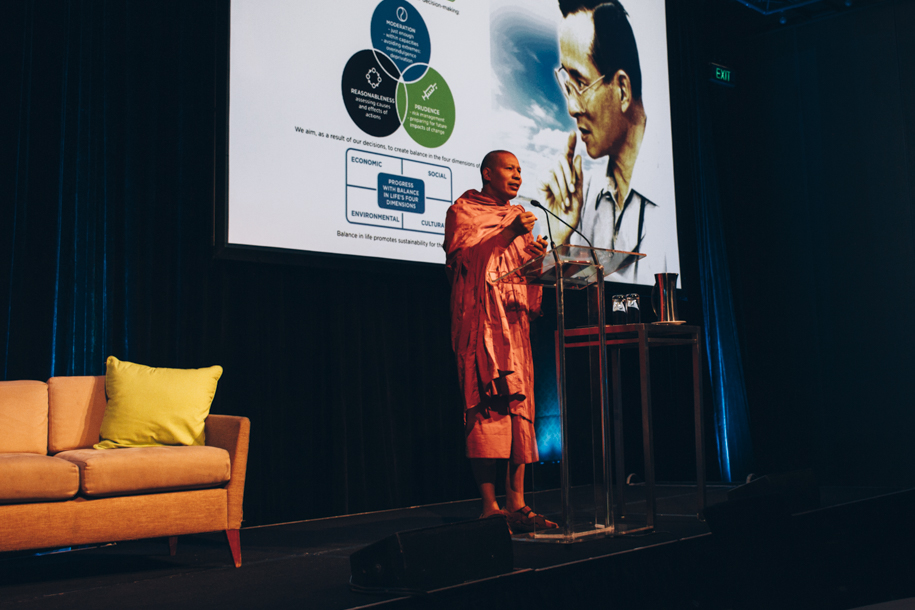
Sustainability is a team sport. Don’t do it alone.
That’s Tim Loftus, the sustainability manager from outdoor adventure wear brand Kathmandu, speaking at the Sustainable Brands conference in Sydney recently. Sustainable Brands is a roving global event, having started in New Orleans in 2006, and now reaching six continents, with the Sydney rendition its first appearance in Australia.
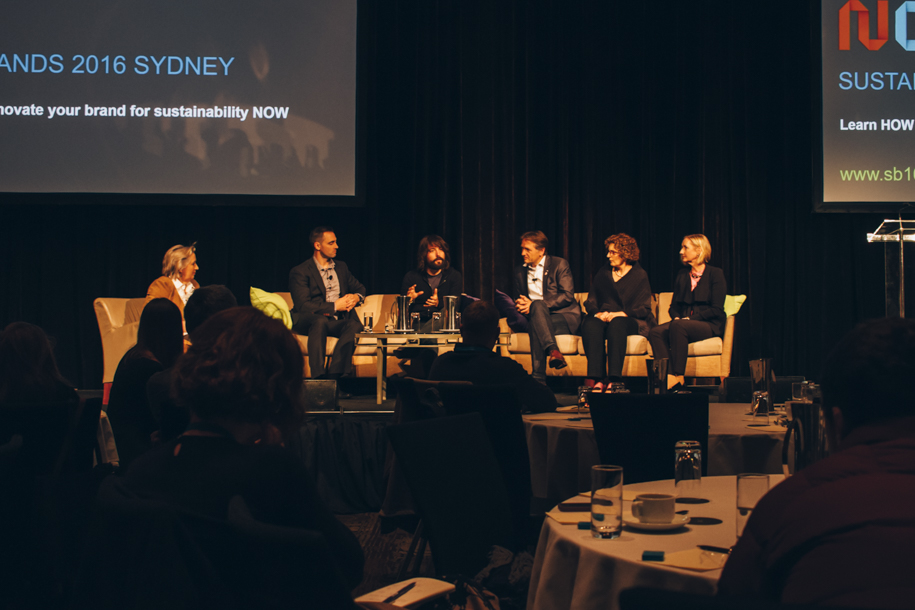
Across three days of lectures and workshops, attendees heard inspiring stories from TerraCycle, MUD Jeans, OzHarvest, Emma & Tom’s, Serendipity Ice Cream, Kathmandu and ecostore, amongst strategists, academics, CEOs and heads of communications and marketing.
Both local and global speakers – from typically conventional big business down to the Millennial entrepreneur – delved into the technologies, skills, ideas and collaborations that drive their brands forward within a sustainable economy framework.
Each quickly-make-a-cup-of-tea break was like speed dating with equivalent minds from another brand or industry. Snatches of critical conversation on topics just discussed on the stage lead to brief introductions, business cards swapped, new friendships made and global community grown.
A strong takeaway was that business has the power to do good. While the Australian Government has committed to keeping global warming below two degrees as part of the Paris climate change agreement, there has been little action to match this verbal responsibility. “Governments still aren’t framing markets, so businesses are taking the lead,” Sally Uren from Forum for the Future told the conference on day one.
This is where sustainably minded brands come into play – businesses with environmental and social purpose at their core. “It isn’t good enough to be less bad, we actually need to be net positive,” Uren continued. “Simply minimising isn’t enough, we need to put more back than we’re taking out. We don’t know how to do it yet, but that’s not stopping us.”
So we’re feeling our way along this journey of making purpose-led businesses scalable so that good at work ripples further afield – into consumer habits, societal lifestyle choices and, perhaps one day, government policymaking.
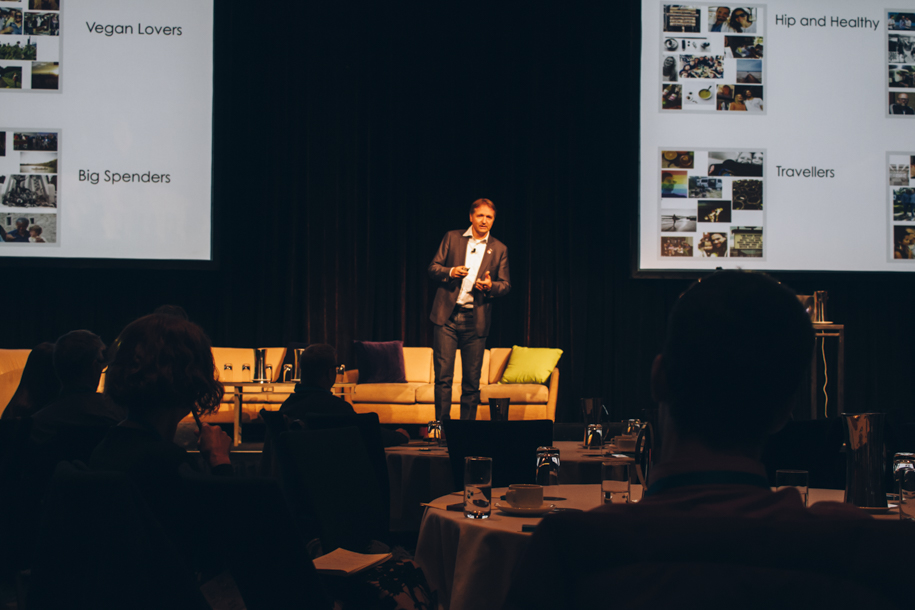
A prominent theme across the conference was to create with the mindset that you have a mission with a company, not a company with a mission. But a factor that seemed a challenge to all industries – and with no one clear formula for success – was how best to communicate a brand’s story and the ethics and values at their core, and, in turn, engage more meaningfully with consumers.
It’s sometimes all too easy to see brands as a big enterprise without a face – operating without humans and ethics and heart. But it’s in telling the story of the humans behind the supply chain, and the brand’s commitment to the environment, that brings about that deeper connection.
Telling the story of the cotton farmer who grows the organic cotton that then gets spun into thread by the hands of other humans, which becomes fabric that is dyed by a person, and cut and assembled by a person to eventually form the t-shirt that cloaks your back – this storytelling offers transparency and honesty, and fosters trust between the brand and its audience. And it needs to be done through telling positive stories, rather than the scare tactics that eco warriors have championed in recent decades.
“Instead of scaring people into the solution, we need to delight people. People want to have fun along the way, they don’t want to be guilted into it,” Tom Szaky from Terra Cycle. Adam Beaumont from the Forest Stewardship Council echoed this method. “Negative stories are not part of the solution. Tell a positive story.”
[tweet_box design=”default”]Negative stories are not part of the solution. Tell a positive story.[/tweet_box]
The focus was also on Millennials and their influence on industry going forward. “By 2020 over half the workforce will be Gen Y and Z … and they don’t think like you do,” sustainability leader at Ernst and Young Matthew Bell said. He explained that younger demographics expect brands to show up in a way that makes a difference in the world. “Millennials want to be part of the conversation; they don’t want to be spoken to.” Founder of MUD Jeans Bert van Son has also experienced Millennials actively pursuing involvement in his jeans-leasing enterprise. “When you do something that’s interesting and purposeful, you get a lot of young people calling you and asking you questions,” he said.
Humanness, connectivity and community are key players in reshaping business and what it means to be successful. So we can create a planet we’re proud to hand over to the next generation. “The world our generation has created will not exist in a few years. We have to create something for them,” van Son says.
Browse the hashtag on social media for more from the event #sb16syd
—————
Photos and text by Linsey Rendell
“My piece of advice for makers and designers? Run your own race… make sure your key decisions stay anchored in your brand’s core beliefs.”
- Bec Bligh
Quick show of hands: who’s opened a water bottle expecting a refreshing sip… and instead been greeted by the unmistakable whiff of uh-oh?
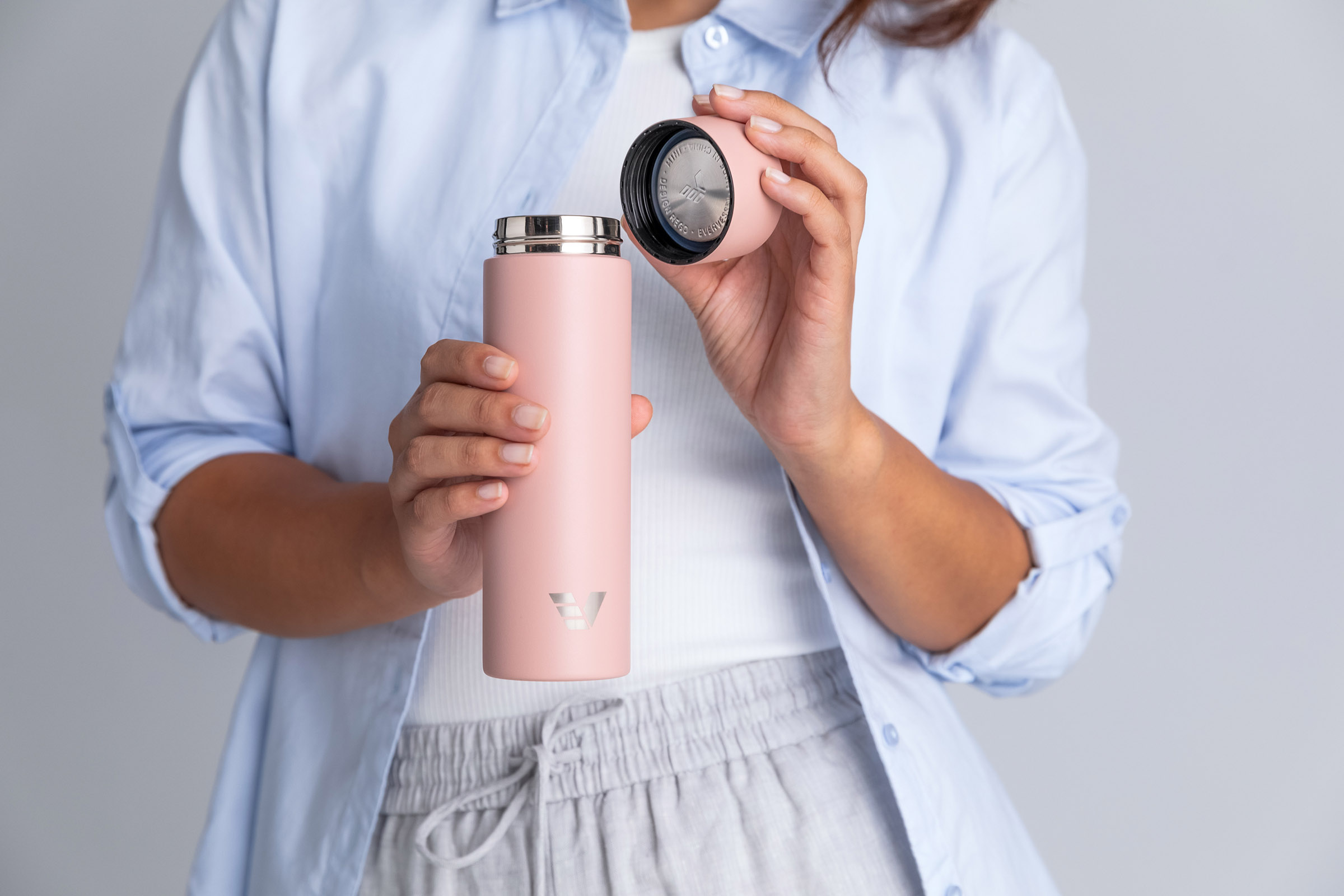
Because for something that follows us everywhere (desk, car, hikes, yoga…), the humble drink bottle is strangely prone to becoming a science experiment. Hard-to-clean corners and gaskets. Mystery smells. Bec Bligh and her husband Tim know it well. A six-month sailing trip along the Queensland coast left them with a lifetime of memories and one stubborn annoyance: mouldy water bottles they couldn’t properly clean.
So they did something about it.
Enter @EverVessel. Thoughtfully designed borosilicate glass and stainless steel bottles that keep things beautifully simple: durable materials, wide openings, easy-to-clean parts and none of the techy gimmicks that tend to age badly. Turns out simplicity, done well, is pretty powerful stuff. (Their many design awards agree!)
And lately they’ve added a little extra delight: the Artist Series, where creatives like Paola Castro, Ben Miners and Martin Thompson transform these everyday companions into tiny travelling artworks. There are more colabs in the works, too: hydration, but make it joyful! 🎨💧
We chatted with Bec about the sailing trip that started it all, the philosophy behind Ever Vessel, and why the most sustainable product is often just the one you keep using.
Tap the link in our bio to read the full conversation. 🚰
#EverVessel #ReusableWaterBottle


Pull up a chair… there’s room at this table!
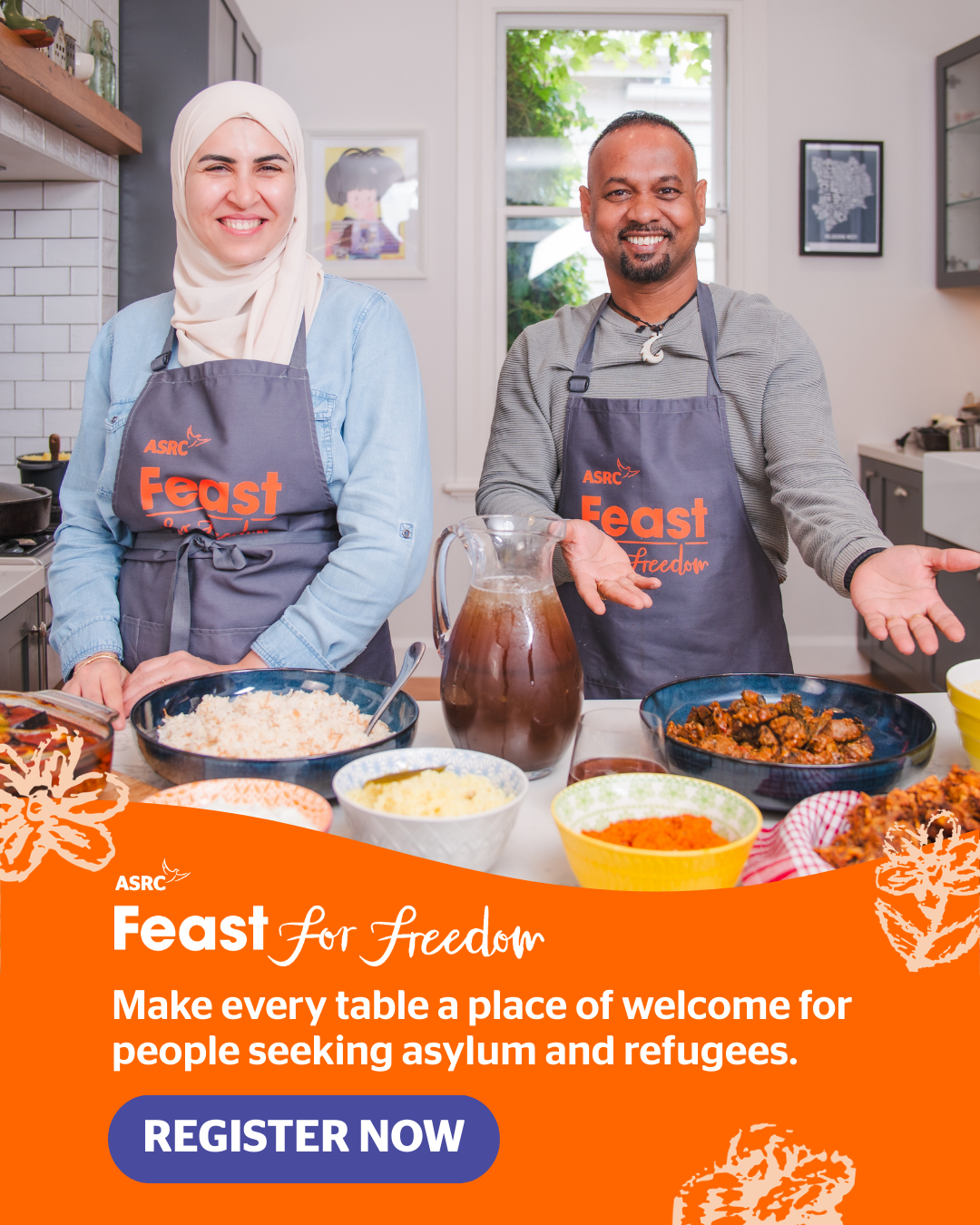
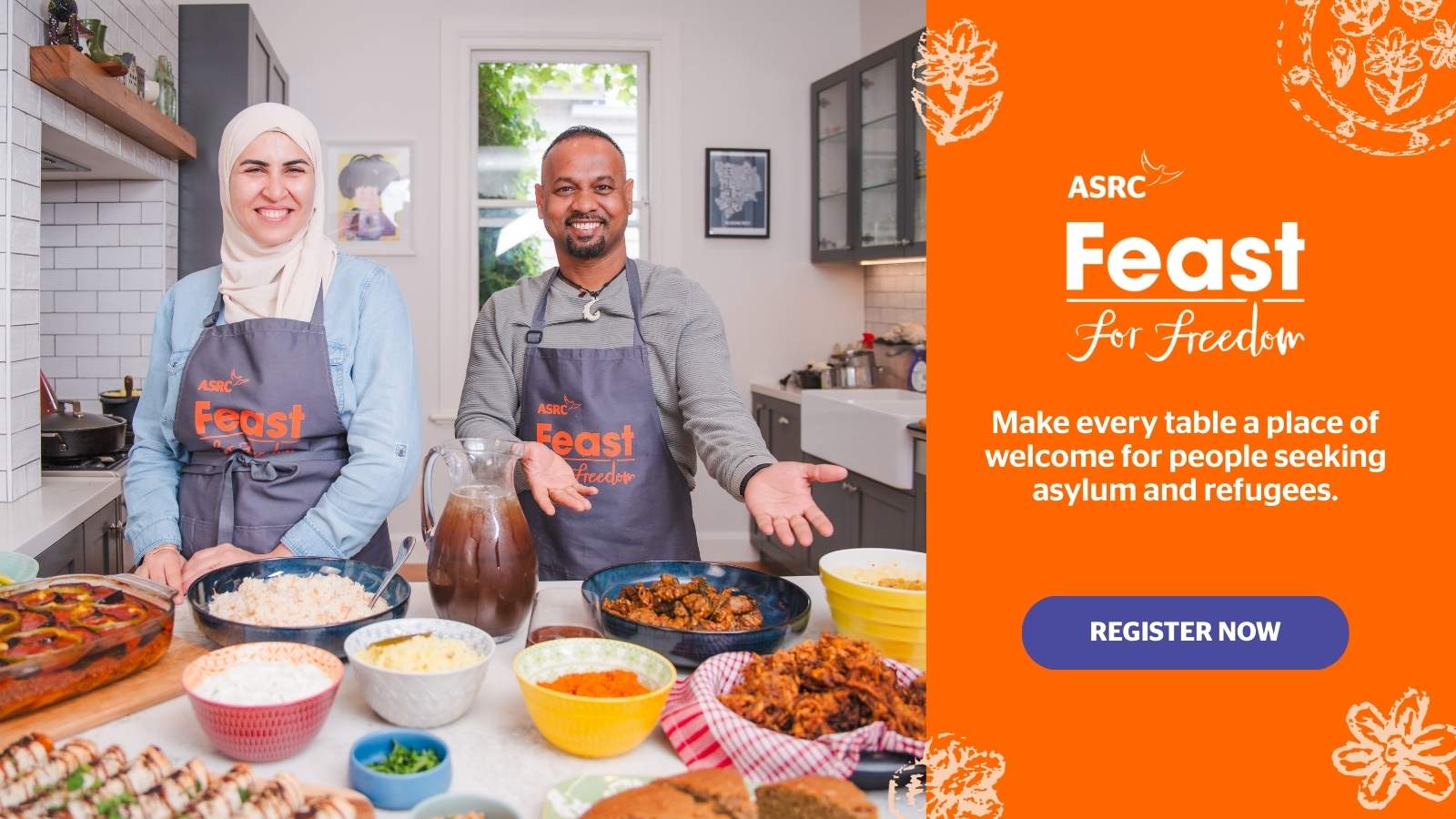
For the first time, Feast for Freedom is bringing people together for a spectacular long-table dinner as part of the Melbourne Food & Wine Festival.
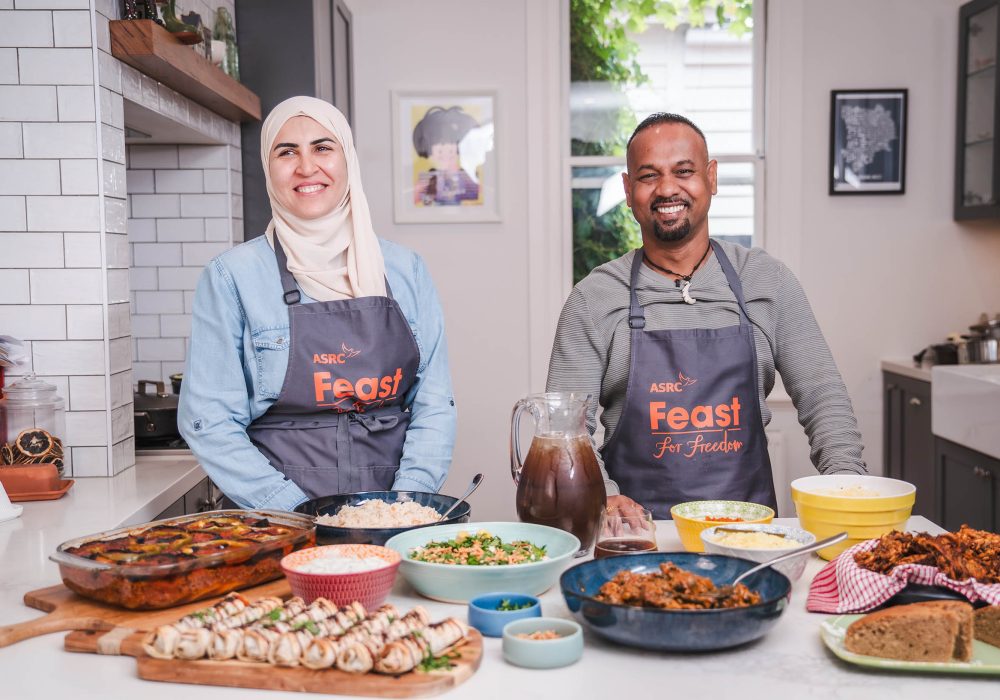
A Longer Table is exactly what it sounds like: one beautiful shared table inside the Asylum Seeker Resource Centre (@Asrc1), piled with generous dishes inspired by this year’s hero cooks, Noha and Nige.
From 6 to 9pm on Wednesday, 25 March, this is what you can expect:
🍽 A three-course shared feast
🍷 Matched drinks
🎶 Live entertainment
✨ A room full of good humans
Your ticket doesn’t just buy you a delicious dinner. It supports the ASRC’s vital work and helps create a fairer future for people seeking asylum.
Seats are limited, and long tables have a way of filling up quickly – head to @MelbFoodAndWine’s website to book now: feastforfreedom.org.au/mfwf
#FeastForFreedom #MelbourneFoodAndWineFestival #LongTableDinner #FoodForChange

Sew versatile! 🪡
Another great make from Lisa from @SunnySewsEveryday:
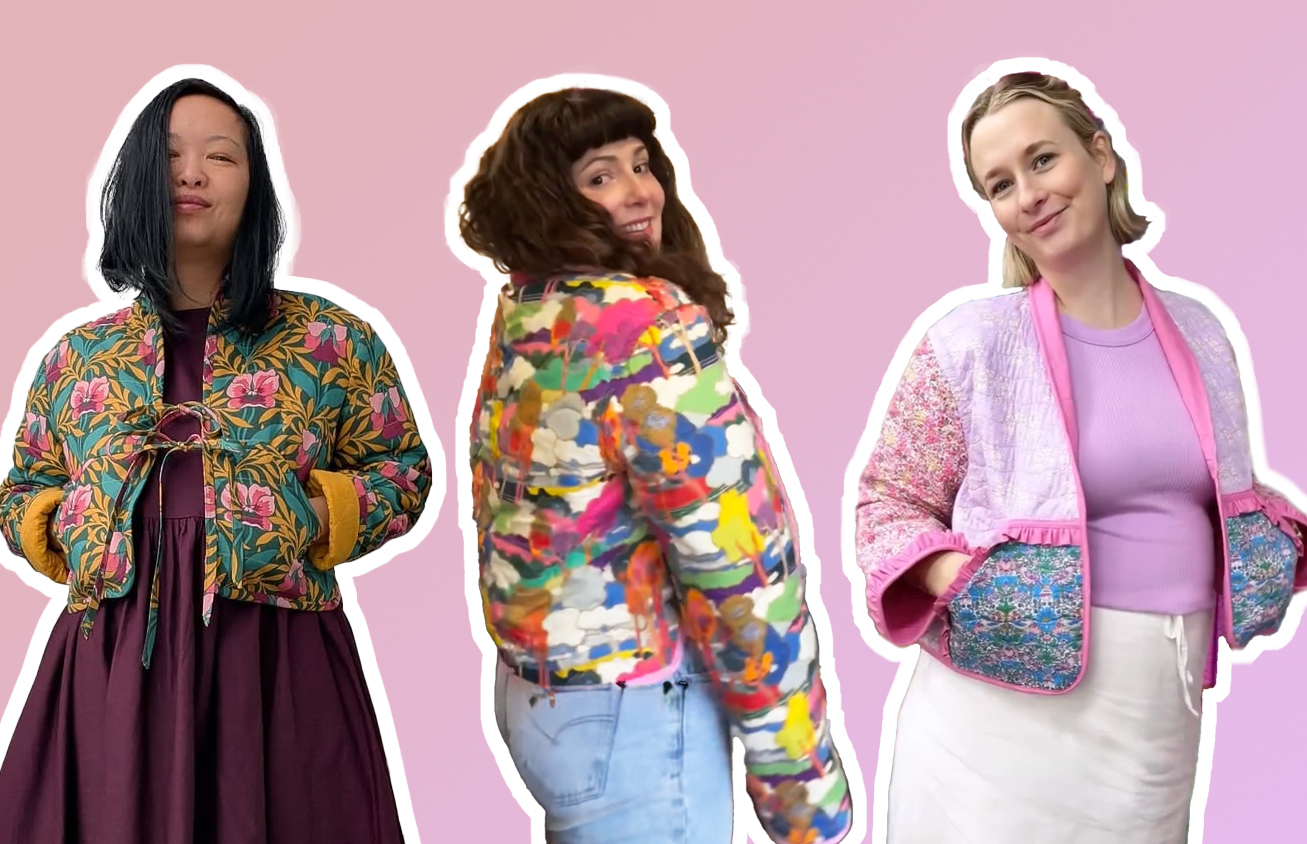
My #PeppermintWaratahWrapDress is finished and I’m so proud of it. It has been designed not to flap open and flash your pants in the wind, so I feel confident it will be a great wheelchair or standing dress in English weather.
#PeppermintPatterns #WrapDress #WrapDressPattern

Frame your face with the Peppermint Bucket Hat!
Stay safe and stylish in the sun with your very own self-sewn and self-drafted wide-brimmed bucket hat. This beginner-friendly sew is perfect for a sunny day. Get out your pencils – this pattern is created using equations and maths!
This DIY project was featured in Issue 53 and now you can access it for the lovely low price of only $5.
Sun-safe chic is always in style. ☀️
Find it via the link in our bio!
Photos: @KelleySheenan
#PeppermintPatterns #PeppermintBucketHat #BucketHat #BucketHatPattern #DIY

✨ INSTANT CLASSIC ✨
The Peppermint Myrtle Shift Dress is a beginner-friendly make with a few special details based on the ever-stylish shift shape – the perfect dress you need in your wardrobe right now!
Myrtle cuts above the knee with options to customise the length. Don’t think she’s reserved for hot weather either: try a heavier-weight fabric to turn your Myrtle into a pinafore-style garment for layering.
For our fabrics we chose two from our lovely sewing partner @Karmme_Apparel – the bold Rottnest Stripes in a lightweight, soft-drape cotton, and the quality linen in the handpainted Mexico Collection.
Get making the Myrtle – the only question is, can you stop at just one?
Link in bio 🪡
Fabric: @Karmme_Apparel
Sewist: @Laura_The_Maker
Photos: @KelleySheenan
Models: @SerahSews and @Pins_And_Tonic
Location: @ShareTheDignityAustralia
#PeppermintMyrtleShiftDress #PeppermintPatterns

It’s time to Feast!
Some recipes travel a long way before they land on your table to delight your taste buds. This year’s Feast for Freedom invites us to gather our friends, cook something delectable and raise funds for the incredible work of the Asylum Seeker Resource Centre (@Asrc1) while we’re at it.
The 2026 Feast features recipes shared by two remarkable cooks: Noha, who brought the flavours of Palestine with her when she arrived in Australia, and Nige, a Sri-Lankan Tamil cook whose journey with food began in the most unexpected of places.
You can host your own Feast up until 30 April – simply register online and get planning! Host a dinner, organise a workplace lunch, or gather your community… However you do it, the idea is simple: cook, connect and celebrate the cultures and stories that shape Australia.
Want to find out more? Head to the link in bio to meet Noha and Nige, learn more about their stories, and discover a delicious recipe to try.
#FeastForFreedom #PeppermintMagazine #FoodForGood #ASRC
