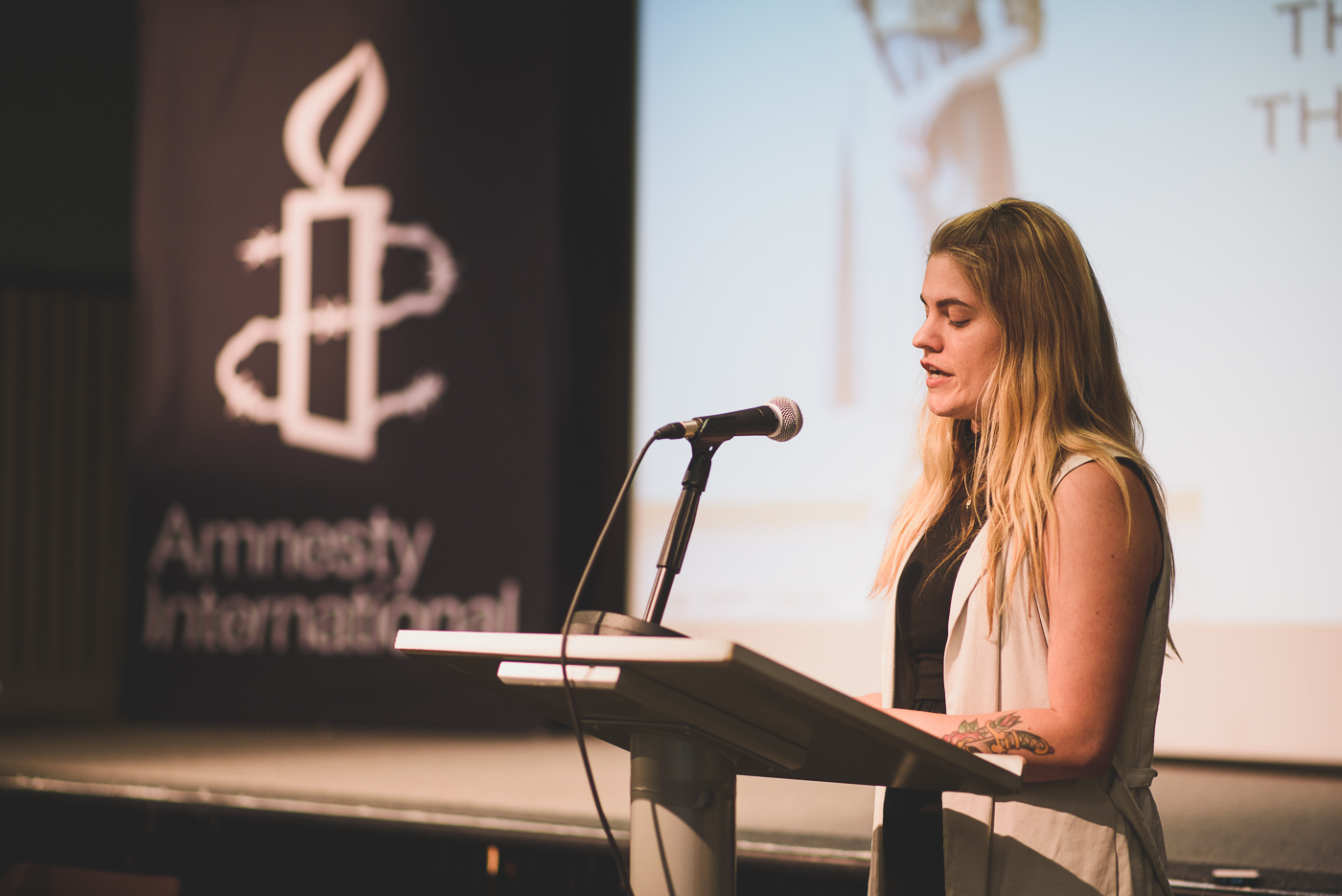
If insanity is doing the same thing over and over again and expecting a different result, then surely sanity must equate to change. Today, at the Ethical Fashion Forum‘s SOURCE Summit 2015, I find myself in a room full of people who collectively feel that in the fashion industry, this must be the case. Everyone here is a change maker, a trail blazer, a pioneer… so what is it that this one-day conference is offering that has brought business leaders, designers and ethical and sustainable fashion start ups out in their droves, some of them even flying in from abroad?
Sarah Ditty, Editor in Chief of SOURCE doesn’t pull any punches in her introduction to the day. ‘People don’t trust brands anymore’ (according to Havas Media Meaningful Brands) – a pretty powerful opener to SOURCE Summit 2015. She talks about how disasters like the Rana Plaza, the horse meat scandal and the latest Fifa corruption contribute to a general feeling of distrust from consumers. In the case of fashion and textiles, Baptist World Aid Australia’s Behind the Barcode report, suggests that 91% of companies still don’t know where their cotton comes from, and with consumers gradually asking for more and more transparency, this is just not good enough.
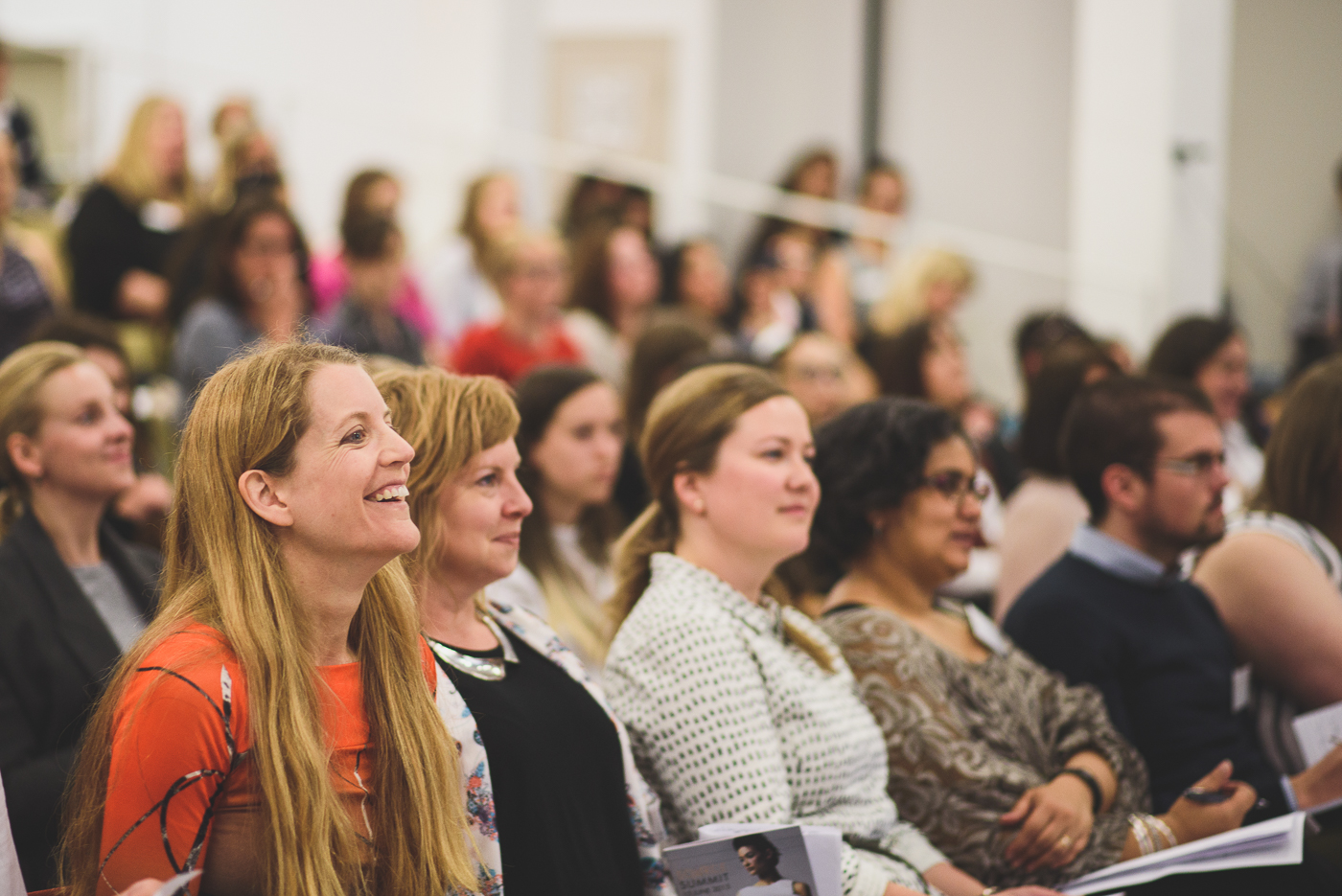
People are beginning to expect brands to not only be more transparent, but to play a bigger role in their communities and in their collective wellbeing. ‘If you’re still seeing your business as a factory… then you’re going to be left behind and you need to “take a ‘quantum leap into the future,”‘ Sarah quotes Havas Media Lab Director, Umair Tarique. It’s 10 am in the morning and the tone has been set for a future thinking forum, and for the day’s debate and conversation on transformative ideas and technology within the ethical fashion world.
The first panel comprised of Russ Shaw of Tech London Advocates, Caitlin Bristol of eBay, Cyndi Rhodes of Worn Again and Maher Anjum of Anjum James Associates – an impressive lineup. The panel set to work on dissecting the possibilities for how tech might shape a sustainable future for fashion, with Russ Shaw describing how, in his mind, fashion tech is prime to take off as a pioneering sector. He cited Lost Values and Technology Will Save Us All, but referred to Transferwise (a disruptive company challenging the status quo and established models) as the example of a parallel we might aspire to within the ethical fashion industry. Cyndi painted what seemed to be a bleak picture as she talked about a globally connected world that throws away almost as much to landfill as it makes each year. But things took a more positive note as she described Worn Again’s endeavour (in partnership with H&M and Kerring) to create a circular recycling technology.
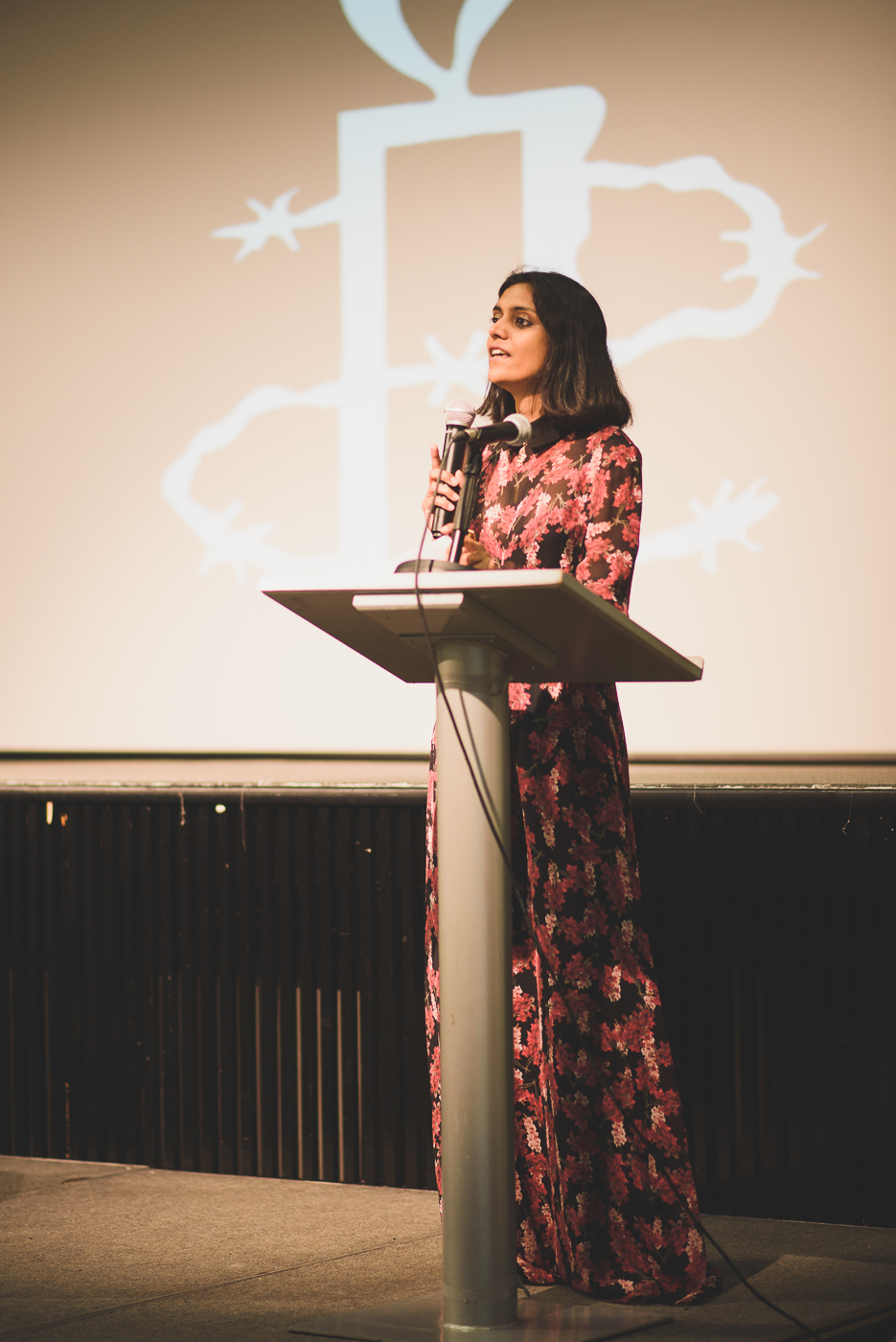
This year, secondhand, reusing and recycling was also a reoccurring theme as Maher Anjum shared the story of the repair and upcycling of her grandmother’s sari. Alternatively, Caitlin Bristol offered a refreshing approach as she spoke about how when eBay first emerged, the idea of the ‘value’ of things was viewed as being subjective, and how new this idea was back then. She talked about reuse and redistribution, green shopping and how we can unlock the potential of idle inventory to influence the value chain. We need to move towards thinking of consumers as ‘users’ she said, because inherently the word consumers is an ugly one that evokes the idea of a culture that is excessive, insatiable and unhealthy at its core. And so we should encourage instead, perhaps, a giant leasing economy marketplace and ideas about ‘shwopping’. She also told us that even mainstream brands are hearing the users call for a better journey and a longer life for their clothes. This has manifested itself in initiatives such as Nike’s ‘Reuse a shoe’.
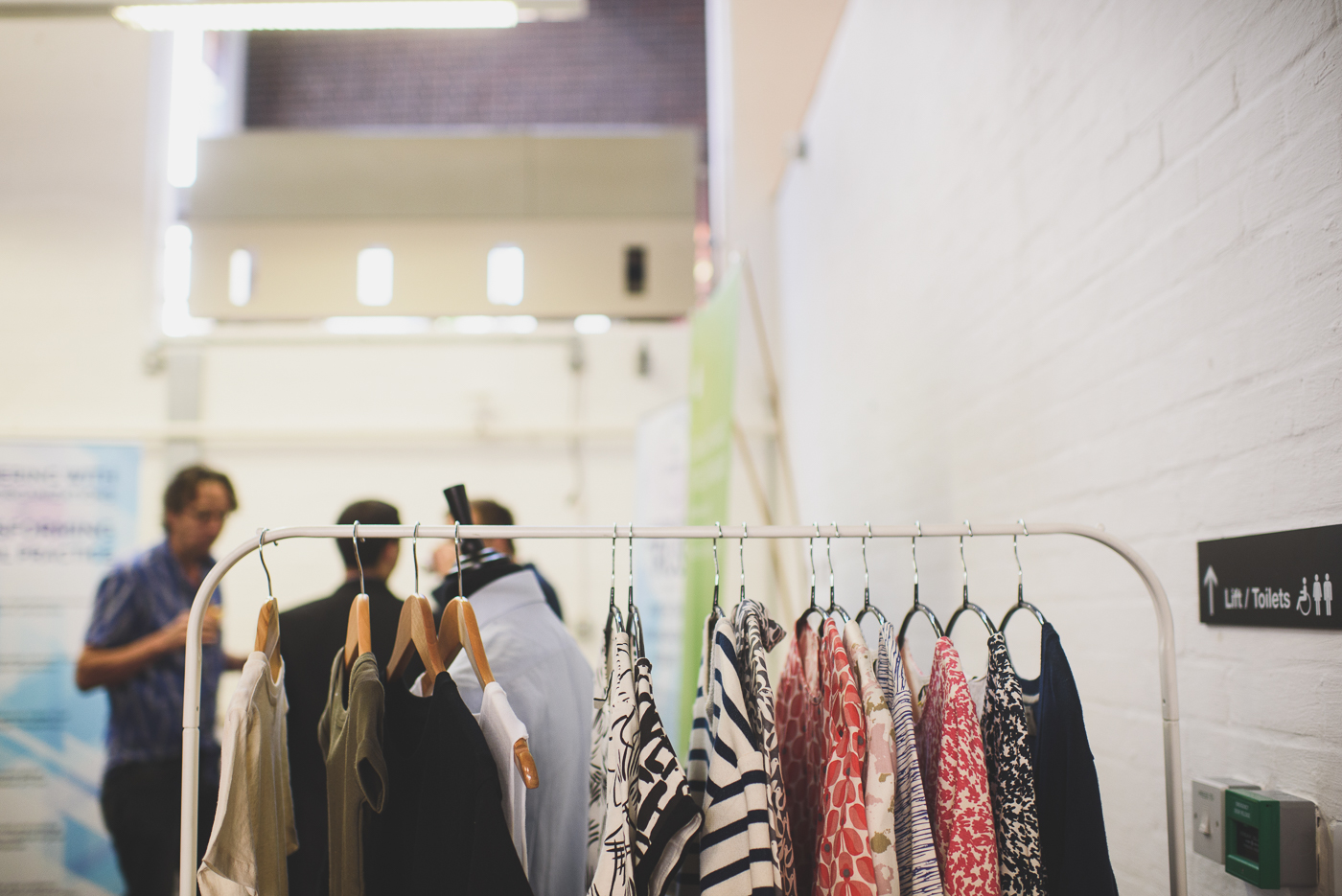
There was talk of shifting from hyper consumption to a collaborative economy where people’s lives are made more convenient and easier, where more and more consumers will be able to get what they need from each other – good examples of this shift starting to occur might be online clothing rental or swapping services. And as the landscape changes and online options grow, physical shops begin to serve a different purpose – instead of purchase destinations, they are becoming social spaces for people and communities. You begin to wonder whether there might be a full circle shift back to a need for interaction on a deeper level. This sharing of clothes, the exchange or passing on of a favourite piece and its story might serve a need for us to reconnect with one another in a humanistic way – whether this takes place in an online or offline capacity.
Caitlin really picked up on how it should be seen as a big win for brands to be involved in getting to a second customer (through the secondhand sale of their goods online), and developing loyalty and good feeling in two separate owners without having even formally done the engagement. In reality, some brands are afraid to engage with the second life of their clothing, despite the fact there is evidence to show that active participation in this kind of activity often spurs an increase in sales of both new and old products for the brand in question. Patagonia was cited as an example of a brand that has seen this positive uplift.

Before we all headed off to the table topic discussions, Ethical Fashion Forum’s Founder and CEO, Tamsin Lejeune took us through the vision for their own tech future; a proposition that promised an impressive offering to all its members. This offering aims to benchmark and reward good ethical practice by unlocking more information and resources, thus increasing the potential for a brand to grow. Better than this, everything mysource.i.o will serve up to its members will be completely based on need.
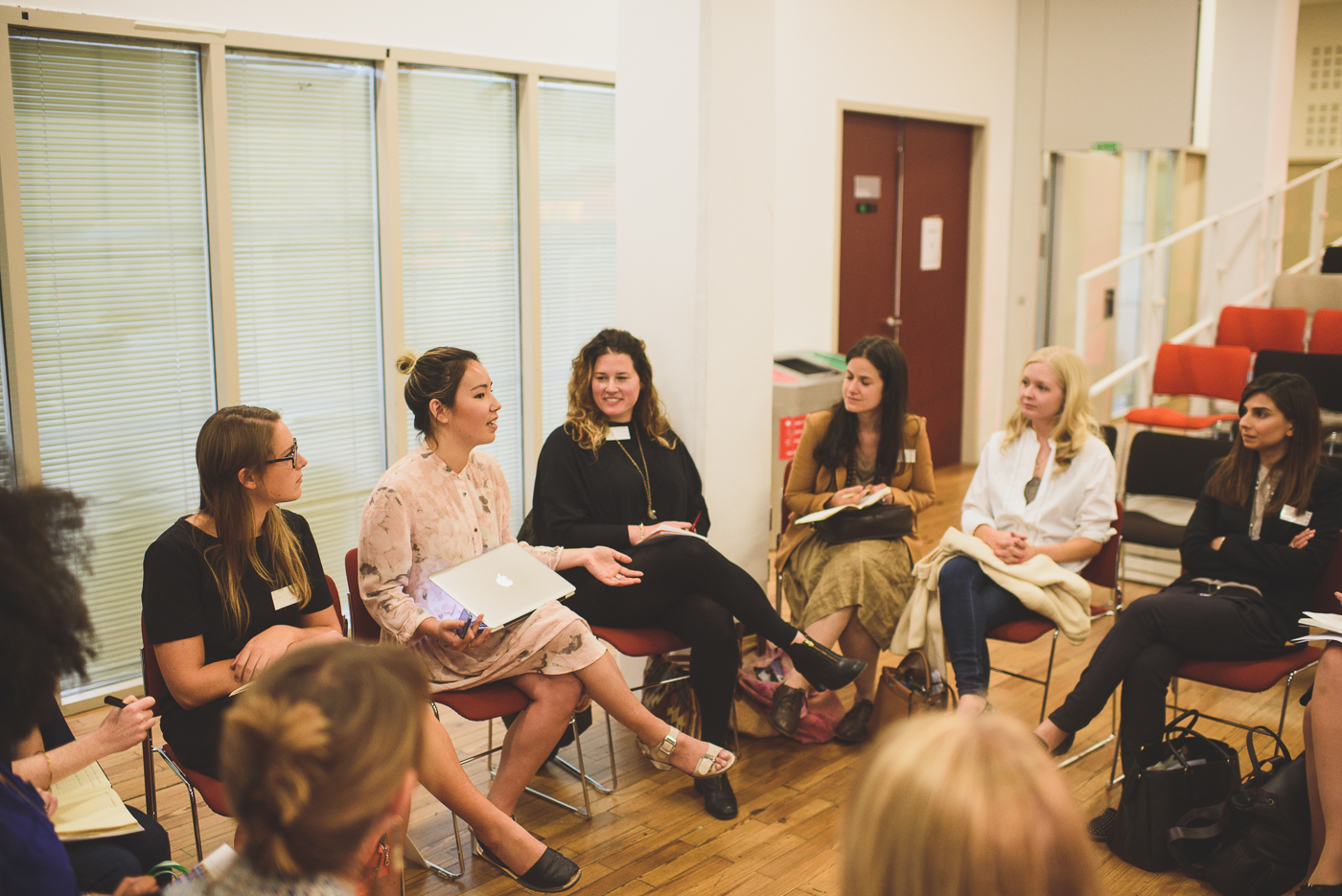
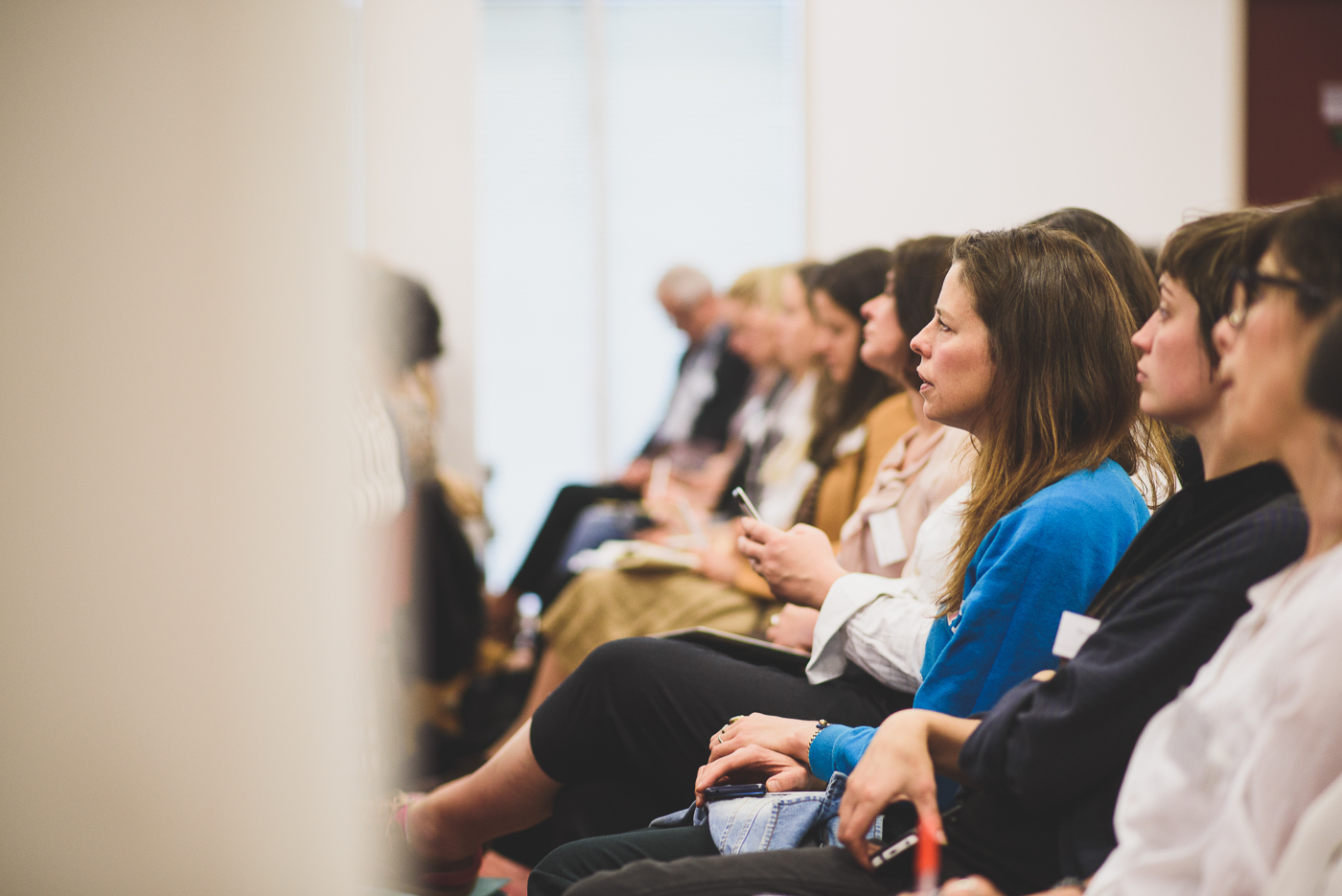
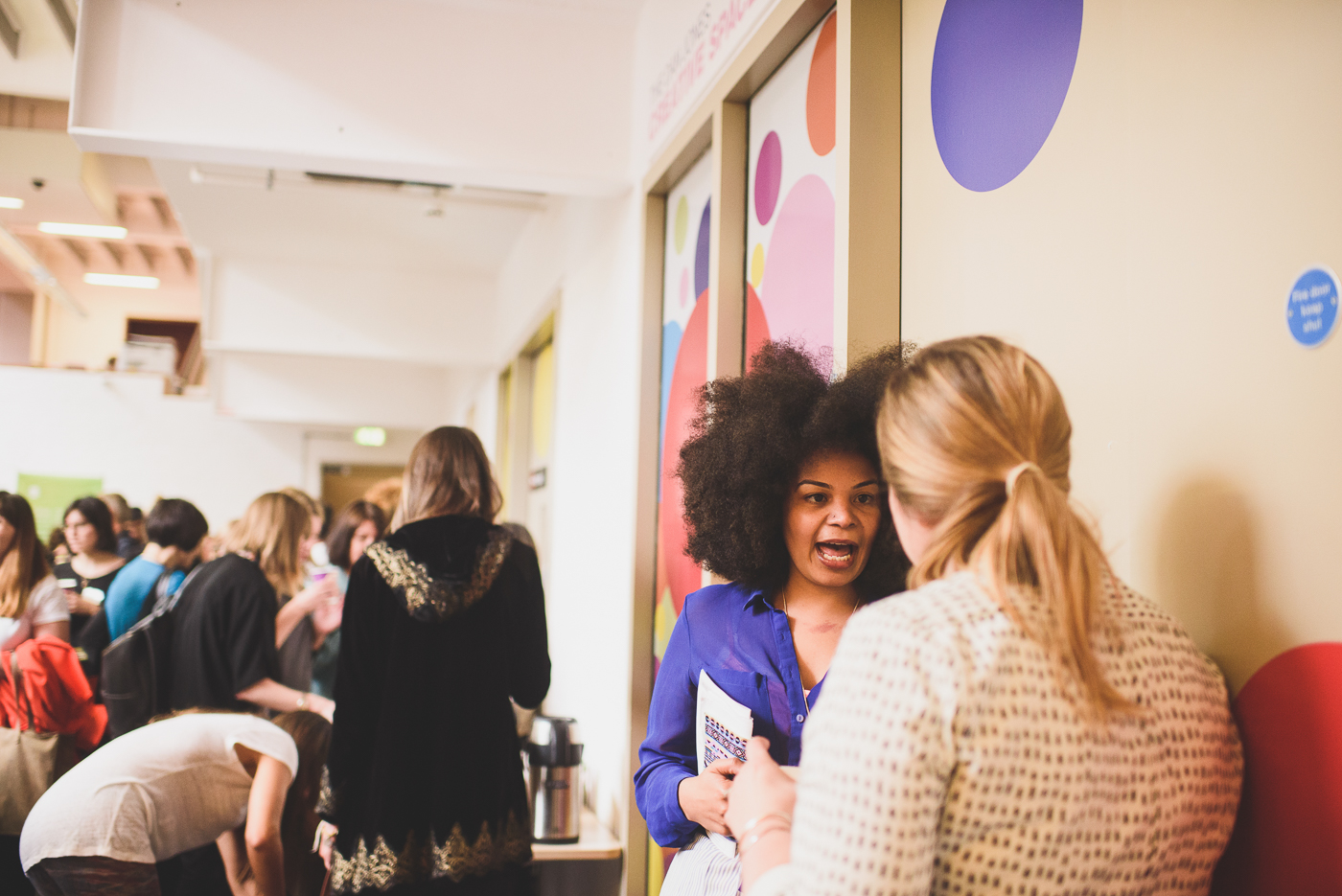
Table topic discussions covered everything from Sustainable Fabrics and Production to Growing a Brand. This provided the perfect opportunity for people to network in small groups and share valuable advice and experience. Master Classes then followed on, offering a more in-depth discussion around Retail, The Supply Chain, Innovation, or Design dependent on which you’d selected to attend.
In the retail master class, attendees got the opportunity to hear from Jade Harwood of Wool and the Gang on making knitting sexy and how using social media can help shape a business model, while in the Design class, Bryan Oknyansky from Shoes by Bryan showed us his awe inspiring creations and talked 3D printing, the future of footwear, the use of PLA and his aspirations to create the first downloadable collection. With developmental strides in design like this, a paradigm shift in how we receive consumer goods is inevitable. He already offers personalisation that is immediate – you can choose the colour of your shoe, for example, and it costs the same to produce as printing the original shoe – but soon there could be options that abolish shoe size and that make products available that are made specifically for a certain person as standard, and that therefore increase social sustainability.
I was pleased to hear that one of my personal favourites, Reformation was mentioned several times by various speakers and in various table topic discussions throughout the day. The online retailer was hailed as a good case study for a brand that’s getting it right – use of dead stock fabrics and vintage, everything produced in their own sustainable sewing factory, a heat-reflecting roof and a building run by renewable energy. Yet still, Reformation might be considered a ‘fast fashion’ model because new products are released every two weeks. However, their small quantities have been proven to drive up demand, seeing them make $25 million last year – and we watch as they keep expanding.
Another example was Eileen Fisher, but unlike Reformation, this is a company that has had to build in sustainability over time as opposed to having it integrated at the core from day one. Proof that it’s possible to reinvent the wheel after years of successful trade, simply because you know change needs to happen and because you have a desire to do things the right way. It’s not too difficult. The goal for Eileen Fisher is to get to 100% sustainability.
In the closing talk of the day, Lucy Shea of communications agency Futerra put it back to the group: ‘What is sanity to you?’ For me, the most pertinent thought that came out of this was not an answer, but another question from the audience: ‘Do we start with the person or the system?’ Carol Rose of WRAP articulated this quite neatly by posing the question: ‘Is the definition of sanity really about looking at oneself; about looking at the man in the mirror?’ Instead, in the end, is it really about asking how we can affect change by chipping away slowly-but-surely from inside our big corporate fashion organisation, or from within the walls of our tiny empire if we have embarked on an entrepreneurial journey within the ethical fashion world?
Another hugely thought-provoking, as well as informative, event from the Ethical Fashion Forum. I’ll have my eye on mysource.i.o to see just what the team has in store for us next.
Words Emma Slade Edmondson, images Rachel Manns.

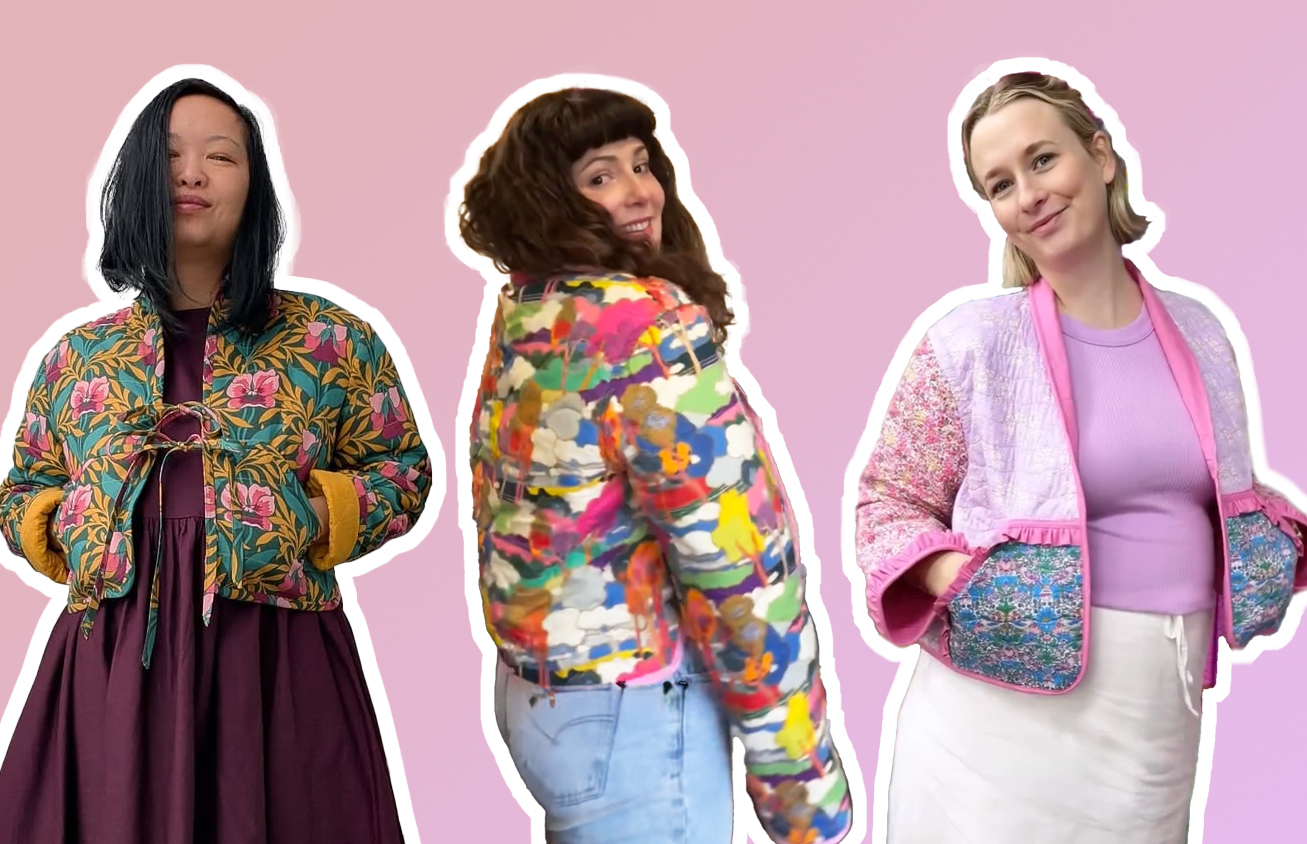
“My piece of advice for makers and designers? Run your own race… make sure your key decisions stay anchored in your brand’s core beliefs.”
- Bec Bligh
Quick show of hands: who’s opened a water bottle expecting a refreshing sip… and instead been greeted by the unmistakable whiff of uh-oh?
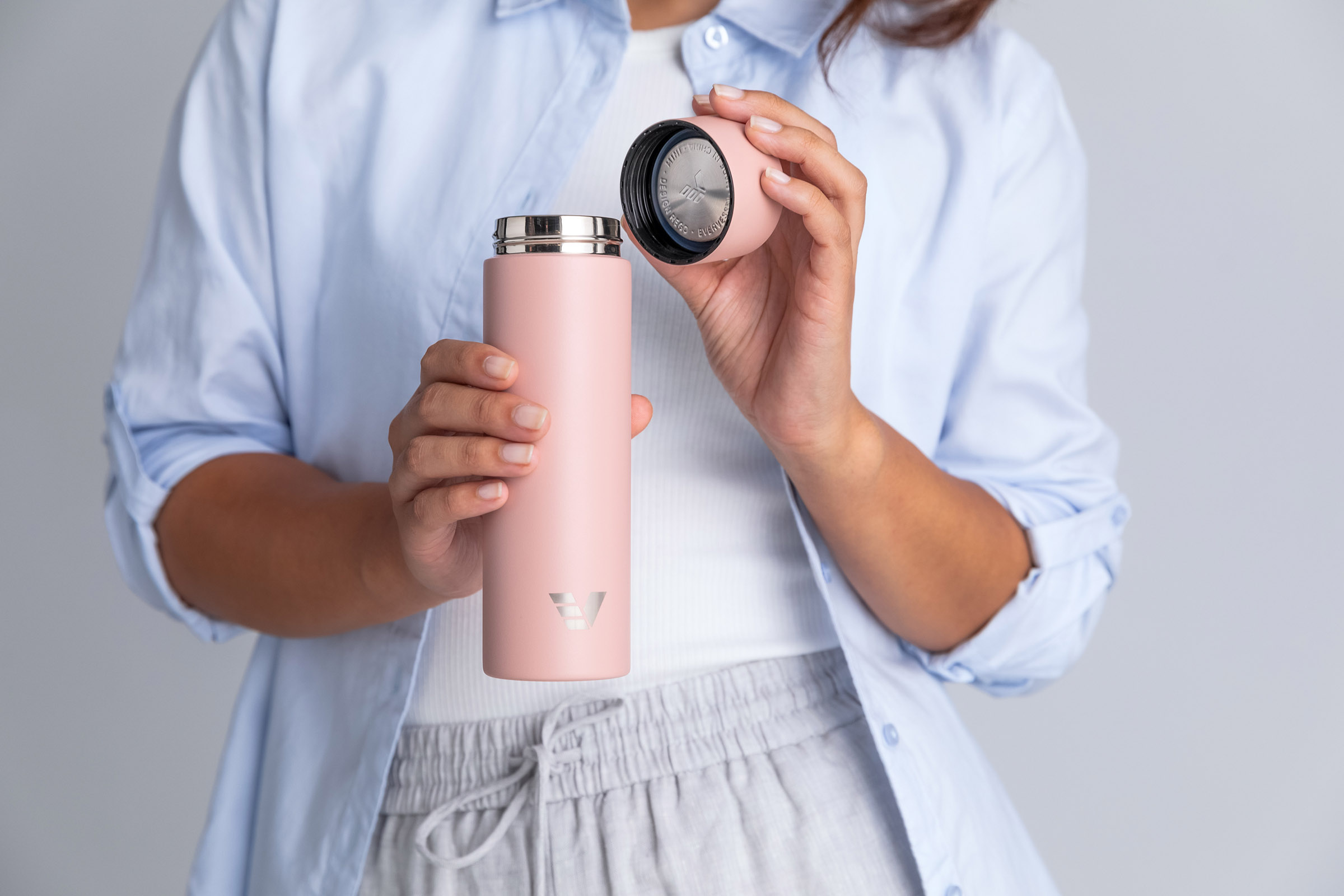
Because for something that follows us everywhere (desk, car, hikes, yoga…), the humble drink bottle is strangely prone to becoming a science experiment. Hard-to-clean corners and gaskets. Mystery smells. Bec Bligh and her husband Tim know it well. A six-month sailing trip along the Queensland coast left them with a lifetime of memories and one stubborn annoyance: mouldy water bottles they couldn’t properly clean.
So they did something about it.
Enter @EverVessel. Thoughtfully designed borosilicate glass and stainless steel bottles that keep things beautifully simple: durable materials, wide openings, easy-to-clean parts and none of the techy gimmicks that tend to age badly. Turns out simplicity, done well, is pretty powerful stuff. (Their many design awards agree!)
And lately they’ve added a little extra delight: the Artist Series, where creatives like Paola Castro, Ben Miners and Martin Thompson transform these everyday companions into tiny travelling artworks. There are more colabs in the works, too: hydration, but make it joyful! 🎨💧
We chatted with Bec about the sailing trip that started it all, the philosophy behind Ever Vessel, and why the most sustainable product is often just the one you keep using.
Tap the link in our bio to read the full conversation. 🚰
#EverVessel #ReusableWaterBottle


Pull up a chair… there’s room at this table!
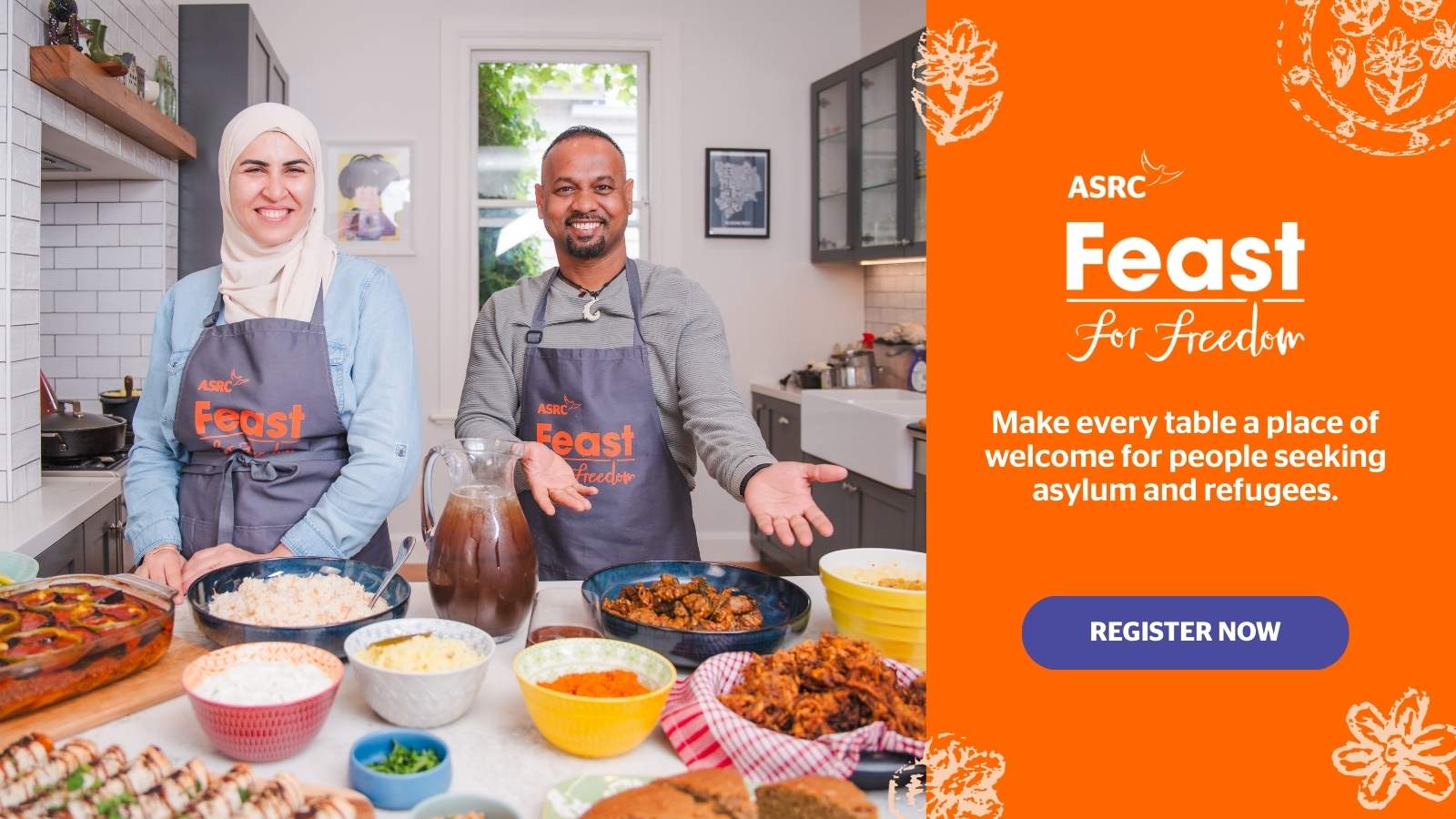
For the first time, Feast for Freedom is bringing people together for a spectacular long-table dinner as part of the Melbourne Food & Wine Festival.
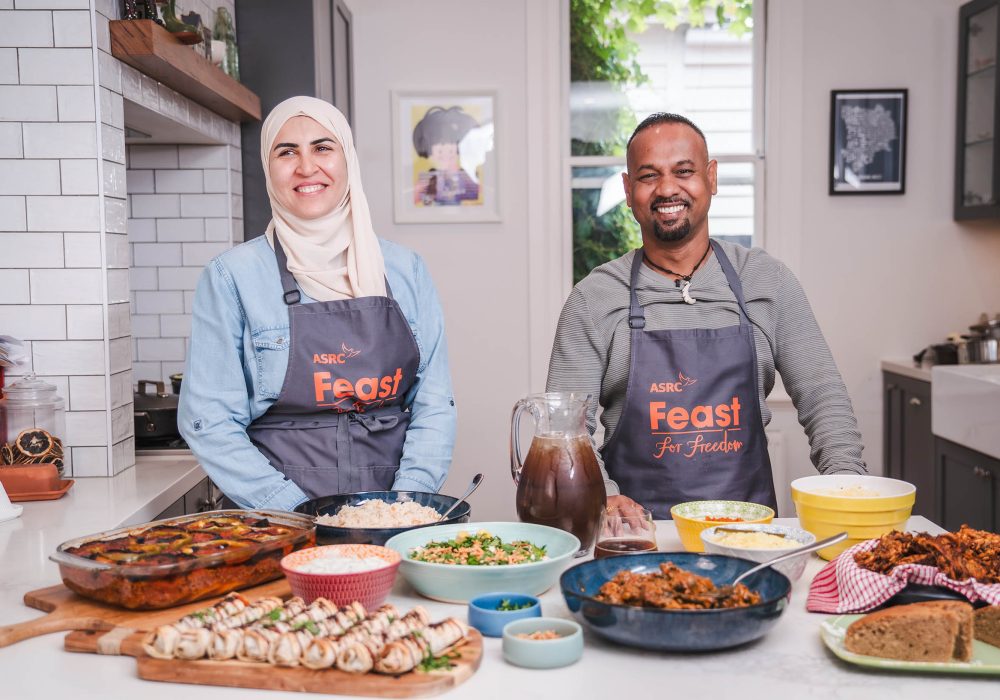
A Longer Table is exactly what it sounds like: one beautiful shared table inside the Asylum Seeker Resource Centre (@Asrc1), piled with generous dishes inspired by this year’s hero cooks, Noha and Nige.
From 6 to 9pm on Wednesday, 25 March, this is what you can expect:
🍽 A three-course shared feast
🍷 Matched drinks
🎶 Live entertainment
✨ A room full of good humans
Your ticket doesn’t just buy you a delicious dinner. It supports the ASRC’s vital work and helps create a fairer future for people seeking asylum.
Seats are limited, and long tables have a way of filling up quickly – head to @MelbFoodAndWine’s website to book now: feastforfreedom.org.au/mfwf
#FeastForFreedom #MelbourneFoodAndWineFestival #LongTableDinner #FoodForChange

Sew versatile! 🪡
Another great make from Lisa from @SunnySewsEveryday:
My #PeppermintWaratahWrapDress is finished and I’m so proud of it. It has been designed not to flap open and flash your pants in the wind, so I feel confident it will be a great wheelchair or standing dress in English weather.
#PeppermintPatterns #WrapDress #WrapDressPattern

Frame your face with the Peppermint Bucket Hat!
Stay safe and stylish in the sun with your very own self-sewn and self-drafted wide-brimmed bucket hat. This beginner-friendly sew is perfect for a sunny day. Get out your pencils – this pattern is created using equations and maths!
This DIY project was featured in Issue 53 and now you can access it for the lovely low price of only $5.
Sun-safe chic is always in style. ☀️
Find it via the link in our bio!
Photos: @KelleySheenan
#PeppermintPatterns #PeppermintBucketHat #BucketHat #BucketHatPattern #DIY

✨ INSTANT CLASSIC ✨
The Peppermint Myrtle Shift Dress is a beginner-friendly make with a few special details based on the ever-stylish shift shape – the perfect dress you need in your wardrobe right now!
Myrtle cuts above the knee with options to customise the length. Don’t think she’s reserved for hot weather either: try a heavier-weight fabric to turn your Myrtle into a pinafore-style garment for layering.
For our fabrics we chose two from our lovely sewing partner @Karmme_Apparel – the bold Rottnest Stripes in a lightweight, soft-drape cotton, and the quality linen in the handpainted Mexico Collection.
Get making the Myrtle – the only question is, can you stop at just one?
Link in bio 🪡
Fabric: @Karmme_Apparel
Sewist: @Laura_The_Maker
Photos: @KelleySheenan
Models: @SerahSews and @Pins_And_Tonic
Location: @ShareTheDignityAustralia
#PeppermintMyrtleShiftDress #PeppermintPatterns

It’s time to Feast!
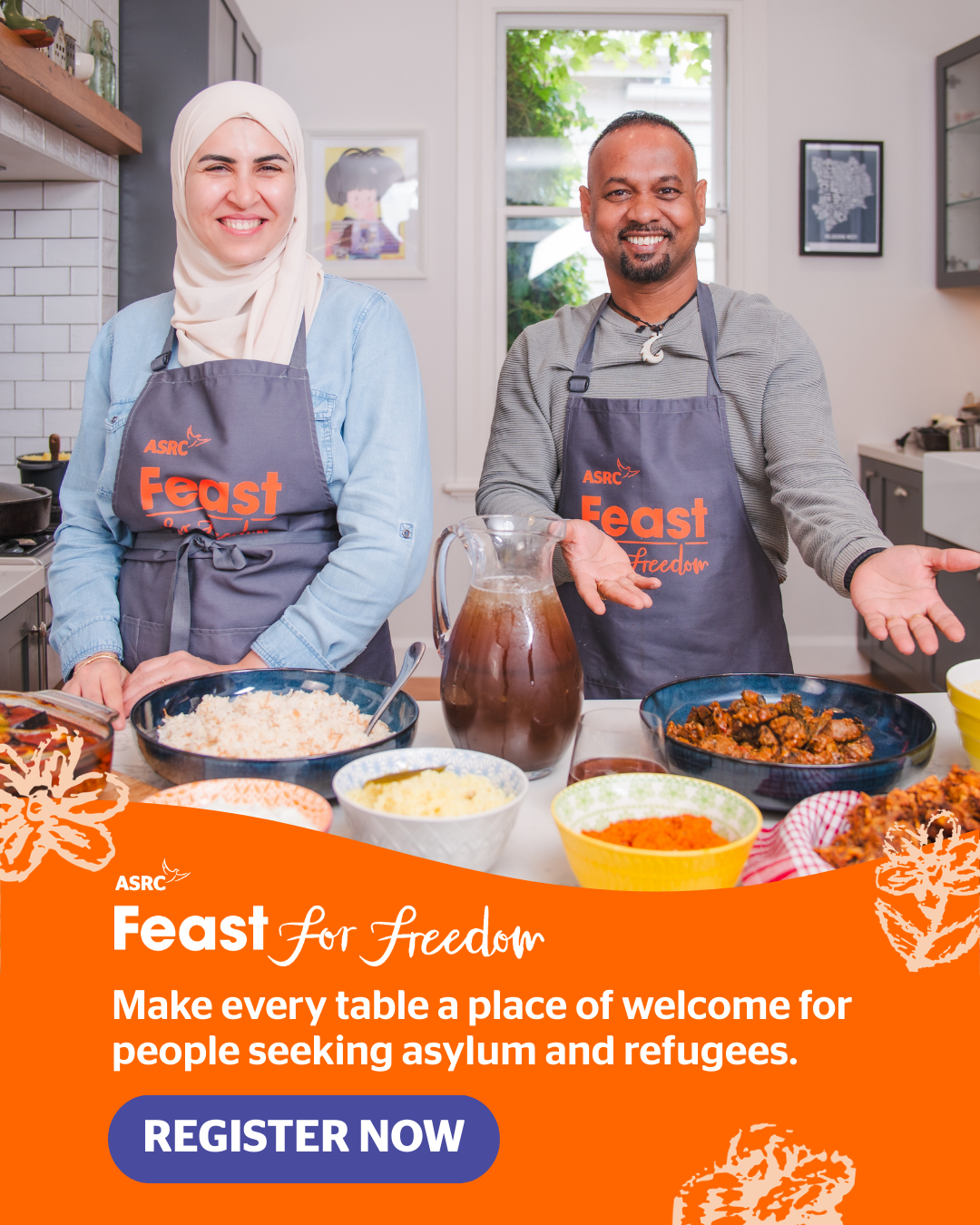
Some recipes travel a long way before they land on your table to delight your taste buds. This year’s Feast for Freedom invites us to gather our friends, cook something delectable and raise funds for the incredible work of the Asylum Seeker Resource Centre (@Asrc1) while we’re at it.
The 2026 Feast features recipes shared by two remarkable cooks: Noha, who brought the flavours of Palestine with her when she arrived in Australia, and Nige, a Sri-Lankan Tamil cook whose journey with food began in the most unexpected of places.
You can host your own Feast up until 30 April – simply register online and get planning! Host a dinner, organise a workplace lunch, or gather your community… However you do it, the idea is simple: cook, connect and celebrate the cultures and stories that shape Australia.
Want to find out more? Head to the link in bio to meet Noha and Nige, learn more about their stories, and discover a delicious recipe to try.
#FeastForFreedom #PeppermintMagazine #FoodForGood #ASRC
