words BONNIE LISTON above MADELINE WHITE
Some of us harbour a secret dream of starting a side hustle. One that maybe expands into a main hustle, allowing us to escape the rat race of 9–5 employment to become the masters of our own occupational destiny, dedicating our precious time on Earth to creative pursuits we are passionate about.
But starting a small business can be a scary prospect, especially if you’re a left-brained artiste who has never pictured yourself as a number cruncher thriving in a business school environment. That’s why we’ve put together a series, a crash course if you will, of small business essentials – with special help from our friends at Spoonflower.
Spoonflower’s Creative Marketplace is filled with the work of artists and creatives, and in return, thousands of entrepreneurs, makers and businesses, big and small, are powered by Spoonflower’s on-demand digital print process – on average, nearly half of their yardage is sold to small business owners! They know their way around business and they love to support and encourage small business owners with their bi-annually endowed Spoonflower Small Business Grant, or with the free distribution of information!
In this series tailor-made for those creatives with a dream, we’ll cover everything from building a brand to boosting your buzz. The subject of today’s lesson is balancing the books as a small business.
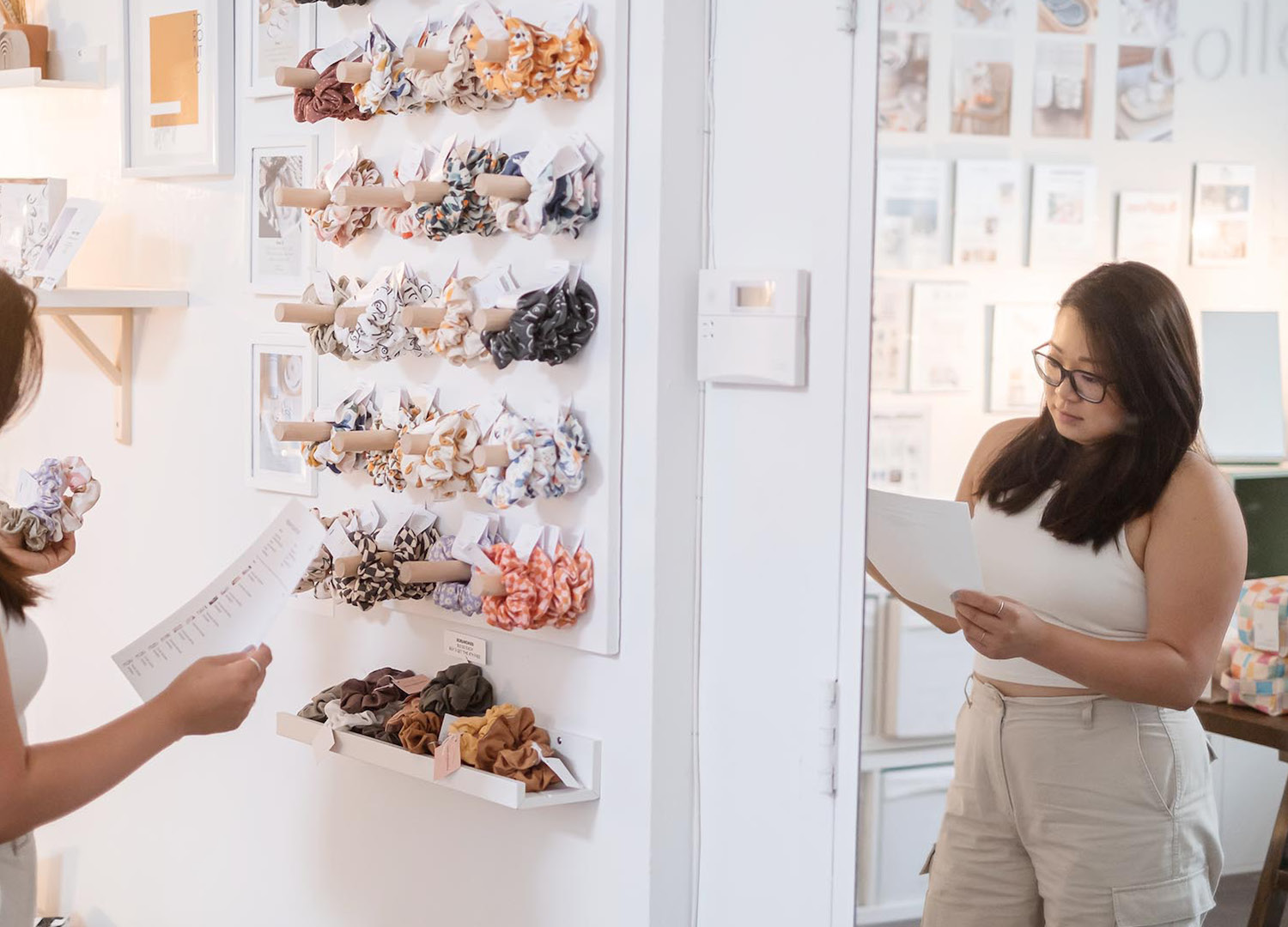
above NANCY MAC OF FREON COLLECTIVE, COURTESY OF LEMONS AND ANTS PHOTOGRAPHY
“When you’re a small business owner, you wear all the hats whether you like it or not,” says Alexa Terry Wilde, Maker Community Manager at Spoonflower.
Alexa understands firsthand that often the most daunting hat to don as a small business owner is that of finance manager, opening her own bricks-and-mortar, Antlers and Astronauts, in 2017. “But balancing your books and maintaining healthy cash flow doesn’t have to be so intimidating, even if you’re starting your business with $25 and have no prior knowledge in accounting,” she stresses. “As you’ll learn from two outstanding creatives within the Spoonflower community, Nancy Mac and Fern Leslie, the formula for success is simple: start small, make adjustments as necessary and invest in your process when and where you can.”
When you’re a small business owner, you wear all the hats whether you like it or not.
Nancy Mac is the designer and maker behind the Freon Collection – a low-waste lifestyle brand based in Toronto, Canada. A former winner of the Spoonflower Small Business Grant, Nancy has been able to grow her business exponentially and recently expanded into the wholesale market. Fern Leslie is the creative mind and busy hands behind three businesses – as Fern Leslie Studio on Spoonflower she is a successful surface pattern designer and she operates two Etsy stores as a purveyor of handmade Christmas stockings and boutique baby quilts.
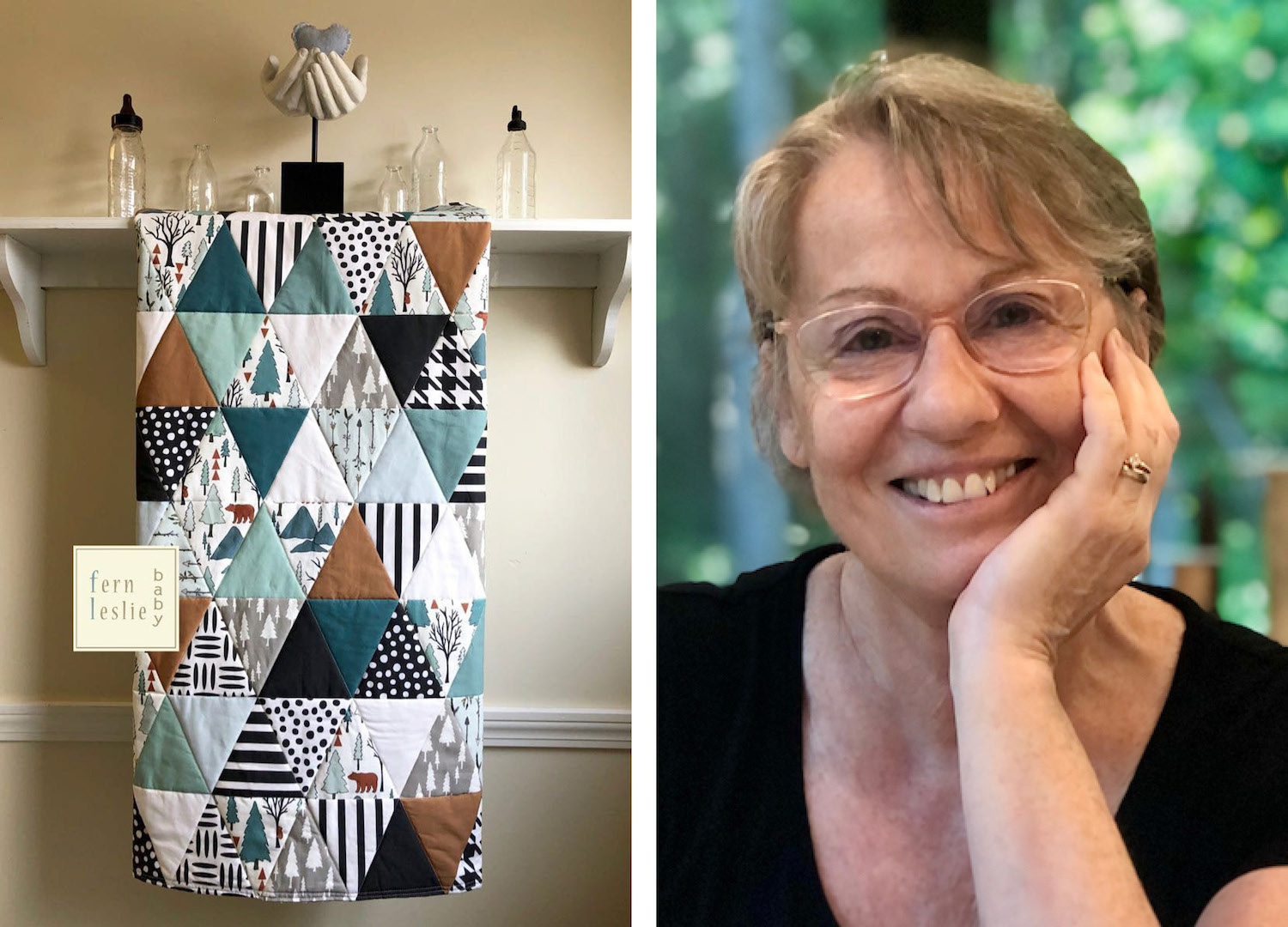
left FERN LESLIE BABY QUILT right FERN LESLIE
START SMALL
Money matters have the misfortune of being both incredibly intimidating and absolutely essential to the success of a small business. And if you find yourself frozen at the starting line, you’re not alone. Nancy and Fern both suggest freeing yourself from the idea that you have to understand everything about economics all at once.
“I’m someone who’s not a risk taker in financial matters,” says Fern. “I started small and grew as my income increased, which enabled me to fund the business myself. I started with $25 and grew from there.”
“In my opinion,” Nancy asserts, “the most important area to focus on when starting out is deciding whether you will be selling your products directly to your customers, or through a wholesale channel to stores. There are benefits to both, but I think most small business owners will initially begin with selling directly to customers, as it’s a smaller scale to work with. With this avenue, you’ll be able to allocate your funds in smaller amounts (rather than buying in bulk) as you begin to get your business off the ground.”
There is also the possibility of seeking external funding for your business through investors, crowdfunding, taking out loans or seeking grants.
“There are so many options out there for new and small businesses. When I first started Freon Collective, one of the first grants I won was the Spoonflower Small Business Grant,” says Nancy. “This grant was instrumental in providing some extra funds for me to spend on materials for the business, and in addition to that, I’ve continued to work with Spoonflower over the years on other projects. Needless to say, grants can not only provide you with funding – they can also be an avenue for networking and making connections.”

above NANCY MAC OF FREON COLLECTIVE, COURTESY OF LEMONS AND ANTS PHOTOGRAPHY
INVEST IN YOURSELF
Eventually, you will start to make sales and the moolah will begin to trickle in. This can be a tremendously exciting time but it’s important you don’t allow yourself to become blinded by the Benjamins.
“Be patient,” cautions Fern. “In the beginning, I didn’t expect to make any money for myself. I worked long hours. The first year I grossed about $10K for more than full-time work. Once all expenses and taxes were taken out, I used most of what was left to grow the business.”
Nancy concurs. “See if you can ‘reinvest’ the money that’s coming in to enhance your business services and products, or speed up how you’re running your business. One of the first things I purchased when I first started out was an electric rotary cutter for cutting fabric. It was a big investment at the time, but it has also saved me so much time (and wrist pain!) when cutting my materials.”
Being able to track and separate your money is the most important thing you can do as a small business.
Nancy offers other suggestions for managing your initial finances, including creating separate accounts for your personal life and business needs. “Being able to track and separate your money is the most important thing you can do as a small business.”
She also advocates setting internal budgets for “advertising, creating new products and any other projects that are relevant to your business. It can be difficult as a small business owner to create your own budgets but start with a number that makes sense for you, and you can always adjust it later.”
“My top tip,” instructs Nancy, “is to stay on top of your bookkeeping. If you have a bookkeeper that’s great, but I think it’s incredibly valuable to learn how to track your own. There’s fantastic software out there that can help with this. I find being aware of all of your expenses and profits, and being able to see where all of your money is going every month has helped me stay on top of cash flow over the past few years.”
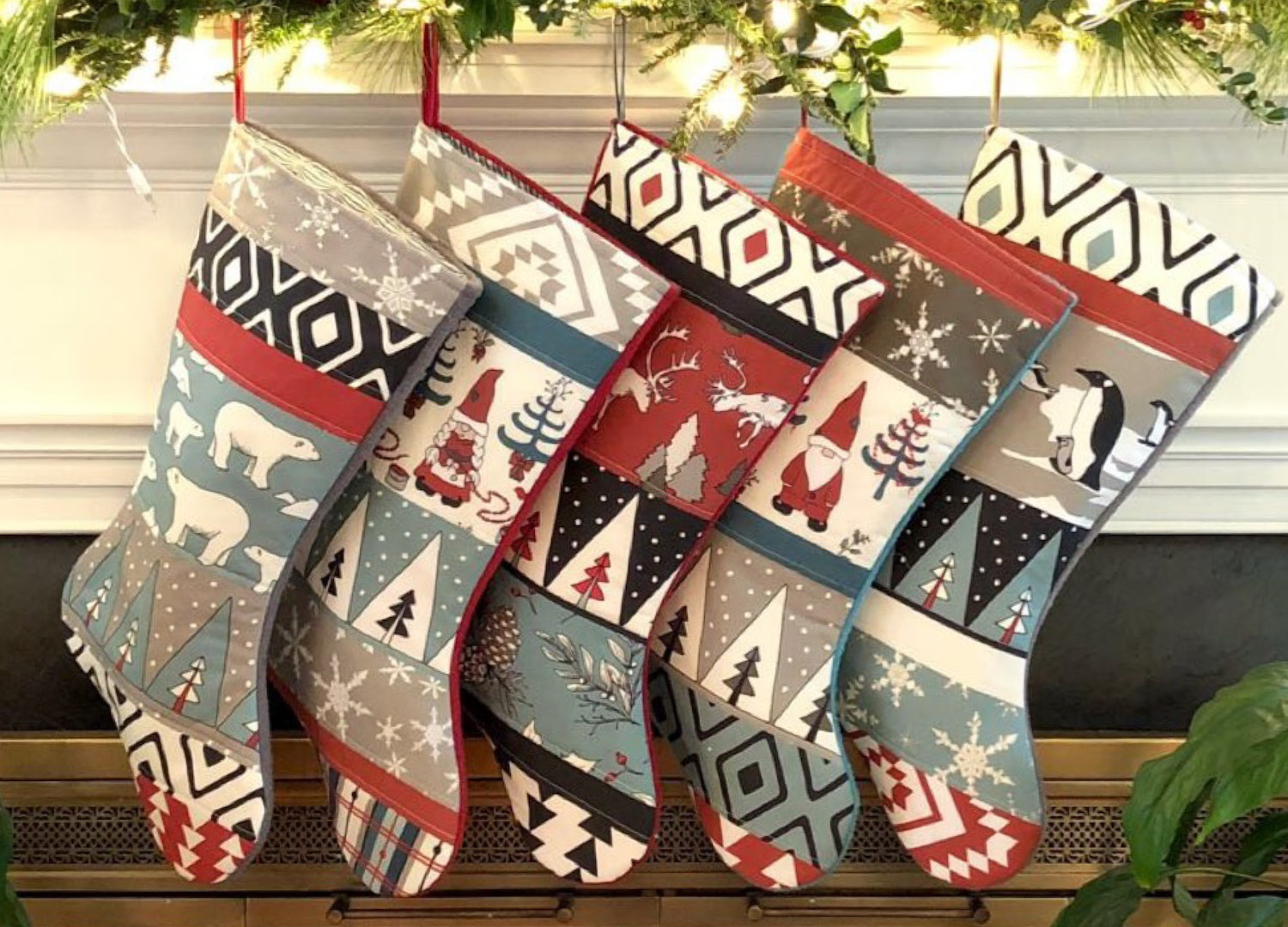
above FERN LESLIE STUDIOS CHRISTMAS STOCKINGS
NEARLY YEARLY
Fern and Nancy both agree the year is more than a cosmic coincidence of the Earth’s rotation of the Sun, but a useful framework through which to consider your business’s financials.
“Make a yearly business plan and break it down month by month,” says Nancy. “Consider months where it might be slower (generally in the northern hemisphere, the winter after the holidays), and plan to spend that time working on projects that don’t require as much spending.
“For me, this is the time I spend planning new products and being creative in my studio. I also use the slower periods to plan for the months that will be much busier, such as seasons where I know I have a lot of in-person events, sales and promotions, or the holiday season. By breaking it down month to month, you can plan your funds accordingly.”
“I’m not really a business plan type of person,” avers Fern. However, she knows well the importance of planning around the year – her Christmas stocking store is a highly seasonal venture.
“Ninety-five percent of my sales occur during the last three months of the year. I make those earnings last until the next September when things begin to pick up again. I buy my materials – usually on sale – during the slow months, and I make sure I save enough for paying estimated taxes during the year.”
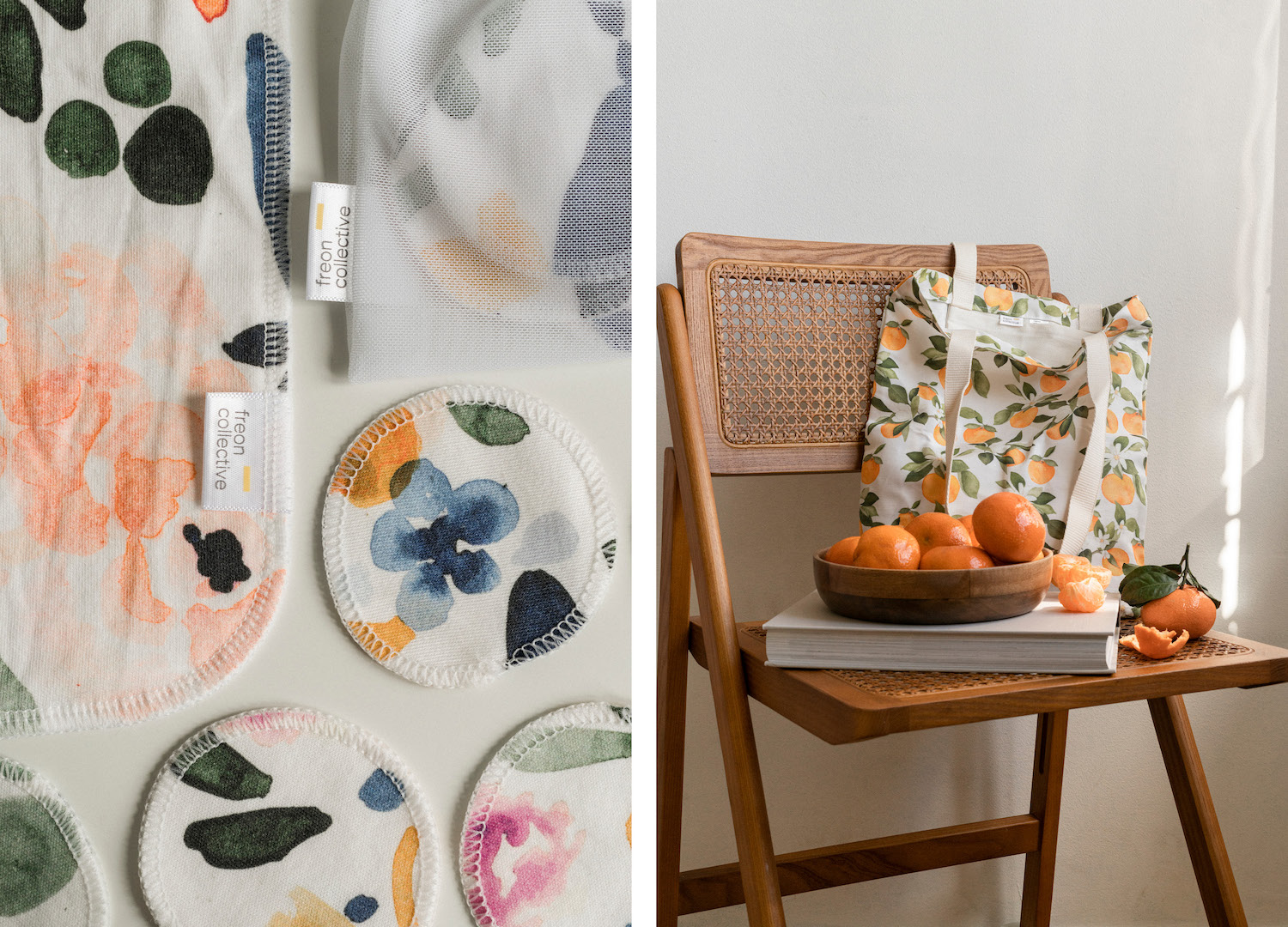
left SIERRA FLORAL COTTON ROUNDS right CLEMENTINE TOTE BAG, COURTESY OF FREON COLLECTIVE
HIDDEN COSTS
Keep an eye out for hidden costs you are likely to garner. Expect the unexpected expenses so they don’t come with a nasty side of sticker shock that takes your business out at the knees.
On the watchlist of Nacy’s financial foes are insurance, taxes and equipment repairs or upgrades. “It can be helpful to put aside an ‘emergency fund’ for the business in case anything like this comes up,” she says.
Fern warns against overhead costs such as “rent, internet and electricity,” as well as the cost small business owners are most likely to overlook – the value of your own labour!
“Make sure you know the time spent ordering supplies, producing the item, packing and shipping, and corresponding with customers. Your time is valuable and every bit of it should be compensated for,” says Fern.
When we makers undervalue ourselves, we undervalue the whole industry and make it very hard for those who are trying to make a living wage from their craft. Figure out how much your time is worth, and keep track of it.
This is a topic that Nancy is also very passionate about: “One thing I’ve always done is calculate my time spent to make a product. A lot of creatives won’t account for their time spent, but it’s incredibly important to do so. Not only does this ensure that you are being paid fairly for your work, but if you were to hire staff in the future, you’ll need to account for their wage too.”
“When I first started, I purposefully kept my price under what I thought it should be,” Fern admits. “I wanted to know that if items didn’t sell, that it wasn’t because of the price. As things sold, and I gained good reviews, I moved the prices into a more realistic category.
“I have learned that it is very important to charge what the item is worth. This includes calculating the value of materials, overhead, and time. When we makers undervalue ourselves, we undervalue the whole industry and make it very hard for those who are trying to make a living wage from their craft. Figure out how much your time is worth, and keep track of it.”
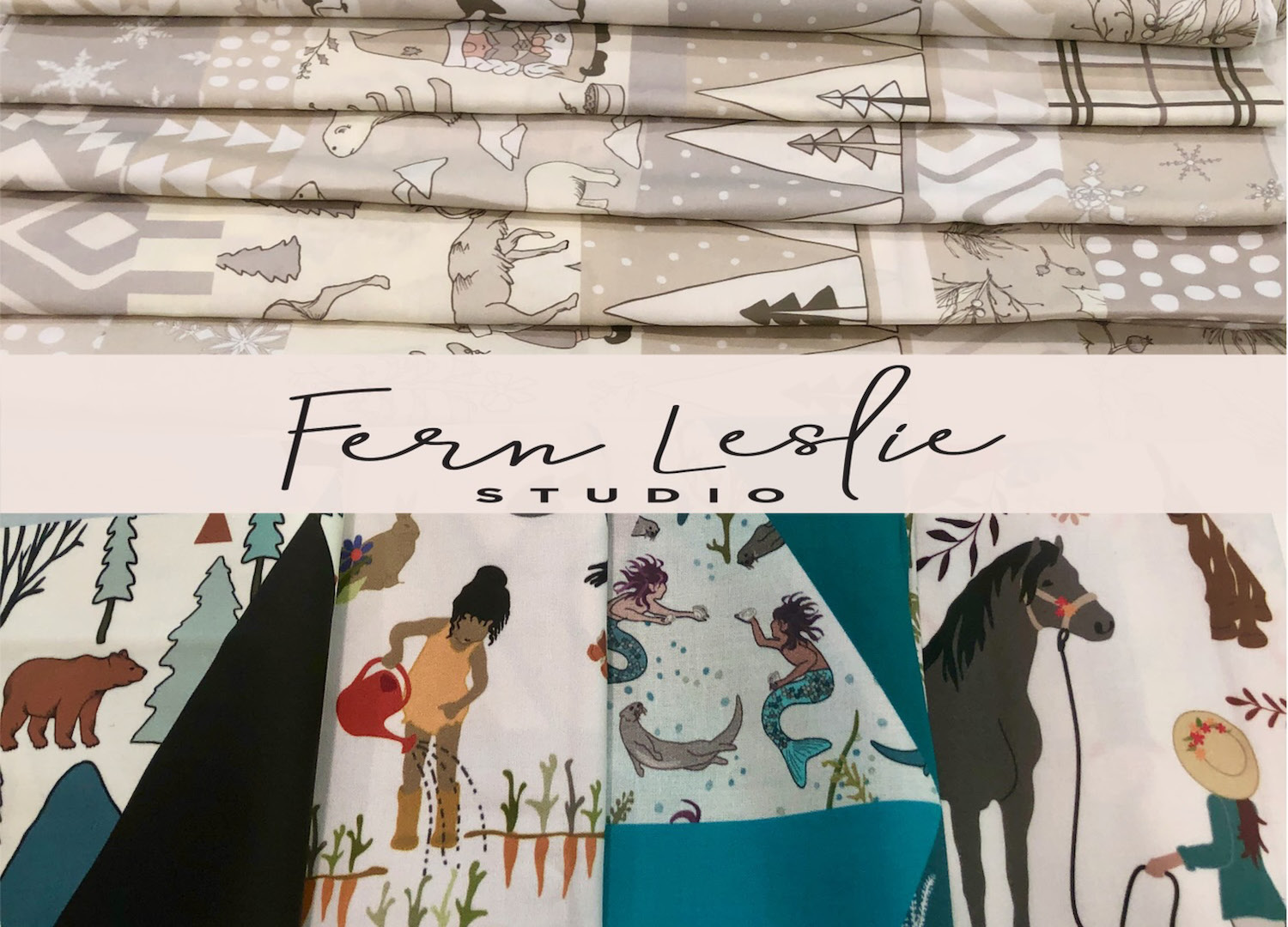
above COURTESY OF FERN LESLIE STUDIO
DON’T SELL OUT
As important as it is to keep abreast of your financial situation, you shouldn’t let it consume you to the exclusion of all else. Don’t let the pursuit of profit at all costs blind you to why you set out in the first place. Very few people get into the creative small business game for the money. Take the time to reflect on your vision, values and goals.
Don’t sell yourself, your brand, or values short.
“If I had wanted to hire employees, I could have grown much larger,” Fern shares. “But I stayed true to my own vision of running a business, that I could manage myself. I am a maker, not a boss. I love wearing all the hats. It feeds into my need for diversity of work.”
“Don’t sell yourself, your brand, or values short,” says Nancy.” Stay organised with your finances, keep on track with your bookkeeping, but always remember why you started your small business. For me, I have always wanted to create a brand that stays true to providing well-made, eco-conscious and well-designed products to my customers.”
READ MORE: Feel the Flower-Child Vibes with My Keeper’s Fabulous Fabric Designs

above STRAWBERRY MINI MAKEUP BAG AND TOTE, COURTESY OF FREON COLLECTIVE
MIND, SET, MATCH
Given the pretty definitive nature of numbers and mathematics, one might be inclined to think your approach to finance should be similarly ironclad and exhaustive. But, at the end of the day, both Fern and Nancy advocate for a more laid-back and flexible mindset.
“I am a believer in the notion that I don’t need to know exactly where I am headed,” says Fern. “I just need to have a general idea and keep moving forward. If a good opportunity comes my way, I take it. I allow myself to pivot if I think it is a good move.”
“Don’t overthink it,” Nancy concludes. “It helps if you have a general understanding of business and finance, but I certainly didn’t, and almost everything I’ve learned over the past five years of running Freon Collective has been through trial and error. Just keep on top of your bookkeeping, be aware of those pesky hidden expenses, and stay true to your brand and values!”
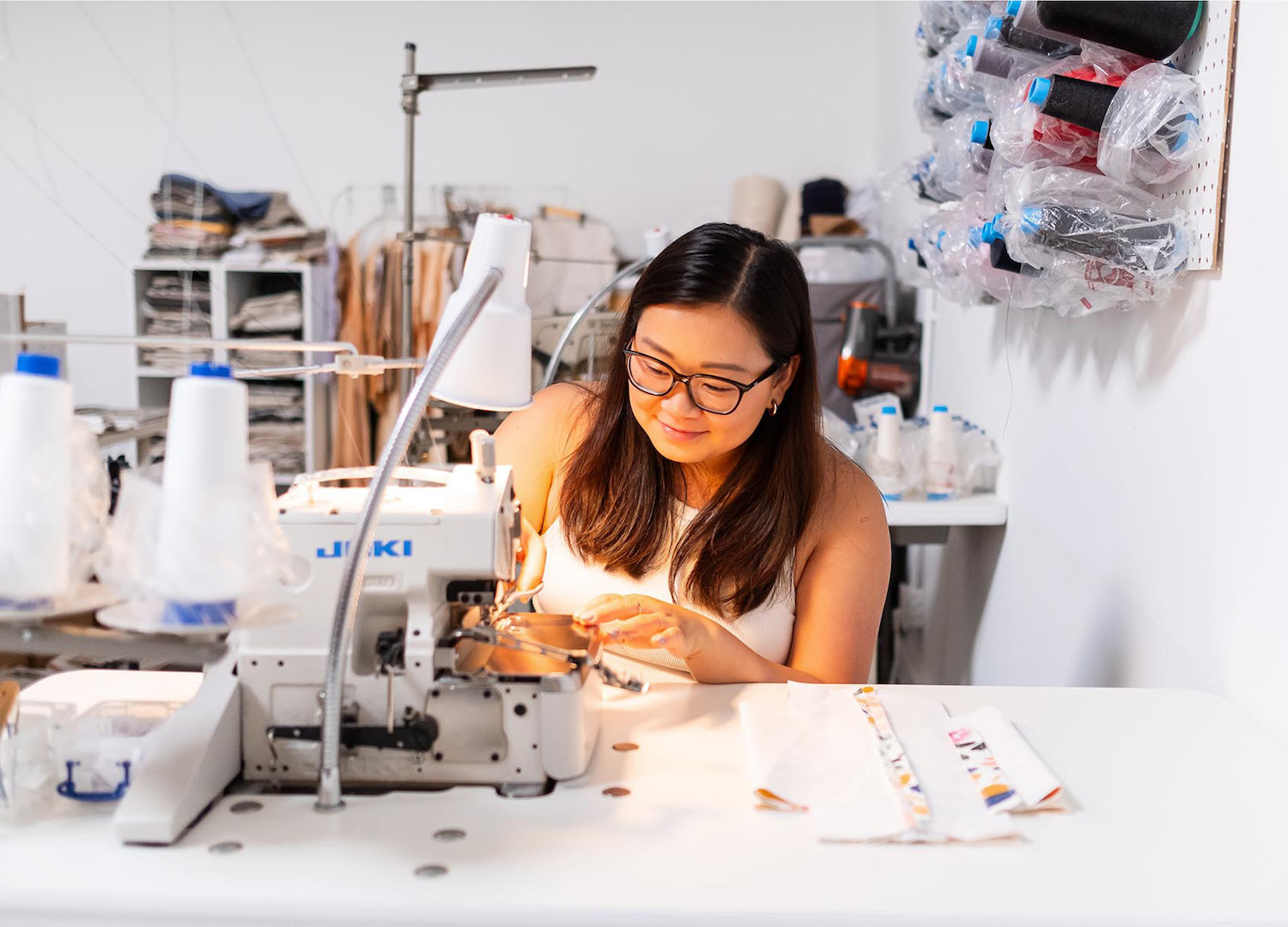
above NANCY MAC OF FREON COLLECTIVE, COURTESY OF LEMONS AND ANTS PHOTOGRAPHY
THIS SERIES WAS CREATED IN COLLABORATION WITH OUR FRIENDS AT SPOONFLOWER. POP OVER TO SPOONFLOWER.COM FOR MORE CREATIVE FUN AND SMALL BUSINESS INSPIRATION.









“My piece of advice for makers and designers? Run your own race… make sure your key decisions stay anchored in your brand’s core beliefs.”
- Bec Bligh
Quick show of hands: who’s opened a water bottle expecting a refreshing sip… and instead been greeted by the unmistakable whiff of uh-oh?
Because for something that follows us everywhere (desk, car, hikes, yoga…), the humble drink bottle is strangely prone to becoming a science experiment. Hard-to-clean corners and gaskets. Mystery smells. Bec Bligh and her husband Tim know it well. A six-month sailing trip along the Queensland coast left them with a lifetime of memories and one stubborn annoyance: mouldy water bottles they couldn’t properly clean.
So they did something about it.
Enter @EverVessel. Thoughtfully designed borosilicate glass and stainless steel bottles that keep things beautifully simple: durable materials, wide openings, easy-to-clean parts and none of the techy gimmicks that tend to age badly. Turns out simplicity, done well, is pretty powerful stuff. (Their many design awards agree!)
And lately they’ve added a little extra delight: the Artist Series, where creatives like Paola Castro, Ben Miners and Martin Thompson transform these everyday companions into tiny travelling artworks. There are more colabs in the works, too: hydration, but make it joyful! 🎨💧
We chatted with Bec about the sailing trip that started it all, the philosophy behind Ever Vessel, and why the most sustainable product is often just the one you keep using.
Tap the link in our bio to read the full conversation. 🚰
#EverVessel #ReusableWaterBottle


Pull up a chair… there’s room at this table!
For the first time, Feast for Freedom is bringing people together for a spectacular long-table dinner as part of the Melbourne Food & Wine Festival.
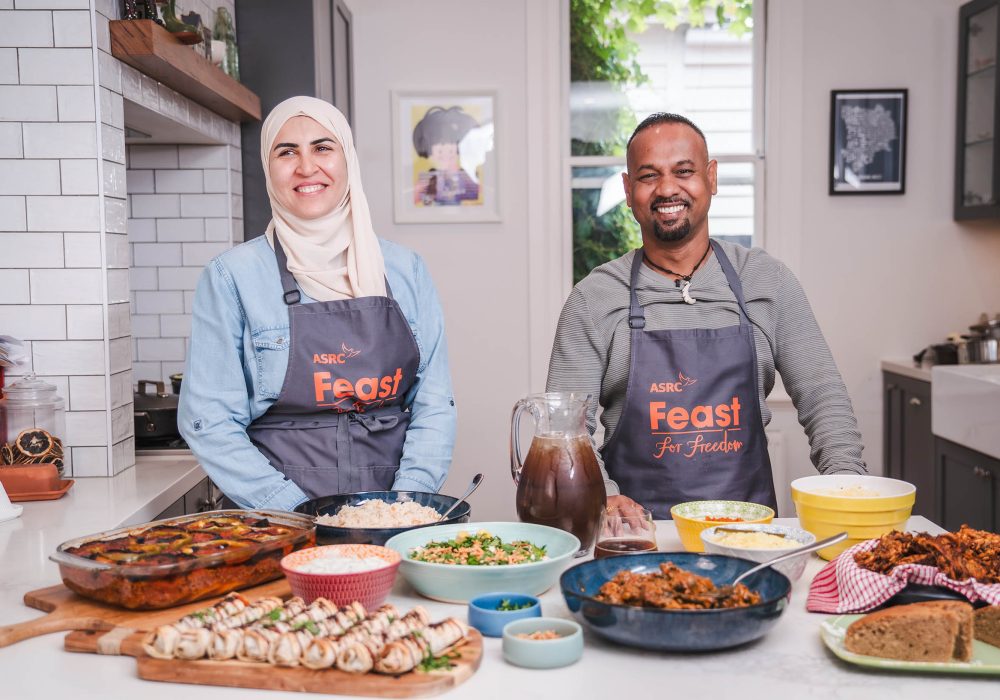
A Longer Table is exactly what it sounds like: one beautiful shared table inside the Asylum Seeker Resource Centre (@Asrc1), piled with generous dishes inspired by this year’s hero cooks, Noha and Nige.
From 6 to 9pm on Wednesday, 25 March, this is what you can expect:
🍽 A three-course shared feast
🍷 Matched drinks
🎶 Live entertainment
✨ A room full of good humans
Your ticket doesn’t just buy you a delicious dinner. It supports the ASRC’s vital work and helps create a fairer future for people seeking asylum.
Seats are limited, and long tables have a way of filling up quickly – head to @MelbFoodAndWine’s website to book now: feastforfreedom.org.au/mfwf
#FeastForFreedom #MelbourneFoodAndWineFestival #LongTableDinner #FoodForChange

Sew versatile! 🪡
Another great make from Lisa from @SunnySewsEveryday:
My #PeppermintWaratahWrapDress is finished and I’m so proud of it. It has been designed not to flap open and flash your pants in the wind, so I feel confident it will be a great wheelchair or standing dress in English weather.
#PeppermintPatterns #WrapDress #WrapDressPattern

Frame your face with the Peppermint Bucket Hat!
Stay safe and stylish in the sun with your very own self-sewn and self-drafted wide-brimmed bucket hat. This beginner-friendly sew is perfect for a sunny day. Get out your pencils – this pattern is created using equations and maths!
This DIY project was featured in Issue 53 and now you can access it for the lovely low price of only $5.
Sun-safe chic is always in style. ☀️
Find it via the link in our bio!
Photos: @KelleySheenan
#PeppermintPatterns #PeppermintBucketHat #BucketHat #BucketHatPattern #DIY

✨ INSTANT CLASSIC ✨
The Peppermint Myrtle Shift Dress is a beginner-friendly make with a few special details based on the ever-stylish shift shape – the perfect dress you need in your wardrobe right now!
Myrtle cuts above the knee with options to customise the length. Don’t think she’s reserved for hot weather either: try a heavier-weight fabric to turn your Myrtle into a pinafore-style garment for layering.
For our fabrics we chose two from our lovely sewing partner @Karmme_Apparel – the bold Rottnest Stripes in a lightweight, soft-drape cotton, and the quality linen in the handpainted Mexico Collection.
Get making the Myrtle – the only question is, can you stop at just one?
Link in bio 🪡
Fabric: @Karmme_Apparel
Sewist: @Laura_The_Maker
Photos: @KelleySheenan
Models: @SerahSews and @Pins_And_Tonic
Location: @ShareTheDignityAustralia
#PeppermintMyrtleShiftDress #PeppermintPatterns

It’s time to Feast!
Some recipes travel a long way before they land on your table to delight your taste buds. This year’s Feast for Freedom invites us to gather our friends, cook something delectable and raise funds for the incredible work of the Asylum Seeker Resource Centre (@Asrc1) while we’re at it.
The 2026 Feast features recipes shared by two remarkable cooks: Noha, who brought the flavours of Palestine with her when she arrived in Australia, and Nige, a Sri-Lankan Tamil cook whose journey with food began in the most unexpected of places.
You can host your own Feast up until 30 April – simply register online and get planning! Host a dinner, organise a workplace lunch, or gather your community… However you do it, the idea is simple: cook, connect and celebrate the cultures and stories that shape Australia.
Want to find out more? Head to the link in bio to meet Noha and Nige, learn more about their stories, and discover a delicious recipe to try.
#FeastForFreedom #PeppermintMagazine #FoodForGood #ASRC
