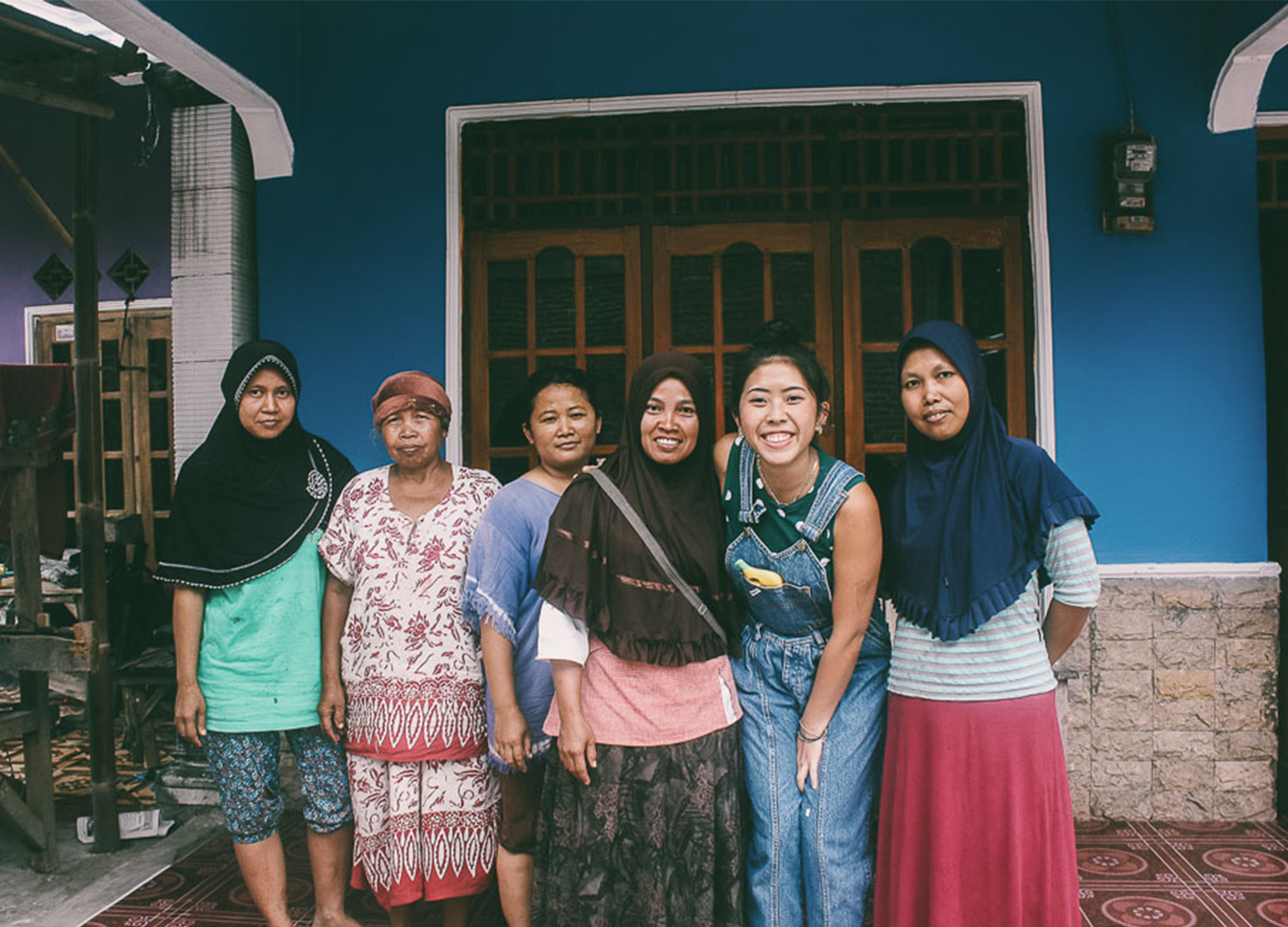
Drawing on time-honoured techniques such as hand-dyeing and textile weaving, RŪPAHAUS is as much an extension of founder Stephanie Chandra’s commitment to reviving lost artisanal skills as it is an ethical brand. Now working alongside her two sisters, Adeline and Tasch, with four artisan cooperatives throughout rural Indonesia, every RŪPAHAUS piece of clothing is made from raw, unbleached cotton and dyed with natural pigments taken from flowers, bark and roots. With clothing inspired by classic vintage styles, we caught up with one-third of the sister act, Commercial Director Adeline, to go behind the seams and learn more about the brand’s latest collection, Hier.
Can you tell us about the genesis of RŪPAHAUS?
We were always exposed to sustainability and ethics growing up; there are so many little things that are now embedded in us. It was only natural that we kept improving the way things worked and applied it into broader aspects of our lives.
As we grew older, it became more and more obvious that so many things in the fashion world were beyond our control and, unfortunately, were done in ways that we don’t agree with. The idea of starting our clothing brand RŪPAHAUS came about not only because of our love for fashion and style, but so we could have complete control and properly execute ethical and sustainability processes that we’d like to see more around our everyday lives. And, of course, to then be able to share all that with the world!
What came first, the plan to revive lost artisanal skills or the desire to start your own label?
We thought of them both, if that makes sense. Growing up in a country that has such deep roots in artisanal crafts and traditions, we were unintentionally exposed to it. The more we learned about it, the more obvious it became to us that despite the strong heritage and richness of traditional artisanal crafts, there was a significant lack of care and attempt for preservation when it came to practising Indonesian arts and crafts. So, rather than starting just another clothing brand, we wanted to use RŪPAHAUS as a medium to help tackle these social, cultural and commercial issues.
What does transparency mean to you and RŪPAHAUS? How do you ensure this translates across every stage of your business?
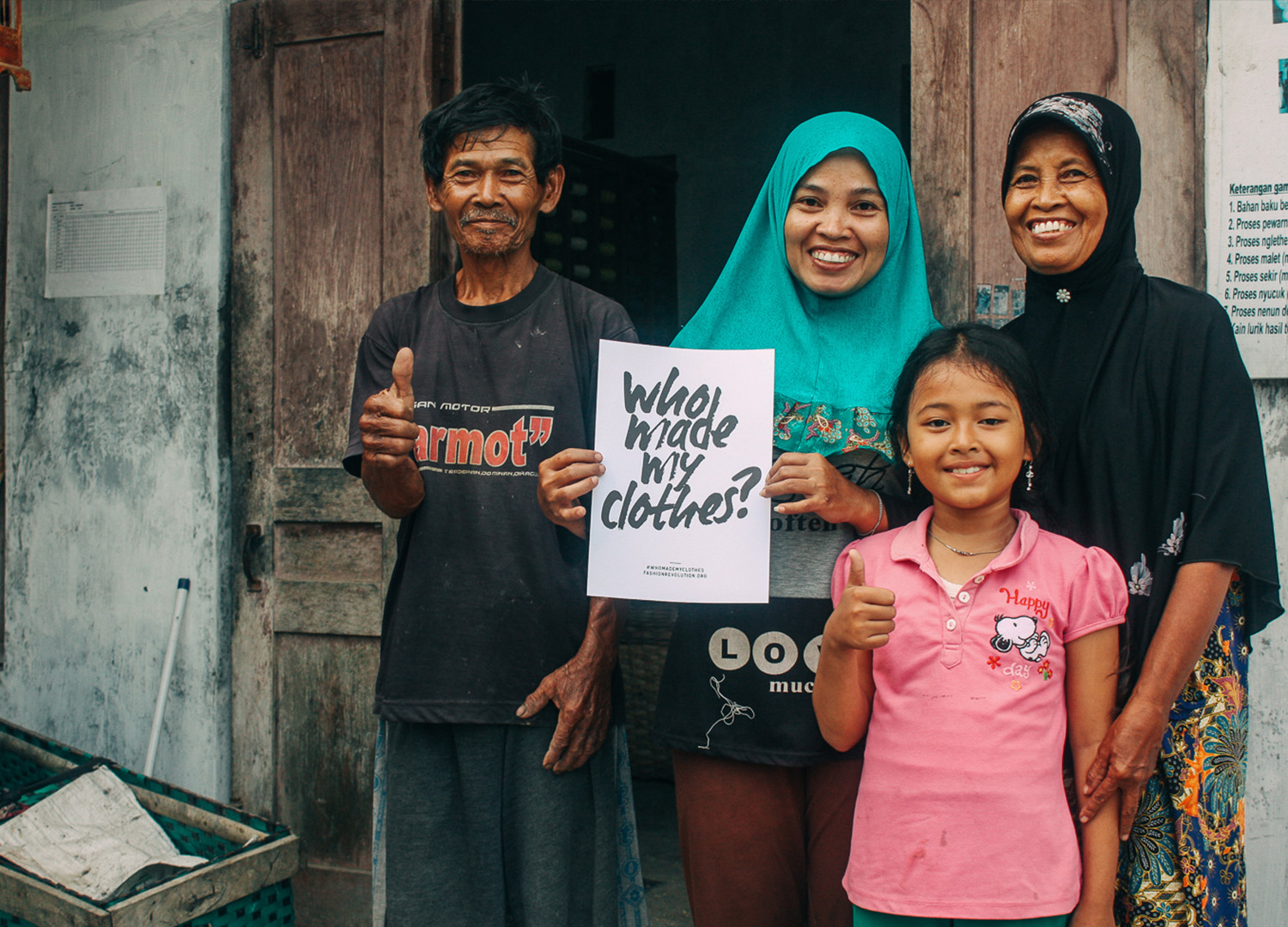
Transparency to us means openness and accountability. We created our own supply chain down to a T. By sourcing the raw materials from scratch ourselves, every step is traceable and we are accountable for every choice we make.
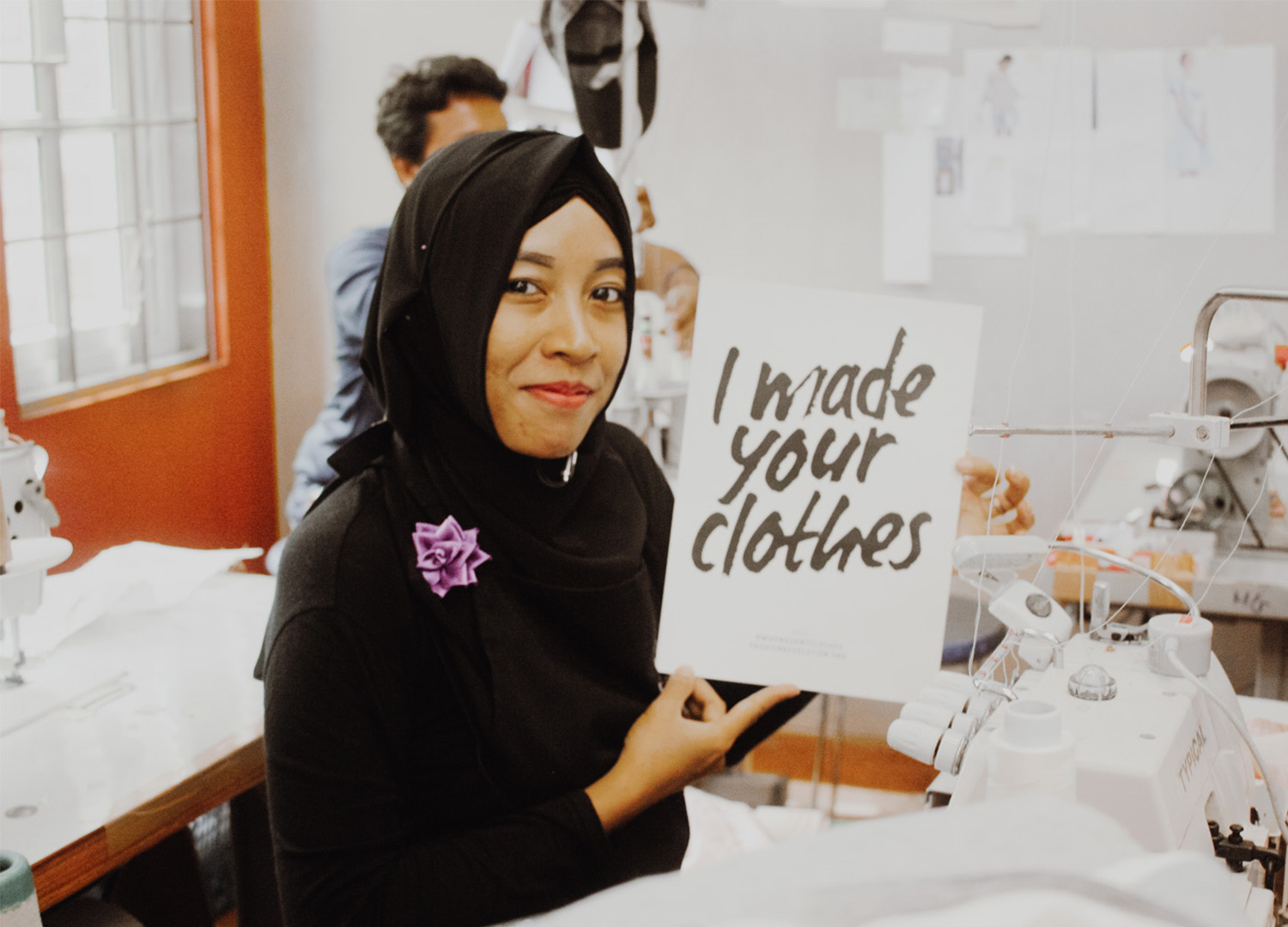
It’s our goal to create a range of products that are fairly priced, without asking our customers to take on the responsibility that comes with being an ethical brand. That is where transparency plays a massive role – we provide answers to queries and are open about our processes, where our clothing comes from, what labour and meticulous techniques are used to produce each piece, and most importantly, give recognition to the human being behind every piece ever made. It is, after all, about breaking the stigma that quality doesn’t need to be attained at the expense of the people or the environment.
This ensures that our materials are environmentally responsible and sustainably sourced, and ultimately minimises our footprint; that we are trading ethically and fairly support the artisan communities; and that our products are lovingly hand-crafted and sustainably packaged until delivered to our customers.
We want to help the rural communities not only preserve the traditional practice of textile craftsmanship but also showcase their work and skills by creating a platform for the artisans to be valued through their work and allowing them to feel dignified and thrive while doing what they do best.
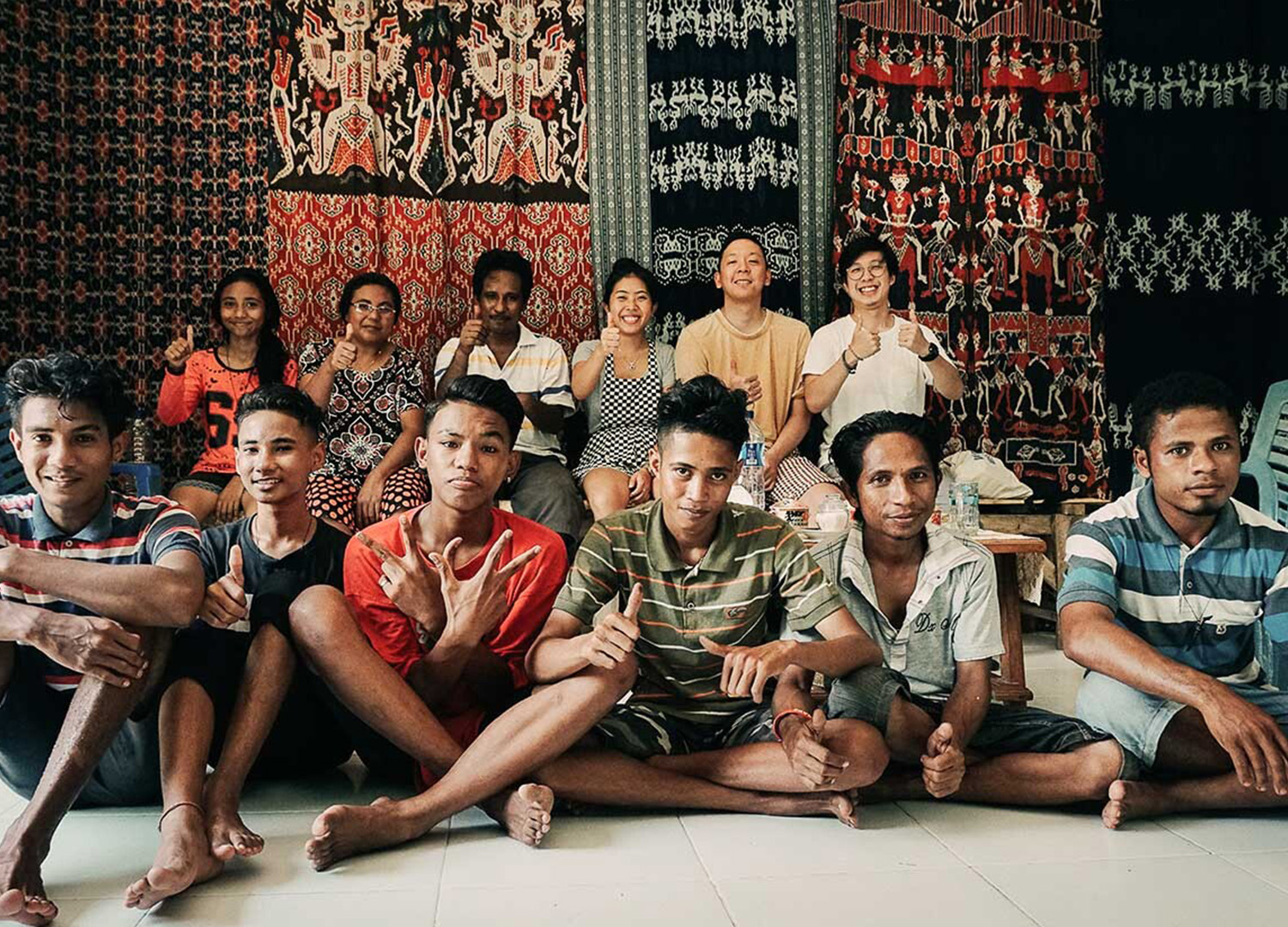
You work with four artisan cooperatives throughout rural Indonesia. What do you want people in Australia (and your customers) to know about these communities?
We want to create change. Textiles and clothing were once appreciated for their craftsmanship and quality. In today’s society, this value is depreciated due to the high volume of production as well as how clothing is perceived generally; most people don’t understand where and how clothes are really made. Particularly when it comes to products that are made in Indonesia, the associated negative connotations regarding “quality” are unfortunately the consequence of it being one of the most economical textile producers for the biggest fast-fashion names in the world. We hope, through RŪPAHAUS, that we are able to transform these connotations into positive testaments – to show that a “Made in Indonesia” label is indeed the result of amazing craftsmanship and heritage through ethical processes and top quality.
We chose to put our artisans as the focus of our brand because we want to showcase every pair of hands that are involved in the making of RŪPAHAUS pieces, so our customers are able to appreciate the pieces for their craftsmanship and value. By setting examples through every product we make, we hope this will help to stimulate a more positive mentality in reassessing our consumption habits and how to choose well in things we want to invest in.
We believe in growth and development for the better, and that includes for our artisan communities, our processes and our environment. By adapting traditional craftsmanship and manual processing techniques, we advocate for the preservation of tradition and heritage while sustaining the livelihood of the artisan communities. We want to help the rural communities not only preserve the traditional practice of textile craftsmanship but also showcase their work and skills by creating a platform for the artisans to be valued through their work and allowing them to feel dignified and thrive while doing what they do best.
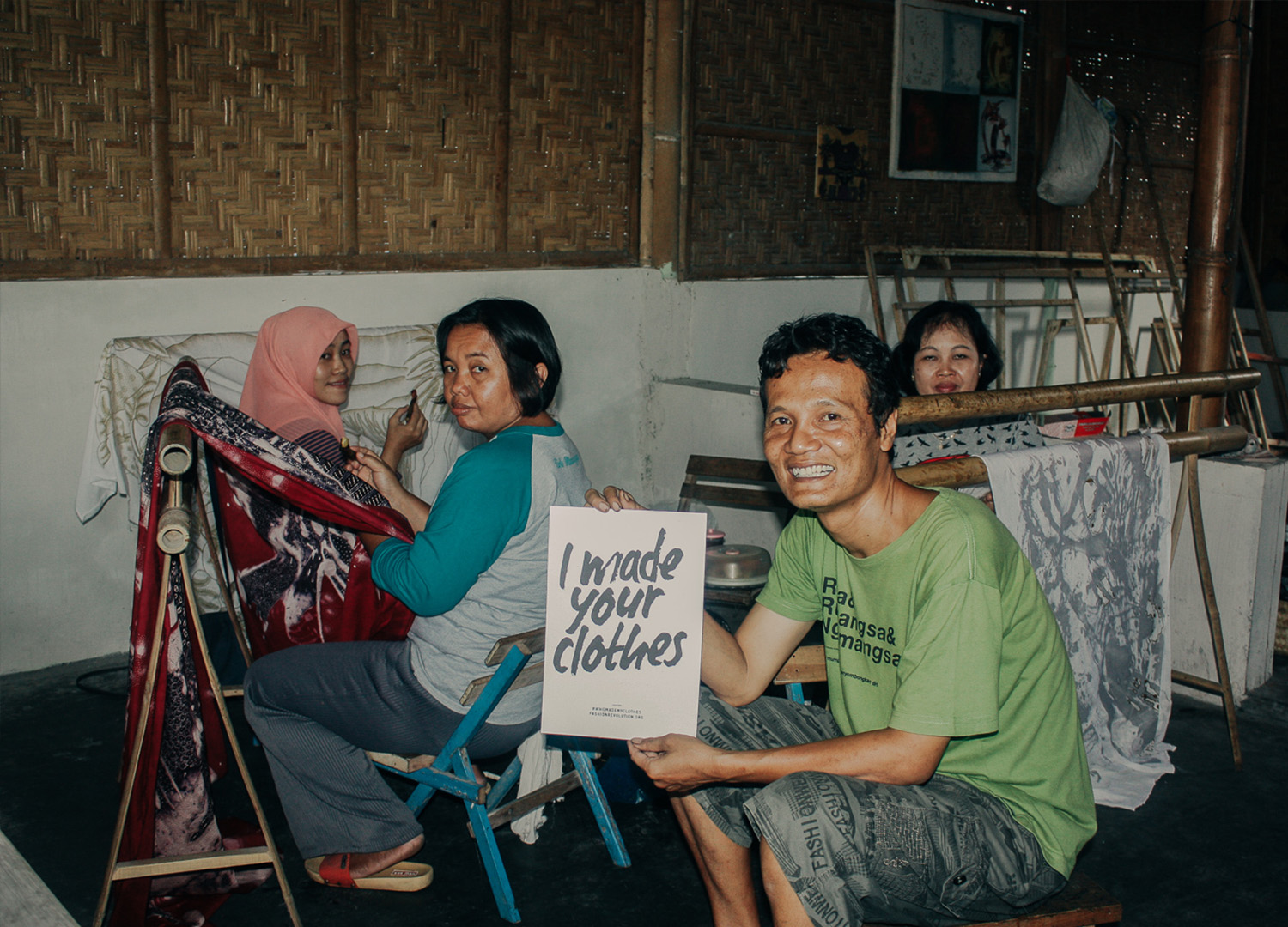
Can you share any of your favourite stories about working with these co-ops…
There are so many, we don’t even know where to start!
The nature of our work is collaborative and we like to keep it that way. This always leaves us with rooms full of surprises when it comes to designing and being creative. In between our production periods, we always have experimental phases where the artisans have the opportunity to play around with and try out different plants and materials without having the pressure of time or deadline.
This is where it usually gets interesting, because they aren’t used to not being told what to do (because they work under the instructions of middlemen to create what’s currently on demand). But when it comes to collaborating with us, we always encourage them to explore beyond their “comfort zones” and help them understand and be comfortable with the failure and successes that come when achieving a goal. They used to say our “taste” was funny and weird because our colour combo was “too crazy”. Now our funny and weird taste of colours is so contagious, they tell us off when our designs and colours are “too conservative”.
They now appreciate the beauty in imperfection and their own creation for making something unique.
It is definitely very satisfying – not only for us but also for them personally – to see how they slowly regain their confidence in creativity and how they have learned to appreciate the process and the surprises that natural dyes give us in terms of colours and nature. Instead of seeing a result outside of the norms and our demands as faulty or negative, they now appreciate the beauty in imperfection and their own creation for making something unique.
Above all, it’s the satisfaction we get every time we see little improvements in their everyday lives – from allowing them to consistently provide for their families to simple things like repairing their houses, swapping their roofs or putting in proper windows. That’s where we witness the change RŪPAHAUS has brought about.
What is your favourite thing about Indonesian textiles?
As superstitious as it sounds, the processes! Every process is a ritual that cannot be skipped and has to be kept in order for it to yield a successful piece. The intricacy of the craftsmanship never fails to blow my mind, even as someone who was brought up in the culture. Our journey with RŪPAHAUS has definitely widened our eyes and minds and given us an invaluable opportunity to relearn what appreciation means, and that is what we want to share with our customers too.
RŪPAHAUS is a bona fide Sister Act! How do you find the experience working together? Any struggles?
It’s definitely the ultimate struggle town! We’re very close to each other but there are always pros and cons when it comes to working with your family members. Sometimes it’s also difficult to simultaneously balance being personal and professional. But honestly, there’s no one as blunt and honest as my sisters, which I definitely appreciate and wouldn’t have it any other way.
We all have different strengths and talents too with completely different educational backgrounds – Steph, being the creative head, has a fashion degree, Tasch has her masters in marketing and I’ve got psychology and engineering degrees. So the three of us combined definitely has its perks for the business and it’s definitely good when it comes to correcting or perfecting something. But, otherwise, imagine putting three perfectionists into one room to work on a project… butting heads is definitely something we’re used to putting up with… hahaha.
Imagine putting three perfectionists into one room to work on a project… butting heads is definitely something we’re used to putting up with… hahaha.
Tell us about your latest collection…
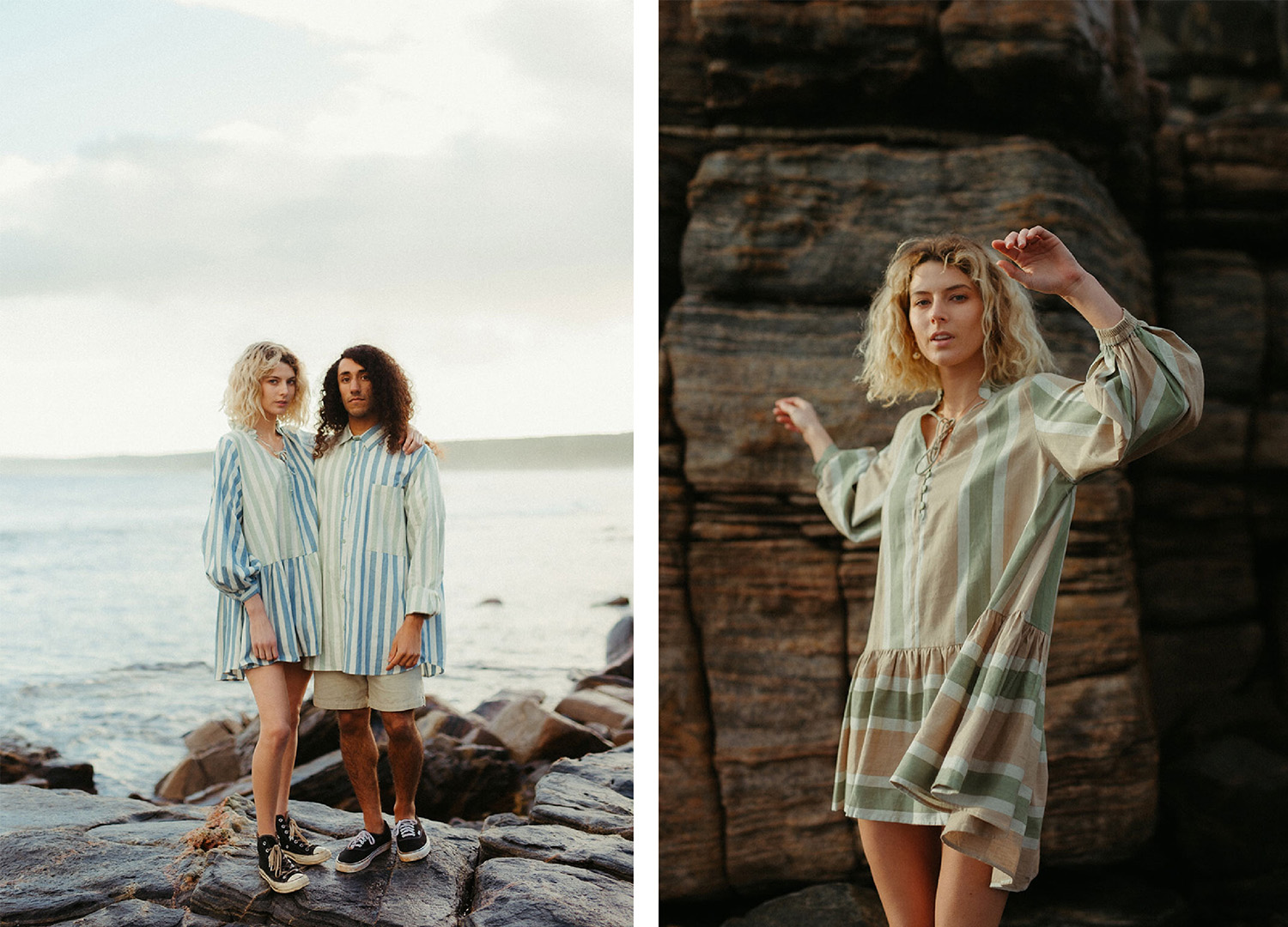
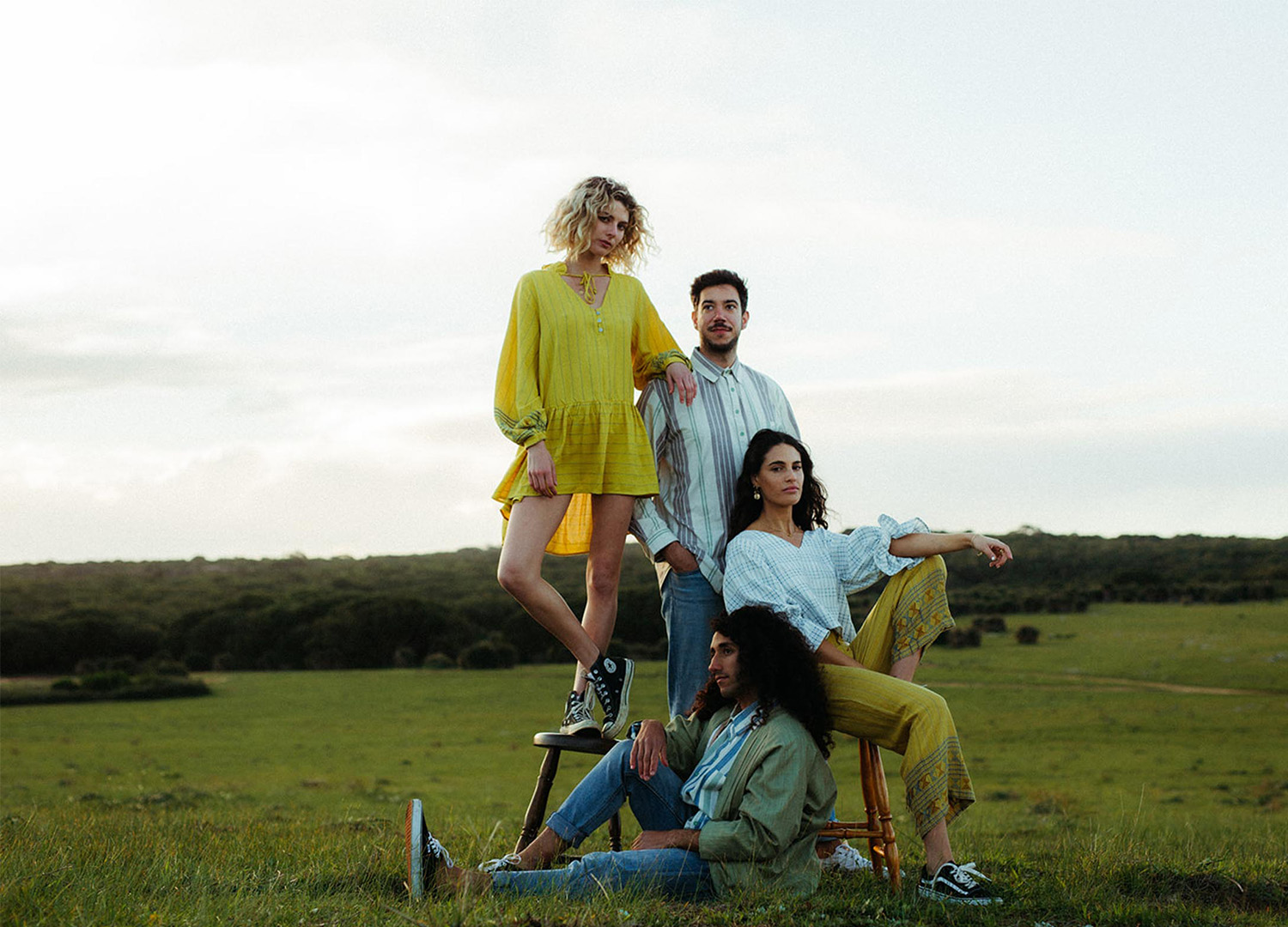
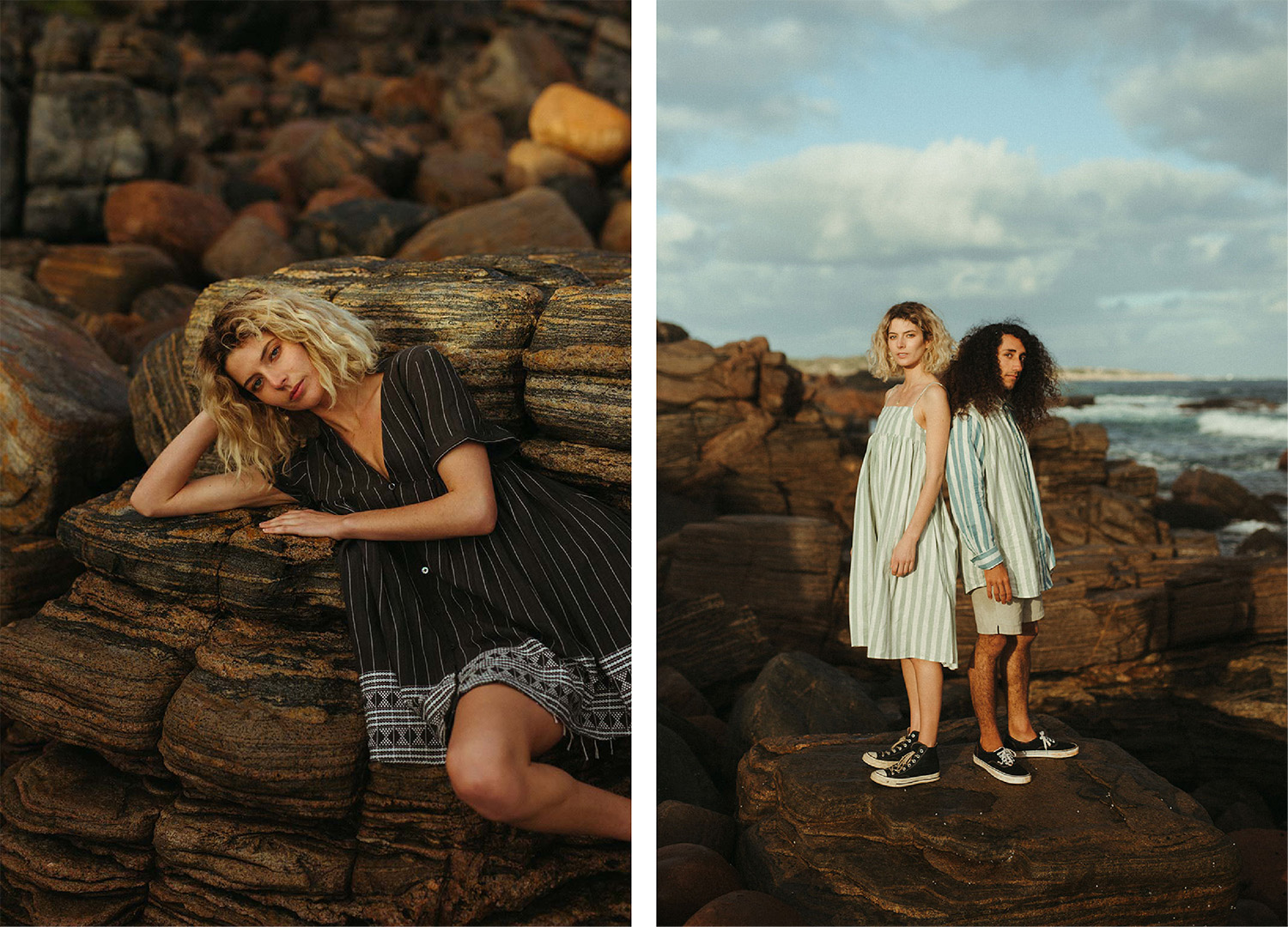
Born out of the idea of being in the present, Hier is a multi-layered interpretation of the meaning of the word “here”. We wanted to explore the mind when it was quiet, known as the gap of ‘no-mind’ in the mental stream, and to take ourselves to a world beyond thoughts – a world of looking inward and feeling the stillness and peace inside you.
The concept of our collection was to translate different perspectives into textures and colours. We conducted a survey of our friends and families, and collected their meaning of “being here”. The vivid colour contrasts and texture play you see are representations of the variation of answers we received – it all depends on one’s life situation and what one’s surrounded with. Despite the contrast, the cohesiveness of the collection and how each piece is connected to each other through shapes is an expression of our connectedness as human beings, for each answer stands for a voice and each voice is acknowledged and valued.
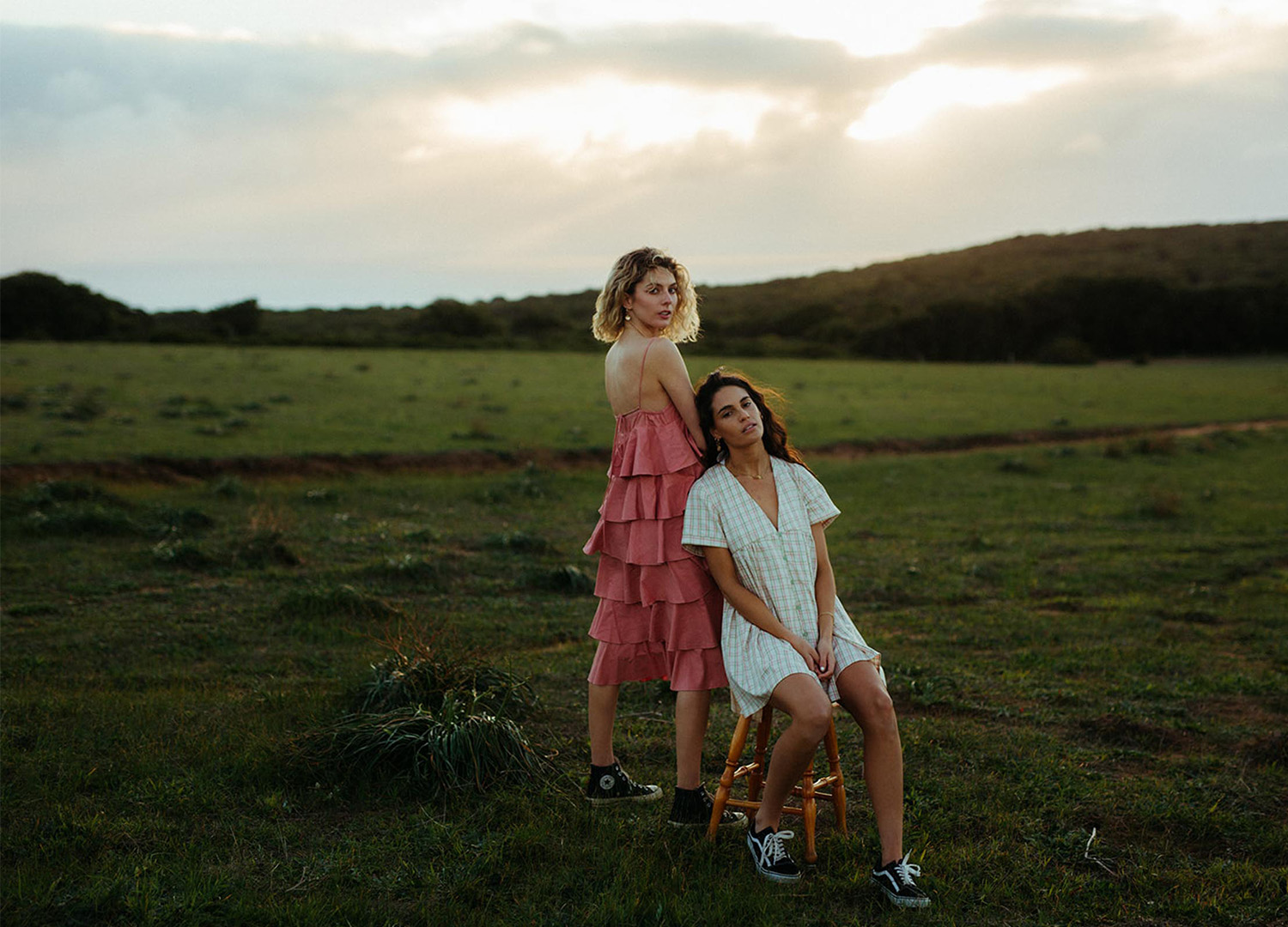
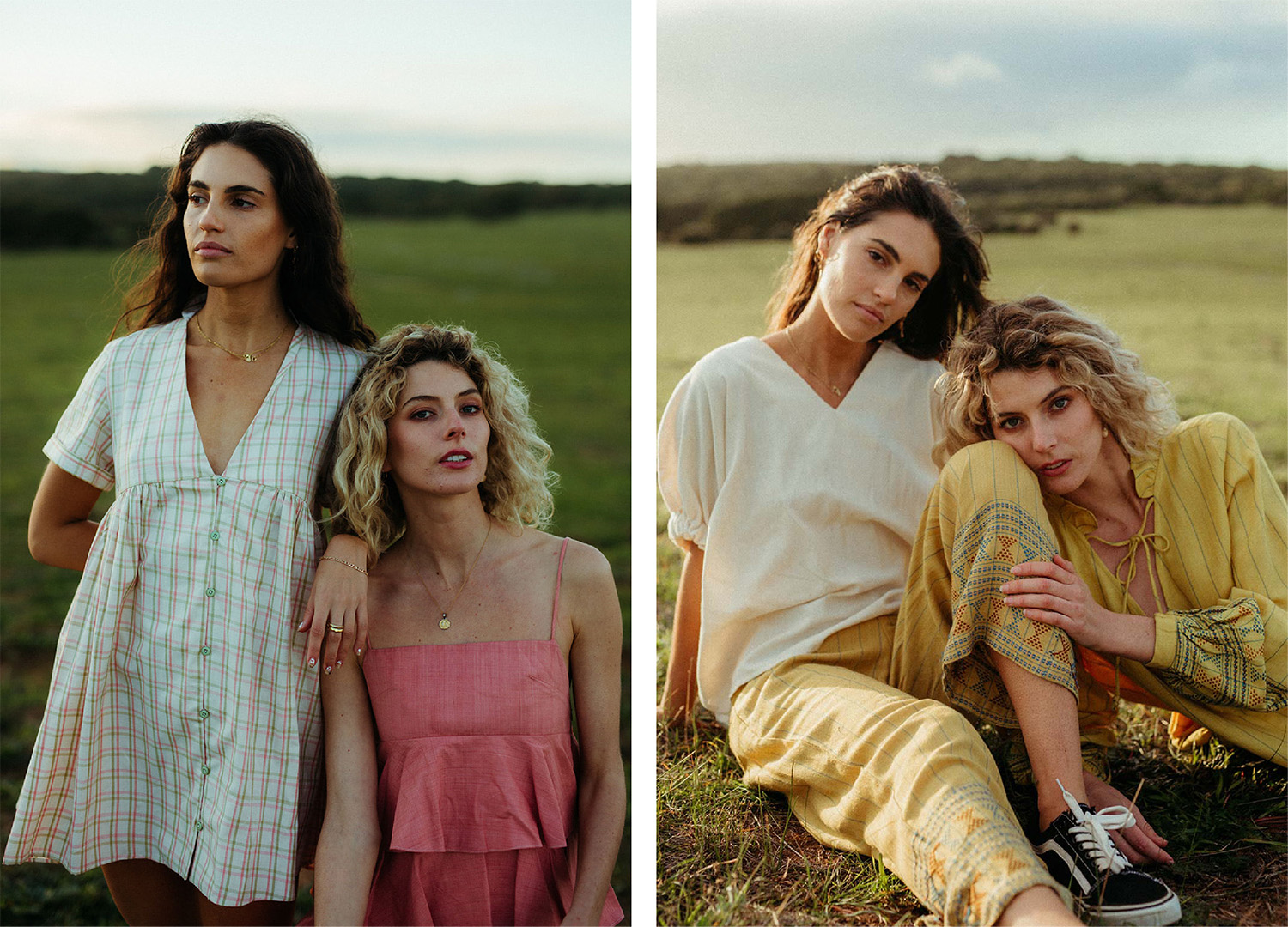
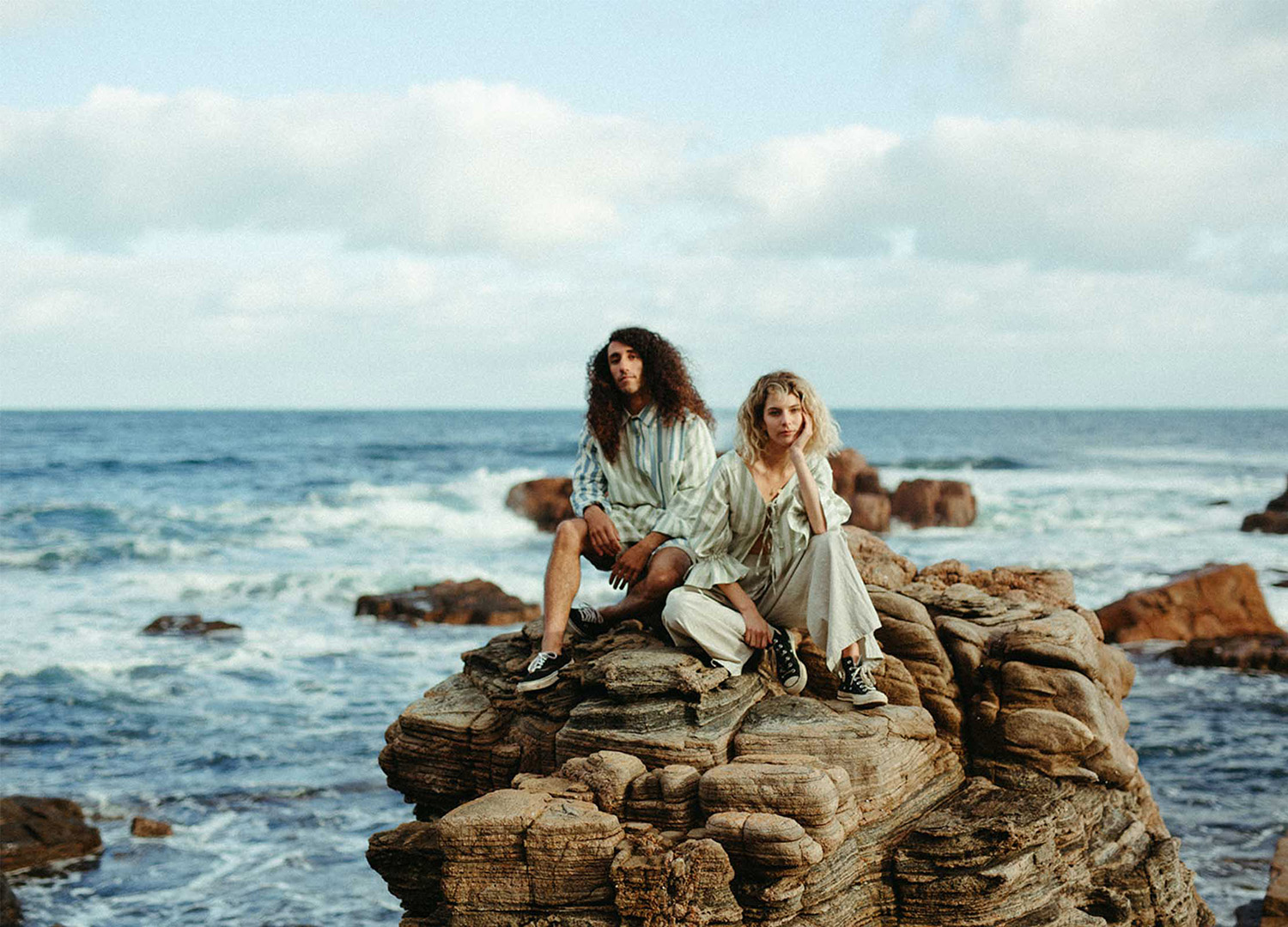
What’s your favourite piece from the collection?
A tough question indeed – if “buy once well” wasn’t in my book, I’d have one of each for my own personal wardrobe, but that wouldn’t be sustainable would it?!
On that note, this is actually the first time we’ve featured the Kanekes’ work in our clothing and I personally love any of the pieces in their fabric because of how silky they feel and their vibrant hues – a particular highlight would be the Sorja Pants in Sahara.
THIS ARTICLE HAS BEEN CREATED IN PARTNERSHIP WITH OUR LOVELY FRIENDS AT RŪPAHAUS. SHOP THE NEW COLLECTION HERE.
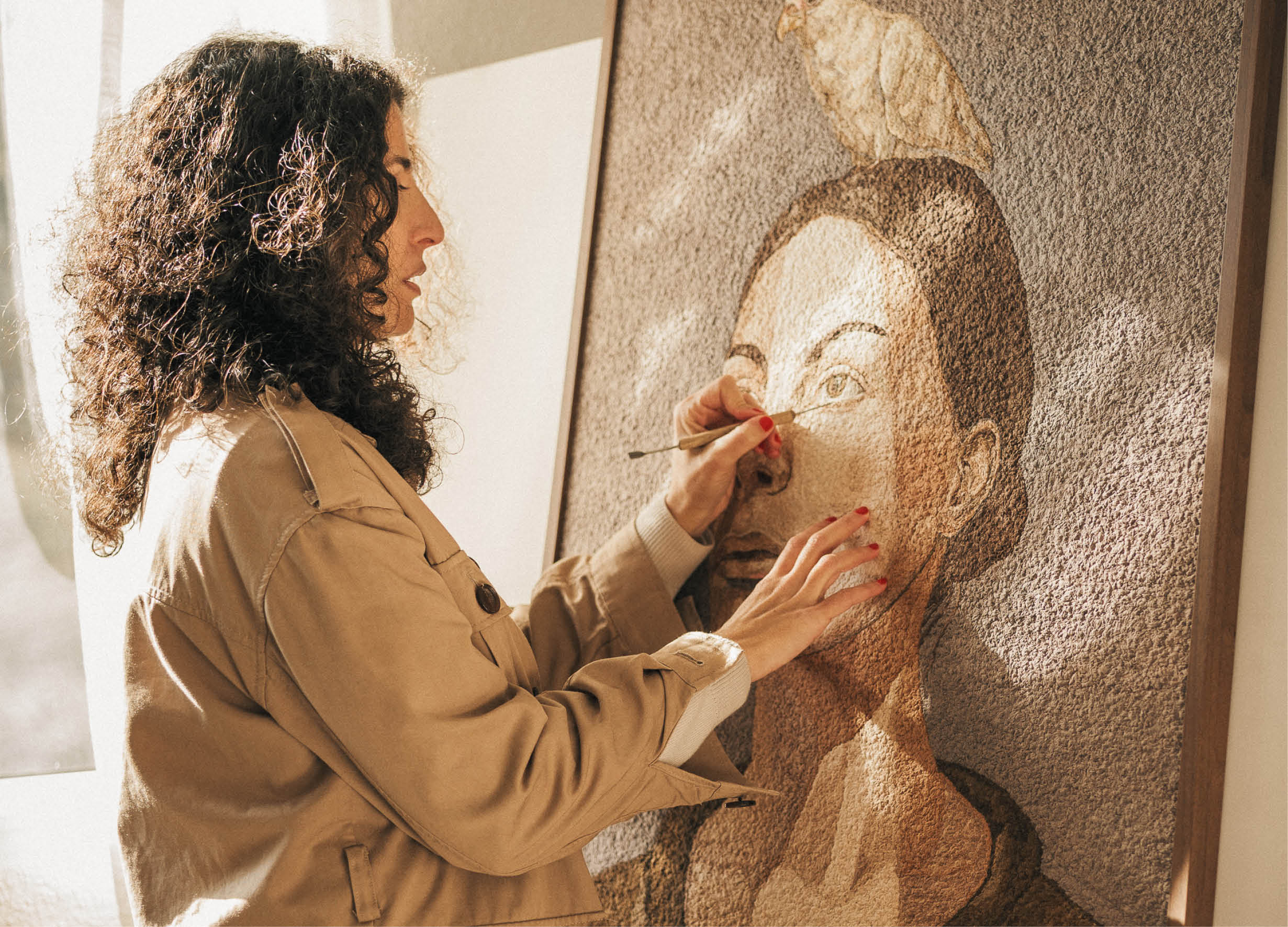
“My piece of advice for makers and designers? Run your own race… make sure your key decisions stay anchored in your brand’s core beliefs.”
- Bec Bligh
Quick show of hands: who’s opened a water bottle expecting a refreshing sip… and instead been greeted by the unmistakable whiff of uh-oh?
Because for something that follows us everywhere (desk, car, hikes, yoga…), the humble drink bottle is strangely prone to becoming a science experiment. Hard-to-clean corners and gaskets. Mystery smells. Bec Bligh and her husband Tim know it well. A six-month sailing trip along the Queensland coast left them with a lifetime of memories and one stubborn annoyance: mouldy water bottles they couldn’t properly clean.
So they did something about it.
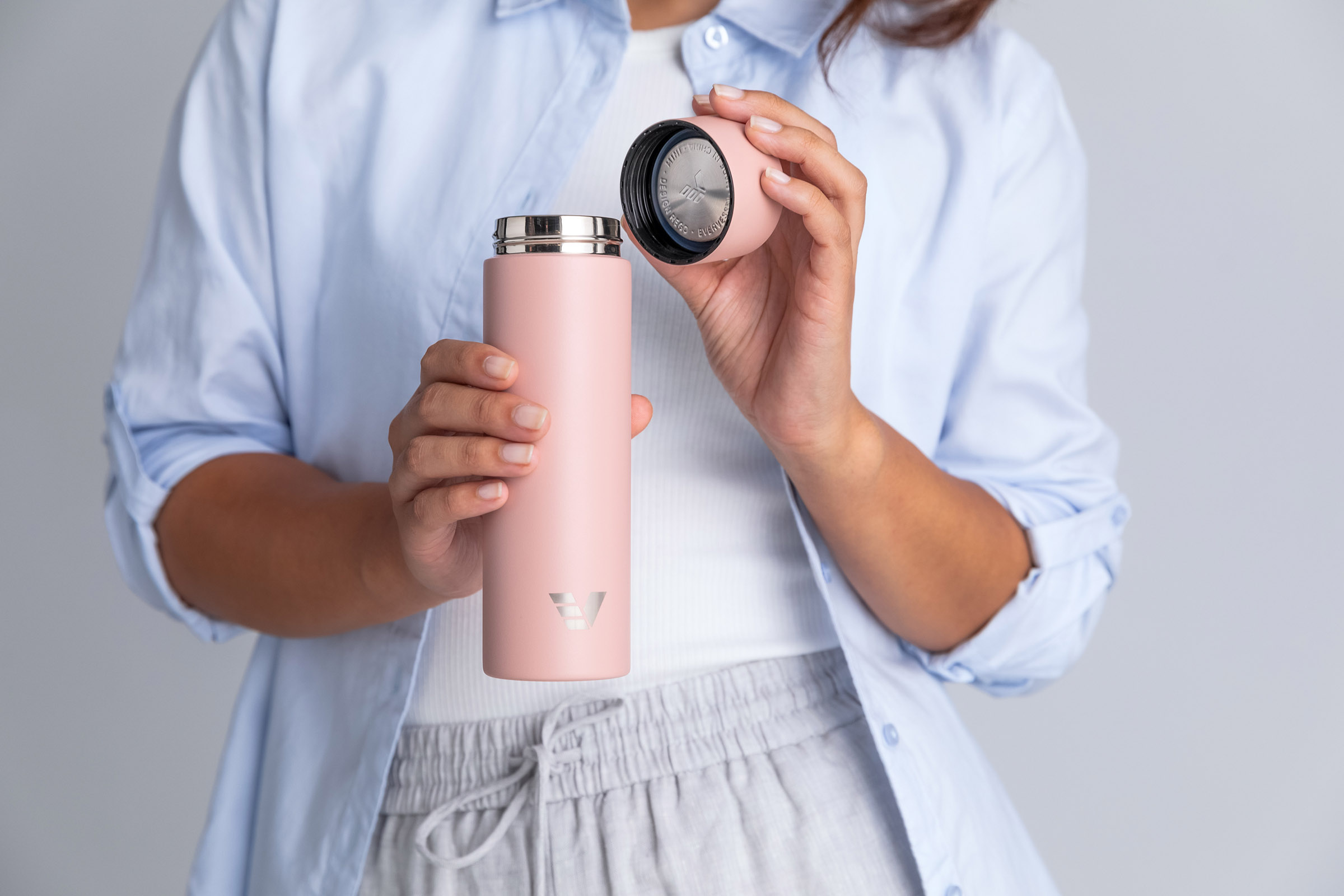
Enter @EverVessel. Thoughtfully designed borosilicate glass and stainless steel bottles that keep things beautifully simple: durable materials, wide openings, easy-to-clean parts and none of the techy gimmicks that tend to age badly. Turns out simplicity, done well, is pretty powerful stuff. (Their many design awards agree!)
And lately they’ve added a little extra delight: the Artist Series, where creatives like Paola Castro, Ben Miners and Martin Thompson transform these everyday companions into tiny travelling artworks. There are more colabs in the works, too: hydration, but make it joyful! 🎨💧
We chatted with Bec about the sailing trip that started it all, the philosophy behind Ever Vessel, and why the most sustainable product is often just the one you keep using.
Tap the link in our bio to read the full conversation. 🚰
#EverVessel #ReusableWaterBottle


Pull up a chair… there’s room at this table!
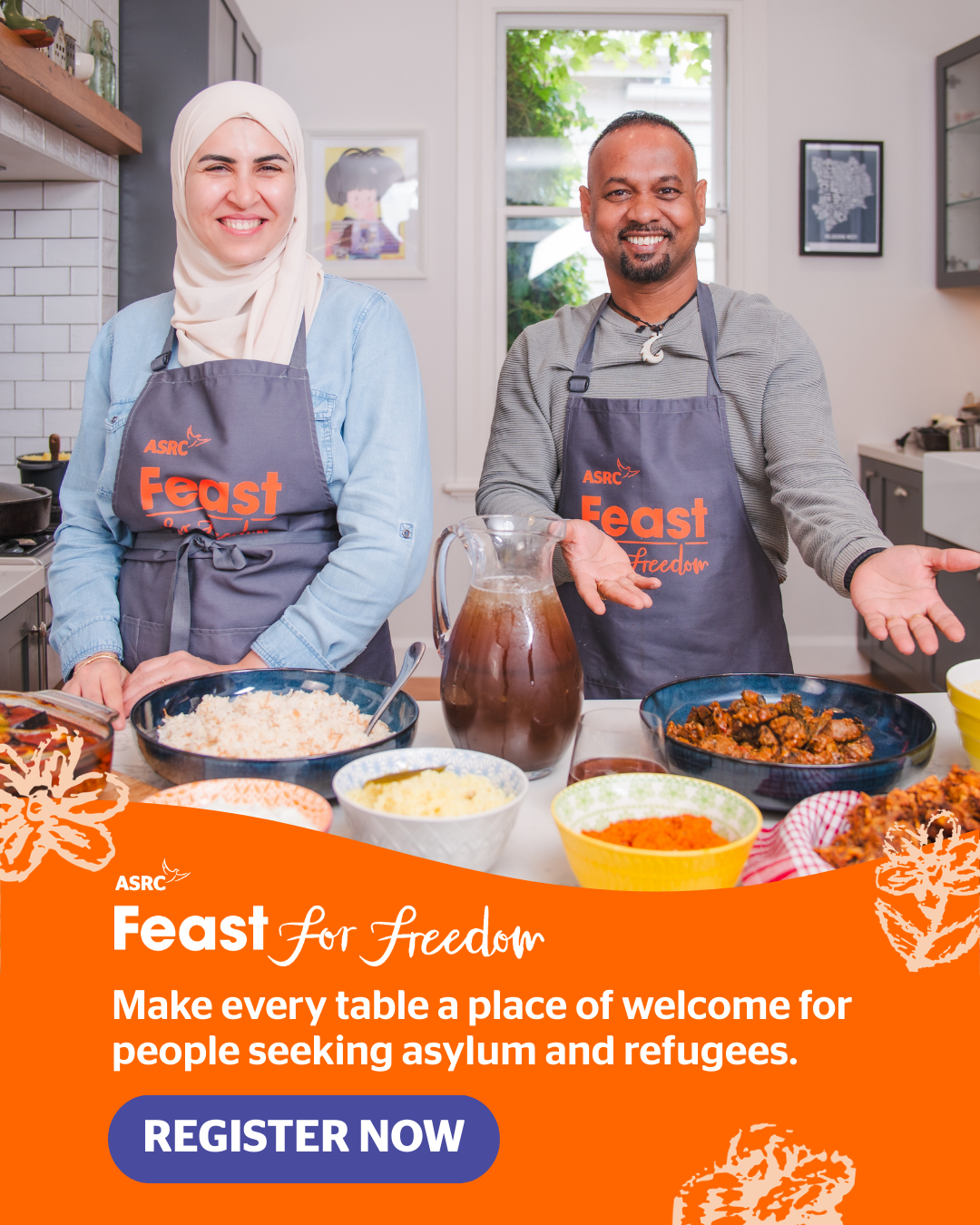
For the first time, Feast for Freedom is bringing people together for a spectacular long-table dinner as part of the Melbourne Food & Wine Festival.
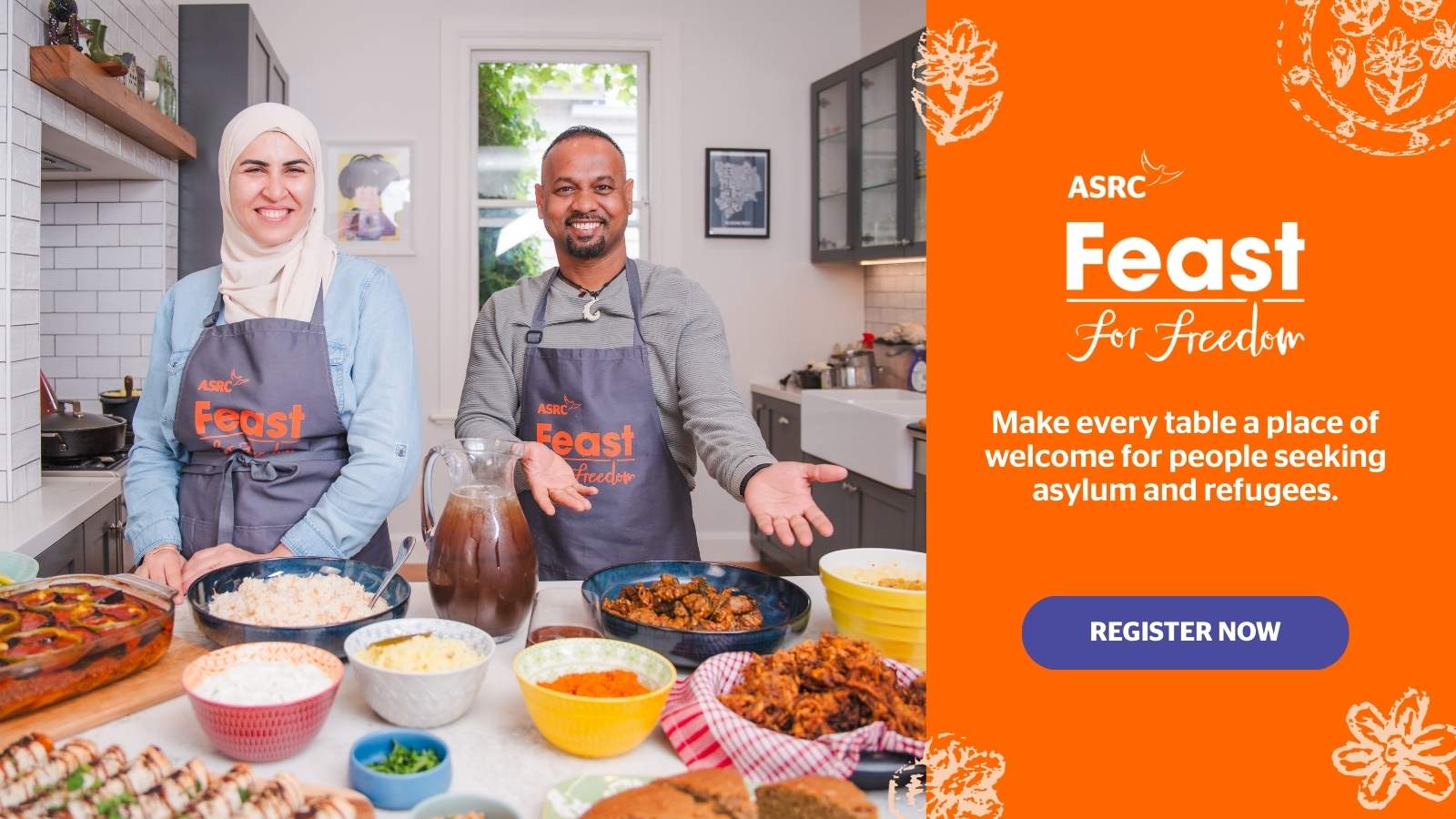
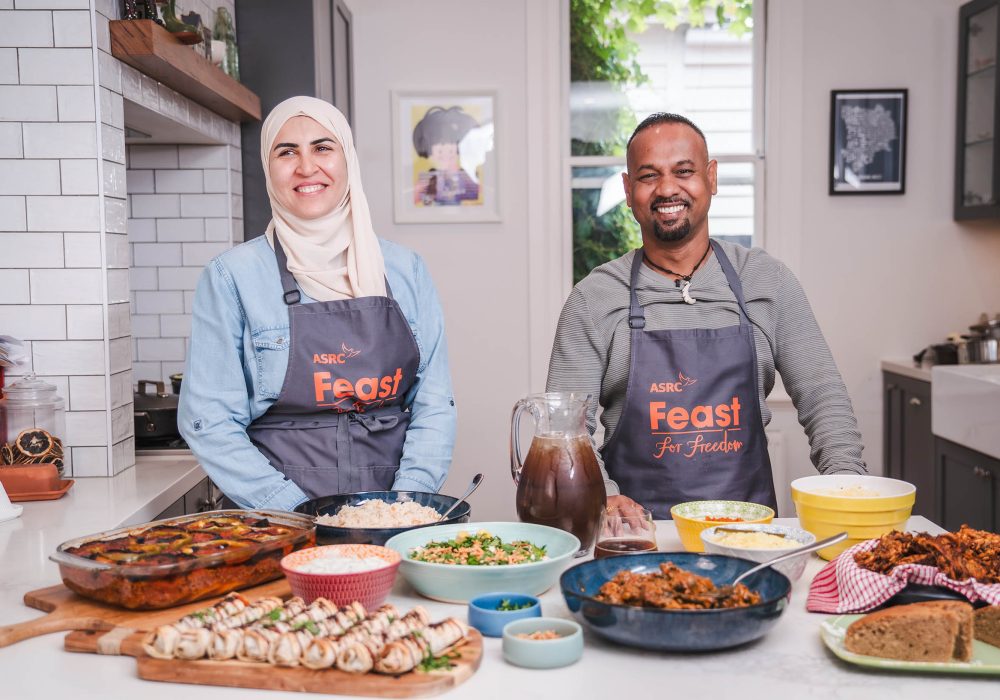
A Longer Table is exactly what it sounds like: one beautiful shared table inside the Asylum Seeker Resource Centre (@Asrc1), piled with generous dishes inspired by this year’s hero cooks, Noha and Nige.
From 6 to 9pm on Wednesday, 25 March, this is what you can expect:
🍽 A three-course shared feast
🍷 Matched drinks
🎶 Live entertainment
✨ A room full of good humans
Your ticket doesn’t just buy you a delicious dinner. It supports the ASRC’s vital work and helps create a fairer future for people seeking asylum.
Seats are limited, and long tables have a way of filling up quickly – head to @MelbFoodAndWine’s website to book now: feastforfreedom.org.au/mfwf
#FeastForFreedom #MelbourneFoodAndWineFestival #LongTableDinner #FoodForChange

Sew versatile! 🪡
Another great make from Lisa from @SunnySewsEveryday:
My #PeppermintWaratahWrapDress is finished and I’m so proud of it. It has been designed not to flap open and flash your pants in the wind, so I feel confident it will be a great wheelchair or standing dress in English weather.
#PeppermintPatterns #WrapDress #WrapDressPattern

Frame your face with the Peppermint Bucket Hat!
Stay safe and stylish in the sun with your very own self-sewn and self-drafted wide-brimmed bucket hat. This beginner-friendly sew is perfect for a sunny day. Get out your pencils – this pattern is created using equations and maths!
This DIY project was featured in Issue 53 and now you can access it for the lovely low price of only $5.
Sun-safe chic is always in style. ☀️
Find it via the link in our bio!
Photos: @KelleySheenan
#PeppermintPatterns #PeppermintBucketHat #BucketHat #BucketHatPattern #DIY

✨ INSTANT CLASSIC ✨
The Peppermint Myrtle Shift Dress is a beginner-friendly make with a few special details based on the ever-stylish shift shape – the perfect dress you need in your wardrobe right now!
Myrtle cuts above the knee with options to customise the length. Don’t think she’s reserved for hot weather either: try a heavier-weight fabric to turn your Myrtle into a pinafore-style garment for layering.
For our fabrics we chose two from our lovely sewing partner @Karmme_Apparel – the bold Rottnest Stripes in a lightweight, soft-drape cotton, and the quality linen in the handpainted Mexico Collection.
Get making the Myrtle – the only question is, can you stop at just one?
Link in bio 🪡
Fabric: @Karmme_Apparel
Sewist: @Laura_The_Maker
Photos: @KelleySheenan
Models: @SerahSews and @Pins_And_Tonic
Location: @ShareTheDignityAustralia
#PeppermintMyrtleShiftDress #PeppermintPatterns

It’s time to Feast!
Some recipes travel a long way before they land on your table to delight your taste buds. This year’s Feast for Freedom invites us to gather our friends, cook something delectable and raise funds for the incredible work of the Asylum Seeker Resource Centre (@Asrc1) while we’re at it.
The 2026 Feast features recipes shared by two remarkable cooks: Noha, who brought the flavours of Palestine with her when she arrived in Australia, and Nige, a Sri-Lankan Tamil cook whose journey with food began in the most unexpected of places.
You can host your own Feast up until 30 April – simply register online and get planning! Host a dinner, organise a workplace lunch, or gather your community… However you do it, the idea is simple: cook, connect and celebrate the cultures and stories that shape Australia.
Want to find out more? Head to the link in bio to meet Noha and Nige, learn more about their stories, and discover a delicious recipe to try.
#FeastForFreedom #PeppermintMagazine #FoodForGood #ASRC
