words BONNIE LISTON
We may be living through a golden age for vexillographers (flag-makers) as the combination of divisive online discourse and the exploitation of rainbow capitalism means that every possible micro-variation of queer identity now have their own distinct flag. But despite this booming microcosm of gay graphic design, it cannot be disputed that there is no flag more iconic, influential, widespread and universally recognised than the OG Rainbow Pride Flag.
The Rainbow Flag was created in 1978 by Gilbert Baker, a queer artist, designer and political activist, self-described as the “Gay Betsy Ross”.
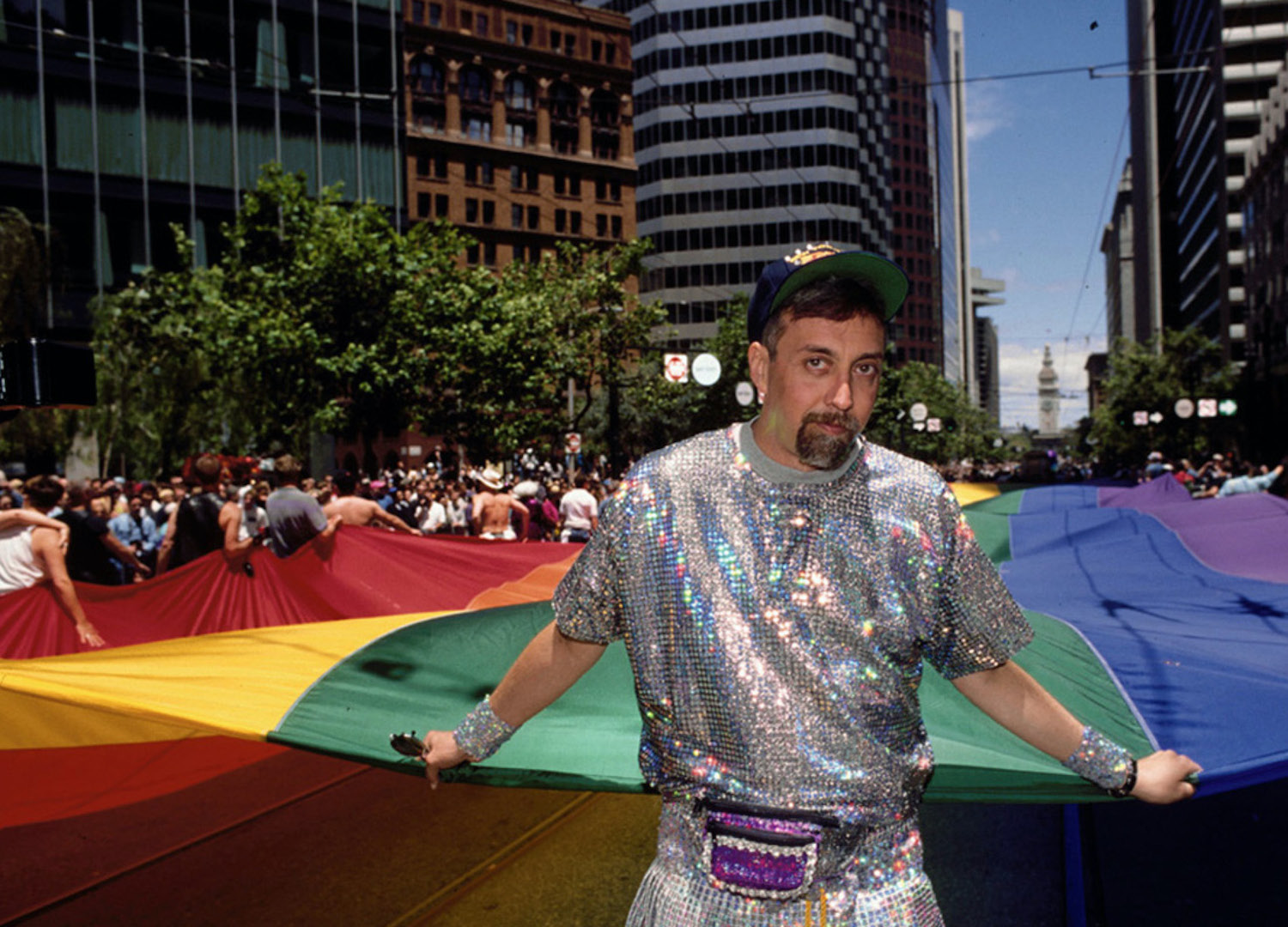
image GILBERT BAKER WITH PORTION OF THE MILE–LONG RAINBOW FLAG ON MARKET STREET DURING THE LGBT PRIDE CELEBRATION IN SAN FRANCISCO JUNE 18, 1995 PHOTO BY MICK HICKS.
Gilbert was born in a tiny rural town in Kansas – just like notable friend of the gays, Dorothy from Wizard of Oz – on 2 June 1951. He felt like an outcast in the conservative cloisters of his childhood where he was ostracised for his interest in art and fashion design, as well as his latent homosexuality. After a year of college, he was drafted into the US Army where he faced, quelle surprise, more severe homophobia. Electing to serve as a medic, Gilbert was stationed in San Francisco, which changed his life. In the thriving, post-Stonewall counterculture of the city, he found a home and community where he could live as an openly gay man.
After completing his military service, Gilbert remained in San Francisco to pursue a career in design. He used his artistic talent in his political activism – creating banners for anti-war and pro-gay marches and protests, as well as designing and sewing drag costumes for himself and his friends.
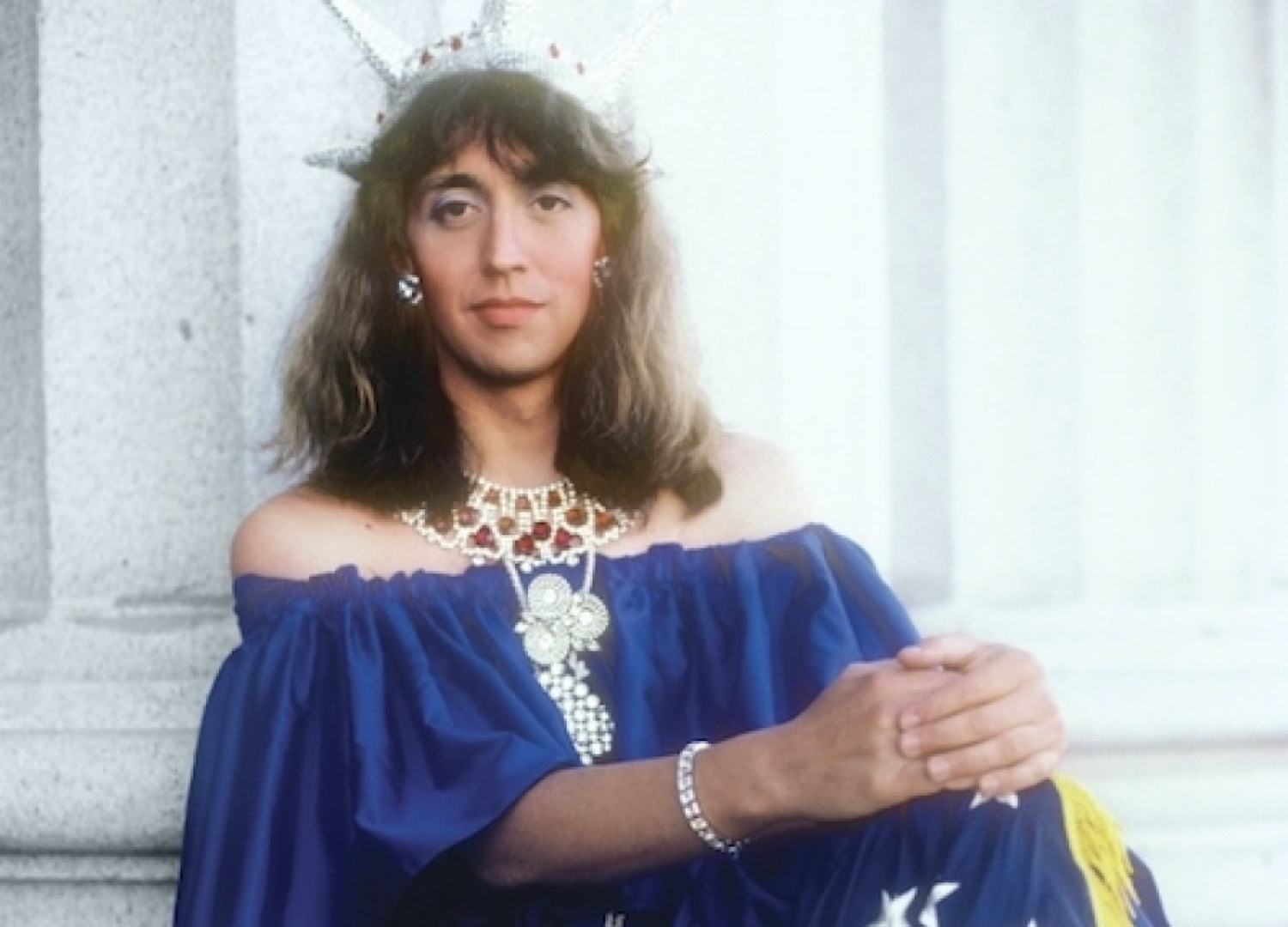
image A YOUNG GILBERT BAKER IN DRAG AS “BUSTY ROSS”. PHOTO FROM GILBERT’S COLLECTION.
In 1978, encouraged by friends and colleagues, including San Francisco supervisor and Historical Gay Hero, Harvey Milk, Gilbert began thinking about designing a symbol to be used by the queer political movement.
“At this point, the pink triangle was the symbol for the gay movement,” recalled Gilbert in his memoir, Rainbow Warrior. “But it represented a dark chapter in the history of same-sex rights. Adolf Hitler conceived the pink triangle during World War II as a stigma placed on homosexuals in the same way the Star of David was used against Jews. It functioned as a Nazi tool of oppression. We all felt that we needed something that was positive, that celebrated our love.
“I looked at the flags flying on the various government buildings around the Civic Center. I thought of the American flag with its thirteen stripes and thirteen stars, the colonies breaking away from England to form the United States. I thought of the vertical red, white and blue tricolour from the French Revolution and how both flags owed their beginnings to a riot, a rebellion or revolution. I thought a gay nation should have a flag too, to proclaim its own idea of power.”
READ MORE: PRIDE AND THE STONEWALL RIOTS
Later that week while dancing with his friend Cleve Jones at the Winterland Ballroom, inspiration struck.
“Everyone was there: North Beach beatniks and barrio zoots, the bored bikers in black leather, teenagers in the back row kissing. There were long-haired, lithe girls in belly-dance get-ups, pink-haired punks safety-pinned together, hippie suburbanites, movie stars so beautiful they left you dumbstruck, muscle gayboys with perfect moustaches, butch dykes in blue jeans, and fairies of all genders in thrift-store dresses. We rode the mirrored ball on glittering LSD and love power. Dance fused us, magical and cleansing. We were all in a swirl of colour and light. It was like a rainbow.
“A rainbow. That’s the moment when I knew exactly what kind of flag I would make.
“A Rainbow Flag was a conscious choice, natural and necessary. The rainbow came from earliest recorded history as a symbol of hope. In the Book of Genesis, it appeared as proof of a covenant between God and all living creatures. It was also found in Chinese, Egyptian and Native American history. A Rainbow Flag would be our modern alternative to the pink triangle. Now the rioters who claimed their freedom at the Stonewall Bar in 1969 would have their own symbol of liberation.”
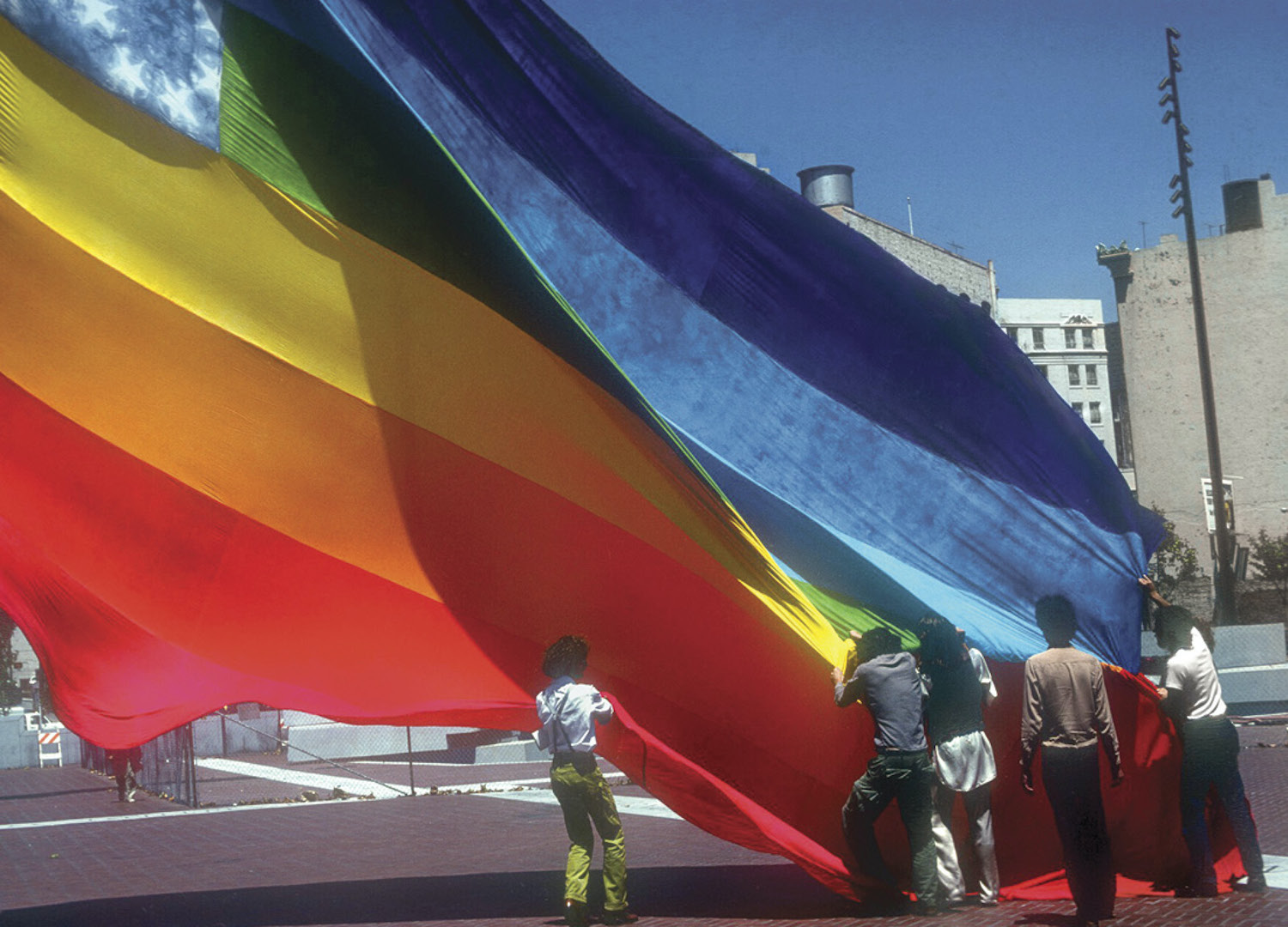
image GILBERT BAKER (IN VEST) AND COLLEAGUES RAISING ONE OF THE FIRST RAINBOW FLAGS AT UNITED NATIONS PLAZA IN SAN FRANCISCO 25 JUNE, 1978. PHOTO BY JAMES MCNAMARA.
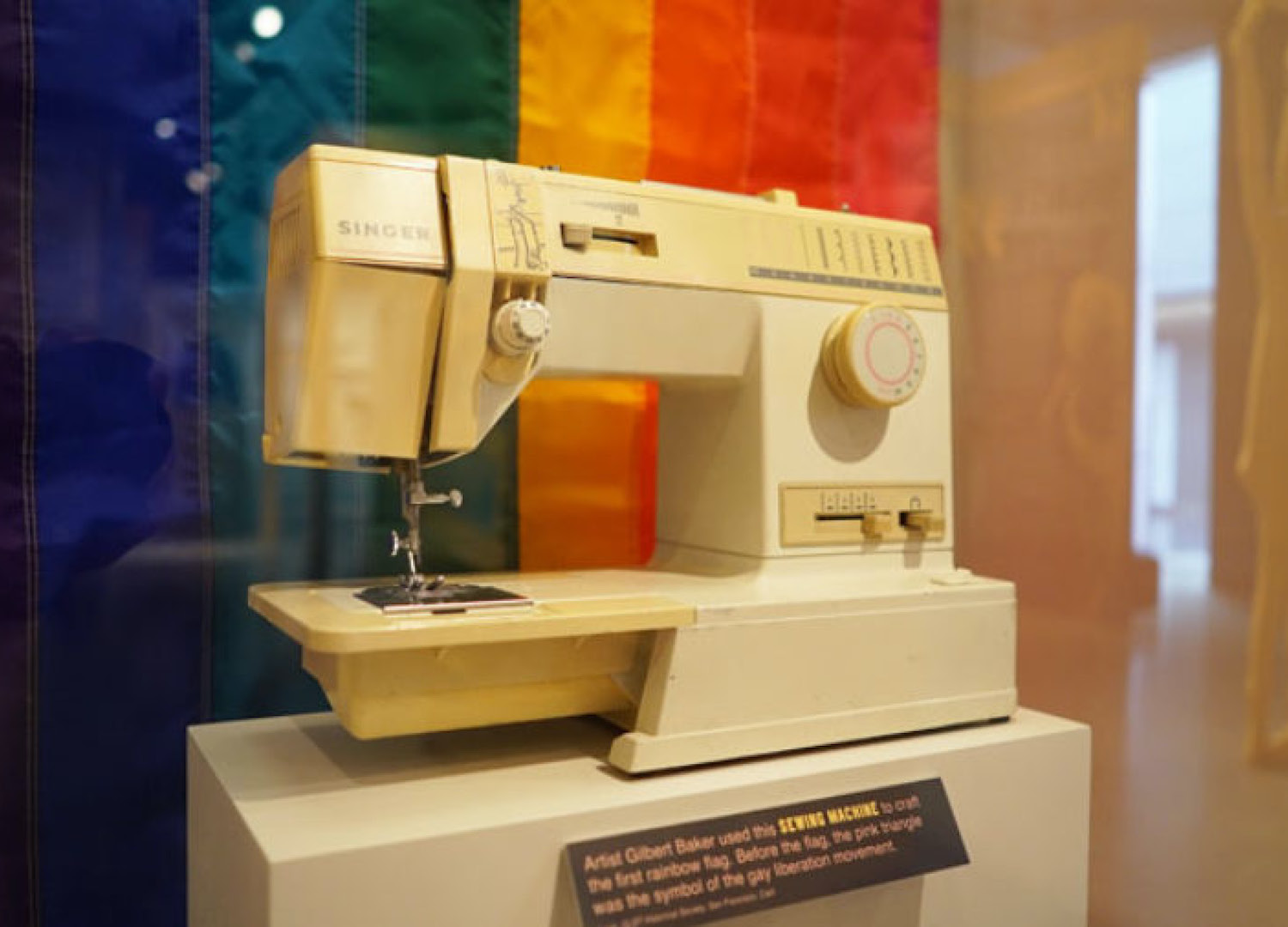
The first rainbow flag was created over six weeks by Gilbert in collaboration with two other queer artists – Lynn Segerblom and James McNamara – and over 30 volunteers and was unveiled at the United Nations Plaza on 25 June, 1978, in celebration of “Gay Freedom Day”. The flag measured 40 by 60 feet and was hand-stitched and hand-dyed. Each rainbow stripe was a huge strip of cotton muslin individually dyed in large trash cans on the rooftop of a gay community centre – volunteers had to wear mittens to carry hot water up stairs and then a ladder. Today, Gilbert’s sewing machine used to create the original flag, a Singer no less, is a museum piece.
image GILBERT BAKER’S SEWING MACHINE ON DISPLAY AT WASHINGTON DC’S NEWSEUM’S RISE UP EXHIBITION.
“We stood there and watched and saw the flags, and their faces lit up,” said Cleve Jones in an interview with New York Times, upon the event of Gilbert’s death. “It needed no explanation. People knew immediately that it was our flag.”
In a 2008 interview with the University of Kansas, Gilbert said, “I knew the first day that it was going to be important. I knew instantly when I saw the reaction that it was going to be something. I didn’t know what or how or – but I knew.”
The original design featured eight stripes, each with specific meaning assigned to it.
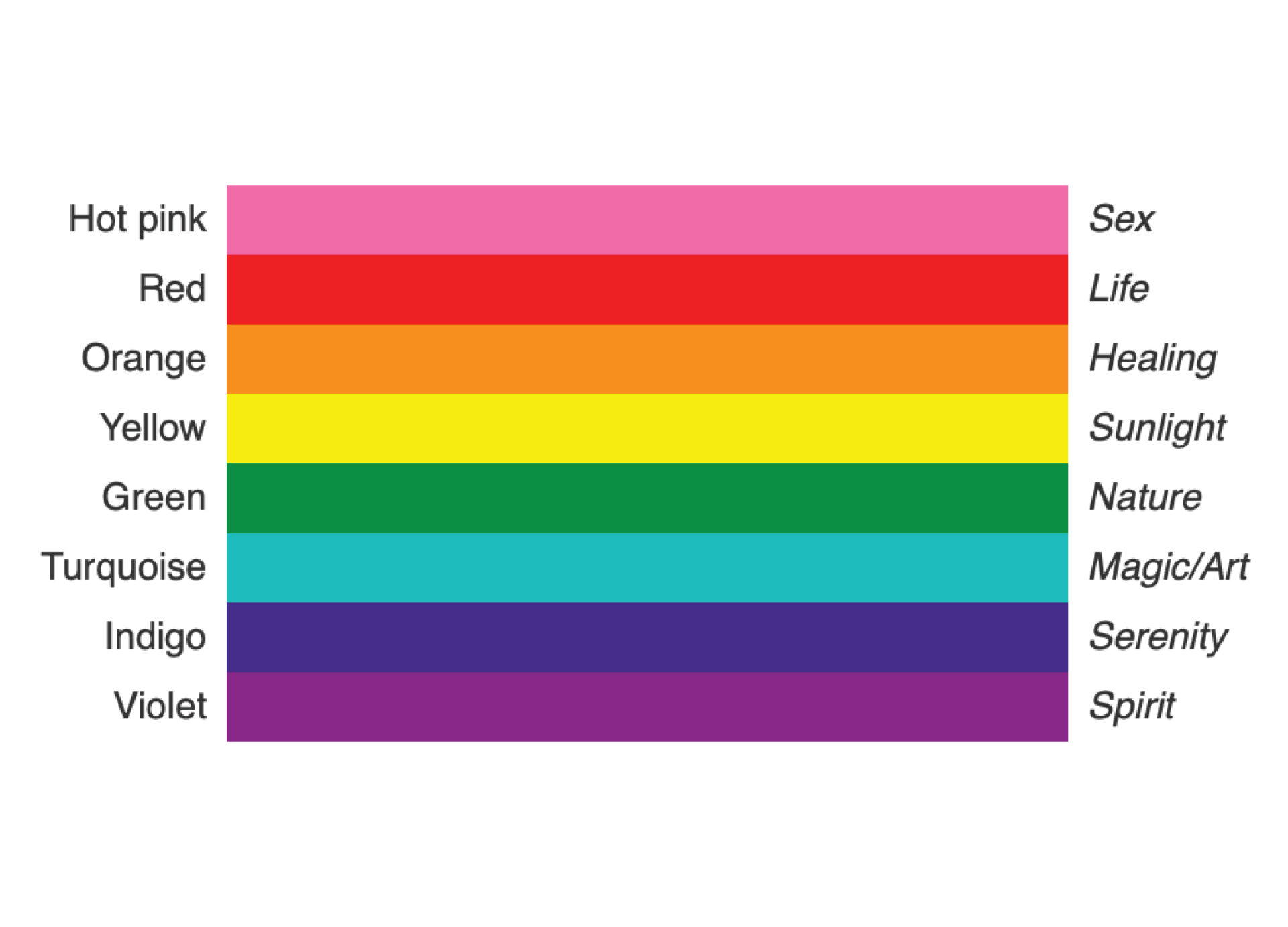
The initial reception of the flag was overwhelming popular and, particularly after the assassination of gay San Francisco City Supervisor Harvey Milk on 27 November, 1978, demand skyrocketed. However, various logistical and commercial concerns – the difficulty of sourcing hot pink fabric and the balance of an even number of stripes, the design was cut down to a standardised six stripes by 1979 which has largely remained the base template of the flag ever since – missing a little sex and magic.
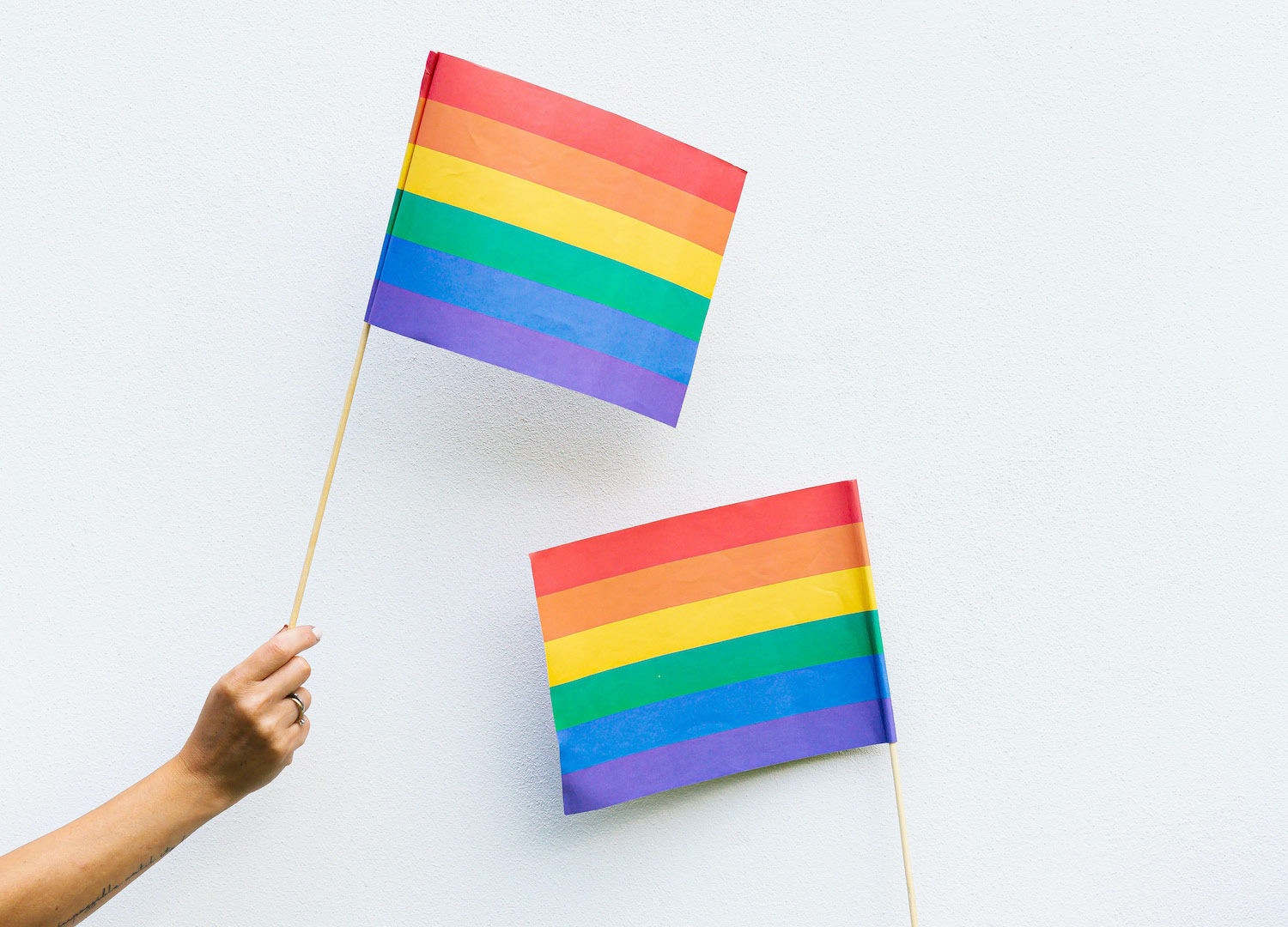
image THE MODERN RAINBOW FLAG. PHOTO VIA PEXELS.
The ongoing legacy of the Rainbow Flag is incredible to consider. It transcends borders and nations, cultures and language to represent inclusion, equality, pride and love. It has been remixed, reconfigured and directly inspired the majority of ensuing pride flags. It has so thoroughly implanted itself into language of symbolism that anyone wanting to use rainbows for anything else has to accept the connotation of homosexuality or die mad about it.
Gilbert, who died in 2017, aged 65, refused to apply for a trademark for his creation, which resides in the public domain.
“He purposely never copyrighted the flag because he wanted it to be owned by everyone,” said Cleve Jones. “I think he was overwhelmed with joy that this flag made by hippies in San Francisco had become a permanent worldwide symbol.”
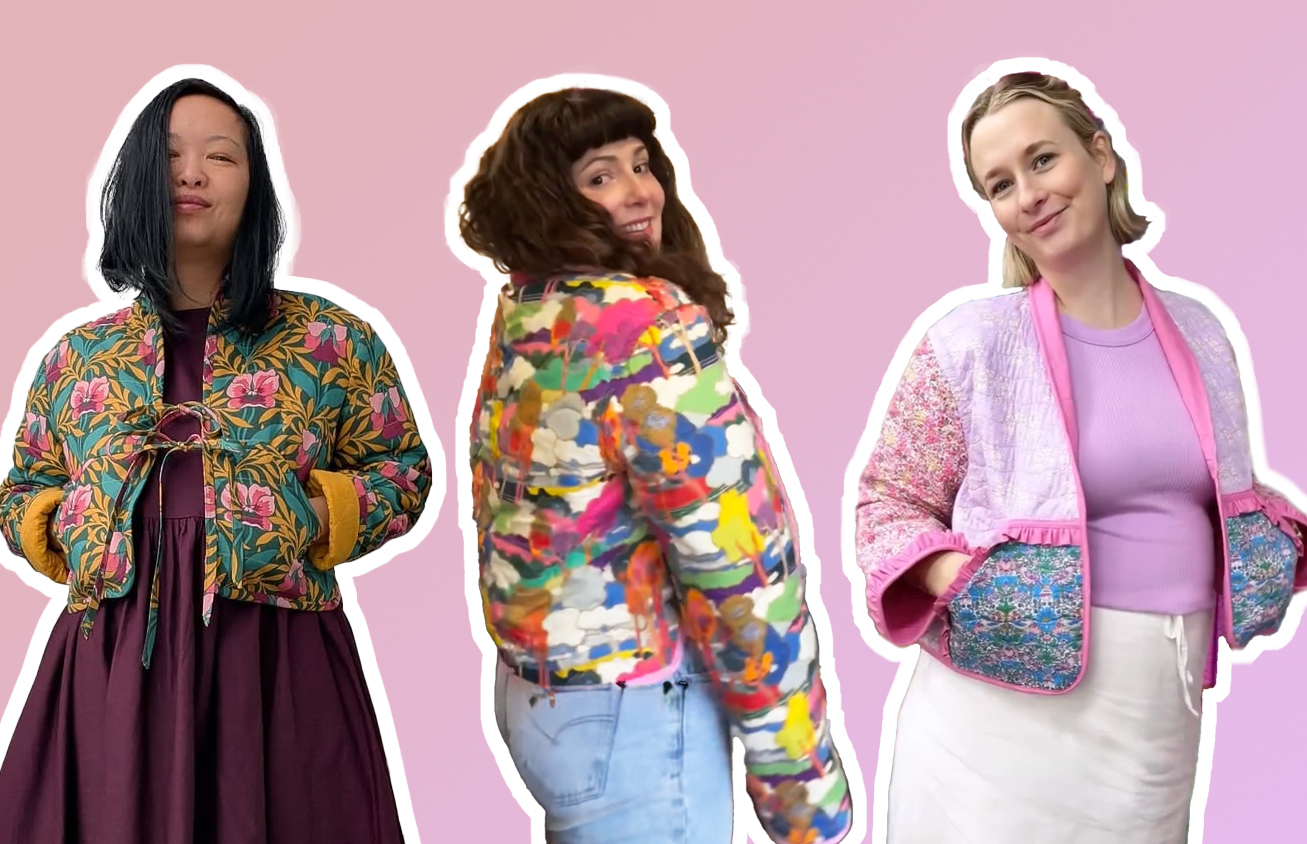
“My piece of advice for makers and designers? Run your own race… make sure your key decisions stay anchored in your brand’s core beliefs.”
- Bec Bligh
Quick show of hands: who’s opened a water bottle expecting a refreshing sip… and instead been greeted by the unmistakable whiff of uh-oh?
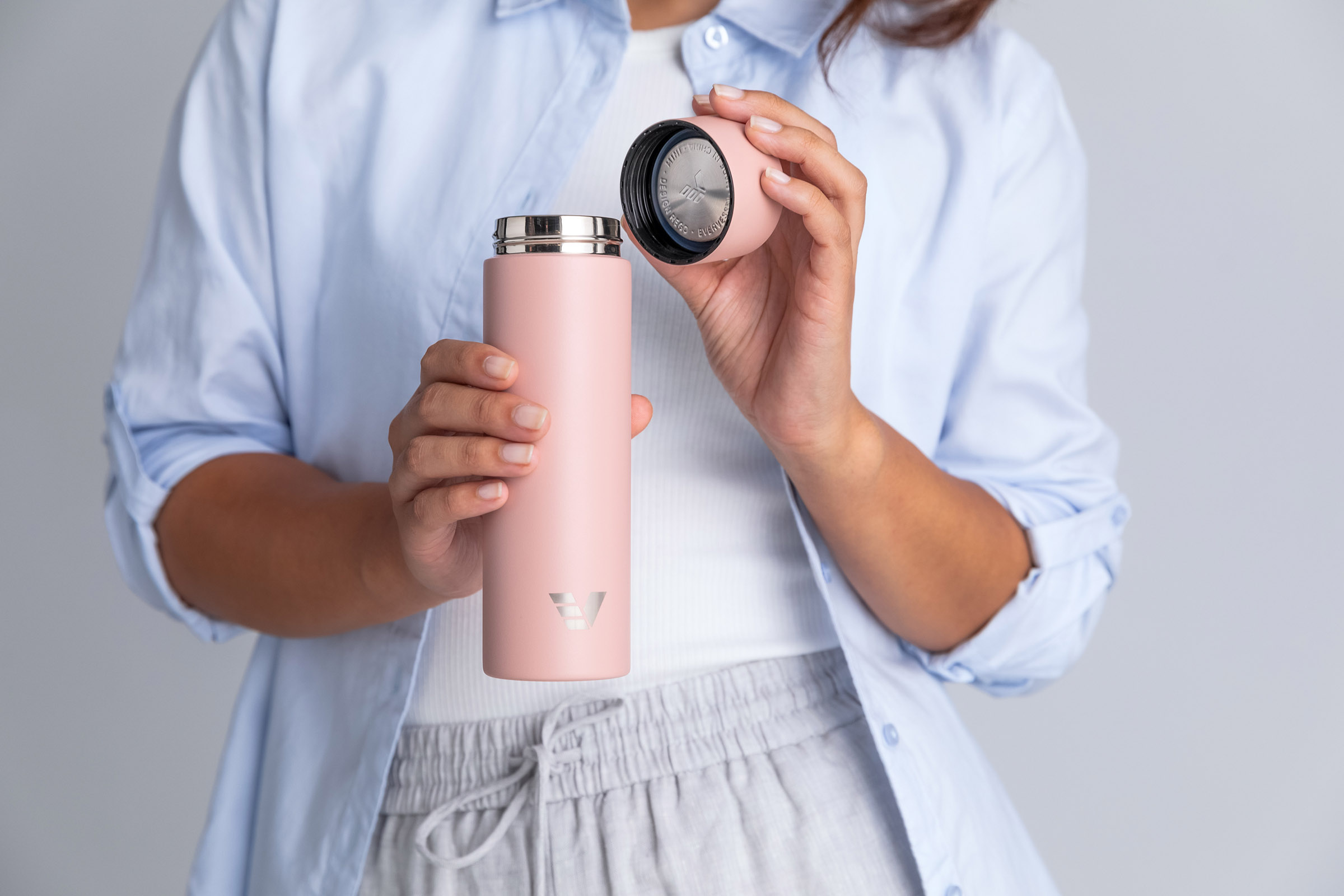
Because for something that follows us everywhere (desk, car, hikes, yoga…), the humble drink bottle is strangely prone to becoming a science experiment. Hard-to-clean corners and gaskets. Mystery smells. Bec Bligh and her husband Tim know it well. A six-month sailing trip along the Queensland coast left them with a lifetime of memories and one stubborn annoyance: mouldy water bottles they couldn’t properly clean.
So they did something about it.
Enter @EverVessel. Thoughtfully designed borosilicate glass and stainless steel bottles that keep things beautifully simple: durable materials, wide openings, easy-to-clean parts and none of the techy gimmicks that tend to age badly. Turns out simplicity, done well, is pretty powerful stuff. (Their many design awards agree!)
And lately they’ve added a little extra delight: the Artist Series, where creatives like Paola Castro, Ben Miners and Martin Thompson transform these everyday companions into tiny travelling artworks. There are more colabs in the works, too: hydration, but make it joyful! 🎨💧
We chatted with Bec about the sailing trip that started it all, the philosophy behind Ever Vessel, and why the most sustainable product is often just the one you keep using.
Tap the link in our bio to read the full conversation. 🚰
#EverVessel #ReusableWaterBottle


Pull up a chair… there’s room at this table!
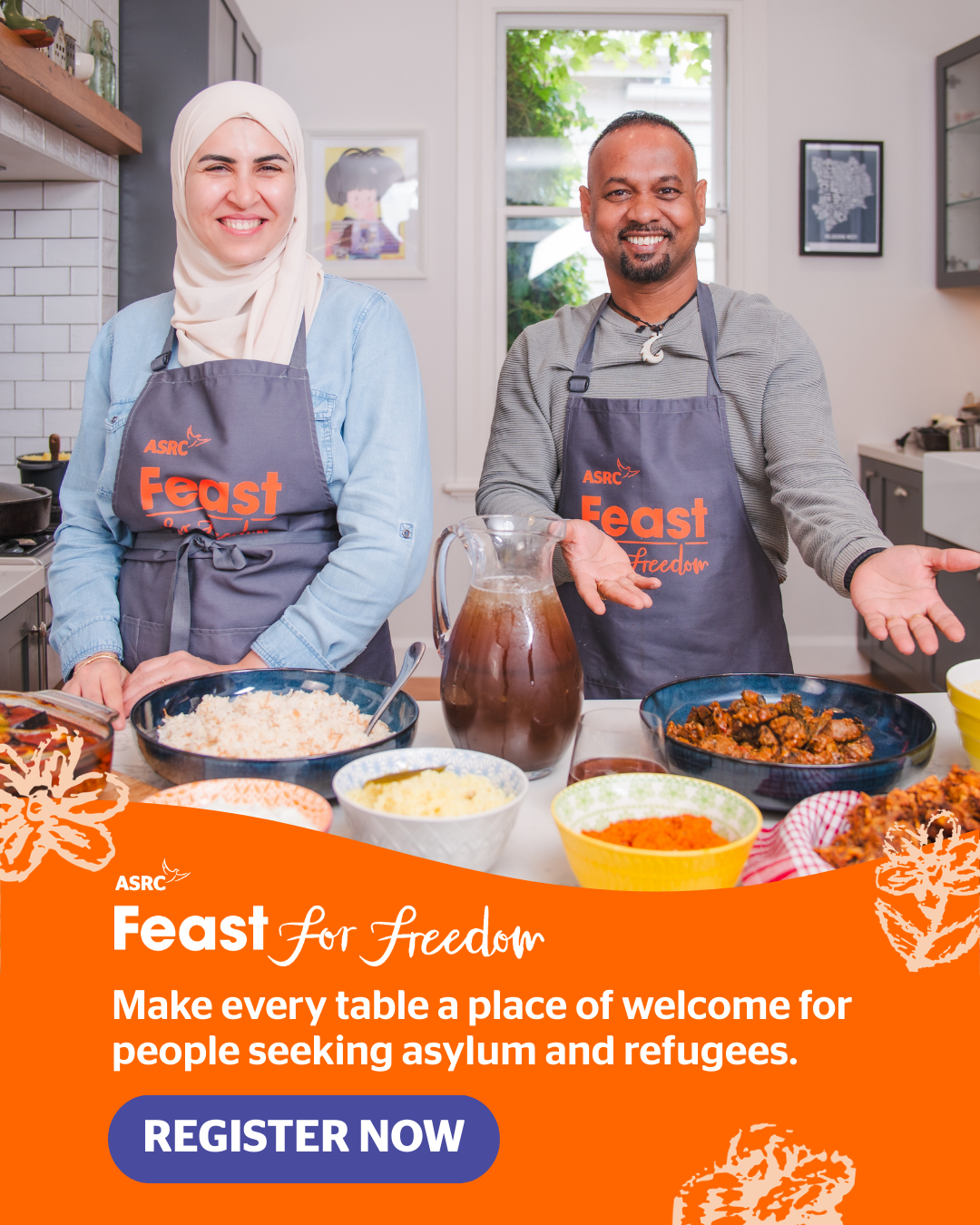
For the first time, Feast for Freedom is bringing people together for a spectacular long-table dinner as part of the Melbourne Food & Wine Festival.
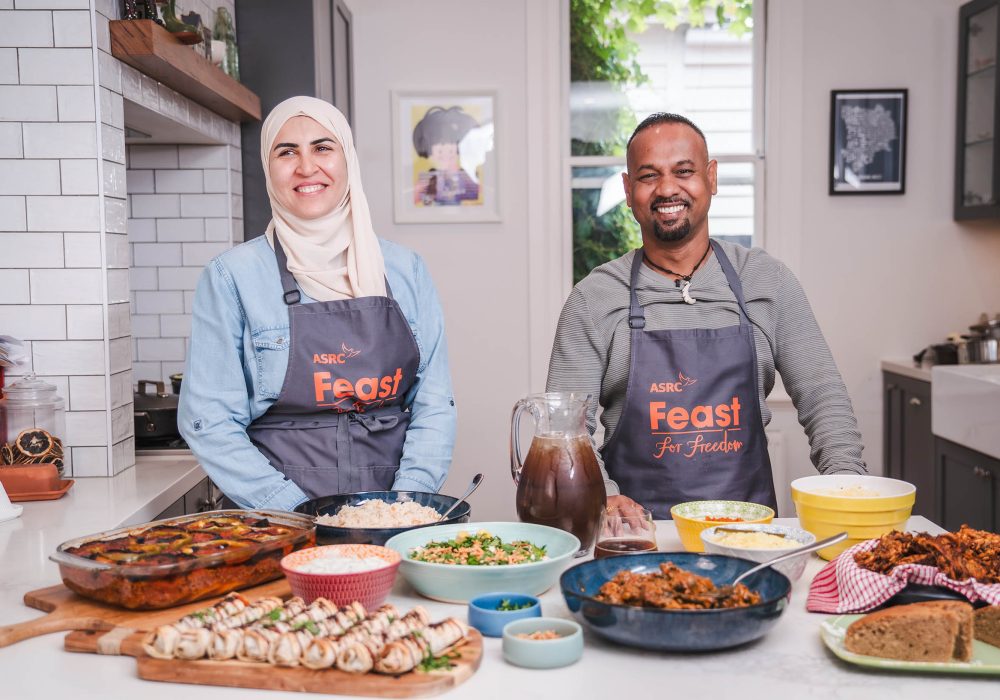
A Longer Table is exactly what it sounds like: one beautiful shared table inside the Asylum Seeker Resource Centre (@Asrc1), piled with generous dishes inspired by this year’s hero cooks, Noha and Nige.
From 6 to 9pm on Wednesday, 25 March, this is what you can expect:
🍽 A three-course shared feast
🍷 Matched drinks
🎶 Live entertainment
✨ A room full of good humans
Your ticket doesn’t just buy you a delicious dinner. It supports the ASRC’s vital work and helps create a fairer future for people seeking asylum.
Seats are limited, and long tables have a way of filling up quickly – head to @MelbFoodAndWine’s website to book now: feastforfreedom.org.au/mfwf
#FeastForFreedom #MelbourneFoodAndWineFestival #LongTableDinner #FoodForChange

Sew versatile! 🪡
Another great make from Lisa from @SunnySewsEveryday:
My #PeppermintWaratahWrapDress is finished and I’m so proud of it. It has been designed not to flap open and flash your pants in the wind, so I feel confident it will be a great wheelchair or standing dress in English weather.
#PeppermintPatterns #WrapDress #WrapDressPattern

Frame your face with the Peppermint Bucket Hat!
Stay safe and stylish in the sun with your very own self-sewn and self-drafted wide-brimmed bucket hat. This beginner-friendly sew is perfect for a sunny day. Get out your pencils – this pattern is created using equations and maths!
This DIY project was featured in Issue 53 and now you can access it for the lovely low price of only $5.
Sun-safe chic is always in style. ☀️
Find it via the link in our bio!
Photos: @KelleySheenan
#PeppermintPatterns #PeppermintBucketHat #BucketHat #BucketHatPattern #DIY

✨ INSTANT CLASSIC ✨
The Peppermint Myrtle Shift Dress is a beginner-friendly make with a few special details based on the ever-stylish shift shape – the perfect dress you need in your wardrobe right now!
Myrtle cuts above the knee with options to customise the length. Don’t think she’s reserved for hot weather either: try a heavier-weight fabric to turn your Myrtle into a pinafore-style garment for layering.
For our fabrics we chose two from our lovely sewing partner @Karmme_Apparel – the bold Rottnest Stripes in a lightweight, soft-drape cotton, and the quality linen in the handpainted Mexico Collection.
Get making the Myrtle – the only question is, can you stop at just one?
Link in bio 🪡
Fabric: @Karmme_Apparel
Sewist: @Laura_The_Maker
Photos: @KelleySheenan
Models: @SerahSews and @Pins_And_Tonic
Location: @ShareTheDignityAustralia
#PeppermintMyrtleShiftDress #PeppermintPatterns

It’s time to Feast!
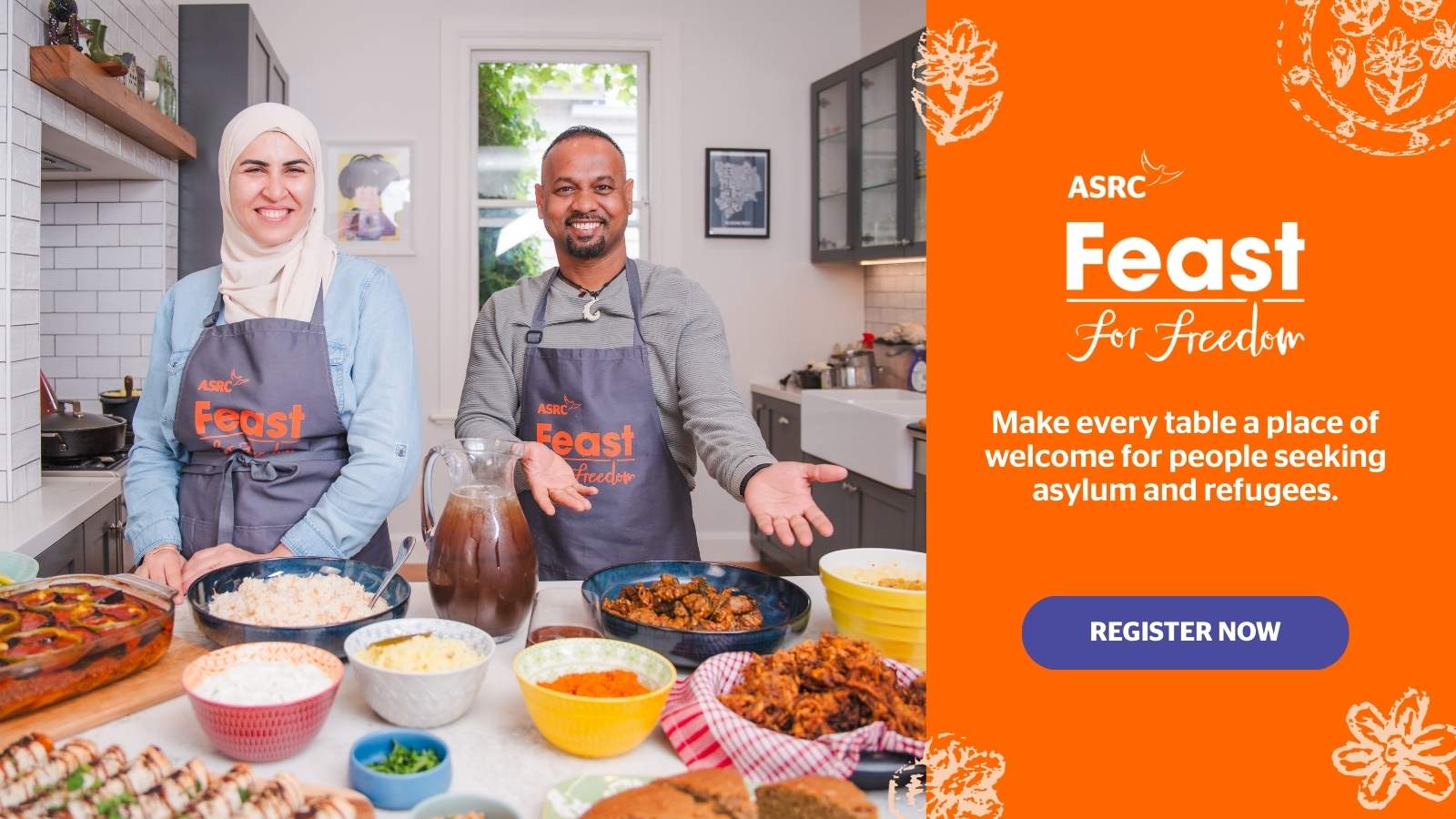
Some recipes travel a long way before they land on your table to delight your taste buds. This year’s Feast for Freedom invites us to gather our friends, cook something delectable and raise funds for the incredible work of the Asylum Seeker Resource Centre (@Asrc1) while we’re at it.
The 2026 Feast features recipes shared by two remarkable cooks: Noha, who brought the flavours of Palestine with her when she arrived in Australia, and Nige, a Sri-Lankan Tamil cook whose journey with food began in the most unexpected of places.
You can host your own Feast up until 30 April – simply register online and get planning! Host a dinner, organise a workplace lunch, or gather your community… However you do it, the idea is simple: cook, connect and celebrate the cultures and stories that shape Australia.
Want to find out more? Head to the link in bio to meet Noha and Nige, learn more about their stories, and discover a delicious recipe to try.
#FeastForFreedom #PeppermintMagazine #FoodForGood #ASRC
