words and top image SHOSHANAH WALL
From sexism to consumerism to The Simpsons, the stigma behind outfit repeating runs deeper through our society than an individual’s fashion choices as Shoshanah Wall explores.
I coveted the Jacquemus Capri skirt ever since its SS19 runway debut – its swinging bouclé tassels operating like a sartorial hypnotic pendulum. Simon Porte Jacquemus’ eponymous label is a homage to his departed mother – Jacquemus was her maiden name – and is known for its masterful tailoring with a modern edge. He employs earthy and tactile materials and is not afraid of asymmetry, artfully maintaining the balance between sculptural and feminine silhouettes.
Naturally, I splurged and bought the skirt. I planned on wearing it to a wedding in March. After that, it would probably hang lifelessly in my wardrobe, an erstwhile prize like an angler’s wall-mounted fish: still beautiful but now dull-eyed and redundant. My upcoming social calendar marked three more weddings and a thirtieth, but you can’t be seen in the same garb twice. Or can you?
On average, people wear an article of clothing only seven times before discarding it. Due to this high turnover of fashion, textiles are one of the fastest-growing waste streams in the world. Aussies, alone, dump 6000 kilograms of apparel every 10 minutes, much of which isn’t biodegradable. These statistics resonated with me. I’m someone who still wears garments purchased over a decade ago, who preserves my mum’s vintage pieces like a museum curator and who will only throw out underpants when they bear so many holes it becomes unclear which ones my legs should go through! So, in the name of slow fashion, I devised a plan: wear my Jacquemus skirt to every event on my 2019 and 2020 calendar (implemented until COVID wiped our social schedules clean), styled with items already in my possession.
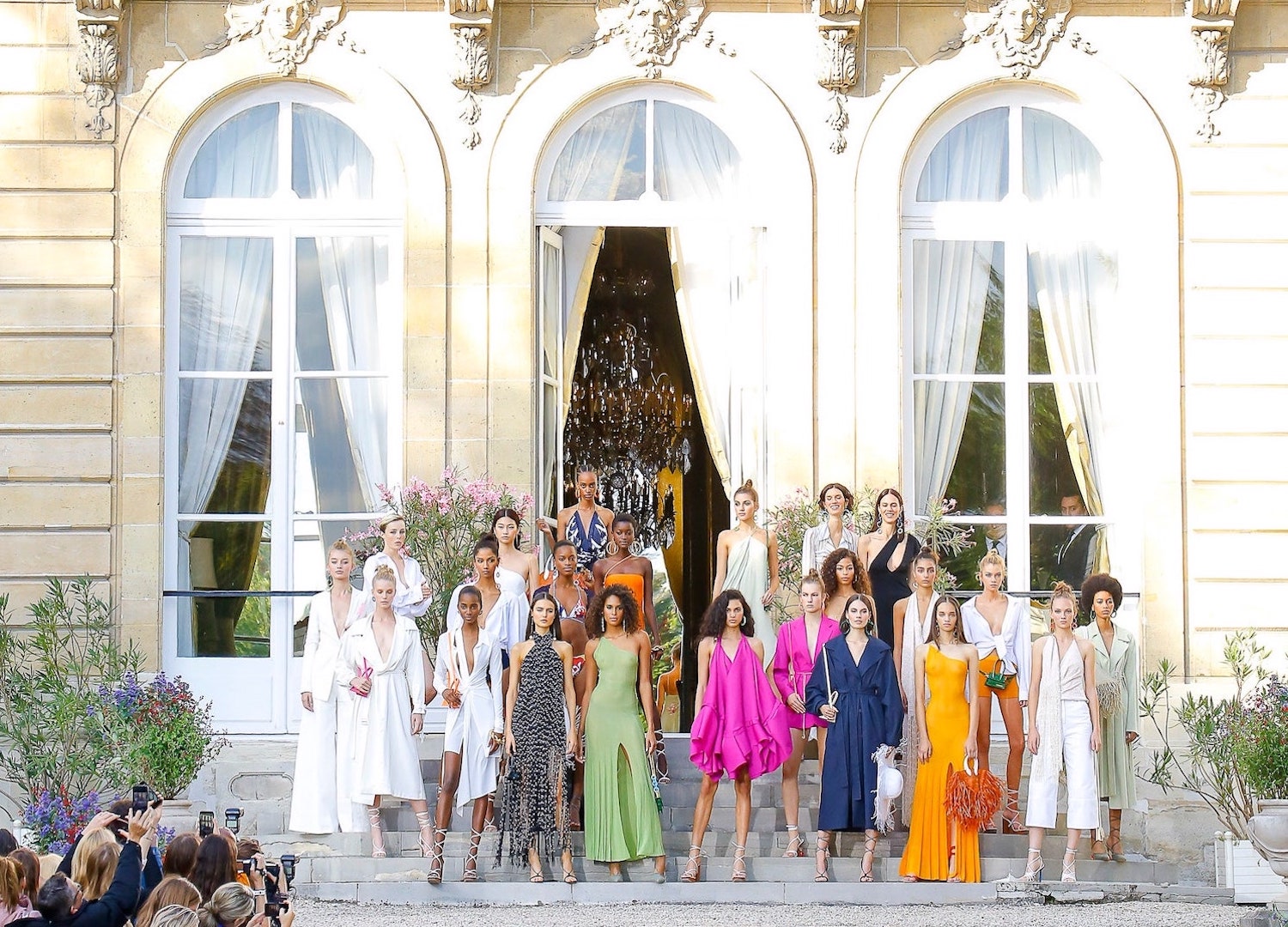
image JACQUEMUS SPRING 19 COLLECTION
Rewearing our clothes should be second nature. This got me thinking about the stigma surrounding outfit-repeating. For a seemingly superficial subject, its roots run deeper than you might expect — from sexism to consumerism to The Simpsons.
That our society considers outfit-repeating newsworthy signals the value placed on a woman’s appearance. When the Pew Research Center asked 4573 adults what society valued in each (cis)gender, the most common answer for women was physical attractiveness (35%). For men, however, honesty and morality rated the highest (33%).
Most women from western cultures are familiar with the metaphorical stain outfit-repeating can leave on our garments, even if it’s simply yelling into a heaving closet, “I have nothing to wear!” If not personally, perhaps they’ve seen the press call out female celebrities for rewearing their threads. That our society considers outfit-repeating newsworthy signals the value placed on a woman’s appearance. When the Pew Research Center asked 4573 adults what society valued in each (cis)gender, the most common answer for women was physical attractiveness (35%). For men, however, honesty and morality rated the highest (33%).
With more value placed on a woman’s appearance comes more scrutiny. Television presenter Karl Stefanovic’s social experiment provides a prime example: he wore the same suit on Nine’s Today show for an entire year without attention or criticism. During this time, Stefanovic’s co-anchor, Lisa Wilkinson, combated a slew of public remarks about her wardrobe.
READ MORE: One Dress, Five Ways – How to #WearTheChange by Making Your Wardrobe Go the Distance
The chic, new wardrobes of celebrities have been splashed across the glossy covers of magazines for decades. Late-twentieth century TV characters such as Rachel Green, Fran Fine, and Carrie Bradshaw, boasted bottomless wardrobes almost as magical as the one that transported Lucy Pevensie to Narnia. If the women we wanted to emulate didn’t rewear their clothes, why should we?
The twenty-first century then unveiled the influencer, where perpetuating outfit-repeating as a fashion faux pas comes with the territory. Each new outfit posted on an influencer’s socials is a potential paycheck, with nothing to gain from rewearing older looks. This mentality has influenced how we consume clothing, deeming it much more ephemeral and, often, disposable.
For women, in particular, fashion isn’t just utilitarian — it equates to our worth.
Advertising feeds us similar false needs. Our appetite for new threads has become insatiable because consumerism ensures we aren’t just sold apparel – we are sold dreams stitched in at their very seams. Assisted by Edward Bernays (the ‘Father of PR’), the twentieth century saw advertising veer away from practicality and instead attach itself to our emotional state: our desires, sensibilities and identity. For women, in particular, fashion isn’t just utilitarian — it equates to our worth. Simone de Beauvoir, in her book The Second Sex, explains: “As woman is an object, it is obvious that how she is adorned and dressed affects her intrinsic value. It is not pure frivolousness for her to attach so much importance to silk stockings, gloves and a hat: keeping her rank is an imperious obligation.”
Whether or not someone has money, clothing is a powerful tool, wielded to emulate wealth and status. However, most people’s bank accounts cannot keep up with the constant influx of new trends from designer labels. This only widens the gap between the rich and the poor, a chasm fast fashion brands now happily – and greedily – fill.
In The Simpsons episode ‘Scenes from the Class Struggle in Springfield’, Marge splurges on a heavily discounted Chanel suit, elevating her to a higher status among her peers. Unable to afford another designer ensemble, Marge employs her sewing machine and alters the Chanel suit for each new social occasion. Her outfit-repeating is met with snide remarks from her wealthy new friends.
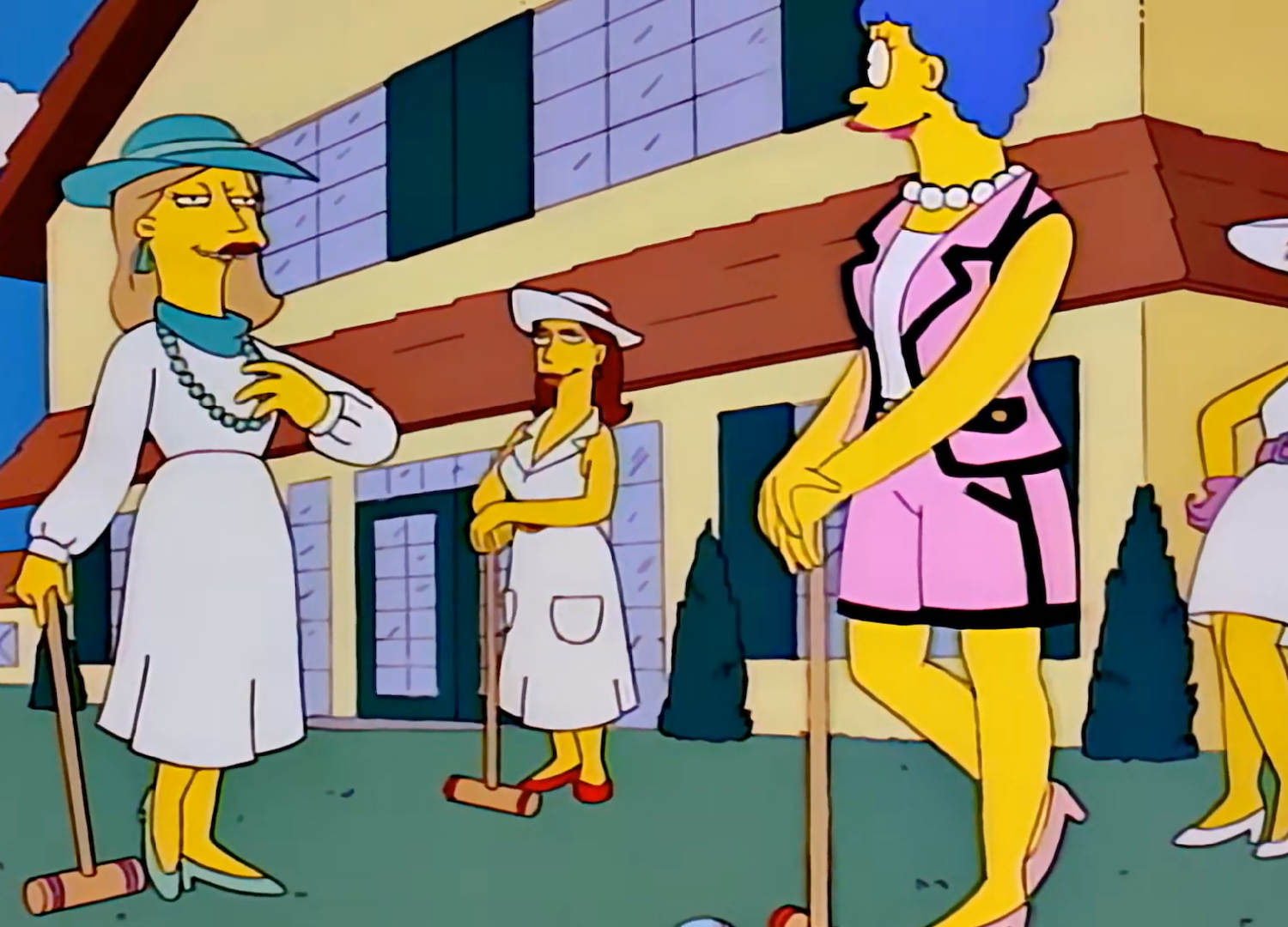
image THE SIMPSONS EPISODE ‘SCENES FROM THE CLASS STRUGGLE IN SPRINGFIELD’
Writer Emma Specter, in her essay for Garage, unpicks the lining of Marge’s motivations, “Like any instance of label lust, Marge’s passion for Chanel isn’t just about the suit itself, but about attaining the ease of lifestyle that the suit represents.”
Thorstein Veblen, a nineteenth-century economist and sociologist, called this demonstrative display of non-essential purchases ‘conspicuous consumption’. And it’s no longer confined to wealthy aristocrats flexing their economic prowess; many contemporary economists share the belief that this behaviour still exists.
In his book, Spent: Sex, Evolution and the Secrets of Consumerism, evolutionary psychologist Geoffrey Miller postulates that in the twenty-first century, conspicuous consumption commonly occurs among less privileged social groups who use clothing to promote their “genetic fitness”. Fresh Dressed, a documentary chronicling the evolution of urban fashion, exemplifies this mentality when rapper Thirstin Howl III proclaims, “I didn’t even have furniture in my house, man, but I had Polo everywhere.”
Statistically in Australia, women are less privileged than men, earning on average 13.4% per week less. Pay disparity only increases when considering WOC, trans women and women with disabilities. Not only have men secured a head start in the form of wages, but studies also show that getting dressed drains women’s finances at double the rate of men!
The constant desire for new attire also reaps its toll temporally. Journalist Tracey Spicer, in her TED talk, puts into perspective the average accumulated time – 3276 hours – women spend on grooming (including getting dressed): “In that time we could complete a pre-MBA course at Oxford Business School, become proficient at a musical instrument or even learn another language.”
Embracing outfit-repeating will not only help reduce the stigma caused by sexism, consumerism and classism, it will also reduce our carbon footprint. According to Patagonia chief executive and environmental activist Rose Marcario, “The single best thing we can do for the planet is to keep our stuff in use longer.” Actively wearing a garment for just nine months longer can reduce its environmental impacts by 20–30%.
Embracing outfit-repeating will not only help reduce the stigma caused by sexism, consumerism and classism, it will also reduce our carbon footprint.
As the vaccine is (slowly) rolled out across Australia and we shed our trackie dacks, returning to the real world for work and play, it’s the perfect time to reevaluate our outfit choices. Instead of buying something new, why not resuscitate that old party frock and give it a new lease of life? I won’t be retiring my Jacquemus skirt any time soon. I plan on steeping those speckled tassels in many more memories in the coming years. And as a designer whose label stems from sentimentalism, I think even Simon Jacquemus would approve.

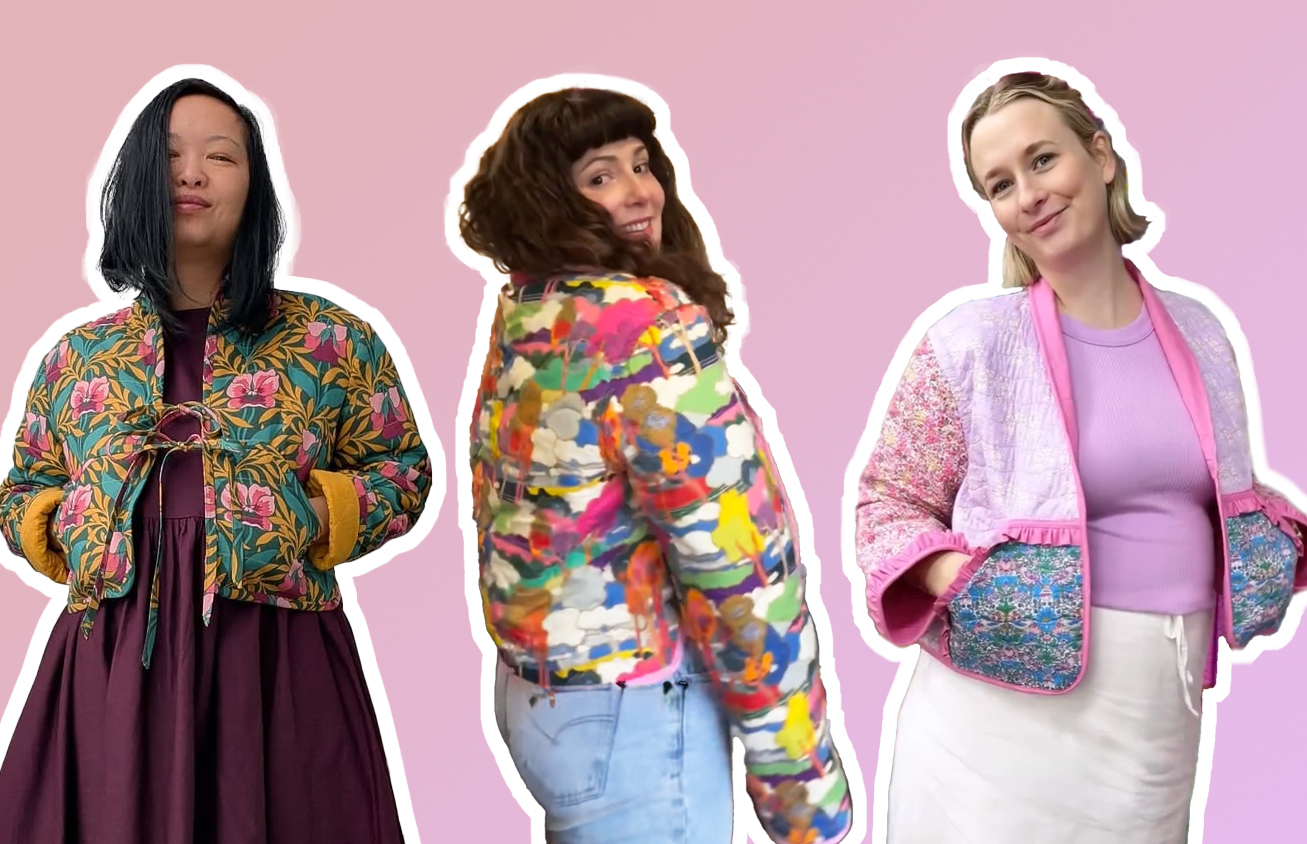
“My piece of advice for makers and designers? Run your own race… make sure your key decisions stay anchored in your brand’s core beliefs.”
- Bec Bligh
Quick show of hands: who’s opened a water bottle expecting a refreshing sip… and instead been greeted by the unmistakable whiff of uh-oh?
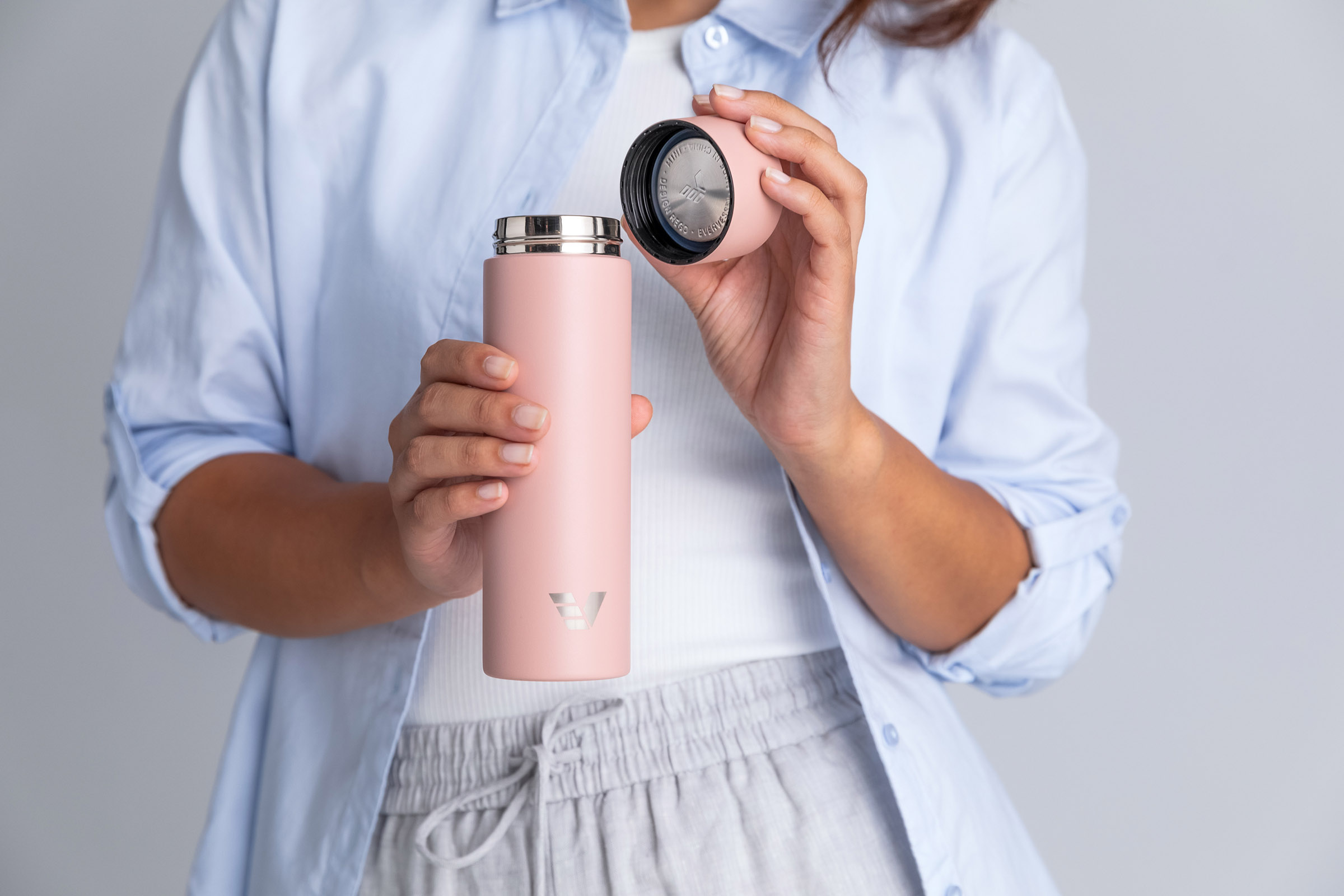
Because for something that follows us everywhere (desk, car, hikes, yoga…), the humble drink bottle is strangely prone to becoming a science experiment. Hard-to-clean corners and gaskets. Mystery smells. Bec Bligh and her husband Tim know it well. A six-month sailing trip along the Queensland coast left them with a lifetime of memories and one stubborn annoyance: mouldy water bottles they couldn’t properly clean.
So they did something about it.
Enter @EverVessel. Thoughtfully designed borosilicate glass and stainless steel bottles that keep things beautifully simple: durable materials, wide openings, easy-to-clean parts and none of the techy gimmicks that tend to age badly. Turns out simplicity, done well, is pretty powerful stuff. (Their many design awards agree!)
And lately they’ve added a little extra delight: the Artist Series, where creatives like Paola Castro, Ben Miners and Martin Thompson transform these everyday companions into tiny travelling artworks. There are more colabs in the works, too: hydration, but make it joyful! 🎨💧
We chatted with Bec about the sailing trip that started it all, the philosophy behind Ever Vessel, and why the most sustainable product is often just the one you keep using.
Tap the link in our bio to read the full conversation. 🚰
#EverVessel #ReusableWaterBottle


Pull up a chair… there’s room at this table!
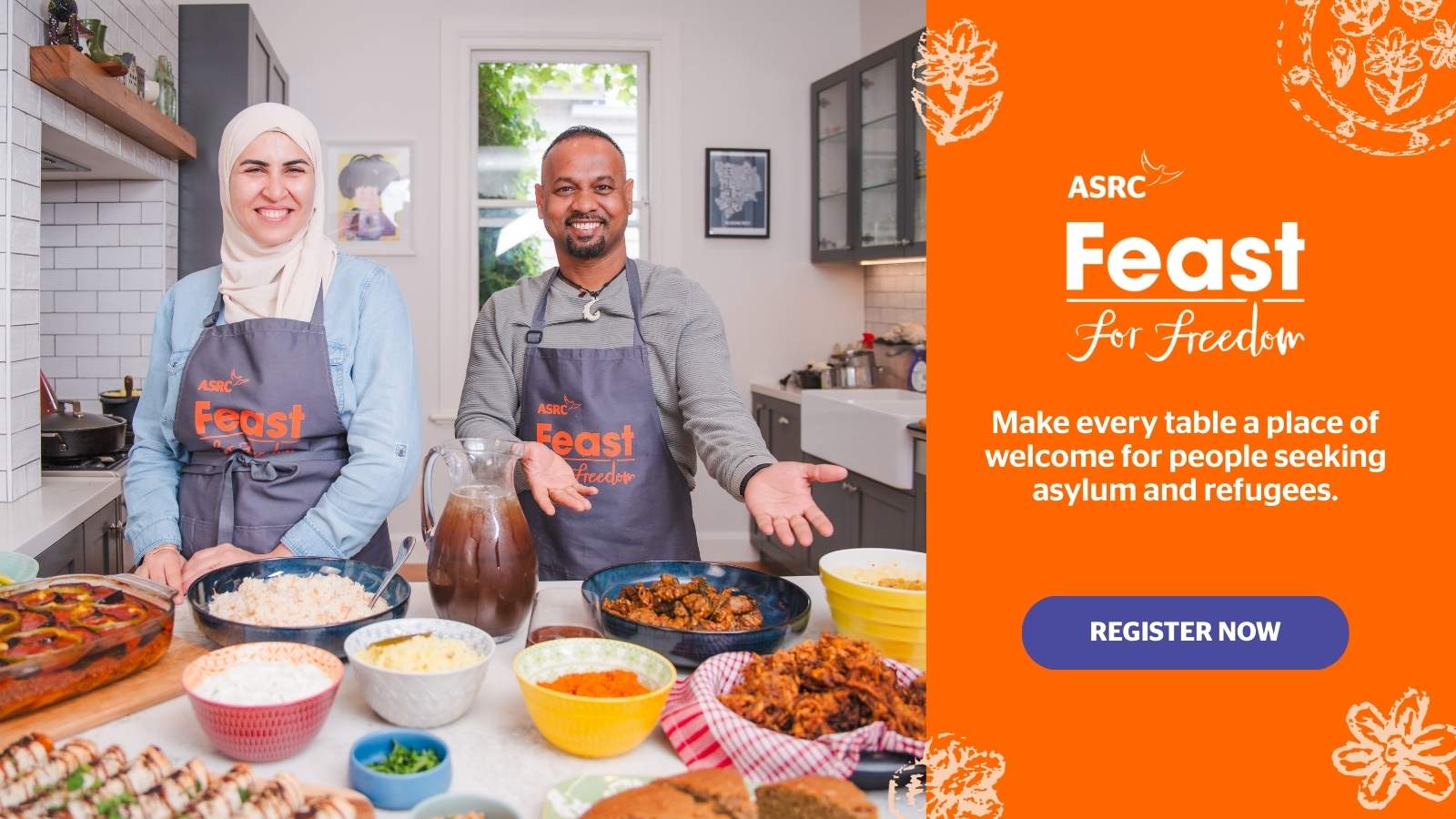
For the first time, Feast for Freedom is bringing people together for a spectacular long-table dinner as part of the Melbourne Food & Wine Festival.
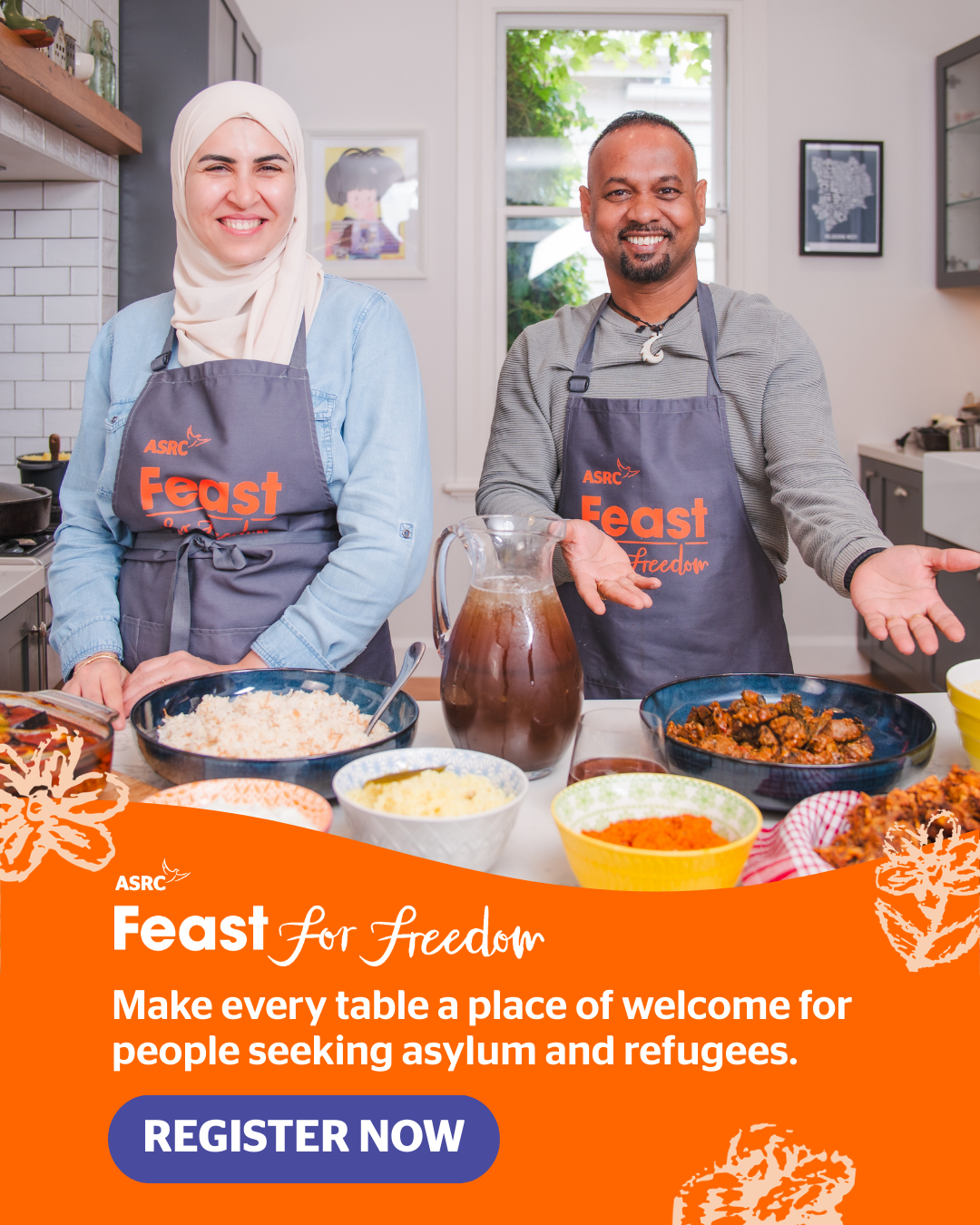
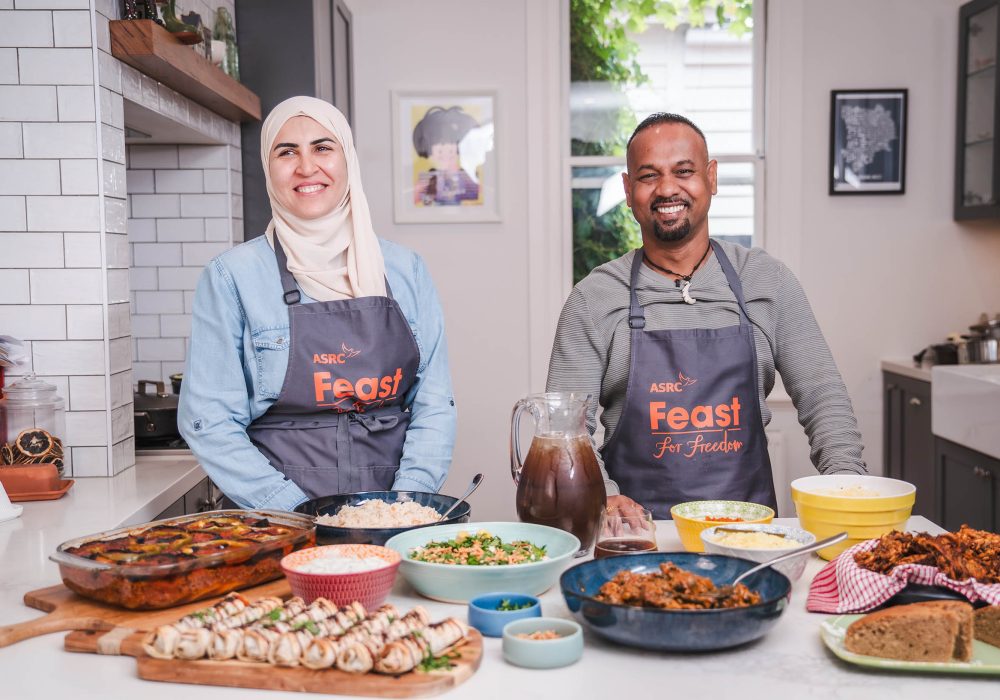
A Longer Table is exactly what it sounds like: one beautiful shared table inside the Asylum Seeker Resource Centre (@Asrc1), piled with generous dishes inspired by this year’s hero cooks, Noha and Nige.
From 6 to 9pm on Wednesday, 25 March, this is what you can expect:
🍽 A three-course shared feast
🍷 Matched drinks
🎶 Live entertainment
✨ A room full of good humans
Your ticket doesn’t just buy you a delicious dinner. It supports the ASRC’s vital work and helps create a fairer future for people seeking asylum.
Seats are limited, and long tables have a way of filling up quickly – head to @MelbFoodAndWine’s website to book now: feastforfreedom.org.au/mfwf
#FeastForFreedom #MelbourneFoodAndWineFestival #LongTableDinner #FoodForChange

Sew versatile! 🪡
Another great make from Lisa from @SunnySewsEveryday:
My #PeppermintWaratahWrapDress is finished and I’m so proud of it. It has been designed not to flap open and flash your pants in the wind, so I feel confident it will be a great wheelchair or standing dress in English weather.
#PeppermintPatterns #WrapDress #WrapDressPattern

Frame your face with the Peppermint Bucket Hat!
Stay safe and stylish in the sun with your very own self-sewn and self-drafted wide-brimmed bucket hat. This beginner-friendly sew is perfect for a sunny day. Get out your pencils – this pattern is created using equations and maths!
This DIY project was featured in Issue 53 and now you can access it for the lovely low price of only $5.
Sun-safe chic is always in style. ☀️
Find it via the link in our bio!
Photos: @KelleySheenan
#PeppermintPatterns #PeppermintBucketHat #BucketHat #BucketHatPattern #DIY

✨ INSTANT CLASSIC ✨
The Peppermint Myrtle Shift Dress is a beginner-friendly make with a few special details based on the ever-stylish shift shape – the perfect dress you need in your wardrobe right now!
Myrtle cuts above the knee with options to customise the length. Don’t think she’s reserved for hot weather either: try a heavier-weight fabric to turn your Myrtle into a pinafore-style garment for layering.
For our fabrics we chose two from our lovely sewing partner @Karmme_Apparel – the bold Rottnest Stripes in a lightweight, soft-drape cotton, and the quality linen in the handpainted Mexico Collection.
Get making the Myrtle – the only question is, can you stop at just one?
Link in bio 🪡
Fabric: @Karmme_Apparel
Sewist: @Laura_The_Maker
Photos: @KelleySheenan
Models: @SerahSews and @Pins_And_Tonic
Location: @ShareTheDignityAustralia
#PeppermintMyrtleShiftDress #PeppermintPatterns

It’s time to Feast!
Some recipes travel a long way before they land on your table to delight your taste buds. This year’s Feast for Freedom invites us to gather our friends, cook something delectable and raise funds for the incredible work of the Asylum Seeker Resource Centre (@Asrc1) while we’re at it.
The 2026 Feast features recipes shared by two remarkable cooks: Noha, who brought the flavours of Palestine with her when she arrived in Australia, and Nige, a Sri-Lankan Tamil cook whose journey with food began in the most unexpected of places.
You can host your own Feast up until 30 April – simply register online and get planning! Host a dinner, organise a workplace lunch, or gather your community… However you do it, the idea is simple: cook, connect and celebrate the cultures and stories that shape Australia.
Want to find out more? Head to the link in bio to meet Noha and Nige, learn more about their stories, and discover a delicious recipe to try.
#FeastForFreedom #PeppermintMagazine #FoodForGood #ASRC
