‘Take only memories, leave only footprints’. It’s been a rallying cry for responsible tourists for decades. Ironically, it’s one footprint left by the world’s annual 1.4 billion international travellers – their carbon footprint – that now has scientists concerned.
According to research published in Nature Climate Change, the tourism industry accounts for eight percent of all global greenhouse gas emissions (that’s more than the construction industry). Air and road travel are the main culprits, but everything from mass-produced souvenirs to food wastage at hotel buffets plays its role. On the ground, when tourism is not properly managed, it can lead to habitat destruction, pollution, and other adverse effects.
Just as some countries bear the brunt of climate change, there are some holiday spots that feel the pressures of over-tourism more acutely. In fragile island ecosystems and overburdened cities alike, tourism is only adding to the stresses of climate change. Oftentimes, mass tourism threatens the very natural wonders and biodiversity that draws visitors in the first place. So, as you start planning your summer holidays, be mindful of these six destinations that are now attempting to turn tourists away.
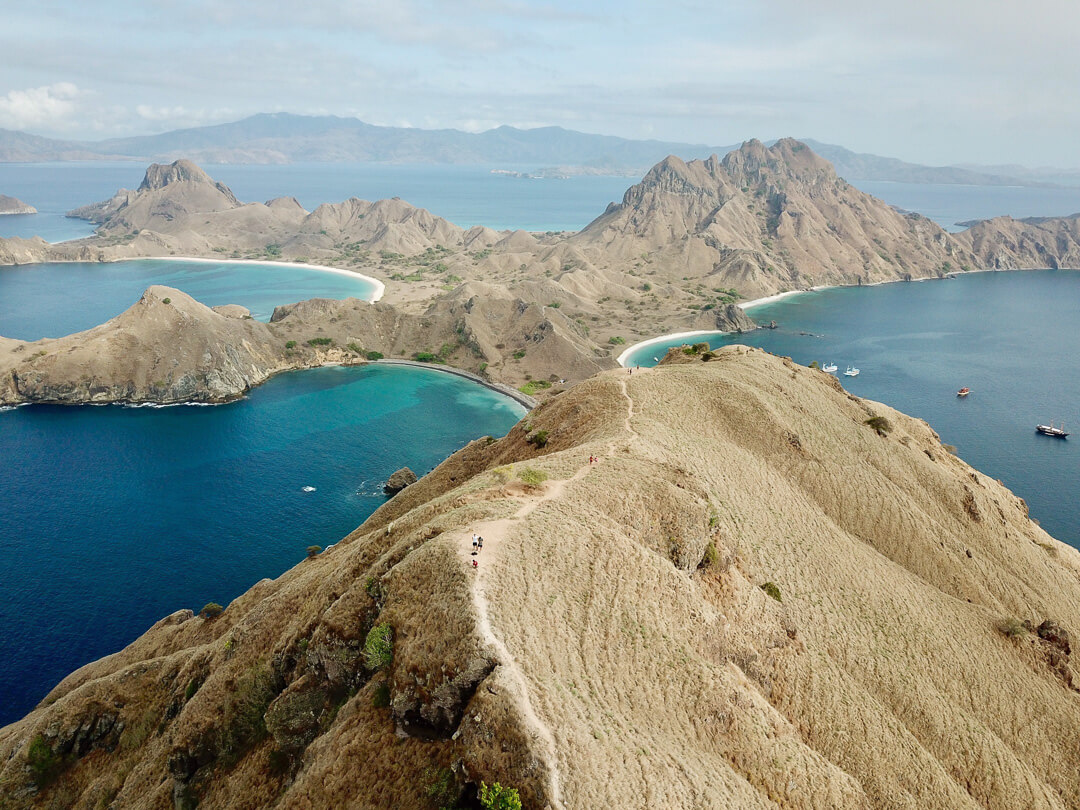
Komodo Island, Indonesia (main image)
The number of Chinese tourists alone arriving on Indonesia’s Komodo Island increased by a staggering 6000 percent between 2016 and 2017. As more and more people flock to the national park, illegal wildlife trafficking and loss of habitat catalysed by tourism – such as clearing land to build hotels – threatens the island’s population of Komodo Dragons. Classified as ‘Vulnerable’ on the IUCN Red List, the reptiles face becoming officially endangered. Before that happens, Indonesia is launching a massive conservation effort that will see the entire island off-limits to visitors starting from January 2020. There’s also talk of introducing a paywall to limit arrivals in the future.
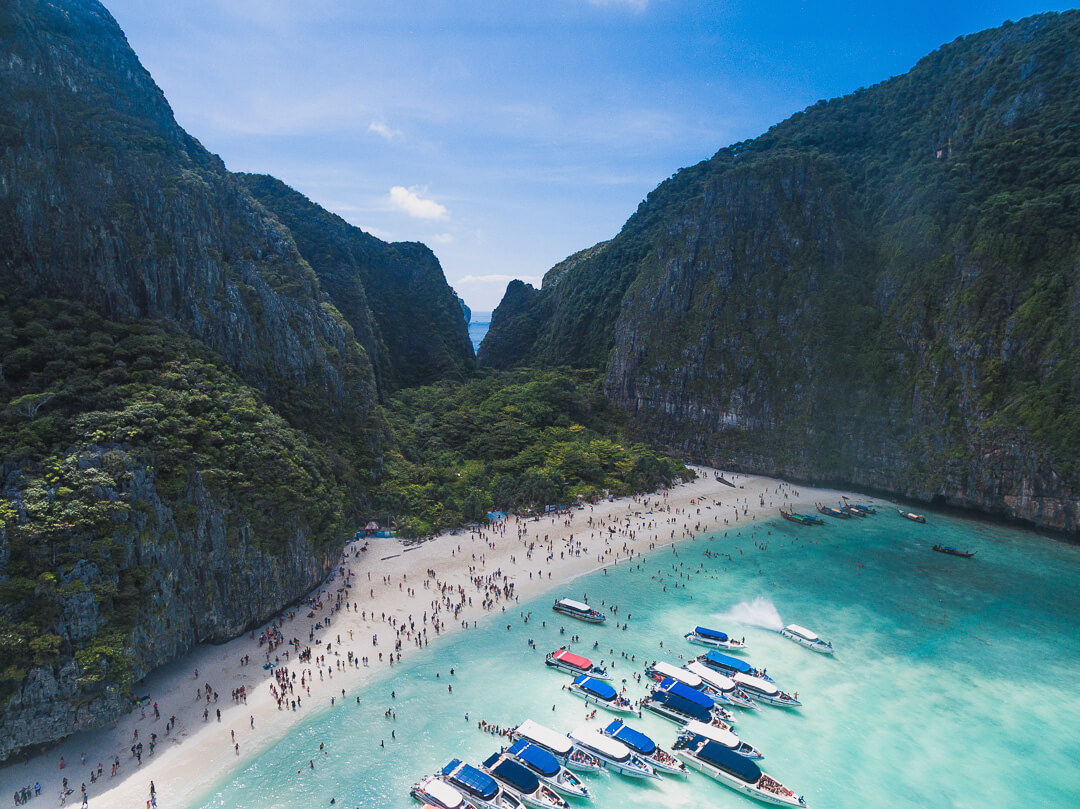
Maya Bay, Thailand (above)
Warming sea temperatures are causing permanent damage to coral ecosystems around the world, and the reefs near Ko Phi Phi Leh off Thailand’s Andaman coast are no exception. One of the island’s hotspots, Maya Bay – popularised by the movie The Beach – draws a huge number of visitors. This has only added to the island’s woes, with coral die-off accelerating as the number of tourists increased from 170 people to 3,500 people over the space of a decade. At the request of environmental scientists, Maya Bay will remain off-limits to tourists until 2021. It’s part of a four-year plan to replant mangroves and salvage what’s left of the reef.
Boracay, The Philippines
Following a six-month closure and extended ‘soft launch’, Boracay island is finally set to fully re-open to tourists this December. But there are strict rules in place to curb the kind of pollution that forced the island to shut in the first place. This includes no eating or drinking on the beach, no diving or water activities, and no fireworks. Souvenir shops are gone, and the number of tourists permitted to stay overnight on the island has been halved.
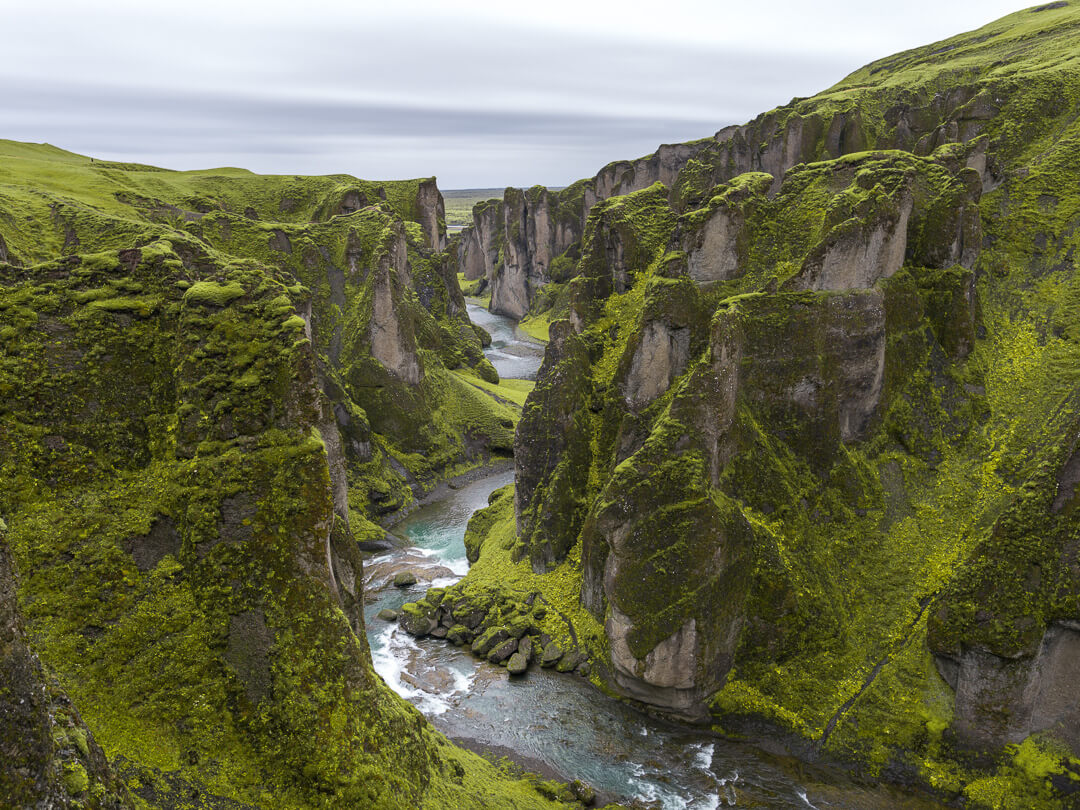
Fjaorargljufur Canyon, Iceland (above)
When Justin Bieber filmed a music clip on a little-known river canyon in southern Iceland, he probably wasn’t expecting an influx of more than one million fans to follow in his wake. People who ignore barriers erected in the area have been trampling the vegetation, aggravating an ecosystem that’s already incredibly fragile to the effects of climate change. This has prompted the Environmental Agency of Iceland to close the canyon to tourists indefinitely.
It comes after a ‘funeral’ for the Okjokull glacier – the first glacier lost to climate change – made headlines around the world. All of Iceland’s glaciers face extinction within the next 200 years if global warming continues at its current pace. With the number of visitors to this tiny island nation swelling by at least a quarter year on year, over-tourism continues to pose a serious threat.
The Faroe Islands
In the nearby Faroe Islands, 10 popular tourist spots were temporarily ‘closed for maintenance’ in April of this year. Instead of tourists, the Faroes welcomed 100 volunteers who joined locals in an effort to lay the groundwork for sustainable tourism. Paths were laid in eroded areas, ancient cairns (rocks pyramids used to mark walking trails) destroyed by tourists were rebuilt, and signage was erected to stop people wandering off track. Because of its success, it’s set to become a regular event, with major attractions closed off for a short period every year.
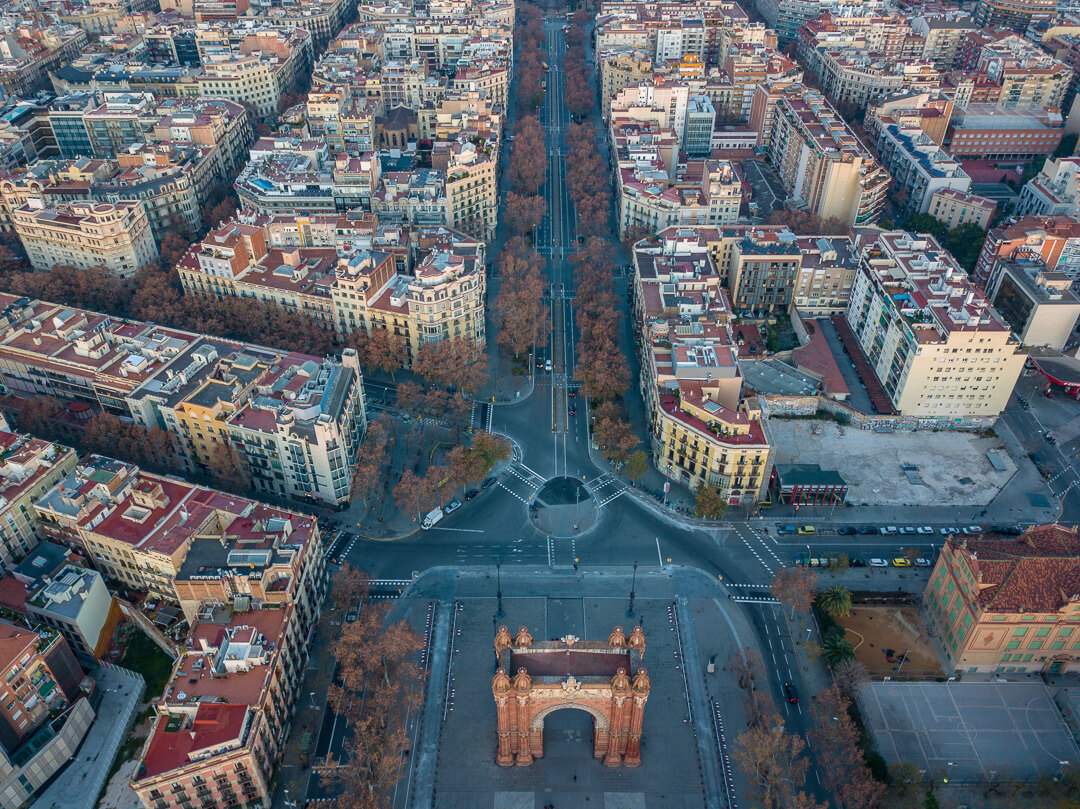
Barcelona, Spain (above)
It’s not just natural attractions that are impacted by over-tourism. Many European cities, including Amsterdam, Prague and Rome, are feeling the effects of overcrowding. In 2016, 32 million people visited Barcelona – a huge number considering the city’s permanent population is just 1.6 million. Air pollution partially caused by cruise ships prompted the city council to declare an environmental emergency. Now there are strict regulations on liners and cars alike, and a cap on new hotels. The city’s latest ‘anti-tourism’ campaign, launched in August 2019, urges travellers to keep their visit to Barcelona a secret so as not to encourage their friends or family to follow in their footsteps.
WORDS: EMILY LUSH
IMAGES: KOMODO BY CHASE RIEF/UNSPLASH |MAYA BAY BY HUMPHREY MULEBA/UNSPLASH | FJAORARGLJUFUR BY SEREY MORM/UNSPLASH | BARCELONA BY SHAI PAL/UNSPLASH








“My piece of advice for makers and designers? Run your own race… make sure your key decisions stay anchored in your brand’s core beliefs.”
- Bec Bligh
Quick show of hands: who’s opened a water bottle expecting a refreshing sip… and instead been greeted by the unmistakable whiff of uh-oh?
Because for something that follows us everywhere (desk, car, hikes, yoga…), the humble drink bottle is strangely prone to becoming a science experiment. Hard-to-clean corners and gaskets. Mystery smells. Bec Bligh and her husband Tim know it well. A six-month sailing trip along the Queensland coast left them with a lifetime of memories and one stubborn annoyance: mouldy water bottles they couldn’t properly clean.
So they did something about it.
Enter @EverVessel. Thoughtfully designed borosilicate glass and stainless steel bottles that keep things beautifully simple: durable materials, wide openings, easy-to-clean parts and none of the techy gimmicks that tend to age badly. Turns out simplicity, done well, is pretty powerful stuff. (Their many design awards agree!)
And lately they’ve added a little extra delight: the Artist Series, where creatives like Paola Castro, Ben Miners and Martin Thompson transform these everyday companions into tiny travelling artworks. There are more colabs in the works, too: hydration, but make it joyful! 🎨💧
We chatted with Bec about the sailing trip that started it all, the philosophy behind Ever Vessel, and why the most sustainable product is often just the one you keep using.
Tap the link in our bio to read the full conversation. 🚰
#EverVessel #ReusableWaterBottle


Pull up a chair… there’s room at this table!
For the first time, Feast for Freedom is bringing people together for a spectacular long-table dinner as part of the Melbourne Food & Wine Festival.
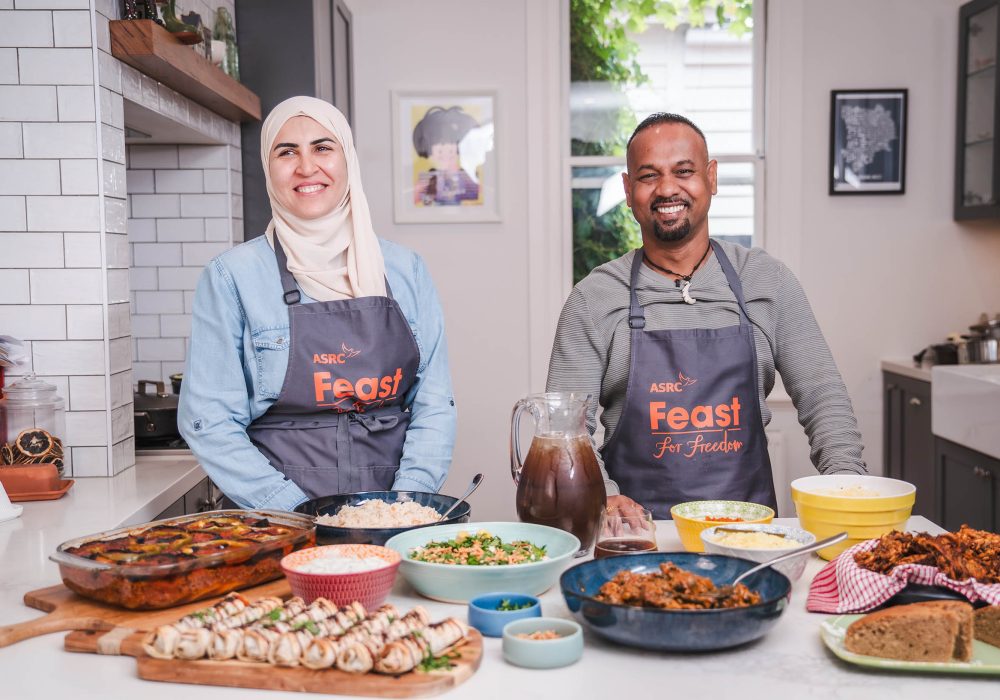
A Longer Table is exactly what it sounds like: one beautiful shared table inside the Asylum Seeker Resource Centre (@Asrc1), piled with generous dishes inspired by this year’s hero cooks, Noha and Nige.
From 6 to 9pm on Wednesday, 25 March, this is what you can expect:
🍽 A three-course shared feast
🍷 Matched drinks
🎶 Live entertainment
✨ A room full of good humans
Your ticket doesn’t just buy you a delicious dinner. It supports the ASRC’s vital work and helps create a fairer future for people seeking asylum.
Seats are limited, and long tables have a way of filling up quickly – head to @MelbFoodAndWine’s website to book now: feastforfreedom.org.au/mfwf
#FeastForFreedom #MelbourneFoodAndWineFestival #LongTableDinner #FoodForChange

Sew versatile! 🪡
Another great make from Lisa from @SunnySewsEveryday:
My #PeppermintWaratahWrapDress is finished and I’m so proud of it. It has been designed not to flap open and flash your pants in the wind, so I feel confident it will be a great wheelchair or standing dress in English weather.
#PeppermintPatterns #WrapDress #WrapDressPattern

Frame your face with the Peppermint Bucket Hat!
Stay safe and stylish in the sun with your very own self-sewn and self-drafted wide-brimmed bucket hat. This beginner-friendly sew is perfect for a sunny day. Get out your pencils – this pattern is created using equations and maths!
This DIY project was featured in Issue 53 and now you can access it for the lovely low price of only $5.
Sun-safe chic is always in style. ☀️
Find it via the link in our bio!
Photos: @KelleySheenan
#PeppermintPatterns #PeppermintBucketHat #BucketHat #BucketHatPattern #DIY

✨ INSTANT CLASSIC ✨
The Peppermint Myrtle Shift Dress is a beginner-friendly make with a few special details based on the ever-stylish shift shape – the perfect dress you need in your wardrobe right now!
Myrtle cuts above the knee with options to customise the length. Don’t think she’s reserved for hot weather either: try a heavier-weight fabric to turn your Myrtle into a pinafore-style garment for layering.
For our fabrics we chose two from our lovely sewing partner @Karmme_Apparel – the bold Rottnest Stripes in a lightweight, soft-drape cotton, and the quality linen in the handpainted Mexico Collection.
Get making the Myrtle – the only question is, can you stop at just one?
Link in bio 🪡
Fabric: @Karmme_Apparel
Sewist: @Laura_The_Maker
Photos: @KelleySheenan
Models: @SerahSews and @Pins_And_Tonic
Location: @ShareTheDignityAustralia
#PeppermintMyrtleShiftDress #PeppermintPatterns

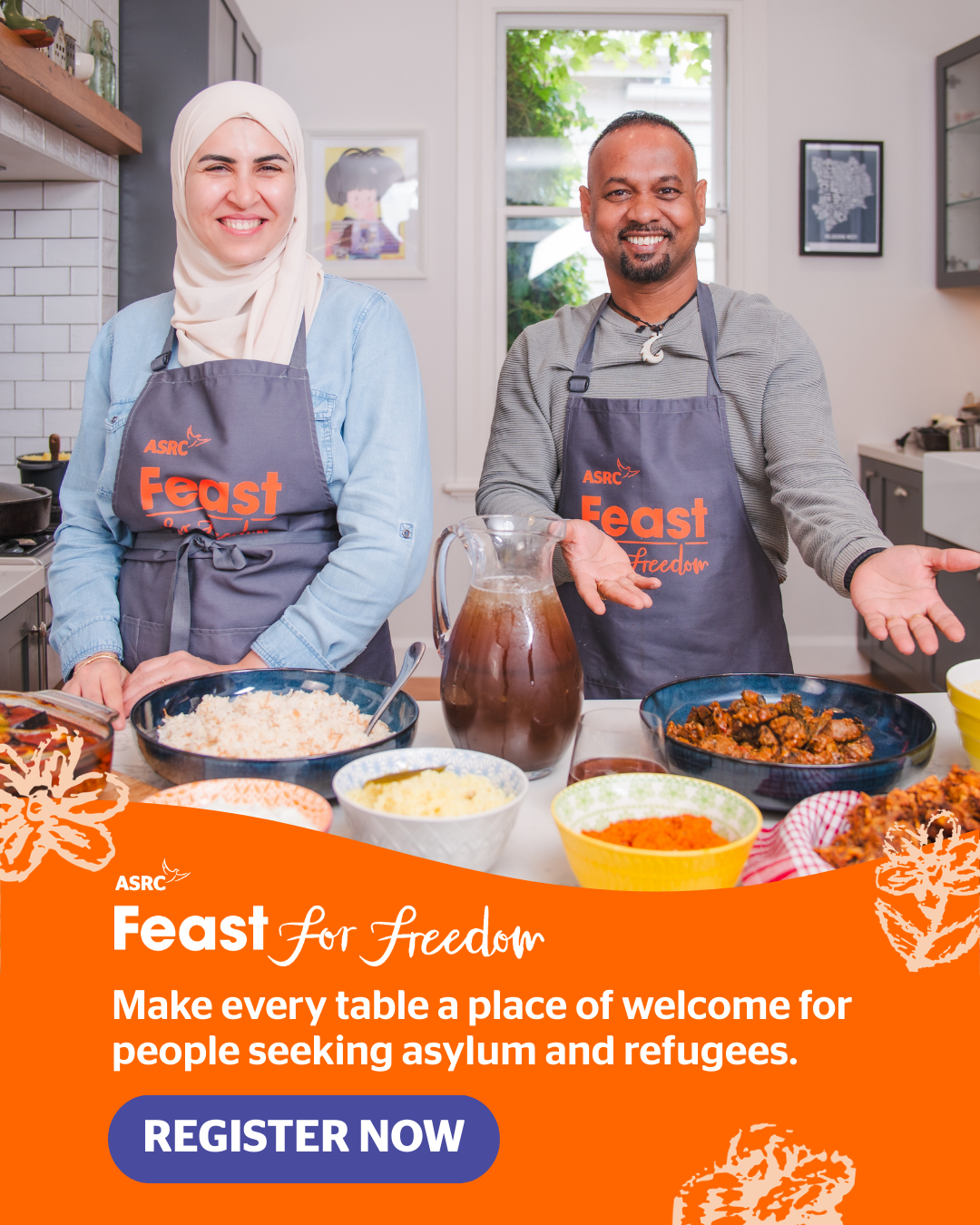
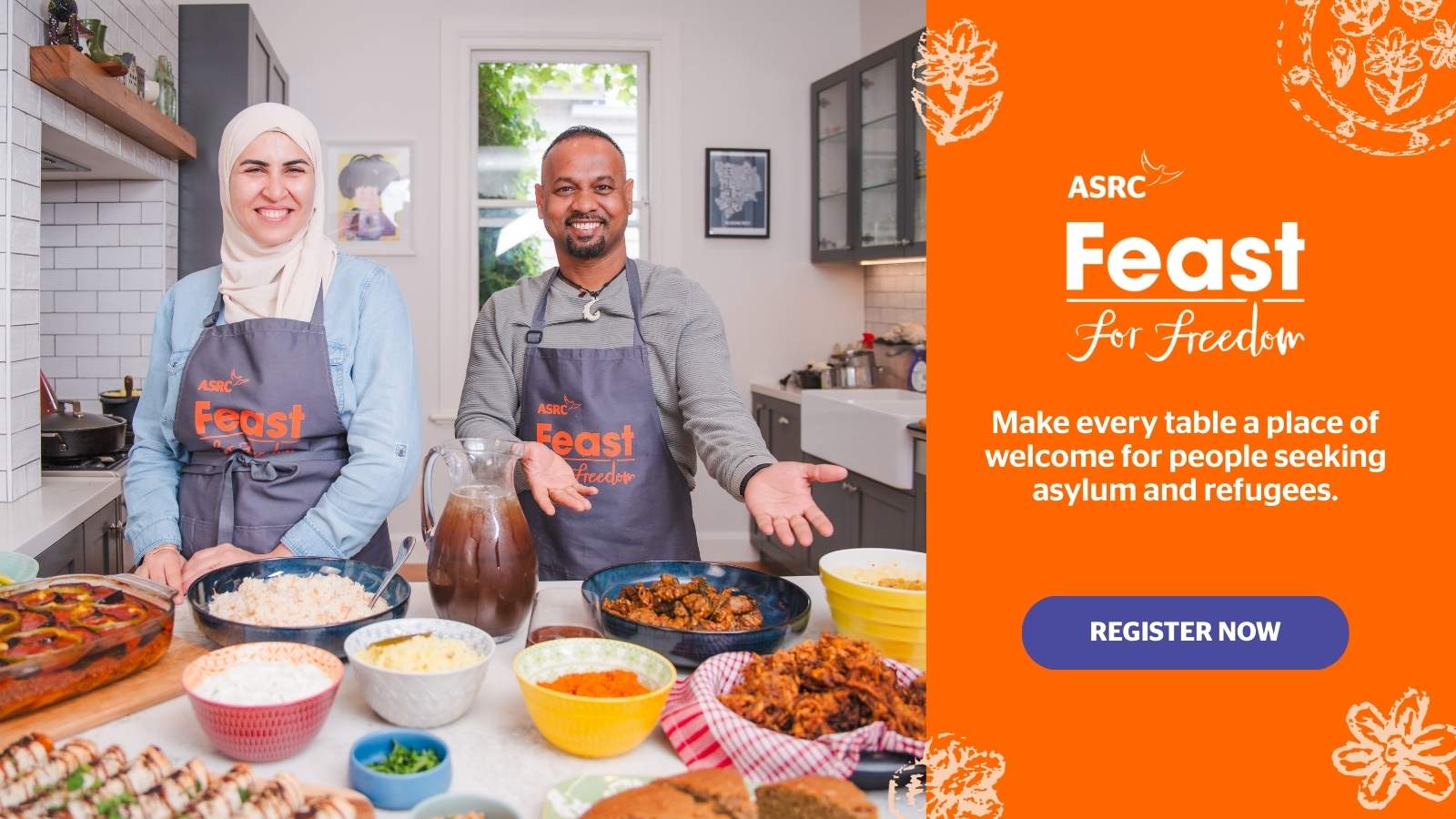
It’s time to Feast!
Some recipes travel a long way before they land on your table to delight your taste buds. This year’s Feast for Freedom invites us to gather our friends, cook something delectable and raise funds for the incredible work of the Asylum Seeker Resource Centre (@Asrc1) while we’re at it.
The 2026 Feast features recipes shared by two remarkable cooks: Noha, who brought the flavours of Palestine with her when she arrived in Australia, and Nige, a Sri-Lankan Tamil cook whose journey with food began in the most unexpected of places.
You can host your own Feast up until 30 April – simply register online and get planning! Host a dinner, organise a workplace lunch, or gather your community… However you do it, the idea is simple: cook, connect and celebrate the cultures and stories that shape Australia.
Want to find out more? Head to the link in bio to meet Noha and Nige, learn more about their stories, and discover a delicious recipe to try.
#FeastForFreedom #PeppermintMagazine #FoodForGood #ASRC
