Why do you care about the environment? Is it because it’s pretty obviously the right thing to do on an ethical and philosophical level, and on a practical and actionable basis? Or is it because you saw the right piece of media at the right time in your childhood?
We’ve revisited the classic film and television properties of the past that piqued our curiosity of, sympathy for and stridency to protect the natural world! Get your nostalgia flowing and see if any of your childhood faves made the cut.
CAPTAIN PLANET (1990–1996)
The passage of time and the worsening climate situation has vindicated a lot of ostensible cartoon villains (looking at you, Poison Ivy), but one hero who has come out pretty good is your boy Captain Planet. Alongside his group of multinational planeteers, Captain Planet was out there preventing polluters, pinching poachers and condemning unethical scientific research and corporate greed before it was cool.
And he’s done more real-world good, teaching kids how to be part of the solution “not the pollution”, with the Captain Planet Foundation. Founded in 1991 when producer Barbara Pyle dedicated a percentage of the show’s merchandising revenue to a charity for empowering young people to become problem solvers for the planet, it’s still going strong today!
Is FernGully: The Last Rainforest a good film? It’s hard to say. It’s definitely set in Australia which is always exciting for Australian audiences (especially children’s animation) but everyone in FernGully has American accents, even the magical embodiments of the beauty of the Australian rainforest, which is a bit hmmm… A young logger is shrunk by curious fairy Crysta and learns that the rainforest is home to many creatures and probably shouldn’t be cut down indiscriminately. Also, a malevolent entity of pollution is there to take the heat off humanity as the true villains of the piece. The film’s message is, in the words of producer Wayne Young, “blatantly environmental”, and the cast (including kings Robin Williams and Tim Curry) believed in it so much they all worked for scale wages. Definitely worth a rewatch and a reexamination.
What did we say? Green-lit in the Ozploitation craze sweeping America post-Crocodile Dundee and buried after it was absolutely crushed by Home Alone at the box office, The Rescuers Down Under was considered a flop during the Disney Renaissance (it was also the first in movie history to render 2D animation with computers, a pioneer in the use of CGI, and was Eva Gabor’s last performance) but it is never a flop in our hearts. When the boy rides the big bird over the waterfall and the Australian landscape? Breathtaking. The cast of critters being menaced by malicious poacher Percival C McLeach includes all our favourite Aussie animals – kangaroos, koalas, wombats and goannas – the main exception being our big bird itself. There are no golden eagles in Australia! They don’t even live in the southern hemisphere! We’re not saying if Marahute had been a white-bellied sea eagle or an implausibly giant magpie the film would have been a box-office success but we’re not not saying it either.
After the rather intense interspace adventures of The Wrath of Khan and The Search for Spock, the Star Trek films take a more relaxed turn with The Voyage Home, a laidback time travel comedy about the importance of respecting the creatures we share the Earth (and galaxy) with – a film about how whales rule and whalers suck. Directed by Mr Spock himself, Leonard Nimoy was allowed heavy creative control with his own personal passion fuelling the environmental message of the film, which includes several characters stopping to take an aquarium tour about how majestic and noble the humpback whale is and how cruel and unnecessary the modern whaling industry is.
Speaking of Leonard Nimoy, did you know he played Kida’s dad in Atlantis: The Lost Empire? Another cult classic flop in the Disney universe, it has a lot of interesting things to say about colonialism (to whit: even if Indigenous people hide at the bottom of the ocean, inevitably white people will show up to attempt to steal their resources). It also probably kick-started a lot of kids’ interest in archaeology leading them to grow up and become the kind of humourless killjoys who will explain to you that Plato made it pretty clear that Atlantis was a metaphor – he was not secretly encoding information about a real place, please stop asking them if they are looking for it (although marine archeology is an exciting frontier in the field, probably even more so as climate change puts everything underwater).
Created by Jonathan M Shiff, who would go on to pioneer other classics in the Australian girl-power genre as H20: Just Add Water, Ocean Girl was an Aussie sci-fi show set in the near future about a mysterious teen girl named Neri who had cool ocean powers, including the ability to talk to whales. Alongside the teen population of an underwater research and environmental protection facility, Neri had to face many challenges to protect the ocean, including evil scientists, aliens and the social difficulties of puberty. Truly she could do it all. Set against the breathtaking beauty of Far North Queensland and tapping into the ultimate human desire for whale friendship, Ocean Girl is a beloved childhood mainstay for many.
The power that Skippy the Bush Kangaroo holds is so great that you don’t need to have seen a single episode for that plucky marsupial to hold a special place in your heart. Australia’s answer to Lassie, Skippy and her child friend Sonny lived in the Waratah National Park and faced all sorts of scrapes and misadventures, usually solved by Skippy’s incredible intelligence and human-like dexterity (largely achieved by kangaroo paw bottle-openers operated by the film crew). Also… Skippy was a girl kangaroo – that’s right, a strong female role model. One of Australia’s first international superstars, she introduced the country and its wildlife to the world with her strong environmental themes about protecting the bush and its inhabitants. Her legacy lives on in the belief that her “tchk tchk tchk“ will work on all animals despite the fact that not even kangaroos make that noise.
Ms Frizzle was the teacher we all dreamed of having when we were young. Fun, fashionable (Subject coordinating fits? Work!) and probably a lesbian (Voiced by Lily Tomlin and Kate McKinnon in the revival? Come on now). Ms Frizzle’s enthusiasm for science took her class to magical extremes as they rode that magic dang school bus on extraordinary excursions to outer space, back in time and inside the human body all small-like. The series (and the books it was based on) were developed by Scholastic (of book fair fame) with the intent of helping kids “learn about science in a fun way” and improving science education for girls and minority students. Hell yeah! Press play and let that funky theme tune take you away on a journey to KNOWLEDGE!
Part of the magic behind Hayao Miyazaki’s legendary work with Studio Ghibli is his refusal to sugarcoat or talk down to children, and his respect for their ability to understand complex and sometimes challenging themes. This can be seen in Princess Mononoke, one of his darkest films about a cursed and banished prince attempting to negotiate peace between an expanding mining settlement and the spirits of the forest as their conflict hurtles them towards a disaster that could destroy them both. Despite the strong forward-facing theme of, “Respect nature….or else,” there is a nuanced balance to the film showing the good and evil that exists within both society and nature. The film shows us as satisfying as it would feel to be a cool warrior wolf princess and kill all our enemies, ultimately we must reach out to each other with kindness and try to build a better world from the imperfect one we have now. “Life is suffering,” our hero is told. “It is hard. The world is cursed, but still, you find reasons to keep living.”
Similarly, Studio Ghibli’s Pom Poko, despite its raucous humour, ends with the bittersweet acknowledgement for many animals that the fight against human expansion and habitat destruction has already been lost. No matter how many wacky hijinks our heroic tanuki try, in the end, they lose to urban expansion, relegated to parks and preserves or forced to transform into humans and get jobs. However, it’s not all tragedy, as the humans are moved to help the tanuki and take steps to try and preserve nature and the creatures’ fun-loving, joyful spirits endure. In addition to its environmental message, the film aims to share and preserve traditional Japanese folklore about the trickster tanuki, including an incredible amount of airtime for their large and magical scrotums which they use to, amongst other things, fly and beat up the police.
Free Willy follows a maladjusted orphan preteen as he serves community service in an ailing amusement park and learns to open his heart to love again by befriending a captive orca – the titular Willie – for whom he is eventually moved to launch a daring prison break. Mostly remembered for its unintentionally amusing title and Willy’s oft-parodied climatic leap to freedom, the film was an international smash success inspiring a campaign to “Free Keiko”, the orca actor who portrayed Willy, who lived in captivity under similar circumstances. Keiko was eventually returned to the wild but like many stars, joined the 27 Club, dying from pneumonia. Unrelated to the film, but important you know, orcas, despite being known as “killer whales”, are actually a kind of dolphin!
While mostly nowadays a repository for Nigel Thornberry memes (another SMASHING turn by Tim Curry), The Wild Thornberrys was a popular Nicktoon following the adventures of the Thornberry family – surly teen Debbie, feral child Donnie, Eliza who has the secret power to talk to animals and her best friend Darwin (a chimpanzee that lives with them?) – as they travel around the world in the trusty ComVee, filming their father’s David Attenborough-like nature documentaries. The combination of Eliza’s magic and Nigel’s job means plenty of learning about the wonders of the animal kingdom alongside special guest stars – including Jane Goodall who features as herself!
An urban turn for this list, the Wombles live in Wimbledon Common in south-west London. The charming family of fuzzy, rodent-ish, burrowing critters spend their days picking up the litter that humans leave behind and recycling it in creative ways – as per their motto, “Make Good Use of Bad Rubbish.” The Wombles is a wildly beloved television show, particularly in its native Britain where the creatures are the backbone of multiple generations of childhoods. They have also achieved great success as a band, with many chart-topping hits through the 70s and even performed a set at Glastonbury in 2011 to great acclaim. Womble on, fellows!
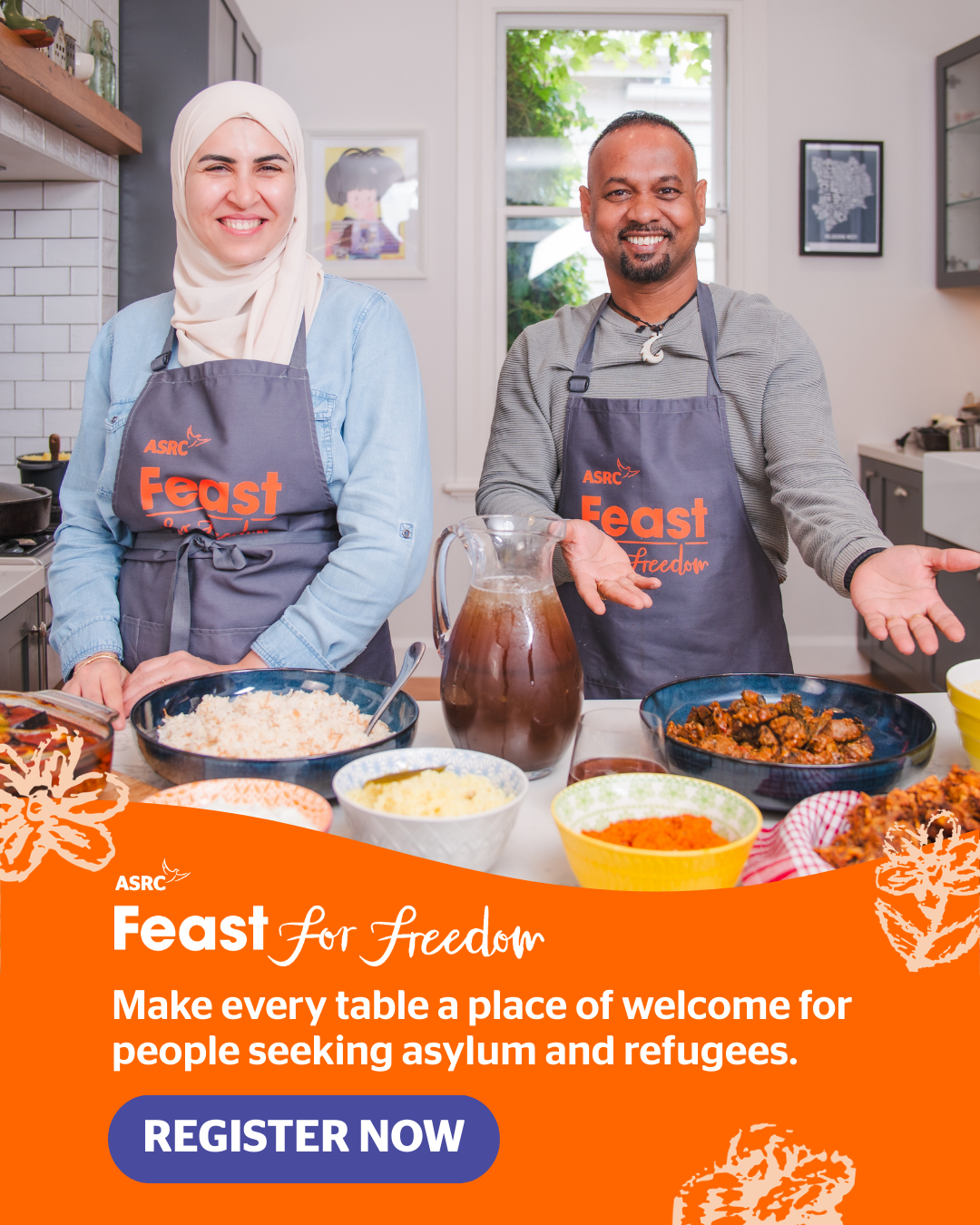
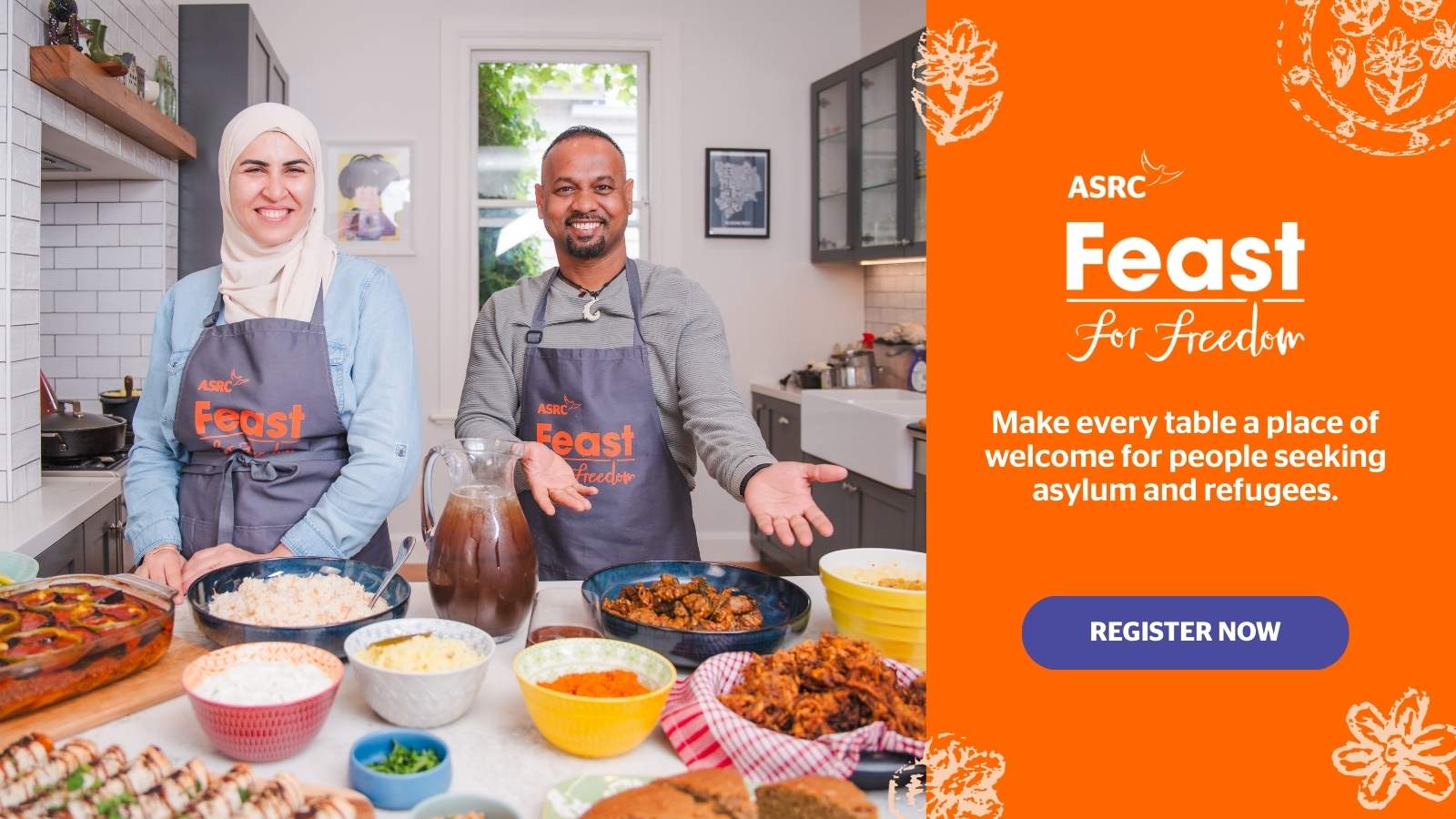
Imagine a table big enough for everyone, breaking bread and finding common ground with those we may see as ‘different’, but are at heart the same. Enter Feast for Freedom: a call for connection across cultures, and to say, ‘you are welcome here’.
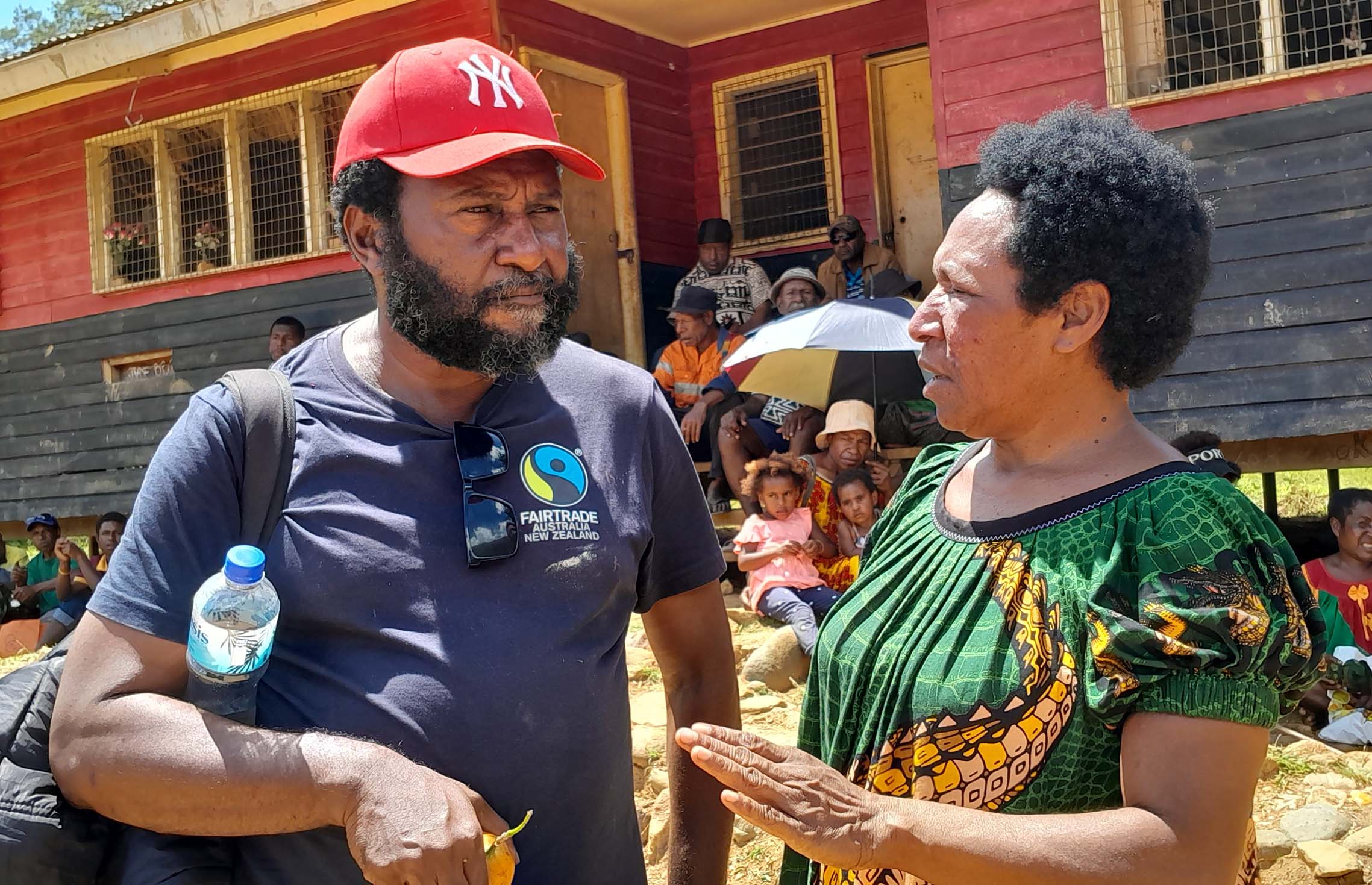
Coffee begins long before your morning cuppa! Papua New Guinean farmer Elizabeth Duna shares what it takes to grow great coffee, strengthen communities, and lead as a woman in farming, as 2026 marks the Year of the Woman Farmer.
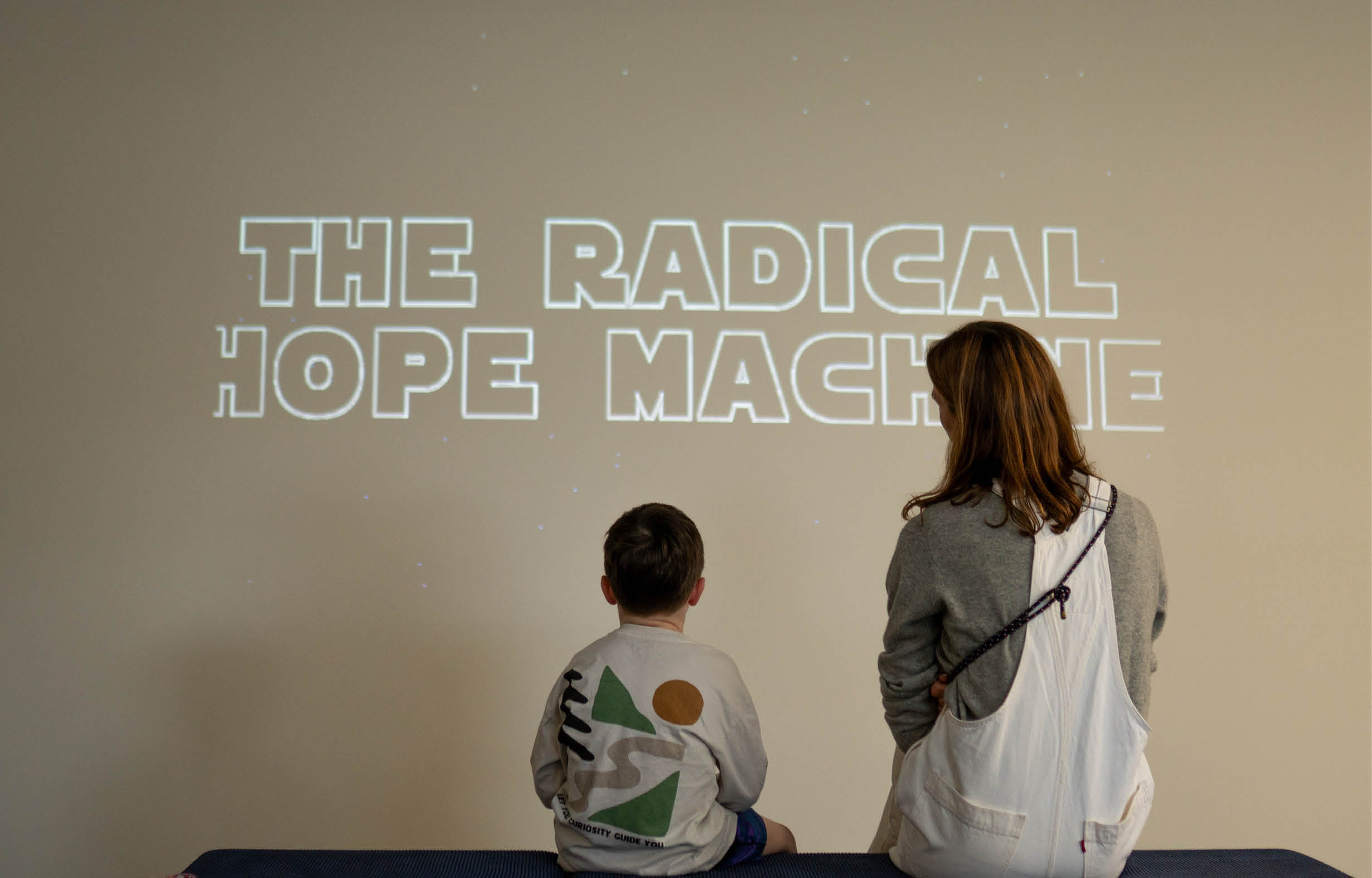
Salt air, good vibes and bold ideas will soon collide at the Sunshine Coast’s annual Horizon Festival. Celebrating ten years of creativity this May, Horizon brings art, music, performance and radical imagination to Kabi Kabi and Jinibara Country.
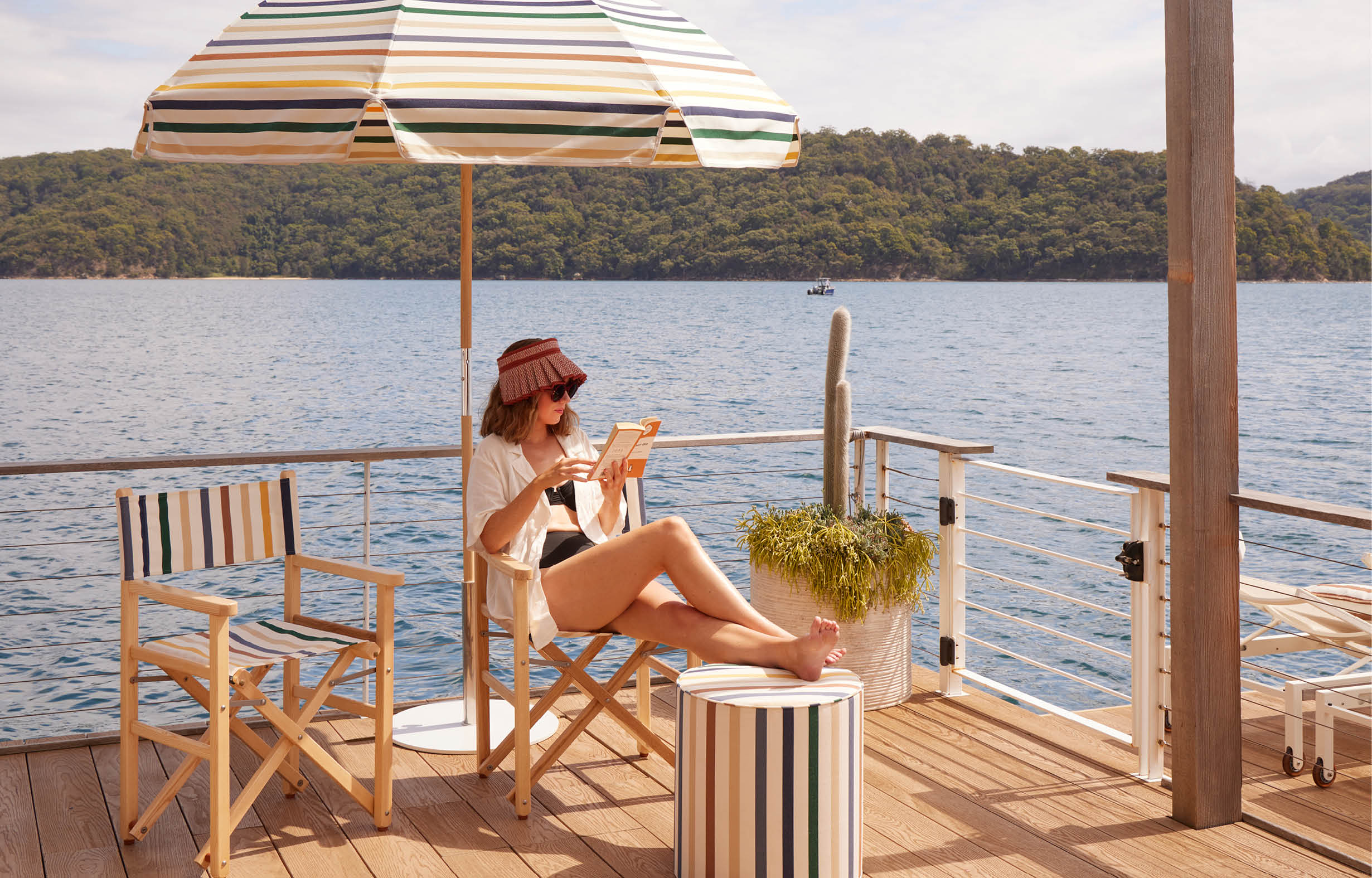
Looking for a beach (or backyard) brolly that’s anything but boring? Come stand under Basil Bangs’ umbrella! 17 years into their journey, this Northern Beaches-based company is actively pursuing B-Corp certification.
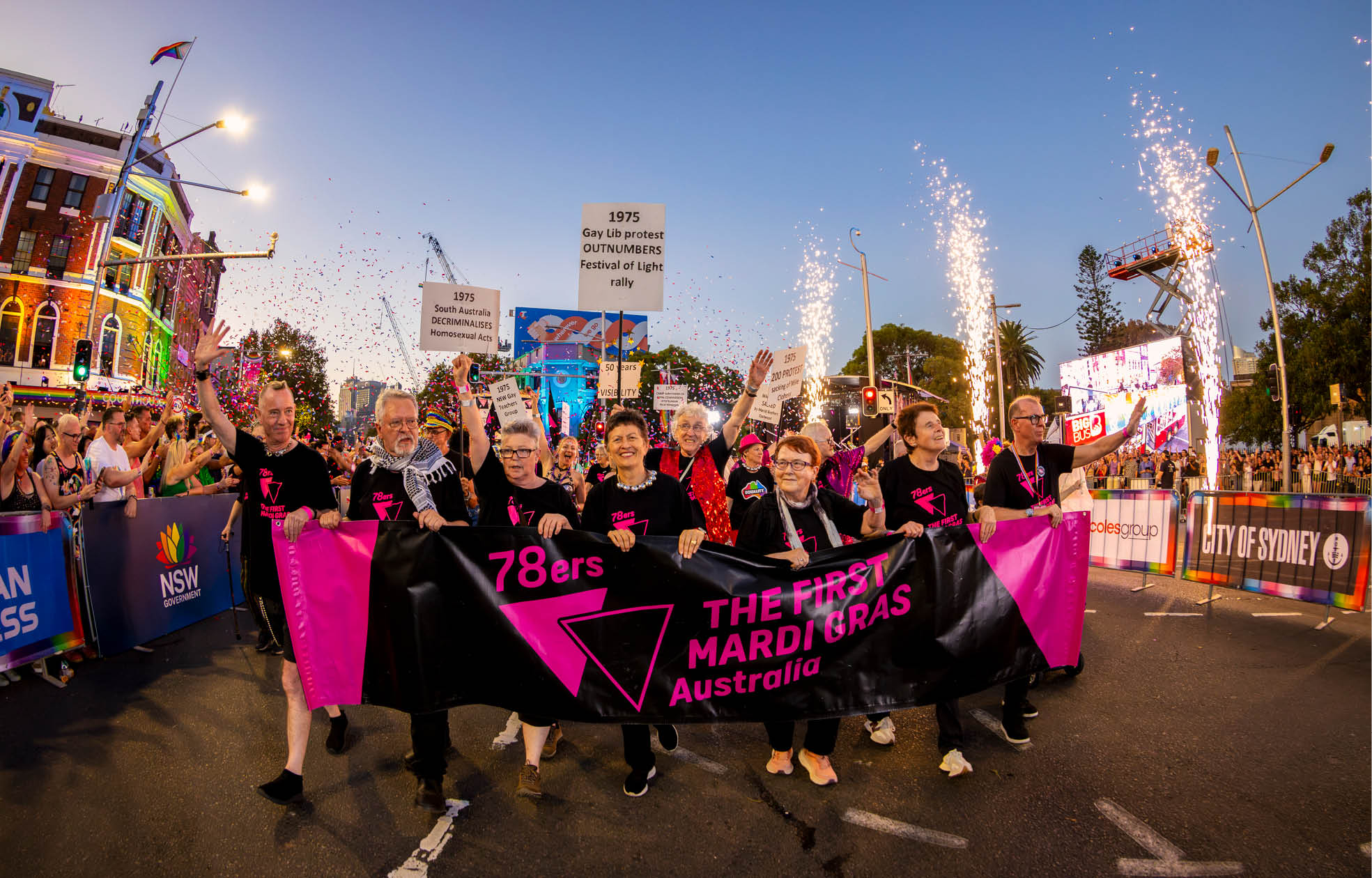
🎵 I’m coming out! I want the world to know, I’ve got to let it show… 🎵 The Sydney Mardi Gras isn’t just a celebration of glamour, grit and queer pride, it’s an act of defiance built on a background of activism and ongoing discrimination.
“My piece of advice for makers and designers? Run your own race… make sure your key decisions stay anchored in your brand’s core beliefs.” - Bec Bligh Quick show of hands: who’s opened a water bottle expecting a refreshing sip… and instead been greeted by the unmistakable whiff of uh-oh? Because for something that follows us everywhere (desk, car, hikes, yoga…), the humble drink bottle is strangely prone to becoming a science experiment. Hard-to-clean corners and gaskets. Mystery smells. Bec Bligh and her husband Tim know it well. A six-month sailing trip along the Queensland coast left them with a lifetime of memories and one stubborn annoyance: mouldy water bottles they couldn’t properly clean. So they did something about it. Enter @EverVessel. Thoughtfully designed borosilicate glass and stainless steel bottles that keep things beautifully simple: durable materials, wide openings, easy-to-clean parts and none of the techy gimmicks that tend to age badly. Turns out simplicity, done well, is pretty powerful stuff. (Their many design awards agree!) And lately they’ve added a little extra delight: the Artist Series, where creatives like Paola Castro, Ben Miners and Martin Thompson transform these everyday companions into tiny travelling artworks. There are more colabs in the works, too: hydration, but make it joyful! 🎨💧 We chatted with Bec about the sailing trip that started it all, the philosophy behind Ever Vessel, and why the most sustainable product is often just the one you keep using. Tap the link in our bio to read the full conversation. 🚰 #EverVessel #ReusableWaterBottle
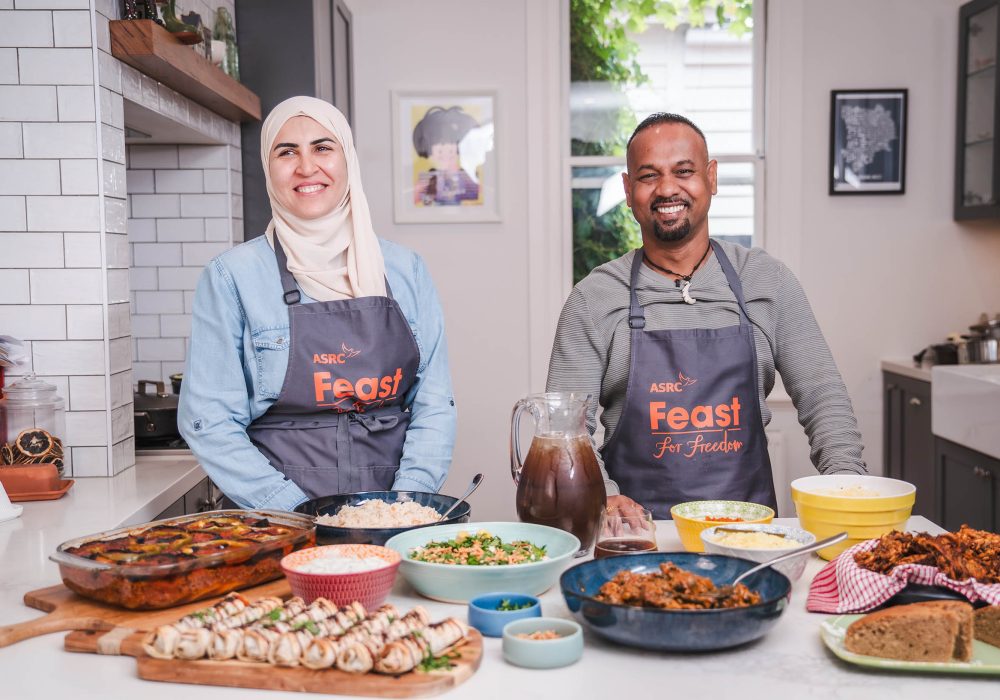
Pull up a chair… there’s room at this table! For the first time, Feast for Freedom is bringing people together for a spectacular long-table dinner as part of the Melbourne Food & Wine Festival. A Longer Table is exactly what it sounds like: one beautiful shared table inside the Asylum Seeker Resource Centre (@Asrc1), piled with generous dishes inspired by this year’s hero cooks, Noha and Nige. From 6 to 9pm on Wednesday, 25 March, this is what you can expect: 🍽 A three-course shared feast 🍷 Matched drinks 🎶 Live entertainment ✨ A room full of good humans Your ticket doesn’t just buy you a delicious dinner. It supports the ASRC’s vital work and helps create a fairer future for people seeking asylum. Seats are limited, and long tables have a way of filling up quickly – head to @MelbFoodAndWine’s website to book now: feastforfreedom.org.au/mfwf #FeastForFreedom #MelbourneFoodAndWineFestival #LongTableDinner #FoodForChange
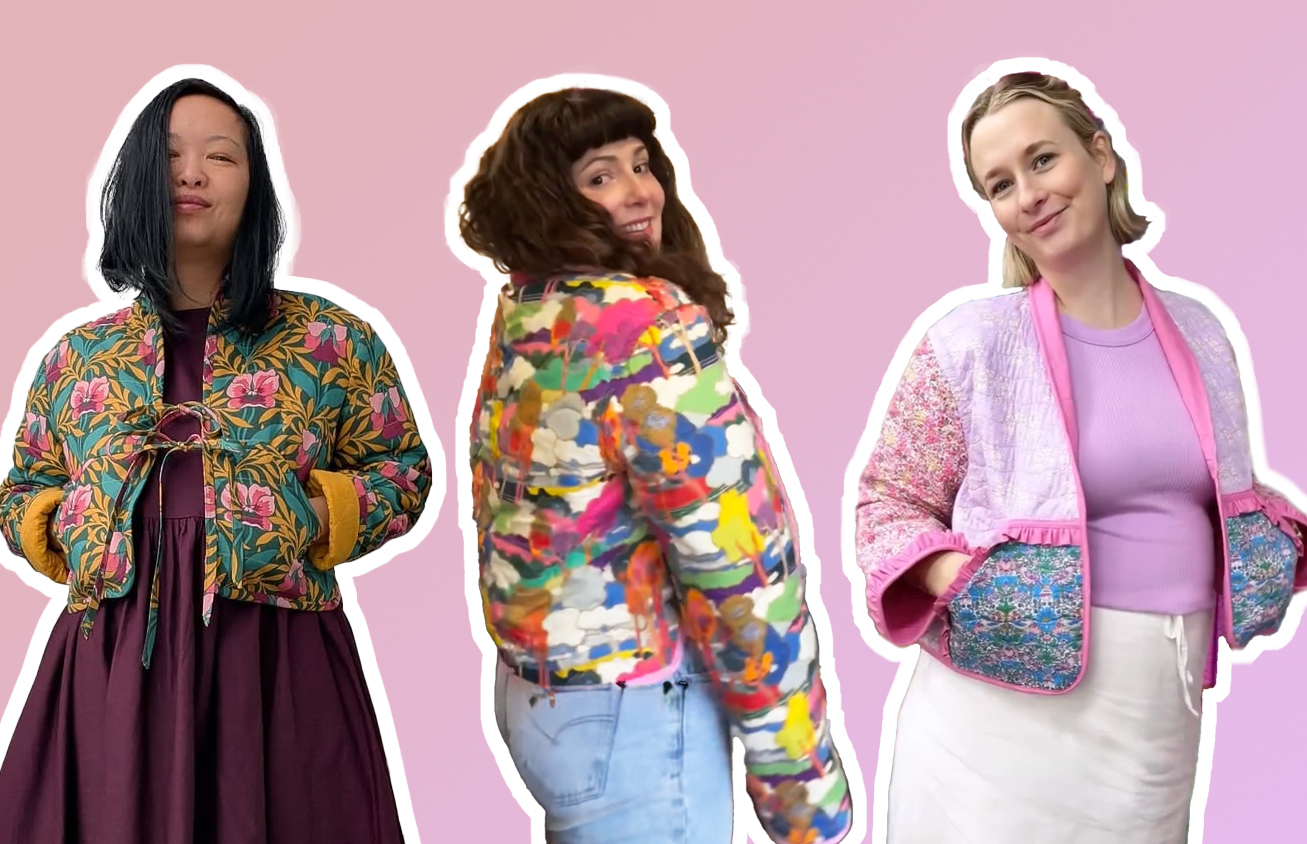
Another great make from Lisa from @SunnySewsEveryday:
My #PeppermintWaratahWrapDress is finished and I’m so proud of it. It has been designed not to flap open and flash your pants in the wind, so I feel confident it will be a great wheelchair or standing dress in English weather.
Frame your face with the Peppermint Bucket Hat! Stay safe and stylish in the sun with your very own self-sewn and self-drafted wide-brimmed bucket hat. This beginner-friendly sew is perfect for a sunny day. Get out your pencils – this pattern is created using equations and maths! This DIY project was featured in Issue 53 and now you can access it for the lovely low price of only $5. Sun-safe chic is always in style. ☀️ Find it via the link in our bio! Photos: @KelleySheenan #PeppermintPatterns #PeppermintBucketHat #BucketHat #BucketHatPattern #DIY
The Peppermint Myrtle Shift Dress is a beginner-friendly make with a few special details based on the ever-stylish shift shape – the perfect dress you need in your wardrobe right now!
Myrtle cuts above the knee with options to customise the length. Don’t think she’s reserved for hot weather either: try a heavier-weight fabric to turn your Myrtle into a pinafore-style garment for layering.
For our fabrics we chose two from our lovely sewing partner @Karmme_Apparel – the bold Rottnest Stripes in a lightweight, soft-drape cotton, and the quality linen in the handpainted Mexico Collection.
Get making the Myrtle – the only question is, can you stop at just one?
It’s time to Feast! Some recipes travel a long way before they land on your table to delight your taste buds. This year’s Feast for Freedom invites us to gather our friends, cook something delectable and raise funds for the incredible work of the Asylum Seeker Resource Centre (@Asrc1) while we’re at it. The 2026 Feast features recipes shared by two remarkable cooks: Noha, who brought the flavours of Palestine with her when she arrived in Australia, and Nige, a Sri-Lankan Tamil cook whose journey with food began in the most unexpected of places. You can host your own Feast up until 30 April – simply register online and get planning! Host a dinner, organise a workplace lunch, or gather your community… However you do it, the idea is simple: cook, connect and celebrate the cultures and stories that shape Australia. Want to find out more? Head to the link in bio to meet Noha and Nige, learn more about their stories, and discover a delicious recipe to try. #FeastForFreedom #PeppermintMagazine #FoodForGood #ASRC