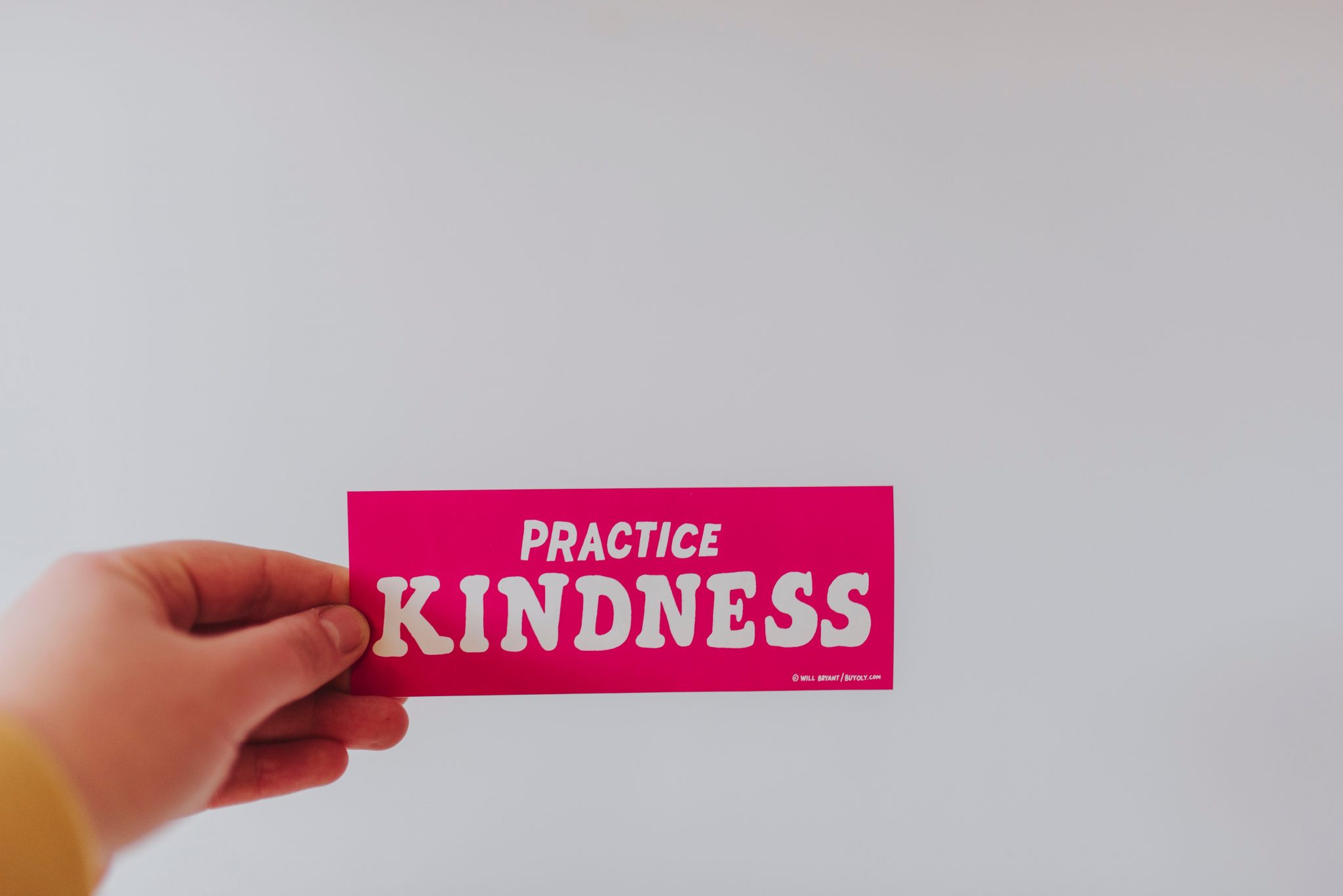
Happy World Kindness Day! On this delightful day, we’re throwing it back to a piece from Emiliana Simon-Thomas PHD – a researcher focused on kindness and compassion and its positive effect on the human brain. Back in Issue 26 of Peppermint, she took at look at the science of kindness – and how choosing to be kind can have a huge affect on our own wellbeing.
Kindness is something of a holy grail. In the required but informal “How to Survive Academia” seminar I went to in grad school at UC Berkeley, one professor explained that he was content with the work he’d done, he was most invested in teaching these days and that his most compelling advice was ‘Just Be Nice’. That stuck. In my view, taking the kind road at all the junctures we face every day is an incredible valuable, habit-forming exercise that can improve health and wellbeing for all of us.
Kind behaviours engage the systems in our brain that signal pleasure.
I became interested in the intersection of emotions and thinking as a result of working on a study that was trying to tie a particular pattern of brain activation to intelligence, as measured by a standard IQ test. I was testing people for this study, and despite the fact that we were not measuring it, I could see that peoples’ emotional states were having an impact on their cognitive performance. I went to graduate school to study this, drawn by a clinical population whose brain injuries led to a lack to emotional input to thinking and decision making – and who, despite performing well on IQ tests, are not able to function in society because of their impulsiveness, poor capacity to predict positive v negative outcomes, social ineptitude and other impairments. After looking closely at how negative emotional experience affected thinking during graduate school, I turned to positive and pro-social states (experiences that involve being interested in promoting the wellbeing of others) during my postdoctoral training. Frankly, it is so much more fun to study these, and they hold such promise for human flourishing on all levels, that I never looked back.
Kind behaviours engage the systems in our brain that signal pleasure. The same areas that respond to monetary awards or chocolate cake also come online when people give their own resources away in the service of others. Also, kindness in the context of caregiving and compassion engages areas of the brain that are involved in parental nurturance behaviours – and that use the neuropeptide Oxytocin. Oxytocin is associated with pleasurable social experiences and promotes feelings of trust and safety around others. Finally, kindness engages a part of the nervous system called the Vagus Nerve, which is purported to support social affiliation, personal contentment and emotional resilience.
Being tightly scheduled, busy busy busy, is a challenge to kindness because this promotes a more self-referential default mode of thinking.
There are many ways to measure the impact of kindness and happiness on a person’s life and wellbeing. First, we can look at happiness levels and see if they correlate with kindness. People that engage in more frequent acts of kindness score higher on measures of happiness, and it turns out that people who fall into the category of ‘Very Happy’ always have a strong network of friends and spend lots of time socialising. Presumably, this kind of life habit is more likely in people who are kinder. A second way is to look at how kind behaviours impact happiness – and this is the work of Elizabeth Dunn, who has showed that all over the world, the more ‘pro-social spending’ people do, the happier they are. Finally, a very recent study showed that in the elderly, service behaviours (volunteering) were associated with less vulnerability and shallower decline for dementia. The data overwhelmingly suggests that connecting with others in kind ways is decidedly good for health and wellbeing. At some level, kindness may involve some degree of what Kristin Neff calls Self-Compassion, which is a willingness to extend the same kind attitude that you are sharing with others towards yourself. In other words, like the oxygen mask in the airplane, yours needs to be on in order for you to be of use to anyone else.
Regrettably, one of the biggest challenges to kindness is not noticing, or being able to attend to opportunities to be kind in the world around us. One of the most famous studies in social psychology, the Good Samaritan study, showed that people who were in a rush, obliged by their feelings of being late to where they were going, opted not to help someone who was clearly suffering in their path. Being tightly scheduled, busy busy busy, is a challenge to kindness because this promotes a more self-referential default mode of thinking. Our nervous system, though absurdly computationally powerful, is also limited – and if all of our attention is consumed by self-focused issues – we’re simply not able to orient to the needs of anyone else. Another challenge is related to the devices we carry, which hijack our sense modalities so that we simply do not look up or listed to others in our vicinity, which again makes kindness a challenge. There are, of course, ways to use devices that don’t have this effect, but it takes some intentional tuning out of devices and being perceptually available.
Our basic potential for kindness should not live timidly under the shadow of our parallel potential for competition.
I think what science can provide is evidence that challenges a long held societal belief that kindness is somehow optional and meek – and only worth considering after one’s personal desires have been met. This ill-construed ‘survival of the fittest’ ethos always omits kindness as a source of fitness, focusing rather on brawn and capacity for sociopathic pursuit of power and success at the expense of others. Many sectors of American commerce in history, in fact, operated on this model – a small number of people attaining egregious success by exploiting the humanity of many. Today, it’s evident that the achievements associated with this kind of approach are typically short lived and have led to expensive, toxic downstream effects. With a non-partisan scientific explanation for kindness as a foundational value, the motivation for kindness does not have to come from one belief system or another, but can appeal across people for the benefit of everyone.
Science has provided me with more resolve – a stronger basis for the claims I make about why our basic potential for kindness should not live timidly under the shadow of our parallel potential for competition. Both are instrumental for survival – and often kindness gets us closer to our goals, faster and in a more sustainable way.


“My piece of advice for makers and designers? Run your own race… make sure your key decisions stay anchored in your brand’s core beliefs.”
- Bec Bligh
Quick show of hands: who’s opened a water bottle expecting a refreshing sip… and instead been greeted by the unmistakable whiff of uh-oh?
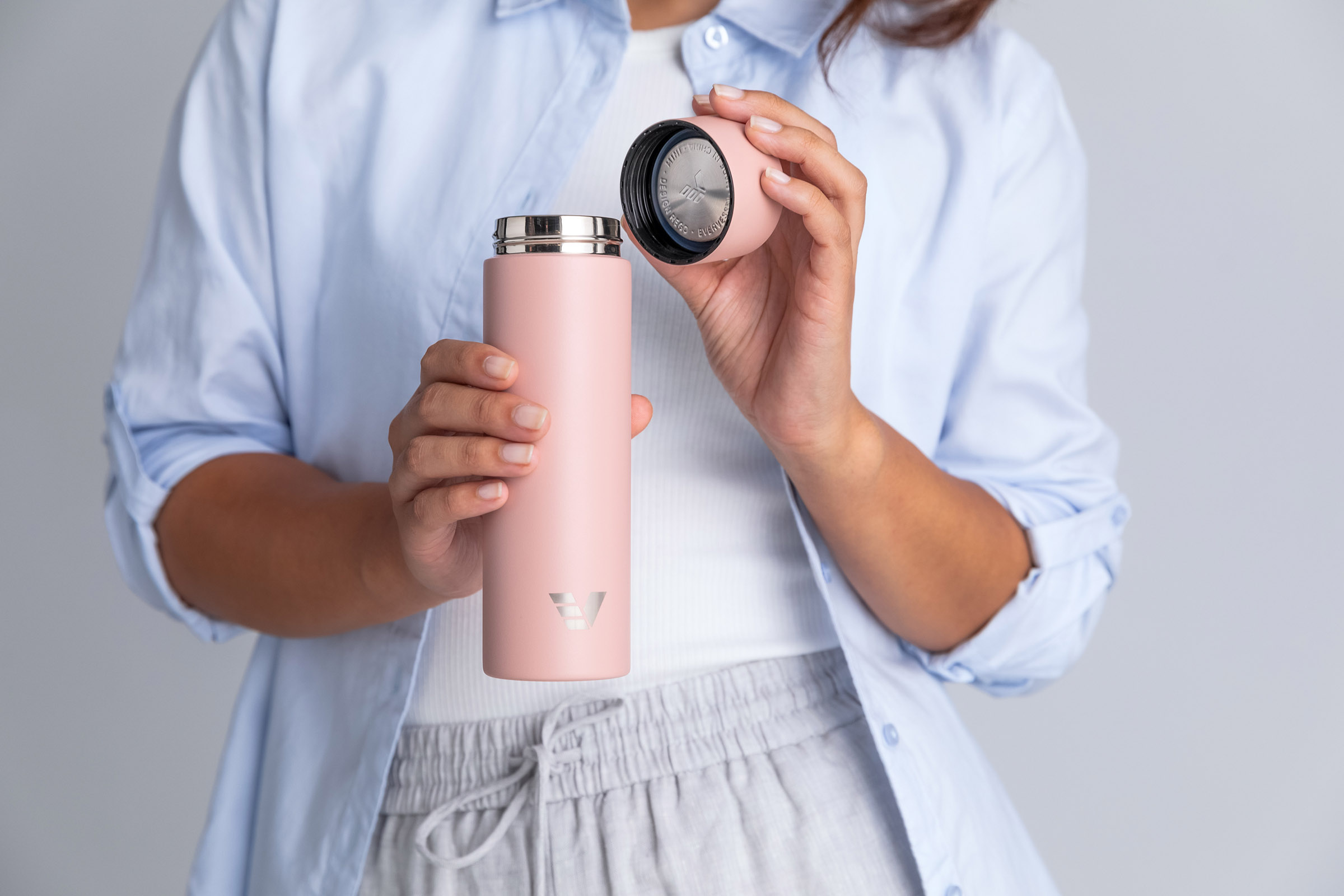
Because for something that follows us everywhere (desk, car, hikes, yoga…), the humble drink bottle is strangely prone to becoming a science experiment. Hard-to-clean corners and gaskets. Mystery smells. Bec Bligh and her husband Tim know it well. A six-month sailing trip along the Queensland coast left them with a lifetime of memories and one stubborn annoyance: mouldy water bottles they couldn’t properly clean.
So they did something about it.
Enter @EverVessel. Thoughtfully designed borosilicate glass and stainless steel bottles that keep things beautifully simple: durable materials, wide openings, easy-to-clean parts and none of the techy gimmicks that tend to age badly. Turns out simplicity, done well, is pretty powerful stuff. (Their many design awards agree!)
And lately they’ve added a little extra delight: the Artist Series, where creatives like Paola Castro, Ben Miners and Martin Thompson transform these everyday companions into tiny travelling artworks. There are more colabs in the works, too: hydration, but make it joyful! 🎨💧
We chatted with Bec about the sailing trip that started it all, the philosophy behind Ever Vessel, and why the most sustainable product is often just the one you keep using.
Tap the link in our bio to read the full conversation. 🚰
#EverVessel #ReusableWaterBottle


Pull up a chair… there’s room at this table!
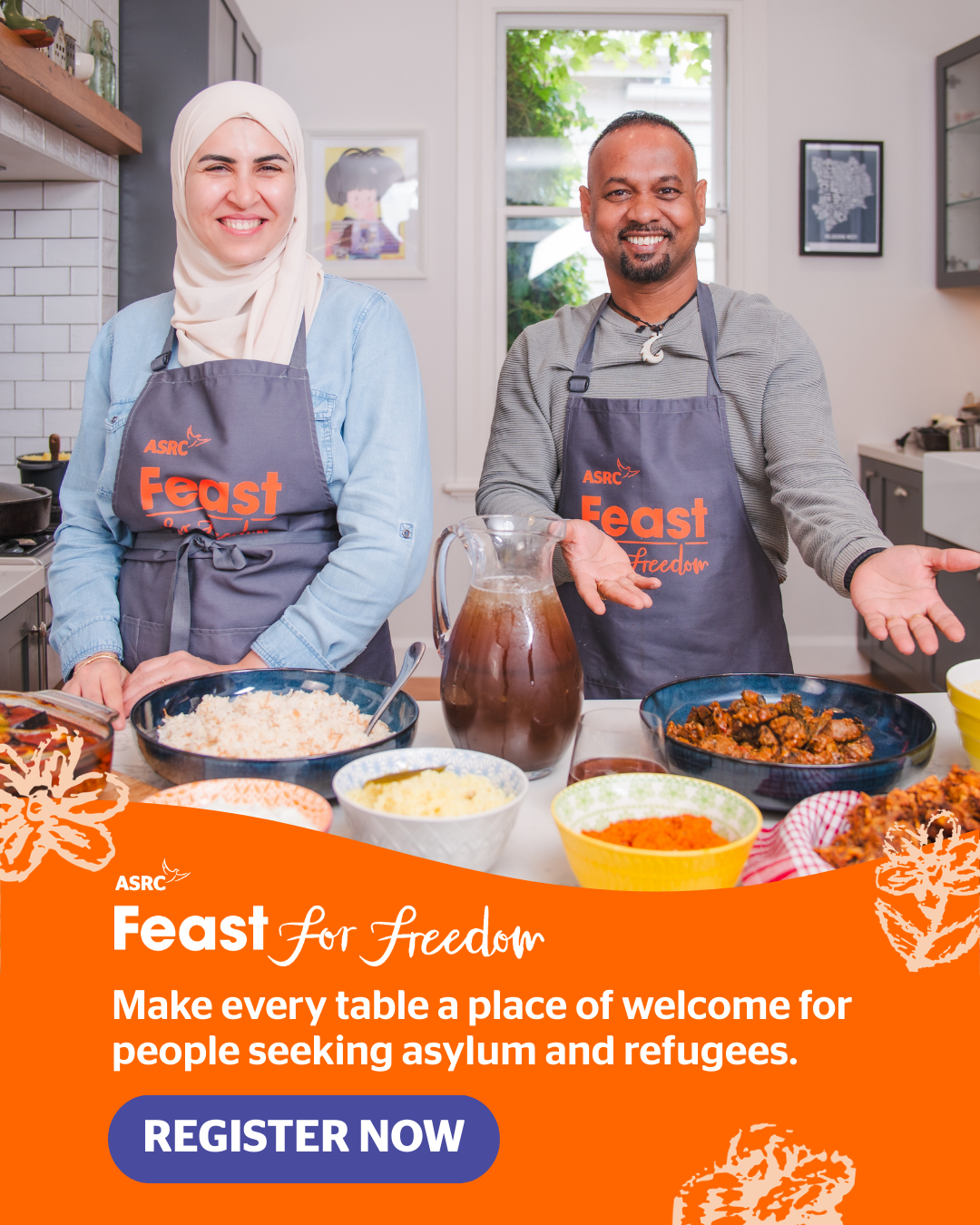
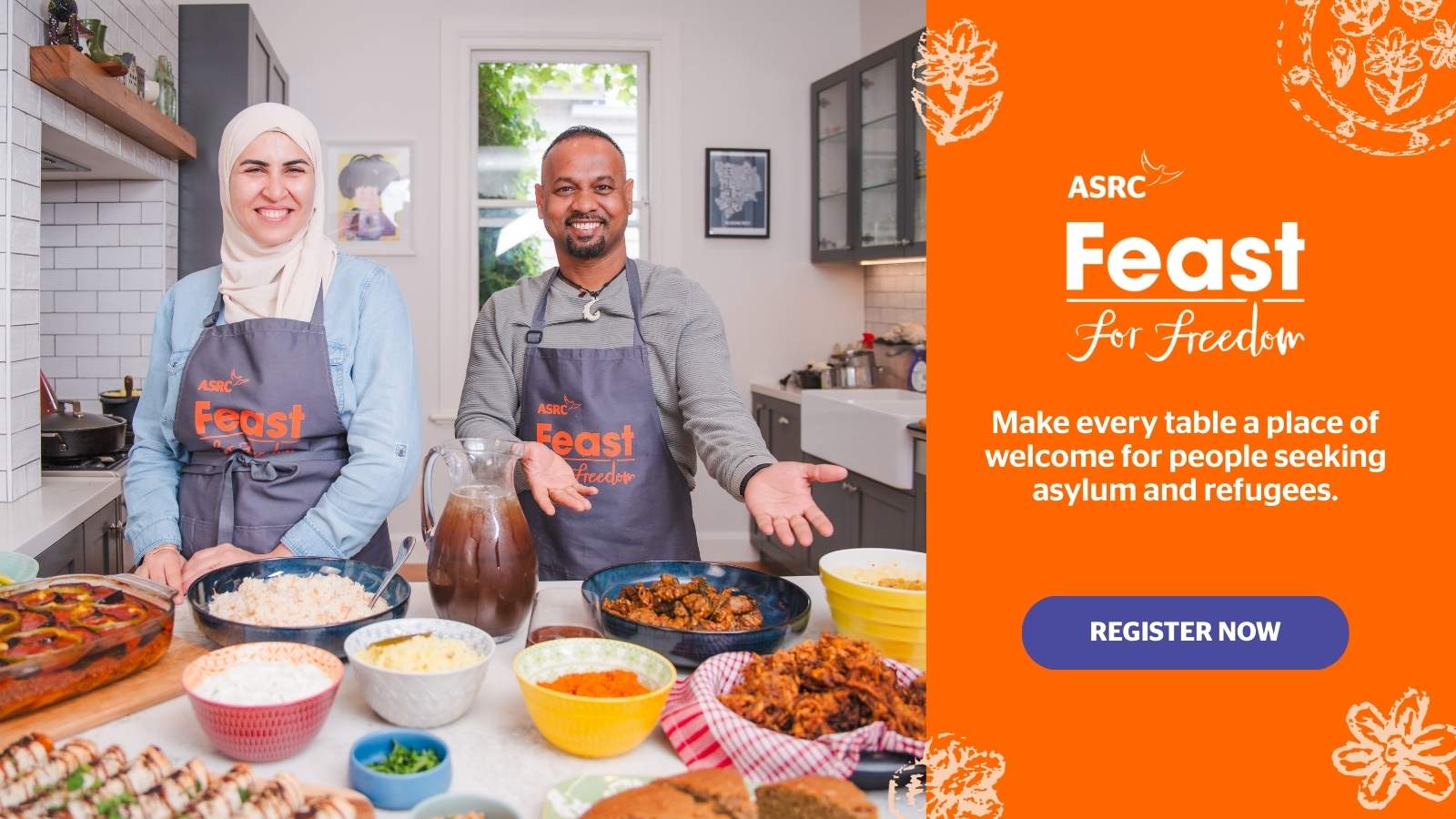
For the first time, Feast for Freedom is bringing people together for a spectacular long-table dinner as part of the Melbourne Food & Wine Festival.
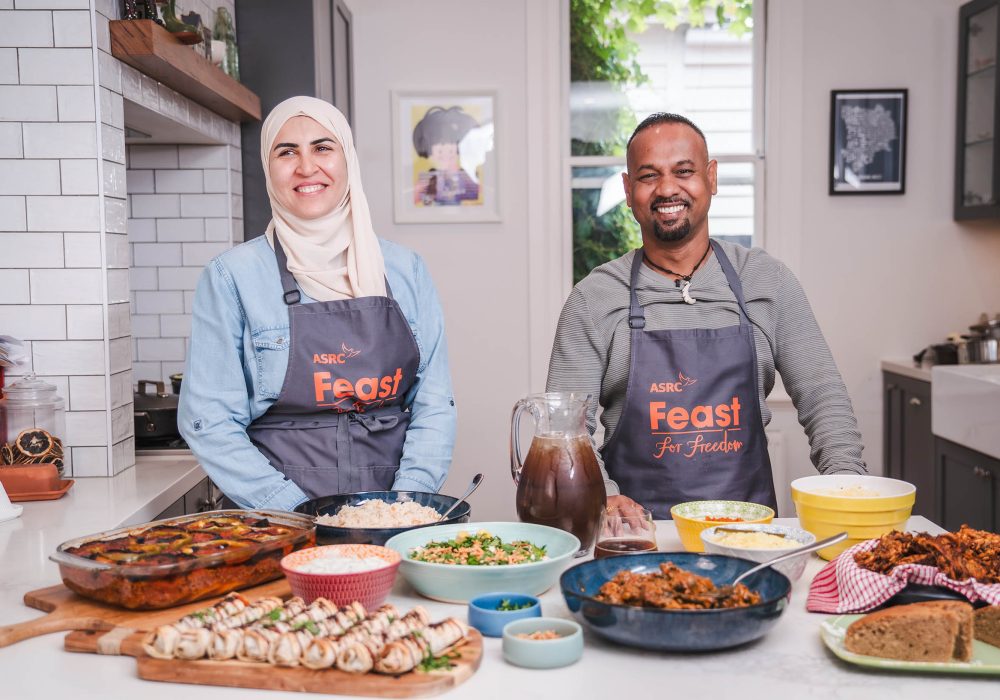
A Longer Table is exactly what it sounds like: one beautiful shared table inside the Asylum Seeker Resource Centre (@Asrc1), piled with generous dishes inspired by this year’s hero cooks, Noha and Nige.
From 6 to 9pm on Wednesday, 25 March, this is what you can expect:
🍽 A three-course shared feast
🍷 Matched drinks
🎶 Live entertainment
✨ A room full of good humans
Your ticket doesn’t just buy you a delicious dinner. It supports the ASRC’s vital work and helps create a fairer future for people seeking asylum.
Seats are limited, and long tables have a way of filling up quickly – head to @MelbFoodAndWine’s website to book now: feastforfreedom.org.au/mfwf
#FeastForFreedom #MelbourneFoodAndWineFestival #LongTableDinner #FoodForChange

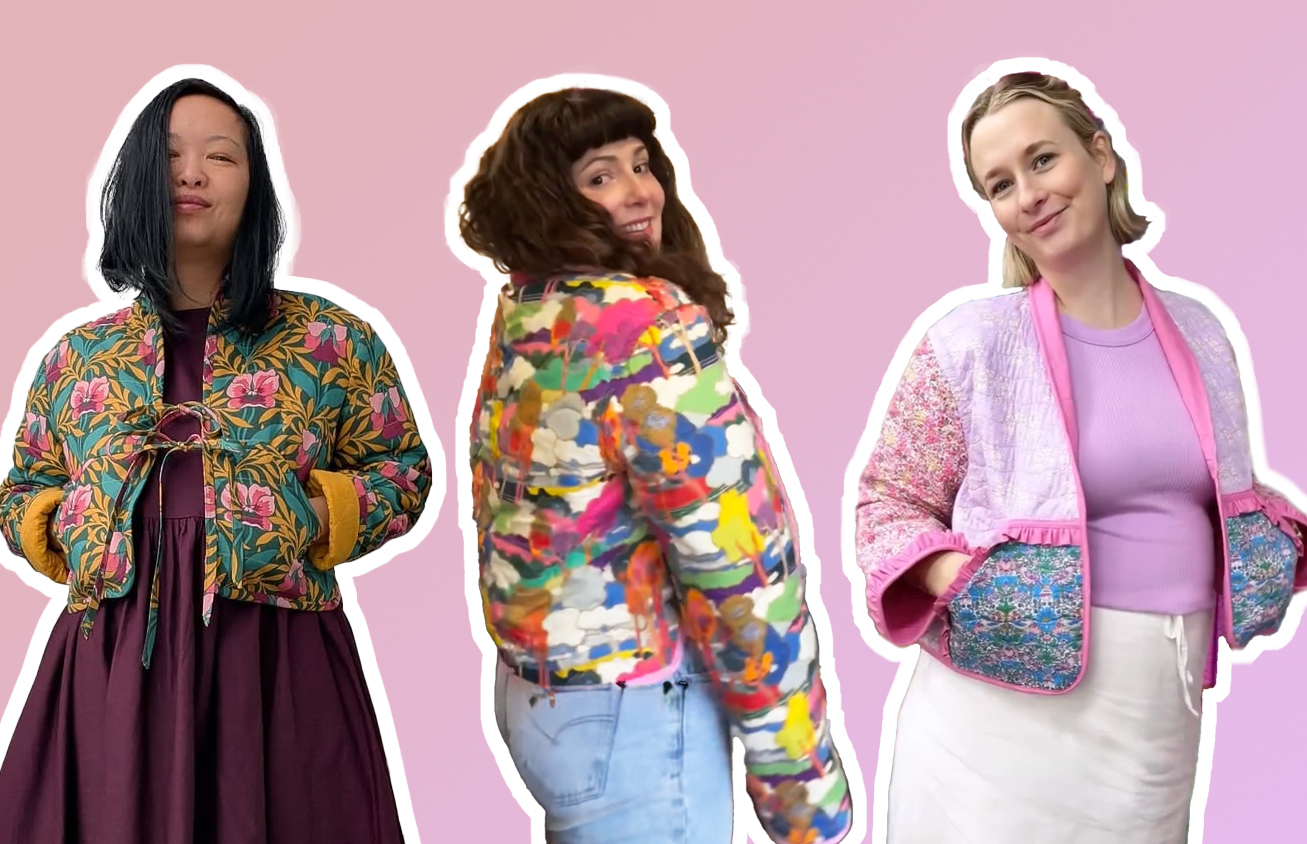
Sew versatile! 🪡
Another great make from Lisa from @SunnySewsEveryday:
My #PeppermintWaratahWrapDress is finished and I’m so proud of it. It has been designed not to flap open and flash your pants in the wind, so I feel confident it will be a great wheelchair or standing dress in English weather.
#PeppermintPatterns #WrapDress #WrapDressPattern

Frame your face with the Peppermint Bucket Hat!
Stay safe and stylish in the sun with your very own self-sewn and self-drafted wide-brimmed bucket hat. This beginner-friendly sew is perfect for a sunny day. Get out your pencils – this pattern is created using equations and maths!
This DIY project was featured in Issue 53 and now you can access it for the lovely low price of only $5.
Sun-safe chic is always in style. ☀️
Find it via the link in our bio!
Photos: @KelleySheenan
#PeppermintPatterns #PeppermintBucketHat #BucketHat #BucketHatPattern #DIY

✨ INSTANT CLASSIC ✨
The Peppermint Myrtle Shift Dress is a beginner-friendly make with a few special details based on the ever-stylish shift shape – the perfect dress you need in your wardrobe right now!
Myrtle cuts above the knee with options to customise the length. Don’t think she’s reserved for hot weather either: try a heavier-weight fabric to turn your Myrtle into a pinafore-style garment for layering.
For our fabrics we chose two from our lovely sewing partner @Karmme_Apparel – the bold Rottnest Stripes in a lightweight, soft-drape cotton, and the quality linen in the handpainted Mexico Collection.
Get making the Myrtle – the only question is, can you stop at just one?
Link in bio 🪡
Fabric: @Karmme_Apparel
Sewist: @Laura_The_Maker
Photos: @KelleySheenan
Models: @SerahSews and @Pins_And_Tonic
Location: @ShareTheDignityAustralia
#PeppermintMyrtleShiftDress #PeppermintPatterns

It’s time to Feast!
Some recipes travel a long way before they land on your table to delight your taste buds. This year’s Feast for Freedom invites us to gather our friends, cook something delectable and raise funds for the incredible work of the Asylum Seeker Resource Centre (@Asrc1) while we’re at it.
The 2026 Feast features recipes shared by two remarkable cooks: Noha, who brought the flavours of Palestine with her when she arrived in Australia, and Nige, a Sri-Lankan Tamil cook whose journey with food began in the most unexpected of places.
You can host your own Feast up until 30 April – simply register online and get planning! Host a dinner, organise a workplace lunch, or gather your community… However you do it, the idea is simple: cook, connect and celebrate the cultures and stories that shape Australia.
Want to find out more? Head to the link in bio to meet Noha and Nige, learn more about their stories, and discover a delicious recipe to try.
#FeastForFreedom #PeppermintMagazine #FoodForGood #ASRC
