Earth has warmed 1.09°C since pre-industrial times and many changes such as sea-level rise and glacier melt are now virtually irreversible, according to the most sobering report yet by the Intergovernmental Panel on Climate Change (IPCC).
The report also found escape from human-caused climate change is no longer possible. Climate change is now affecting every continent, region and ocean on Earth, and every facet of the weather.
The long-awaited report is the sixth assessment of its kind since the panel was formed in 1988. It will give world leaders the most timely, accurate information about climate change ahead of a crucial international summit in Glasgow, Scotland in November.
The IPCC is the peak climate science body of the United Nations and the World Meteorological Organisation. It is the global authority on the state of Earth’s climate and how human activities affect it. We are authors of the latest IPCC report and have drawn from the work of thousands of scientists from around the world to produce this new assessment.
Sadly, there is hardly any good news in the 3900 pages of text released today. But there is still time to avert the worst damage, if humanity chooses to.
Pep Canadell, Chief research scientist, Climate Science Centre, CSIRO Oceans and Atmosphere; and Executive Director, Global Carbon Project, CSIRO; Joelle Gergis, Senior Lecturer in Climate Science, Australian National University; Malte Meinshausen, A/Prof., School of Earth Sciences, The University of Melbourne; Mark Hemer, Principal Research Scientist, Oceans and Atmosphere, CSIRO, and Michael Grose, Climate projections scientist, CSIRO.
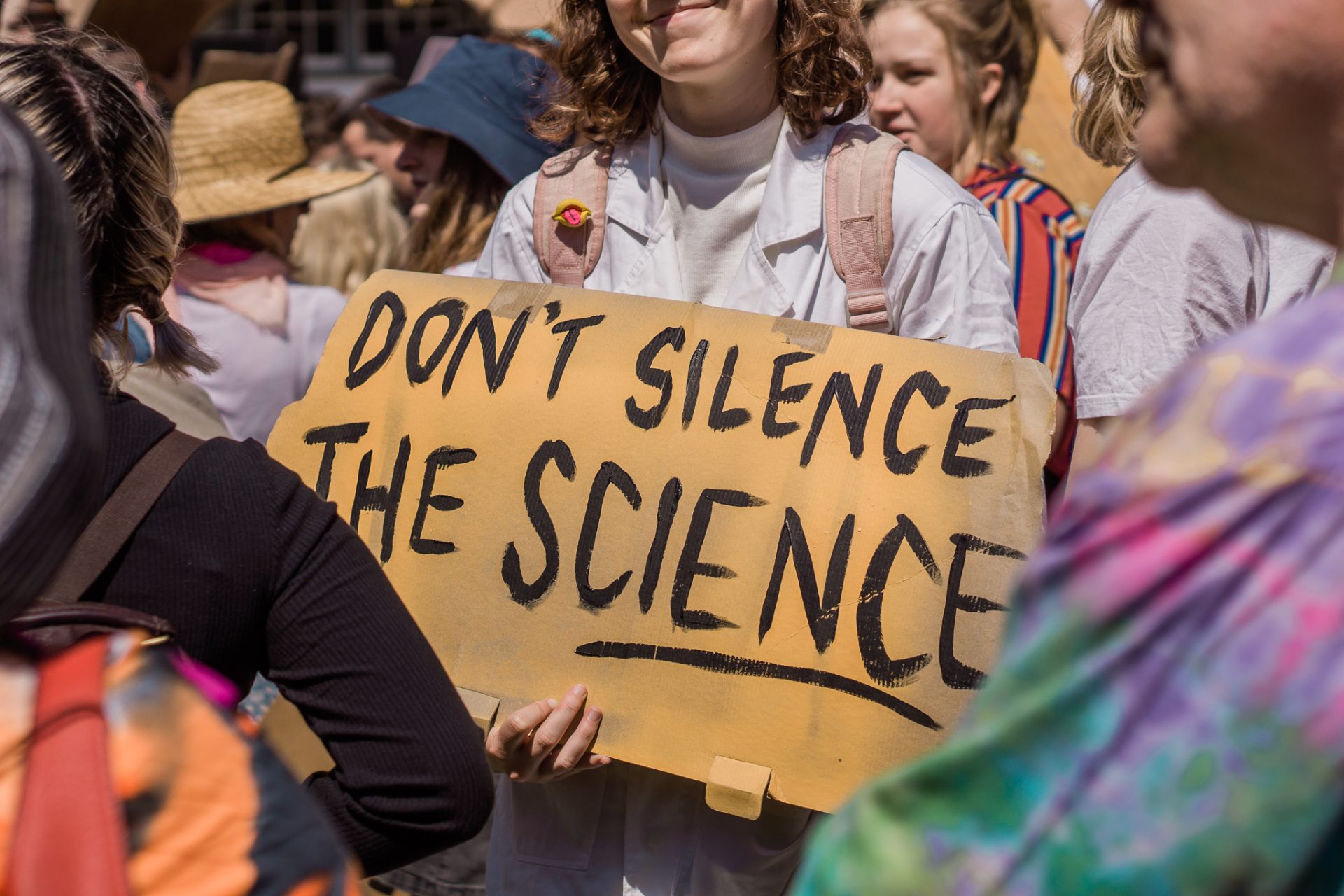
top image 2019 SCHOOL STRIKE FOR CLIMATE. PHOTO BY KELLEY SHEENAN
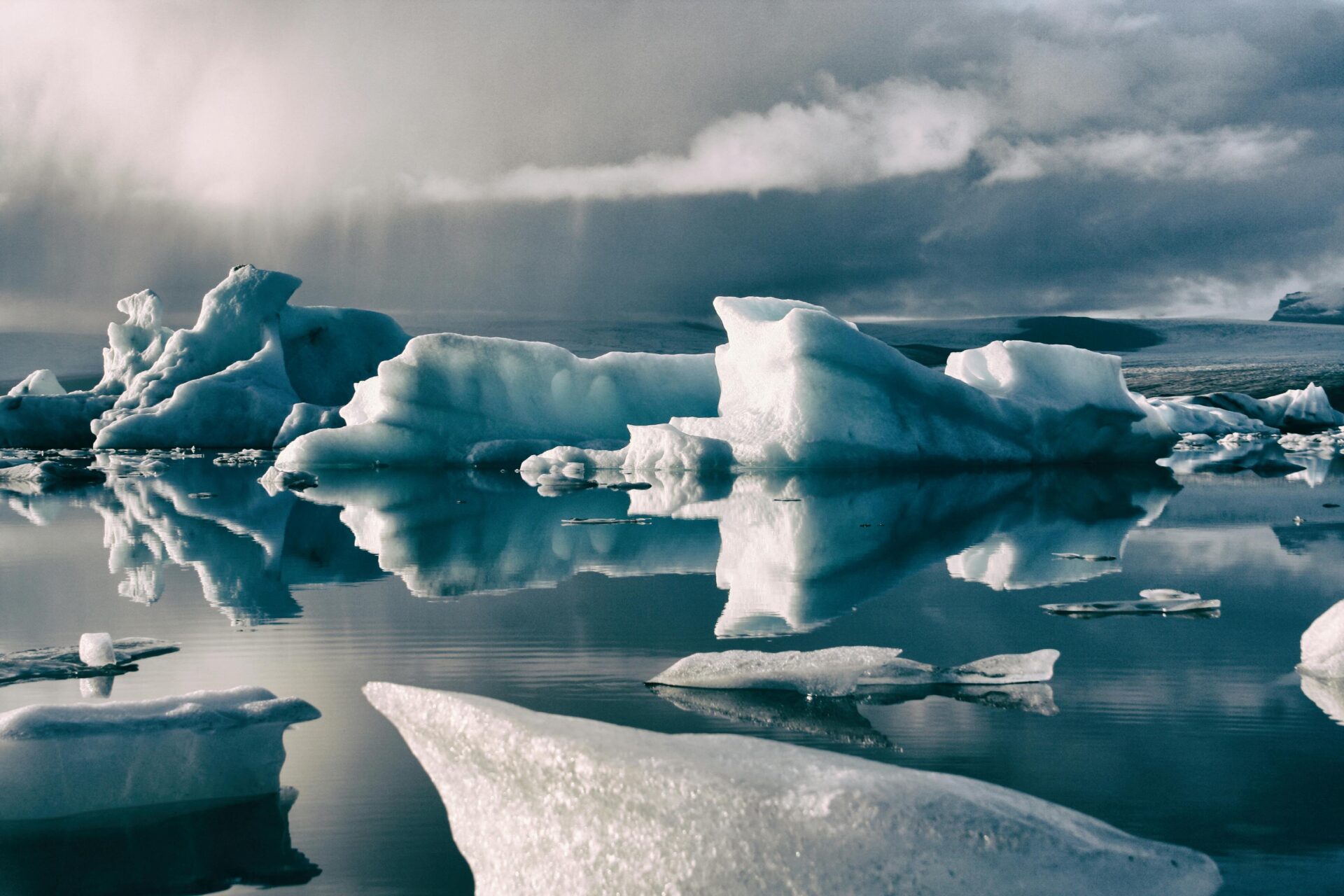
image ANDREA CREATIVE / PEXELS
It’s unequivocal: humans are warming the planet
For the first time, the IPCC states unequivocally – leaving absolutely no room for doubt – humans are responsible for the observed warming of the atmosphere, lands and oceans.
The IPCC finds Earth’s global surface temperature warmed 1.09°C between 1850-1900 and the last decade. This is 0.29°C warmer than in the previous IPCC report in 2013. (It should be noted that 0.1°C of the increase is due to data improvements.)
Read more: Monday’s IPCC report is a really big deal for climate change. So what is it? And why should we trust it?
The IPCC recognises the role of natural changes to the Earth’s climate. However, it finds 1.07°C of the 1.09°C warming is due to greenhouse gases associated with human activities. In other words, pretty much all global warming is due to humans.
Global surface temperature has warmed faster since 1970 than in any other 50-year period over at least the last 2000 years, with the warming also reaching ocean depths below 2000 metres.
The IPCC says human activities have also affected global precipitation (rain and snow). Since 1950, total global precipitation has increased, but while some regions have become wetter, others have become drier.
The frequency and intensity of heavy precipitation events have increased over most land areas. This is because the warmer atmosphere is able to hold more moisture – about 7% more for each additional degree of temperature – which makes wet seasons and rainfall events wetter.
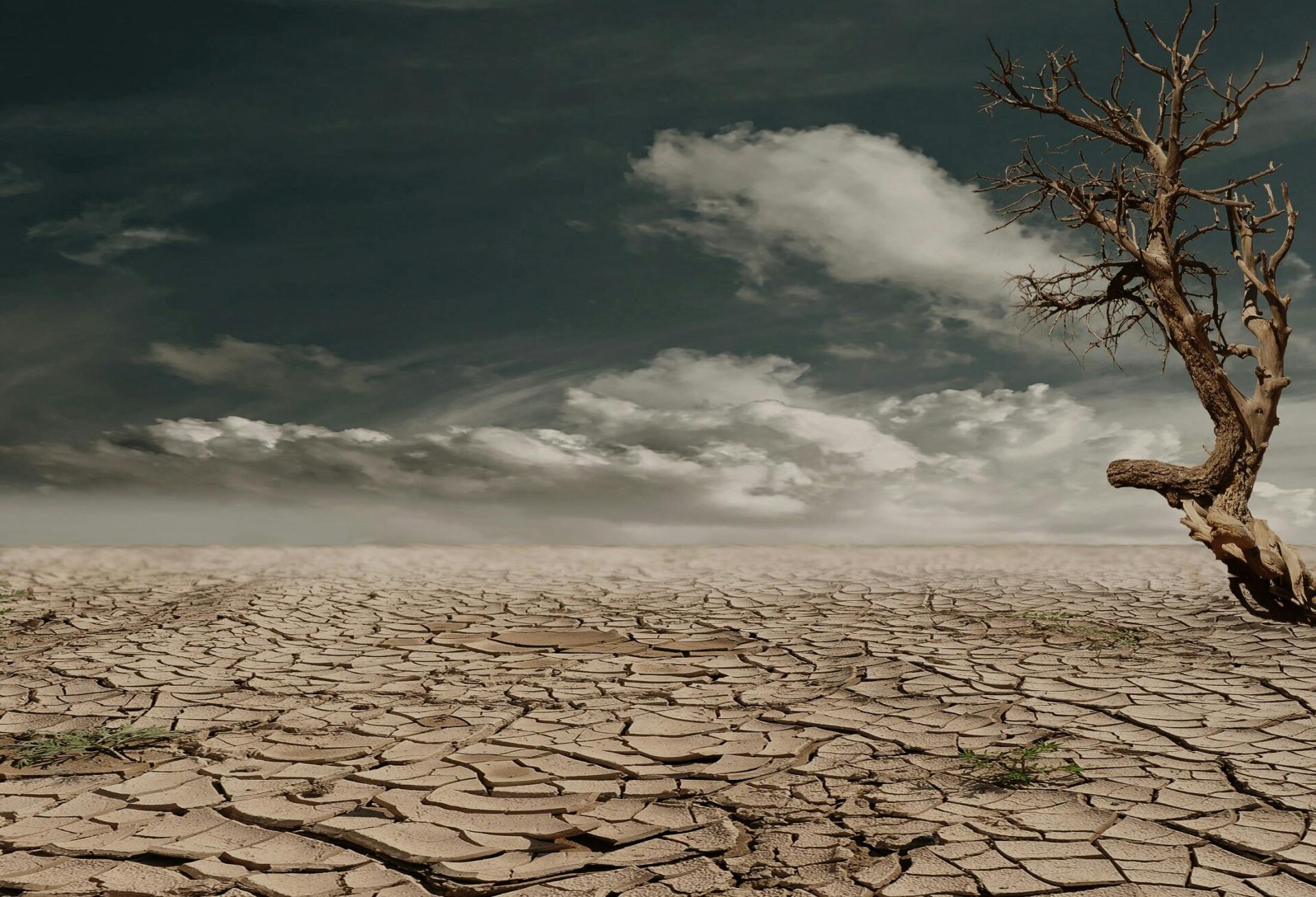
image PIXABAY / PEXELS
Higher concentrations of CO2, growing faster
Present-day global concentrations of atmospheric carbon dioxide (CO2) are higher and rising faster than at any time in at least the past two million years.
The speed at which atmospheric CO2 has increased since the industrial revolution (1750) is at least 10 times faster than at any other time during the last 800,000 years, and between four and five times faster than during the last 56 million years.
About 85% of CO2 emissions are from burning fossil fuels. The remaining 15% are generated from land use change, such as deforestation and degradation.
Read more: More livestock, more carbon dioxide, less ice: the world’s climate change progress since 2019 is (mostly) bad news
Concentrations of other greenhouse gases are not doing any better. Both methane and nitrous oxide, the second and third biggest contributors to global warming after CO2, have also increased more quickly.
Methane emissions from human activities largely come from livestock and the fossil fuel industry. Nitrous oxide emissions largely come from the use of nitrogen fertiliser on crops.
Extreme weather on the rise
Hot extremes, heatwaves and heavy rain have also become more frequent and intense across most land regions since 1950, the IPCC confirms.
The report highlights that some recently observed hot extremes, such as the Australian summer of 2012–2013, would have been extremely unlikely without human influence on the climate.
Human influence has also been detected for the first time in compounded extreme events. For example, incidences of heatwaves, droughts and fire weather happening at the same time are now more frequent. These compound events have been seen in Australia, Southern Europe, Northern Eurasia, parts of the Americas and African tropical forests.
Oceans: hotter, higher and more acidic
Oceans absorb 91% of the energy from the increased atmospheric greenhouse gases. This has led to ocean warming and more marine heatwaves, particularly over the past 15 years.
Marine heatwaves cause the mass death of marine life, such as from coral bleaching events. They also cause algal blooms and shifts in the composition of species. Even if the world restricts warming to 1.5-2°C, as is consistent with the Paris Agreement, marine heatwaves will become four times more frequent by the end of the century.
Read more: Watching a coral reef die as climate change devastates one of the most pristine tropical island areas on Earth
Melting ice sheets and glaciers, along with the expansion of the ocean as it warms, have led to a global mean sea level increase of 0.2 metres between 1901 and 2018. But, importantly, the speed sea level is rising is accelerating: 1.3 millimetres per year during 1901-1971, 1.9mm per year during 1971-2006, and 3.7mm per year during 2006-2018.
Ocean acidification, caused by the uptake of CO2, has occurred over all oceans and is reaching depths beyond 2000m in the Southern Ocean and North Atlantic.
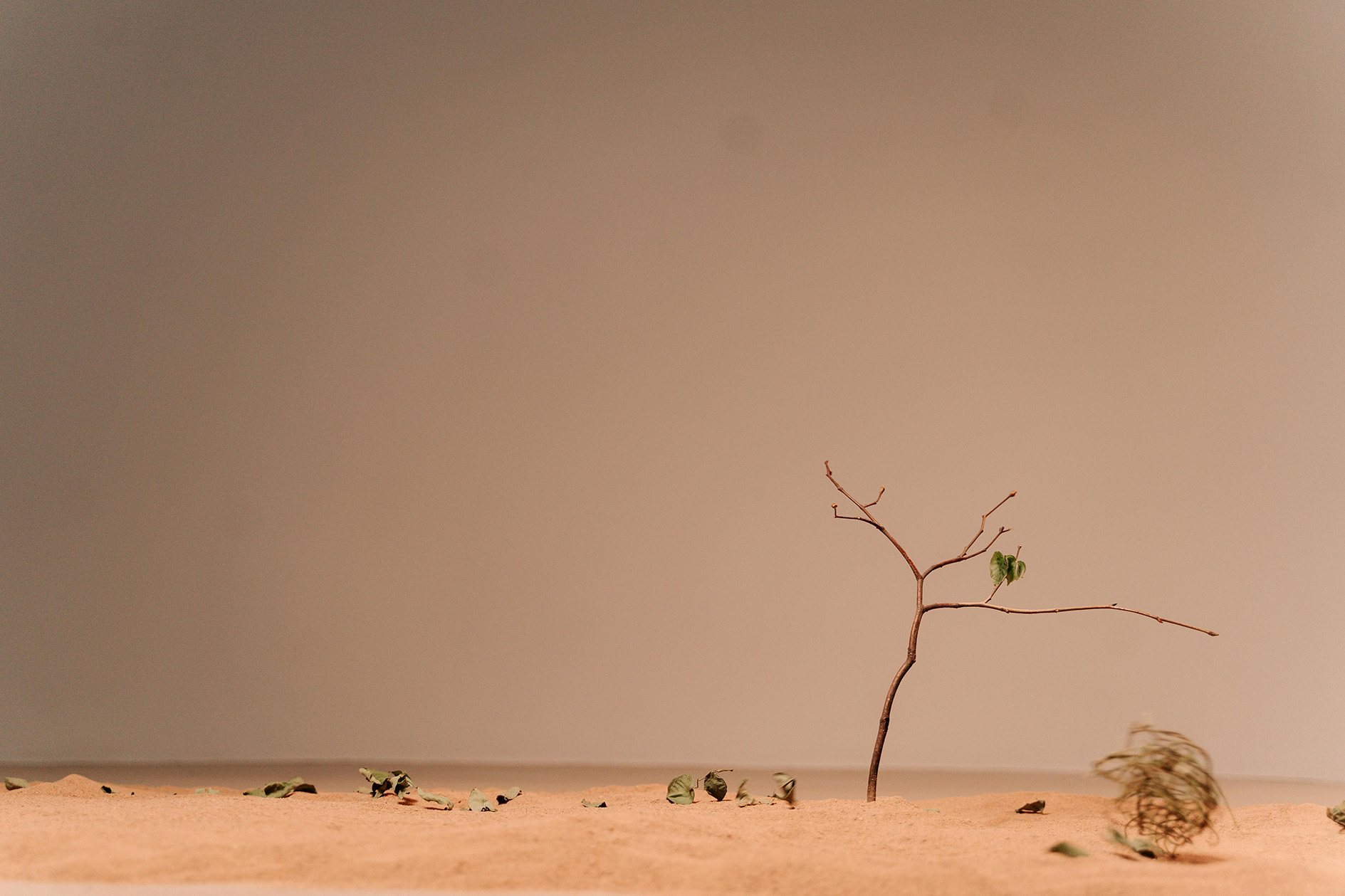
image RON LACH / PEXELS
Many changes are already irreversible
The IPCC says if Earth’s climate was stabilised soon, some climate change-induced damage could not be reversed within centuries, or even millennia. For example, global warming of 2°C this century will lead to average global sea level rise of between two and six metres over 2000 years, and much more for higher emission scenarios.
Globally, glaciers have been synchronously retreating since 1950 and are projected to continue to melt for decades after the global temperature is stabilised. Meanwhile the acidification of the deep ocean will remain for thousands of years after CO2 emissions cease.
Read more: We mapped the world’s frozen peatlands – what we found was very worrying
The report does not identify any possible abrupt changes that would lead to an acceleration of global warming during this century – but does not rule out such possibilities.
The prospect of permafrost (frozen soils) in Alaska, Canada and Russia crossing a tipping point has been widely discussed. The concern is that as frozen ground thaws, large amounts of carbon accumulated over thousands of years from dead plants and animals could be released as they decompose.
The report does not identify any globally significant abrupt change in these regions over this century, based on currently available evidence. However, it projects permafrost areas will release about 66 billion tonnes of CO2 for each additional degree of warming. These emissions are irreversible during this century under all warming scenarios.
How we can stabilise the climate
Earth’s surface temperature will continue to increase until at least 2050 under all emissions scenarios considered in the report. The assessment shows Earth could well exceed the 1.5°C warming limit by early 2030s.
If we reduce emissions sufficiently, there is only a 50% chance global temperature rise will stay around 1.5°C (including a temporary overshoot of up to 0.1°C). To get Earth back to below 1.5°C warming, CO2 would need to be removed from the atmosphere using negative emissions technologies or nature-based solutions.
Global warming stays below 2°C during this century only under scenarios where CO2 emissions reach net-zero around or after 2050.
Read more: We’ve made progress to curb global emissions. But it’s a fraction of what’s needed
The IPCC analysed future climate projections from dozens of climate models, produced by more than 50 modelling centres around the world. It showed global average surface temperature rises between 1-1.8°C and 3.3-5.7°C this century above pre-industrial levels for the lowest and highest emission scenarios, respectively. The exact increase the world experiences will depend on how much more greenhouse gases are emitted.
The report states, with high certainty, that to stabilise the climate, CO2 emissions must reach net zero, and other greenhouse gas emissions must decline significantly.
We also know, for a given temperature target, there’s a finite amount of carbon we can emit before reaching net zero emissions. To have a 50:50 chance of halting warming at around 1.5°C, this quantity is about 500 billion tonnes of CO2.
At current levels of CO2 emissions this “carbon budget” would be used up within 12 years. Exhausting the budget will take longer if emissions begin to decline.
The IPCC’s latest findings are alarming. But no physical or environmental impediments exist to hold warming to well below 2°C and limit it to around 1.5°C – the globally agreed goals of the Paris Agreement. Humanity, however, must choose to act.
Click here to read more of The Conversation’s coverage of the IPCC report
This article is republished from The Conversation under a Creative Commons license. Read the original article.




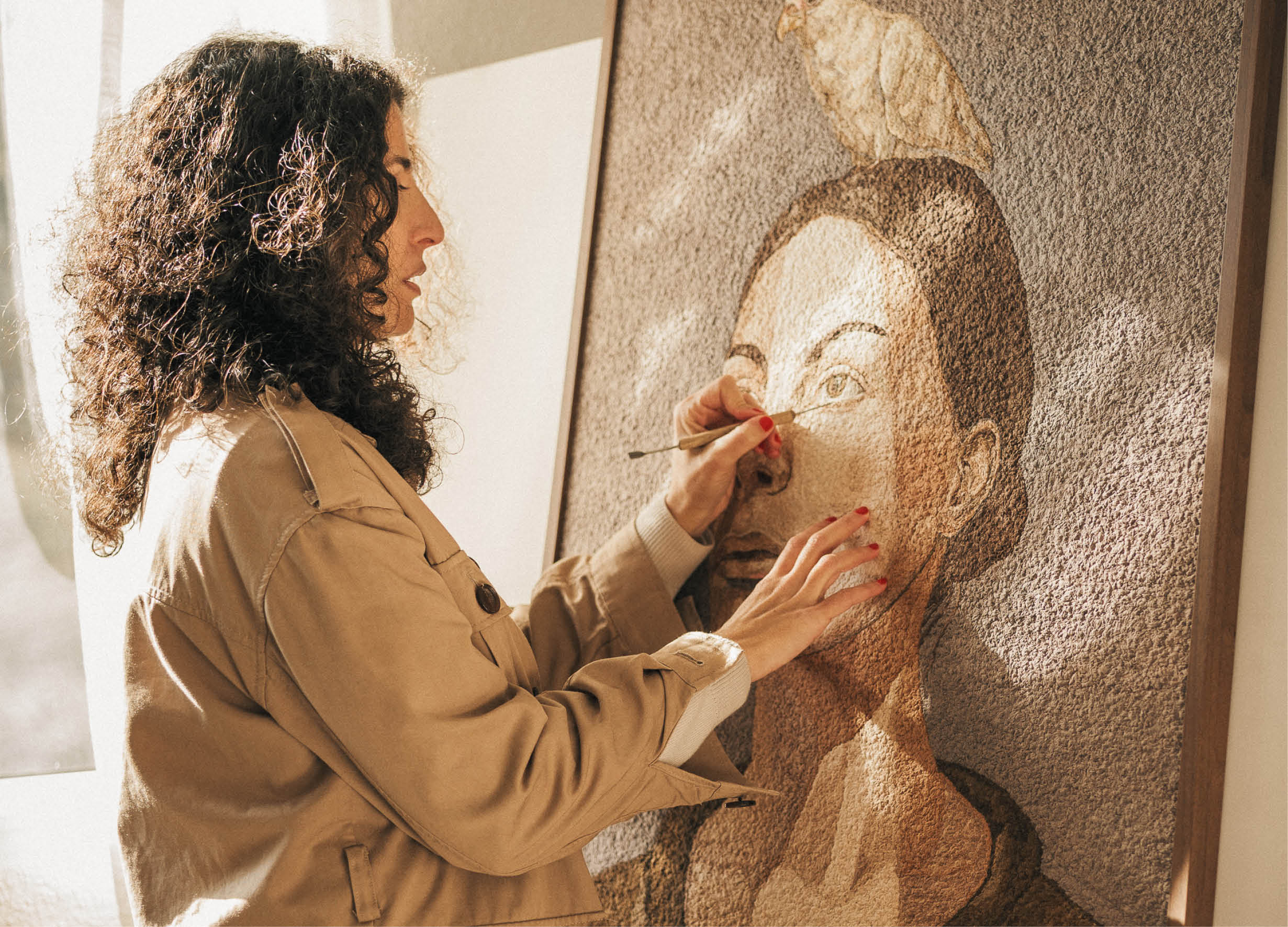







“My piece of advice for makers and designers? Run your own race… make sure your key decisions stay anchored in your brand’s core beliefs.”
- Bec Bligh
Quick show of hands: who’s opened a water bottle expecting a refreshing sip… and instead been greeted by the unmistakable whiff of uh-oh?
Because for something that follows us everywhere (desk, car, hikes, yoga…), the humble drink bottle is strangely prone to becoming a science experiment. Hard-to-clean corners and gaskets. Mystery smells. Bec Bligh and her husband Tim know it well. A six-month sailing trip along the Queensland coast left them with a lifetime of memories and one stubborn annoyance: mouldy water bottles they couldn’t properly clean.
So they did something about it.
Enter @EverVessel. Thoughtfully designed borosilicate glass and stainless steel bottles that keep things beautifully simple: durable materials, wide openings, easy-to-clean parts and none of the techy gimmicks that tend to age badly. Turns out simplicity, done well, is pretty powerful stuff. (Their many design awards agree!)
And lately they’ve added a little extra delight: the Artist Series, where creatives like Paola Castro, Ben Miners and Martin Thompson transform these everyday companions into tiny travelling artworks. There are more colabs in the works, too: hydration, but make it joyful! 🎨💧
We chatted with Bec about the sailing trip that started it all, the philosophy behind Ever Vessel, and why the most sustainable product is often just the one you keep using.
Tap the link in our bio to read the full conversation. 🚰
#EverVessel #ReusableWaterBottle


Pull up a chair… there’s room at this table!
For the first time, Feast for Freedom is bringing people together for a spectacular long-table dinner as part of the Melbourne Food & Wine Festival.
A Longer Table is exactly what it sounds like: one beautiful shared table inside the Asylum Seeker Resource Centre (@Asrc1), piled with generous dishes inspired by this year’s hero cooks, Noha and Nige.
From 6 to 9pm on Wednesday, 25 March, this is what you can expect:
🍽 A three-course shared feast
🍷 Matched drinks
🎶 Live entertainment
✨ A room full of good humans
Your ticket doesn’t just buy you a delicious dinner. It supports the ASRC’s vital work and helps create a fairer future for people seeking asylum.
Seats are limited, and long tables have a way of filling up quickly – head to @MelbFoodAndWine’s website to book now: feastforfreedom.org.au/mfwf
#FeastForFreedom #MelbourneFoodAndWineFestival #LongTableDinner #FoodForChange

Sew versatile! 🪡
Another great make from Lisa from @SunnySewsEveryday:
My #PeppermintWaratahWrapDress is finished and I’m so proud of it. It has been designed not to flap open and flash your pants in the wind, so I feel confident it will be a great wheelchair or standing dress in English weather.
#PeppermintPatterns #WrapDress #WrapDressPattern

Frame your face with the Peppermint Bucket Hat!
Stay safe and stylish in the sun with your very own self-sewn and self-drafted wide-brimmed bucket hat. This beginner-friendly sew is perfect for a sunny day. Get out your pencils – this pattern is created using equations and maths!
This DIY project was featured in Issue 53 and now you can access it for the lovely low price of only $5.
Sun-safe chic is always in style. ☀️
Find it via the link in our bio!
Photos: @KelleySheenan
#PeppermintPatterns #PeppermintBucketHat #BucketHat #BucketHatPattern #DIY

✨ INSTANT CLASSIC ✨
The Peppermint Myrtle Shift Dress is a beginner-friendly make with a few special details based on the ever-stylish shift shape – the perfect dress you need in your wardrobe right now!
Myrtle cuts above the knee with options to customise the length. Don’t think she’s reserved for hot weather either: try a heavier-weight fabric to turn your Myrtle into a pinafore-style garment for layering.
For our fabrics we chose two from our lovely sewing partner @Karmme_Apparel – the bold Rottnest Stripes in a lightweight, soft-drape cotton, and the quality linen in the handpainted Mexico Collection.
Get making the Myrtle – the only question is, can you stop at just one?
Link in bio 🪡
Fabric: @Karmme_Apparel
Sewist: @Laura_The_Maker
Photos: @KelleySheenan
Models: @SerahSews and @Pins_And_Tonic
Location: @ShareTheDignityAustralia
#PeppermintMyrtleShiftDress #PeppermintPatterns

It’s time to Feast!
Some recipes travel a long way before they land on your table to delight your taste buds. This year’s Feast for Freedom invites us to gather our friends, cook something delectable and raise funds for the incredible work of the Asylum Seeker Resource Centre (@Asrc1) while we’re at it.
The 2026 Feast features recipes shared by two remarkable cooks: Noha, who brought the flavours of Palestine with her when she arrived in Australia, and Nige, a Sri-Lankan Tamil cook whose journey with food began in the most unexpected of places.
You can host your own Feast up until 30 April – simply register online and get planning! Host a dinner, organise a workplace lunch, or gather your community… However you do it, the idea is simple: cook, connect and celebrate the cultures and stories that shape Australia.
Want to find out more? Head to the link in bio to meet Noha and Nige, learn more about their stories, and discover a delicious recipe to try.
#FeastForFreedom #PeppermintMagazine #FoodForGood #ASRC
