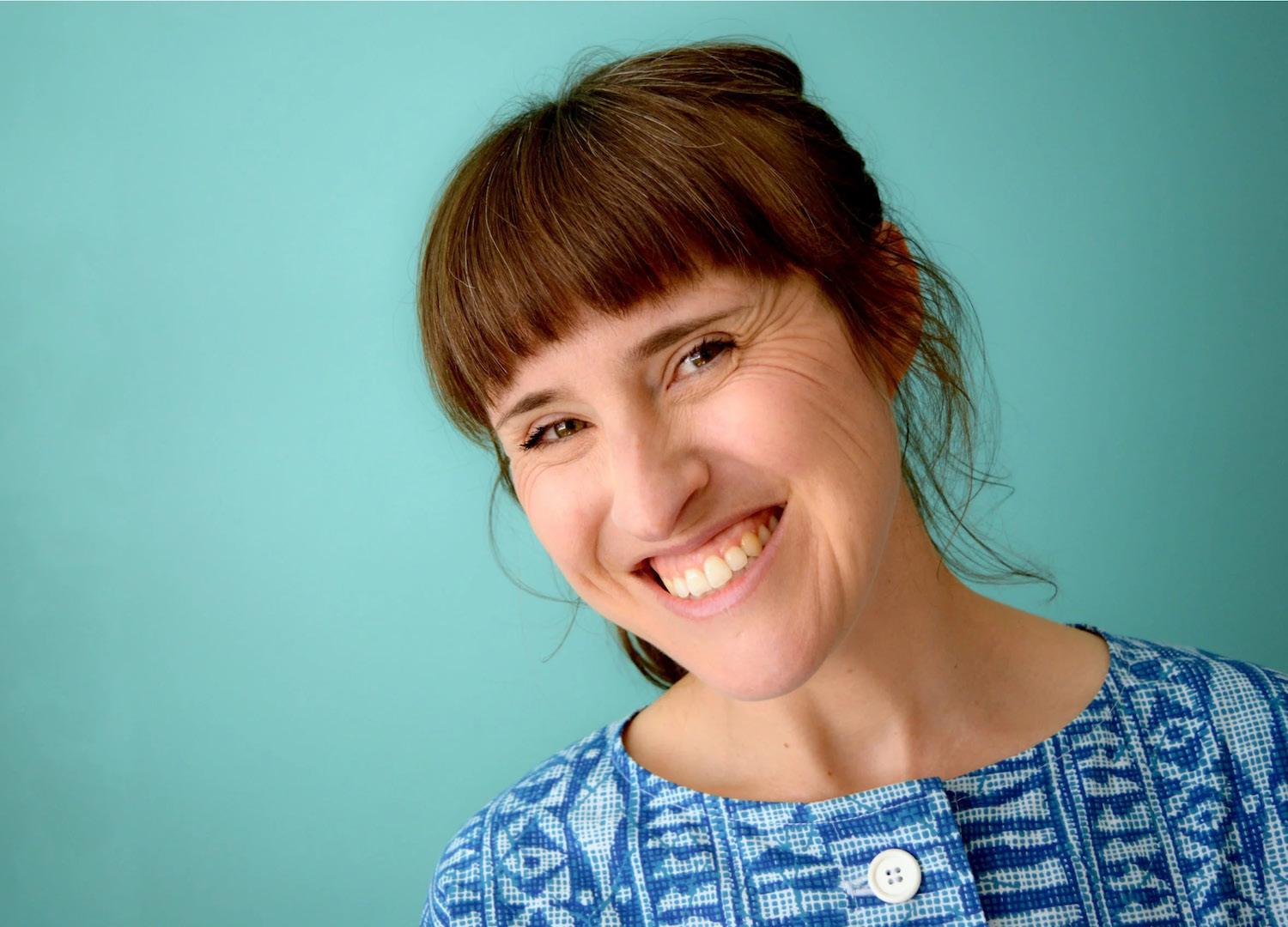
You may recognise Zoe Edwards as the founder of Me Made May, profiled in such luminous publications as Peppermint magazine, as a longtime shimmering fixture in the sewing blogosphere at So, Zo What Do You Know?, as the author of Mend It, Wear It, Love It, published in 2021, or perhaps from the esteemed podcast Check Your Thread, a weekly exploration of how to sew more sustainably.
In each episode, Zoe and her guest nerd out about garment sewing, while discussing ideas and useful tips for how to reduce its impact on the environment. With over 83 episodes and a bevy of incredible guest stars, there’s plenty of inspiration, innovation and fun to be had. We sat down with Zoe to learn more, and find out the best tips and tricks for sustainable sewing she’s discovered so far.
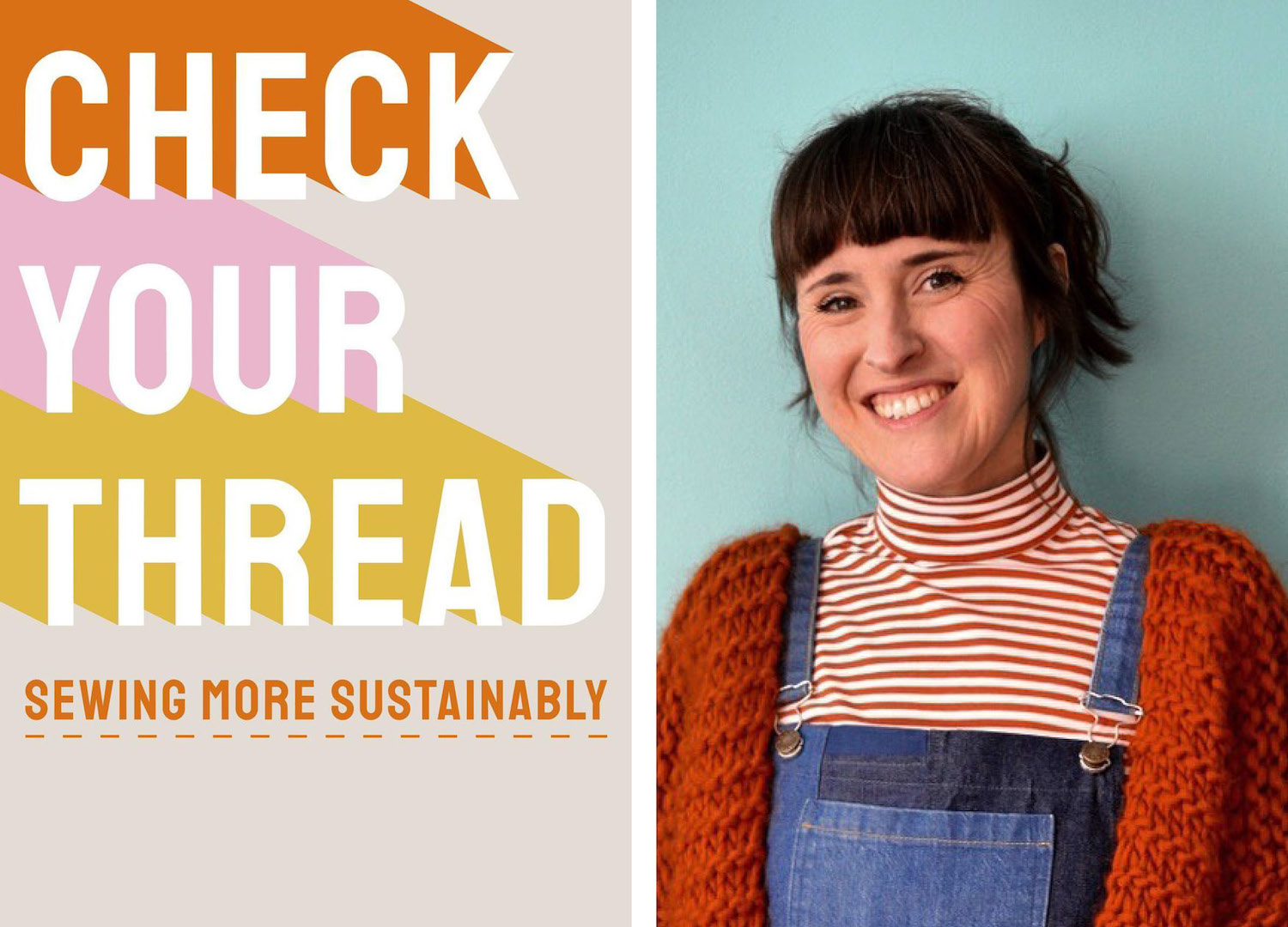
What inspired you to start your podcast?
I’ve been blogging about sewing since 2008, so unpicking (excuse the pun!) and communicating my thoughts, feelings and motivations around sewing has become a huge part of my sewing process. It is often as important (or even more so) to me as the finished items. The topics of sustainability and ethics as they relate to sewing became a recurring theme on my blog, and it’s remained on my radar. As the years passed, I found more and more businesses and individuals doing interesting, inspiring things around sewing and sustainability. I’d save the articles and bookmark the links, with a plan to do something with them all someday.
My relationship with podcasts began about 10 years ago. I started listening to This American Life during a stint of working alone as a dressmaker, and I very quickly became obsessed! Podcasts have kept me company during long commutes to teach sewing classes. At other points when my days were spent parenting very young children, they kept me connected with a wider world, when mine felt very narrow.
I guess something eventually clicked and all of this came together. Blogging was on the wane. The limitations of Instagram for communicating complicated ideas were clear. The list of fascinating people I desperately wanted to learn more about, kept growing. [I thought], ‘I should start a podcast!’ But it’s not that easy, of course. It actually took two years of sitting with and developing the idea before the Check Your Thread was born. Not to mention figuring out how to actually make one!
Why is sewing sustainably such an important question for you?
I spent a chunk of last year working on my personal manifesto – my vision, mission and values – so I am now at a point where I can answer that question clearly! I believe that we need to live in a world where the impact on the environment is factored into every decision. My personal passion and sphere of influence is sewing, which is why I’ve made that my focus. I also know that, by starting to sew more sustainably, it’s then possible to do lots of other things more sustainably, and that these ideas and approaches can spread out into many areas of life.
I think it’s misleading and potentially damaging to label anything ‘sustainable’, and instead I prefer the phrase ‘more sustainable’, which is a distinction I’ve explored on the podcast.
Thankfully, a lot of people are starting to acknowledge and understand the damage that the textile and fashion industries have on the planet and its people. However, I think a lot of sewers have yet to make the connection between their own sewing activities and the damage caused by the production, processing, transportation and disposal of textiles and other materials. We sewers are not magically ‘sustainable’ because we choose to do the stitching part of garment-making ourselves. I also think it’s misleading and potentially damaging to label anything ‘sustainable’, and instead, I prefer the phrase ‘more sustainable’, which is a distinction I’ve explored on the podcast.
What are your personal top five tips for sewists looking to practise more sustainability?
ONE // Always aim to make clothes that fit your personal taste, lifestyle requirements and body as best you can. That will give your garments the best shot at a long and happy life with lots of wear. It is the best way to honour the time, energy and resources that went into the garment, not to mention your own labour.
TWO // If you already own some lengths of fabric, or unwanted garments that aren’t suitable for donation, try to start more of your projects using what you already own.
THREE // Only buy new fabric if you have a pretty clear idea of what you’re going to make with it. You’re not bound to that idea, of course, but a fabric purchase will be less likely to languish in your stash for years if you had a vision for it initially. It’s ok to walk away from a lovely fabric if you don’t have an idea of what you’d make from it. I promise you, there’s always more fabric!
FOUR // Catalogue the fabric and patterns you own, and keep notes of your project ideas. Whether you prefer analogue, digital or a mix, knowing what you already have is super useful.
FIVE // If a new sewing pattern or style trend is suddenly everywhere, take a breath before jumping on board. Check out ‘Episode 64: Sewing Trends More Sustainably‘ for advice on how to decide if a trend is worth your time and the resources to make it.
Above all, keep in mind that sewing more sustainably doesn’t have to be experienced as being restricted or deprived. It can be a source of additional creativity, fun, connection and fulfilment.
Above all, keep in mind that sewing more sustainably doesn’t have to be experienced as being restricted or deprived. It can be a source of additional creativity, fun, connection and fulfilment
Do you have any particular favourite episodes or guests?
This may be a predictable answer, but I learn something from, or am influenced by, every person I speak to for the podcast. Everyone, whether they are a ‘big name’ in the sewing community, or someone with two Instagram followers, can have something to contribute to the topic: an interesting perspective or experience to share.
That said, one regular contributor to the podcast is a wonderful woman named Shams el-Din Rogers who is a textile activist living in North America. Shams brings such intelligence and nuance to every topic she agrees to explore with me and regularly connects aspects of social justice, feminism and inequality to the discussion that I hadn’t previously considered. I swear my mind is opened a little further every single time we talk, I’m so grateful she chooses to work with and support me as she does. ‘Episode 77: Stashes and Spaces with Shams el-Din Rogers‘ is a good one to check out.
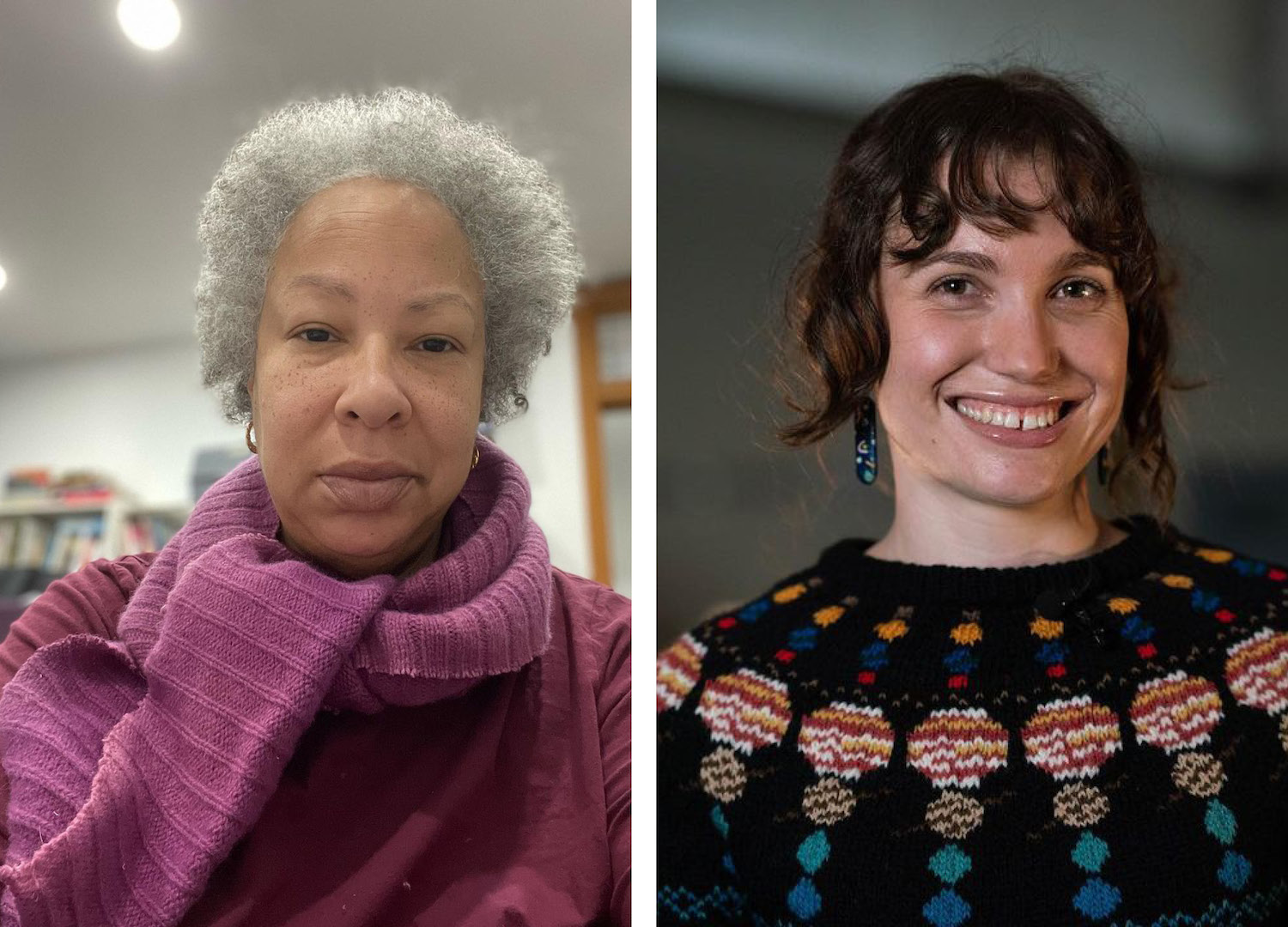
GUESTS ON THE POD INCLUDE TEXTILE ACTIVIST SHAMS EL-DIN ROGERS (LEFT) AND SPACE SCIENTIST RACHEL KIRBY (RIGHT)
What are some of the best tricks for sustainable sewing you’ve picked up from your guests?
Honestly, I learn something from every single person I speak to, but these are the ones that come to me initially. These aren’t ‘tricks’ as such, I see them more as lessons:
Guy introduced me to the idea of ‘decommissioning clothes’: an interesting take on harvesting any useful elements from garments that can no longer be worn.
Julia taught me to turn the plastic cones on your overlocker the other way up so your thread cones will sit securely.
Shelly explained the concept of ‘highest level of possible use’, and explored with me how that can relate to sewing.
Judy and Rachel both showed me how placing restrictions on material sourcing can unlock new levels of resourcefulness and fulfilment.
Keep asking questions, don’t assume you know and keep doing the work that makes change happen incrementally.
Kim encouraged me to develop my own ‘manifesto’ (my vision, mission and values) that I can hold every decision up against to work out if it’s the right course of action to take.
Bella reminded me that it’s entirely possible, and often desirable, to ‘go back in’ to a finished garment and rework it in some way. Whether that’s to correct something that always annoyed you about it, or simply to freshen it up.
Shams teaches me a different perspective every time we talk. However, the biggies are to keep asking questions, don’t assume you know and keep doing the work that makes change happen incrementally.
Read More – May the Fabric Be With You: Meet the Founder of Me-Made May
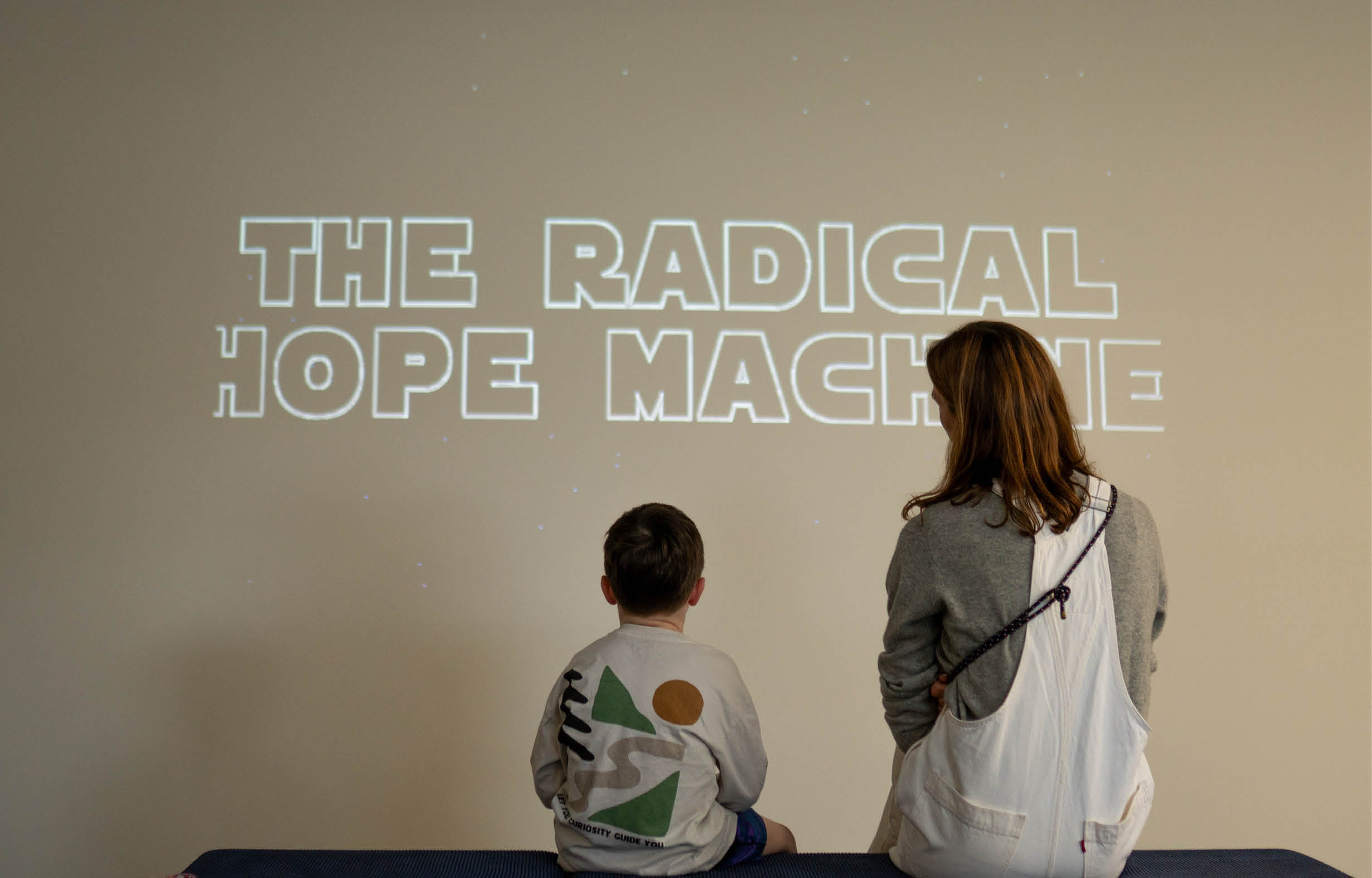
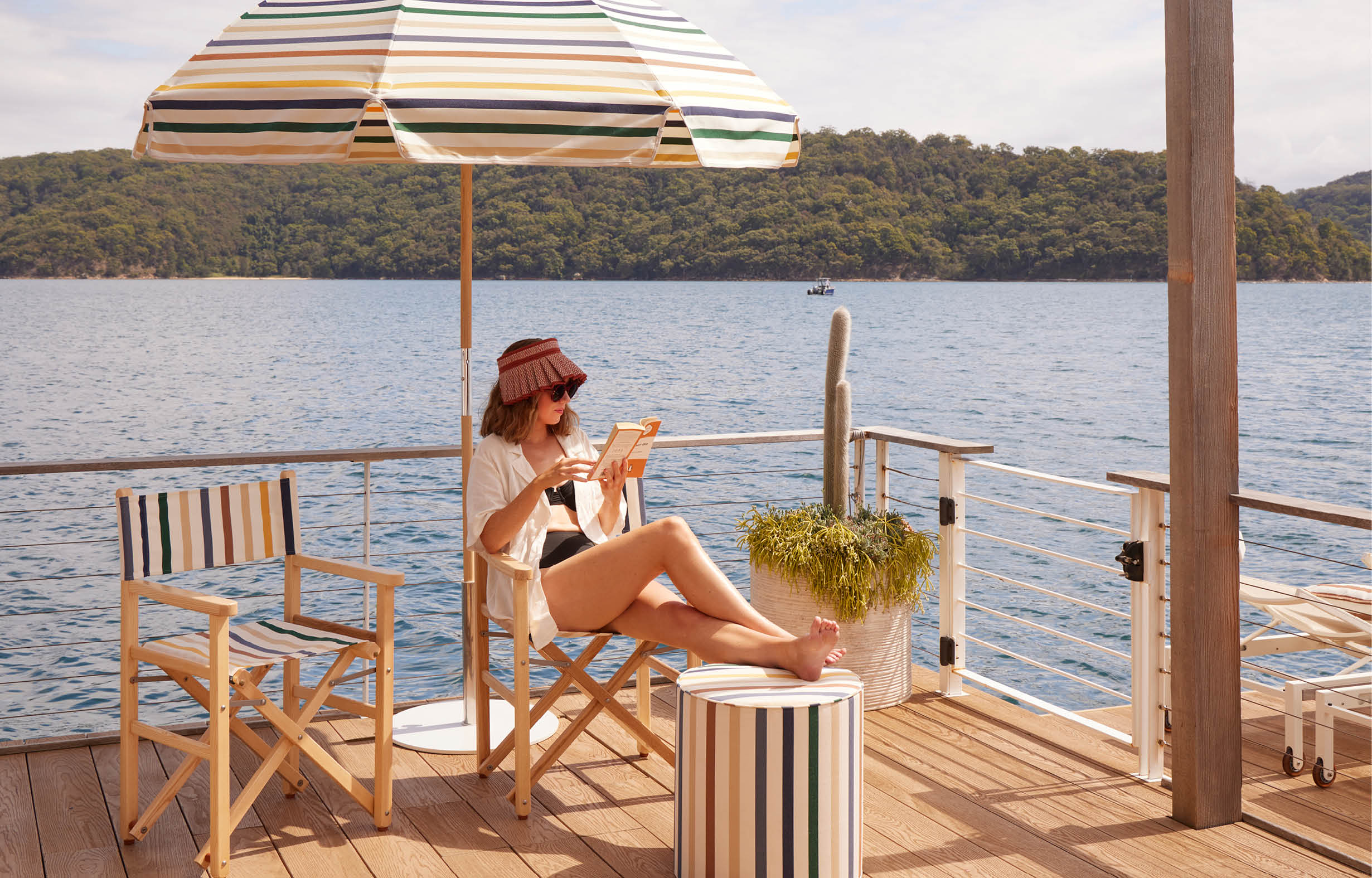
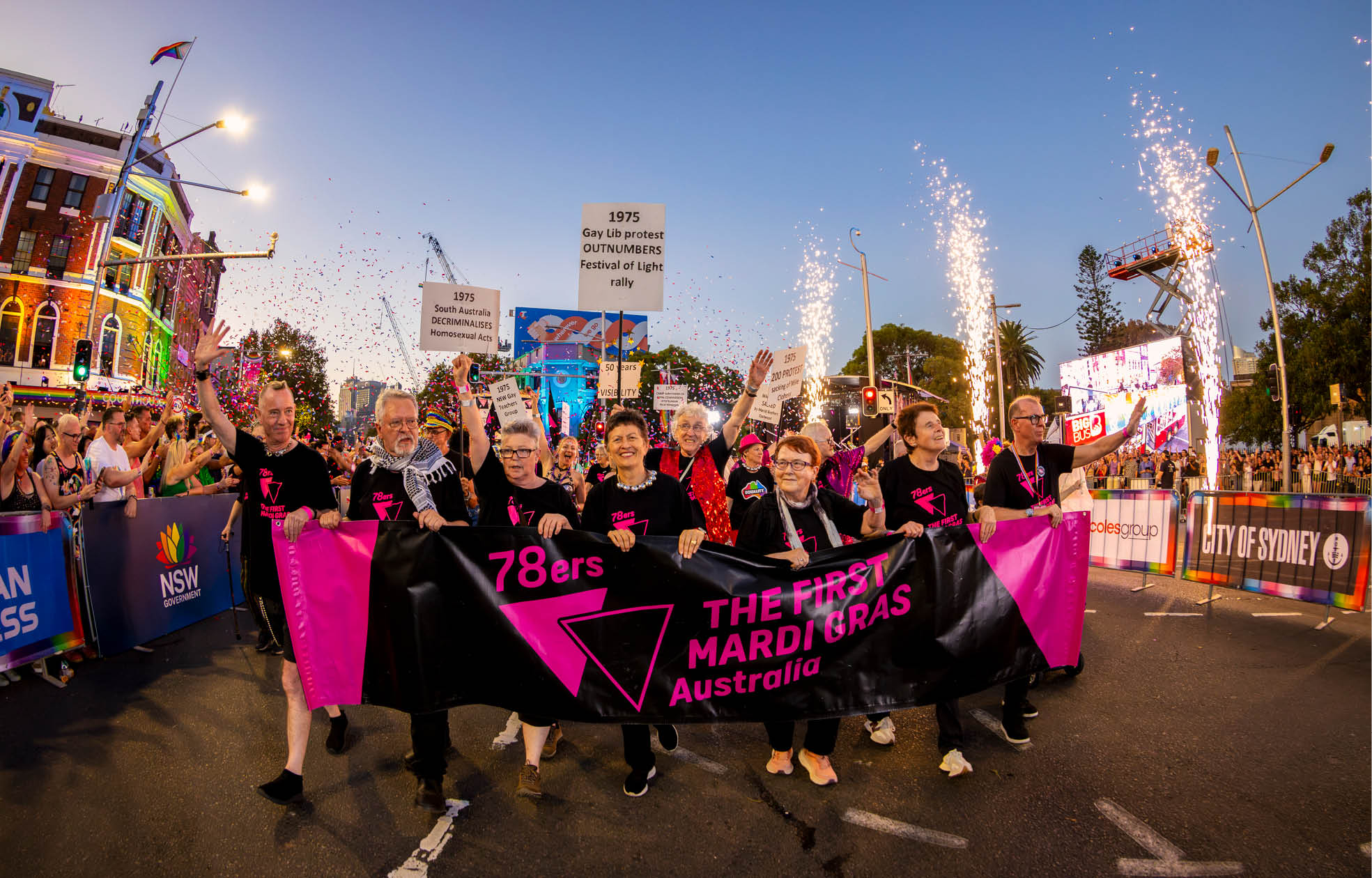
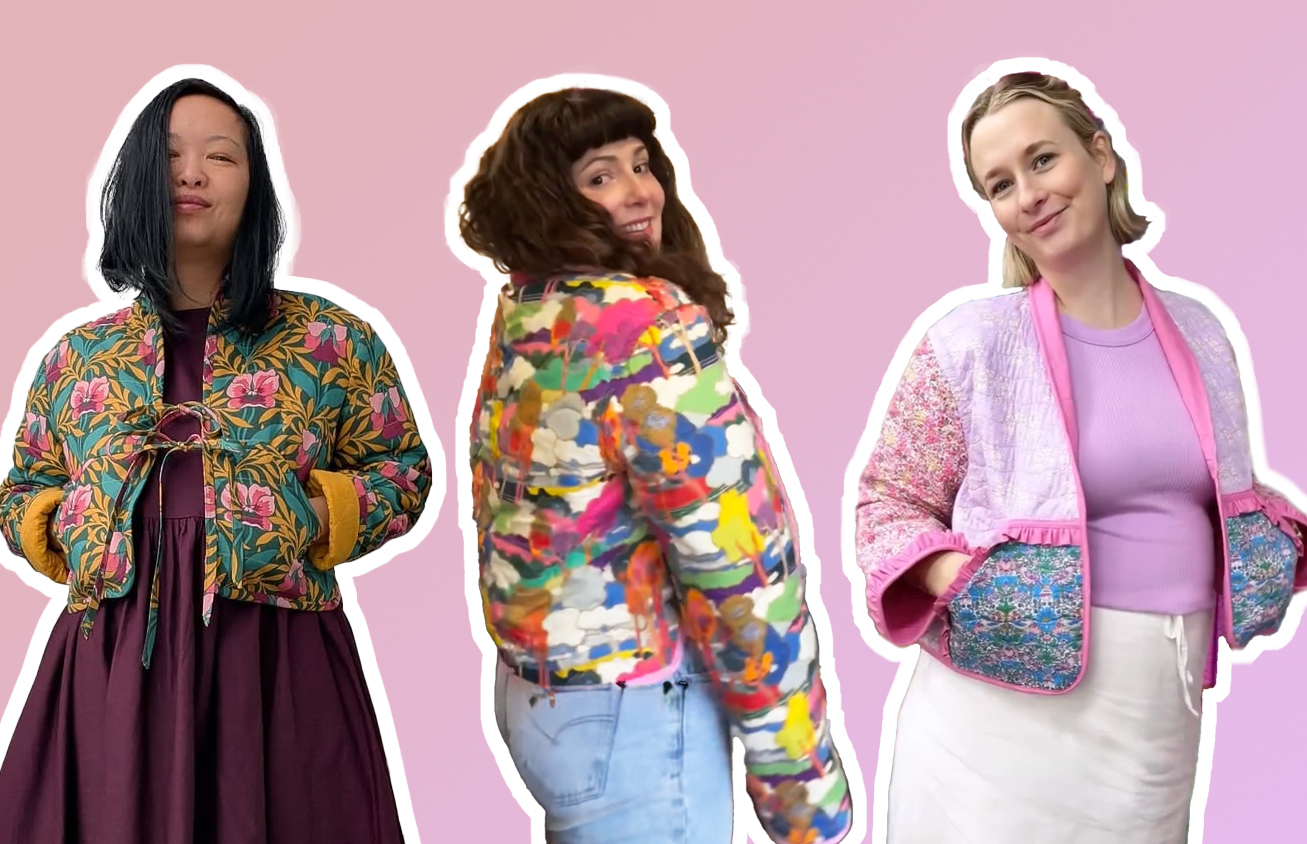
“My piece of advice for makers and designers? Run your own race… make sure your key decisions stay anchored in your brand’s core beliefs.”
- Bec Bligh
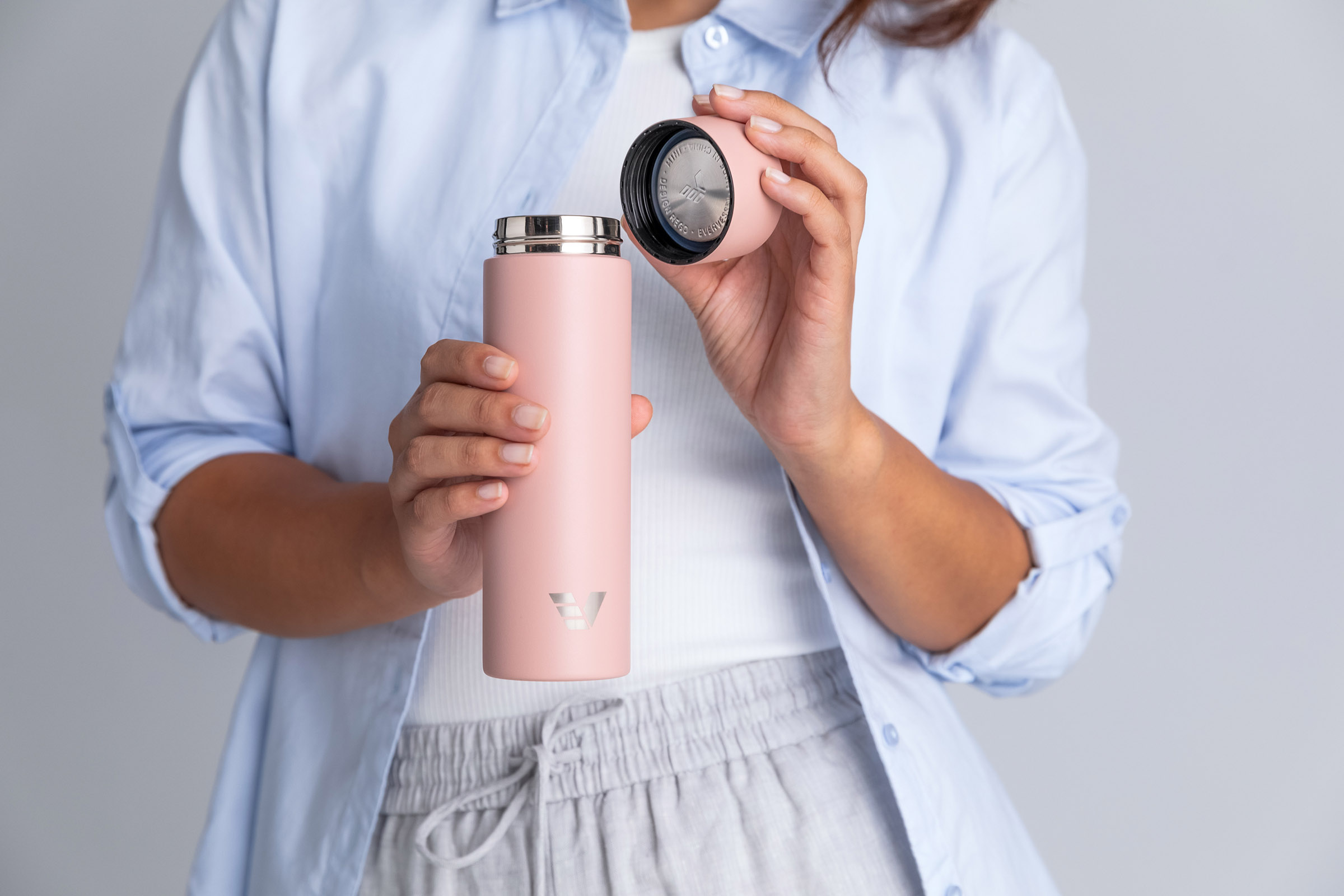
Quick show of hands: who’s opened a water bottle expecting a refreshing sip… and instead been greeted by the unmistakable whiff of uh-oh?
Because for something that follows us everywhere (desk, car, hikes, yoga…), the humble drink bottle is strangely prone to becoming a science experiment. Hard-to-clean corners and gaskets. Mystery smells. Bec Bligh and her husband Tim know it well. A six-month sailing trip along the Queensland coast left them with a lifetime of memories and one stubborn annoyance: mouldy water bottles they couldn’t properly clean.
So they did something about it.
Enter @EverVessel. Thoughtfully designed borosilicate glass and stainless steel bottles that keep things beautifully simple: durable materials, wide openings, easy-to-clean parts and none of the techy gimmicks that tend to age badly. Turns out simplicity, done well, is pretty powerful stuff. (Their many design awards agree!)
And lately they’ve added a little extra delight: the Artist Series, where creatives like Paola Castro, Ben Miners and Martin Thompson transform these everyday companions into tiny travelling artworks. There are more colabs in the works, too: hydration, but make it joyful! 🎨💧
We chatted with Bec about the sailing trip that started it all, the philosophy behind Ever Vessel, and why the most sustainable product is often just the one you keep using.
Tap the link in our bio to read the full conversation. 🚰
#EverVessel #ReusableWaterBottle


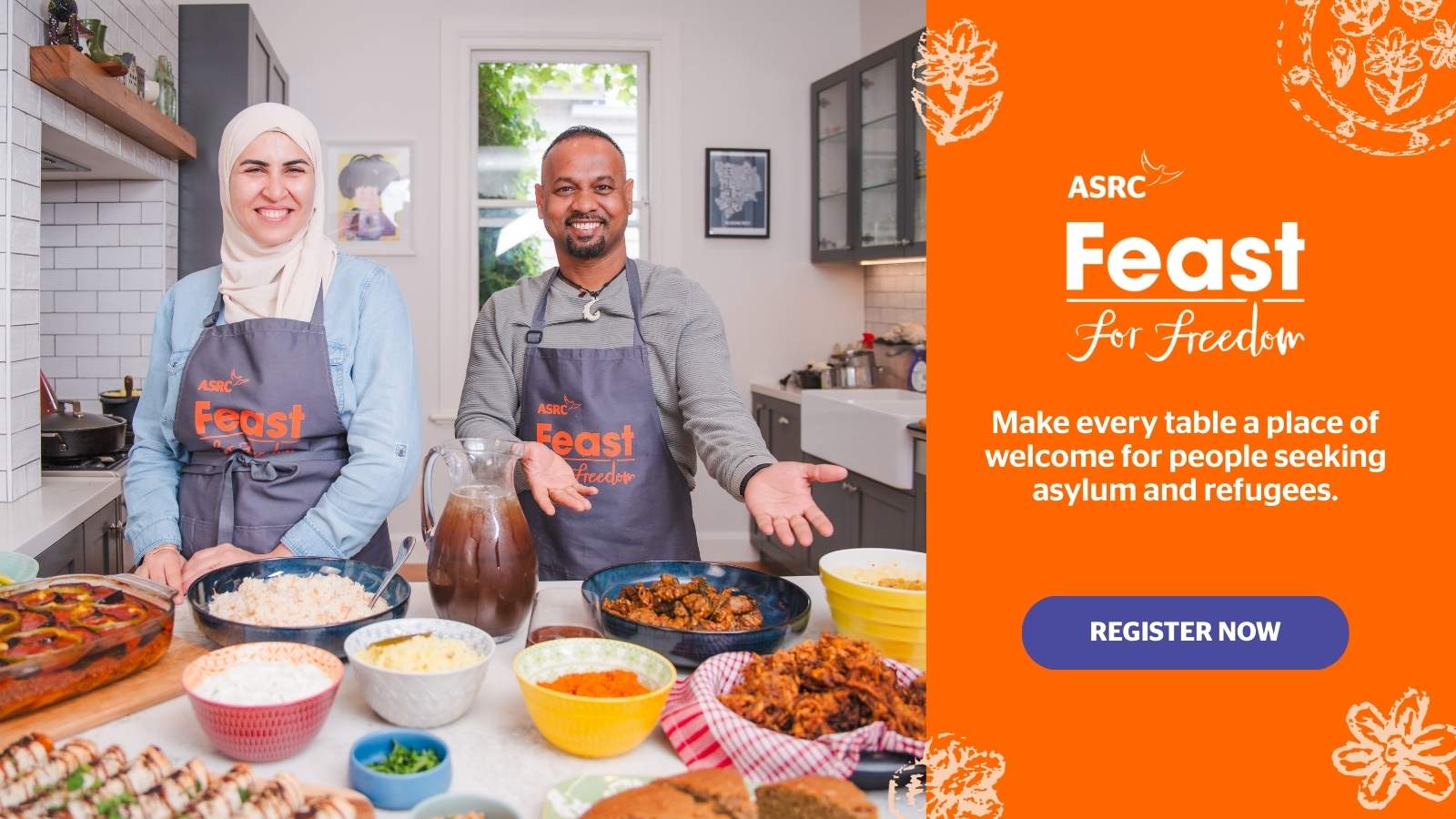
Pull up a chair… there’s room at this table!
For the first time, Feast for Freedom is bringing people together for a spectacular long-table dinner as part of the Melbourne Food & Wine Festival.
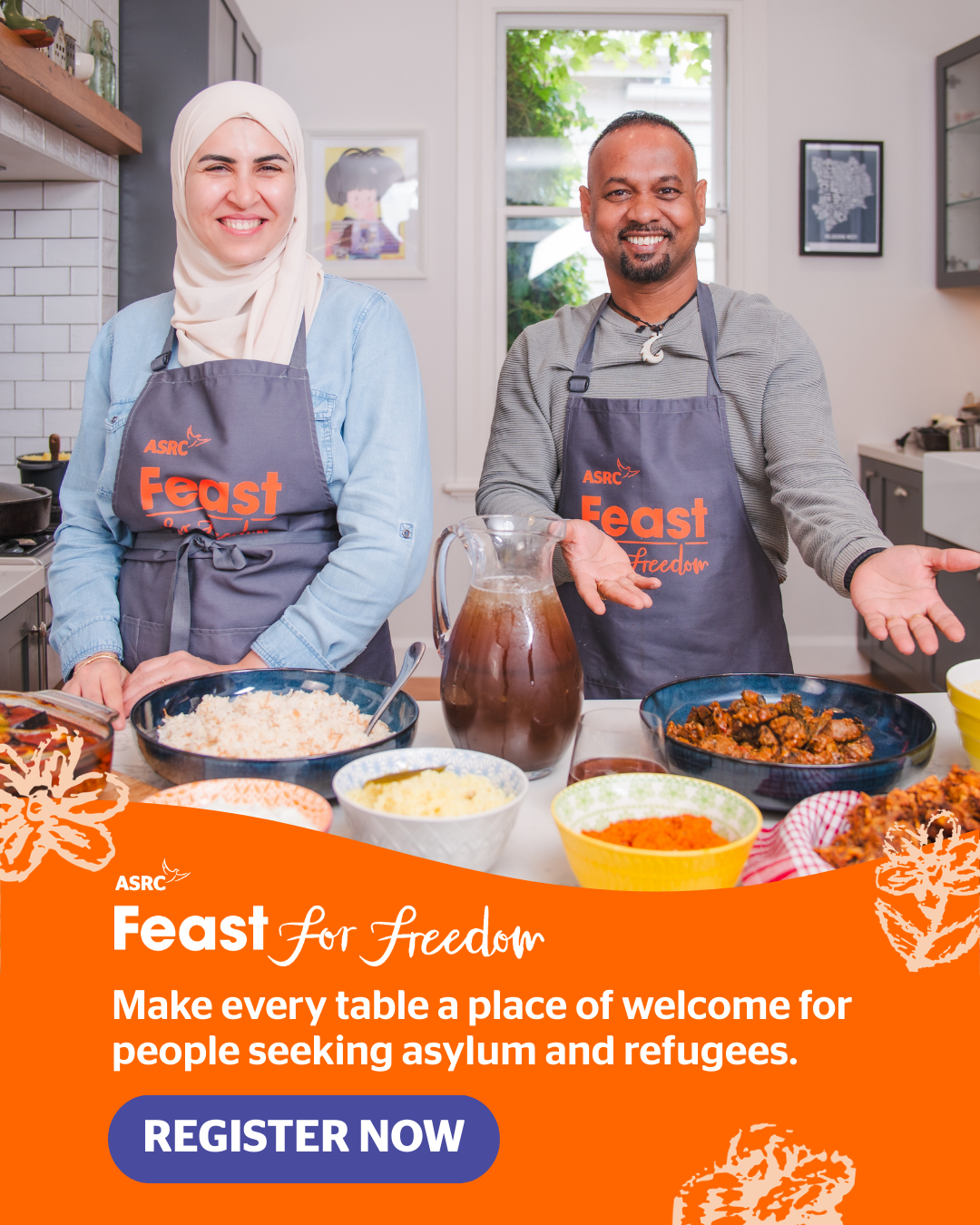
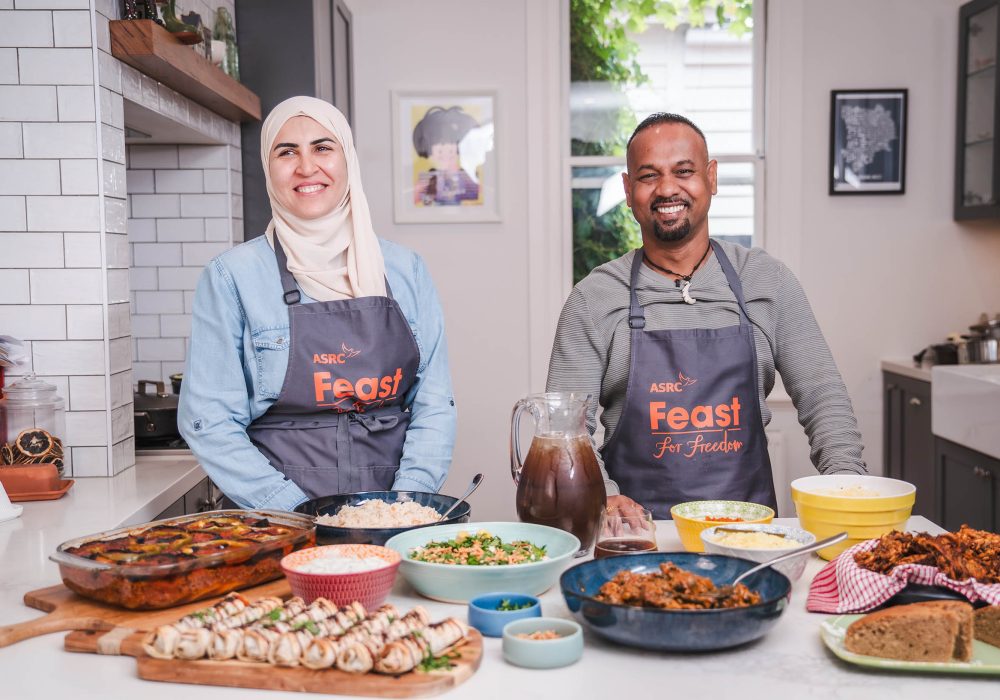
A Longer Table is exactly what it sounds like: one beautiful shared table inside the Asylum Seeker Resource Centre (@Asrc1), piled with generous dishes inspired by this year’s hero cooks, Noha and Nige.
From 6 to 9pm on Wednesday, 25 March, this is what you can expect:
🍽 A three-course shared feast
🍷 Matched drinks
🎶 Live entertainment
✨ A room full of good humans
Your ticket doesn’t just buy you a delicious dinner. It supports the ASRC’s vital work and helps create a fairer future for people seeking asylum.
Seats are limited, and long tables have a way of filling up quickly – head to @MelbFoodAndWine’s website to book now: feastforfreedom.org.au/mfwf
#FeastForFreedom #MelbourneFoodAndWineFestival #LongTableDinner #FoodForChange

Sew versatile! 🪡
Another great make from Lisa from @SunnySewsEveryday:
My #PeppermintWaratahWrapDress is finished and I’m so proud of it. It has been designed not to flap open and flash your pants in the wind, so I feel confident it will be a great wheelchair or standing dress in English weather.
#PeppermintPatterns #WrapDress #WrapDressPattern

Frame your face with the Peppermint Bucket Hat!
Stay safe and stylish in the sun with your very own self-sewn and self-drafted wide-brimmed bucket hat. This beginner-friendly sew is perfect for a sunny day. Get out your pencils – this pattern is created using equations and maths!
This DIY project was featured in Issue 53 and now you can access it for the lovely low price of only $5.
Sun-safe chic is always in style. ☀️
Find it via the link in our bio!
Photos: @KelleySheenan
#PeppermintPatterns #PeppermintBucketHat #BucketHat #BucketHatPattern #DIY

✨ INSTANT CLASSIC ✨
The Peppermint Myrtle Shift Dress is a beginner-friendly make with a few special details based on the ever-stylish shift shape – the perfect dress you need in your wardrobe right now!
Myrtle cuts above the knee with options to customise the length. Don’t think she’s reserved for hot weather either: try a heavier-weight fabric to turn your Myrtle into a pinafore-style garment for layering.
For our fabrics we chose two from our lovely sewing partner @Karmme_Apparel – the bold Rottnest Stripes in a lightweight, soft-drape cotton, and the quality linen in the handpainted Mexico Collection.
Get making the Myrtle – the only question is, can you stop at just one?
Link in bio 🪡
Fabric: @Karmme_Apparel
Sewist: @Laura_The_Maker
Photos: @KelleySheenan
Models: @SerahSews and @Pins_And_Tonic
Location: @ShareTheDignityAustralia
#PeppermintMyrtleShiftDress #PeppermintPatterns

It’s time to Feast!
Some recipes travel a long way before they land on your table to delight your taste buds. This year’s Feast for Freedom invites us to gather our friends, cook something delectable and raise funds for the incredible work of the Asylum Seeker Resource Centre (@Asrc1) while we’re at it.
The 2026 Feast features recipes shared by two remarkable cooks: Noha, who brought the flavours of Palestine with her when she arrived in Australia, and Nige, a Sri-Lankan Tamil cook whose journey with food began in the most unexpected of places.
You can host your own Feast up until 30 April – simply register online and get planning! Host a dinner, organise a workplace lunch, or gather your community… However you do it, the idea is simple: cook, connect and celebrate the cultures and stories that shape Australia.
Want to find out more? Head to the link in bio to meet Noha and Nige, learn more about their stories, and discover a delicious recipe to try.
#FeastForFreedom #PeppermintMagazine #FoodForGood #ASRC
