
words and top image KATIE ROBERTS
The dire state of the climate and our impending doom is enough to inspire overwhelm and confusion in even the most hope-filled eco warriors. Katie Roberts, chief eco expert at Sustainability In Style, shares a few ideas on how to amplify your climate action.
The latest release from the Intergovernmental Panel on Climate Change (IPCC) delivered a harsh dose of climate reality. Released on 6 August, the sixth assessment report, titled Climate Change 2021: The Physical Science Basis, painted the picture of a future that has left many of us feeling underwhelmed at our ability to effect change by carrying our keep cup, recycling our kombucha bottles and taking our calico bags to the supermarket.
While the future seems murky, the report’s message is clear: our planet needs us to care about our impact now more than ever. Some of the key points of the IPCC report were unpacked recently by the Climate Council as they explored what they could mean for Australia. Their main takeaways?
- The most important climate science update for almost a decade shows there is a narrow path to avoiding climate catastrophe, but only through immediate, deep and sustained emissions reductions. This may be our final warning;
- Climate change is already wreaking havoc around the world, with worse to come. Our decisions this decade will be the difference between a liveable future for today’s young people, and a future that is incompatible with well-functioning human societies;
- And, every choice and every fraction of a degree of avoided warming matters. The right choices will be measured in lives, livelihoods, species and ecosystems saved. The benefits of stronger action will be realised well within our lifetimes, and even more so for our children and grandchildren.
It’s certainly a hefty message and one that can wreak havoc with one’s motivation to keep showing up for climate action. So kick back with a beverage (in your reusable cup) while I have a closer look at some of these key points, with some different ways to explore climate futures thinking.
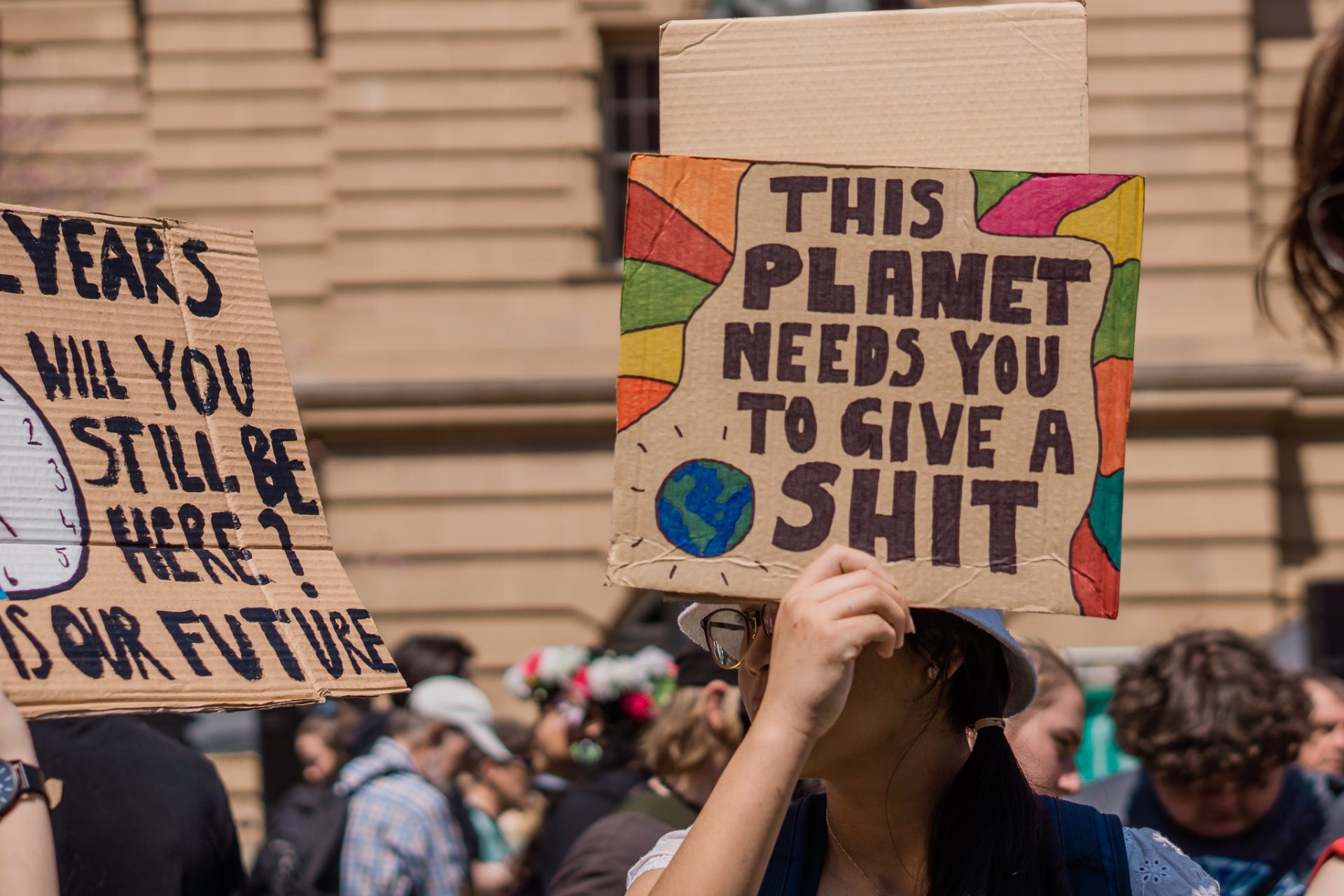
image 2019 SCHOOL STRIKE FOR CLIMATE. PHOTO BY KELLEY SHEENAN
BIG CHANGES NEED BIG DISCUSSIONS
The first harsh takeaway from the IPCC report is that humans and our innovative ways are altering the climate system at a rate that’s making scientists reel. You might have already heard that opting for less carbon-intensive travel options will reduce your impact, so too will considering a locavore or climatarian diet. Perhaps you’ve made the switch to green energy, line dry your laundry or have found ways to work from home to reduce your commute. This might be enough for now. However, big changes need big discussions. The issues we collectively face are known as ‘wicked problems’ – meaning they are complex, can be difficult to understand or recognise, and include social, political, geographical and cultural considerations. Solutions to such wicked problems won’t be neatly delivered in an 800-word blog post. They require consideration at individual and community levels, for the good of your local community within the global context.
Conversation leads to creative thinking and creative thought leads to problem solving.
Getting your community group together to chat climate can seem a little daunting. Groups like Climate for Change, however, are acknowledging the key role that everyday conversations can have in building public support for climate action. They offer facilitator training that aids in creating space for conversations with details on how to effectively engage with your local members of parliament. Whether you choose to engage in this way, or simply start a climate conversation with your friends and family, conversation leads to creative thinking and creative thought leads to problem solving.
READ MORE: THIS IPCC REPORT IS THE MOST SOBERING YET – HERE’S WHAT YOU NEED TO KNOW
FUTURE THINKING
The next finding is important for those living in a sunburnt country girt by sea. Extreme weather, sea-level rise and increasing temperatures are a reality. Doing your bit to reduce your carbon emissions can help with this and you will find ample resources on how to do so. However, a key consideration rarely mentioned is future thinking for extremes. Sure, a beachfront home built on low-lying reclaimed mangrove habitat might serve you well in the now. But residential builds like this are at risk of inundation with extreme weather and sea-level rise, and the development or destruction of intertidal zones can exacerbate climate change and extreme weather.
Mangroves are a key breeding ground for many oceanic species. They provide a natural buffer from extreme weather and tidal extremes and offer carbon sequestration systems that rival rainforests. Elsewhere, estates built upon cleared bushland, or ex-agricultural land, both directly and indirectly contribute to the desertification of Australia. Desertification is the degradation of fertile land through clearing, poor land management, changes in climate and human land use.
A key consideration rarely mentioned is future thinking for extremes.
Being in the position to freely choose where you want to live is a privilege. For those who are able to do so, rather than buying into land clearing (Australia has one of the highest land clearing rates in the developed world), we need to consider options developed with sea-level rise and climate futures in mind. If you’re living in a location that will be impacted by these issues in the future, or see a new estate planned for sensitive areas, you might want to get together with your neighbours or local community, reach out to your council or local developers and talk climate action.
READ MORE: NAVIGATING ECO OVERWHELM THROUGH PLASTIC FREE JULY
EVERY DEGREE MATTERS
The final consideration to highlight is the statement that “every degree matters”. When we wake up in the morning and review our weather app, it might say it’s 15°C outside. By lunch, it might be 23°C. This change of eight degrees won’t have resulted in catastrophic events and, in actuality, probably felt quite pleasant. When we hear updates that say humanity, as we know it, could end with every 0.5°C of warming, it can be challenging to compute such a change as ‘catastrophic’. Especially when in our everyday lives, eight degrees of change over four hours only resulted in us removing our jackets.
But as the report states: “With every additional increment of global warming, changes in extremes continue to become larger.” It may not seem like a lot, but every additional 0.5°C of warming causes observable increases in the intensity and frequency of heatwaves, damaging rainfall and droughts.
Spend some time learning about the climate and how these small incremental changes can impact our planet.
It’s not in our nature to fully comprehend the difference between daily weather and long-term climate patterns. We really only actively started studying weather and climate around 140 years ago [using modern scientific methodology]. It’s a relatively recent concept considering Homo sapiens have existed for around 300,000 years. My suggestion to you, fellow H. sapiens, is to spend some time learning about the climate and how these small incremental changes can impact our planet. This act alone won’t stop climate change, but it will arm you with a better understanding of what needs to be done, in turn amplifying your climate action, and aid in the weather versus climate debate that is so often used to debunk climate science.






“My piece of advice for makers and designers? Run your own race… make sure your key decisions stay anchored in your brand’s core beliefs.”
- Bec Bligh
Quick show of hands: who’s opened a water bottle expecting a refreshing sip… and instead been greeted by the unmistakable whiff of uh-oh?
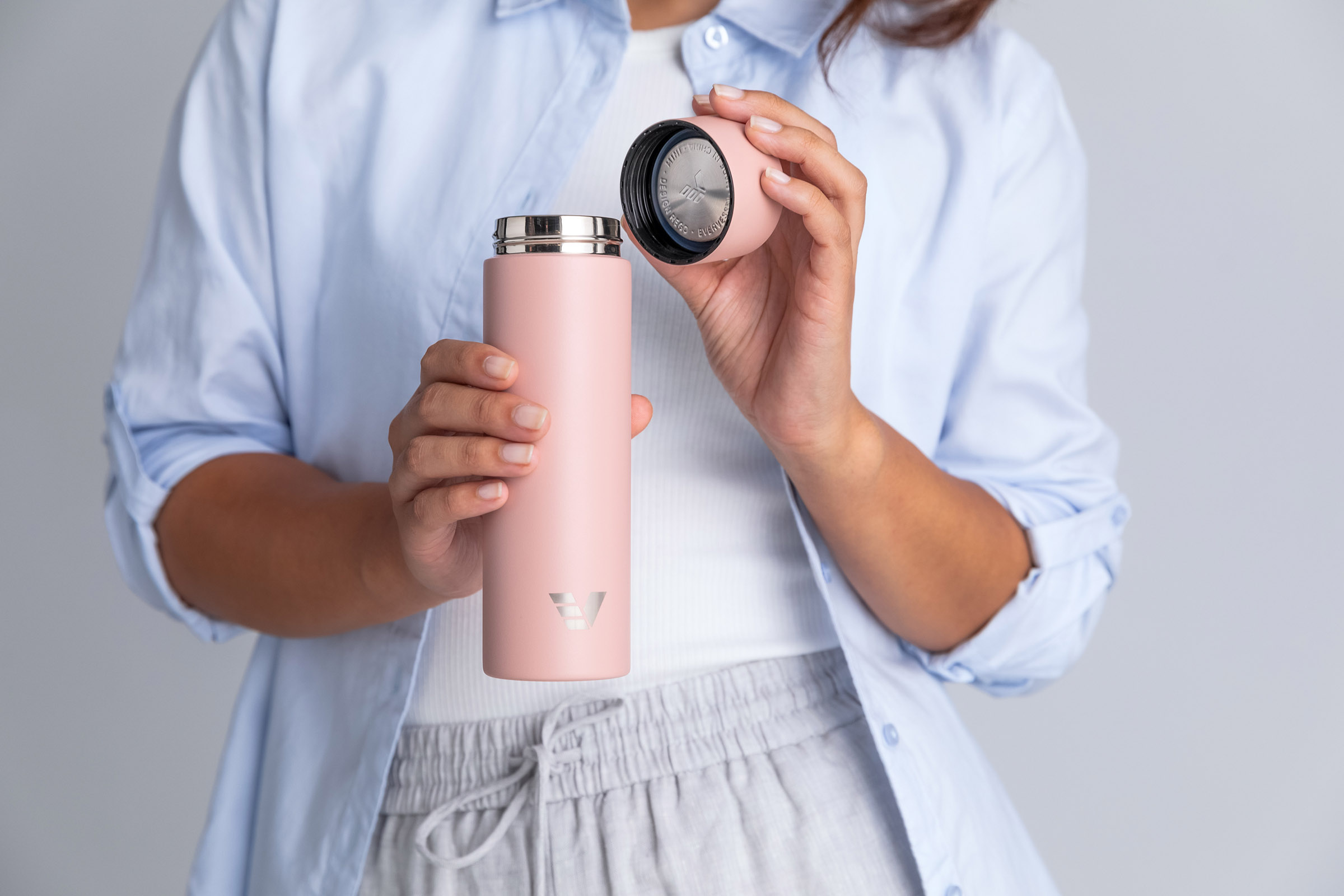
Because for something that follows us everywhere (desk, car, hikes, yoga…), the humble drink bottle is strangely prone to becoming a science experiment. Hard-to-clean corners and gaskets. Mystery smells. Bec Bligh and her husband Tim know it well. A six-month sailing trip along the Queensland coast left them with a lifetime of memories and one stubborn annoyance: mouldy water bottles they couldn’t properly clean.
So they did something about it.
Enter @EverVessel. Thoughtfully designed borosilicate glass and stainless steel bottles that keep things beautifully simple: durable materials, wide openings, easy-to-clean parts and none of the techy gimmicks that tend to age badly. Turns out simplicity, done well, is pretty powerful stuff. (Their many design awards agree!)
And lately they’ve added a little extra delight: the Artist Series, where creatives like Paola Castro, Ben Miners and Martin Thompson transform these everyday companions into tiny travelling artworks. There are more colabs in the works, too: hydration, but make it joyful! 🎨💧
We chatted with Bec about the sailing trip that started it all, the philosophy behind Ever Vessel, and why the most sustainable product is often just the one you keep using.
Tap the link in our bio to read the full conversation. 🚰
#EverVessel #ReusableWaterBottle


Pull up a chair… there’s room at this table!
For the first time, Feast for Freedom is bringing people together for a spectacular long-table dinner as part of the Melbourne Food & Wine Festival.
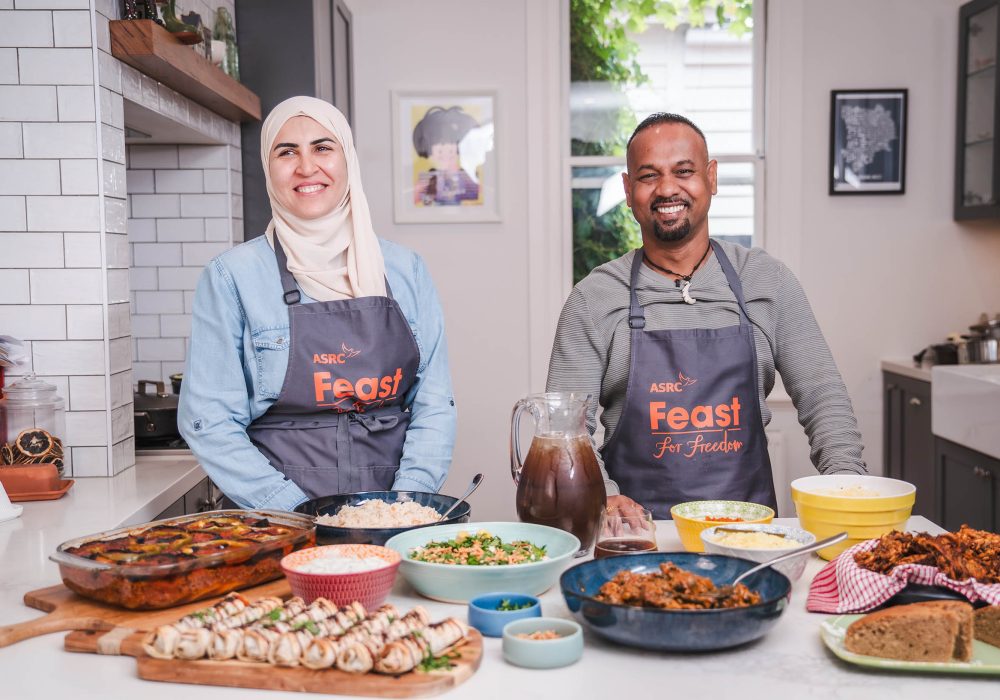
A Longer Table is exactly what it sounds like: one beautiful shared table inside the Asylum Seeker Resource Centre (@Asrc1), piled with generous dishes inspired by this year’s hero cooks, Noha and Nige.
From 6 to 9pm on Wednesday, 25 March, this is what you can expect:
🍽 A three-course shared feast
🍷 Matched drinks
🎶 Live entertainment
✨ A room full of good humans
Your ticket doesn’t just buy you a delicious dinner. It supports the ASRC’s vital work and helps create a fairer future for people seeking asylum.
Seats are limited, and long tables have a way of filling up quickly – head to @MelbFoodAndWine’s website to book now: feastforfreedom.org.au/mfwf
#FeastForFreedom #MelbourneFoodAndWineFestival #LongTableDinner #FoodForChange

Sew versatile! 🪡
Another great make from Lisa from @SunnySewsEveryday:
My #PeppermintWaratahWrapDress is finished and I’m so proud of it. It has been designed not to flap open and flash your pants in the wind, so I feel confident it will be a great wheelchair or standing dress in English weather.
#PeppermintPatterns #WrapDress #WrapDressPattern

Frame your face with the Peppermint Bucket Hat!
Stay safe and stylish in the sun with your very own self-sewn and self-drafted wide-brimmed bucket hat. This beginner-friendly sew is perfect for a sunny day. Get out your pencils – this pattern is created using equations and maths!
This DIY project was featured in Issue 53 and now you can access it for the lovely low price of only $5.
Sun-safe chic is always in style. ☀️
Find it via the link in our bio!
Photos: @KelleySheenan
#PeppermintPatterns #PeppermintBucketHat #BucketHat #BucketHatPattern #DIY

✨ INSTANT CLASSIC ✨
The Peppermint Myrtle Shift Dress is a beginner-friendly make with a few special details based on the ever-stylish shift shape – the perfect dress you need in your wardrobe right now!
Myrtle cuts above the knee with options to customise the length. Don’t think she’s reserved for hot weather either: try a heavier-weight fabric to turn your Myrtle into a pinafore-style garment for layering.
For our fabrics we chose two from our lovely sewing partner @Karmme_Apparel – the bold Rottnest Stripes in a lightweight, soft-drape cotton, and the quality linen in the handpainted Mexico Collection.
Get making the Myrtle – the only question is, can you stop at just one?
Link in bio 🪡
Fabric: @Karmme_Apparel
Sewist: @Laura_The_Maker
Photos: @KelleySheenan
Models: @SerahSews and @Pins_And_Tonic
Location: @ShareTheDignityAustralia
#PeppermintMyrtleShiftDress #PeppermintPatterns

It’s time to Feast!
Some recipes travel a long way before they land on your table to delight your taste buds. This year’s Feast for Freedom invites us to gather our friends, cook something delectable and raise funds for the incredible work of the Asylum Seeker Resource Centre (@Asrc1) while we’re at it.
The 2026 Feast features recipes shared by two remarkable cooks: Noha, who brought the flavours of Palestine with her when she arrived in Australia, and Nige, a Sri-Lankan Tamil cook whose journey with food began in the most unexpected of places.
You can host your own Feast up until 30 April – simply register online and get planning! Host a dinner, organise a workplace lunch, or gather your community… However you do it, the idea is simple: cook, connect and celebrate the cultures and stories that shape Australia.
Want to find out more? Head to the link in bio to meet Noha and Nige, learn more about their stories, and discover a delicious recipe to try.
#FeastForFreedom #PeppermintMagazine #FoodForGood #ASRC
