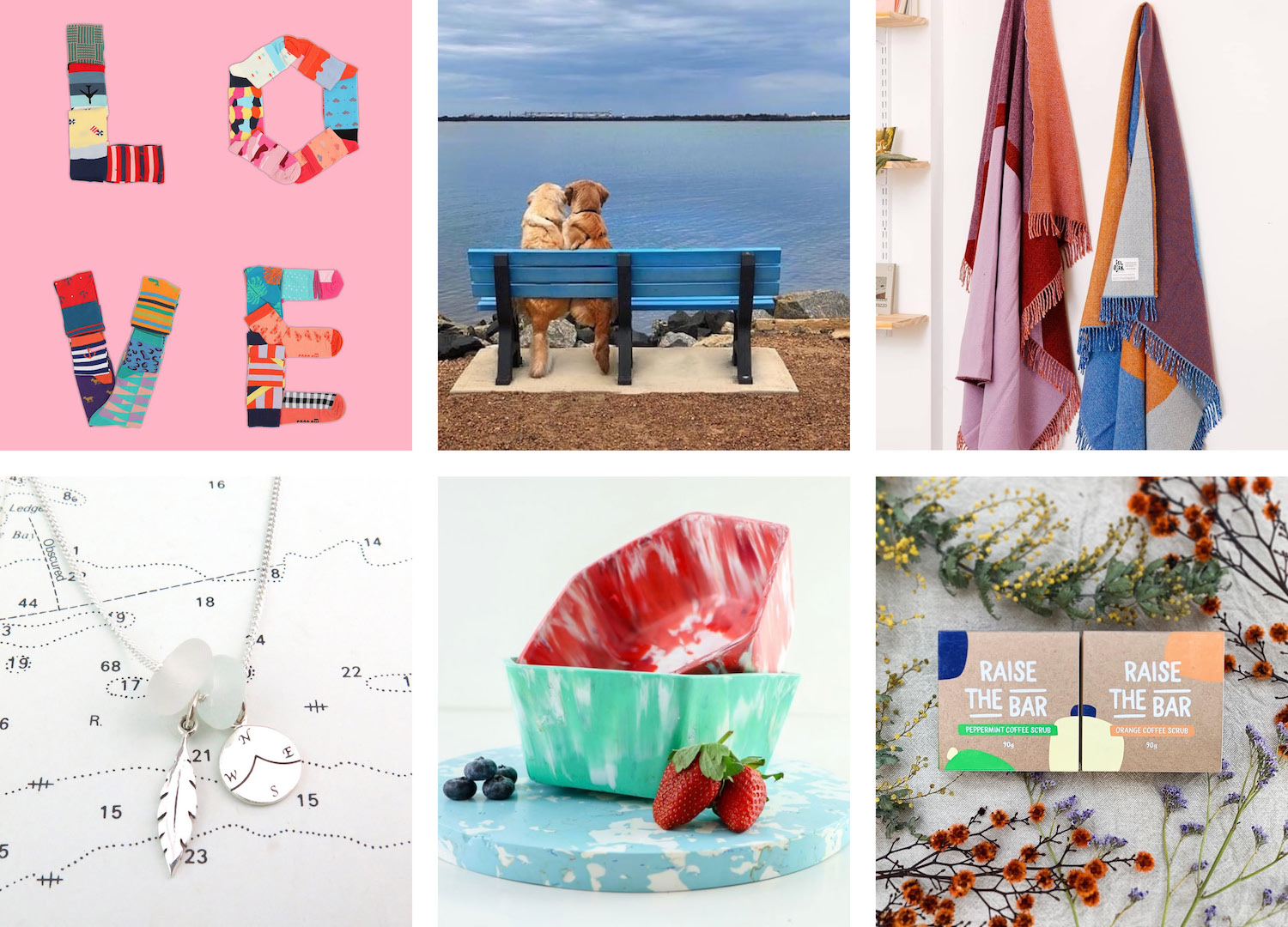
Recycling may have its issues, but it’s still an important ‘R’ in the #reducereuserecyclerefuse life goals mantra. And as today is Global Recycling Day, may we remind you of the importance of recycling, if avoidance isn’t possible or practical. Moving forward we need to look at waste with a different mindset – because there is no such thing as ‘away’ – so here are six innovative companies reframing how we view waste.
Seljak Brand
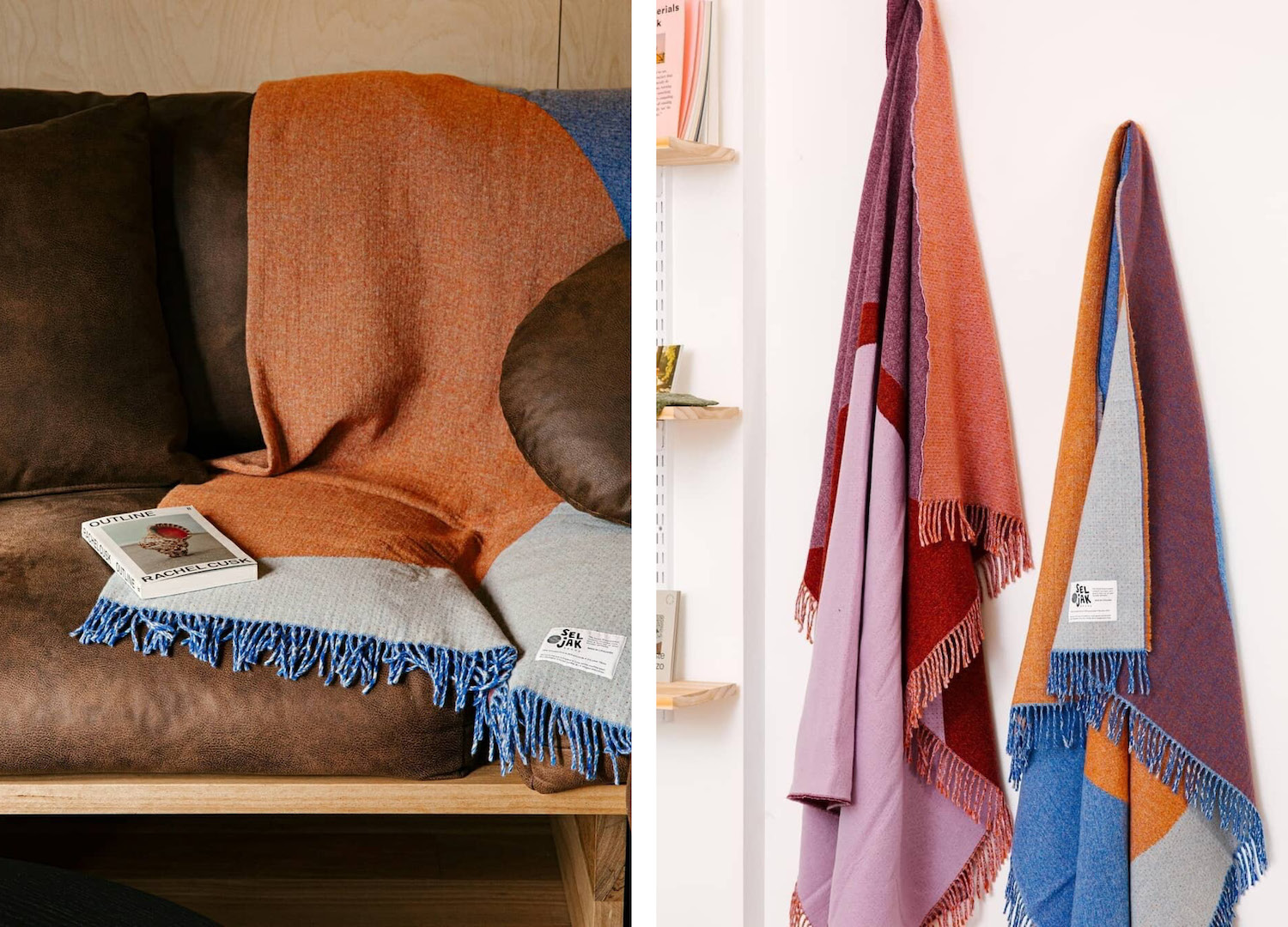
The Seljak sisters are doing it for themselves and wrapping us up in warmth at the same time. United by their vision of a world without waste, Karina returned home from New York to build Seljak Brand with her sister Sam. Their beautiful recycled wool blankets are made using offcuts from the factory floor and the regenerative cycle continues even past the initial purchase. Once you’ve finished with your blanket, the brand will take it, shred it and spin it into new yarn to create a new one – taking closed loop cosiness to a whole new level! Dune (from their recent range) is made with reclaimed textile waste, combining factory floor offcuts of 16 mills around Europe, while Lune is made with yarn spun in Italy out of old woollen jumpers and garments.
Replas
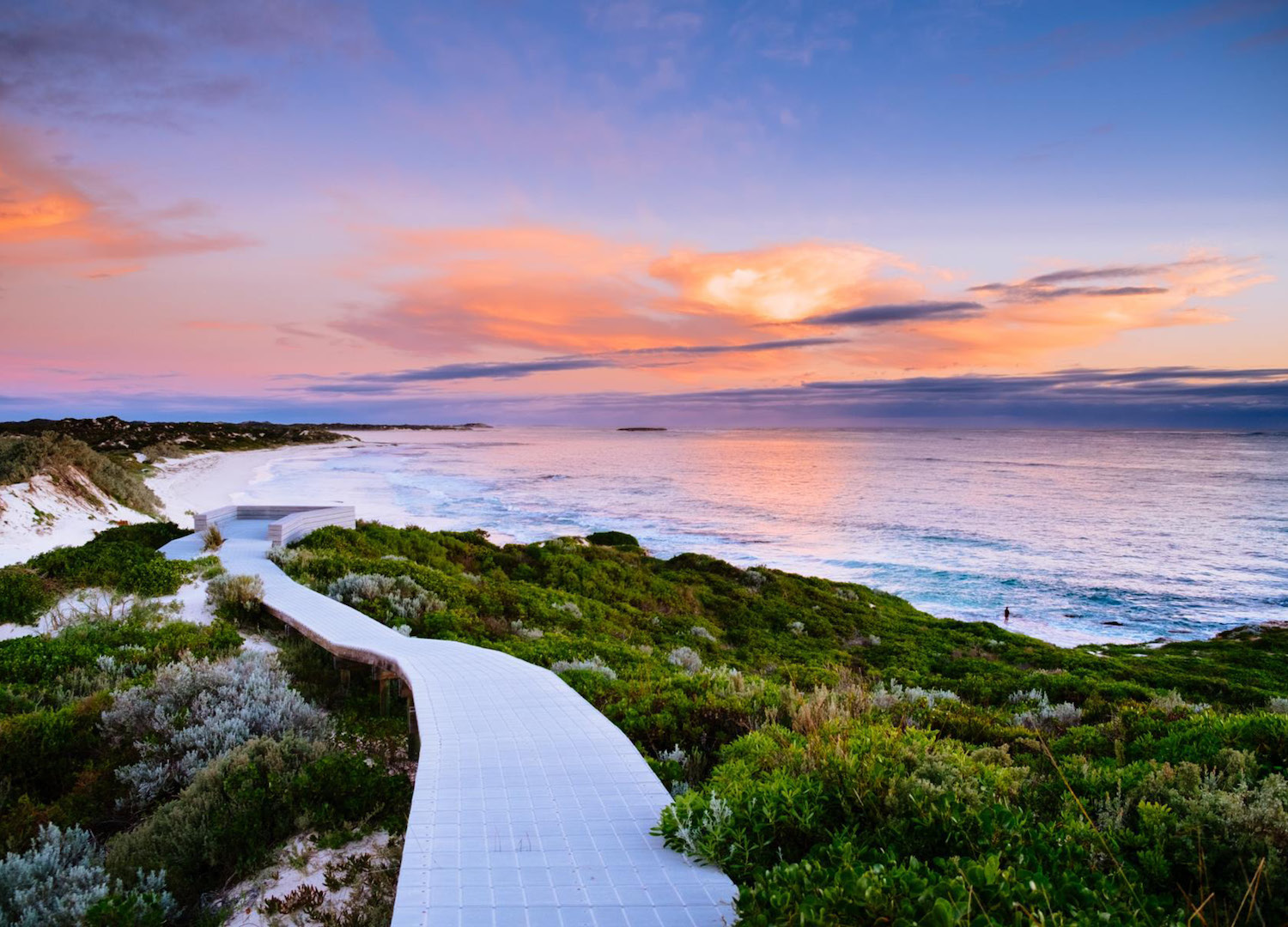
Replas uses plastic waste collected from the REDcycle Collection Bins at Australian supermarkets to make a range of outdoor products from fitness circuits to sturdy outdoor furniture, bollards, signage, boardwalks and dog park infrastructure. Even more of a reason to start collecting your soft plastics if you’re not already!
Spindrift Collections
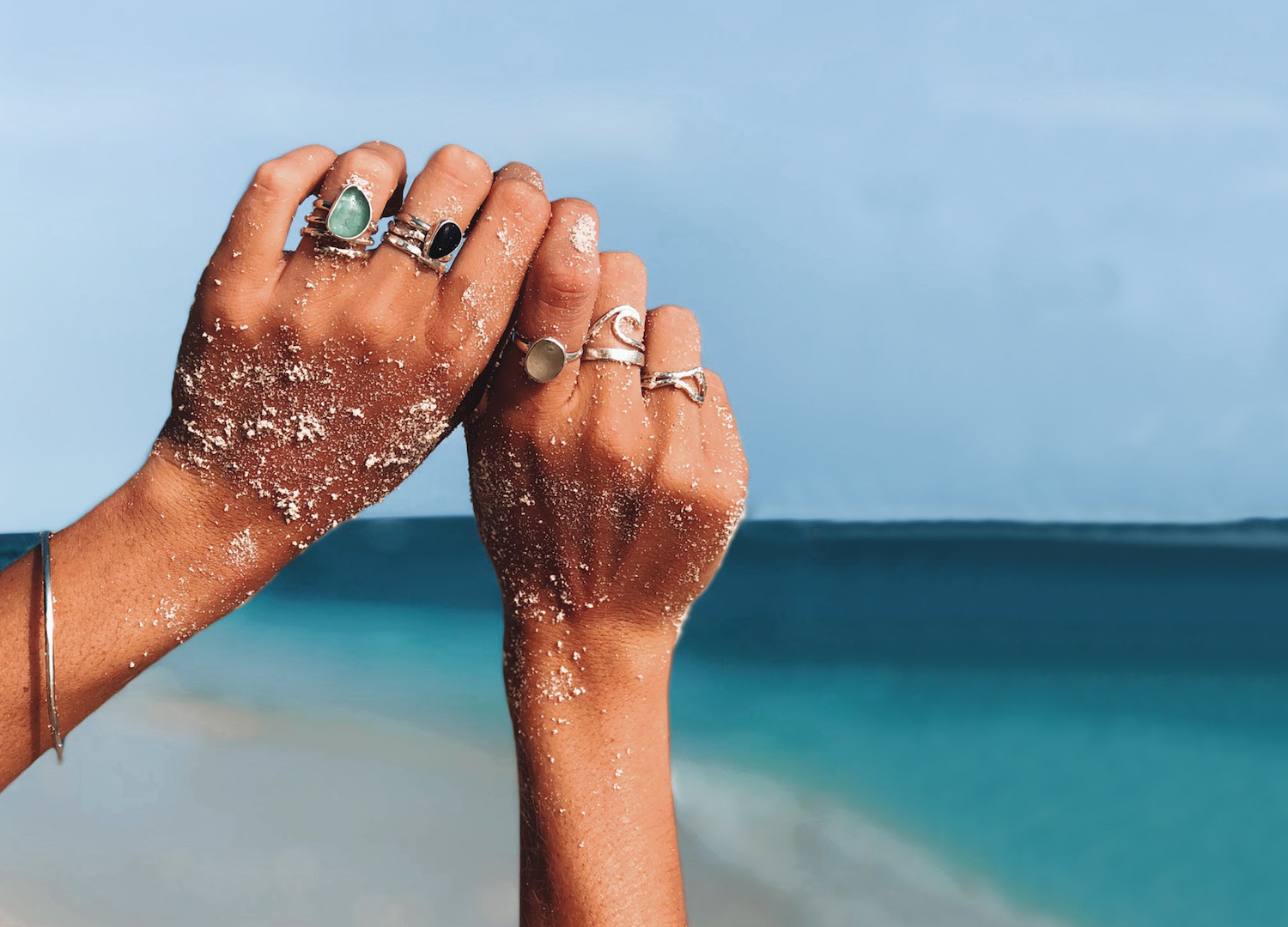
If you look for jewellery that tells a story, you’ll love Spindrift Collections – a nature-inspired range that aims to fuel your inner wanderlust and transport you to places you’ve not yet been. Prioritising the use of recycled materials, including recycled sterling silver and hand-collected beach glass, alongside a fully traceable supply chain, the Sydney-based company was founded by British-Australian designer Natasha Wakefield and is a proud member of 1% For The Planet. Also known as sea glass or mermaid tears, beach glass is made from discarded bottles and jars which have made their way into the ocean. Over many years the waves, water and salt naturally smooth the glass down to a soft and polished finish. Spindrift hand-collect and source their glass from beaches and shorelines all around the world.
Transmutation
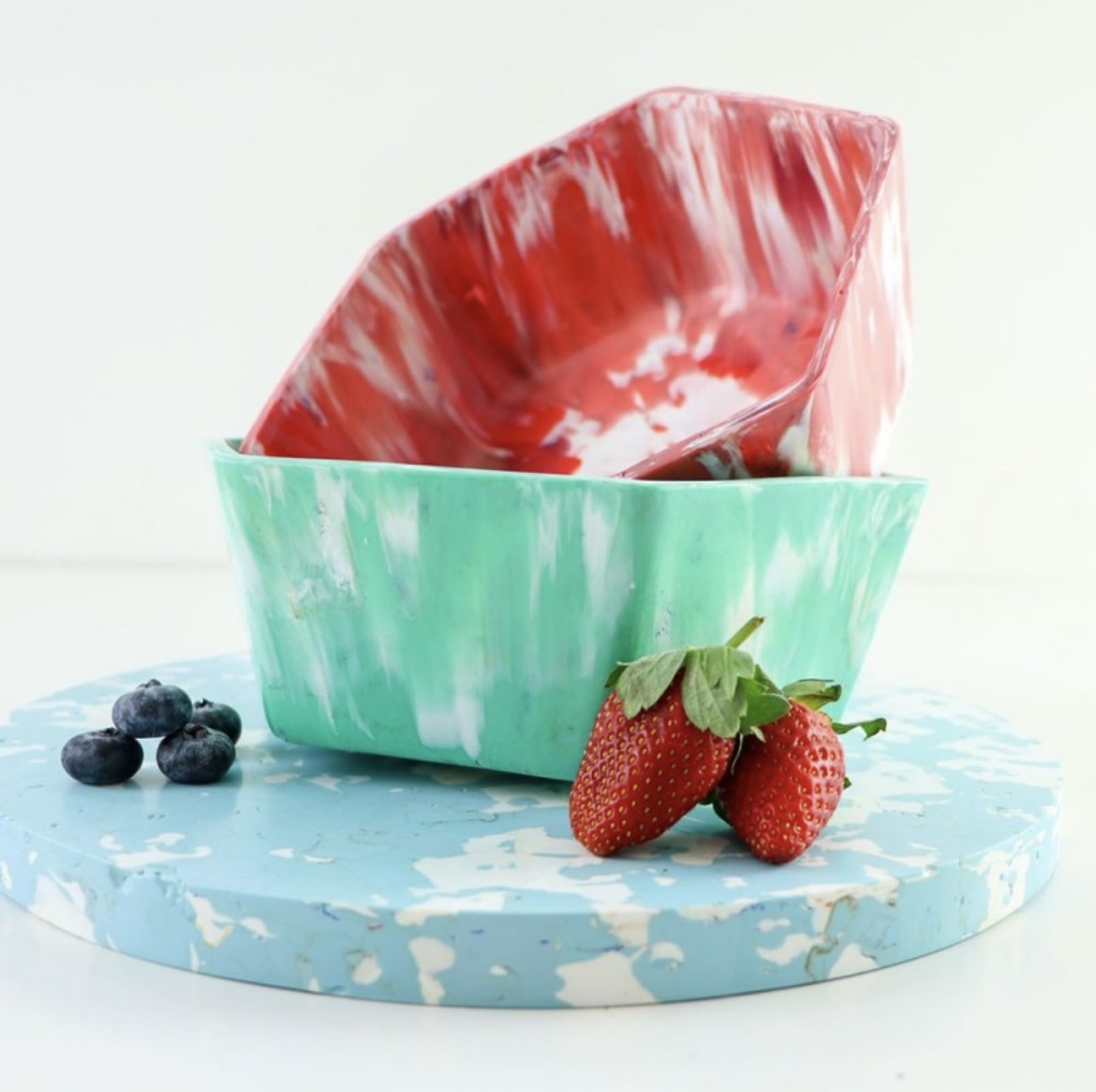
Started in South Africa in 2006, Bread Tags for Wheelchairs is a volunteer-driven initiative that collects bread tags for recycling companies so they can raise funds to buy wheelchairs for those in need. Its Australian arm recently teamed up with South Australian recycling partner Transmutation to transform the plastic tags into bowls and serving boards, with the colourful, retro-inspired bowls containing over 1800 bread tags each! Find your local bread tag collection point at ozbreadtagsforwheelchairs.org.au – support a great charity, keep plastic out of landfill, and contribute to these cool homewares!
Raise The Bar
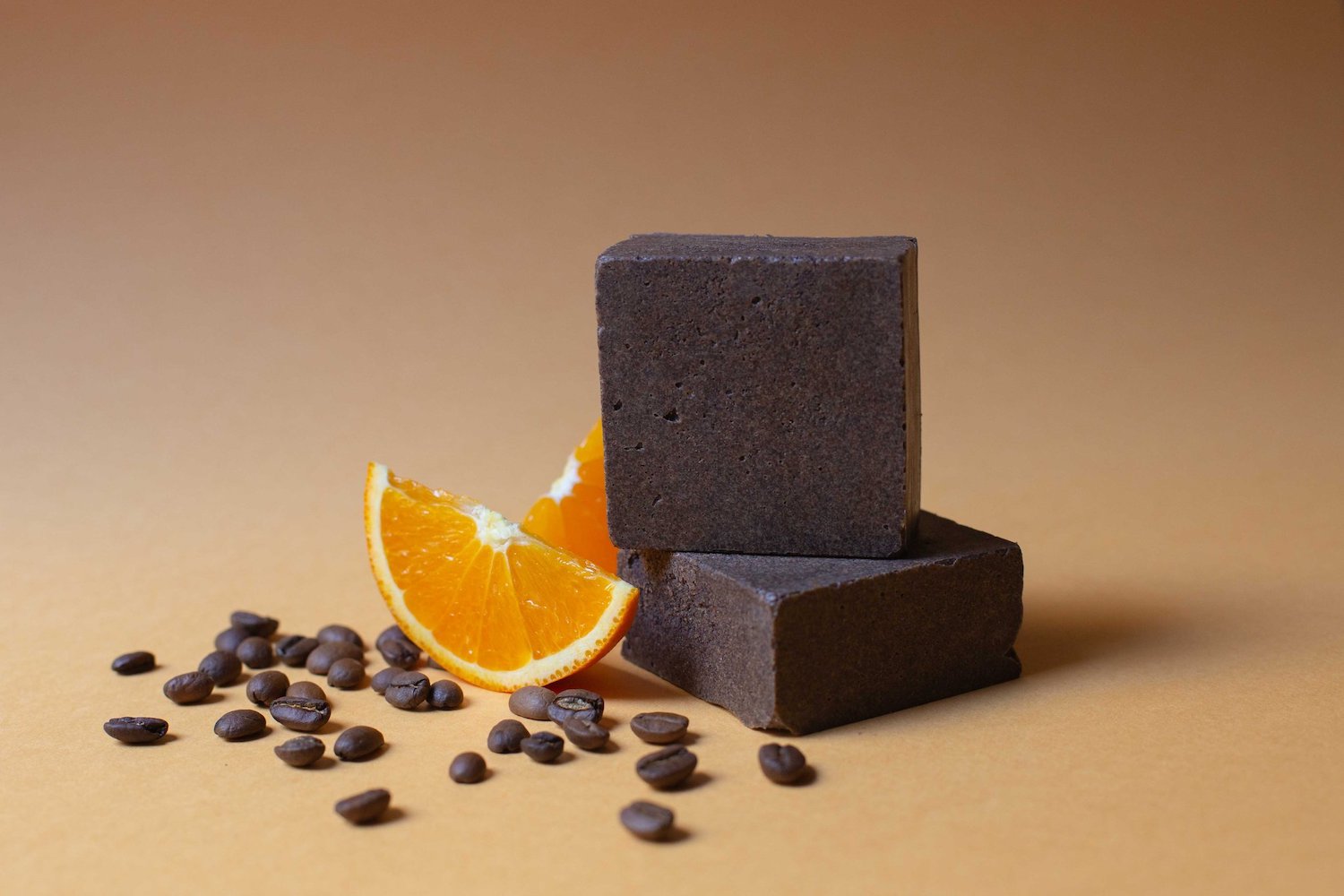
Not only do Raise The Bar’s coffee scrubs come in a handy bar format – so you can actually bathe in your favourite brew – but they’re also made to fight plastic pollution and waste in the beauty industry too. Frustrated by the use of fresh coffee rather than post-brewed grounds in body scrubs, Raise The Bar’s founder, Bronte Hogarth, began repurposing coffee grounds collected from local cafes and pairing them with lush ingredients like brown sugar, jojoba oil, shea and cocoa butters plus essential oils. Launched following a successful crowdfunding campaign in 2018 the cruelty- and microbead-free, vegan and 100% natural bars come in two scents – orange and peppermint – and are sent in compostable packaging. Consider that bar raised.
Upparel
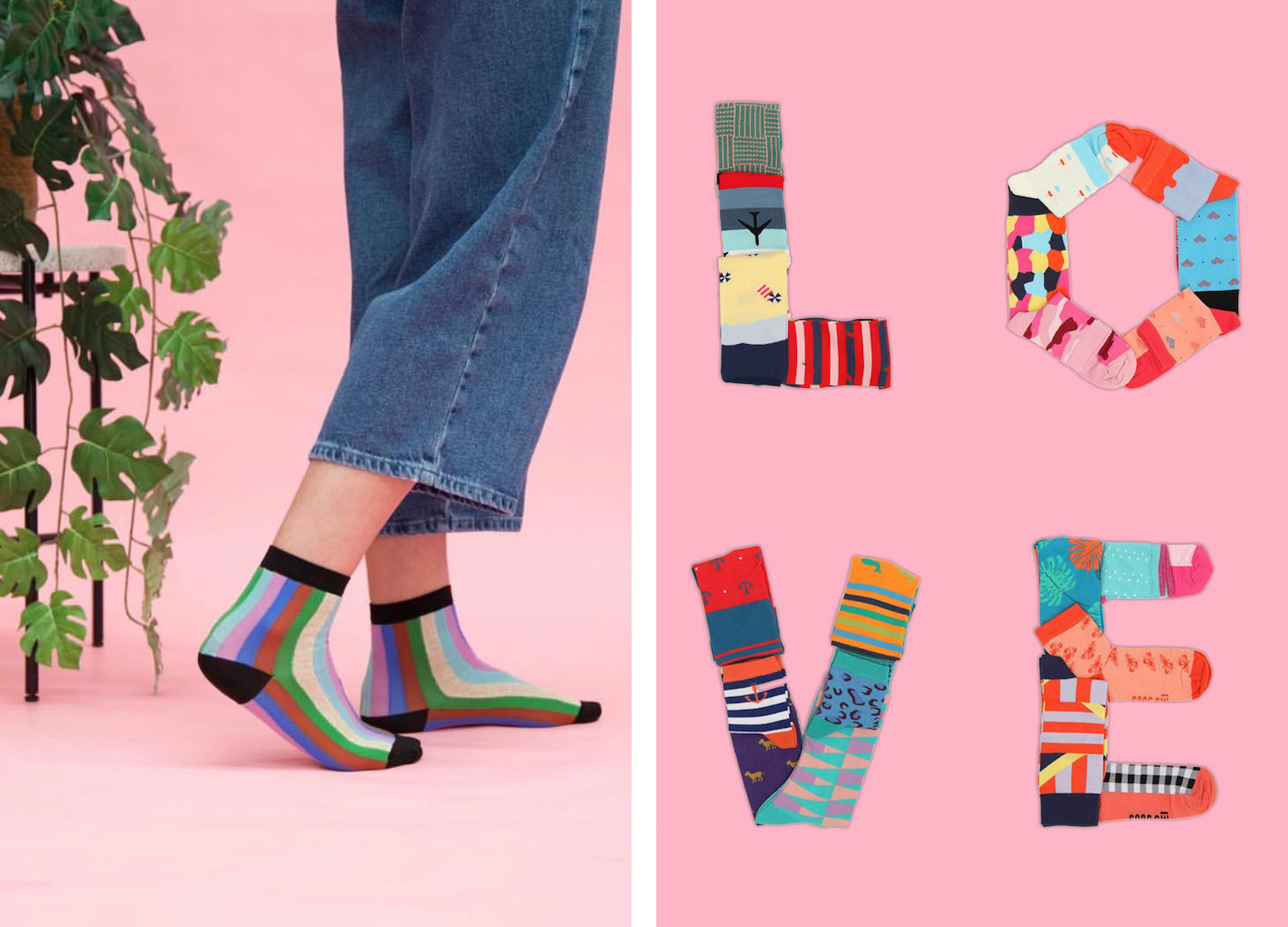
Horrified by waste within the textile industry, Melbourne socks-and-undies-maker Upparel (previously known as Manrags) began to encourage customers to send in their old (clean) socks for recycling – and thus, the world’s first circular subscription club was born. With the initiative proving wildly successful, the company expanded to accepting clothing and shoes – a nifty move that diverts huge amounts of waste from landfill and scores the sender a handy credit. Hello, win-win!
“My piece of advice for makers and designers? Run your own race… make sure your key decisions stay anchored in your brand’s core beliefs.”
- Bec Bligh
Quick show of hands: who’s opened a water bottle expecting a refreshing sip… and instead been greeted by the unmistakable whiff of uh-oh?
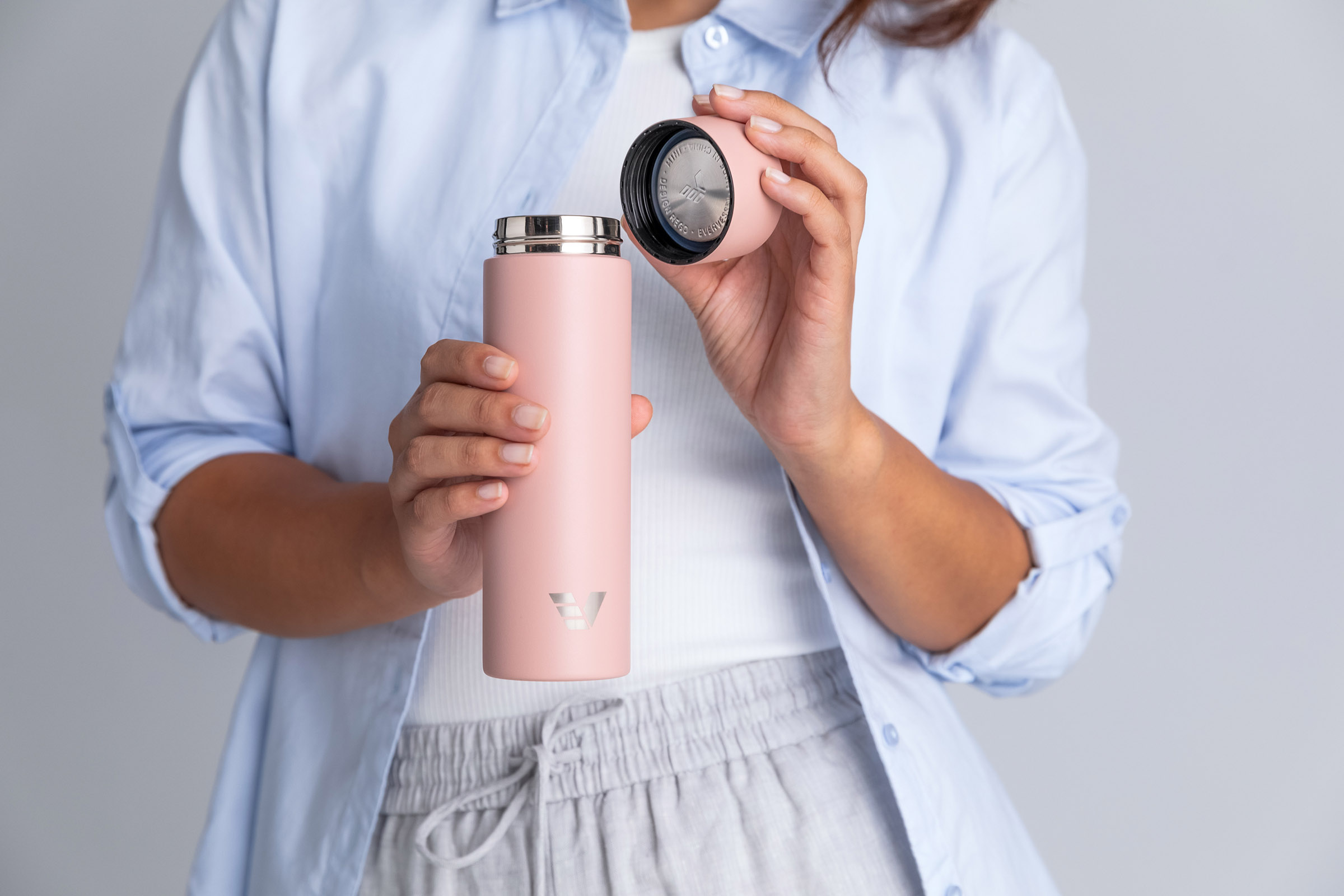
Because for something that follows us everywhere (desk, car, hikes, yoga…), the humble drink bottle is strangely prone to becoming a science experiment. Hard-to-clean corners and gaskets. Mystery smells. Bec Bligh and her husband Tim know it well. A six-month sailing trip along the Queensland coast left them with a lifetime of memories and one stubborn annoyance: mouldy water bottles they couldn’t properly clean.
So they did something about it.
Enter @EverVessel. Thoughtfully designed borosilicate glass and stainless steel bottles that keep things beautifully simple: durable materials, wide openings, easy-to-clean parts and none of the techy gimmicks that tend to age badly. Turns out simplicity, done well, is pretty powerful stuff. (Their many design awards agree!)
And lately they’ve added a little extra delight: the Artist Series, where creatives like Paola Castro, Ben Miners and Martin Thompson transform these everyday companions into tiny travelling artworks. There are more colabs in the works, too: hydration, but make it joyful! 🎨💧
We chatted with Bec about the sailing trip that started it all, the philosophy behind Ever Vessel, and why the most sustainable product is often just the one you keep using.
Tap the link in our bio to read the full conversation. 🚰
#EverVessel #ReusableWaterBottle


Pull up a chair… there’s room at this table!
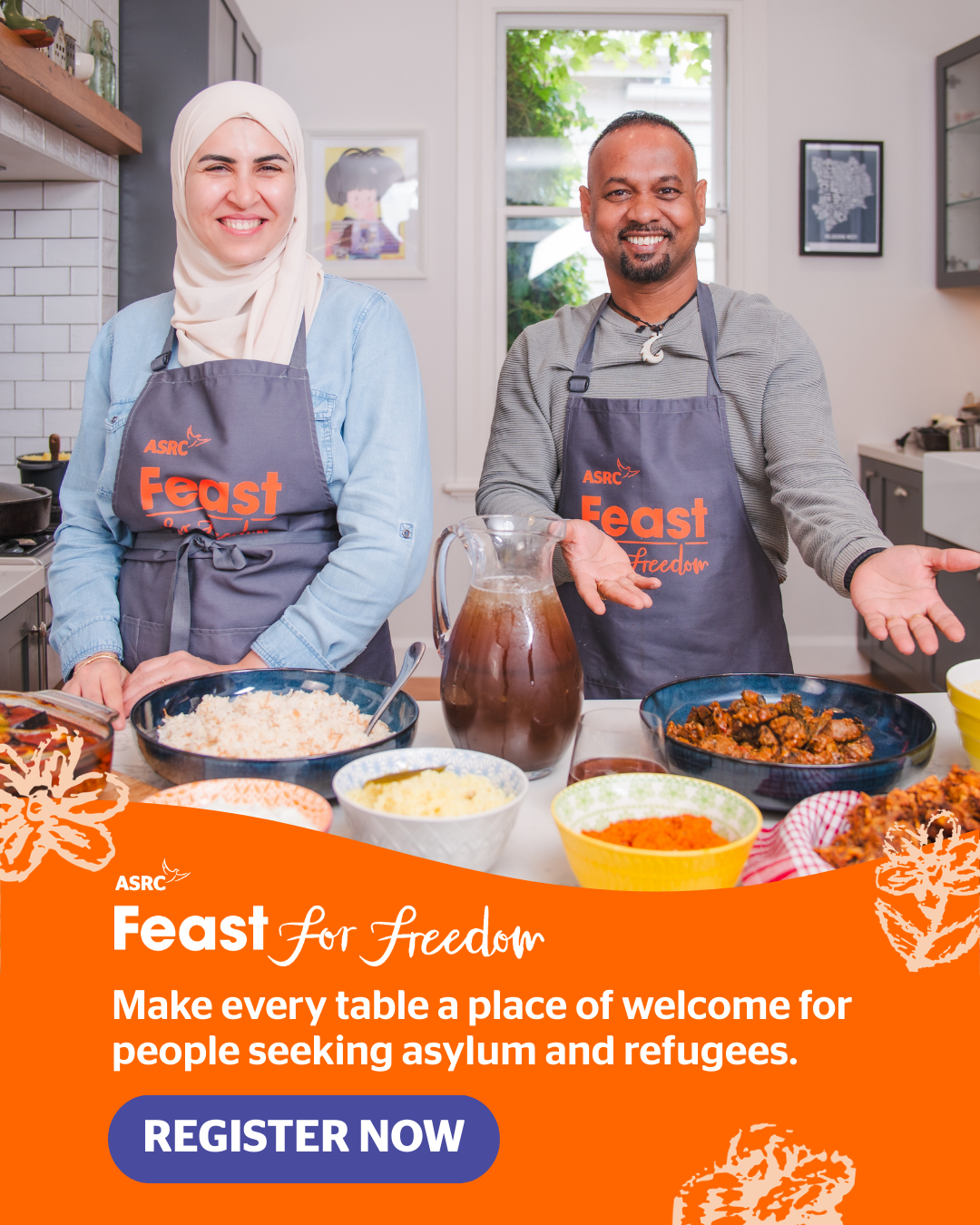
For the first time, Feast for Freedom is bringing people together for a spectacular long-table dinner as part of the Melbourne Food & Wine Festival.
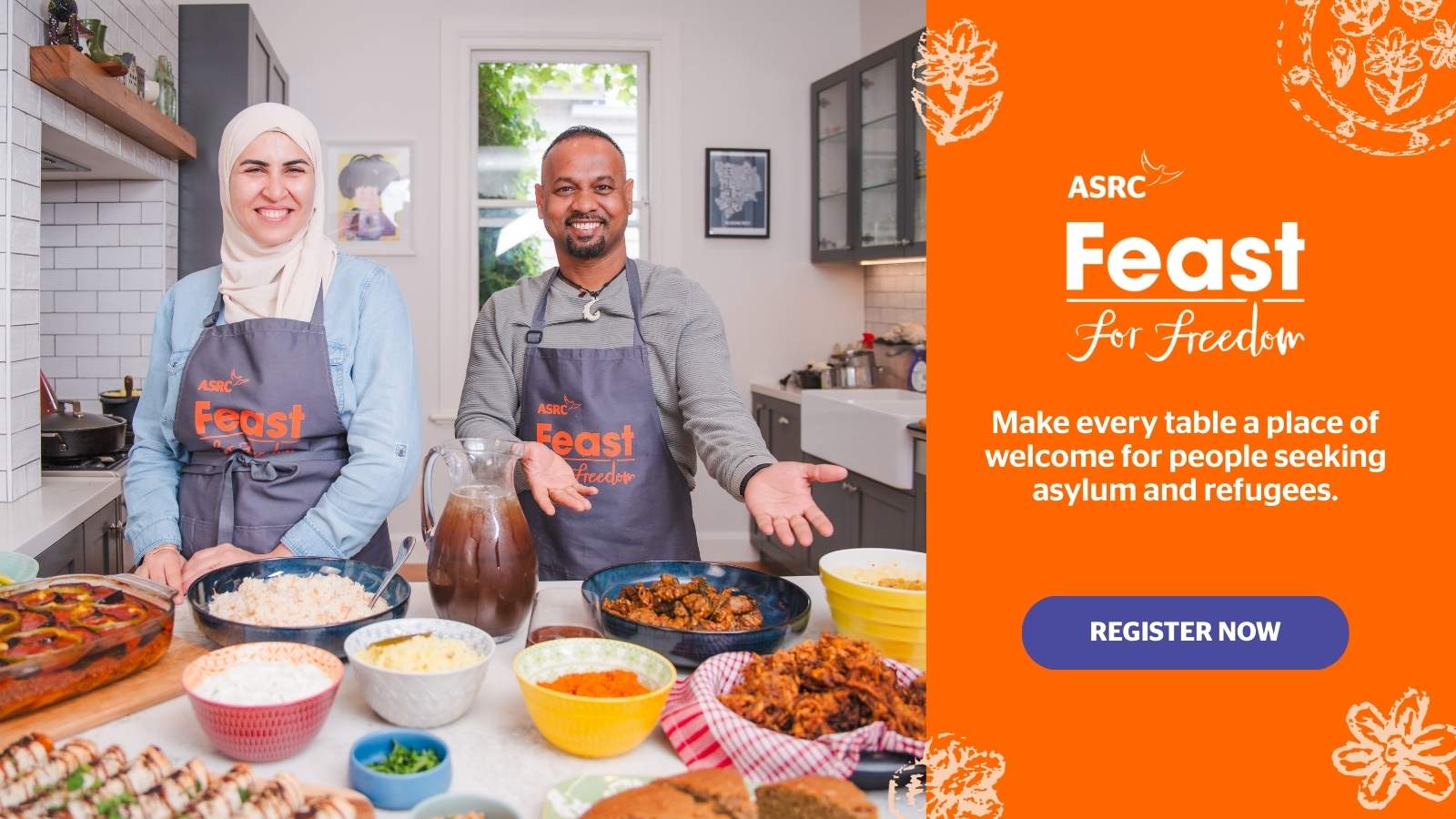
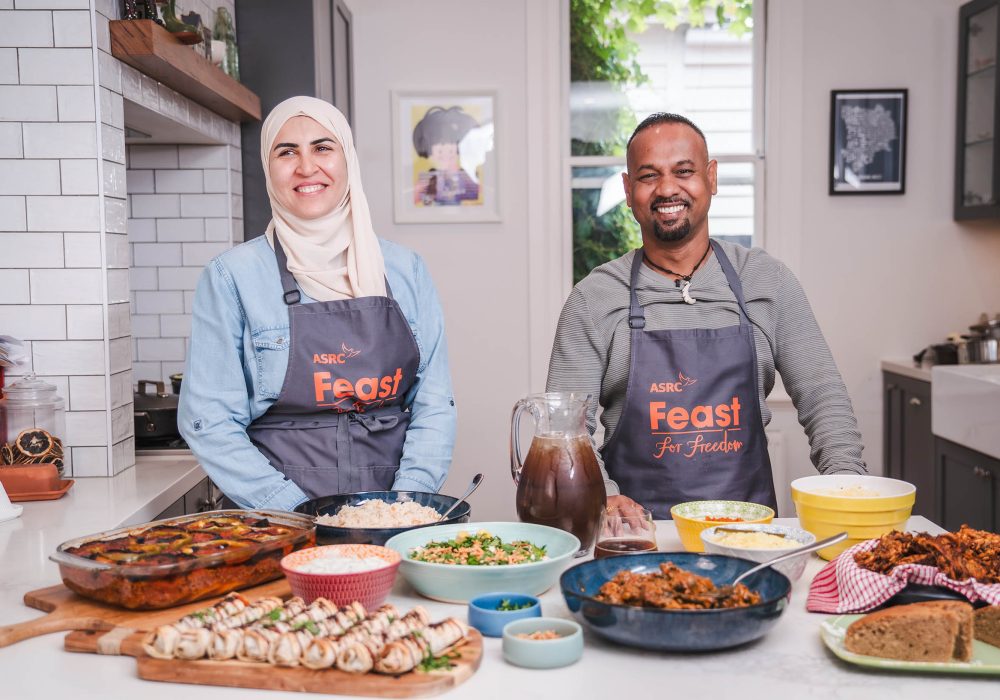
A Longer Table is exactly what it sounds like: one beautiful shared table inside the Asylum Seeker Resource Centre (@Asrc1), piled with generous dishes inspired by this year’s hero cooks, Noha and Nige.
From 6 to 9pm on Wednesday, 25 March, this is what you can expect:
🍽 A three-course shared feast
🍷 Matched drinks
🎶 Live entertainment
✨ A room full of good humans
Your ticket doesn’t just buy you a delicious dinner. It supports the ASRC’s vital work and helps create a fairer future for people seeking asylum.
Seats are limited, and long tables have a way of filling up quickly – head to @MelbFoodAndWine’s website to book now: feastforfreedom.org.au/mfwf
#FeastForFreedom #MelbourneFoodAndWineFestival #LongTableDinner #FoodForChange

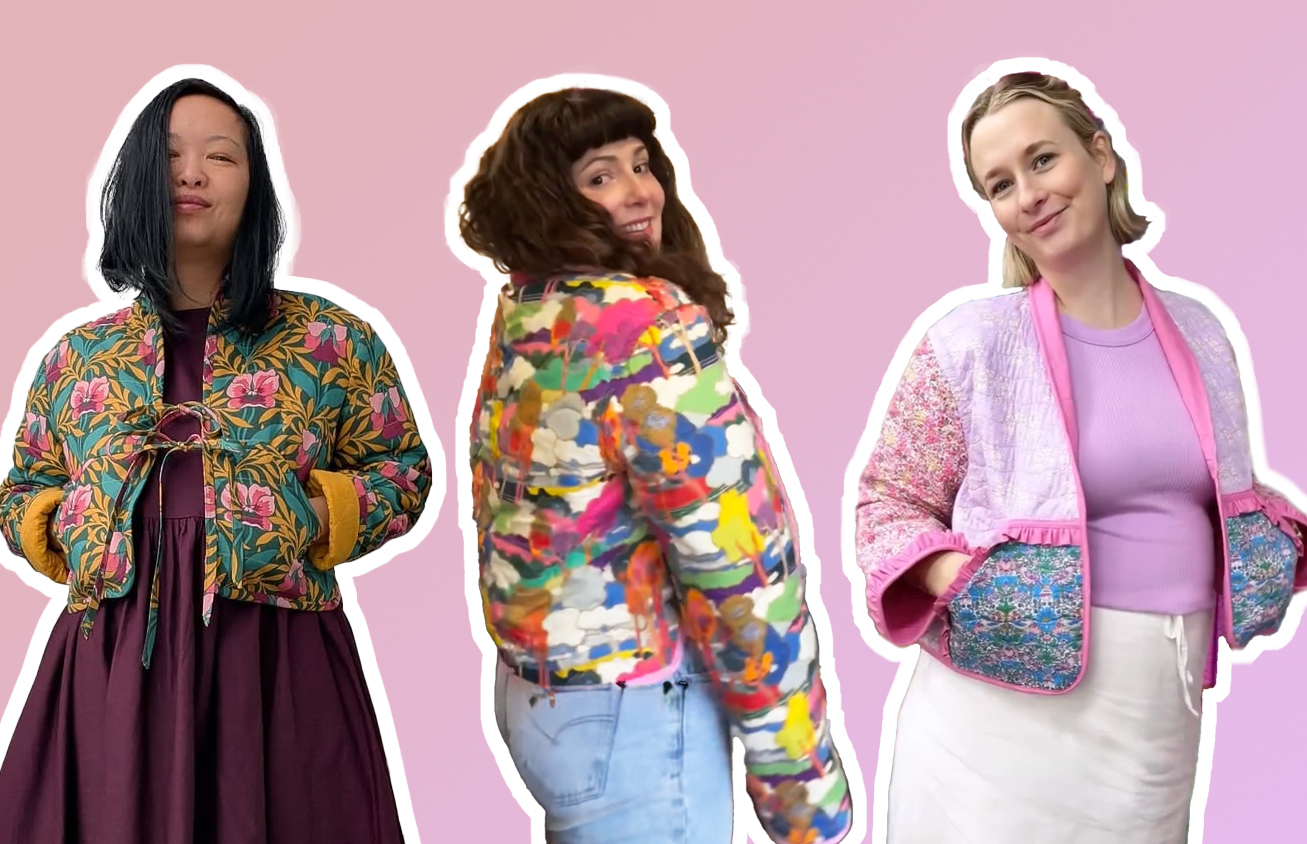
Sew versatile! 🪡
Another great make from Lisa from @SunnySewsEveryday:
My #PeppermintWaratahWrapDress is finished and I’m so proud of it. It has been designed not to flap open and flash your pants in the wind, so I feel confident it will be a great wheelchair or standing dress in English weather.
#PeppermintPatterns #WrapDress #WrapDressPattern

Frame your face with the Peppermint Bucket Hat!
Stay safe and stylish in the sun with your very own self-sewn and self-drafted wide-brimmed bucket hat. This beginner-friendly sew is perfect for a sunny day. Get out your pencils – this pattern is created using equations and maths!
This DIY project was featured in Issue 53 and now you can access it for the lovely low price of only $5.
Sun-safe chic is always in style. ☀️
Find it via the link in our bio!
Photos: @KelleySheenan
#PeppermintPatterns #PeppermintBucketHat #BucketHat #BucketHatPattern #DIY

✨ INSTANT CLASSIC ✨
The Peppermint Myrtle Shift Dress is a beginner-friendly make with a few special details based on the ever-stylish shift shape – the perfect dress you need in your wardrobe right now!
Myrtle cuts above the knee with options to customise the length. Don’t think she’s reserved for hot weather either: try a heavier-weight fabric to turn your Myrtle into a pinafore-style garment for layering.
For our fabrics we chose two from our lovely sewing partner @Karmme_Apparel – the bold Rottnest Stripes in a lightweight, soft-drape cotton, and the quality linen in the handpainted Mexico Collection.
Get making the Myrtle – the only question is, can you stop at just one?
Link in bio 🪡
Fabric: @Karmme_Apparel
Sewist: @Laura_The_Maker
Photos: @KelleySheenan
Models: @SerahSews and @Pins_And_Tonic
Location: @ShareTheDignityAustralia
#PeppermintMyrtleShiftDress #PeppermintPatterns

It’s time to Feast!
Some recipes travel a long way before they land on your table to delight your taste buds. This year’s Feast for Freedom invites us to gather our friends, cook something delectable and raise funds for the incredible work of the Asylum Seeker Resource Centre (@Asrc1) while we’re at it.
The 2026 Feast features recipes shared by two remarkable cooks: Noha, who brought the flavours of Palestine with her when she arrived in Australia, and Nige, a Sri-Lankan Tamil cook whose journey with food began in the most unexpected of places.
You can host your own Feast up until 30 April – simply register online and get planning! Host a dinner, organise a workplace lunch, or gather your community… However you do it, the idea is simple: cook, connect and celebrate the cultures and stories that shape Australia.
Want to find out more? Head to the link in bio to meet Noha and Nige, learn more about their stories, and discover a delicious recipe to try.
#FeastForFreedom #PeppermintMagazine #FoodForGood #ASRC
