words JESSICA PENNY photos UNSPLASH
It’s a dog-eat-dog world in the rental market. House prices keep rising as green spaces shrink away. So how does your garden grow? Here’s one green thumb’s top tips for toiling the soil and the soul through it all.
Nearly a decade ago, I left my coastal hometown for a rundown shopfront in inner-city Melbourne. It was there that I first experienced black mould, impromptu house parties and the instability of renting – after just six months of calling the shopfront home, I received notice that the building was to be bulldozed.
It was also there, however, through a pot of parsley on the doorstep, that I discovered the joys of gardening. For 10 years it has given me consistency and comfort as I moved between rentals, allowing me to put down literal roots and make any house, my home. Finding this sense of security in a time when house prices are forcing Australians to rent for longer is crucial.
For 10 years it has given me consistency and comfort as I moved between rentals, allowing me to put down literal roots and make any house, my home.
Of course, gardening in a rental is not always as straightforward as a trip to Bunnings and an afternoon working bee. There are tenancy agreements to read, landlords to charm and the threat of eviction to be wary of. Here are 10 things I’ve learned from 10 years of gardening in rentals.

ONE // CHECK IN WITH YOUR LANDLORD
I once ripped up the lawn of a rental and turned it into a food forest complete with chickens and a beehive. While my housemates and I were delighted to forage on our urban farm, our landlord was not… One morning we woke up to him mowing over all our hard work.
Don’t make my mistake! Before getting stuck into executing your grand garden plans, speak to your landlord – it will save you trouble down the line. It’s also a good idea to know the rules as outlined by both Consumer Affairs and your tenancy agreement. In Victoria, for example, rental laws state that a landlord cannot refuse permission for a vegetable or herb garden without a good reason. In my personal experience, lease agreements – for the most part at least – allow changes to the garden if it is returned to its prior state before moving out. Take photos when you first move in and include them in your condition report, and weed out inappropriate living situations and landlords by stating your intentions for the garden in a cover letter included with your rental application.
TWO // PLANT WHAT YOU’LL NEED MOST
Time, space and money are not often on your side when gardening in a rental. Direct your energy towards the plants you love and will use the most. Herbs and leafy greens are a great place to start as they are hard to kill, easy to grow in pots and ludicrously expensive at supermarkets. My go-to plants at a new house are silverbeet, Tuscan kale, cos lettuce, rocket, mint and parsley.
THREE // YOU DON’T NEED TO DIG
No-dig gardening involves layering organic matter on top of lawn or depleted soil to create a speedy and nutrient-rich garden bed. The low-impact nature of this type of gardening makes it perfect for the renters among us: when you move out, just pull out the plants and scatter the soil, feeding the lawn below.
FOUR // BYO COMPOST
Cut down on the plastic and cost associated with store-bought fertiliser by making your own compost! I like to establish a compost system as soon as I move into a new place. In an apartment, this might be a worm farm or a Bokashi bin. In houses with a backyard, it could be a tumbler found on Gumtree or an open compost heap. Composting not only diverts food waste from landfill but sets you up for your next garden project; when you move, you can take your ready-made compost with you!
FIVE // MAKE A MOVEABLE GARDEN
Growing in pots or planter boxes allows you to chase the sun when charting unfamiliar territories. It also means that you can take your cherished plants with you should you have to move again. That said, pots can be a bit of an investment. Cut costs by making your own from Styrofoam boxes or trying a no-dig technique.
SIX // EMBRACE UPCYCLING
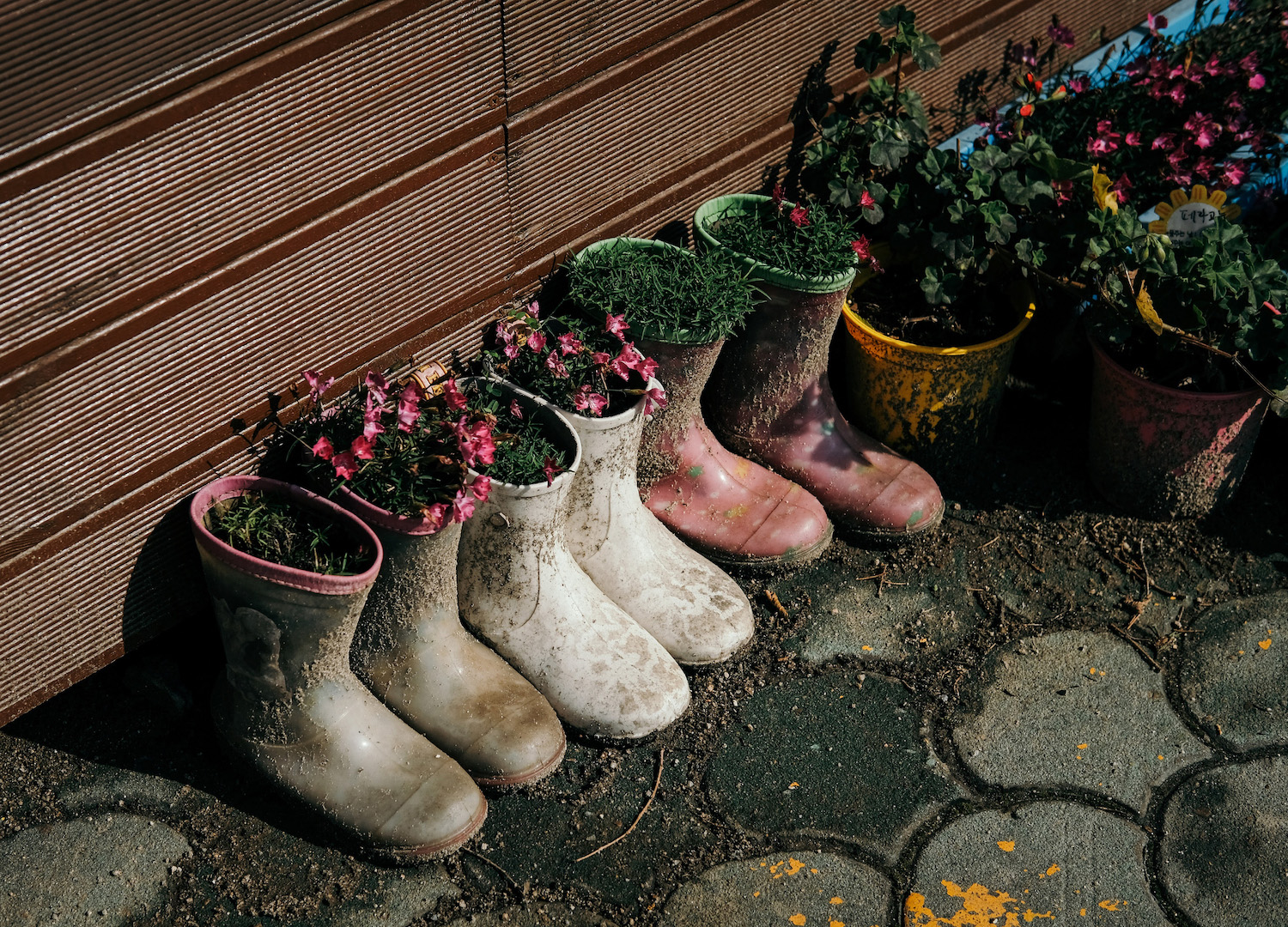
Op-shops, garage sales, Facebook Marketplace and hard rubbish days are all great sources for gardening supplies – you just need to get creative. Grow potatoes in hessian coffee sacks, use an old wheelbarrow as a garden bed or stake beans on a cast-iron bedhead!
SEVEN // TAKE A CREATIVE APPROACH TO SPACE
I once spent a summer enjoying pesto made with basil grown exclusively on my bedroom windowsill! You don’t need a huge backyard or a conventional veggie patch to grow your own food – think vertically, hang some pots or bring your growing indoors.
EIGHT // GET TO KNOW YOUR NEIGHBOURS
Befriending the neighbours can be daunting but the rewards are often bountiful – shared knowledge, skills and resources. Through neighbourly connections, I have been gifted surplus mulch, had seeds passed over the back fence and traded kale for oranges. Don’t forget to connect with your local community online too. Some suburbs have Facebook groups or newsletters where neighbours offer everything from friendly advice to kombucha scoby.
NINE // JOIN A COMMUNITY GARDEN
You might also want to consider joining a community garden. They are a great place to meet new people, spend time in nature, learn from others and, of course, keep on gardening regardless of your housing sitch. Take a walk around your neighbourhood or check out this map to find your closest community garden.
TEN // GARDENING IS ALWAYS WORTH IT
At the end of the day, and while I do recommend considering the inevitable end of your lease when planning your backyard budget, I want to assure you that the hard work and expenses associated with gardening are well worth it! Gardening is great for your mental and physical health and it encourages you to connect with nature daily. It’s also great for your pocket in the long-term – growing your own food can save you money and strengthen food security.
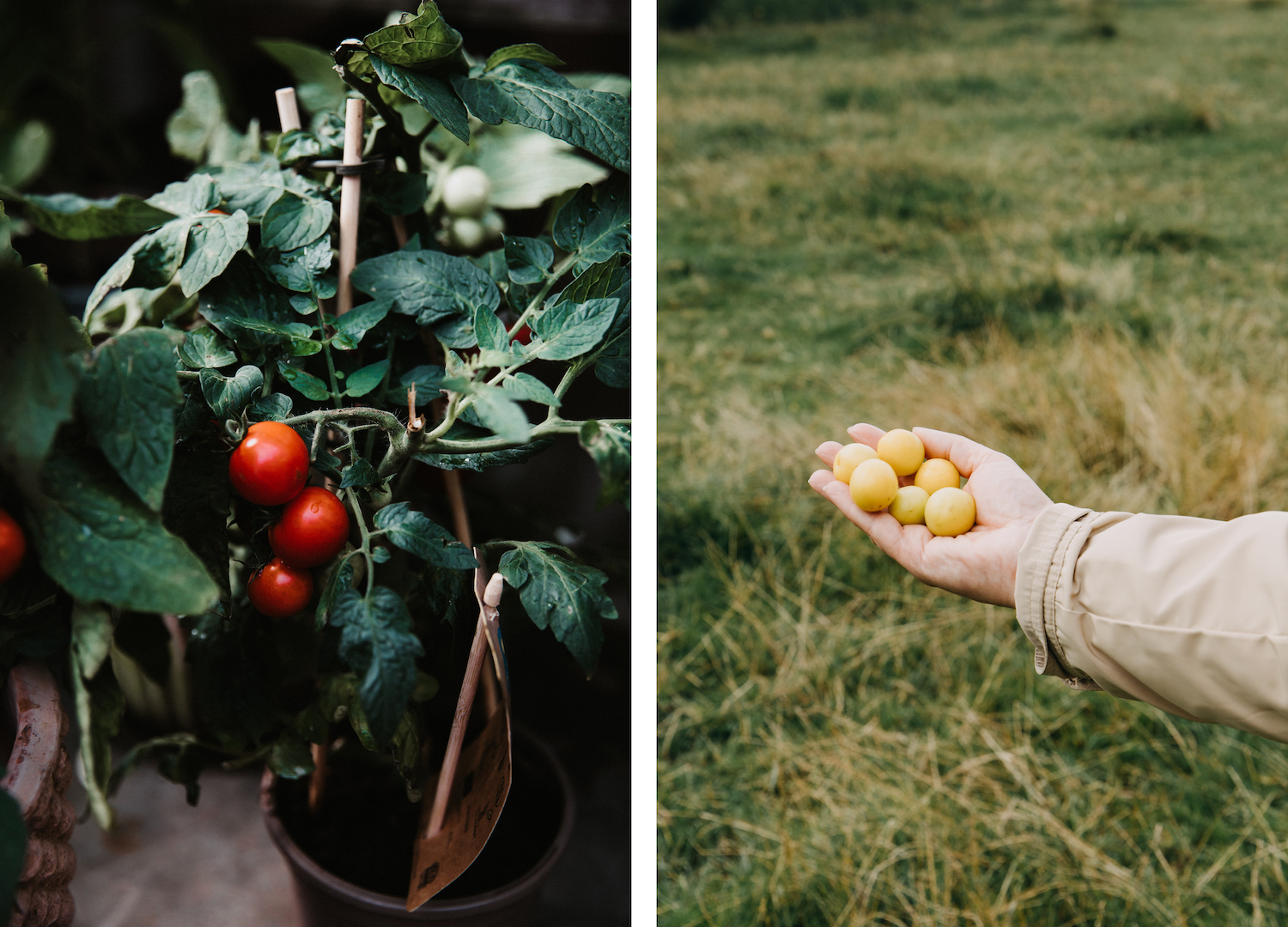
Besides, there is nothing quite as satisfying as cooking with fresh produce grown in your backyard: once you bite into a homegrown tomato, you’ll never go back!
WANT MORE HOME AND LIFESTYLE CONTENT? RIGHT THIS WAY!












“My piece of advice for makers and designers? Run your own race… make sure your key decisions stay anchored in your brand’s core beliefs.”
- Bec Bligh
Quick show of hands: who’s opened a water bottle expecting a refreshing sip… and instead been greeted by the unmistakable whiff of uh-oh?
Because for something that follows us everywhere (desk, car, hikes, yoga…), the humble drink bottle is strangely prone to becoming a science experiment. Hard-to-clean corners and gaskets. Mystery smells. Bec Bligh and her husband Tim know it well. A six-month sailing trip along the Queensland coast left them with a lifetime of memories and one stubborn annoyance: mouldy water bottles they couldn’t properly clean.
So they did something about it.
Enter @EverVessel. Thoughtfully designed borosilicate glass and stainless steel bottles that keep things beautifully simple: durable materials, wide openings, easy-to-clean parts and none of the techy gimmicks that tend to age badly. Turns out simplicity, done well, is pretty powerful stuff. (Their many design awards agree!)
And lately they’ve added a little extra delight: the Artist Series, where creatives like Paola Castro, Ben Miners and Martin Thompson transform these everyday companions into tiny travelling artworks. There are more colabs in the works, too: hydration, but make it joyful! 🎨💧
We chatted with Bec about the sailing trip that started it all, the philosophy behind Ever Vessel, and why the most sustainable product is often just the one you keep using.
Tap the link in our bio to read the full conversation. 🚰
#EverVessel #ReusableWaterBottle


Pull up a chair… there’s room at this table!
For the first time, Feast for Freedom is bringing people together for a spectacular long-table dinner as part of the Melbourne Food & Wine Festival.
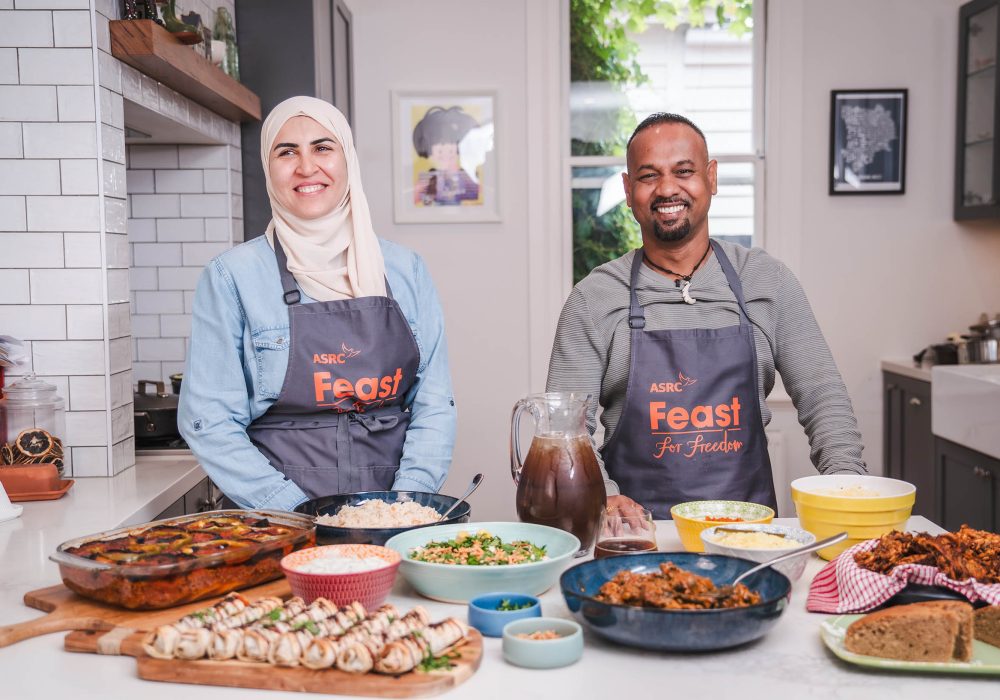
A Longer Table is exactly what it sounds like: one beautiful shared table inside the Asylum Seeker Resource Centre (@Asrc1), piled with generous dishes inspired by this year’s hero cooks, Noha and Nige.
From 6 to 9pm on Wednesday, 25 March, this is what you can expect:
🍽 A three-course shared feast
🍷 Matched drinks
🎶 Live entertainment
✨ A room full of good humans
Your ticket doesn’t just buy you a delicious dinner. It supports the ASRC’s vital work and helps create a fairer future for people seeking asylum.
Seats are limited, and long tables have a way of filling up quickly – head to @MelbFoodAndWine’s website to book now: feastforfreedom.org.au/mfwf
#FeastForFreedom #MelbourneFoodAndWineFestival #LongTableDinner #FoodForChange

Sew versatile! 🪡
Another great make from Lisa from @SunnySewsEveryday:
My #PeppermintWaratahWrapDress is finished and I’m so proud of it. It has been designed not to flap open and flash your pants in the wind, so I feel confident it will be a great wheelchair or standing dress in English weather.
#PeppermintPatterns #WrapDress #WrapDressPattern

Frame your face with the Peppermint Bucket Hat!
Stay safe and stylish in the sun with your very own self-sewn and self-drafted wide-brimmed bucket hat. This beginner-friendly sew is perfect for a sunny day. Get out your pencils – this pattern is created using equations and maths!
This DIY project was featured in Issue 53 and now you can access it for the lovely low price of only $5.
Sun-safe chic is always in style. ☀️
Find it via the link in our bio!
Photos: @KelleySheenan
#PeppermintPatterns #PeppermintBucketHat #BucketHat #BucketHatPattern #DIY

✨ INSTANT CLASSIC ✨
The Peppermint Myrtle Shift Dress is a beginner-friendly make with a few special details based on the ever-stylish shift shape – the perfect dress you need in your wardrobe right now!
Myrtle cuts above the knee with options to customise the length. Don’t think she’s reserved for hot weather either: try a heavier-weight fabric to turn your Myrtle into a pinafore-style garment for layering.
For our fabrics we chose two from our lovely sewing partner @Karmme_Apparel – the bold Rottnest Stripes in a lightweight, soft-drape cotton, and the quality linen in the handpainted Mexico Collection.
Get making the Myrtle – the only question is, can you stop at just one?
Link in bio 🪡
Fabric: @Karmme_Apparel
Sewist: @Laura_The_Maker
Photos: @KelleySheenan
Models: @SerahSews and @Pins_And_Tonic
Location: @ShareTheDignityAustralia
#PeppermintMyrtleShiftDress #PeppermintPatterns

It’s time to Feast!
Some recipes travel a long way before they land on your table to delight your taste buds. This year’s Feast for Freedom invites us to gather our friends, cook something delectable and raise funds for the incredible work of the Asylum Seeker Resource Centre (@Asrc1) while we’re at it.
The 2026 Feast features recipes shared by two remarkable cooks: Noha, who brought the flavours of Palestine with her when she arrived in Australia, and Nige, a Sri-Lankan Tamil cook whose journey with food began in the most unexpected of places.
You can host your own Feast up until 30 April – simply register online and get planning! Host a dinner, organise a workplace lunch, or gather your community… However you do it, the idea is simple: cook, connect and celebrate the cultures and stories that shape Australia.
Want to find out more? Head to the link in bio to meet Noha and Nige, learn more about their stories, and discover a delicious recipe to try.
#FeastForFreedom #PeppermintMagazine #FoodForGood #ASRC
