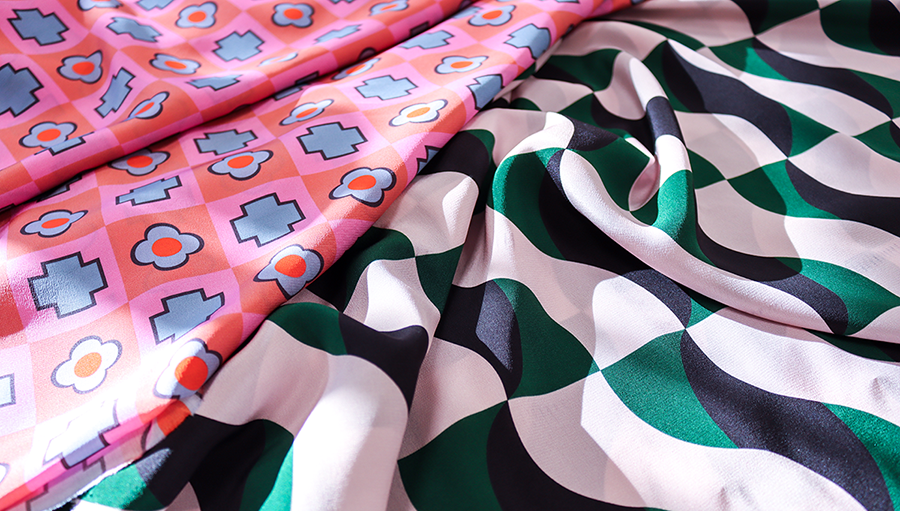
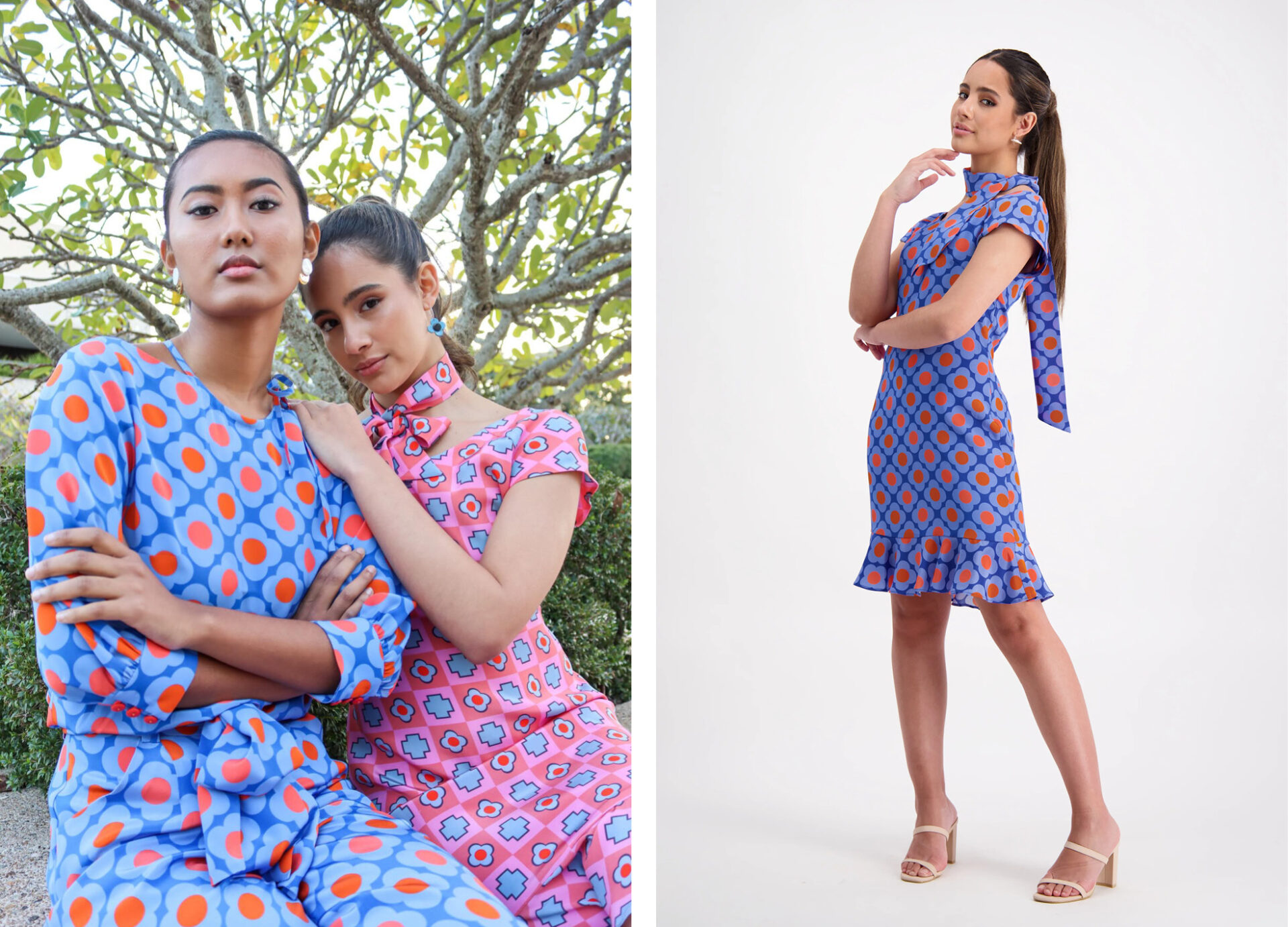
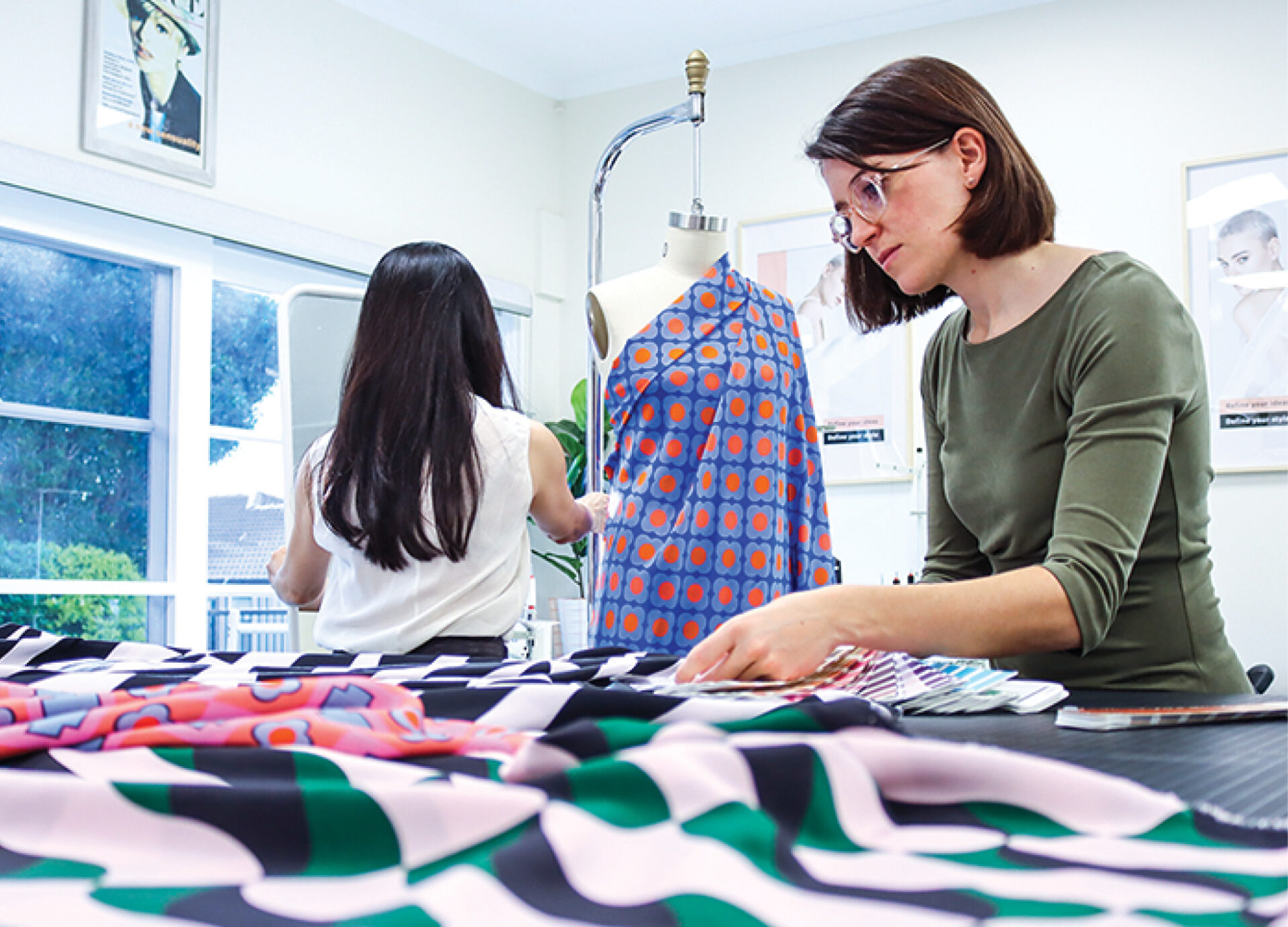
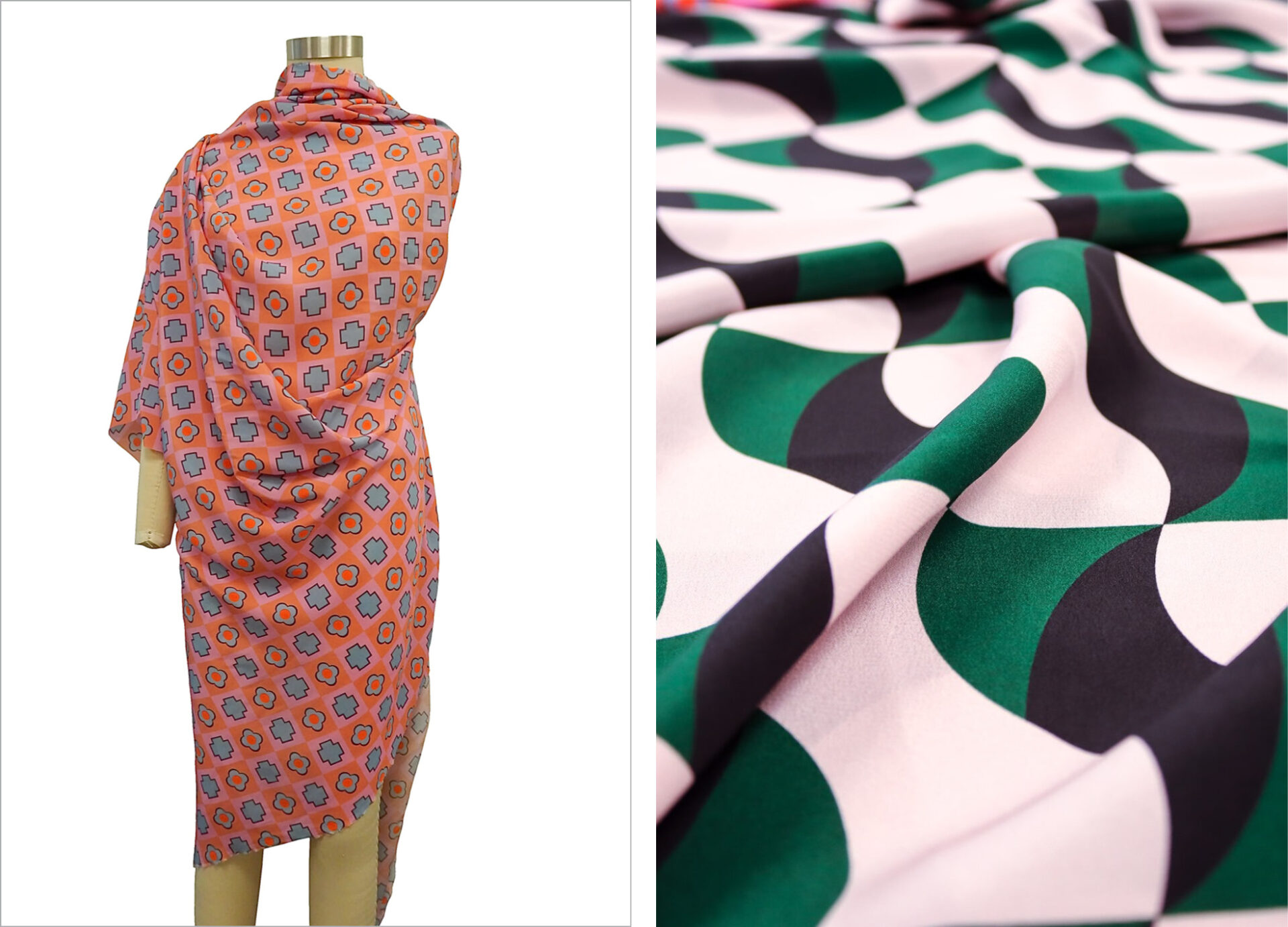
Well-known and loved for her bold, geometric designs, Erin Lightfoot creates coveted ceramic jewellery with her husband, multi-disciplinary creative Tang Oudomvilay and their small team of artisans. While the love for her work in ceramics has taken Erin far, the vision to develop her own clothing line using her unique print designs has always lingered at the back of her mind, ever since she finished her fashion degree almost 14 years ago. So in 2021 Erin decided to try her well-skilled hand at fashion, with a capsule collection created alongside fashion consultant and educator Thuy Nyugen of Fashion360. The stunning range of garments featured Erin’s recognisable prints on high-quality silk, crafted into refined silhouettes with the fit and shaping that Thuy is famous for.
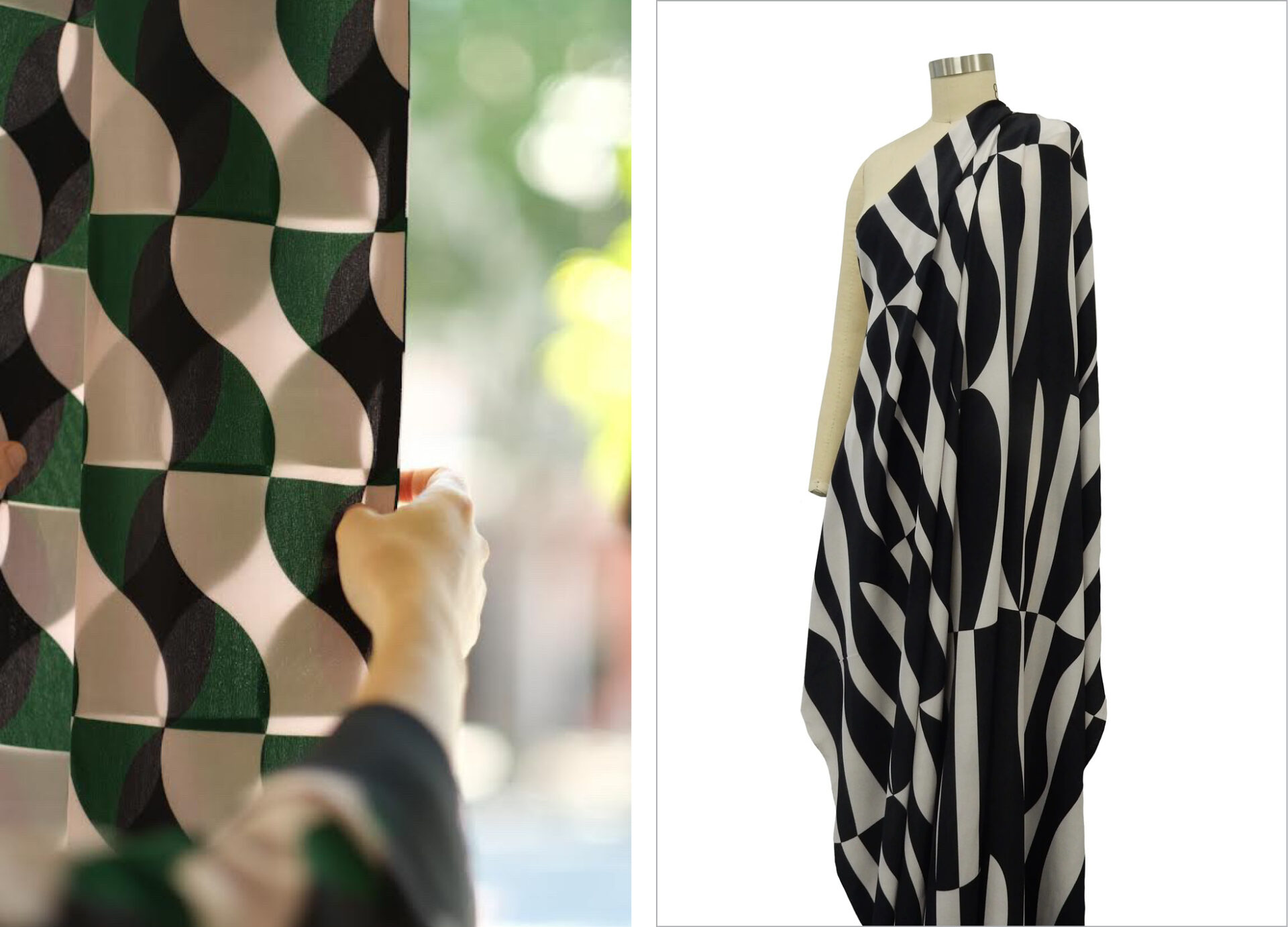
Last year Erin turned her focus back to jewellery, also cutting back the vase production to simplify and find a better balance between production, design, marketing and general business operations (consider yourself lucky if you have one of Erin’s original iconic vases!). With a limited amount of the beautiful silk fabric remaining, Erin has decided to sell the remnants, to see what sewists can create with it. “It has been such a delightful experience so far to hear about the plans people have for interpreting the fabric in their own style,” she says. Erin chats creativity, collaborations and art vs design.
IMAGES COURTESY OF ERIN LIGHTFOOT
You originally studied fashion and textile design – can you tell us about that?
Sure can, thanks for asking! I was one of those uni students who didn’t quite know what to do but had an inkling I wanted to do something creative. Fashion felt interesting and even though there was no obvious career path, the appeal was the idea of creating a body of work by the end of it, as I really wanted to shape my creativity into something tangible.
Through this course, I found the start of my ‘creative voice’ in designing patterns for fabrics. These patterns were the birth place for my self-titled ceramics and jewellery label.
Were you always interested in design?
Yes, basically as soon as I grasped the concept, my interest burgeoned. I grew up in a creative family with a very creative mother (she is an artist). I was always familiar with and interested in creativity but my interest in design came with age.
I love that the audience is essential in design projects. When you are designing something for someone else to use, you need to be thinking about them and their experience. If I compare this to the concept of art, I think art is more about self-expression or expressing an idea. One is not better than the other and both make the world a better place but design resonates with me more. My work includes self-expression but is shaped with the end user in mind.
When you are designing something for someone else to use, you need to be thinking about them and their experience. If I compare this to the concept of art, I think art is more about self-expression or expressing an idea.
What made you choose ceramics as your creative outlet?
I was looking for a material that was interesting and had a lot of integrity to it. I can remember being fresh out of uni and wanting to do something with my prints but not being sure what to do with them. Partly because my Mum had a ceramic studio and partly inspired by a ceramic piece I saw in a boutique, I had the idea to combine my prints with ceramics and that felt exciting to me. The combination seemed fresh and interesting and the end product would have the quality that spoke to me.
You launched your fashion range alongside Thuy Nguyen of Fashion360 – why were you drawn to creating apparel?
The opportunity arose and I jumped at the chance to work with Thuy. I think my patterns really lend themselves to fabric but I had been absorbed in running a ceramic studio for so many years that I didn’t have the head-space to try new canvases. When Thuy reached out with the idea, I said an eager yes. Partly because I love collaborating and partly because I’d always wanted to explore using my prints in other ways.
What was it like working with textiles instead of ceramic? Any pros or cons?
I loved it! Pros were working in a new material on a bigger canvas and seeing my prints come to life in such a beautiful way. I absolutely loved the process of collaborating and sharing design ideas with Thuy.
Cons were that it’s very challenging to create a selling environment for garments. Selling online takes a big marketing strategy and we wanted customers to have the opportunity to try the pieces on which meant doing pop-up stores. These are fun but take a lot of marketing and time being in-store. In the end I found this too time-hungry to manage alongside running a studio and raising two small children.
Why did you choose silk to work with?
I personally love wearing natural fibres. I had worked with silk crepe-de-chine before and knew that my prints translated well with this type of fabric. I love the drape, the feel and lightweight nature.
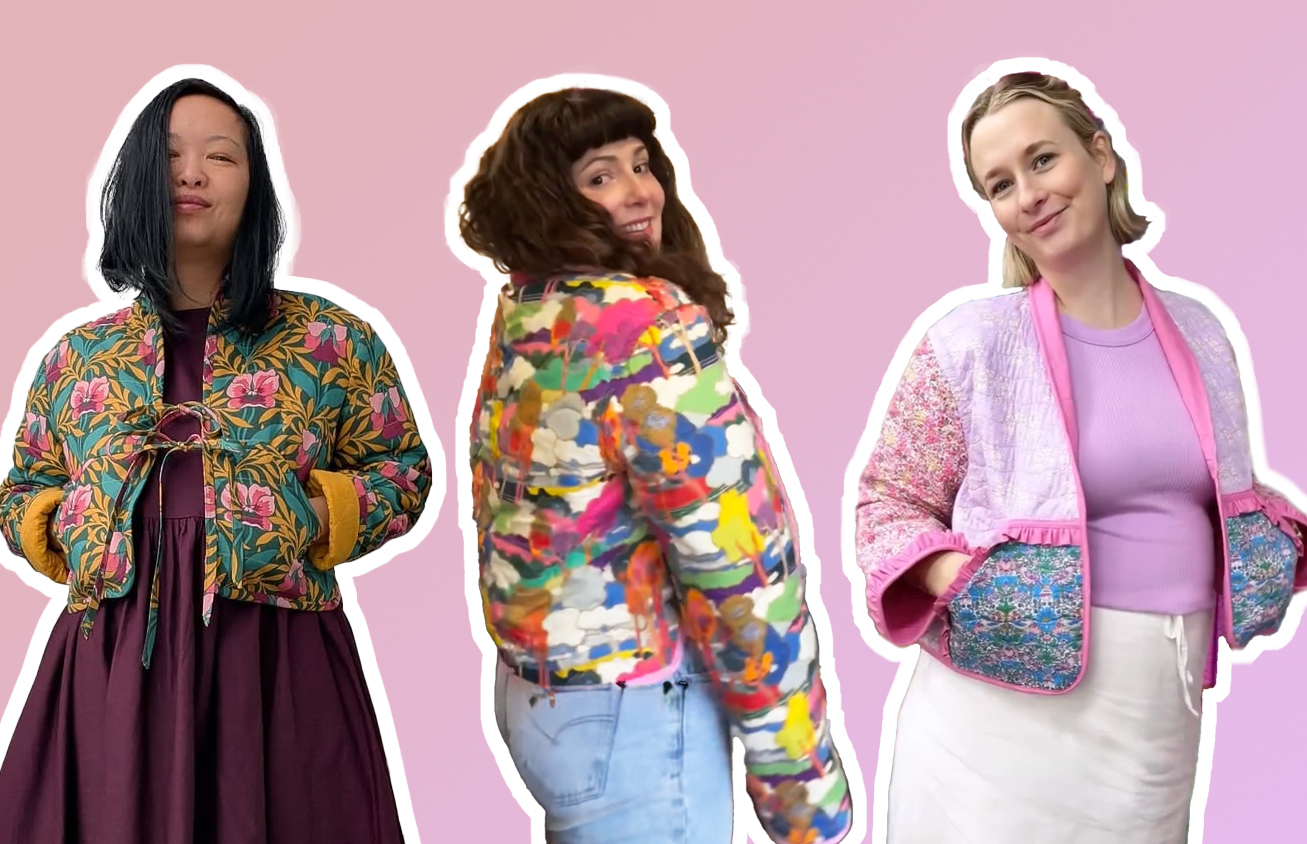
You’ve now graciously opened up sales of the end-of-line fabrics, what do you hope to see makers create from it?
This is honestly very exciting to me to see how makers inject their own ideas and personality in to garments. It’s a quiet form of collaboration. I love it.
“My piece of advice for makers and designers? Run your own race… make sure your key decisions stay anchored in your brand’s core beliefs.”
- Bec Bligh
Quick show of hands: who’s opened a water bottle expecting a refreshing sip… and instead been greeted by the unmistakable whiff of uh-oh?
Because for something that follows us everywhere (desk, car, hikes, yoga…), the humble drink bottle is strangely prone to becoming a science experiment. Hard-to-clean corners and gaskets. Mystery smells. Bec Bligh and her husband Tim know it well. A six-month sailing trip along the Queensland coast left them with a lifetime of memories and one stubborn annoyance: mouldy water bottles they couldn’t properly clean.
So they did something about it.
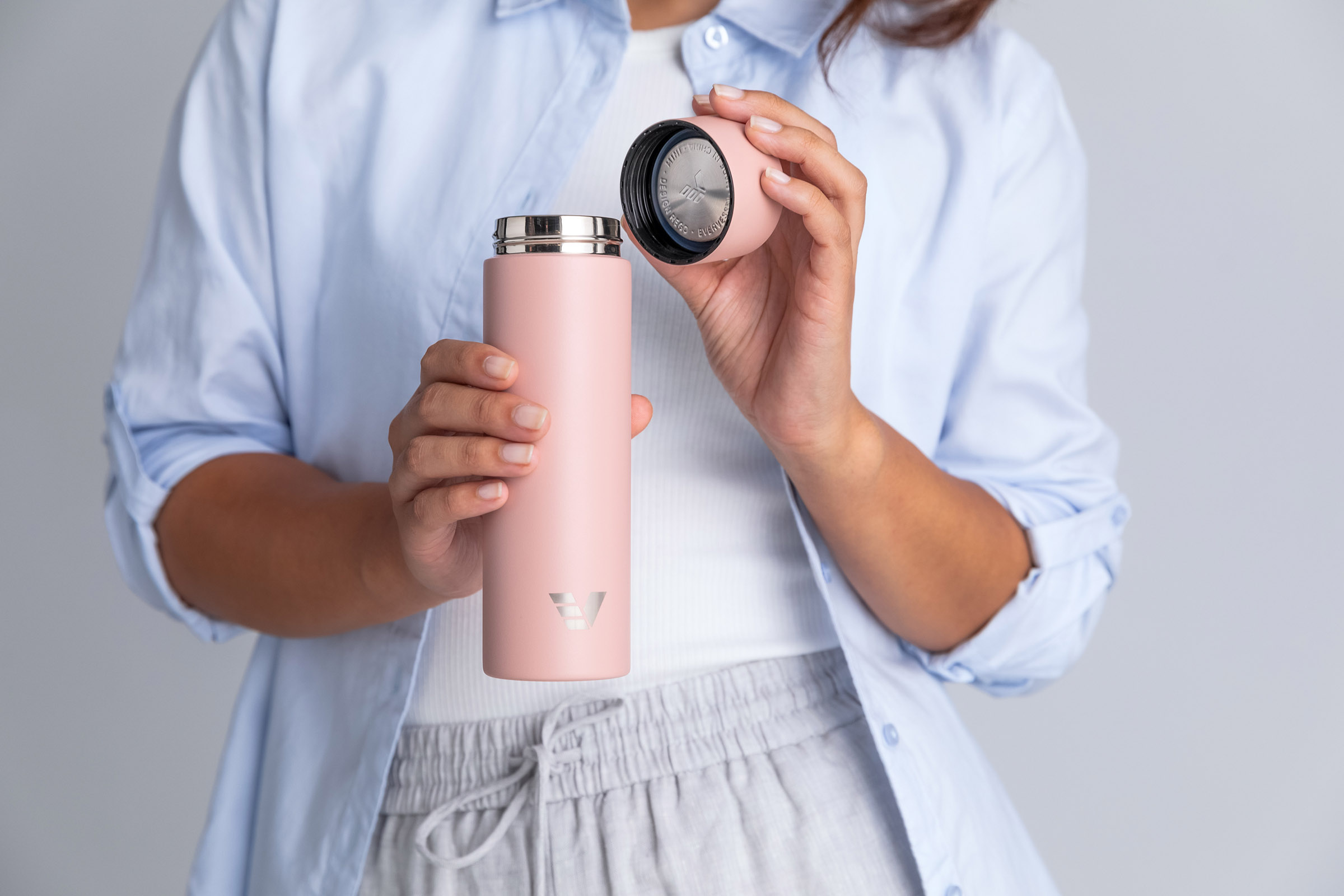
Enter @EverVessel. Thoughtfully designed borosilicate glass and stainless steel bottles that keep things beautifully simple: durable materials, wide openings, easy-to-clean parts and none of the techy gimmicks that tend to age badly. Turns out simplicity, done well, is pretty powerful stuff. (Their many design awards agree!)
And lately they’ve added a little extra delight: the Artist Series, where creatives like Paola Castro, Ben Miners and Martin Thompson transform these everyday companions into tiny travelling artworks. There are more colabs in the works, too: hydration, but make it joyful! 🎨💧
We chatted with Bec about the sailing trip that started it all, the philosophy behind Ever Vessel, and why the most sustainable product is often just the one you keep using.
Tap the link in our bio to read the full conversation. 🚰
#EverVessel #ReusableWaterBottle


Pull up a chair… there’s room at this table!
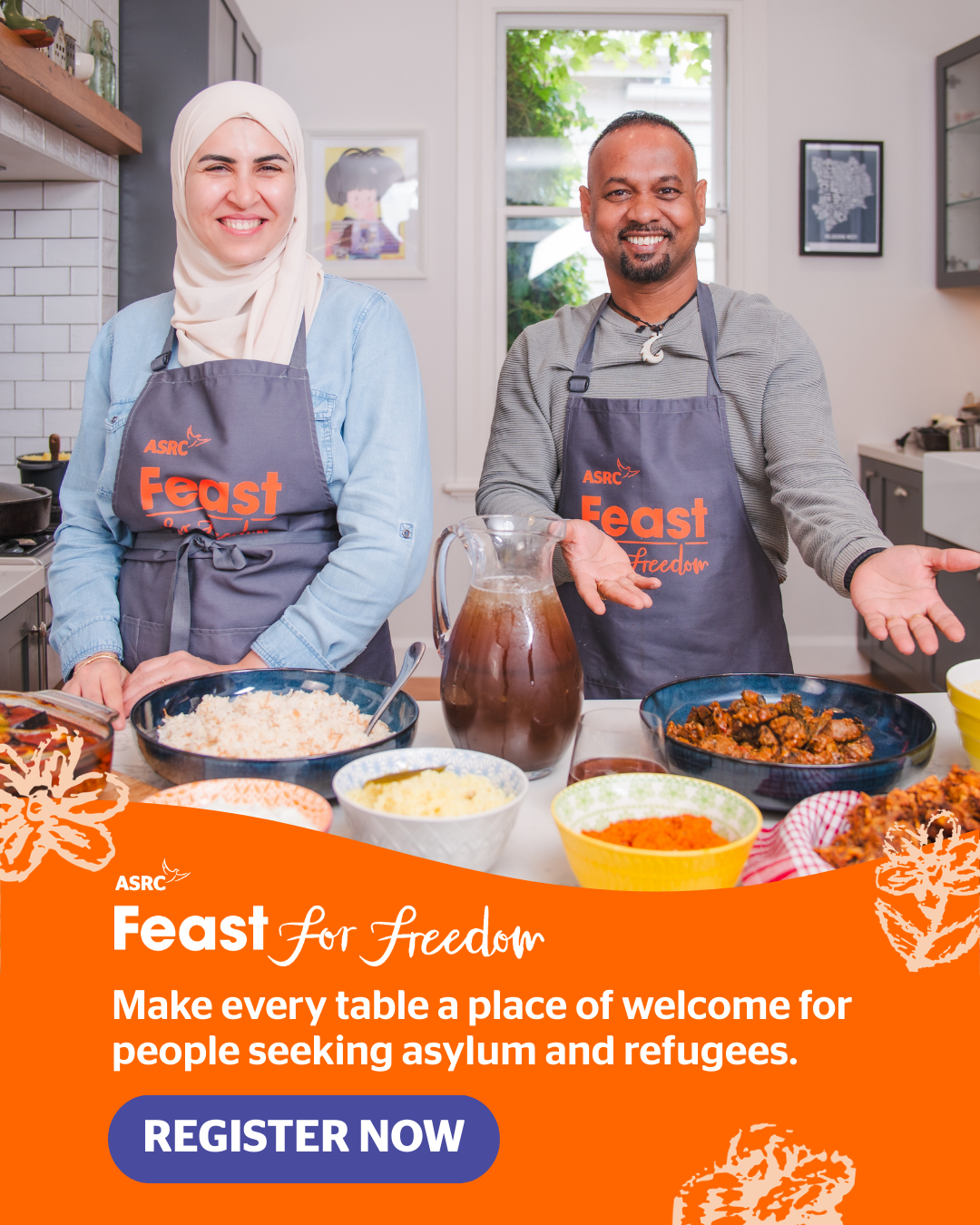
For the first time, Feast for Freedom is bringing people together for a spectacular long-table dinner as part of the Melbourne Food & Wine Festival.
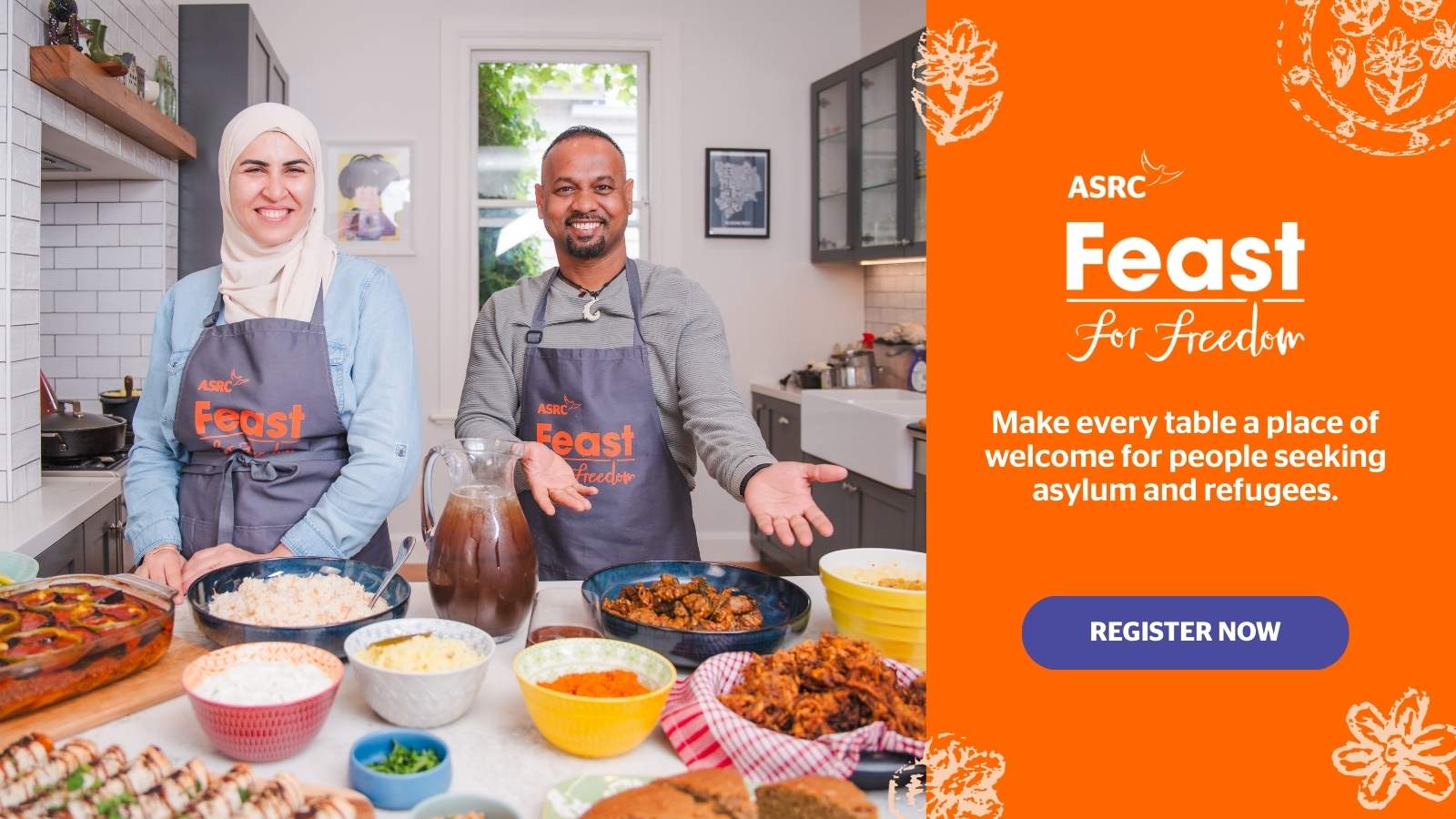
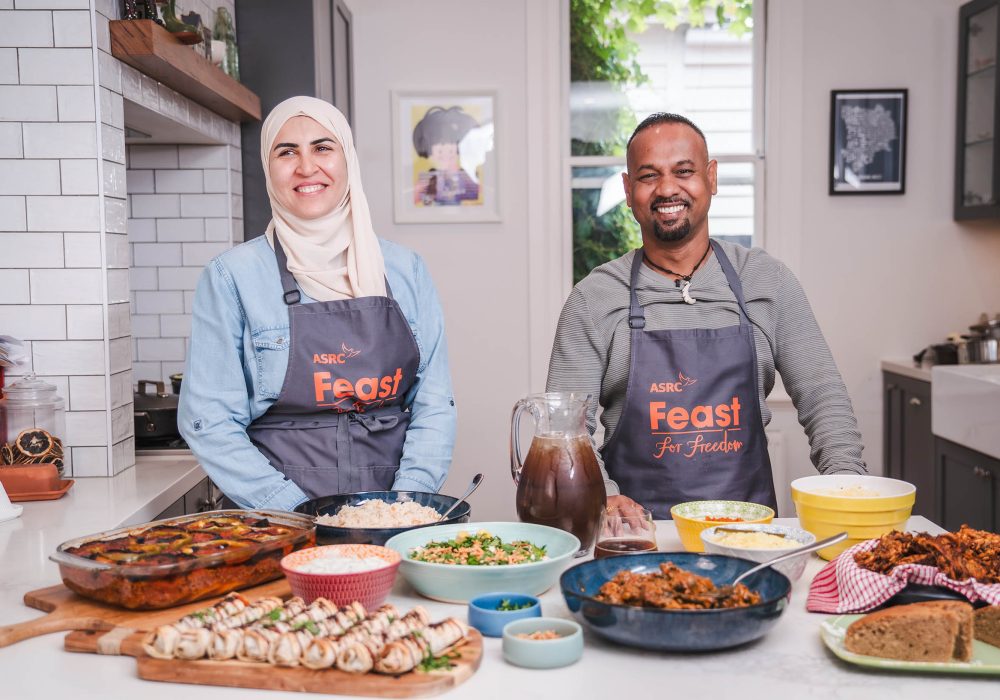
A Longer Table is exactly what it sounds like: one beautiful shared table inside the Asylum Seeker Resource Centre (@Asrc1), piled with generous dishes inspired by this year’s hero cooks, Noha and Nige.
From 6 to 9pm on Wednesday, 25 March, this is what you can expect:
🍽 A three-course shared feast
🍷 Matched drinks
🎶 Live entertainment
✨ A room full of good humans
Your ticket doesn’t just buy you a delicious dinner. It supports the ASRC’s vital work and helps create a fairer future for people seeking asylum.
Seats are limited, and long tables have a way of filling up quickly – head to @MelbFoodAndWine’s website to book now: feastforfreedom.org.au/mfwf
#FeastForFreedom #MelbourneFoodAndWineFestival #LongTableDinner #FoodForChange

Sew versatile! 🪡
Another great make from Lisa from @SunnySewsEveryday:
My #PeppermintWaratahWrapDress is finished and I’m so proud of it. It has been designed not to flap open and flash your pants in the wind, so I feel confident it will be a great wheelchair or standing dress in English weather.
#PeppermintPatterns #WrapDress #WrapDressPattern

Frame your face with the Peppermint Bucket Hat!
Stay safe and stylish in the sun with your very own self-sewn and self-drafted wide-brimmed bucket hat. This beginner-friendly sew is perfect for a sunny day. Get out your pencils – this pattern is created using equations and maths!
This DIY project was featured in Issue 53 and now you can access it for the lovely low price of only $5.
Sun-safe chic is always in style. ☀️
Find it via the link in our bio!
Photos: @KelleySheenan
#PeppermintPatterns #PeppermintBucketHat #BucketHat #BucketHatPattern #DIY

✨ INSTANT CLASSIC ✨
The Peppermint Myrtle Shift Dress is a beginner-friendly make with a few special details based on the ever-stylish shift shape – the perfect dress you need in your wardrobe right now!
Myrtle cuts above the knee with options to customise the length. Don’t think she’s reserved for hot weather either: try a heavier-weight fabric to turn your Myrtle into a pinafore-style garment for layering.
For our fabrics we chose two from our lovely sewing partner @Karmme_Apparel – the bold Rottnest Stripes in a lightweight, soft-drape cotton, and the quality linen in the handpainted Mexico Collection.
Get making the Myrtle – the only question is, can you stop at just one?
Link in bio 🪡
Fabric: @Karmme_Apparel
Sewist: @Laura_The_Maker
Photos: @KelleySheenan
Models: @SerahSews and @Pins_And_Tonic
Location: @ShareTheDignityAustralia
#PeppermintMyrtleShiftDress #PeppermintPatterns

It’s time to Feast!
Some recipes travel a long way before they land on your table to delight your taste buds. This year’s Feast for Freedom invites us to gather our friends, cook something delectable and raise funds for the incredible work of the Asylum Seeker Resource Centre (@Asrc1) while we’re at it.
The 2026 Feast features recipes shared by two remarkable cooks: Noha, who brought the flavours of Palestine with her when she arrived in Australia, and Nige, a Sri-Lankan Tamil cook whose journey with food began in the most unexpected of places.
You can host your own Feast up until 30 April – simply register online and get planning! Host a dinner, organise a workplace lunch, or gather your community… However you do it, the idea is simple: cook, connect and celebrate the cultures and stories that shape Australia.
Want to find out more? Head to the link in bio to meet Noha and Nige, learn more about their stories, and discover a delicious recipe to try.
#FeastForFreedom #PeppermintMagazine #FoodForGood #ASRC
