words TANESHIA ATKINSON top image via FASHION REVOLUTION
Fashion Revolution Week is a time when we come together as a global community to demand a better fashion industry. Here Yorta Yorta writer Taneshia Atkinson explains why this revolution must be intersectional.
Intersectional activism should be central to any revolution. Without it, we risk further perpetuating white supremacy.
Fashion is undeniably powerful. It makes us feel good. The industry is bold, exciting, captivating, and influential. Fashion has the power to strengthen identities, cultivate a sense of unity and call worldwide attention to social issues. Yet fast fashion is inherently linked to racism and white supremacy.
2013 saw one of the worst industrial disasters in history following the collapse of the Rana Plaza Building in Bangladesh. Sadly, more than 1100 people died and another 2500 were injured, many of whom were women of colour. This is when Fashion Revolution was born, quickly becoming the largest fashion activism movement in the world. Fashion Revolution envisions a global fashion industry that conserves and restores the environment and values people over growth and profit.
Women of colour make up 80% of the 74 million textile workers worldwide.
Women of colour make up 80% of the 74 million textile workers worldwide yet despite this, the faces of ethical fashion and sustainability remain mostly white and affluent and are deep-rooted in privilege. This leads us to an important point. We can’t talk about a fashion revolution without discussing the important role of intersectionality.
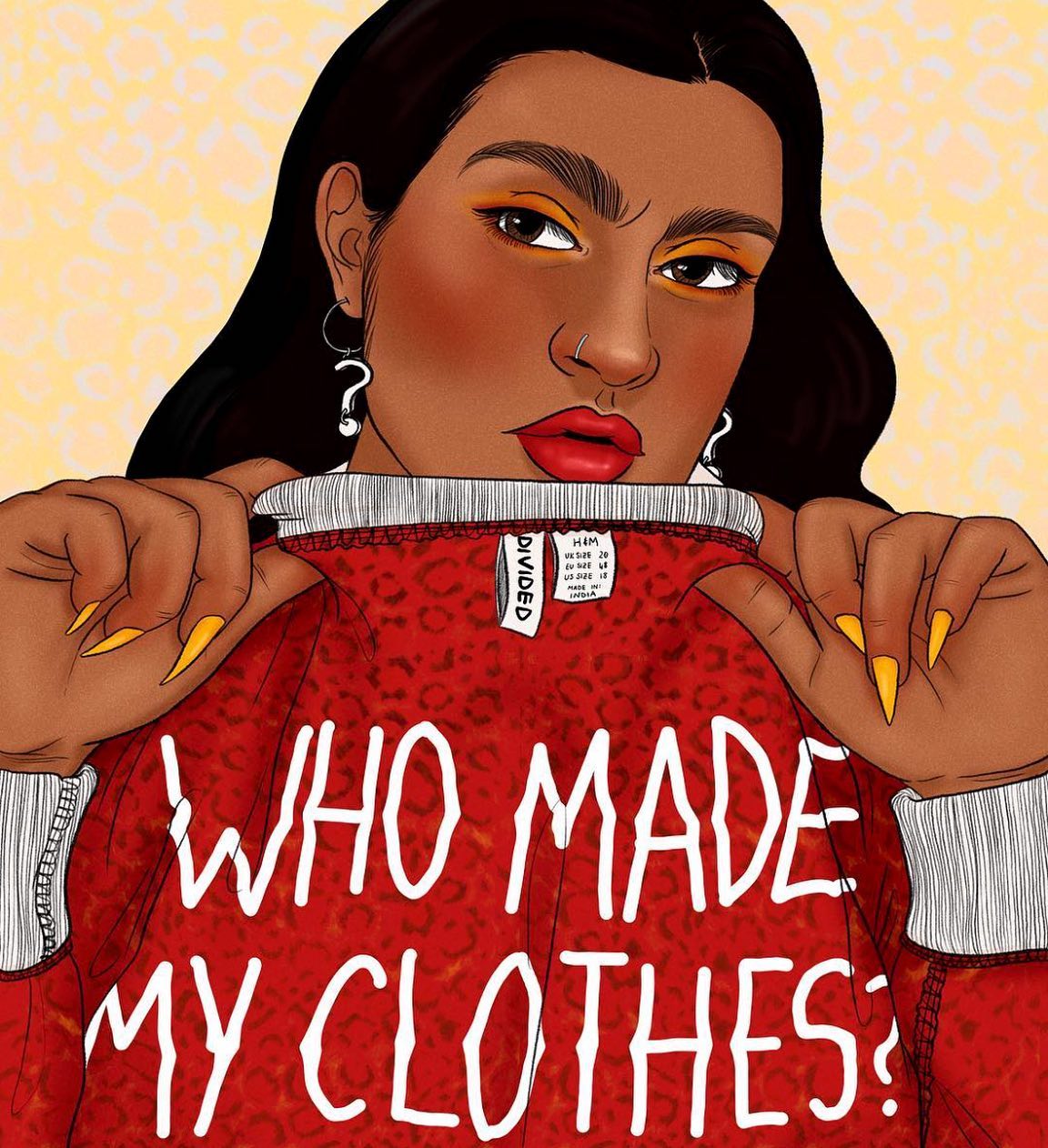
IMAGE: ILLUSTRATION BY ANSHIKA ‘ASH’ KHULLAR.
Intersectionality is “the interconnected nature of social categorisations such as race, class, and gender, regarded as creating overlapping and interdependent systems of discrimination or disadvantage”. The concept of intersectionality reinforces that not all oppression is created equal and forms of oppression can accumulate. A Black trans woman, for example, may experience sexism, racism, and transphobia. But a white cis woman may look to only revolt against sexism, which risks silencing the impact of other intersections.
Without intersectional activism, we see the ironic mass production of ‘girl power’ slogan tees made by the same people who exploit women of colour.
Everything from the food we consume to the way we dress ourselves is entwined with a system of oppression off the backs of… people of colour.
The exploitation of women of colour is further exacerbated as fast fashion companies continue to benefit from systemic racism and economic vulnerability. As writer and fashion consultant Aja Barber says, “Everything from the food we consume to the way we dress ourselves is entwined with a system of oppression off the backs of… people of colour.” To support this statement, an Oxfam report in 2019 found that just 1% of Vietnamese garment workers earned a living wage, and Bangladeshi garment workers didn’t earn a living wage at all.
In addition to the exploitative use of cheap labour and unsafe working conditions, fast fashion companies benefit dramatically from environmental racism. Years of overproducing clothing in an unsustainable way has had a catastrophic impact on the environment, further marginalising communities of colour worldwide. During the textile dyeing process, chemical dyes end up in water sources that communities of colour depend on for survival. In China, 70% of the rivers and lakes are contaminated by 2.5 billion gallons of wastewater from the textile and dye industry with a similar impact in Bangladesh, Indonesia and India. In wealthier countries, like the United States and Australia, people of colour often live and work in some of the most polluted and industrialised areas.
As clothing labels seek to meet the demands of fast fashion, communities of colour across the world suffer and this disproportionate impact cannot be ignored.
As tempting as it may be to point the finger at consumers, it is important to recognise that consumers are not solely responsible. Many low-income families worldwide rely on fast fashion, and the ‘vote with your dollar’ concept only works for people with a disposable income. Sustainable and ethical fashion should not be a privilege.
So how can you get involved?
If you are in a position to do so, decolonise your wardrobe and buy from ethical and Black-owned brands. This is also a great way to spark important conversations!
Diversity should extend beyond textiles. Call out the lack of diversity in the fashion industry from leadership roles to designers, models and board members.
The face of sustainability is white and affluent. Challenge the narrative! Listen to and amplify Indigenous voices. Indigenous people worldwide are the original land caretakers, life givers and matriarchs of sustainability.
Use your digital activism. Ask the brand #WhoMadeMyClothes and #WhatsInMyClothes and don’t underestimate the power of writing to your local member of parliament.
The Fashion Revolution has some other great ideas on how to be a Fashion Revolutionary and use your voice to make change.

“My piece of advice for makers and designers? Run your own race… make sure your key decisions stay anchored in your brand’s core beliefs.”
- Bec Bligh
Quick show of hands: who’s opened a water bottle expecting a refreshing sip… and instead been greeted by the unmistakable whiff of uh-oh?
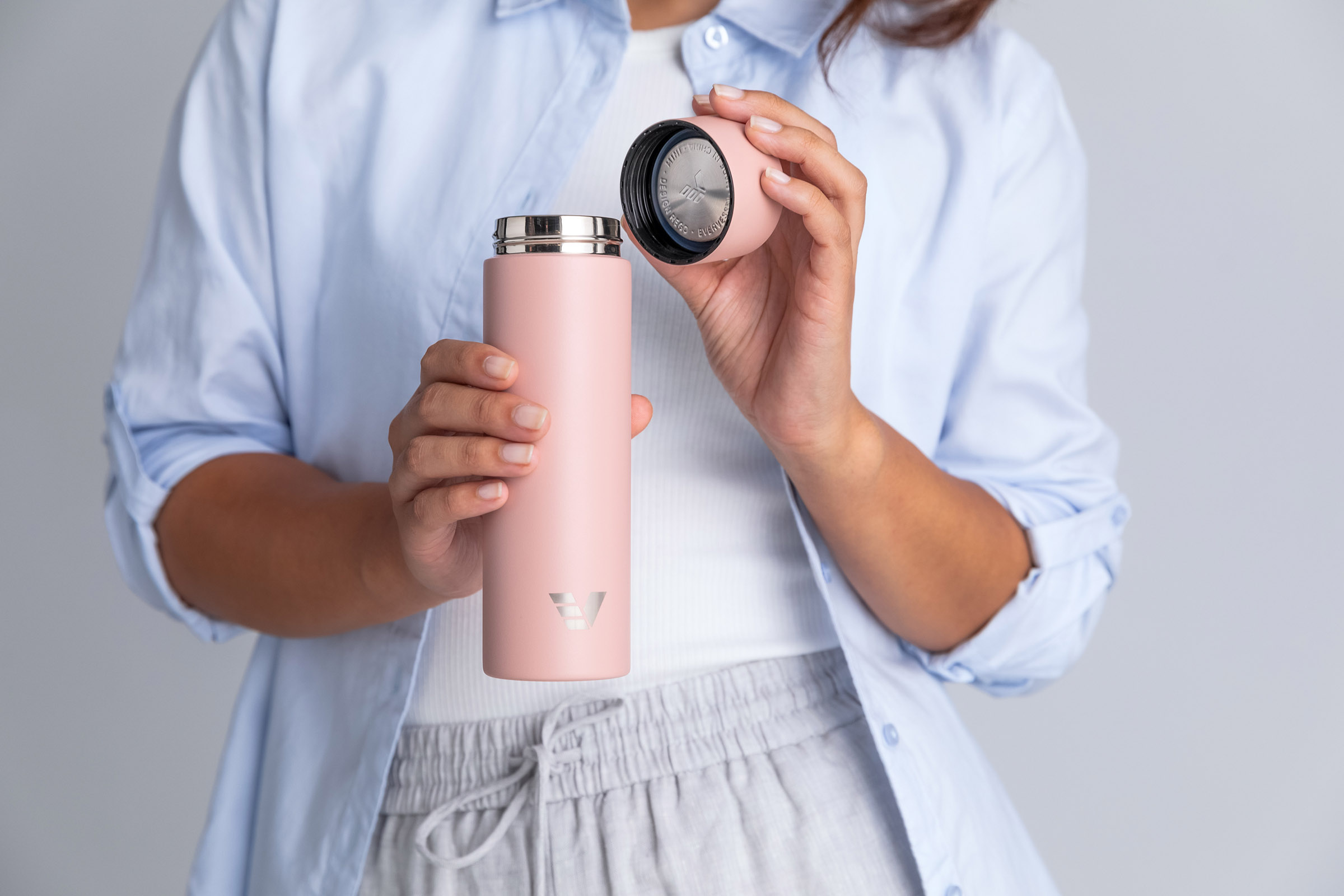
Because for something that follows us everywhere (desk, car, hikes, yoga…), the humble drink bottle is strangely prone to becoming a science experiment. Hard-to-clean corners and gaskets. Mystery smells. Bec Bligh and her husband Tim know it well. A six-month sailing trip along the Queensland coast left them with a lifetime of memories and one stubborn annoyance: mouldy water bottles they couldn’t properly clean.
So they did something about it.
Enter @EverVessel. Thoughtfully designed borosilicate glass and stainless steel bottles that keep things beautifully simple: durable materials, wide openings, easy-to-clean parts and none of the techy gimmicks that tend to age badly. Turns out simplicity, done well, is pretty powerful stuff. (Their many design awards agree!)
And lately they’ve added a little extra delight: the Artist Series, where creatives like Paola Castro, Ben Miners and Martin Thompson transform these everyday companions into tiny travelling artworks. There are more colabs in the works, too: hydration, but make it joyful! 🎨💧
We chatted with Bec about the sailing trip that started it all, the philosophy behind Ever Vessel, and why the most sustainable product is often just the one you keep using.
Tap the link in our bio to read the full conversation. 🚰
#EverVessel #ReusableWaterBottle


Pull up a chair… there’s room at this table!
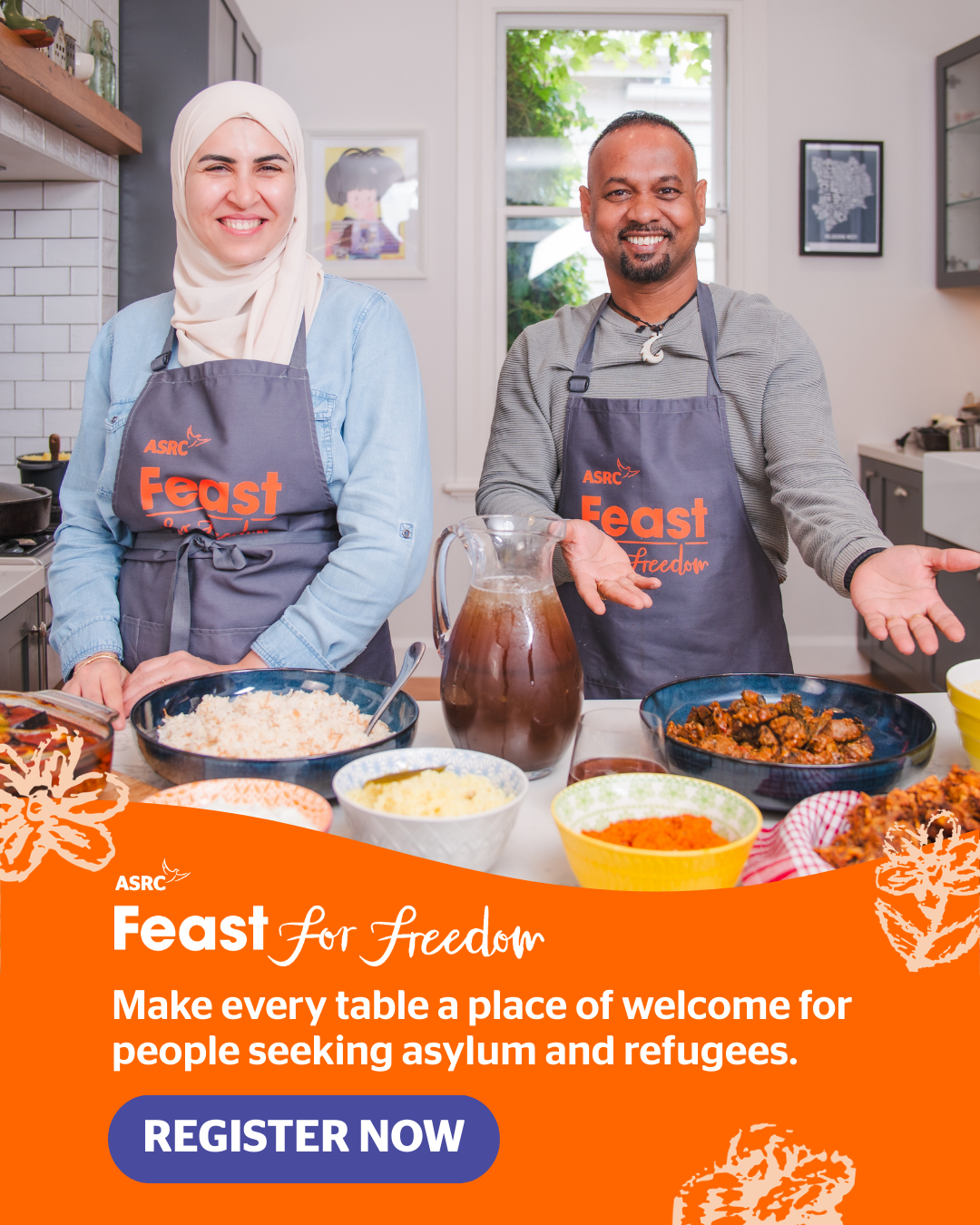
For the first time, Feast for Freedom is bringing people together for a spectacular long-table dinner as part of the Melbourne Food & Wine Festival.
A Longer Table is exactly what it sounds like: one beautiful shared table inside the Asylum Seeker Resource Centre (@Asrc1), piled with generous dishes inspired by this year’s hero cooks, Noha and Nige.
From 6 to 9pm on Wednesday, 25 March, this is what you can expect:
🍽 A three-course shared feast
🍷 Matched drinks
🎶 Live entertainment
✨ A room full of good humans
Your ticket doesn’t just buy you a delicious dinner. It supports the ASRC’s vital work and helps create a fairer future for people seeking asylum.
Seats are limited, and long tables have a way of filling up quickly – head to @MelbFoodAndWine’s website to book now: feastforfreedom.org.au/mfwf
#FeastForFreedom #MelbourneFoodAndWineFestival #LongTableDinner #FoodForChange

Sew versatile! 🪡
Another great make from Lisa from @SunnySewsEveryday:
My #PeppermintWaratahWrapDress is finished and I’m so proud of it. It has been designed not to flap open and flash your pants in the wind, so I feel confident it will be a great wheelchair or standing dress in English weather.
#PeppermintPatterns #WrapDress #WrapDressPattern

Frame your face with the Peppermint Bucket Hat!
Stay safe and stylish in the sun with your very own self-sewn and self-drafted wide-brimmed bucket hat. This beginner-friendly sew is perfect for a sunny day. Get out your pencils – this pattern is created using equations and maths!
This DIY project was featured in Issue 53 and now you can access it for the lovely low price of only $5.
Sun-safe chic is always in style. ☀️
Find it via the link in our bio!
Photos: @KelleySheenan
#PeppermintPatterns #PeppermintBucketHat #BucketHat #BucketHatPattern #DIY

✨ INSTANT CLASSIC ✨
The Peppermint Myrtle Shift Dress is a beginner-friendly make with a few special details based on the ever-stylish shift shape – the perfect dress you need in your wardrobe right now!
Myrtle cuts above the knee with options to customise the length. Don’t think she’s reserved for hot weather either: try a heavier-weight fabric to turn your Myrtle into a pinafore-style garment for layering.
For our fabrics we chose two from our lovely sewing partner @Karmme_Apparel – the bold Rottnest Stripes in a lightweight, soft-drape cotton, and the quality linen in the handpainted Mexico Collection.
Get making the Myrtle – the only question is, can you stop at just one?
Link in bio 🪡
Fabric: @Karmme_Apparel
Sewist: @Laura_The_Maker
Photos: @KelleySheenan
Models: @SerahSews and @Pins_And_Tonic
Location: @ShareTheDignityAustralia
#PeppermintMyrtleShiftDress #PeppermintPatterns

It’s time to Feast!
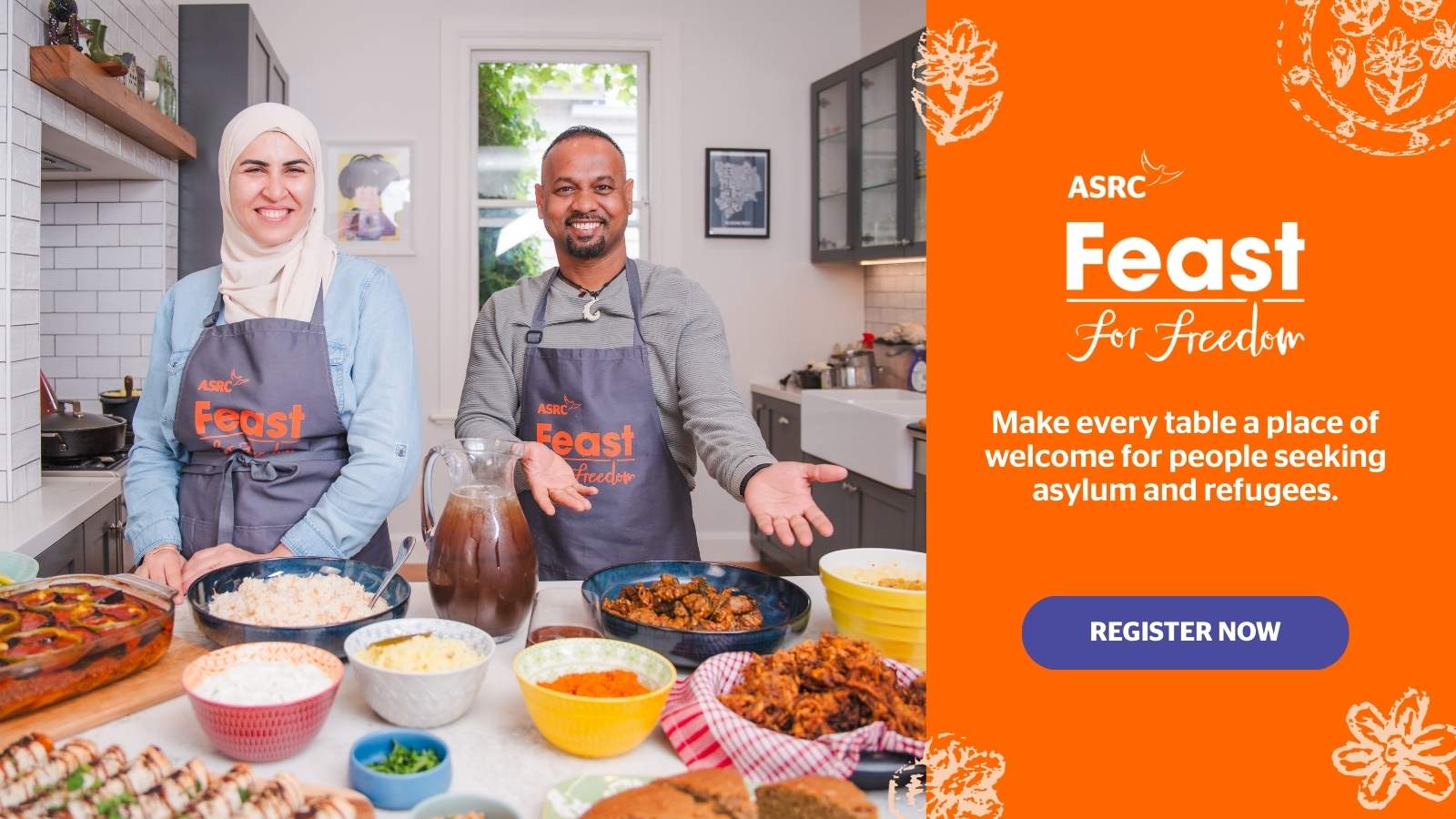
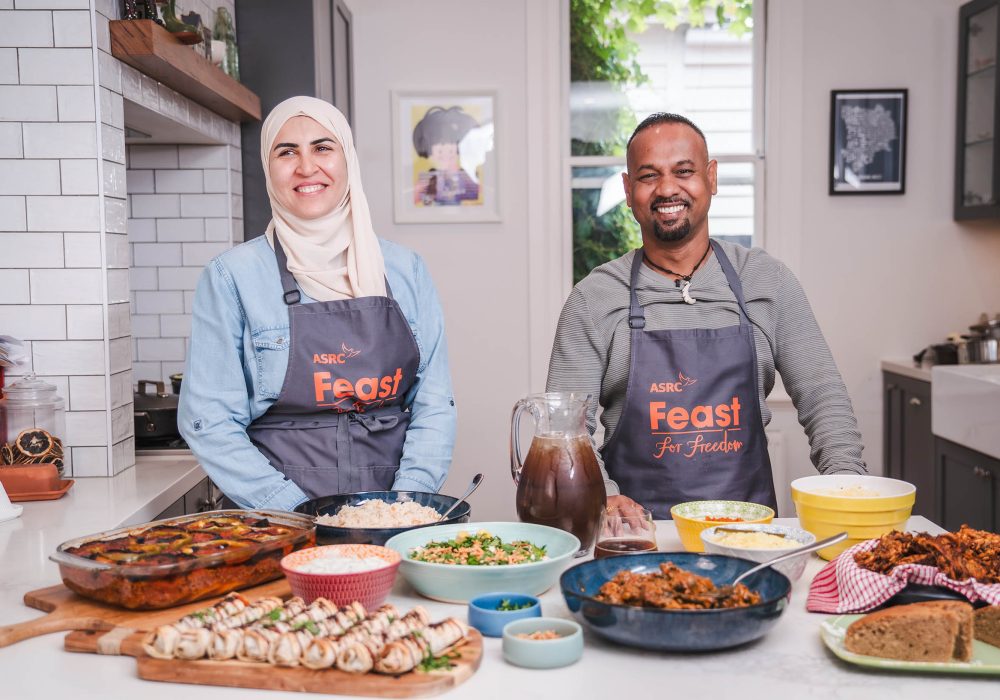
Some recipes travel a long way before they land on your table to delight your taste buds. This year’s Feast for Freedom invites us to gather our friends, cook something delectable and raise funds for the incredible work of the Asylum Seeker Resource Centre (@Asrc1) while we’re at it.
The 2026 Feast features recipes shared by two remarkable cooks: Noha, who brought the flavours of Palestine with her when she arrived in Australia, and Nige, a Sri-Lankan Tamil cook whose journey with food began in the most unexpected of places.
You can host your own Feast up until 30 April – simply register online and get planning! Host a dinner, organise a workplace lunch, or gather your community… However you do it, the idea is simple: cook, connect and celebrate the cultures and stories that shape Australia.
Want to find out more? Head to the link in bio to meet Noha and Nige, learn more about their stories, and discover a delicious recipe to try.
#FeastForFreedom #PeppermintMagazine #FoodForGood #ASRC
