The events of the past few months have turned our world upside down, changing the way we eat, socialise, learn, work – and shop. What impact is the crisis having on the global fashion industry, and how have the people who make our clothes been affected?
It’s no secret that retail has been one of the sectors hardest hit by the pandemic. Global apparel sales have plummeted by 35% since March, and the downward trend is expected to continue, even as restrictions start to relax.
Dozens of labels and retailers have already filed for bankruptcy. Manufacturing and shipment delays have upended the normal fashion calendar. September Fashion Week will, in all likelihood, be cancelled.
A majority of production facilities – from the family run businesses in Italy that produce 40% of the world’s luxury goods, to garment factories in Bangladesh and Cambodia that keep the wheels of the fast-fashion machine turning – are in a state of limbo. It remains to be seen what will become of the massive amount of stock that never made it onto shelves – is it destined to become textile waste?
Beyond the financial strain and pressure on the supply chain, fashion is facing an existential crisis. “The coronavirus presents fashion with a chance to reset and completely reshape the industry’s value chain,” authors recently declared in the 2020 edition of The State of Fashion report.
Sustainability, self-sufficiency and ‘slowing down’ have never been more important to consumers. Will the crisis force the fashion industry to finally change its ways, or will things go back to business at usual?
The coronavirus presents fashion with a chance to reset and completely reshape the industry’s value chain.
Garment workers bear the brunt
From farmers who are facing the lowest prices on cotton in over a decade, to weavers and spinners whose source of raw materials has dried up, no one in the fashion supply chain has been shielded from the impacts of the shutdown.
What’s been an inconvenience for some has turned into a disaster for others – especially garment workers who had very few rights and were financially insecure in the first place. In our rush to divide the world into essential and non-essential workers, the people who make our clothes have yet again been pushed to the bottom of the heap.
Faced with unprecedented uncertainty, many brands and retailers’ first reaction when the crisis hit was to cancel orders they had placed with third-party suppliers. It’s estimated that in Bangladesh alone, US $3.18 billion worth of orders was annulled. Most contracts have a force majore clause that allows orders to be cancelled under exceptional circumstances without any recourse. The system is set up so that payment is made on delivery, thus leaving factories with a massive amount of dead stock, unpaid staff and no reason to keep their doors open.
More than two million garment workers in Bangladesh alone have lost their jobs since the start of the crisis. To make matters worse, thousands have not been paid for work they already completed.
Many fear that the crisis could undo much of the progress already made around garment workers’ rights. The Accord on Fire and Building Safety in Bangladesh, one of the few positives to come out of the Rana Plaza disaster in 2013, has been all but forgotten as inspections and audits came to a halt. In India, some predict that the temporary suspension of labour laws recently enacted could result in a decline of participation of women in the workforce – not just in the short-term, but for years and decades to come.
To keep up with the rapidly changing situation, Clean Clothes has started publishing daily updates from Bangladesh, Cambodia, India and Vietnam, giving a voice to the garment workers and unions who are fighting to restore their livelihoods.
Amidst the chaos, there have been a few positive developments. In Myanmar, H&M and Zara were among brands to sign an agreement with suppliers to keep garment workers employed, while the European Union established an emergency fund to support those who had lost their incomes. In Bangladesh, grassroots organisations including the Sajida Foundation have been working tirelessly to supply former garment workers with essential hygiene and food packages.
An Open Letter to the Fashion Industry
As the world starts to wake up from its crisis-induced coma, ‘returning to normal’ is a phrase we’re hearing a lot. In the fashion industry, going back to the way things were isn’t necessarily the best outcome for garment workers or anyone else in the lower echelons of the supply chain.
Payment on receipt, tenuous contracts, policies that allow for garment workers to be hired and fired at will… The injustices exposed as the crisis unfolds highlight what Fashion Revolution and others have been fighting to bring attention to for years.
On May 12, a group of retailers, designers and fashion CEOs from around the world made it clear that the aftermath of the crisis is a perfect time for change to take root. In an Open Letter to the Fashion Industry, they declare: “We agreed that the current environment although challenging, presents an opportunity for a fundamental and welcome change that will simplify our businesses, making them more environmentally and socially sustainable and ultimately align them more closely with customers’ needs.”
“We agreed that the current environment although challenging, presents an opportunity for a fundamental and welcome change that will simplify our businesses, making them more environmentally and socially sustainable and ultimately align them more closely with customers’ needs.”
The letter spells out a few specific measures, including rethinking the seasonal nature of the fashion cycle and pushing back collection release dates. Giving consumers more time to shop (and limiting sales to the end of the season) would hopefully limit textile waste, they say. The letter also suggests prioritising digital showrooms to minimise travel.
It’s already attracted a number of high-profile signatories, including representatives from Bergdorf Goodman, Nordstrom and Selfridges. Australian retailers David Jones, Incu, Adam Heath Boutique and Sneakerboy have signed on, along with the Australian Fashion Council.
Change from within
The Open Letter to the Fashion Industry is just one manifestation of the hunger for transformation. At a minimum, it’s expected that measures will be taken to make the fashion supply chain more robust, including diversifying suppliers and producing locally – which could have benefits for garment workers. While it all remains speculation for now, it’s a promising sign that change is in the air.
In a post-crisis world, consumers will surely expect more from brands and retailers than ever before, especially when it comes to sustainability and transparency. An overall reduction in spending that’s expected to continue for the foreseeable future means that we’ll all be making more conscious choices. This could propel the trend towards investment pieces rather than throw-away fashion even further.
Many have speculated that Generation Z will signal the end of fast-fashion, with second-hand, resale and rental continuing to surge in popularity. The UK’s biggest fashion resale platform, Depop, reported a 90% increase in traffic since April 1 – a clue that the crisis could turn out to be a watershed moment in this regard.
Polling conducted by the Royal Society for the Encouragement of Arts, Manufacturers and Commerce in the UK reveals that 28% of people were recycling or reusing clothes more than usual during the pandemic. It also showed that 35% of women intended to buy fewer clothes in the future.
No-touch retail, online shopping, social distancing – the retail experience as we knew it may never be the same again. It’s up to us to decide how far that change permeates the supply chain.
words EMILY LUSH images PEXELS AND UNSPLASH
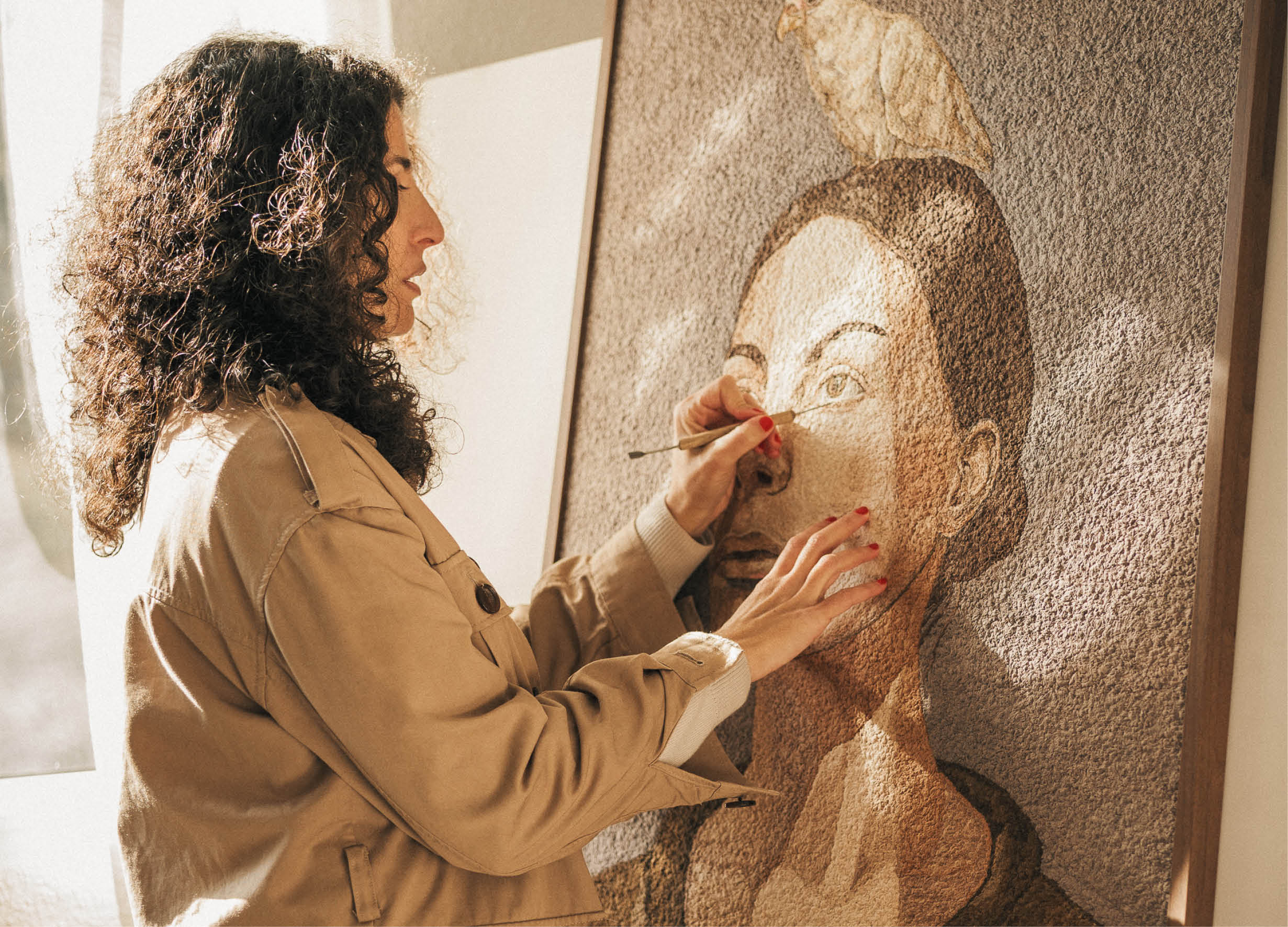

“My piece of advice for makers and designers? Run your own race… make sure your key decisions stay anchored in your brand’s core beliefs.”
- Bec Bligh
Quick show of hands: who’s opened a water bottle expecting a refreshing sip… and instead been greeted by the unmistakable whiff of uh-oh?
Because for something that follows us everywhere (desk, car, hikes, yoga…), the humble drink bottle is strangely prone to becoming a science experiment. Hard-to-clean corners and gaskets. Mystery smells. Bec Bligh and her husband Tim know it well. A six-month sailing trip along the Queensland coast left them with a lifetime of memories and one stubborn annoyance: mouldy water bottles they couldn’t properly clean.
So they did something about it.
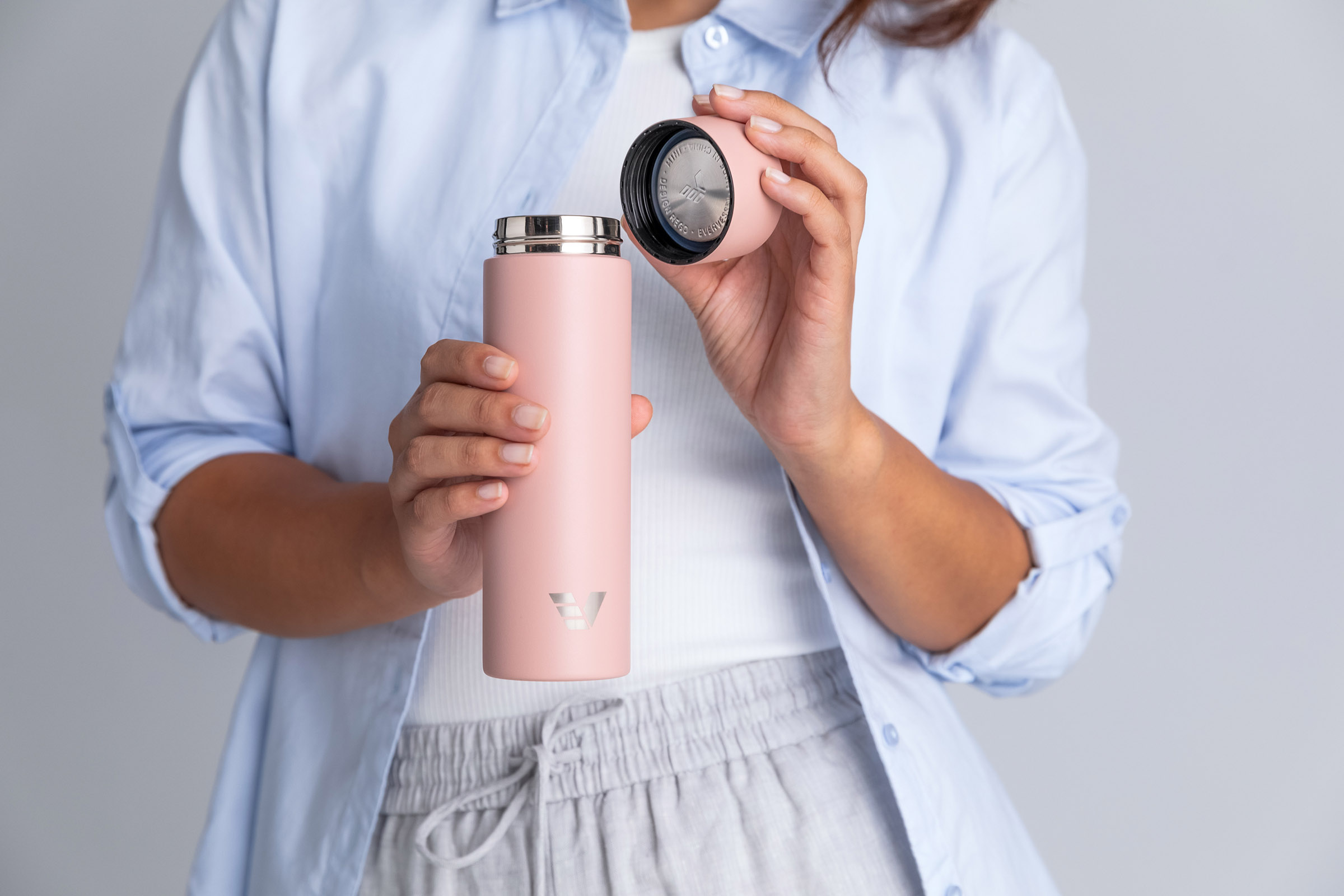
Enter @EverVessel. Thoughtfully designed borosilicate glass and stainless steel bottles that keep things beautifully simple: durable materials, wide openings, easy-to-clean parts and none of the techy gimmicks that tend to age badly. Turns out simplicity, done well, is pretty powerful stuff. (Their many design awards agree!)
And lately they’ve added a little extra delight: the Artist Series, where creatives like Paola Castro, Ben Miners and Martin Thompson transform these everyday companions into tiny travelling artworks. There are more colabs in the works, too: hydration, but make it joyful! 🎨💧
We chatted with Bec about the sailing trip that started it all, the philosophy behind Ever Vessel, and why the most sustainable product is often just the one you keep using.
Tap the link in our bio to read the full conversation. 🚰
#EverVessel #ReusableWaterBottle


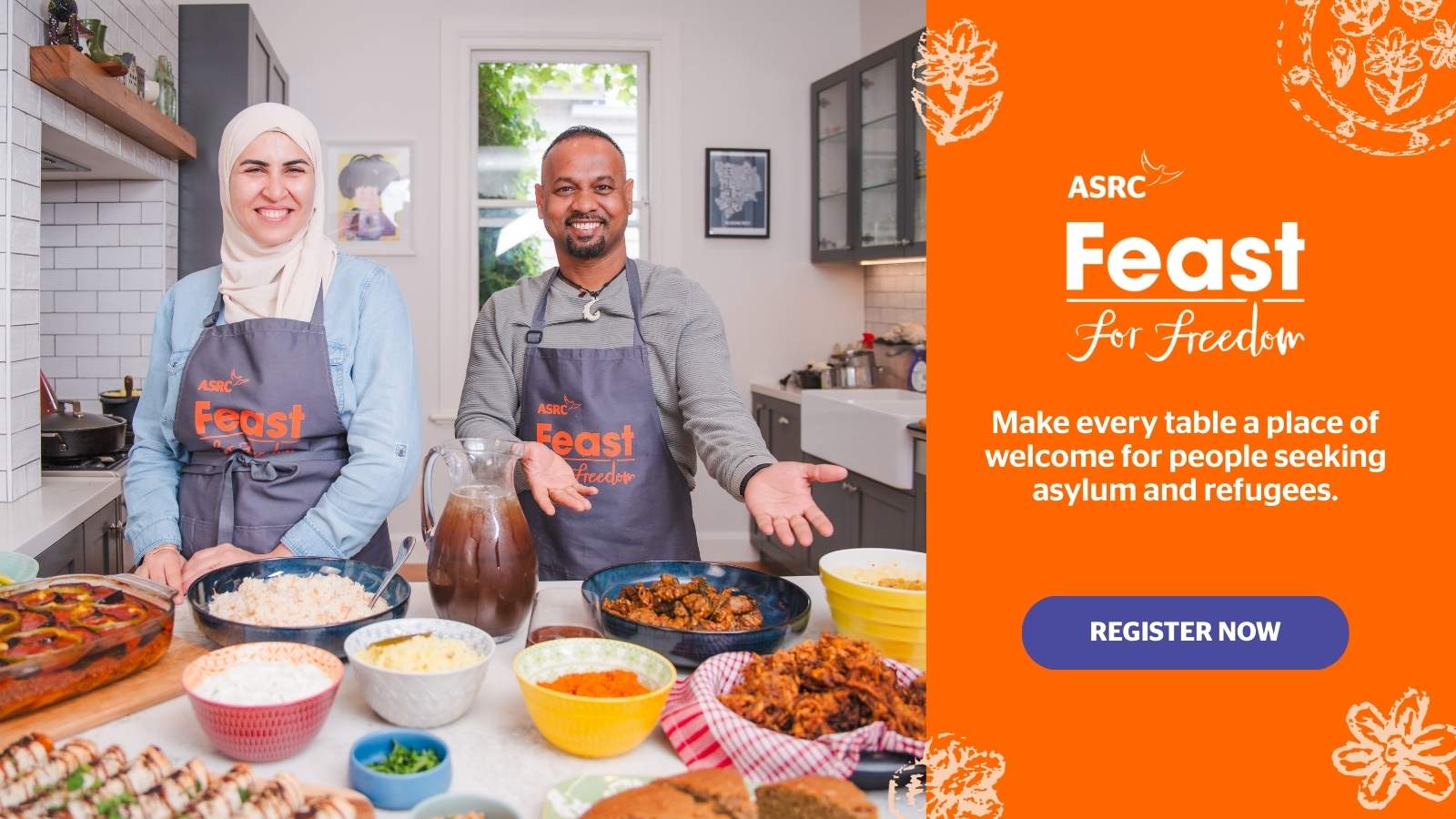
Pull up a chair… there’s room at this table!
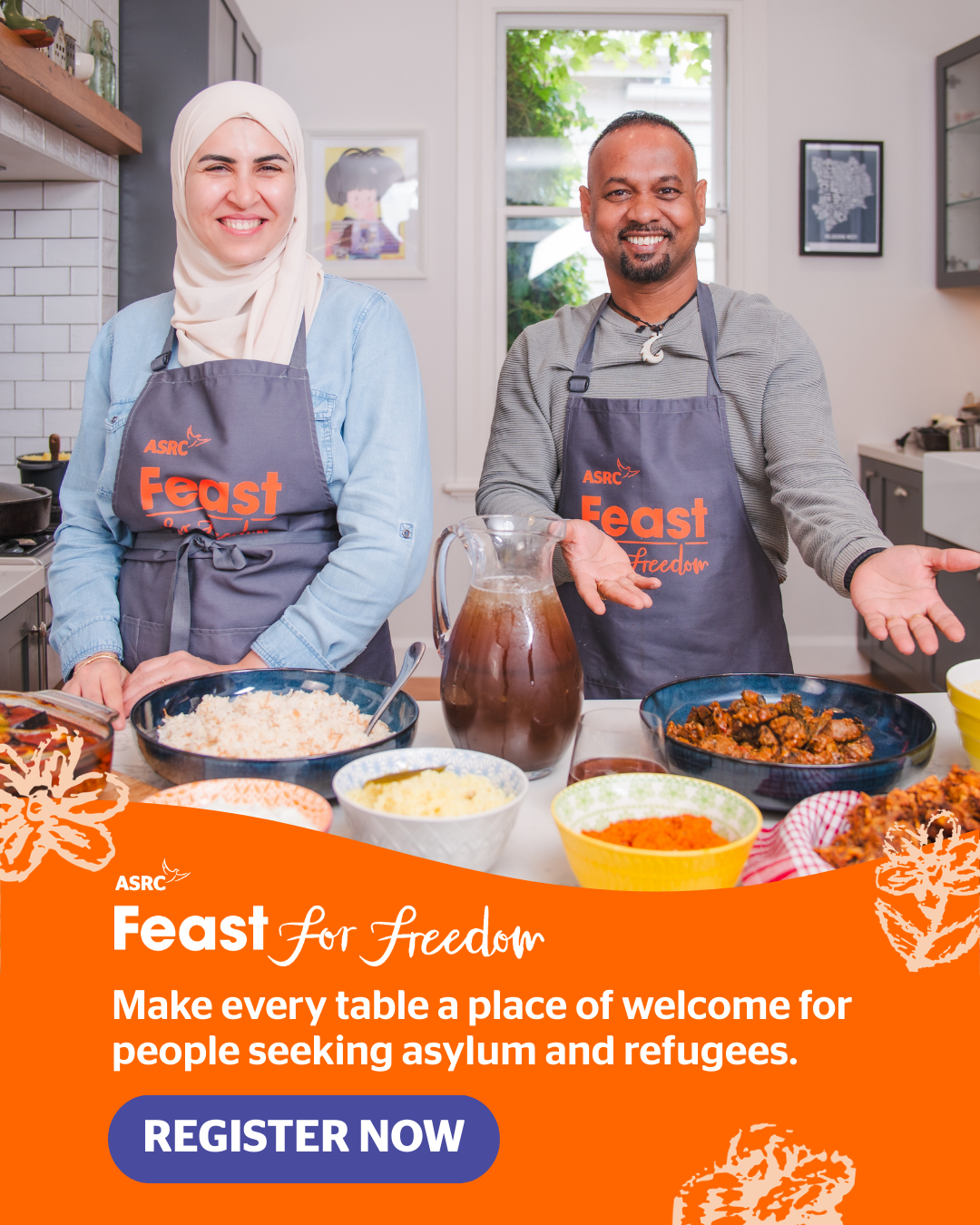
For the first time, Feast for Freedom is bringing people together for a spectacular long-table dinner as part of the Melbourne Food & Wine Festival.
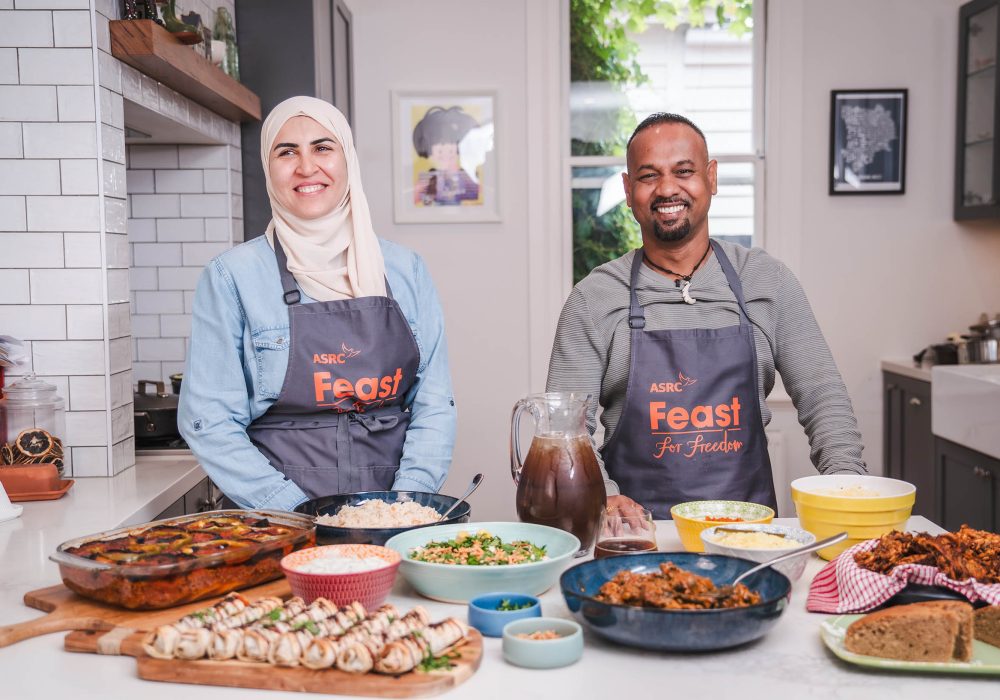
A Longer Table is exactly what it sounds like: one beautiful shared table inside the Asylum Seeker Resource Centre (@Asrc1), piled with generous dishes inspired by this year’s hero cooks, Noha and Nige.
From 6 to 9pm on Wednesday, 25 March, this is what you can expect:
🍽 A three-course shared feast
🍷 Matched drinks
🎶 Live entertainment
✨ A room full of good humans
Your ticket doesn’t just buy you a delicious dinner. It supports the ASRC’s vital work and helps create a fairer future for people seeking asylum.
Seats are limited, and long tables have a way of filling up quickly – head to @MelbFoodAndWine’s website to book now: feastforfreedom.org.au/mfwf
#FeastForFreedom #MelbourneFoodAndWineFestival #LongTableDinner #FoodForChange

Sew versatile! 🪡
Another great make from Lisa from @SunnySewsEveryday:
My #PeppermintWaratahWrapDress is finished and I’m so proud of it. It has been designed not to flap open and flash your pants in the wind, so I feel confident it will be a great wheelchair or standing dress in English weather.
#PeppermintPatterns #WrapDress #WrapDressPattern

Frame your face with the Peppermint Bucket Hat!
Stay safe and stylish in the sun with your very own self-sewn and self-drafted wide-brimmed bucket hat. This beginner-friendly sew is perfect for a sunny day. Get out your pencils – this pattern is created using equations and maths!
This DIY project was featured in Issue 53 and now you can access it for the lovely low price of only $5.
Sun-safe chic is always in style. ☀️
Find it via the link in our bio!
Photos: @KelleySheenan
#PeppermintPatterns #PeppermintBucketHat #BucketHat #BucketHatPattern #DIY

✨ INSTANT CLASSIC ✨
The Peppermint Myrtle Shift Dress is a beginner-friendly make with a few special details based on the ever-stylish shift shape – the perfect dress you need in your wardrobe right now!
Myrtle cuts above the knee with options to customise the length. Don’t think she’s reserved for hot weather either: try a heavier-weight fabric to turn your Myrtle into a pinafore-style garment for layering.
For our fabrics we chose two from our lovely sewing partner @Karmme_Apparel – the bold Rottnest Stripes in a lightweight, soft-drape cotton, and the quality linen in the handpainted Mexico Collection.
Get making the Myrtle – the only question is, can you stop at just one?
Link in bio 🪡
Fabric: @Karmme_Apparel
Sewist: @Laura_The_Maker
Photos: @KelleySheenan
Models: @SerahSews and @Pins_And_Tonic
Location: @ShareTheDignityAustralia
#PeppermintMyrtleShiftDress #PeppermintPatterns

It’s time to Feast!
Some recipes travel a long way before they land on your table to delight your taste buds. This year’s Feast for Freedom invites us to gather our friends, cook something delectable and raise funds for the incredible work of the Asylum Seeker Resource Centre (@Asrc1) while we’re at it.
The 2026 Feast features recipes shared by two remarkable cooks: Noha, who brought the flavours of Palestine with her when she arrived in Australia, and Nige, a Sri-Lankan Tamil cook whose journey with food began in the most unexpected of places.
You can host your own Feast up until 30 April – simply register online and get planning! Host a dinner, organise a workplace lunch, or gather your community… However you do it, the idea is simple: cook, connect and celebrate the cultures and stories that shape Australia.
Want to find out more? Head to the link in bio to meet Noha and Nige, learn more about their stories, and discover a delicious recipe to try.
#FeastForFreedom #PeppermintMagazine #FoodForGood #ASRC
