Oxfam worker Kate Bensen recently spent time in Nepal, meeting women who make some of the fair trade products sold in Oxfam stores. Here, at the start of Fairtrade Fortnight, she shares her story of seeing firsthand the life-altering difference of trading fairly.
Driving through the streets of Kathmandu four years on from the devastating earthquake, I’m shocked at how much hasn’t been rebuilt yet – there are still piles of rubble where buildings once stood and deep cracks remaining in others. Another thing that’s very different from my last visit is how much dust is in the air – it’s all-encompassing, with most people choosing to wear a face mask every time they leave the house, and all doors and windows that face the small and dusty streets permanently closed.
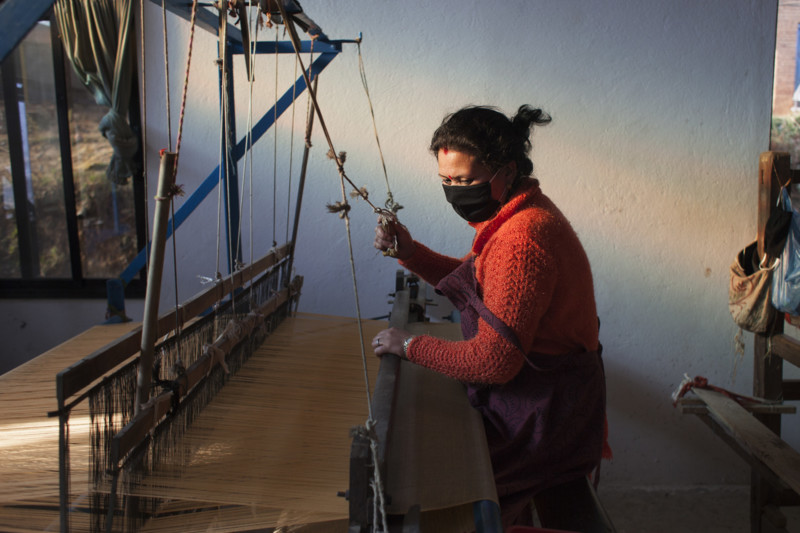
Today we’re on our way to visit one of Oxfam Trading’s artisans who weaves the fabric that is then screen-printed by hand, sewn into tablecloths and sent for sale to the other side of the world in Oxfam shops in Australia. I’m told by the local team that the workshop of this producer was severely damaged in the earthquake and I wonder what it looks like now.
As I step out of the car I can hear the sound of hand-loom machines clicking loudly, and I follow this into a one-room workshop that’s attached to a small house. The sun is low in the afternoon sky and golden light is filling the entire workshop through the windows. Light is bouncing off all the coloured threads as women click the looms back and forth, and it’s truly enchanting. The manager of the workshop, Durga, turns and makes eye contact with me and bursts into a huge smile.
Durga was trained by World Fair Trade Organization (WFTO) member Association for Craft Producers (ACP). She worked there for almost six years and then wanted to start her own workshop at home.
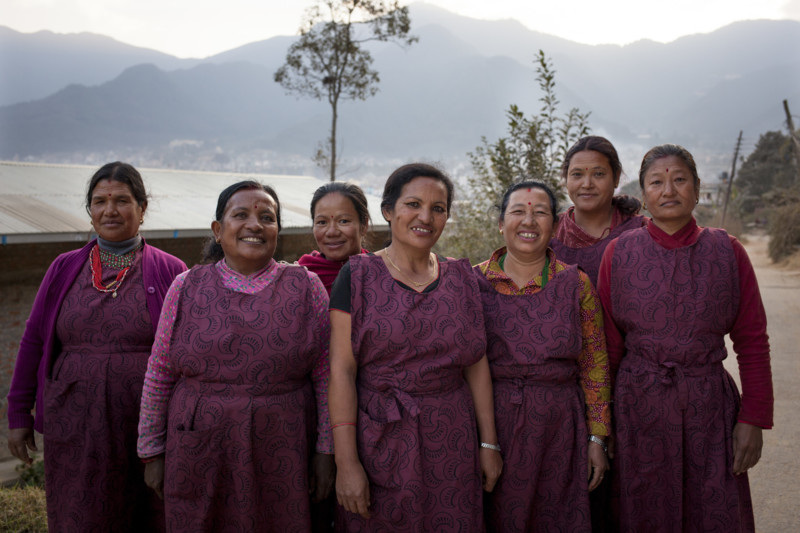
“About the inspiration to start my own business,” Durga explains, “ACP has supported us a lot and I thank them for that. My sisters here are also giving me inspiration, which in turn gives me courage that I can work. There are nine women that work here with me. All are my relatives, the wives of my brothers. Some are my own sisters, some are my brothers’ wives and some are my cousins’ wives.
“I feel proud that I am able to provide employment to those who didn’t have work. Rather than looking for farm labour work, we can work together and be together. We can share our ups and downs of life, and also work. I am happy with that.”
Durga tells me that after the earthquake, ACP helped her reconstruct her workshop, provided support to repair and maintain her family’s home and offered her further skill training and social benefits, such as a medical allowance and educational scholarships for their children. From Oxfam, Durga has received further fabric-weaving training for quality improvement and some tools for weaving products.
“There is a difference [from before], because we didn’t know much in the beginning. I didn’t know how to do all of this. But after taking responsibility, I learnt and now I have some ideas on how to do the work. And I know now, so it made [a] difference.”
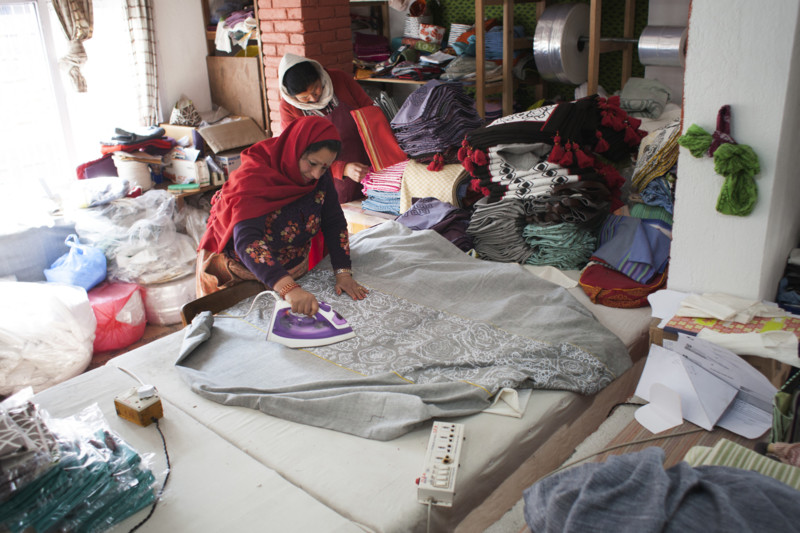
It felt special sitting with Durga in her home and workshop, with all of her sisters, knowing that they were earning a fair wage and loving their work. After spending the last few weeks meeting women in Nepal who were married as children – some as early as six years old – and unable to earn an income, it was overwhelmingly encouraging to hear such strength and success from an unmarried woman, able to support herself and her family so wholly. “I am not married. Neither is my elder sister,” Durga says with a proud smile. “In a way, I’m free to go anywhere… I am most happy about that.”
I ask Durga how she feels about working for a Fairtrade certified supplier and what this means directly for her. “There are many things I want to say but I would like to thank you all for buying our products, because it gives us employment and we don’t have to remain unemployed.
“Because of them, we have been able to have two meals a day. Without work, we won’t be able to feed ourselves, and now we have work. Please give my regards to all of them and also express my gratitude.
“What can I say, you got an education and can converse in English, but we didn’t have such opportunity. So please tell them for me.”
As Durga and I continue chatting, one of her sisters comes in with traditional Nepali sweets on a plate, accompanied by delicious homemade chai tea. “It’s for celebration!” her sister explains to me. After a little more probing, I find out that modest Durga has just been awarded for being one of the ACP’s best cloth suppliers. She tells me this has been the happiest moment in her life so far – and from someone so proud of their craft, I know it’s true.
After facing the painful task of trying to choose which incredible cloths to purchase, the sisters gather all around me and I hug each of them. This has been my favourite day of the entire trip, and another reminder of why buying fair trade products is so important.
WORDS AND IMAGES: KATE BENSEN FOR OXFAM AUSTRALIA.
FAIRTRADE FORTNIGHT 2018 RUNS FROM 3-16 AUGUST.
“My piece of advice for makers and designers? Run your own race… make sure your key decisions stay anchored in your brand’s core beliefs.”
- Bec Bligh
Quick show of hands: who’s opened a water bottle expecting a refreshing sip… and instead been greeted by the unmistakable whiff of uh-oh?
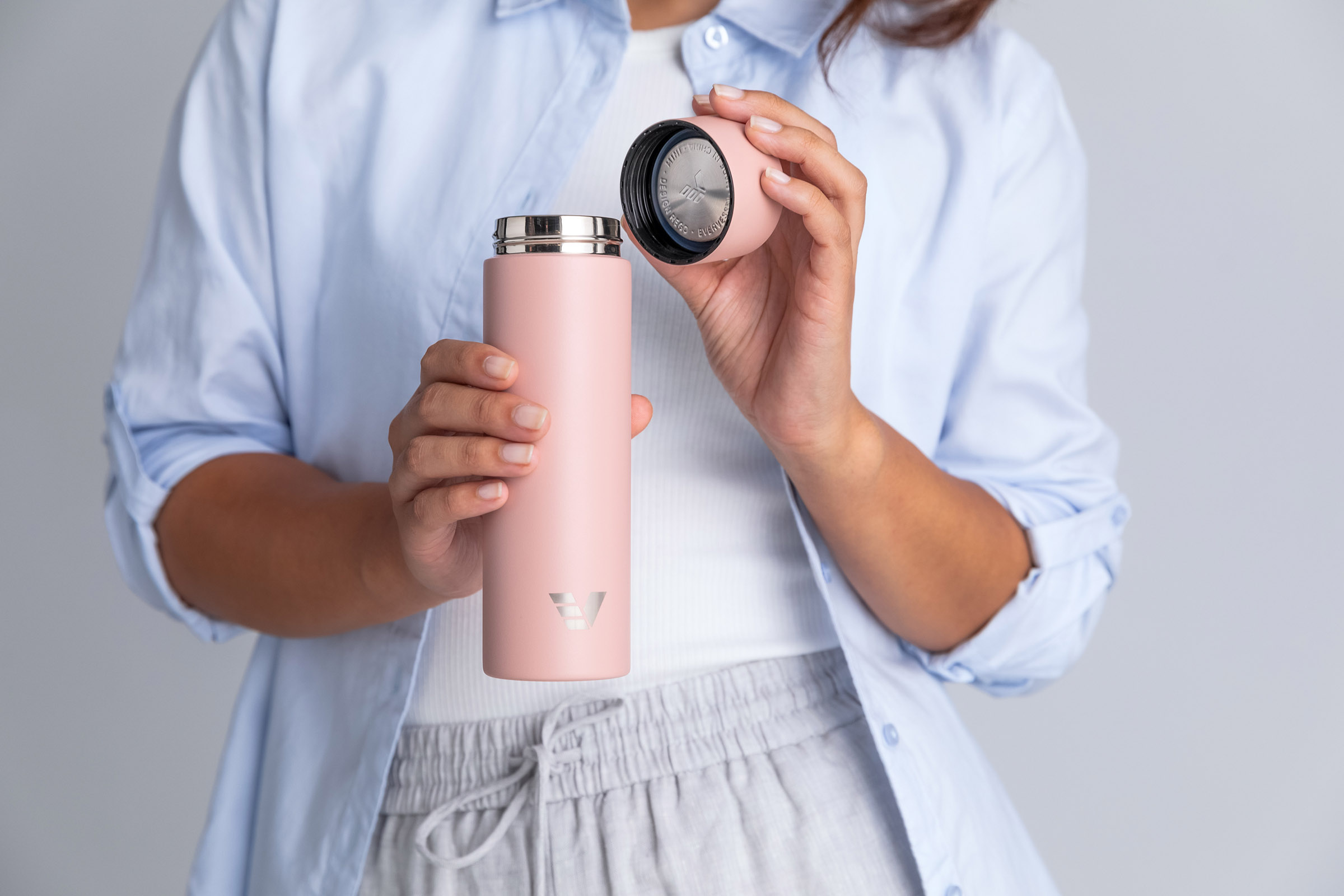
Because for something that follows us everywhere (desk, car, hikes, yoga…), the humble drink bottle is strangely prone to becoming a science experiment. Hard-to-clean corners and gaskets. Mystery smells. Bec Bligh and her husband Tim know it well. A six-month sailing trip along the Queensland coast left them with a lifetime of memories and one stubborn annoyance: mouldy water bottles they couldn’t properly clean.
So they did something about it.
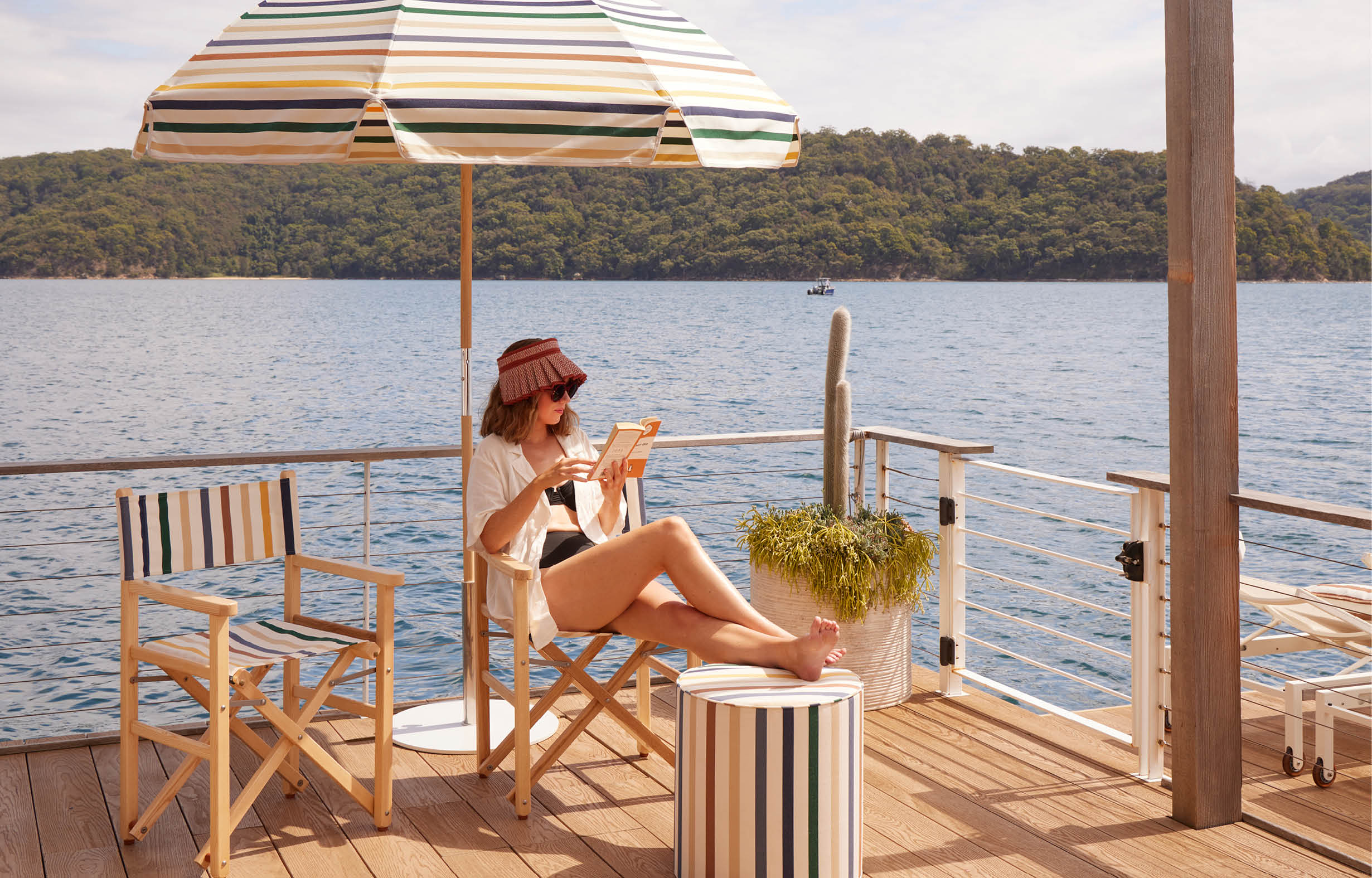
Enter @EverVessel. Thoughtfully designed borosilicate glass and stainless steel bottles that keep things beautifully simple: durable materials, wide openings, easy-to-clean parts and none of the techy gimmicks that tend to age badly. Turns out simplicity, done well, is pretty powerful stuff. (Their many design awards agree!)
And lately they’ve added a little extra delight: the Artist Series, where creatives like Paola Castro, Ben Miners and Martin Thompson transform these everyday companions into tiny travelling artworks. There are more colabs in the works, too: hydration, but make it joyful! 🎨💧
We chatted with Bec about the sailing trip that started it all, the philosophy behind Ever Vessel, and why the most sustainable product is often just the one you keep using.
Tap the link in our bio to read the full conversation. 🚰
#EverVessel #ReusableWaterBottle


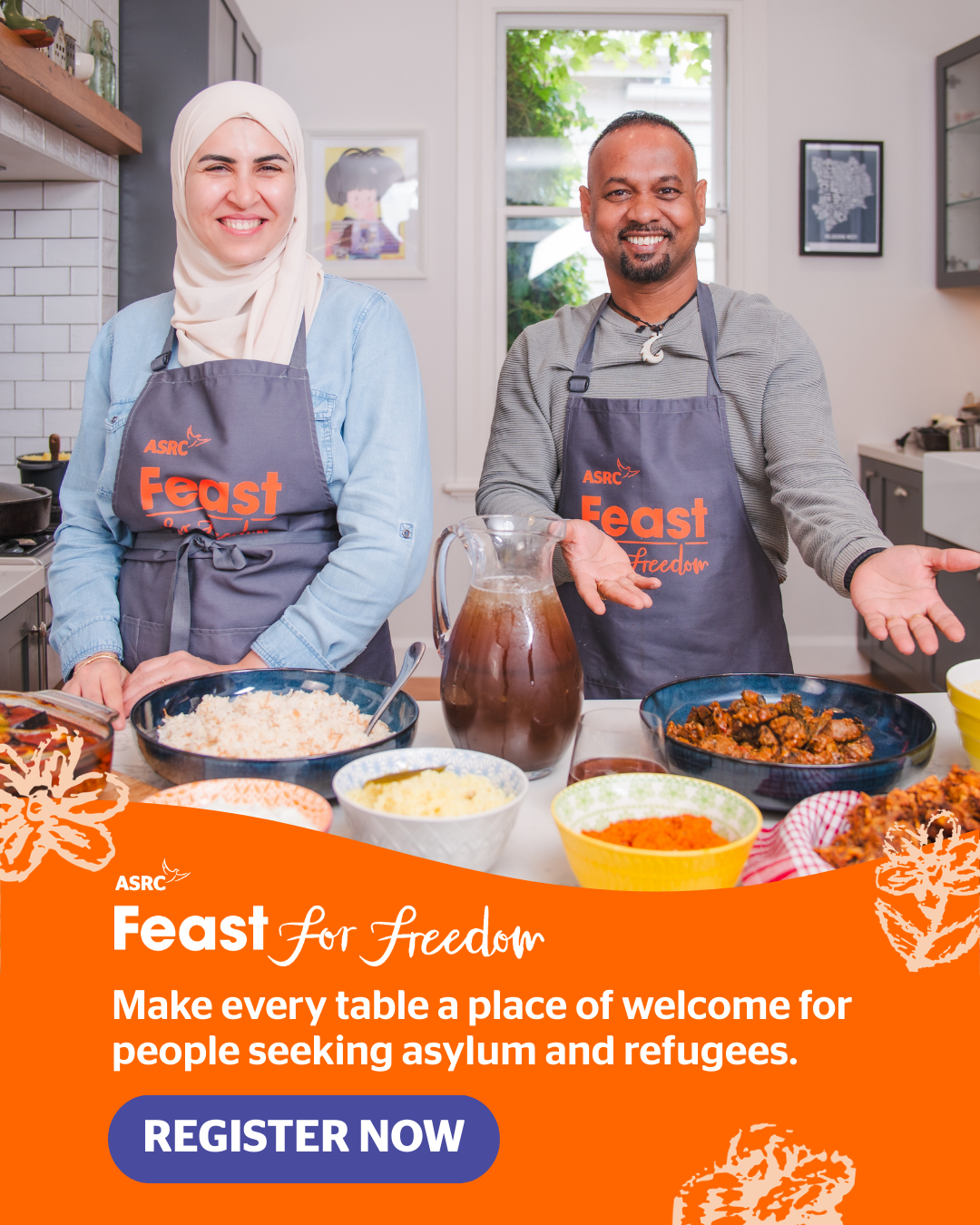
Pull up a chair… there’s room at this table!
For the first time, Feast for Freedom is bringing people together for a spectacular long-table dinner as part of the Melbourne Food & Wine Festival.
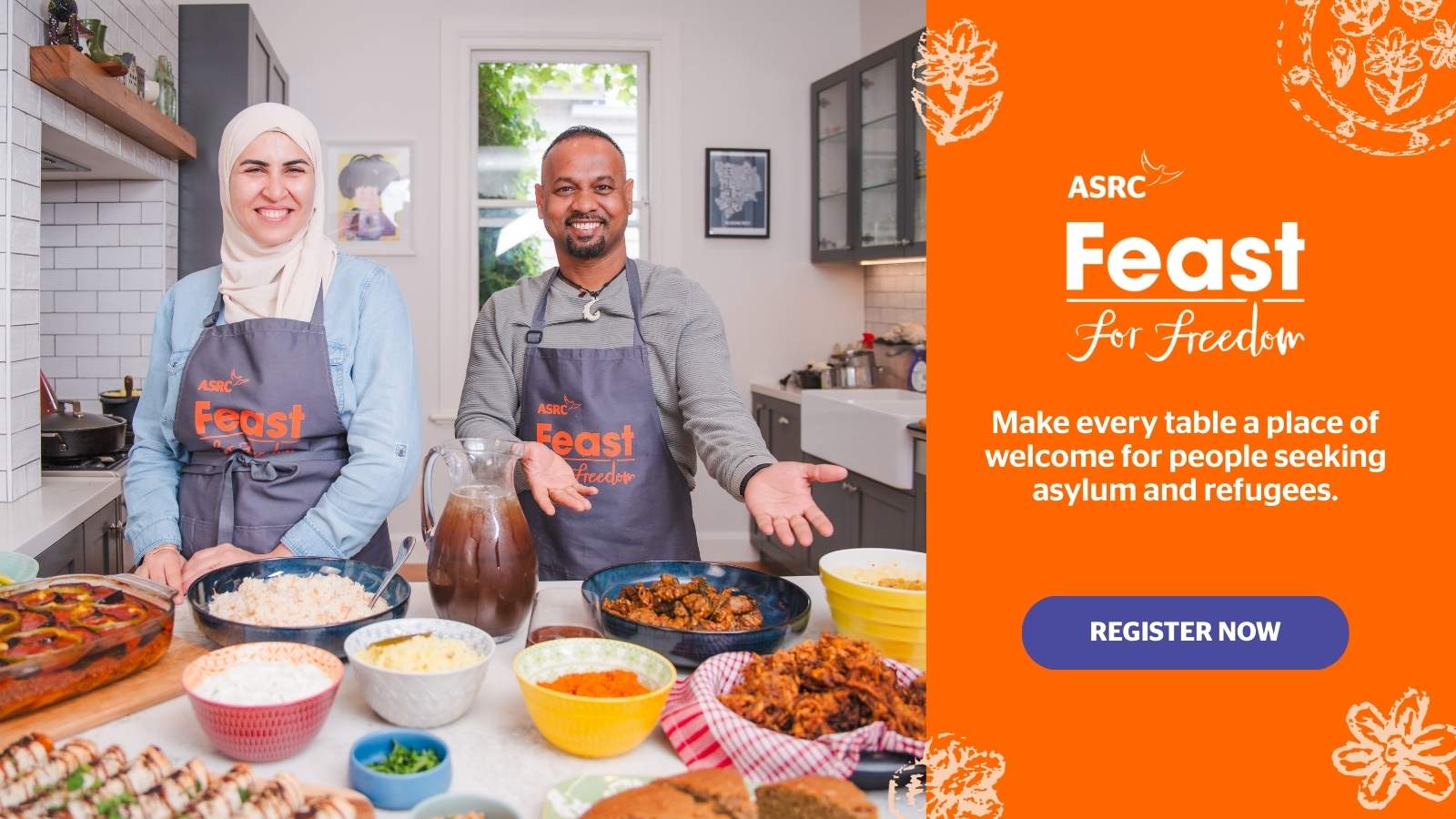
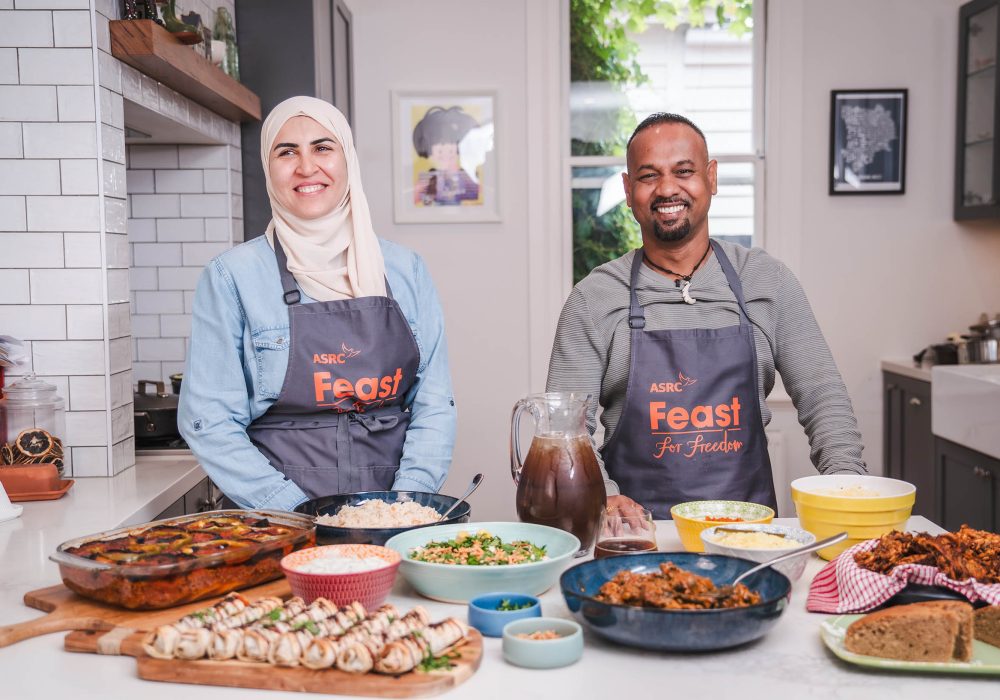
A Longer Table is exactly what it sounds like: one beautiful shared table inside the Asylum Seeker Resource Centre (@Asrc1), piled with generous dishes inspired by this year’s hero cooks, Noha and Nige.
From 6 to 9pm on Wednesday, 25 March, this is what you can expect:
🍽 A three-course shared feast
🍷 Matched drinks
🎶 Live entertainment
✨ A room full of good humans
Your ticket doesn’t just buy you a delicious dinner. It supports the ASRC’s vital work and helps create a fairer future for people seeking asylum.
Seats are limited, and long tables have a way of filling up quickly – head to @MelbFoodAndWine’s website to book now: feastforfreedom.org.au/mfwf
#FeastForFreedom #MelbourneFoodAndWineFestival #LongTableDinner #FoodForChange

Sew versatile! 🪡
Another great make from Lisa from @SunnySewsEveryday:
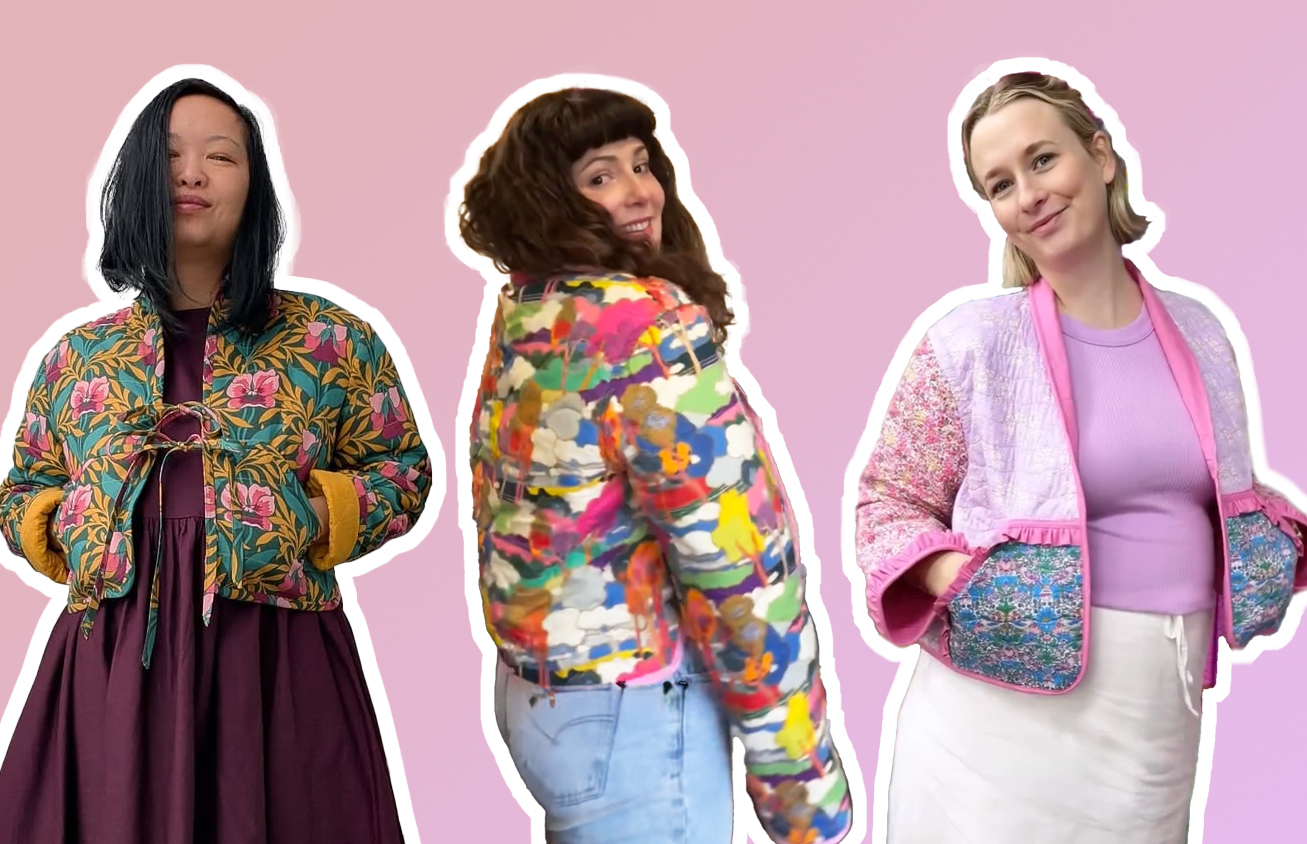
My #PeppermintWaratahWrapDress is finished and I’m so proud of it. It has been designed not to flap open and flash your pants in the wind, so I feel confident it will be a great wheelchair or standing dress in English weather.
#PeppermintPatterns #WrapDress #WrapDressPattern

Frame your face with the Peppermint Bucket Hat!
Stay safe and stylish in the sun with your very own self-sewn and self-drafted wide-brimmed bucket hat. This beginner-friendly sew is perfect for a sunny day. Get out your pencils – this pattern is created using equations and maths!
This DIY project was featured in Issue 53 and now you can access it for the lovely low price of only $5.
Sun-safe chic is always in style. ☀️
Find it via the link in our bio!
Photos: @KelleySheenan
#PeppermintPatterns #PeppermintBucketHat #BucketHat #BucketHatPattern #DIY

✨ INSTANT CLASSIC ✨
The Peppermint Myrtle Shift Dress is a beginner-friendly make with a few special details based on the ever-stylish shift shape – the perfect dress you need in your wardrobe right now!
Myrtle cuts above the knee with options to customise the length. Don’t think she’s reserved for hot weather either: try a heavier-weight fabric to turn your Myrtle into a pinafore-style garment for layering.
For our fabrics we chose two from our lovely sewing partner @Karmme_Apparel – the bold Rottnest Stripes in a lightweight, soft-drape cotton, and the quality linen in the handpainted Mexico Collection.
Get making the Myrtle – the only question is, can you stop at just one?
Link in bio 🪡
Fabric: @Karmme_Apparel
Sewist: @Laura_The_Maker
Photos: @KelleySheenan
Models: @SerahSews and @Pins_And_Tonic
Location: @ShareTheDignityAustralia
#PeppermintMyrtleShiftDress #PeppermintPatterns

It’s time to Feast!
Some recipes travel a long way before they land on your table to delight your taste buds. This year’s Feast for Freedom invites us to gather our friends, cook something delectable and raise funds for the incredible work of the Asylum Seeker Resource Centre (@Asrc1) while we’re at it.
The 2026 Feast features recipes shared by two remarkable cooks: Noha, who brought the flavours of Palestine with her when she arrived in Australia, and Nige, a Sri-Lankan Tamil cook whose journey with food began in the most unexpected of places.
You can host your own Feast up until 30 April – simply register online and get planning! Host a dinner, organise a workplace lunch, or gather your community… However you do it, the idea is simple: cook, connect and celebrate the cultures and stories that shape Australia.
Want to find out more? Head to the link in bio to meet Noha and Nige, learn more about their stories, and discover a delicious recipe to try.
#FeastForFreedom #PeppermintMagazine #FoodForGood #ASRC
