According to a recent, self-conducted survey, Endeavour College found almost half (46%) of participants cared more about their health now than before the pandemic. Almost two-thirds (61%) wanted to learn more about health to better care for themselves and their loved ones. It led to the college launching its first suite of short courses – designed to be “relevant and life-applicable” while also empowering students to “take control of [their] own learning”.
In this series, created in partnership with our good friends at Endeavour College, we’re taking a deep dive into these short courses – to learn more about what the suites entail and expand our knowledge from credible sources. The first of Endeavour’s four suites is nutrition, so we caught up with program manager, environmental scientist and accredited nutritionist, Sophie Scott to dive into her world and dispel some common nutrition myths and misconceptions.
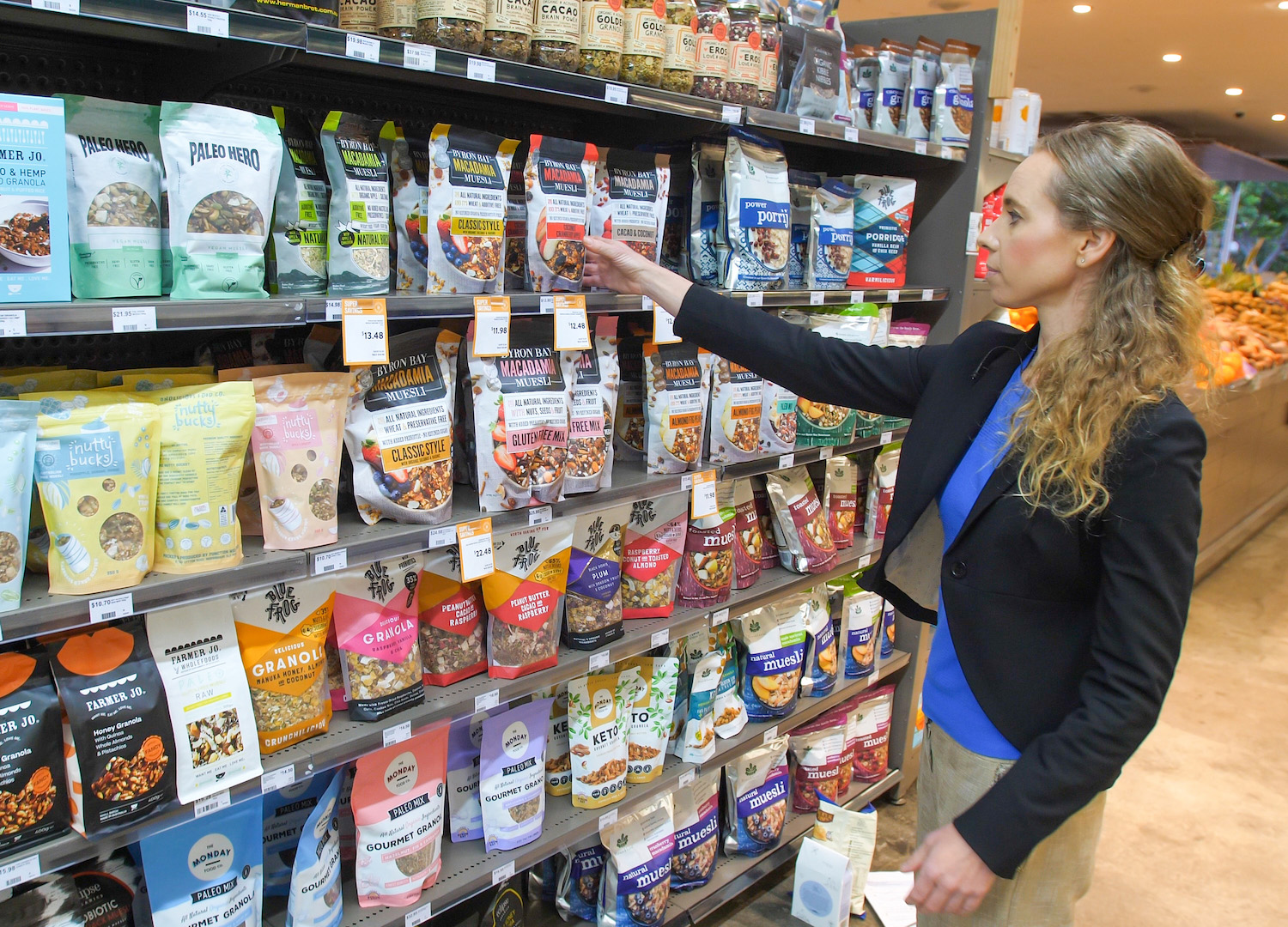

above SOPHIE SCOTT, PHOTO COURTESY OF ENDEAVOUR COLLEGE
Let’s go way back to basics… how does food impact our wellbeing?
Our food choices affect both our physical and mental wellbeing. If we eat too much, we can feel sluggish and lethargic. Equally, if we eat too little or go on strict diets, we can become at risk of malnutrition or eating disorders. It’s a fine balance between the two to get it just right. Food and mood are also interlinked. For example, researchers at Deakin University found that those who follow a Mediterranean-style diet are 33% less likely to develop depression. Further, junk foods may actually ‘shrink’ the hippocampus, the part of the brain that plays a key role in mood regulation and memory.
READ MORE – Everyday Endeavour: What This Nutritionist Eats to Kickstart Her Day
What does a holistic approach to nutrition actually mean?
Holistic nutrition means not counting calories or following fad diets, instead, keeping a balance is key. Have the pizza and beer with friends on a Friday, eat the ice cream, but make it a treat, not an everyday affair. Improving our relationship with food is key to holistic nutrition. Eating whole foods – think fruit and veg, grains, nuts and seeds, dairy and meat (or alternatives) and occasional treats (keep them out of eyesight though!) is the best approach.
Holistic nutrition means not counting calories or following fad diets, instead, keeping a balance is key.
Weight loss pitches from health food companies, gyms and social media influencers seem to be at their loudest as the new year rolls on through. What role does our brain play in our food choices? And how do weight loss fads prey on that?
You’ve probably noticed that when you feel great, you’re more likely to make good food choices.
Do you eat lunch with a fork in one hand and a phone in the other? Try focusing on your food, slow it down and relax while eating. Stress sends distress signals to the gut and can also provoke more inflammation. In turn, stress can result in unhealthy eating and the cycle continues.
Weight loss fads promoting quick results often involve cutting out food groups and counting calories. This kind of dieting is a recipe for disaster… long-term effects include an increased risk of eating disorders and a poor relationship with food. Food is meant to be enjoyed and provide fuel for the body, not to be counted and analysed. Did our ancestors care about the calorie count of their foods? No, they ate to survive. The problem is that now food is available everywhere and willpower is no match for our biological drive to eat more, particularly sweet foods.
There’s a lot of talk on social media about gut health. Can you walk us through some of the science-based ways to improve it through nutrition…
Here are my five top ways to boost your gut health:
- Boost probiotics – yoghurt, kefir, kombucha.
- Boost prebiotics (food for probiotics) – apple and peanut butter as a snack; grate broccoli stalks and add to stir-fries.
- Choose some non-alcoholic drinks a few times a week (the recommendation is no more than 10 standard drinks per week).
- Avoid artificial sweeteners.
- Reduce stress through meditation and five-minute breathing exercises.
“What I eat in a day?” videos seem to go viral from influencers with no real accreditations. What’s your best advice for wading through socials and the misinformation out there regarding nutrition?
Firstly, keep the first half-hour of your day social media free. Then carefully check the qualifications of the influencers you’re following. Does what they’re talking about seem extreme or unhealthy? Don’t do it. The fact is, the way to great nutrition is boring… it’s eating whole foods and not too much, which is why people are always trying to find a quick fix, a pill or diet that will magically cause weight loss. It doesn’t work like this. If we shock the body by reducing calorie intake drastically, the body goes into a famine reaction and holds onto weight. Slow, incremental habit changes are what work for long-term health.
READ MORE – Everyday Endeavour: Roll Into the Weekend With This Vegetarian Meatball Recipe
What’s a food trend you are seeing on the rise in 2023?
Powered by almond, soy and oat milk lattes, which now account for at least a quarter of all barista-made coffees in Australia, we are leading the charge on plant-based protein, an industry tipped by the CSIRO to take off to the tune of around $10 billion by 2030. Current figures suggest the sector is worth $140 million so expect to see big investment and innovation in the coming years. New hyper-realistic, plant-based protein products such as a lab-grown lamb chop made from cultivated meat cells are set to be as palatable to meat-lovers as actual meat, and dedicated vegan butchers prove the plant-based movement is becoming more mainstream.
How can readers lighten their eco-footprint through a more sustainable diet?
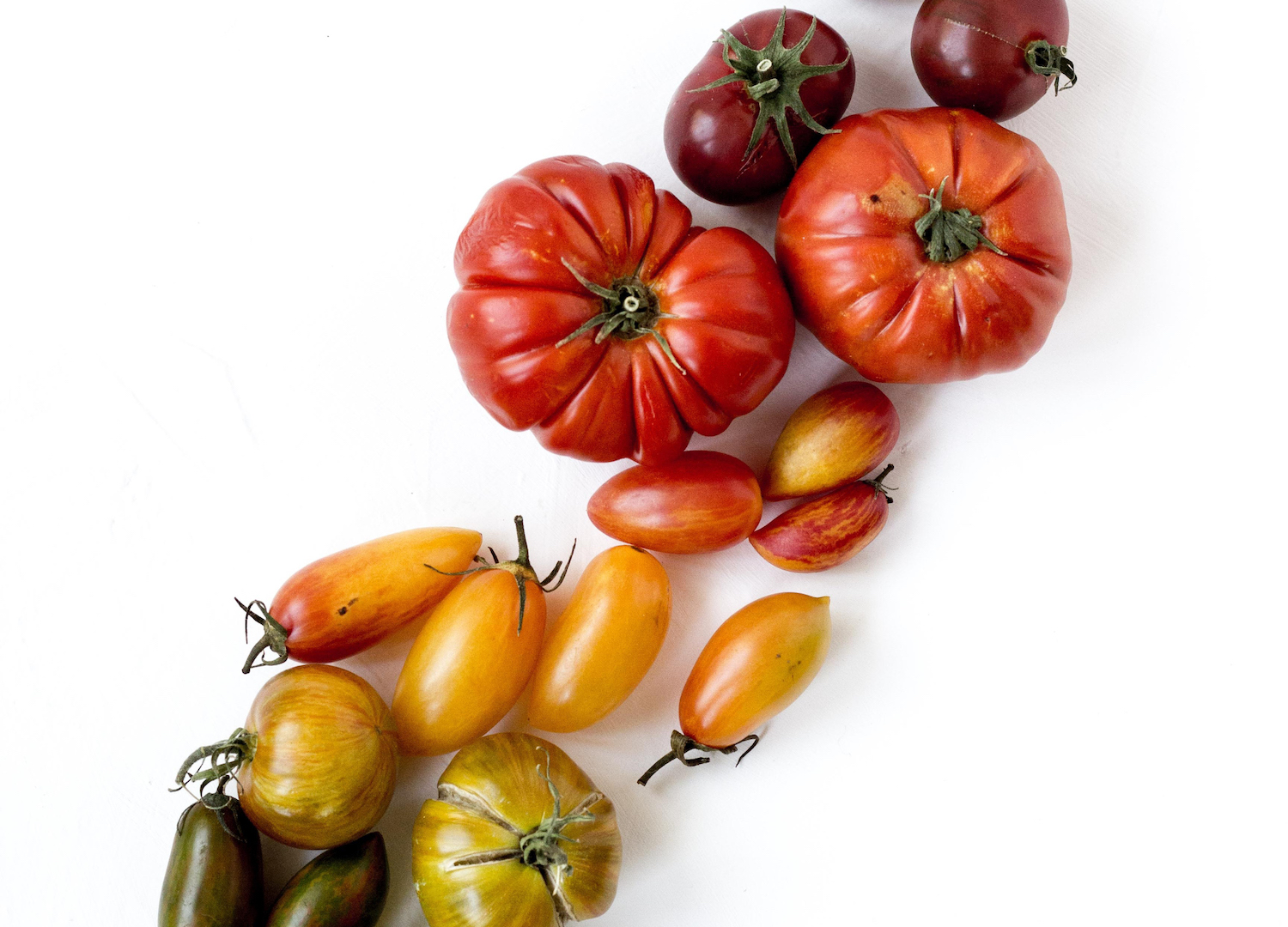
To lighten your eco-footprint, consider reducing food waste by buying odd-shaped produce. Do you normally throw out broccoli stalks? Grate them into an omelette, soup or stir-fry. Reduce red meat consumption to 350 grams per week max. It’s the most greenhouse gas-intensive food we can eat. Making nachos? Replace half mince with red kidney beans or even kangaroo mince.
You can also try alt protein sources such as cricket powder. Insects have a lower carbon impact than red meat and you get the added bonus of fibre, which you don’t get with meat. If you can’t get past the ‘ick’ of an insect, hemp is another protein source that has a small carbon footprint. In fact, for every hectare of hemp produced, eight to 15 tonnes of CO2 is removed from the air, research from Cambridge University suggests.
READ MORE – “Nutrition Is Never Black and White”: Endeavour Graduates on How to Make Peace with Your Plate
Choose fruit and vegetables grown outdoors locally to minimise transport and energy usage associated with food production. Locally grown, in-season produce has a lower impact on the environment. Grow your own or join a community garden to get easy access to environmentally friendly, organic produce. Try to buy organic when you can.
You can also buy in bulk to reduce packaging, waste and costs. Farmers’ markets are a great way to access bulk, fresh food, while also supporting local businesses, or try a food delivery box to get the pick of the seasonal bunch delivered to your door.
This article was created in partnership with our friends at Endeavour College of Natural Health who offer Bachelor of Health Science degrees in naturopathy, nutritional and dietetic medicine, acupuncture therapies and Chinese medicine, as well as four undergraduate certificates, diplomas in Chinese remedial massage and health science, and their new short courses at six campuses across Australia (Sydney, Melbourne, Brisbane, Gold Coast, Perth and Adelaide). For more information visit endeavour.edu.au.










“My piece of advice for makers and designers? Run your own race… make sure your key decisions stay anchored in your brand’s core beliefs.”
- Bec Bligh
Quick show of hands: who’s opened a water bottle expecting a refreshing sip… and instead been greeted by the unmistakable whiff of uh-oh?
Because for something that follows us everywhere (desk, car, hikes, yoga…), the humble drink bottle is strangely prone to becoming a science experiment. Hard-to-clean corners and gaskets. Mystery smells. Bec Bligh and her husband Tim know it well. A six-month sailing trip along the Queensland coast left them with a lifetime of memories and one stubborn annoyance: mouldy water bottles they couldn’t properly clean.
So they did something about it.
Enter @EverVessel. Thoughtfully designed borosilicate glass and stainless steel bottles that keep things beautifully simple: durable materials, wide openings, easy-to-clean parts and none of the techy gimmicks that tend to age badly. Turns out simplicity, done well, is pretty powerful stuff. (Their many design awards agree!)
And lately they’ve added a little extra delight: the Artist Series, where creatives like Paola Castro, Ben Miners and Martin Thompson transform these everyday companions into tiny travelling artworks. There are more colabs in the works, too: hydration, but make it joyful! 🎨💧
We chatted with Bec about the sailing trip that started it all, the philosophy behind Ever Vessel, and why the most sustainable product is often just the one you keep using.
Tap the link in our bio to read the full conversation. 🚰
#EverVessel #ReusableWaterBottle


Pull up a chair… there’s room at this table!
For the first time, Feast for Freedom is bringing people together for a spectacular long-table dinner as part of the Melbourne Food & Wine Festival.
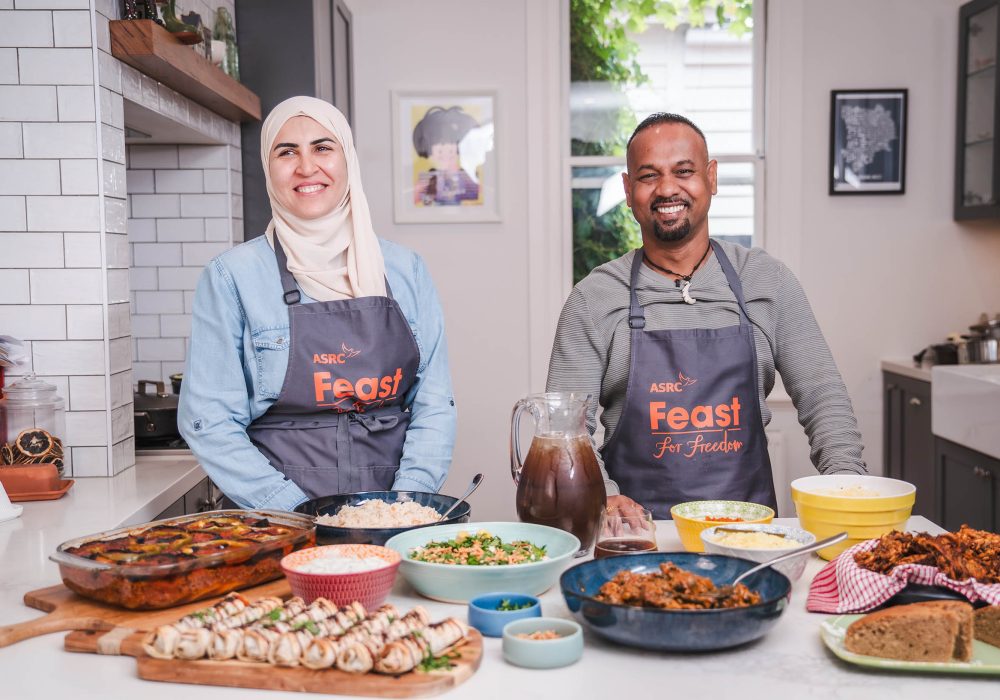
A Longer Table is exactly what it sounds like: one beautiful shared table inside the Asylum Seeker Resource Centre (@Asrc1), piled with generous dishes inspired by this year’s hero cooks, Noha and Nige.
From 6 to 9pm on Wednesday, 25 March, this is what you can expect:
🍽 A three-course shared feast
🍷 Matched drinks
🎶 Live entertainment
✨ A room full of good humans
Your ticket doesn’t just buy you a delicious dinner. It supports the ASRC’s vital work and helps create a fairer future for people seeking asylum.
Seats are limited, and long tables have a way of filling up quickly – head to @MelbFoodAndWine’s website to book now: feastforfreedom.org.au/mfwf
#FeastForFreedom #MelbourneFoodAndWineFestival #LongTableDinner #FoodForChange

Sew versatile! 🪡
Another great make from Lisa from @SunnySewsEveryday:
My #PeppermintWaratahWrapDress is finished and I’m so proud of it. It has been designed not to flap open and flash your pants in the wind, so I feel confident it will be a great wheelchair or standing dress in English weather.
#PeppermintPatterns #WrapDress #WrapDressPattern

Frame your face with the Peppermint Bucket Hat!
Stay safe and stylish in the sun with your very own self-sewn and self-drafted wide-brimmed bucket hat. This beginner-friendly sew is perfect for a sunny day. Get out your pencils – this pattern is created using equations and maths!
This DIY project was featured in Issue 53 and now you can access it for the lovely low price of only $5.
Sun-safe chic is always in style. ☀️
Find it via the link in our bio!
Photos: @KelleySheenan
#PeppermintPatterns #PeppermintBucketHat #BucketHat #BucketHatPattern #DIY

✨ INSTANT CLASSIC ✨
The Peppermint Myrtle Shift Dress is a beginner-friendly make with a few special details based on the ever-stylish shift shape – the perfect dress you need in your wardrobe right now!
Myrtle cuts above the knee with options to customise the length. Don’t think she’s reserved for hot weather either: try a heavier-weight fabric to turn your Myrtle into a pinafore-style garment for layering.
For our fabrics we chose two from our lovely sewing partner @Karmme_Apparel – the bold Rottnest Stripes in a lightweight, soft-drape cotton, and the quality linen in the handpainted Mexico Collection.
Get making the Myrtle – the only question is, can you stop at just one?
Link in bio 🪡
Fabric: @Karmme_Apparel
Sewist: @Laura_The_Maker
Photos: @KelleySheenan
Models: @SerahSews and @Pins_And_Tonic
Location: @ShareTheDignityAustralia
#PeppermintMyrtleShiftDress #PeppermintPatterns

It’s time to Feast!
Some recipes travel a long way before they land on your table to delight your taste buds. This year’s Feast for Freedom invites us to gather our friends, cook something delectable and raise funds for the incredible work of the Asylum Seeker Resource Centre (@Asrc1) while we’re at it.
The 2026 Feast features recipes shared by two remarkable cooks: Noha, who brought the flavours of Palestine with her when she arrived in Australia, and Nige, a Sri-Lankan Tamil cook whose journey with food began in the most unexpected of places.
You can host your own Feast up until 30 April – simply register online and get planning! Host a dinner, organise a workplace lunch, or gather your community… However you do it, the idea is simple: cook, connect and celebrate the cultures and stories that shape Australia.
Want to find out more? Head to the link in bio to meet Noha and Nige, learn more about their stories, and discover a delicious recipe to try.
#FeastForFreedom #PeppermintMagazine #FoodForGood #ASRC
