
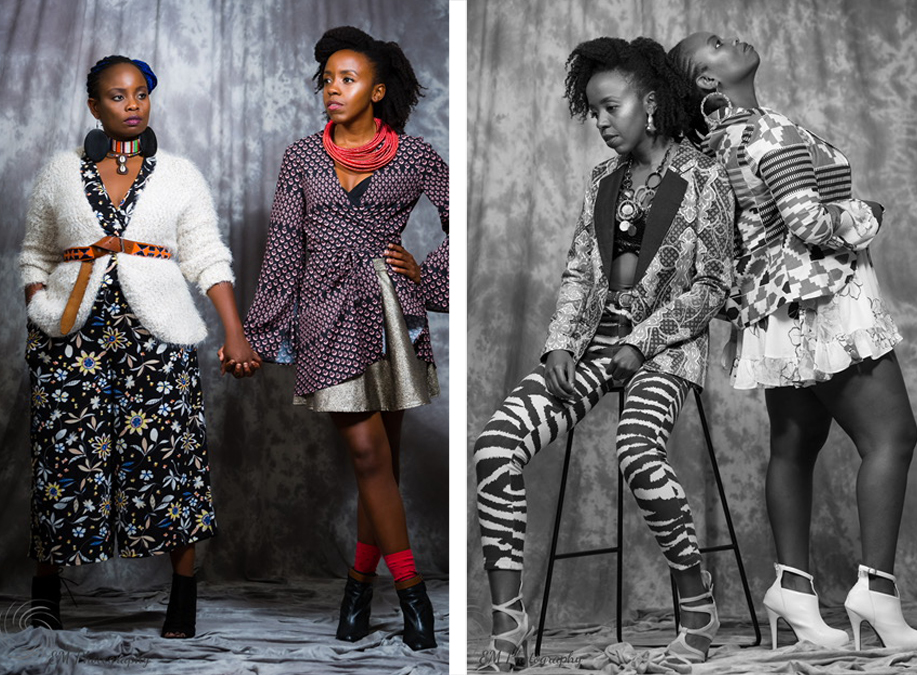
Following her awesome, inspirational appearance at this year’s Brisbane PepTalks event, Clare Press – author, presenter of the Wardrobe Crisis podcast and Australian Vogue’s Sustainability Editor-at-Large – shares her thoughts on diversity in fashion, and meets styling duo Niwa Mburuja and Wanyika Mshila.
We have a way to go when it comes to representation in Australian fashion – but we’re making inroads, for sure. The April cover of Australian Vogue featured Akiima, Charlee Fraser, Andreja Pejic and Fernanda Ly. Akiima was born while her family was making its way to the Kenyan refugee camp Kakuma in order to escape war in Sudan. They moved to Australia when she was 10. She started modelling in 2017 and quickly found herself on the Paris couture runways. “Australia is a multicultural country, but unfortunately we don’t get to see the diversity of Australian beauty,” she writes in this first-person piece. “We have come a long way, but we still need to discuss diversity in the modelling industry. Beauty comes in all colours—embrace them all.”
One of my favourite brands, The Social Outfit, is good at this – continually producing gorgeous campaigns that celebrate community and diversity, and present a properly modern idea of what Australian beauty means today.
It’s just a couple of years since the awkward moment, when Misha Collection closed its Australian fashion week show with an all-white model line-up marching down the runway to Beyoncé’s Formation.
Diversity is monitored at international fashion weeks, with The Fashion Spot putting out this report each season. Here, not so much. There are no official Aussie stats but if you feel like it, you could go through each show at the most recent event, and do your own count. How many models of colour were there? How many curvy girls? How many models over the age of 30, 40, 50? (Seriously, if someone does feel like it—please DM me on Instagram and we’ll put the news out.)
I suggested to Avani Dias at the ABC that she do this story, and I’m glad that she followed it up. As Akiima told her: “If you have a show and it’s just one colour, it’s like ‘Okay well I’m not gonna come’ because you don’t have anything to offer me. Just include everyone...”
In Sydney, Australia’s biggest city, for example, 45 per cent of the population was born outside of Australia. So how come we’re still so often locked into that classic sun-tanned Aussie white girl beach-babe aesthetic? I find it so dull. Dare I say that sustainable fashion is even worse? I dare. It is. At least it can be. Too often it’s a young pretty white girl in her minimalist-chic garb, shot in her minimalist-chic living room, perhaps with a pot plant and a macramé wall hanging. You know I’m right! Look, there’s nothing wrong with that—it’s an authentic aesthetic, but it’s not the only one.
What I look for as a fashion editor is a point of difference, colour, fun, something intriguing I haven’t seen before. What I look for as an activist is inclusion. We need to work at it. It doesn’t happen by itself. I have started to suggest to people who invite me on panels that I won’t do it unless they lift their diversity game; unless they actively make an effort to include different voices. At least in fashion we tend to avoid the yawn that is all-male panels. Don’t get me started on literary festivals.
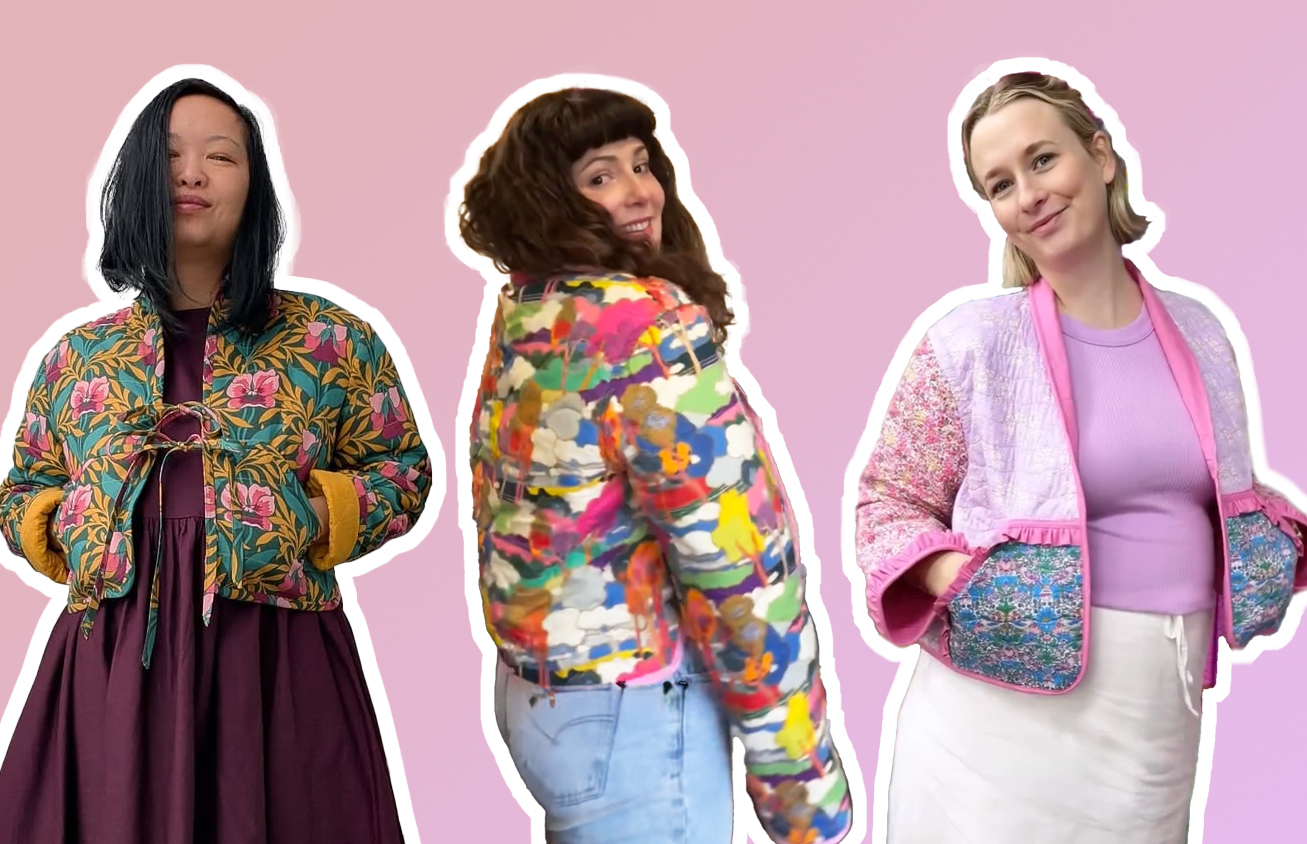
Anyway, in the spirit of all this, when Peppermint gave me the chance to write some online pieces in celebration of my talk at PepTalks (which is about something else entirely BTW: the circular economy), I jumped at the opportunity to interview Niwa Mburuja and Wanyika Mshila, AKA. 2 Sydney Stylists. I met this duo at an ethical fashion event I curated, and I think what they’re doing is super cool.
Clare: What’s your story?
Niwa: We are young professionals and fashion obsessives. We were both born in East Africa and have parallel migration stories. I was born in Tanzania and have been here since I was 8.
Wanyika: I’m from in Kenya and came here as an international student. I did a bachelor of commerce for my undergrad degree, then studied fashion design. We met in our mid-20s through networks being African in Sydney.
N: I was really drawn to her because she had this corporate life but is also really passionate about fashion. She was creating a fashion label; she had this duality.
C: Well you both do… I mean, Niwa, I know you as a stylist, but you are in fact…
N: An accountant! I am, and I love it. But I’ve always loved fashion too. Expression through style is a non-negotiable for me. I always make it very upfront that I need to dress expressively, I can be office-appropriate but you have to expect me to be a bit quirky.
C: Wanyika, you worked in finance?
W: Yes but made this huge change and I am now an assistant fashion buyer.
C: Under the banner 2 Sydney Stylists you do styling projects and work as creative directors. How did it start?
N: Last year Wanyika was asked to do a photo shoot. She was having a pause in her design work so we decided to style ourselves from our own wardrobes. That birthed 2 Sydney Stylists. We think we have a unique voice and aesthetic, and not just because of our African culture but because we have stories for multiple realities, from our linear corporate roles to the way we get dressed for ourselves.
C: How would you describe your style?
W: Very experimental, expressive and eclectic. I’m more driven by style than fashion or what’s on trend, and tend to dress for my body shape, whatever it may be in that season.
N: My style is emotive; it’s very transient. Putting clothes on myself has always been the easiest, least stressful thing in my life. Every day I wake up and put things together and it’s a joy. I dress for how I feel, I tap into personas I guess, I might be boyish one day, eclectic another, or monochrome.
C: What does fashion give to you?
W: A platform to express myself and how I present to the world. I’m an avid reader and student of leaders and success principals, and I find the more I learn, the more I want to share and teach as well. Through fashion I’ve been able to provide spaces where people can come to learn, say, how to wear a headwrap, and in that session, we will cover other topics such as identity and empowerment—that’s what fashion has given to me.
C: Headwraps have been in the fashion news a lot recently because brands have been accused of cultural appropriation…
N: Headwraps are part of both our cultures. We’re using that to start conversations around self-expression, empowerment and beauty because often we don’t see those things reflected in a way that looks like us. Cultural appropriation has been going on for a long time. My take initially was excited: oh headwraps, it’s high fashion now! Then you realise there’s a bit missing because very rarely do you see the designers or brands crediting the cultures involved. Things are pulled from all over and inserted into a whole other world without any reverence for where they came from. So there is a disconnect, but at the same time, we’re looking at it as an opportunity. So many young ladies that we know really feel ashamed of their roots and their cultural aesthetic, so we’re going, ‘Hey, look at this, Marc Jacobs, Gucci… if they are elevating this humble piece of fabric, this garment that our grandmas adorned themselves with every day, what is it that’s stopping us from doing it?
W: If someone else is validating it on your behalf, don’t ignore that—own it. Take back that voice and embrace it and normalise it.
N: We love wearing headwraps. Sometimes I wear them to work. If something is important to you, find a way to fit it into your life and express it. I also think we need to be gentler with each other. You know, most people are well-meaning.
C: In what other ways does your culture inform the way you approach fashion?
W: We grew up in a time where we didn’t have fast fashion. In Kenya, fashion was driven by either boutique stores, second hand-fashion or tailored fashion, and I found that made everyone’s style is very unique and different. That is something I longed for when I moved to Australia, and also what made me start designing.
C: What do you mean by tailored fashion?
N: When someone asks, what is African fashion? Well, for me I’d say African fashion is tailor-made: you have a relationship with your tailor and you have things made when you need then. It’s that whole idea of the artisanal that is so trendy now, but it’s what we grew up with. It’s all artisanal.
C: Does that inform your take on ethical fashion today?
W: Before I even had a name for it I’ve always been mindful about ethical production. When I started designing, the key things I was aware of were working conditions and the pay—I wanted to be fair to the tailors, but also to be well-priced to be able to afford to keep producing. So, I’d get 6 yards [of fabric] and work the pattern out with the tailors or bag-makers to get the most out of it. By the way, at this point I was self-taught. I had never attended a fashion course and didn’t even know how to read patterns! Then from whatever was left over I’d make either earrings or fabric-covered wooden bracelets or little coin purses.
C: You were thrifty.
N: We were raised that way, but if I am honest, I would say I shied away from that for a while. I am now coming back to it, to understanding it’s value and also its environmental context.
W: Sustainability is becoming more important, now that our world has expanded. Now that I know more about ethical fashion and the larger impacts, I’m even more conscious of my daily fashion choices and their lasting effects.
N: For a long time, I didn’t have awareness around this. When Zara and H&M opened, I was rushing in there! I didn’t want to look too deeply into it, but that has now changed for me. We’re at the point now in society where we can’t keep ignoring it. I want to contribute to looking after the Earth. For me, it’s about, okay, where can I start? What can I think about changing? Little things like shopping at op shops, or using a cloth bag and always keeping it in my handbag.
C: An actor I follow on Instagram, Nia Fairweather, shared this great video about being made to take a reusable bag to the mall as a kid and how much she hated it…
W: That’s how we were raised, you know, not to waste food, not to waste anything!
N: That’s how I was brought up for sure. It’s ingrained. Ironically, globalisation, migration and ‘progress’ (*in inverted commas), removed us from a lot of that. Now I’m finding my way back.
Photographs: Niwa Mburuja and Wanyika Mshila photographed by Edgar Mzumara.
“My piece of advice for makers and designers? Run your own race… make sure your key decisions stay anchored in your brand’s core beliefs.”
- Bec Bligh
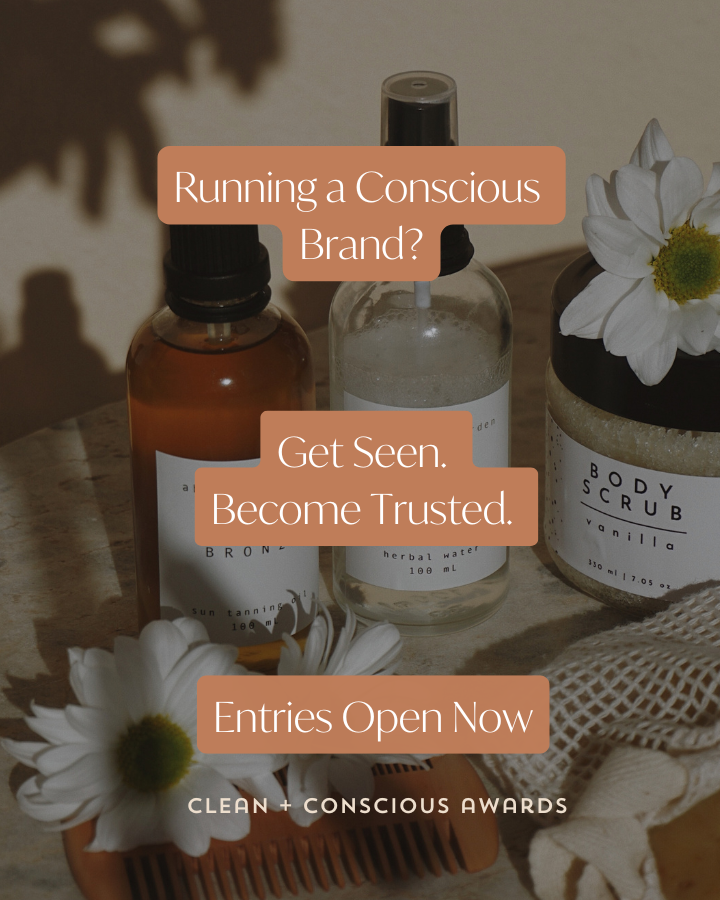
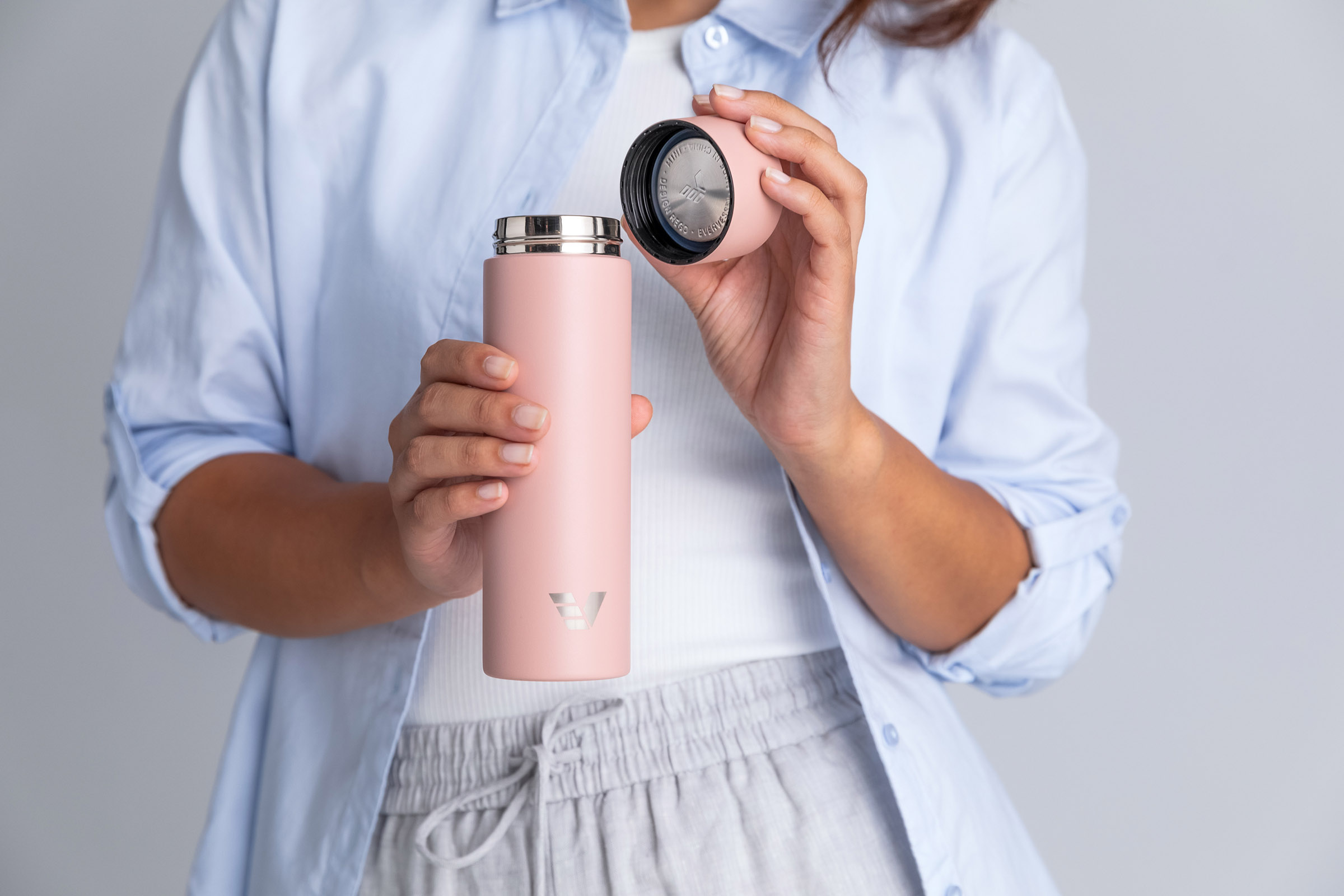
Quick show of hands: who’s opened a water bottle expecting a refreshing sip… and instead been greeted by the unmistakable whiff of uh-oh?
Because for something that follows us everywhere (desk, car, hikes, yoga…), the humble drink bottle is strangely prone to becoming a science experiment. Hard-to-clean corners and gaskets. Mystery smells. Bec Bligh and her husband Tim know it well. A six-month sailing trip along the Queensland coast left them with a lifetime of memories and one stubborn annoyance: mouldy water bottles they couldn’t properly clean.
So they did something about it.
Enter @EverVessel. Thoughtfully designed borosilicate glass and stainless steel bottles that keep things beautifully simple: durable materials, wide openings, easy-to-clean parts and none of the techy gimmicks that tend to age badly. Turns out simplicity, done well, is pretty powerful stuff. (Their many design awards agree!)
And lately they’ve added a little extra delight: the Artist Series, where creatives like Paola Castro, Ben Miners and Martin Thompson transform these everyday companions into tiny travelling artworks. There are more colabs in the works, too: hydration, but make it joyful! 🎨💧
We chatted with Bec about the sailing trip that started it all, the philosophy behind Ever Vessel, and why the most sustainable product is often just the one you keep using.
Tap the link in our bio to read the full conversation. 🚰
#EverVessel #ReusableWaterBottle


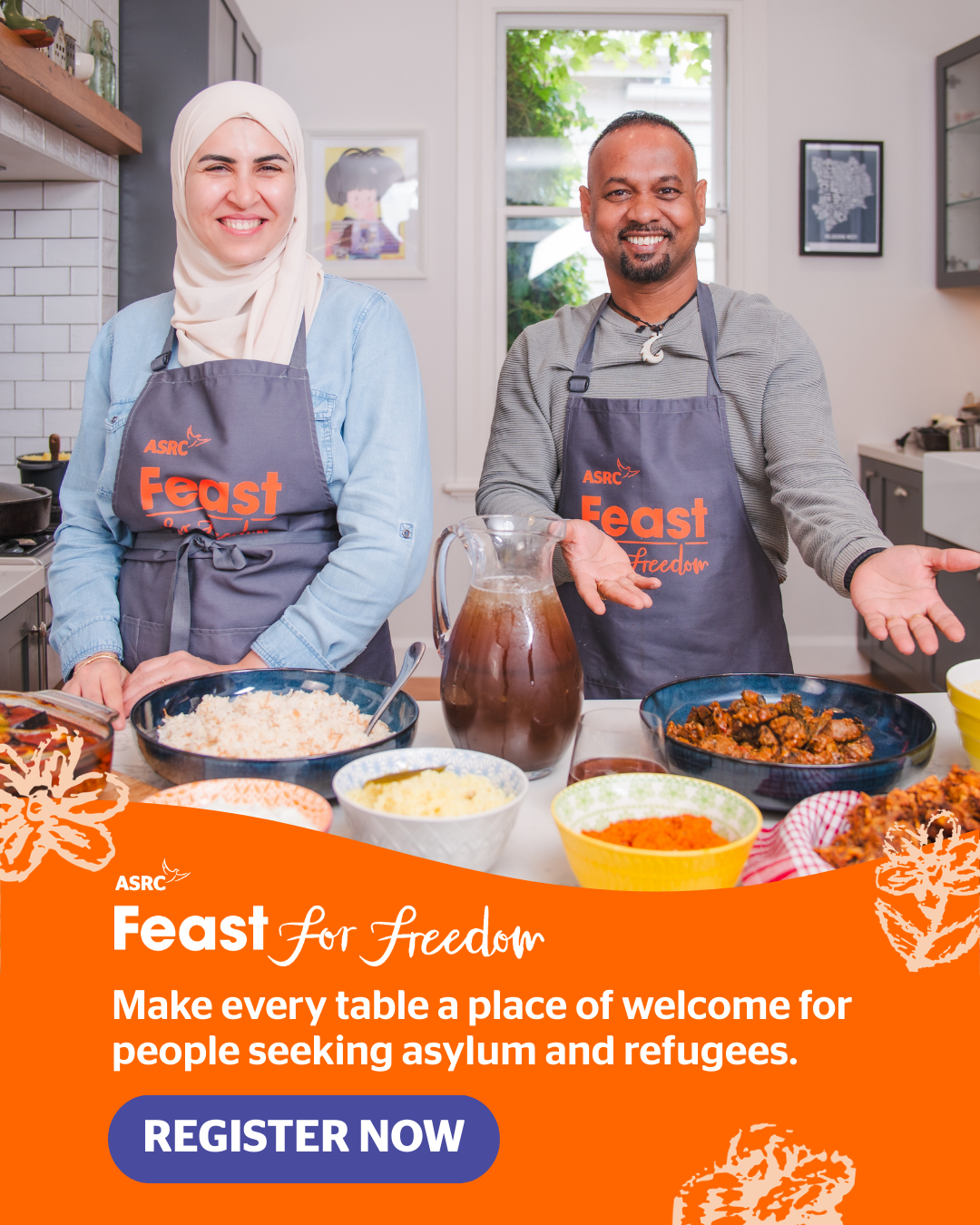
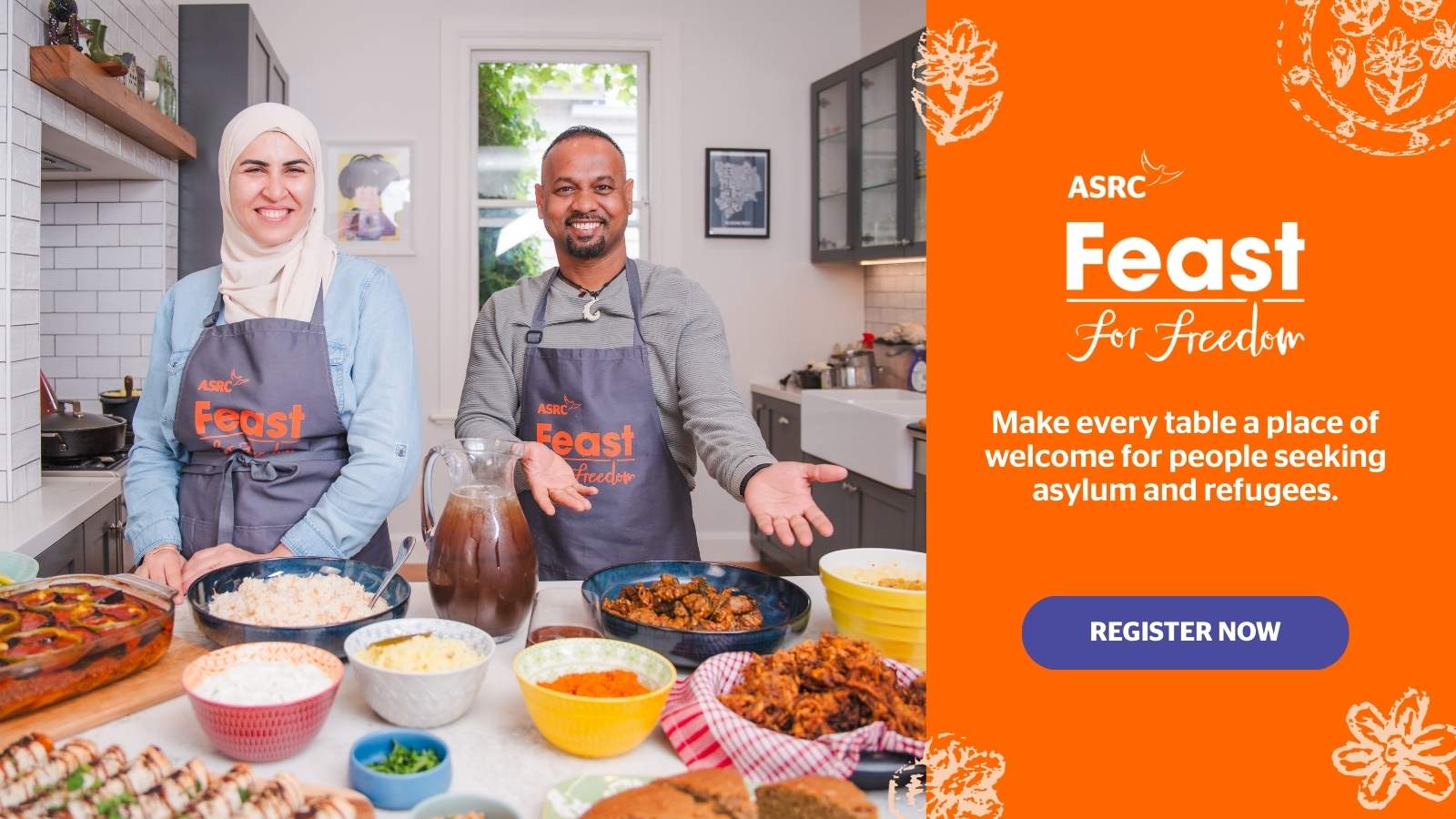
Pull up a chair… there’s room at this table!
For the first time, Feast for Freedom is bringing people together for a spectacular long-table dinner as part of the Melbourne Food & Wine Festival.
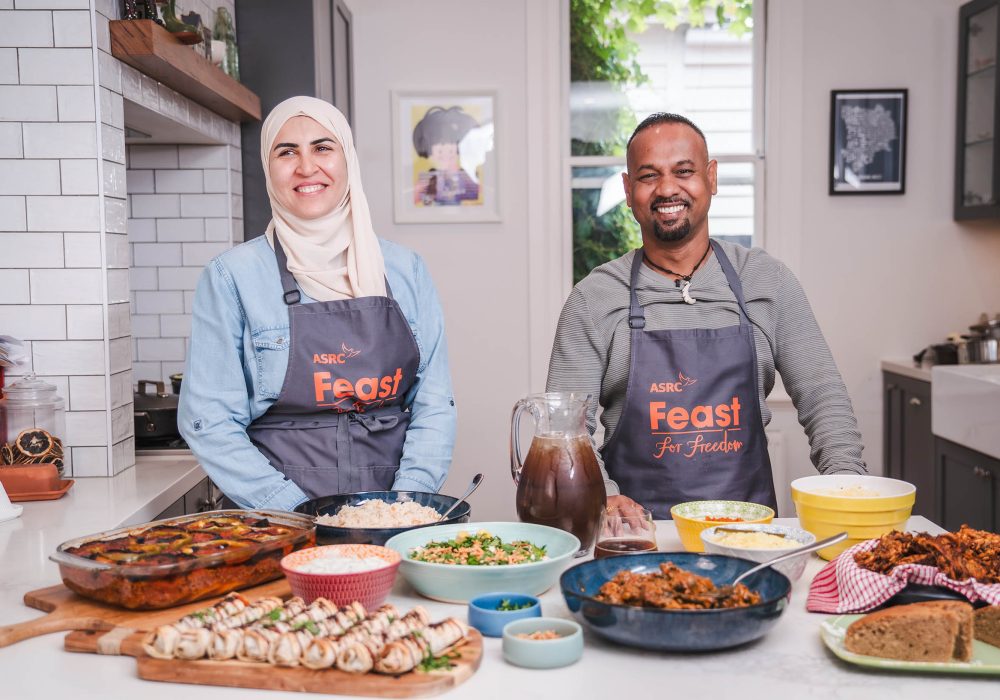
A Longer Table is exactly what it sounds like: one beautiful shared table inside the Asylum Seeker Resource Centre (@Asrc1), piled with generous dishes inspired by this year’s hero cooks, Noha and Nige.
From 6 to 9pm on Wednesday, 25 March, this is what you can expect:
🍽 A three-course shared feast
🍷 Matched drinks
🎶 Live entertainment
✨ A room full of good humans
Your ticket doesn’t just buy you a delicious dinner. It supports the ASRC’s vital work and helps create a fairer future for people seeking asylum.
Seats are limited, and long tables have a way of filling up quickly – head to @MelbFoodAndWine’s website to book now: feastforfreedom.org.au/mfwf
#FeastForFreedom #MelbourneFoodAndWineFestival #LongTableDinner #FoodForChange

Sew versatile! 🪡
Another great make from Lisa from @SunnySewsEveryday:
My #PeppermintWaratahWrapDress is finished and I’m so proud of it. It has been designed not to flap open and flash your pants in the wind, so I feel confident it will be a great wheelchair or standing dress in English weather.
#PeppermintPatterns #WrapDress #WrapDressPattern

Frame your face with the Peppermint Bucket Hat!
Stay safe and stylish in the sun with your very own self-sewn and self-drafted wide-brimmed bucket hat. This beginner-friendly sew is perfect for a sunny day. Get out your pencils – this pattern is created using equations and maths!
This DIY project was featured in Issue 53 and now you can access it for the lovely low price of only $5.
Sun-safe chic is always in style. ☀️
Find it via the link in our bio!
Photos: @KelleySheenan
#PeppermintPatterns #PeppermintBucketHat #BucketHat #BucketHatPattern #DIY

✨ INSTANT CLASSIC ✨
The Peppermint Myrtle Shift Dress is a beginner-friendly make with a few special details based on the ever-stylish shift shape – the perfect dress you need in your wardrobe right now!
Myrtle cuts above the knee with options to customise the length. Don’t think she’s reserved for hot weather either: try a heavier-weight fabric to turn your Myrtle into a pinafore-style garment for layering.
For our fabrics we chose two from our lovely sewing partner @Karmme_Apparel – the bold Rottnest Stripes in a lightweight, soft-drape cotton, and the quality linen in the handpainted Mexico Collection.
Get making the Myrtle – the only question is, can you stop at just one?
Link in bio 🪡
Fabric: @Karmme_Apparel
Sewist: @Laura_The_Maker
Photos: @KelleySheenan
Models: @SerahSews and @Pins_And_Tonic
Location: @ShareTheDignityAustralia
#PeppermintMyrtleShiftDress #PeppermintPatterns

It’s time to Feast!
Some recipes travel a long way before they land on your table to delight your taste buds. This year’s Feast for Freedom invites us to gather our friends, cook something delectable and raise funds for the incredible work of the Asylum Seeker Resource Centre (@Asrc1) while we’re at it.
The 2026 Feast features recipes shared by two remarkable cooks: Noha, who brought the flavours of Palestine with her when she arrived in Australia, and Nige, a Sri-Lankan Tamil cook whose journey with food began in the most unexpected of places.
You can host your own Feast up until 30 April – simply register online and get planning! Host a dinner, organise a workplace lunch, or gather your community… However you do it, the idea is simple: cook, connect and celebrate the cultures and stories that shape Australia.
Want to find out more? Head to the link in bio to meet Noha and Nige, learn more about their stories, and discover a delicious recipe to try.
#FeastForFreedom #PeppermintMagazine #FoodForGood #ASRC
