
words BRITTANIE DREGHORN photos UNSPLASH
Afterpay is having its day in the fashion industry, but are buy now, pay later services fuelling mindful or mindless purchases? Brittanie Dreghorn, of online ethical fashion blog Britt’s List, discovers more.
Love them or hate them, buy now, pay later (BNPL) services are certainly having a moment. It’s commonplace to see an Afterpay logo in the header of an e-commerce website, and it’s just as likely to be stacked next to a range of competing payment services, each offering a “better way to pay”.
Afterpay Day, offering shoppers huge discounts from thousands of brands both online and in-store, has become a popular bi-annual addition to the shopping calendar. The sale has quickly gained traction in Australia, even being taken up by brands that don’t offer the BNPL service.
This year, Afterpay was also the headline sponsor of Australian Fashion Week for the first time – a bold statement for both the payment service and the industry.
These BNPL services all claim to be committed to responsible spending, and position themselves as a fashionable alternative to debt. But to suggest their motives are purely altruistic would be a misstep. Afterpay’s stock has been on the rise since the company publicly listed in 2017 at approximately $3 a share. It’s now valued at almost $120 a share, at the time of writing, and has a market capitalisation of $34.49 billion.
But who else is benefitting from these increasingly popular payment services that are so heavily targeted at the fashion industry? Is fast finance fuelling fast fashion, or is it opening consumers up to a market they might otherwise not have been able to access – ethical, well-made clothes?
A boost for ethical fashion…
When surveying 21 ethical fashion brands in Australia, we found the majority (81%) said they offer deferred payment services.
Of those brands, 52.9% said their sales have increased as a result, and the overwhelming majority (70.6%) said the services were helpful in making ethical fashion accessible to a wider audience.
Citizen Wolf and Lois Hazel are two of the ethical fashion brands that have seen increases in their sales as a result of offering BNPL services.
Eric Phu, co-founder of Citizen Wolf, says that offering BNPL services like Afterpay and Zip is important because customers should have the choice to decide which payment service works best for them – even if it comes at a cost to his business.
Ethical and sustainable fashion means a higher quality product that hasn’t relied on exploitation or cutting corners to reduce and hide costs. The result is a higher price, which unfortunately does make it harder for people to do the right thing all the time.
“These payment services do cost us more than traditional options like credit cards,” he says, “but we absorb that cost rather than nickel-and-diming our customers. The far more important thing is to make our products as accessible as possible for customers to be able to choose options that are best for themselves and the planet.
“Ethical and sustainable fashion means a higher quality product that hasn’t relied on exploitation or cutting corners to reduce and hide costs. The result is a higher price, which unfortunately does make it harder for people to do the right thing all the time.”
Lois Hazel designer Lois McGruer-Fraser feels similarly towards the payment services. Her e-commerce store offers customers both Afterpay and Klarna as checkout options, among other traditional methods.
“I think it’s a great way to allow people to engage with ethical and sustainable brands that may be on the higher price point end of things,” Lois says.
“When it wasn’t available to our New Zealand customers, which has since been resolved, we did get a few enquiries asking when it would be available. We even worked with a few customers in setting up a payment plan outside of the website, almost like a lay-by situation where they made weekly instalments and, once paid off, we would ship out their new goodies.”
READ MORE: THE AUSSIE BRAND FIGHTING FAST FASHION TO TAILOR A BETTER WORLD
… But at what cost?
Rachel Driml, owner of ethical e-commerce boutique The Good Look Store, says that while she does offer deferred payment services on her site, she has some reservations about them due to their role in promoting “over-consumption” and creating unnecessary financial hardship.
“I do think we as businesses and business owners bear some responsibility here,” she says, “and it’s important to try to play our part in creating an ethics-focused shopping environment.”
Her way of creating this environment is to discourage big sales and instead offer non-trend-based, high-quality products, as well as educational content around sustainable consumption.
“It’s not easy as a small business – a big sale, or ‘buy buy buy’ focused marketing, is a great way to get some quick cash flow and reach a new customer base,” Rachel continues. “But it would go against every value of the store, so I don’t do it.”
Adelaide-based sustainable fashion designer Brianna Gaal is going even further, actively choosing not to offer BNPL services.
It gives more people access to fashion, which is a good thing, but I also think it has the potential to promote overconsumption and impulse purchases. It has been heavily marketed towards non-essential product categories, like fashion.
“At first it was not a conscious choice,” she says. “I planned to offer [deferred payment services], but when I looked into it, I became a bit suspicious.
“I think on the surface there are lots of benefits to BNPL. It gives more people access to [ethical] fashion, which is a good thing, but I also think it has the potential to promote overconsumption and impulse purchases. It has been heavily marketed towards non-essential product categories, like fashion.”
“As I’ve never offered these services, I don’t know what the exact impact of not offering them has been,” Brianna shares. “I may very well have missed out on sales because I don’t offer it. I’m not against it in the future, but I would just like to see more specific regulation and consumer protections put in place, as it has now become a huge part of the retail industry.”
One anonymous respondent to the survey said they believe BNPL services give buyers a false sense of financial security.
“These services encourage excess consumerism,” they said. “The only one who really benefits at the end of the chain is the retailer, at the expense of the customer and the environment.”
It’s worth noting, too, that the BNPL market has been relatively unregulated to this point. The requirements for using services such as Afterpay include an age limit and an active debit card, and that’s about it. But that looks to be changing, with the most obvious regulatory addition set to be credit checks on new users.
Is it worth it?
While we love to see that these services have led to an increase in spending on ethical fashion, it’s likely this trend is happening across all retailers in the industry, as fashion at both ends of the scale becomes more accessible on a regular basis.
And as Aussies, we don’t really need any more encouragement to consume fashion. According to the ABC’s War on Waste, as a nation, Australians spend around $5 billion a year on fashion – the average shopper spending $2,000 a year. We end up throwing a lot of these textiles away, with almost six tonnes of the stuff going to landfill every 10 minutes.
“I do notice that we get a higher percentage of returns from those who buy using Afterpay,” one survey respondent said.
Ultimately, of course, the blame for excessive consumerism can’t be laid at the feet of any one type of payment service – but it seems fair to be wary of any service that gives consumers one less reason to consider the impact of their purchases.


“My piece of advice for makers and designers? Run your own race… make sure your key decisions stay anchored in your brand’s core beliefs.”
- Bec Bligh
Quick show of hands: who’s opened a water bottle expecting a refreshing sip… and instead been greeted by the unmistakable whiff of uh-oh?
Because for something that follows us everywhere (desk, car, hikes, yoga…), the humble drink bottle is strangely prone to becoming a science experiment. Hard-to-clean corners and gaskets. Mystery smells. Bec Bligh and her husband Tim know it well. A six-month sailing trip along the Queensland coast left them with a lifetime of memories and one stubborn annoyance: mouldy water bottles they couldn’t properly clean.
So they did something about it.
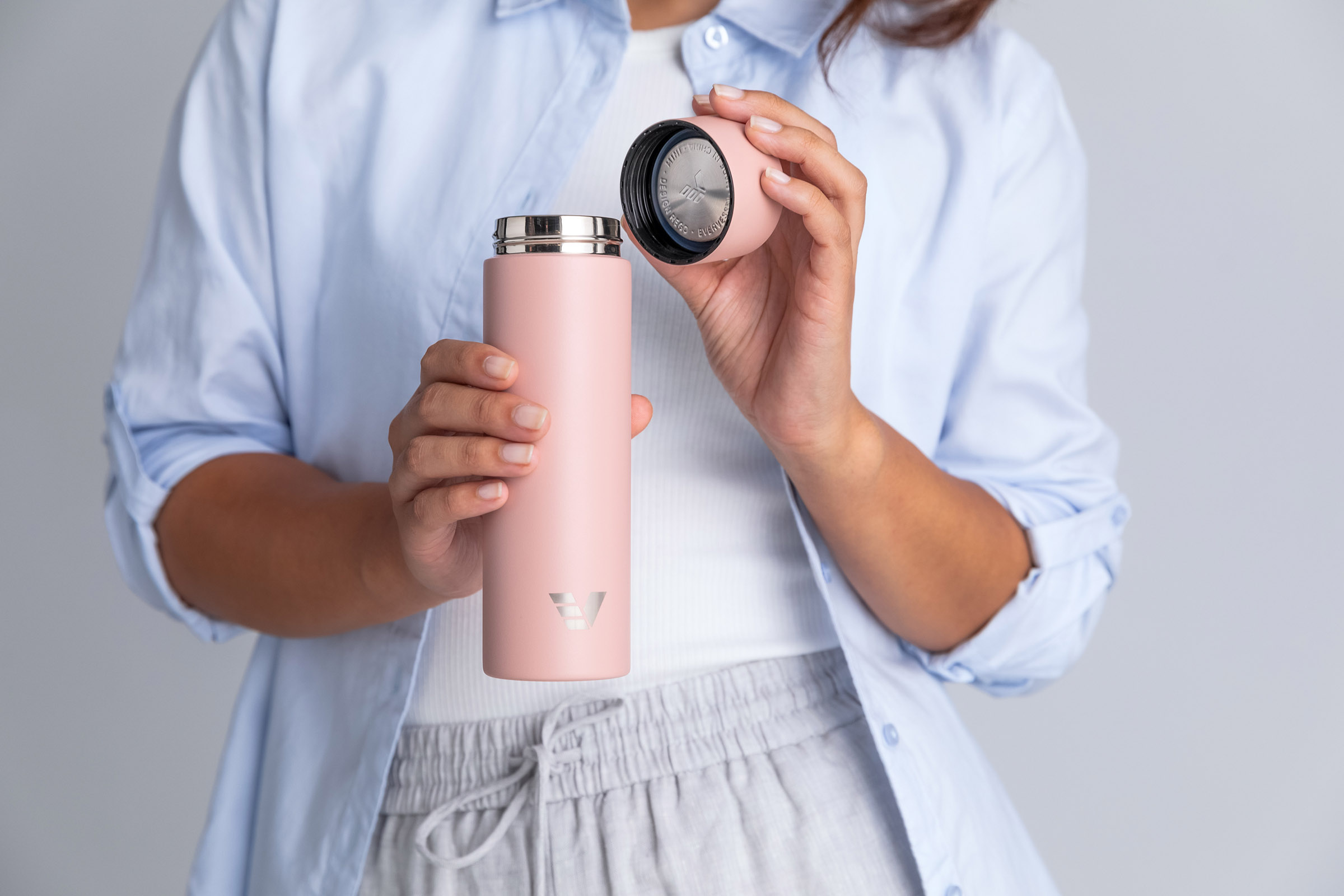
Enter @EverVessel. Thoughtfully designed borosilicate glass and stainless steel bottles that keep things beautifully simple: durable materials, wide openings, easy-to-clean parts and none of the techy gimmicks that tend to age badly. Turns out simplicity, done well, is pretty powerful stuff. (Their many design awards agree!)
And lately they’ve added a little extra delight: the Artist Series, where creatives like Paola Castro, Ben Miners and Martin Thompson transform these everyday companions into tiny travelling artworks. There are more colabs in the works, too: hydration, but make it joyful! 🎨💧
We chatted with Bec about the sailing trip that started it all, the philosophy behind Ever Vessel, and why the most sustainable product is often just the one you keep using.
Tap the link in our bio to read the full conversation. 🚰
#EverVessel #ReusableWaterBottle


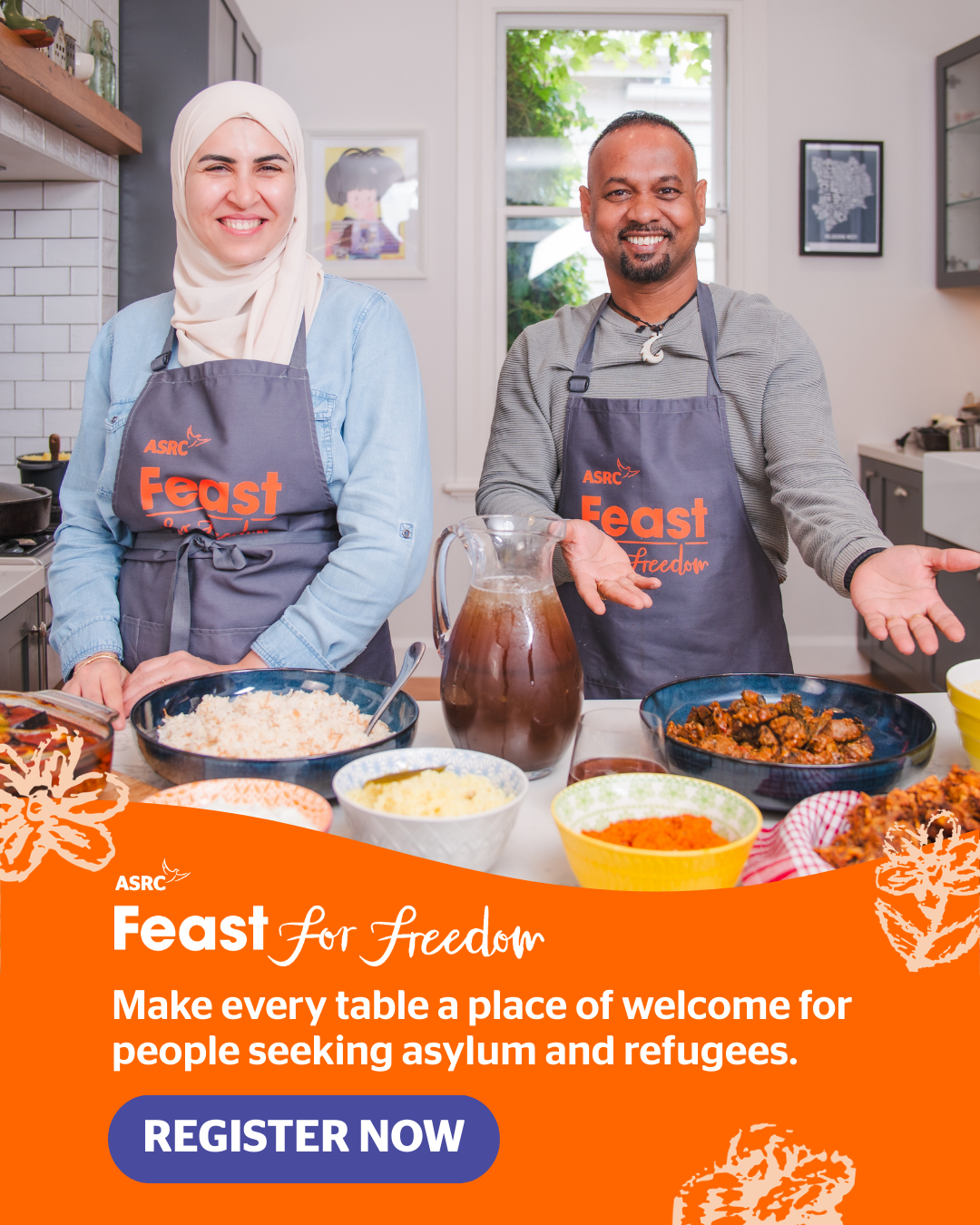
Pull up a chair… there’s room at this table!
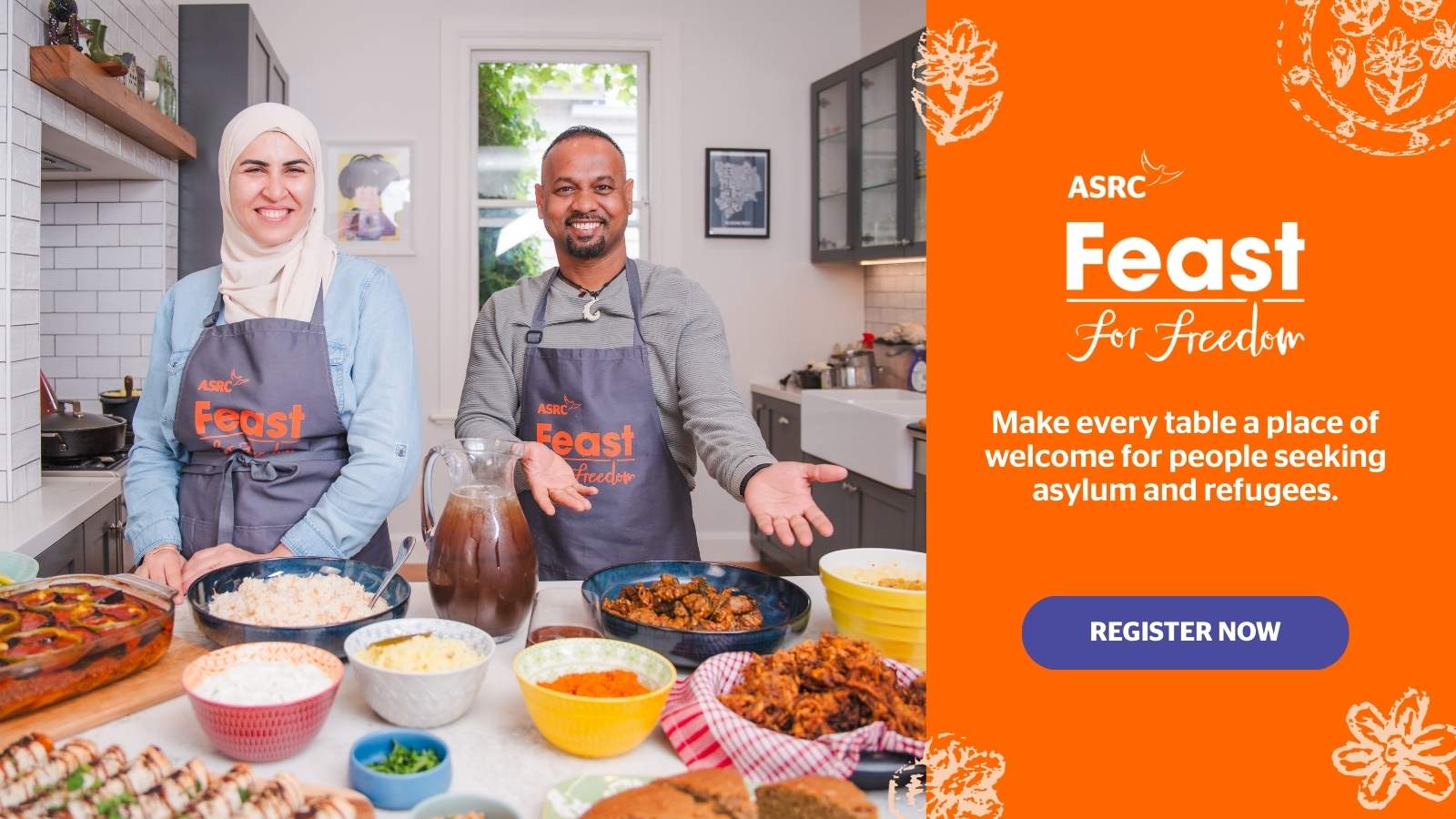
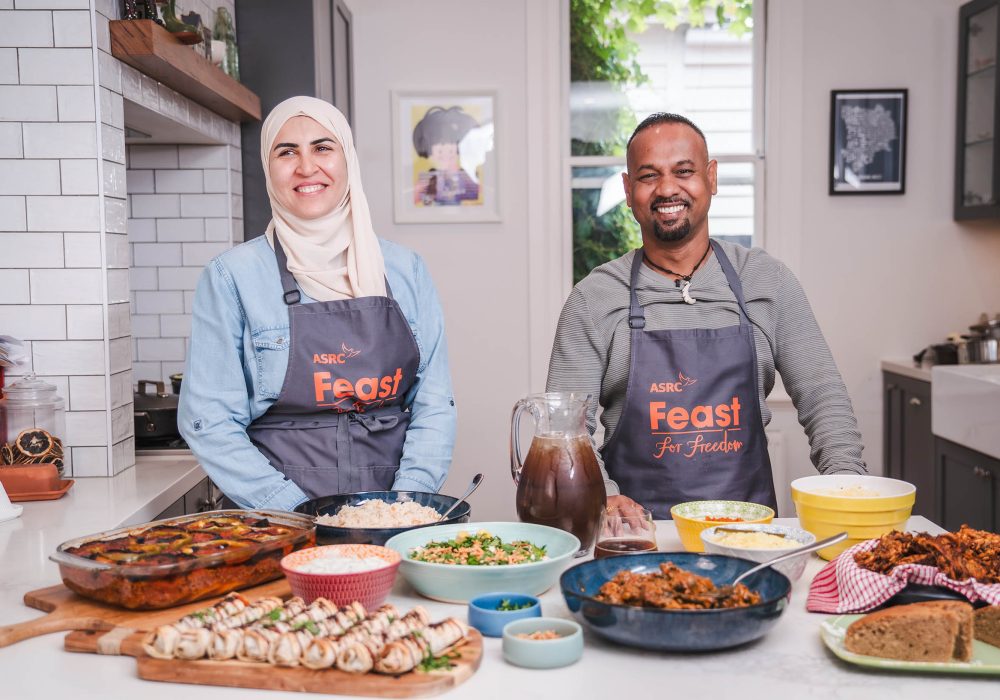
For the first time, Feast for Freedom is bringing people together for a spectacular long-table dinner as part of the Melbourne Food & Wine Festival.
A Longer Table is exactly what it sounds like: one beautiful shared table inside the Asylum Seeker Resource Centre (@Asrc1), piled with generous dishes inspired by this year’s hero cooks, Noha and Nige.
From 6 to 9pm on Wednesday, 25 March, this is what you can expect:
🍽 A three-course shared feast
🍷 Matched drinks
🎶 Live entertainment
✨ A room full of good humans
Your ticket doesn’t just buy you a delicious dinner. It supports the ASRC’s vital work and helps create a fairer future for people seeking asylum.
Seats are limited, and long tables have a way of filling up quickly – head to @MelbFoodAndWine’s website to book now: feastforfreedom.org.au/mfwf
#FeastForFreedom #MelbourneFoodAndWineFestival #LongTableDinner #FoodForChange

Sew versatile! 🪡
Another great make from Lisa from @SunnySewsEveryday:
My #PeppermintWaratahWrapDress is finished and I’m so proud of it. It has been designed not to flap open and flash your pants in the wind, so I feel confident it will be a great wheelchair or standing dress in English weather.
#PeppermintPatterns #WrapDress #WrapDressPattern

Frame your face with the Peppermint Bucket Hat!
Stay safe and stylish in the sun with your very own self-sewn and self-drafted wide-brimmed bucket hat. This beginner-friendly sew is perfect for a sunny day. Get out your pencils – this pattern is created using equations and maths!
This DIY project was featured in Issue 53 and now you can access it for the lovely low price of only $5.
Sun-safe chic is always in style. ☀️
Find it via the link in our bio!
Photos: @KelleySheenan
#PeppermintPatterns #PeppermintBucketHat #BucketHat #BucketHatPattern #DIY

✨ INSTANT CLASSIC ✨
The Peppermint Myrtle Shift Dress is a beginner-friendly make with a few special details based on the ever-stylish shift shape – the perfect dress you need in your wardrobe right now!
Myrtle cuts above the knee with options to customise the length. Don’t think she’s reserved for hot weather either: try a heavier-weight fabric to turn your Myrtle into a pinafore-style garment for layering.
For our fabrics we chose two from our lovely sewing partner @Karmme_Apparel – the bold Rottnest Stripes in a lightweight, soft-drape cotton, and the quality linen in the handpainted Mexico Collection.
Get making the Myrtle – the only question is, can you stop at just one?
Link in bio 🪡
Fabric: @Karmme_Apparel
Sewist: @Laura_The_Maker
Photos: @KelleySheenan
Models: @SerahSews and @Pins_And_Tonic
Location: @ShareTheDignityAustralia
#PeppermintMyrtleShiftDress #PeppermintPatterns

It’s time to Feast!
Some recipes travel a long way before they land on your table to delight your taste buds. This year’s Feast for Freedom invites us to gather our friends, cook something delectable and raise funds for the incredible work of the Asylum Seeker Resource Centre (@Asrc1) while we’re at it.
The 2026 Feast features recipes shared by two remarkable cooks: Noha, who brought the flavours of Palestine with her when she arrived in Australia, and Nige, a Sri-Lankan Tamil cook whose journey with food began in the most unexpected of places.
You can host your own Feast up until 30 April – simply register online and get planning! Host a dinner, organise a workplace lunch, or gather your community… However you do it, the idea is simple: cook, connect and celebrate the cultures and stories that shape Australia.
Want to find out more? Head to the link in bio to meet Noha and Nige, learn more about their stories, and discover a delicious recipe to try.
#FeastForFreedom #PeppermintMagazine #FoodForGood #ASRC
