

Brewing a fairer future: Raise your mugs to coffee farmer Elizabeth Duna
- Words by Peppermint
Photos: Courtesy of Fairtrade Australia and New Zealand and Elizabeth Duna
Somewhere, right now, someone is cradling a mug of coffee in their hands, inhaling the fragrant steam as part of their morning ritual, mid-afternoon reset, or reason to linger longer while connecting with a friend. But long before that ‘ah!’ moment, there’s a farmer out there, reading the land, checking the coffee trees, and doing the hard, patient work that doesn’t necessarily get that latte art stamp of approval at the end of a long day. Often, that farmer is a woman.
That’s why 2026 has been declared the International Year of the Woman Farmer, led by the Food and Agriculture Organisation of the United Nations. It’s a global spotlight with a practical purpose: to recognise women’s indispensable roles across agrifood systems, and to push for the changes that still haven’t arrived evenly, like equal access to land, finance, training, technology and decision-making.
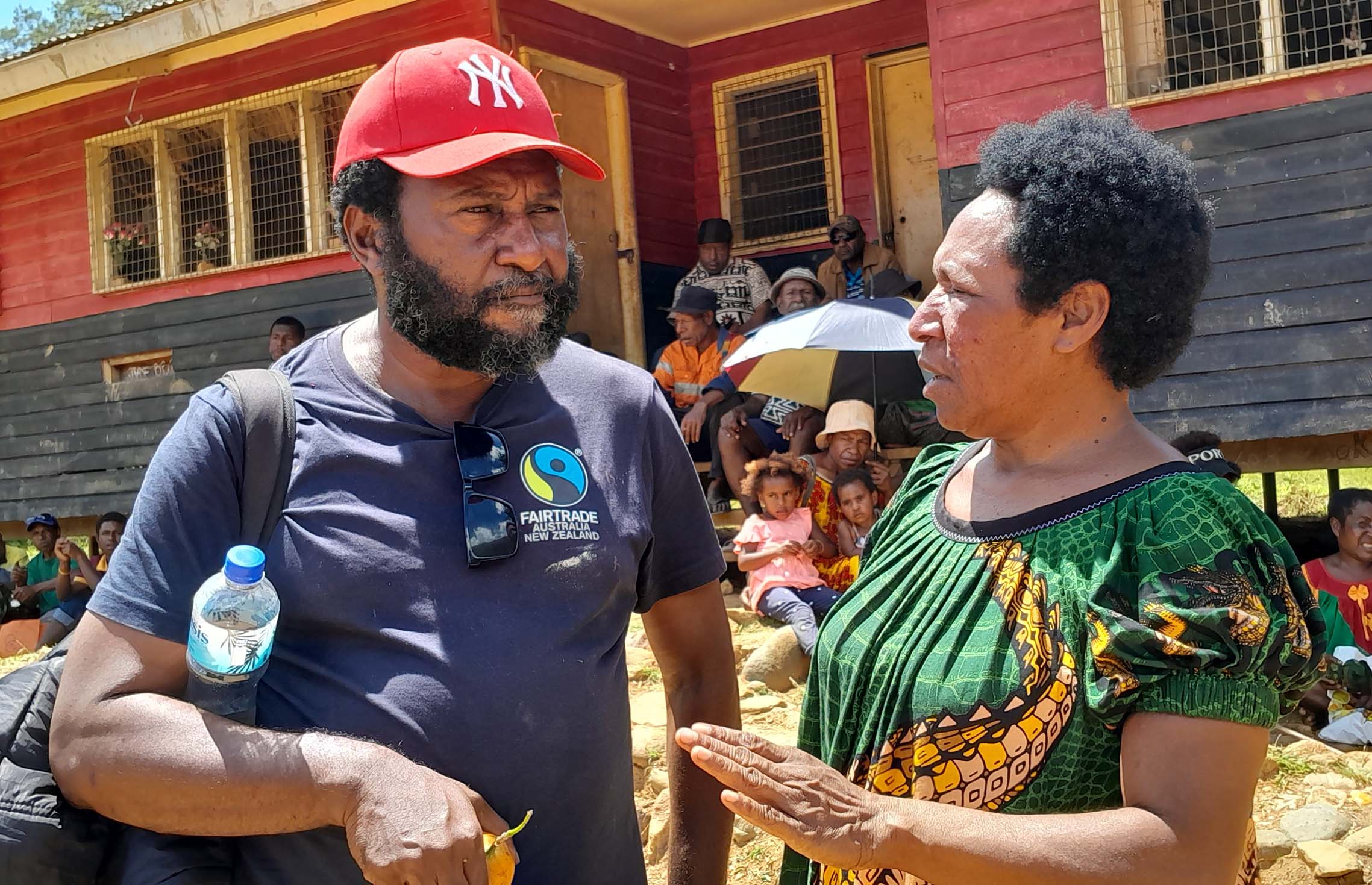
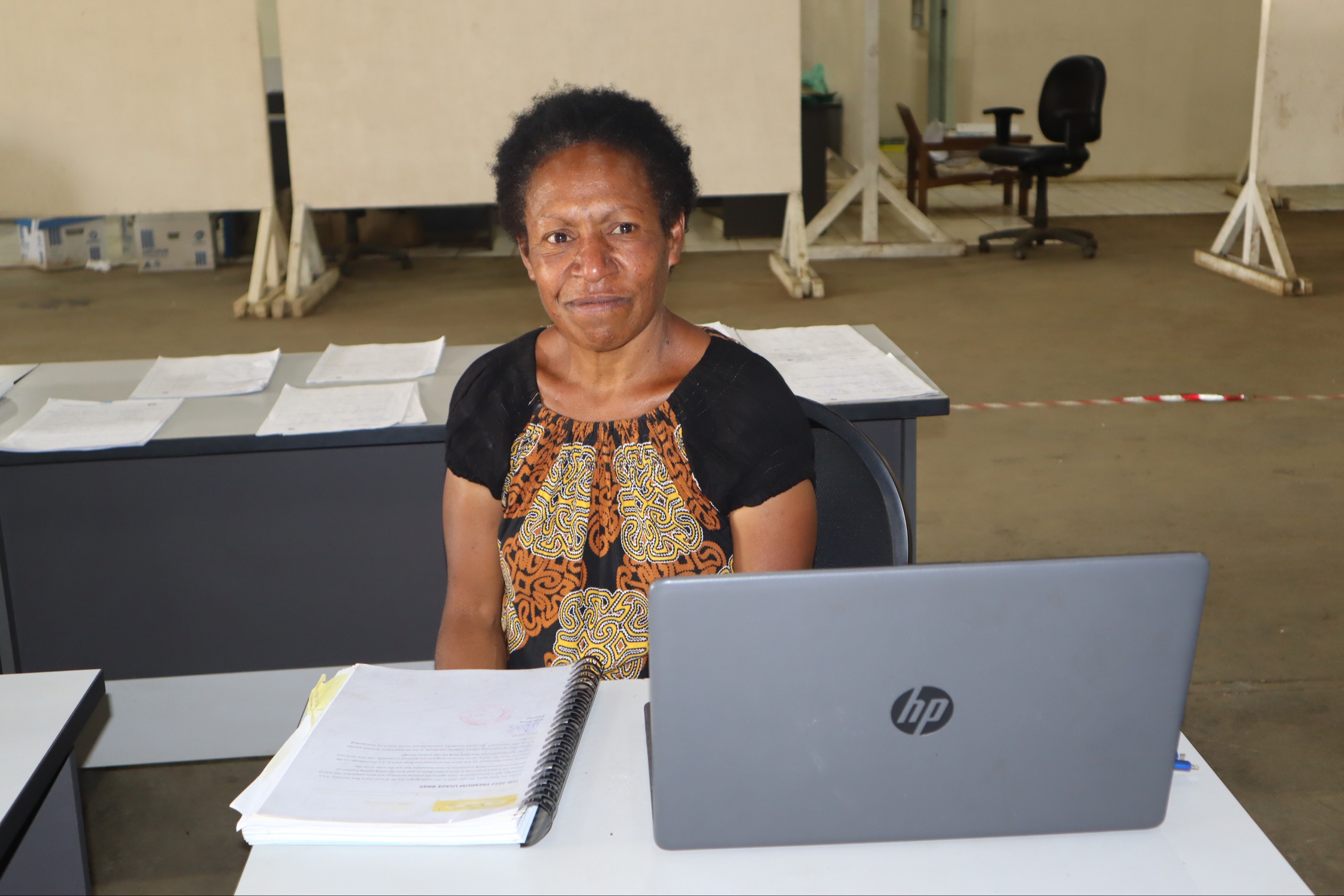
Into that bigger picture steps Elizabeth Duna, a coffee farmer from Papua New Guinea and the chairwoman of the Keto-Tapasi Progress Association. Elizabeth is also the only female chairperson across the Fairtrade cooperative network in the Pacific, overseeing farmers across the association and helping ensure Fairtrade standards are met. Peppermint had the privilege to chat to Elizabeth (just in time for International Woman’s Day this Sunday, too!) about what’s been growing and changing within her cooperative, what ‘fair trade’ means to her, and the hopes that manifest in a ‘simple’ bag of coffee beans.


Hi Elizabeth! Before we talk coffee, can you take us to your farm for a moment? What do you see, hear, smell when you step outside on a typical morning?
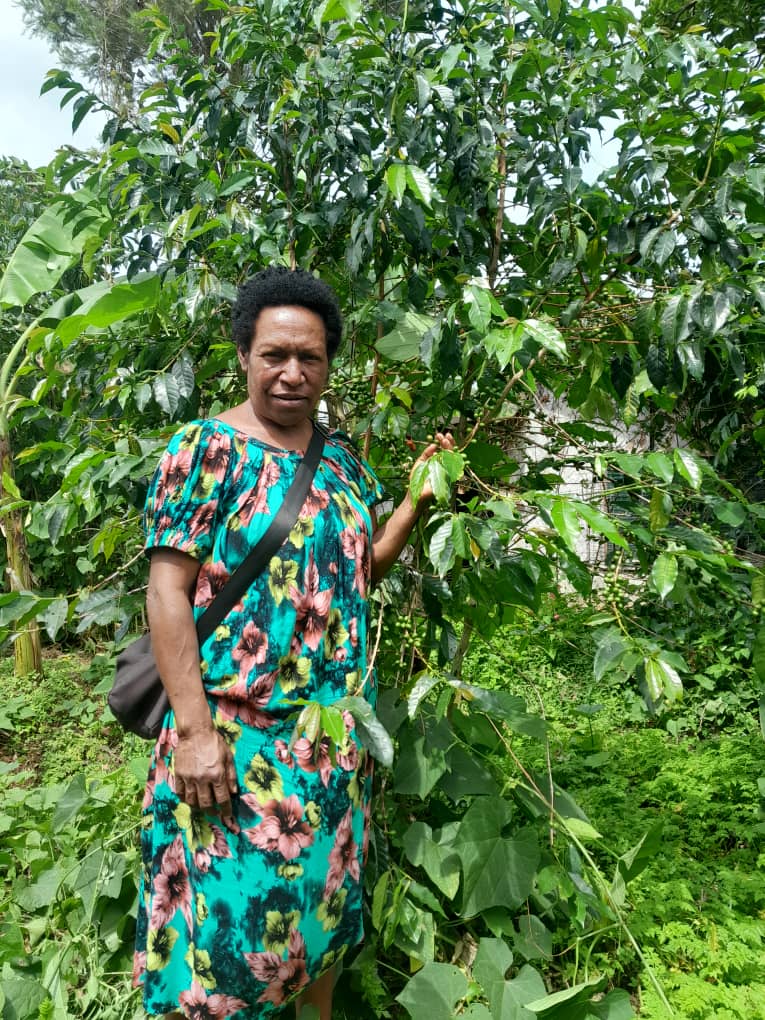
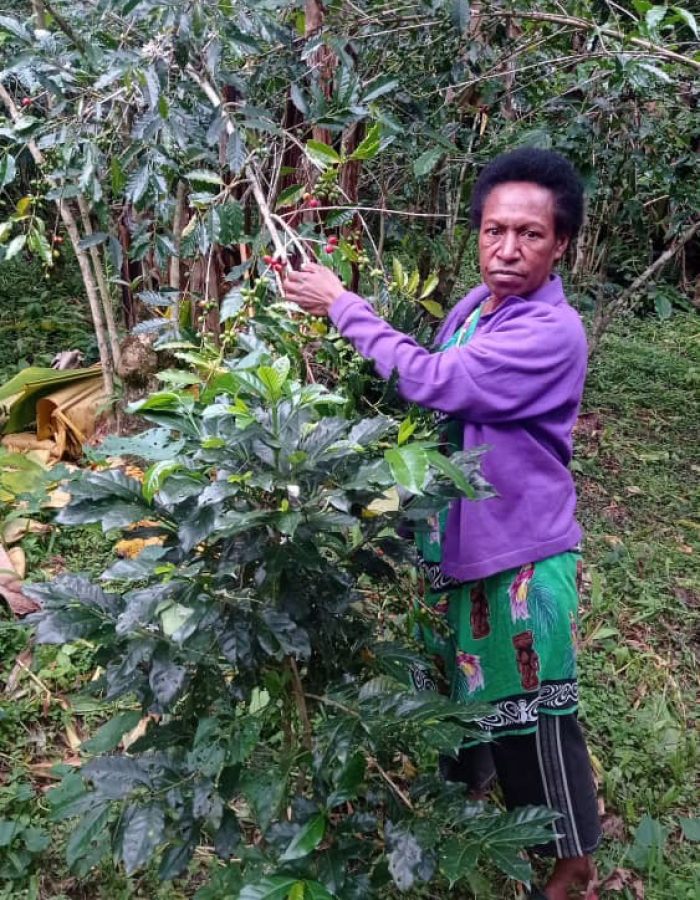
In the morning when I walk into my coffee garden, the air is perfectly cool and smells pleasant. The morning dew watered the plants, refreshing the environment. The birds are singing as the sun shines into the garden. It feels so good to start my day’s work.
And can you share when you first realised that you were interested in farming – and in coffee farming, specifically?
I was interested in farming when I returned to my village in 2007 and realised that coffee is the main commodity for my people – their livelihood depends mostly on the coffee and I have this strong intention to help my people. That’s when I realised the importance of coffee and I fell in love with it.
This year is the International Year of the Woman Farmer, aimed at seeing women farmers and recognising their contributions. Why is this important, and how do you hope it changes things for women farmers?
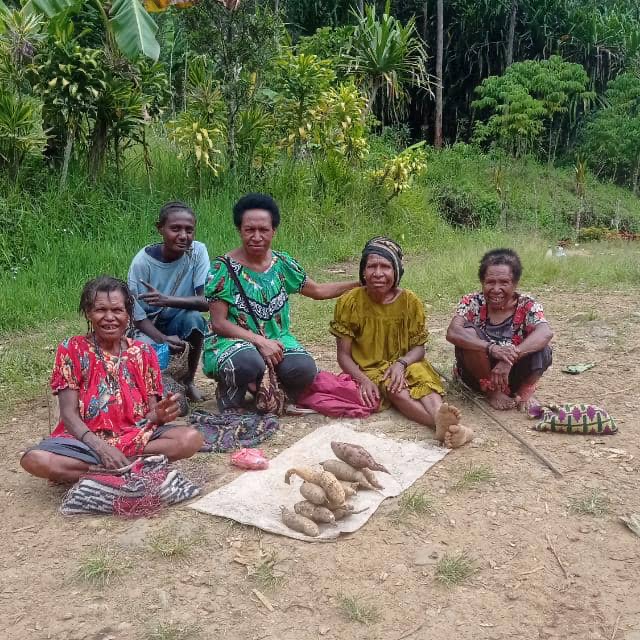
It’s important to recognise the contribution and dedication of women in the world of coffee. Women play important roles in the supply chain from farming to a cup of coffee. We are hard-working and committed to our families’ wellbeing. We need to create networks for women farmers, advocate and empower them. Creating more opportunities for women means they can contribute meaningfully to their families and communities.
We need to create networks for women farmers, advocate and empower them. Creating more opportunities for women means they can contribute meaningfully to their families and communities.

You’re chairwoman of Keto-Tapasi Progress Association, which represents almost 400 smallholder farmer members in PNG – what does that role look like on a typical day?
The chair is demanding and also very challenging. It’s not a comfortable chair, there is always criticism, but I always know that I’m fighting a winning battle. Managing people is the core of my job and it’s very tough but also rewarding.
As the only female chairperson across the Fairtrade Pacific cooperatives, what kind of responsibility do you feel carrying that role?
Throughout my journey I have honed my leadership skills and it’s an ice-breaker and honour to be the only female chairperson in the Pacific cooperatives. I want to be a good role model providing quality leadership – making a difference that can have an impact on others by creating a pathway for like-minded women.
Throughout my life this is the greatest role I have taken – with good support and funds provided in the future, I hope I can continue to do more.

What progress are you most proud of within your cooperative over the past few years?
The progress that I’m most proud of is maintaining peace and unity, and earning the respect and trust of my people. Also we were able to encourage more young people to go into farming.
How has Fairtrade certification supported your business and shifted opportunities for farmers in your community, especially women?
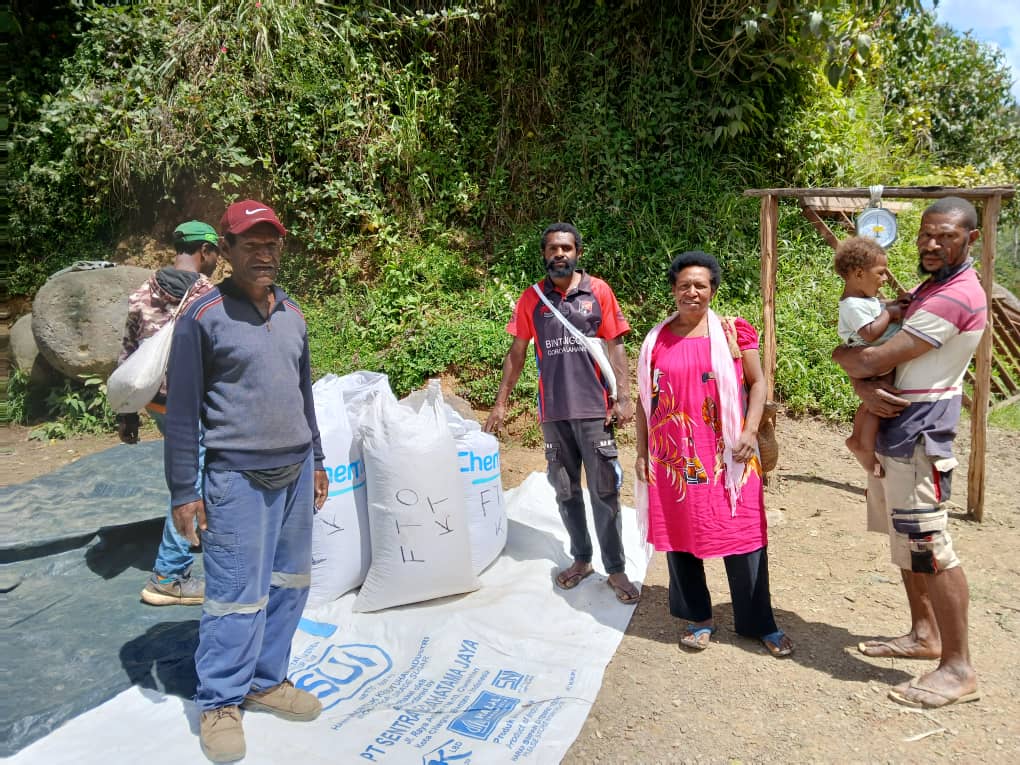
Through Fairtrade there have been so many good benefits to the farmers and our community as a whole. With FMP [Fairtrade Minimum Price] farmers are paid fairly at the door, and they receive tools for farming and pulpers. Also, the association receives a premium at the end of every season. The premium is decided by the farmers for community development and improving farming methods. Most importantly, since we have fair trade people’s mindset have changed and their life has improved – there is unity in the village. Fairtrade has empowered women to raise their voice and make decisions in the family and community. Women are also able to provide financial support for their families and provide for their children.
What is the most interesting or important thing you’ve learned about farming and the future of coffee in the last few years, and how has that impacted the way you do things? For example, looking at ways of farming more sustainably, and how hard that can be?
I think coffee is a special tree that human beings can benefit from in many ways. We are creating an agroforest where we plant coffee trees with other trees and vegetables. I have learnt that coffee is a long-lasting plant and can sustain the lives of six plus generations depending on how well we look after it. We are working closely with Monpi Sustainable Management Services who visit our farmers and run training on sustainable farming. Our coffee gardens are on the slope of the mountains making it difficult for us to farm. With Fairtrade we learnt that coffee is not just about money – it’s more than that. It’s about our rights, family, our future, our health, the environment around us and our community.
What are the biggest challenges your cooperative still faces?
The biggest challenge we face is being able to manage our business and also maintaining the two certificates – Fairtrade and Organic. Climate change is also very challenging for farmers to cope with.
For young women in Papua New Guinea (and everywhere!) considering farming or leadership roles, what do you most want them to know?
If you are passionate about farming, I’m encouraging you to continue because it is the real source of life and a very satisfying job. If you are a leader and you know you are doing something good, never give up, help will always come for you.
If an Australian coffee drinker could understand just one behind-the-scenes truth about farming coffee, what would you want them to know?
There is a lot of hard work put into producing a good-quality coffee. The story behind a cup of coffee that you drink is satisfying and worth your money. You are contributing to giving a child a better education and health care.
We must know: what is your favourite type of coffee, and why?
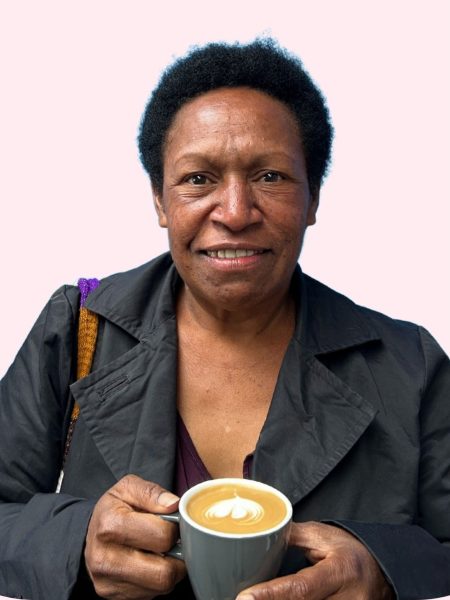
I love a cup of cappuccino, it’s so delicious with steamed milk . And I also love black coffee boiled in a kettle in the fire.
When you sit down for a quiet moment with a cup of your own coffee, what do you hope and dream for the future?
I dream of owning a coffee shop one day and selling my own coffee.
♡ This is a Better Together Peppermint Partnership, where we team up with brands we love. This story was created with support from our friends at Fairtrade Australia and New Zealand, the most recognised and trusted sustainability label working to make trade fairer for the people who grow our food.
JOIN OUR MAILING LIST
Brighten up your inbox with our not-too-frequent emails featuring Peppermint-related news, events, competitions and more!
explore
More articles
Have you made the Viola Quilted Jacket yet? This pattern hits the sweet spot for both established sewists keen to learn a new skill (quilting!),…
Hang out with us on Instagram
“My piece of advice for makers and designers? Run your own race… make sure your key decisions stay anchored in your brand’s core beliefs.”
- Bec Bligh
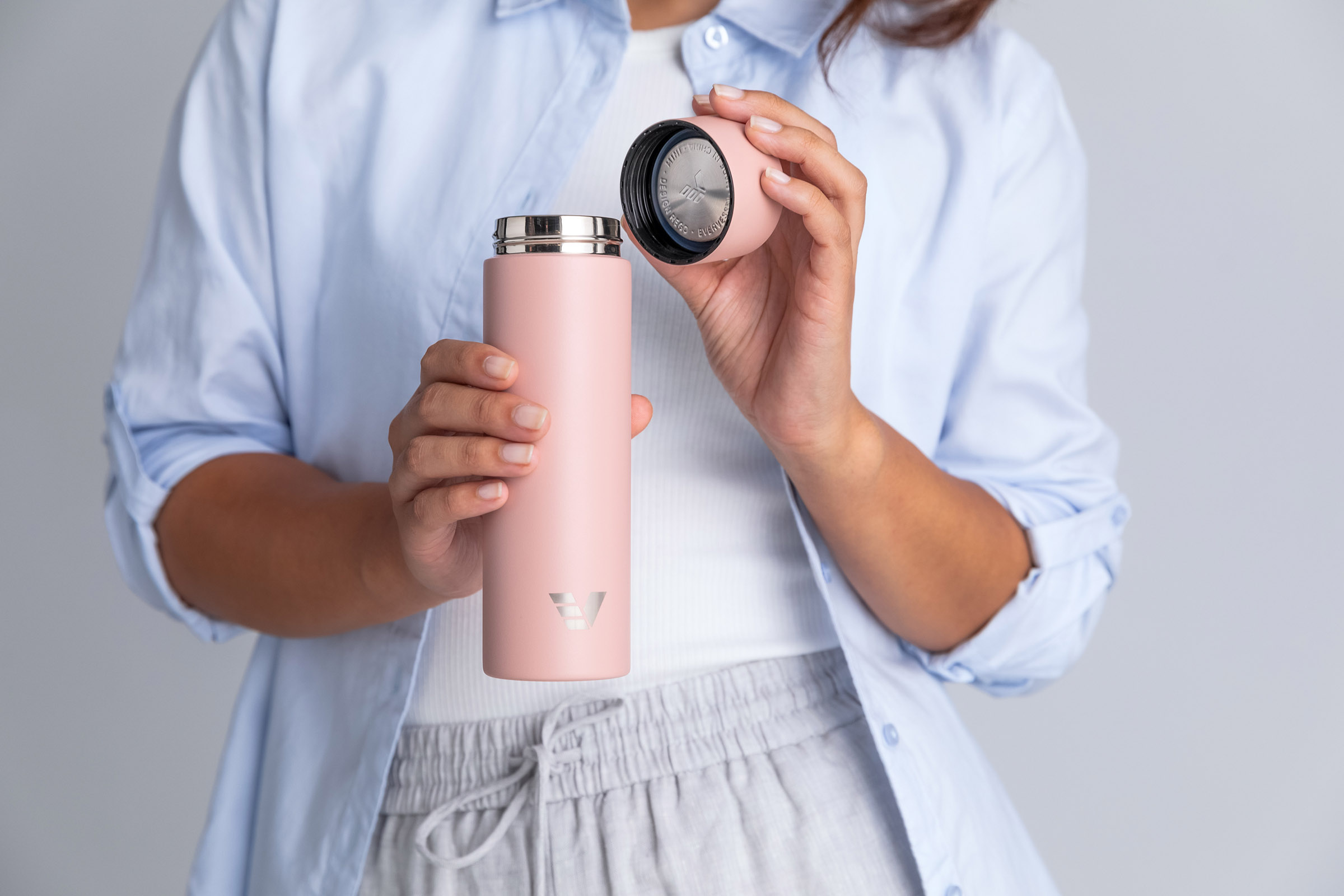
Quick show of hands: who’s opened a water bottle expecting a refreshing sip… and instead been greeted by the unmistakable whiff of uh-oh?
Because for something that follows us everywhere (desk, car, hikes, yoga…), the humble drink bottle is strangely prone to becoming a science experiment. Hard-to-clean corners and gaskets. Mystery smells. Bec Bligh and her husband Tim know it well. A six-month sailing trip along the Queensland coast left them with a lifetime of memories and one stubborn annoyance: mouldy water bottles they couldn’t properly clean.
So they did something about it.
Enter @EverVessel. Thoughtfully designed borosilicate glass and stainless steel bottles that keep things beautifully simple: durable materials, wide openings, easy-to-clean parts and none of the techy gimmicks that tend to age badly. Turns out simplicity, done well, is pretty powerful stuff. (Their many design awards agree!)
And lately they’ve added a little extra delight: the Artist Series, where creatives like Paola Castro, Ben Miners and Martin Thompson transform these everyday companions into tiny travelling artworks. There are more colabs in the works, too: hydration, but make it joyful! 🎨💧
We chatted with Bec about the sailing trip that started it all, the philosophy behind Ever Vessel, and why the most sustainable product is often just the one you keep using.
Tap the link in our bio to read the full conversation. 🚰
#EverVessel #ReusableWaterBottle
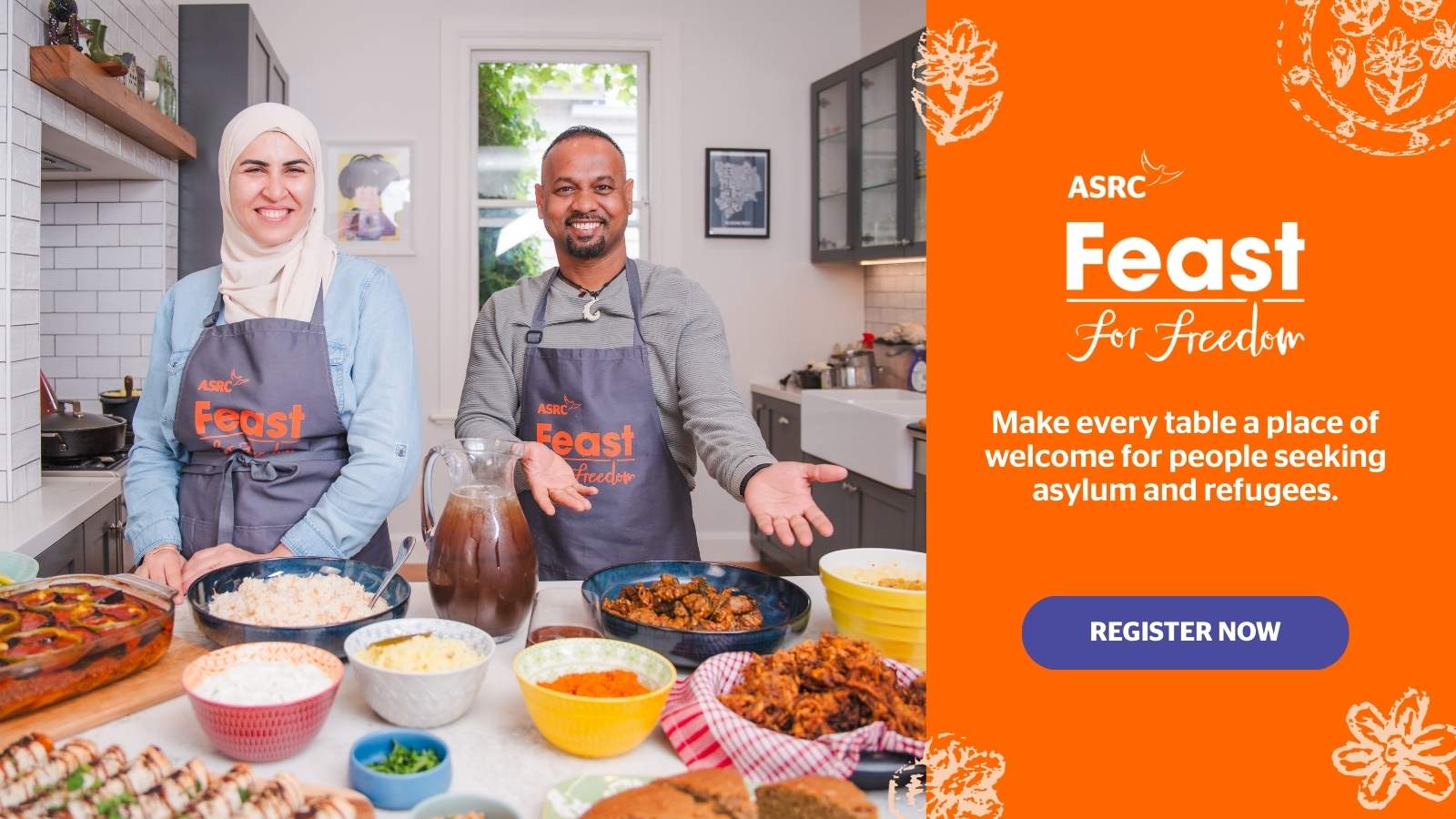
Pull up a chair… there’s room at this table!
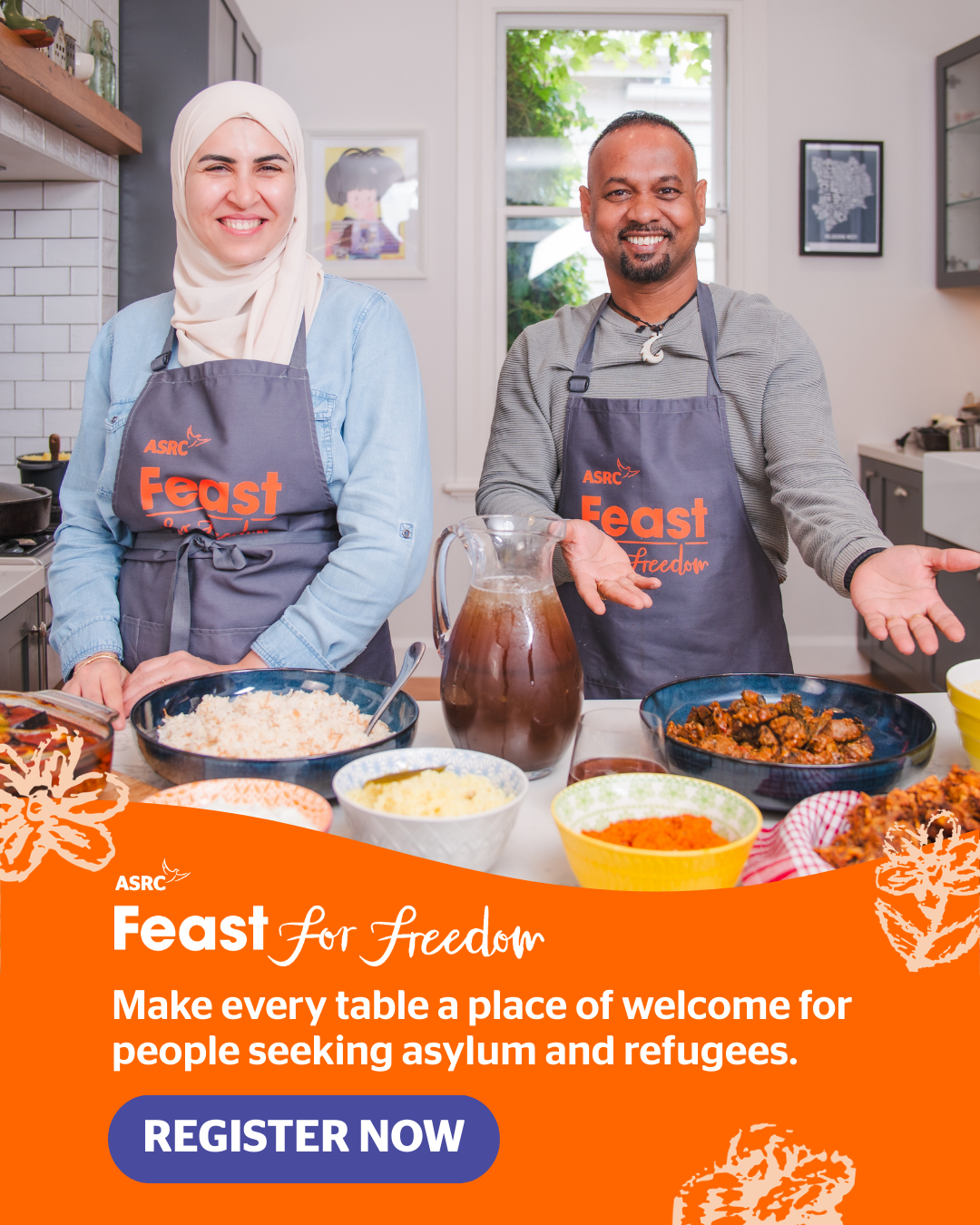
For the first time, Feast for Freedom is bringing people together for a spectacular long-table dinner as part of the Melbourne Food & Wine Festival.
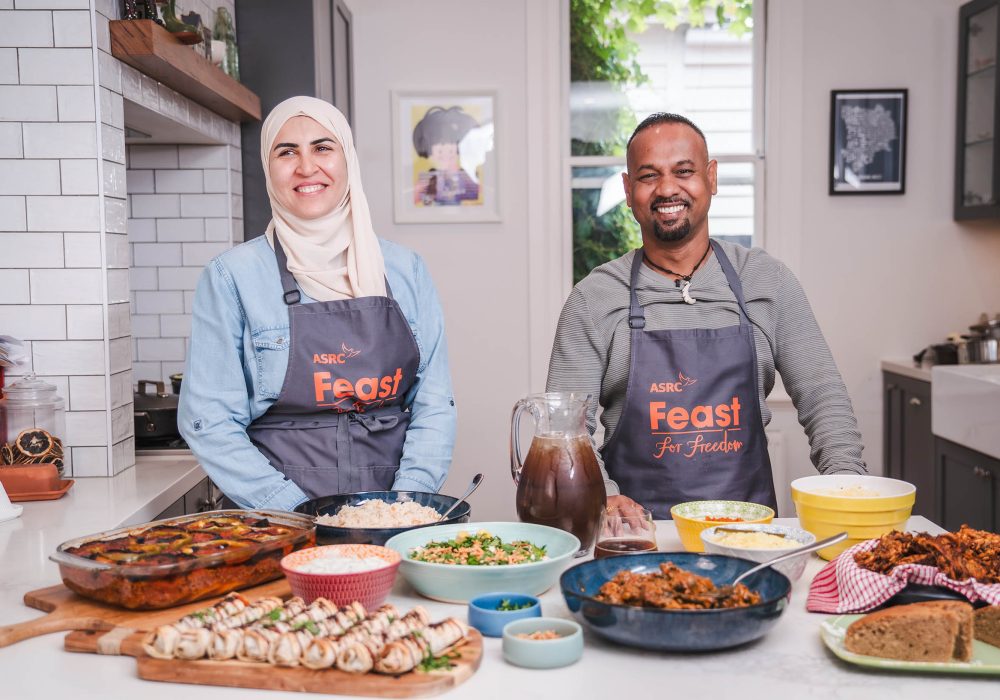
A Longer Table is exactly what it sounds like: one beautiful shared table inside the Asylum Seeker Resource Centre (@Asrc1), piled with generous dishes inspired by this year’s hero cooks, Noha and Nige.
From 6 to 9pm on Wednesday, 25 March, this is what you can expect:
🍽 A three-course shared feast
🍷 Matched drinks
🎶 Live entertainment
✨ A room full of good humans
Your ticket doesn’t just buy you a delicious dinner. It supports the ASRC’s vital work and helps create a fairer future for people seeking asylum.
Seats are limited, and long tables have a way of filling up quickly – head to @MelbFoodAndWine’s website to book now: feastforfreedom.org.au/mfwf
#FeastForFreedom #MelbourneFoodAndWineFestival #LongTableDinner #FoodForChange
Sew versatile! 🪡
Another great make from Lisa from @SunnySewsEveryday:
My #PeppermintWaratahWrapDress is finished and I’m so proud of it. It has been designed not to flap open and flash your pants in the wind, so I feel confident it will be a great wheelchair or standing dress in English weather.
#PeppermintPatterns #WrapDress #WrapDressPattern
Frame your face with the Peppermint Bucket Hat!
Stay safe and stylish in the sun with your very own self-sewn and self-drafted wide-brimmed bucket hat. This beginner-friendly sew is perfect for a sunny day. Get out your pencils – this pattern is created using equations and maths!
This DIY project was featured in Issue 53 and now you can access it for the lovely low price of only $5.
Sun-safe chic is always in style. ☀️
Find it via the link in our bio!
Photos: @KelleySheenan
#PeppermintPatterns #PeppermintBucketHat #BucketHat #BucketHatPattern #DIY
✨ INSTANT CLASSIC ✨
The Peppermint Myrtle Shift Dress is a beginner-friendly make with a few special details based on the ever-stylish shift shape – the perfect dress you need in your wardrobe right now!
Myrtle cuts above the knee with options to customise the length. Don’t think she’s reserved for hot weather either: try a heavier-weight fabric to turn your Myrtle into a pinafore-style garment for layering.
For our fabrics we chose two from our lovely sewing partner @Karmme_Apparel – the bold Rottnest Stripes in a lightweight, soft-drape cotton, and the quality linen in the handpainted Mexico Collection.
Get making the Myrtle – the only question is, can you stop at just one?
Link in bio 🪡
Fabric: @Karmme_Apparel
Sewist: @Laura_The_Maker
Photos: @KelleySheenan
Models: @SerahSews and @Pins_And_Tonic
Location: @ShareTheDignityAustralia
#PeppermintMyrtleShiftDress #PeppermintPatterns
It’s time to Feast!
Some recipes travel a long way before they land on your table to delight your taste buds. This year’s Feast for Freedom invites us to gather our friends, cook something delectable and raise funds for the incredible work of the Asylum Seeker Resource Centre (@Asrc1) while we’re at it.
The 2026 Feast features recipes shared by two remarkable cooks: Noha, who brought the flavours of Palestine with her when she arrived in Australia, and Nige, a Sri-Lankan Tamil cook whose journey with food began in the most unexpected of places.
You can host your own Feast up until 30 April – simply register online and get planning! Host a dinner, organise a workplace lunch, or gather your community… However you do it, the idea is simple: cook, connect and celebrate the cultures and stories that shape Australia.
Want to find out more? Head to the link in bio to meet Noha and Nige, learn more about their stories, and discover a delicious recipe to try.
#FeastForFreedom #PeppermintMagazine #FoodForGood #ASRC