
Been bombarded by Black Friday promotions in your Insta feed? Welcome to the silly (sales) season!
Held on the last Friday in November, the day after Thanksgiving in the US, Black Friday traditionally marks the beginning of the holiday shopping season. It sees thousands of online and in-store retailers offer huge discounts in an attempt to lure us into buying up big ahead of Christmas. Now, with the advent of Cyber Monday the following week, it’s spun out into a week- or even fortnight-long shopping frenzy. With Black Friday fast gaining traction in Australia, it’s worth pausing to contemplate its darker side.
Black Friday around the world
Black Friday started in the US in the 1960s, when bricks-and-mortar retailers still did their accounting by hand. In the period between Thanksgiving and Christmas, many stores would shift from the red (losses) into the black (profits) thanks to increased consumer spending. Retailers took advantage of the trend, and ‘Black Friday’ quickly evolved into an annual calendar event. In today’s world of hyper-consumption, Black Friday has taken on new significance. Retailers and online stores are pressured to offer heavy discounts, special offers and freebies in order to shift as much stock as possible. Consumers almost inevitably end up buying more than they need, feeding into a cycle of mindless consumption and waste.
The biggest market for Black Friday is still in the US, where sales last year attracted 66 million consumers to spend $5 billion online in the space of 24 hours.
As companies fight it out to boost their profits, sales tactics have become increasingly aggressive and manipulative. Black Friday brings out the worst in shoppers, too – the day is synonymous with images of people sleeping in tents waiting for doors to open, shopping centre stampedes, and people frantically rummaging through clothes racks. There’s even a website that tallies the number of injuries and deaths associated with the frenzy that is Black Friday.
Unsurprisingly, the biggest market for Black Friday is still in the US, where sales last year attracted 66 million consumers to spend $5 billion online in the space of 24 hours, and more than $50 billion in stores. In 2018 in the UK, shoppers coughed up £1.5 billion over the Black Friday weekend.
The event is gaining traction in Australia, too, and is predicted to overtake the Boxing Day sales as our biggest retail spending day of the year. In 2017, a McCrindle survey revealed that one in four Australians had never heard of Black Friday. Just two years later, a follow up study by the same researchers found that 94% of Aussies are now familiar with the event. This year, 44% of us are planning to take advantage of Black Friday discounts, with the day most popular among younger consumers (70% of Gen Y’s are set to participate, according to the survey).
The dark side of Black Friday
We can’t blame anyone for wanting to take advantage of a bargain – provided it’s something you really need. But Black Friday has a darker side. Impulsive purchases, unplanned up-sells and mindless spending – it all adds up to one thing: massive over-consumption. A day (or week) dedicated to upping unused and unwanted purchases can never be a good thing. In the fashion industry, Black Friday fuels surplus production, which means overtime for workers (often unpaid) and increased pressure on the environment.
Then there’s the huge carbon footprint associated with having more delivery vehicles on the road, an offshoot of our love of online shopping, and an increased amount of packaging waste going to landfill. When you think about it, the last thing our already burdened planet needs is the pressure of an intense sales event.
Black Friday ‘Buycotts’
It’s up for debate whether Black Friday is a cause or a symptom of the low-quality, fast-everything, single-use approach to consumption that now seems to be the norm. Either way, a number of counter-movements have emerged with the intention of neutralising the effects.
The grassroots White Monday campaign encourages people to reuse, rent and repair clothing instead of buying new. Buy Nothing New, which started in the UK, is stunning in its simplicity. To temper the dystopian ‘Shopocalypse’, they ask people to stay home with a good book instead of hitting the high street. Fashion Revolution, meanwhile, presses retailers to avoid offering Black Friday discounts.
Brands leading a Black Friday alternative
But perhaps the most powerful voices speaking out against Black Friday are those of brands themselves. Last year in France, for example, a hundred retailers collectivised to denounce the sales event. In 2019, more than 500 companies will take a stand, banding together under a campaign called ‘Make Friday Green Again’.
Etiko is one of many Australian brands saying no to Black Friday by refusing to participate in any promotions. “Of course, shopping unconsciously can have a negative effect whether or not it’s during a sale. But sales encourage us to push our values even further to the back of our mind to get that discount,” Etiko Founder, Nick Savaidis, wrote on the company’s website this week.
Canadian beauty brand Deciem has been making headlines over the decision to close its retail stores and shut down its website for the duration of Black Friday. For the fifth year in a row, outdoor brand REI is also closing its doors and sending staff to participate in community clean ups instead.
Patagonia is a long-time Black Friday dissenter. In 2011, the outdoor brand infamously took out a full-page ad in The New York Times depicting a puffer and the slogan ‘Don’t Buy This Jacket’. In 2016, Patagonia donated 100% of its Black Friday profits to grassroots organisations. This year, they will offer a Black Friday discount but encourage customers to donate to environmental non-profits at the same time, matching donations made throughout the holiday season.
Many brands are using the occasion to double down on initiatives and highlight their messages. Everlane is partnering with Oceana to launch a campaign against single-use plastics, donating $10 from every Black Friday purchase to the non-profit with the goal of raising $300,000. This will add to the brand’s Black Friday Fund, which has raised more than three-quarters of a million dollars since 2014. UK sustainable label RÆBURN is also closing its doors, instead welcoming shoppers to the Raeburn Lab, where garments from any brand can be altered or repaired free of charge by a team of seamstresses.
Giving Tuesday
As an alternative to Black Friday and Cyber Monday, consider holding off for Giving Tuesday. Another US-export, the unofficial holiday (marked on the Tuesday following Thanksgiving, the day after Cyber Monday) encourages citizens to donate their time, money or voice to a cause they’re passionate about. It can be a good time to do your shopping, too – thousands of brands have jumped on board, donating a percentage of sales made on the day to environmental and social projects.
Wherever you fall on the Black Friday debate, it’s worth remembering that ethical brands are often providing crucial jobs to workers throughout the supply chain. So if you do decide to shop, shop only from ethical and sustainable brands – that way your purchases can be truly feel-good.
WORDS: EMILY LUSH; IMAGE: FASHION REVOLUTION




“My piece of advice for makers and designers? Run your own race… make sure your key decisions stay anchored in your brand’s core beliefs.”
- Bec Bligh
Quick show of hands: who’s opened a water bottle expecting a refreshing sip… and instead been greeted by the unmistakable whiff of uh-oh?
Because for something that follows us everywhere (desk, car, hikes, yoga…), the humble drink bottle is strangely prone to becoming a science experiment. Hard-to-clean corners and gaskets. Mystery smells. Bec Bligh and her husband Tim know it well. A six-month sailing trip along the Queensland coast left them with a lifetime of memories and one stubborn annoyance: mouldy water bottles they couldn’t properly clean.
So they did something about it.
Enter @EverVessel. Thoughtfully designed borosilicate glass and stainless steel bottles that keep things beautifully simple: durable materials, wide openings, easy-to-clean parts and none of the techy gimmicks that tend to age badly. Turns out simplicity, done well, is pretty powerful stuff. (Their many design awards agree!)
And lately they’ve added a little extra delight: the Artist Series, where creatives like Paola Castro, Ben Miners and Martin Thompson transform these everyday companions into tiny travelling artworks. There are more colabs in the works, too: hydration, but make it joyful! 🎨💧
We chatted with Bec about the sailing trip that started it all, the philosophy behind Ever Vessel, and why the most sustainable product is often just the one you keep using.
Tap the link in our bio to read the full conversation. 🚰
#EverVessel #ReusableWaterBottle


Pull up a chair… there’s room at this table!
For the first time, Feast for Freedom is bringing people together for a spectacular long-table dinner as part of the Melbourne Food & Wine Festival.
A Longer Table is exactly what it sounds like: one beautiful shared table inside the Asylum Seeker Resource Centre (@Asrc1), piled with generous dishes inspired by this year’s hero cooks, Noha and Nige.
From 6 to 9pm on Wednesday, 25 March, this is what you can expect:
🍽 A three-course shared feast
🍷 Matched drinks
🎶 Live entertainment
✨ A room full of good humans
Your ticket doesn’t just buy you a delicious dinner. It supports the ASRC’s vital work and helps create a fairer future for people seeking asylum.
Seats are limited, and long tables have a way of filling up quickly – head to @MelbFoodAndWine’s website to book now: feastforfreedom.org.au/mfwf
#FeastForFreedom #MelbourneFoodAndWineFestival #LongTableDinner #FoodForChange

Sew versatile! 🪡
Another great make from Lisa from @SunnySewsEveryday:
My #PeppermintWaratahWrapDress is finished and I’m so proud of it. It has been designed not to flap open and flash your pants in the wind, so I feel confident it will be a great wheelchair or standing dress in English weather.
#PeppermintPatterns #WrapDress #WrapDressPattern

Frame your face with the Peppermint Bucket Hat!
Stay safe and stylish in the sun with your very own self-sewn and self-drafted wide-brimmed bucket hat. This beginner-friendly sew is perfect for a sunny day. Get out your pencils – this pattern is created using equations and maths!
This DIY project was featured in Issue 53 and now you can access it for the lovely low price of only $5.
Sun-safe chic is always in style. ☀️
Find it via the link in our bio!
Photos: @KelleySheenan
#PeppermintPatterns #PeppermintBucketHat #BucketHat #BucketHatPattern #DIY

✨ INSTANT CLASSIC ✨
The Peppermint Myrtle Shift Dress is a beginner-friendly make with a few special details based on the ever-stylish shift shape – the perfect dress you need in your wardrobe right now!
Myrtle cuts above the knee with options to customise the length. Don’t think she’s reserved for hot weather either: try a heavier-weight fabric to turn your Myrtle into a pinafore-style garment for layering.
For our fabrics we chose two from our lovely sewing partner @Karmme_Apparel – the bold Rottnest Stripes in a lightweight, soft-drape cotton, and the quality linen in the handpainted Mexico Collection.
Get making the Myrtle – the only question is, can you stop at just one?
Link in bio 🪡
Fabric: @Karmme_Apparel
Sewist: @Laura_The_Maker
Photos: @KelleySheenan
Models: @SerahSews and @Pins_And_Tonic
Location: @ShareTheDignityAustralia
#PeppermintMyrtleShiftDress #PeppermintPatterns

It’s time to Feast!
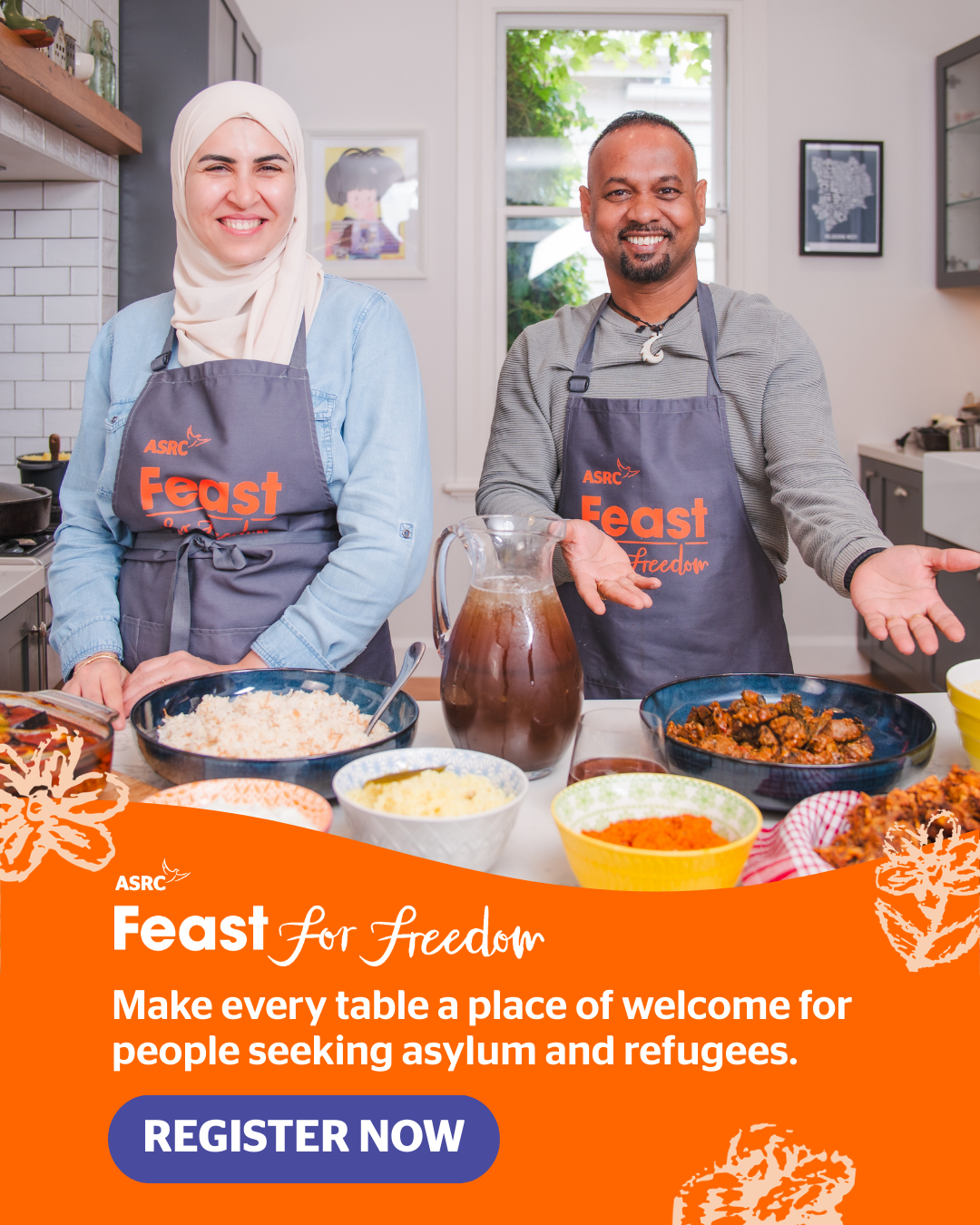
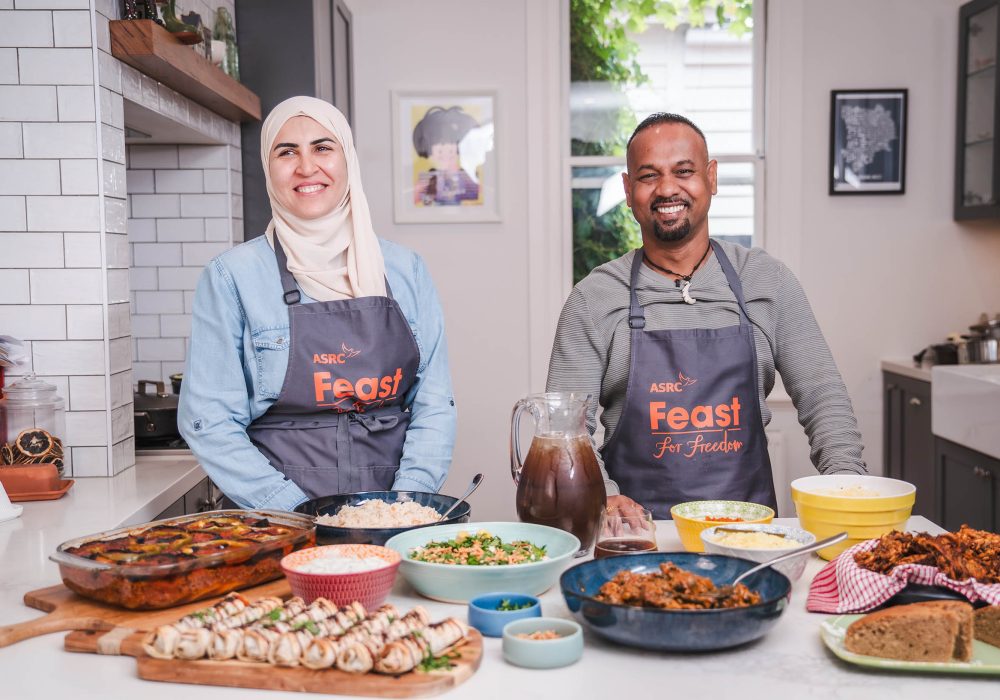
Some recipes travel a long way before they land on your table to delight your taste buds. This year’s Feast for Freedom invites us to gather our friends, cook something delectable and raise funds for the incredible work of the Asylum Seeker Resource Centre (@Asrc1) while we’re at it.
The 2026 Feast features recipes shared by two remarkable cooks: Noha, who brought the flavours of Palestine with her when she arrived in Australia, and Nige, a Sri-Lankan Tamil cook whose journey with food began in the most unexpected of places.
You can host your own Feast up until 30 April – simply register online and get planning! Host a dinner, organise a workplace lunch, or gather your community… However you do it, the idea is simple: cook, connect and celebrate the cultures and stories that shape Australia.
Want to find out more? Head to the link in bio to meet Noha and Nige, learn more about their stories, and discover a delicious recipe to try.
#FeastForFreedom #PeppermintMagazine #FoodForGood #ASRC
