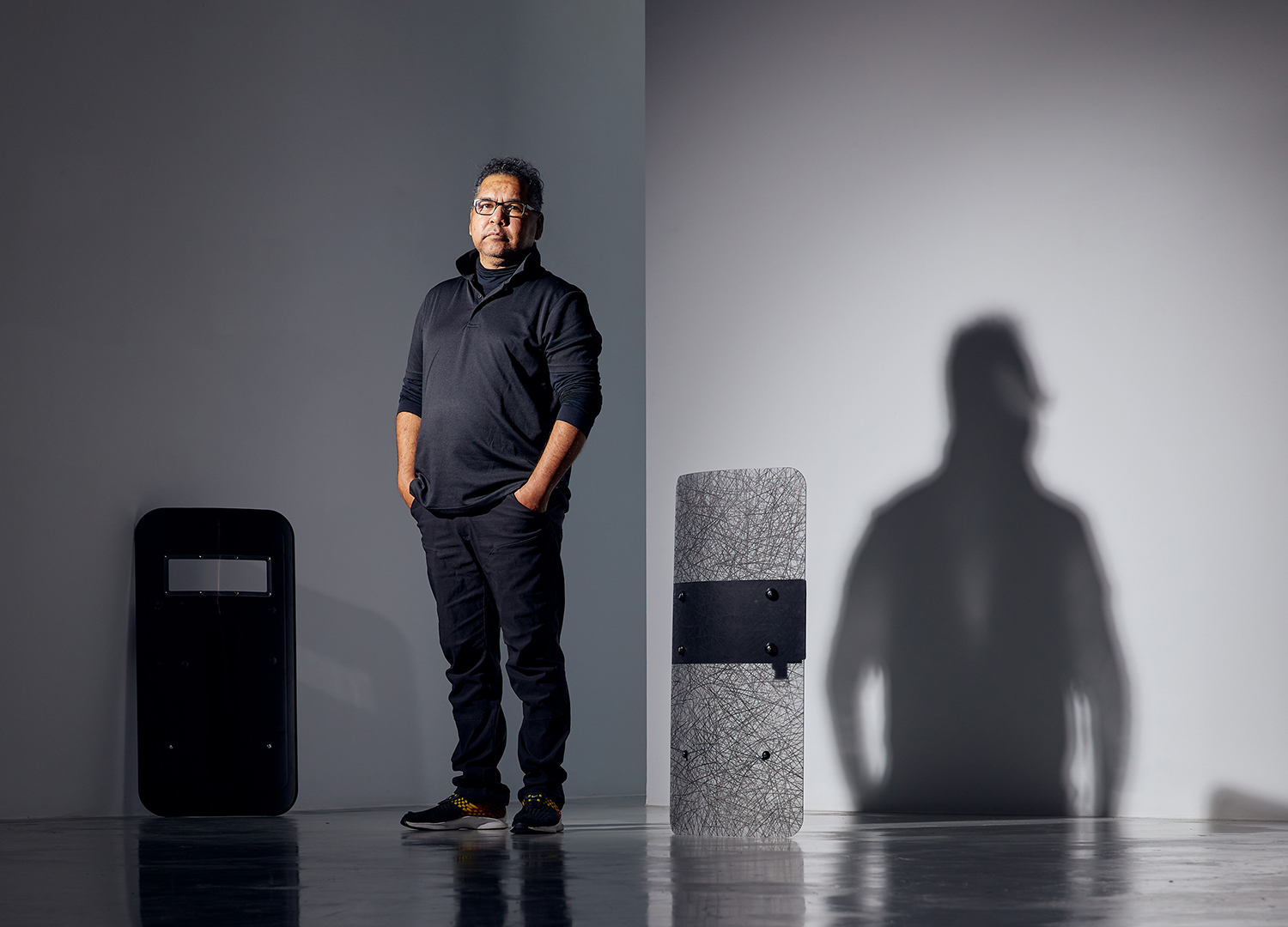
above VERNON AH KEE BY JOE RUCKLI COURTESY OF STATE LIBRARY OF QUEENSLAND
Art can be a powerful force for change, making a deep and moving impact on people’s hearts and minds. It can also be rad as hell. There are so many talented creatives in Australia moving and shaking to make the world a better, and more beautiful, place. We’ve introduced a new digital series called Art with Heart to showcase superstars in our local art scenes and get to know the hearts behind the art.
The State Library of Queensland’s latest exhibition, Meet the Artists, is a unique opportunity to gain a deeper insight into the minds and work of some of Australia’s most iconic creatives. Showing privately held artworks, studio materials and personal treasures from artists like Judith Wright, Luke Roberts, Fiona Foley, Leonard Brown, Anne Wallace, Sandra Selig and Eugene Carchesio, visitors to the exhibition can also watch the James C Sourris AM Collection of Artist Interviews, a series of video interviews with the artists as they reflect on their lives and the experiences that have inspired them.
Brisbane-based contemporary Aboriginal artist Vernon Ah Kee is an integral part of the exhibition with his installation Kick the Dust. The first artist to be interviewed for the James C Sourris AM collection at the project’s inception in 2010, Vernon has cut a powerful figure in the Australian and international art world over the last 30 years, working in forms as varied as charcoal, sculpture and installation.
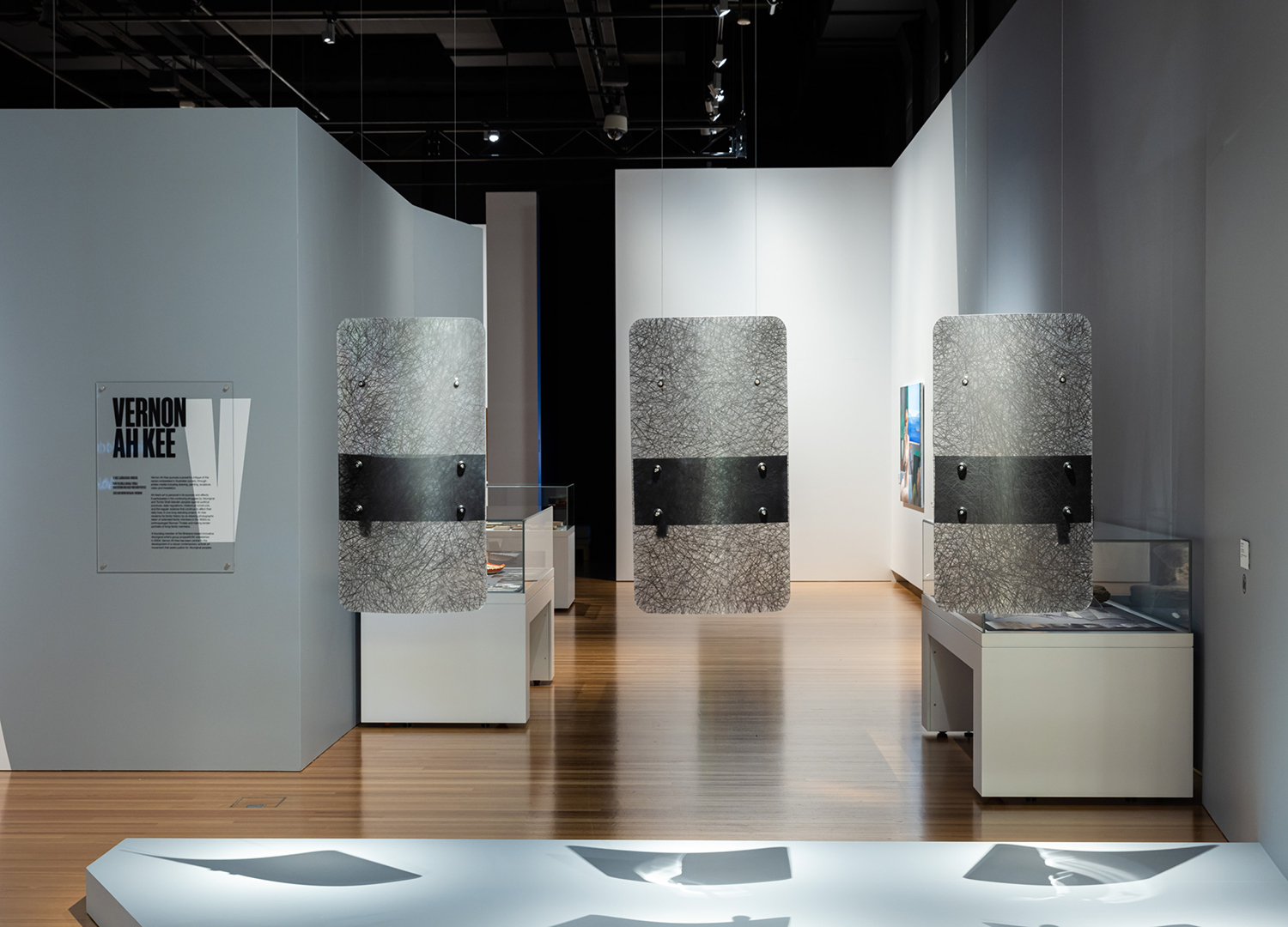
KICK THE DUST BY VERNON AH KEE. PHOTO BY JOE RUCKLI, COURTESY OF STATE LIBRARY OF QUEENSLAND
How did you come to be an artist?
I think for most artists, it’s where you land. Suddenly you have found your spot, so you start calling yourself an artist. By the time I was 10 years old, I was obsessed. I knew that drawing was something that was very much a part of my life. I knew that at 10 years old, and I knew I wanted to make myself better; that I wanted to be better at drawing, wanting to build those skills.
For most people, I would say the interests you have when you’re a child just fall away naturally. But with drawing, that never happened to me – it actually increased as I got into my teens, and it never really went away.
I knew that at 10 years old, and I knew I wanted to make myself better, that I wanted to be better at drawing.
Throughout high school, I was more obsessed, more keen and hungry to throw myself into the technicalities of drawing and texture and tone and light and shadow. I had no instruction; it was all up to me. Living in North Queensland, there were no libraries or anything that had instructional texts, and I never had a drawing teacher, so I had to make it up as I went along. I would call myself completely self-taught.
But I think I was more keen on reaching a level of proficiency in something and then being satisfied and moving on to the next thing. And all within the scope of this thing called drawing. I wanted to show that drawing can be the centre of any form. For me, it’s a natural way of being.
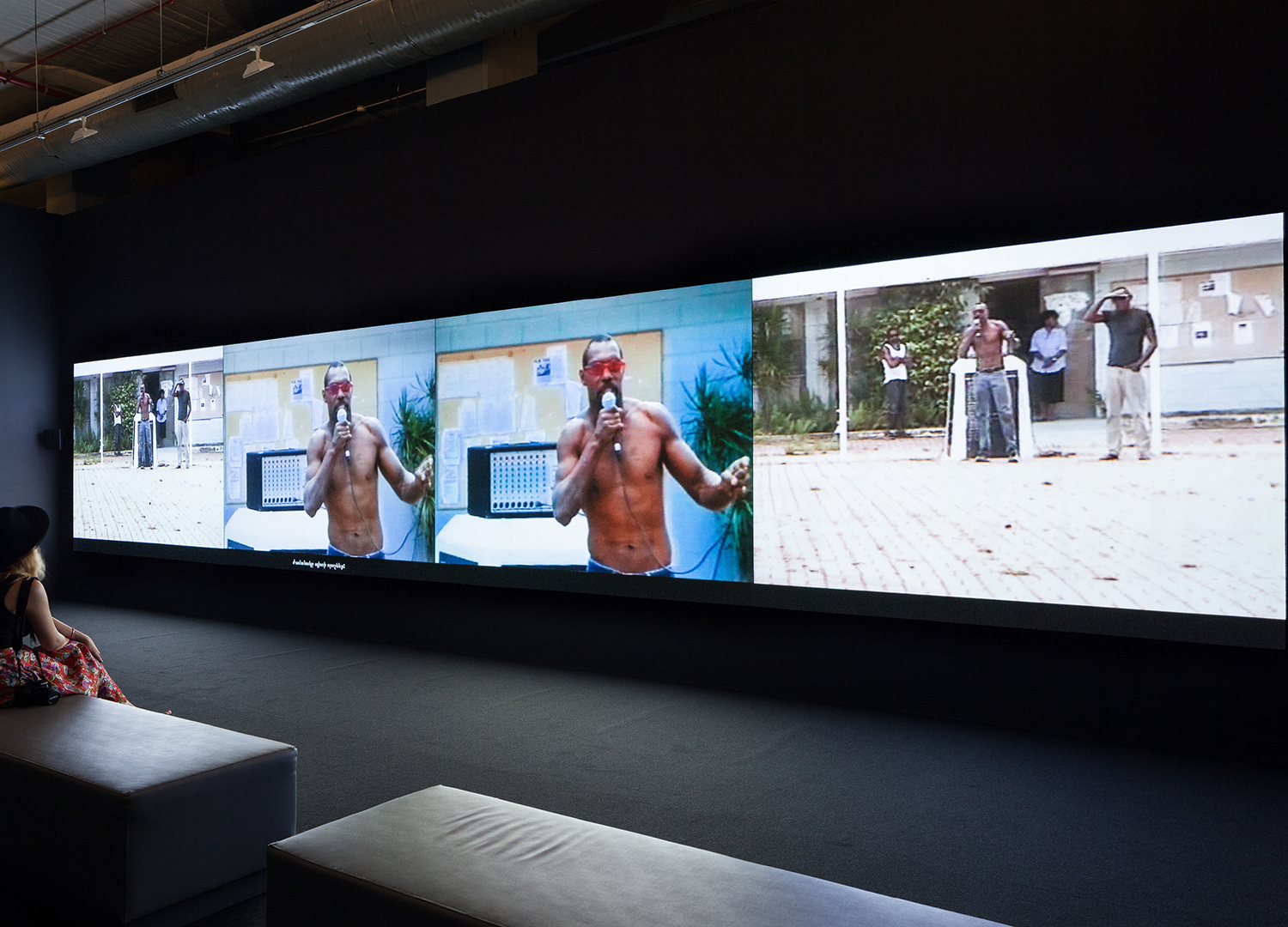
TALL MAN BY VERNON AH KEE. INSTALLATION VIEW AT 14th ISTANBUL BIENNALE, 2015. IMAGE COURTESY OF THE ARTIST AND MILANI GALLERY, BRISBANE
Tell us about your creative process…
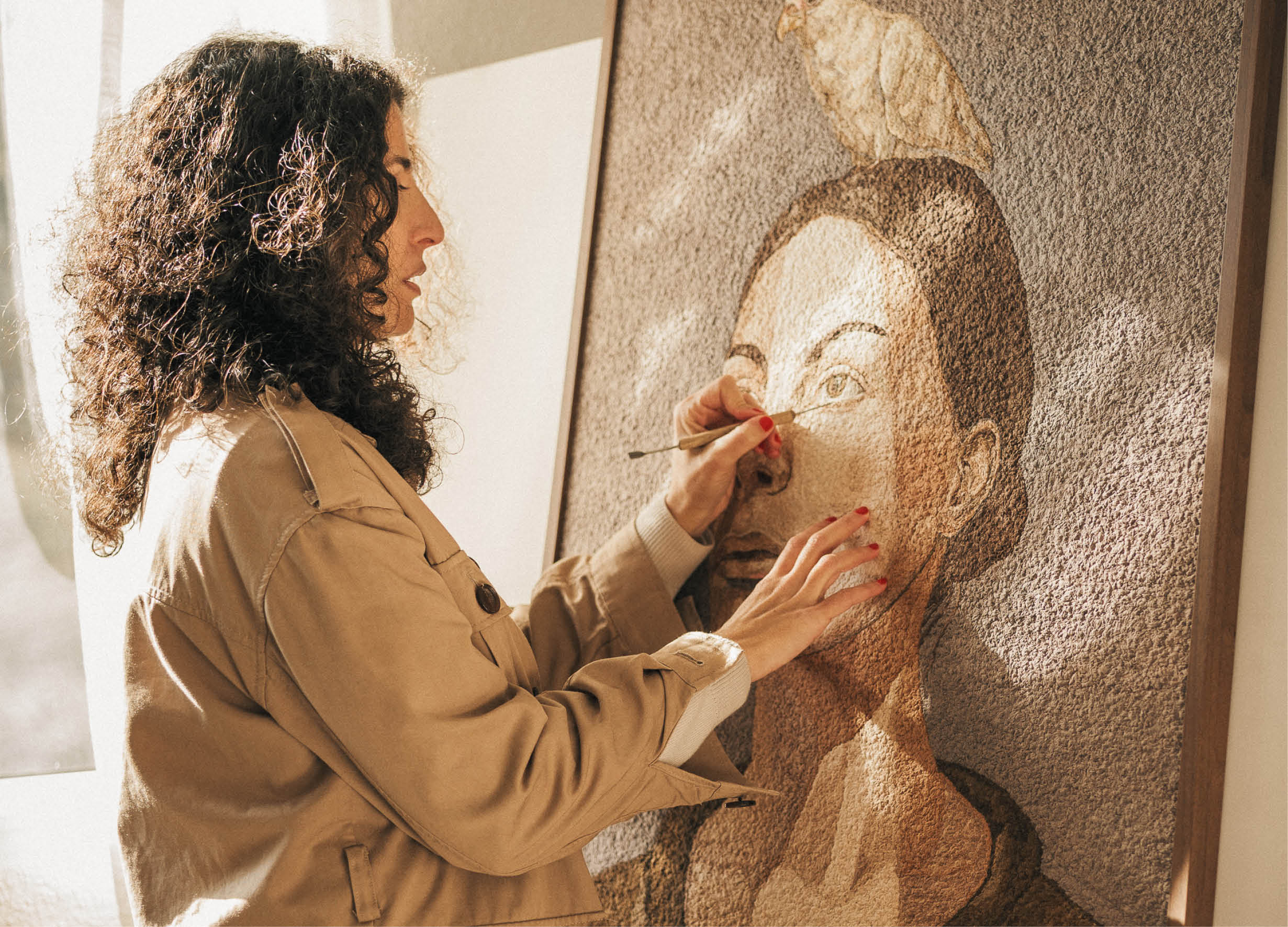
I’m a conceptual artist. I didn’t know that I was but it certainly sums up my practice the more I get into it and I’ve been at it for a long time now. Basically, I’ll have an idea; ideas gestate and they have a long gestation, so by the time I do something with them, they’re fairly formed and shaped – there’s a tone and a character to them. There’s usually a theoretical, conceptual anchoring to my ideas by the time I actually make something you can point out and say, “That’s what I made.”
For me, the ideas come fairly solidly, they land on the ground, and then I will think of a platform that supports that idea. So it might be drawing or painting or 3D or installation or video photography or some other digital forms, or some sort of virtual media or AR or AI. For me, the book is open. And I feel like I have all that scope to kind of draw from, I can set my ideas on top of. That’s my process.
I don’t think any of my works are unconnected; I think they fully support each other.
Tall Man is a good example. It starts with a four-channel video, and I had a text work and I had a drawing. Those three visual elements together anchored the idea and the idea, in turn, sat on top of those three elements. It was easy to see through them from one to the other because I made the work and there was one idea that drew them together.
I always say, if you had a big hall full of people and objects and artworks and things – not necessarily connected to what we would think of as art – if there was a big space filled with hundreds of objects, and I had one artwork that was a text work at one end and something that was a video at the other end, those two things would call to each other because I made them. They naturally have a dialogue already. I don’t think any of my works are unconnected, I think they fully support each other.
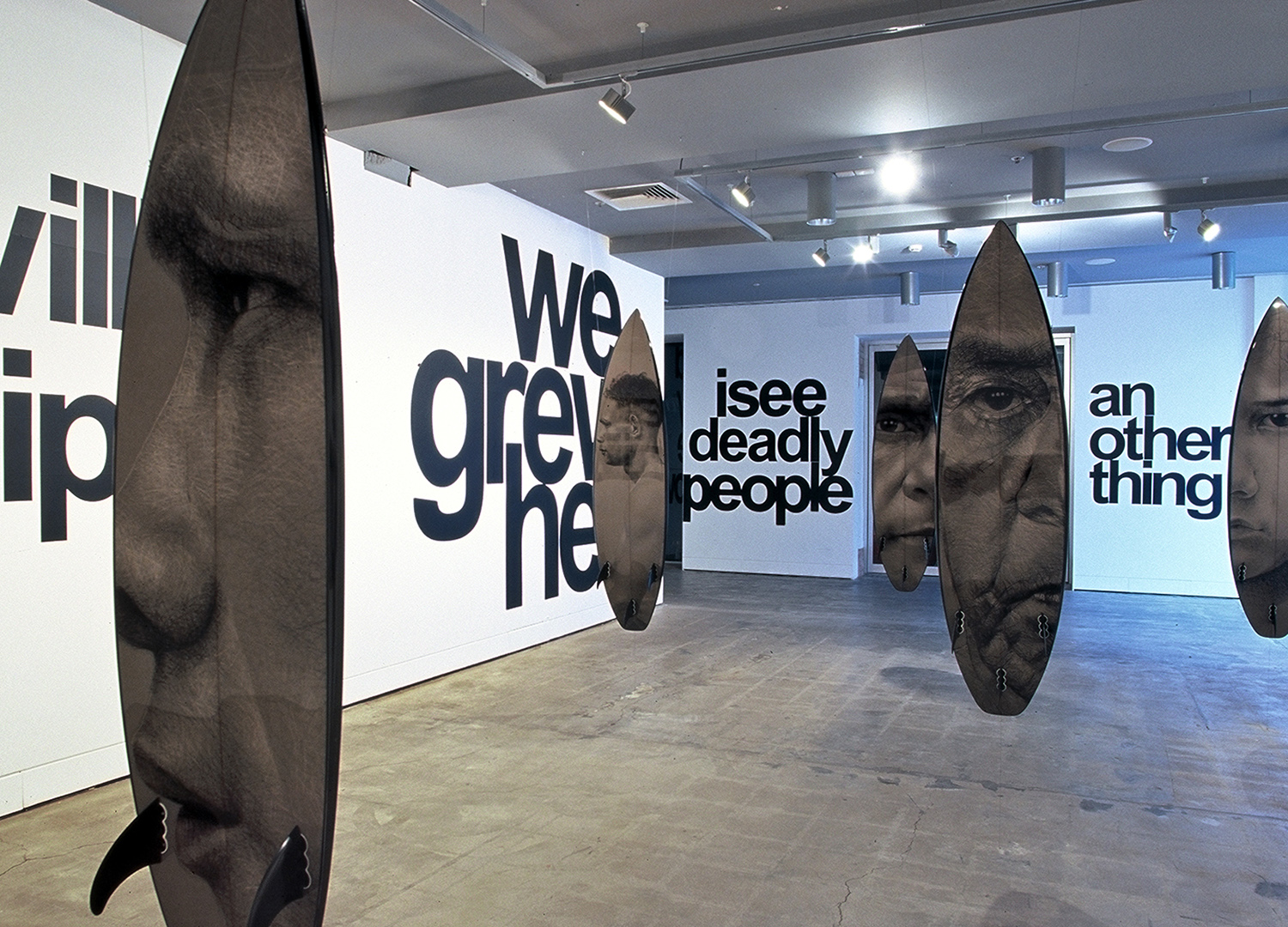
CANTCHANT BY VERNON AH KEE, 2010. INSTALLATION VIEW IMAGE COURTESY OF THE ARTIST AND MILANI GALLERY, BRISBANE
What motivates you to create?
I see myself as very much part of my family. So it goes that my history is the whole of my family’s history, and the whole of my family’s history is my history. It doesn’t occur to me that I could see myself as anything else. I can’t see myself as an individual.
For me, a big responsibility is that you make your work accessible. I think the kind of art that is a bit of a puzzle to the ordinary viewer shows the artist to be irresponsible. They are making bad art because it’s not communicating. For me, I design lots of levels of scaffolding to help do that but I make sure that my family can read my work. If they can’t, then I tear it up and start again.
I make sure that my family can read my work. If they can’t, then I tear it up and start again.
I think it has to be accessible. Or at least be well designed enough that it doesn’t take much to enter that work – the idea of it – to get a proper sense of it. I think the best work communicates well. The best work will already start with a pretty strong idea of what it is and it will communicate that
As artists, we have two jobs. You have to make something of your ideas, like actually make something and point to it, “That’s the thing I made of my idea.” And the other job is that they should be communicating by themselves. You should not have to prop it up with your presence. I think there’s a partnership, and I take it seriously.
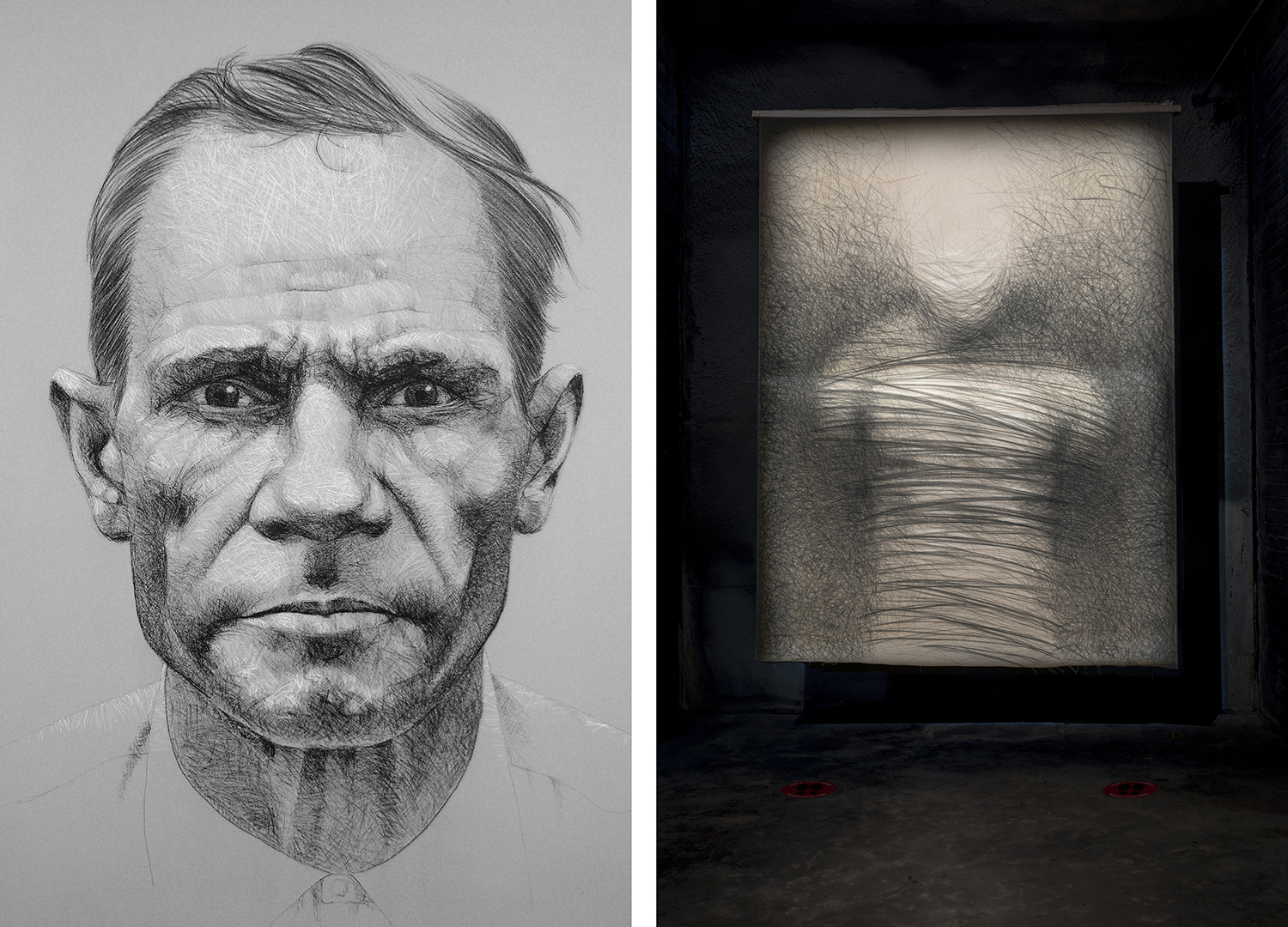
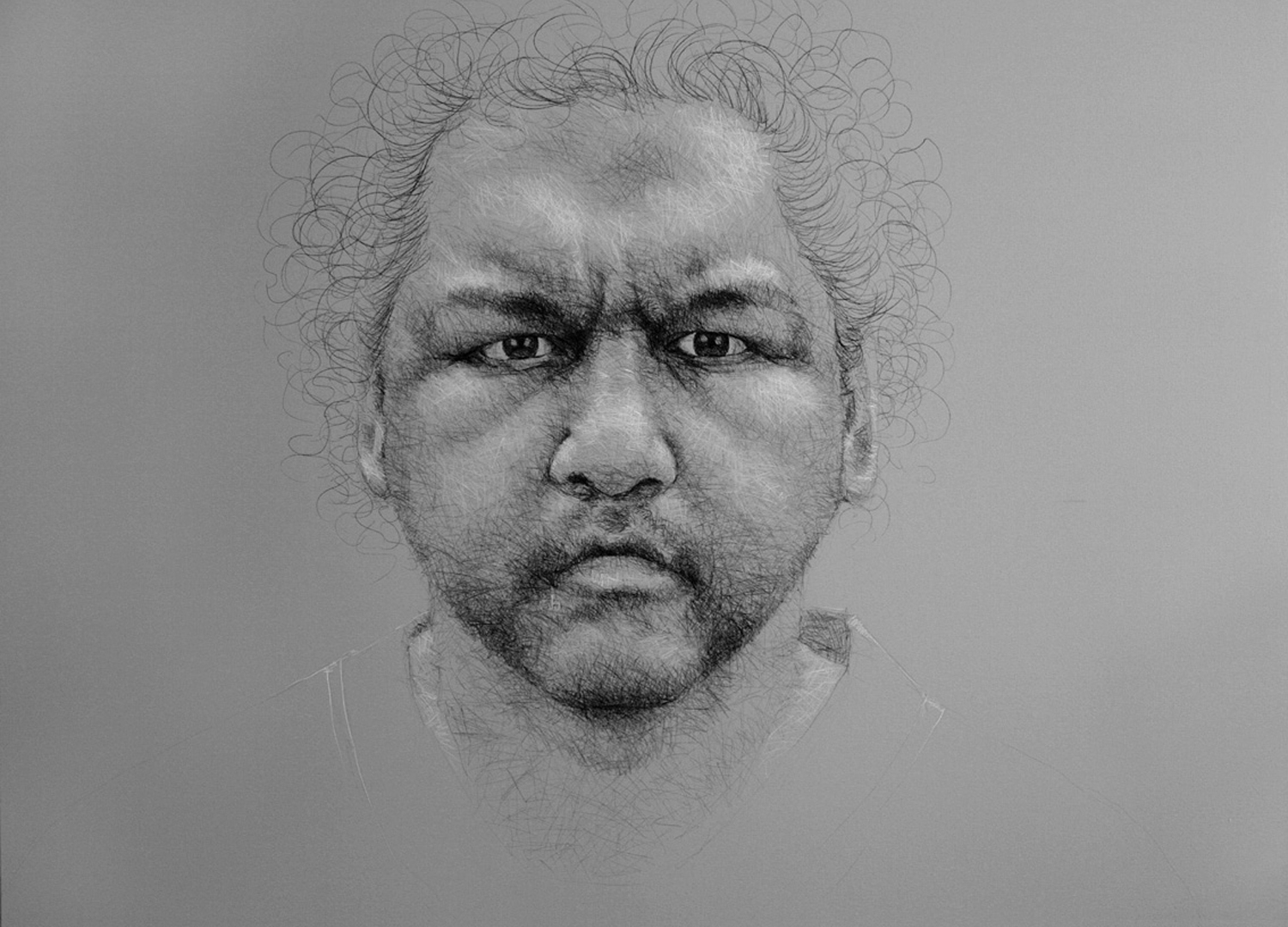
top left GRANDDAD GEORGE, 2006 top right NOTHING IMPORTANT HAPPENED THAT DAY, 2021. INSTALLED AT SPRING HILL RESERVOIR, PHOTO BY CARL WARNER bottom SELF PORTRAIT (THE ARTIST AS A MODERN DAY ABORIGINE), 2007. IMAGES COURTESY OF THE ARTIST AND MILANI GALLERY, BRISBANE
You work with a variety of mediums including sculpture, charcoal, video and more. What draws you to them?
I get excited about the potential that each platform has for me as an artist and that’s kind of my starting point. At this point in my career, I’m used to being quite open to things I haven’t tried. I just don’t see why I should dismiss any new ideas.
A lot of visual artists are nervous about AI. AI is the thing that I’m most excited about. I think the first thing we start with when we’re talking about AI, is we throw out any kind of emotional descriptors. Like good or bad, happy or sad, angry or evil. I think if we throw that out, then we can sit it on the table and figure out what is the nature of AI and its character because we’re at the beginning. People seem really keen to pick a side, to say that it’s bad, but how do you know? We don’t know what it’s capable of. But it’s exciting.
READ MORE – ART WITH HEART: EMILY IMESON DIGS DEEP TO MAKE A POWERFUL CLIMATE STATEMENT
Is there something you can’t live without in your studio?
In terms of art practice, it’s just the tools for drawing. I don’t feel like I should ever go without them.
I now work only in charcoal – mostly because it’s my strongest tool, my strongest medium. But it’s the tool that I know what to do with. I have the strongest sense of what it can do and I still think that there’s so much that can be done with charcoal.
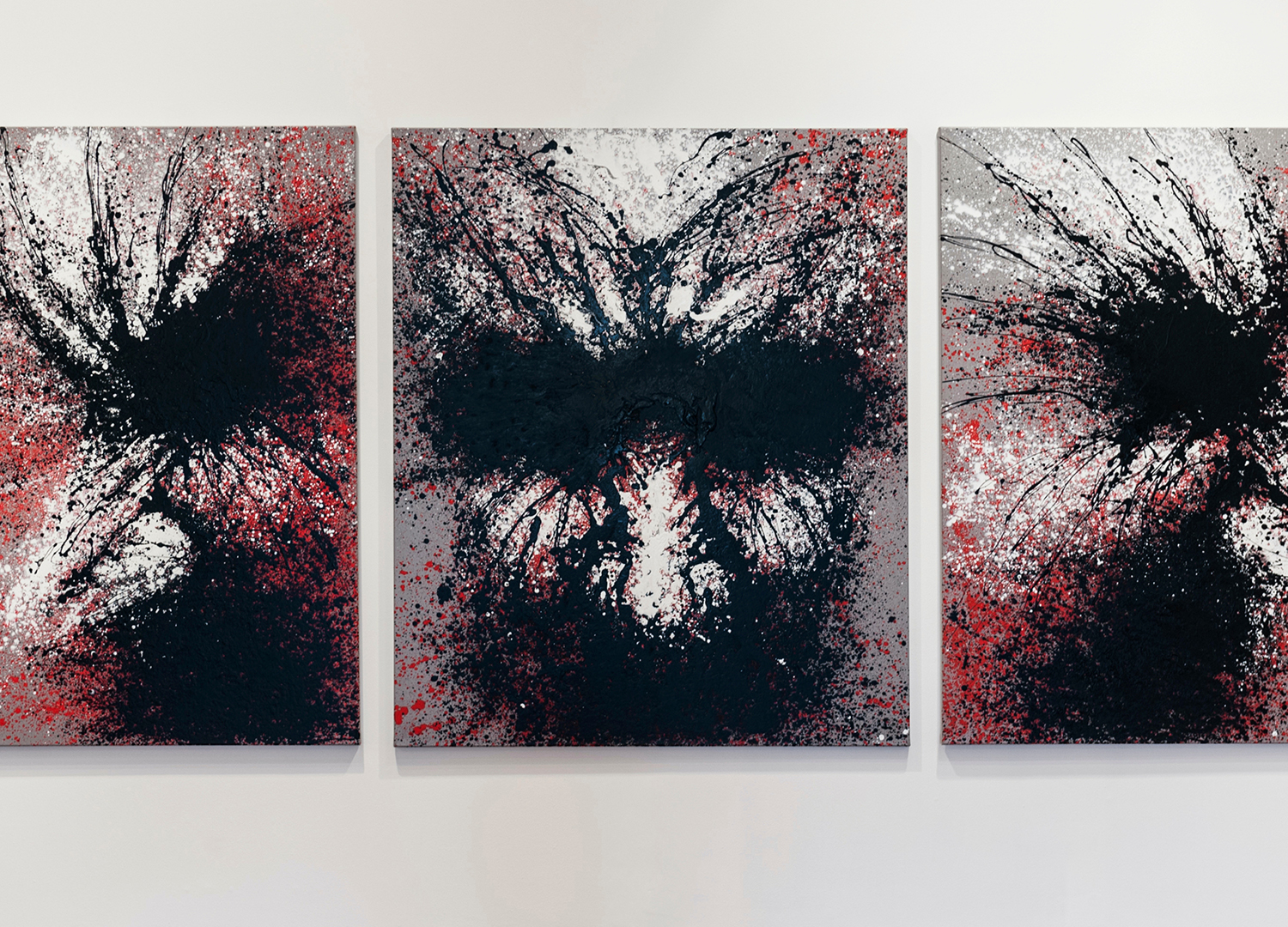
BRUTALITIES BY VERNON AH KEE, 2014. IMAGE COURTESY OF THE ARTIST AND MILANI GALLERY, BRISBANE
Why do you think art is important to society?
It’s funny, you should say that because that’s not a question to ask artists. Artists can answer it if they like, but it’s not a question that is worth answering for an artist.
Who do you think should be asked that question?
Society! Because we make art, how would we know? We are in an era right now where arts funding is critical. And that’s an indicator of how much the government really supports the arts in general, not just visual arts. But if you’re thinking about society, and the psychology required to kind of take on art as a meaningful part of society, I don’t know. As an artist, I don’t know how you build that.
WANT MORE ART CONTENT? RIGHT THIS WAY
What’s your favourite work of art (not your own)?
This is easy. It’s From Dreamtime 2 Machinetime (1979) by Trevor Nickolls. When I was in high school, I came across an image of it in a book. I immediately could see that I had never seen anything like it before in terms of Aboriginal art or art in Australia. This is when I was about 15 or 16.
The sense that I got from it was, this is an Aboriginal artist who has been able to give himself permission to do whatever he likes. I hadn’t seen anything like that sense of permission. Trevor Nickolls was the first one from who I derived the encouragement and confidence to just do whatever I like. He’s the single most influential artist on me. If it wasn’t for him, if he hadn’t made that work, I might have gotten to where I am, but it would have taken much longer.
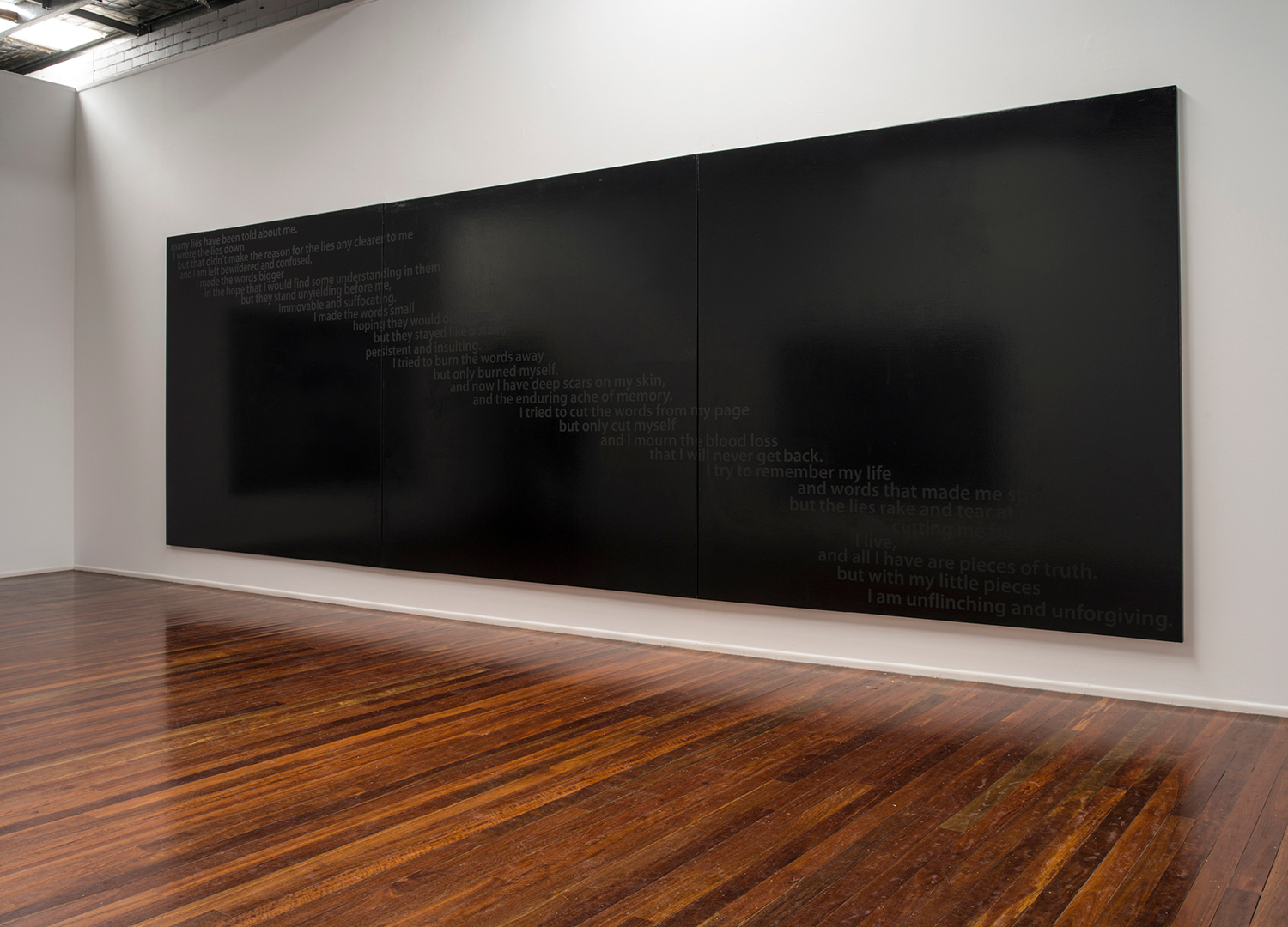
MANY LIES BY VERNON AH KEE, 2017. IMAGE COURTESY OF THE ARTIST AND MILANI GALLERY, BRISBANE
What would be your dream project?
An impossible dream project would be that I get to curate the Asia Pacific Triennial of Contemporary Art. I’m Chinese; my last name is Chinese; I’m Chinese on both sides of my family. But growing up in North Queensland being a Blackfulla with dark skin and black hair, it was made very, very clear that I was not going to be regarded as anything other than Aboriginal, Aboriginal being the lowest rung.
When I travel overseas, I’m regarded as a professional artist and a professional person. As a conceptual artist, who has a fairly good history of exhibiting and some good runs on the board. And then you come back here as an ‘Aborigine’, and you’re just relegated to the bottom rung quicker than you can blink. So that would be interesting to investigate, don’t you think?
Meet the Artists runs at State Library of Queensland through 9 July 2023. Follow the link here for more details.
“My piece of advice for makers and designers? Run your own race… make sure your key decisions stay anchored in your brand’s core beliefs.”
- Bec Bligh
Quick show of hands: who’s opened a water bottle expecting a refreshing sip… and instead been greeted by the unmistakable whiff of uh-oh?
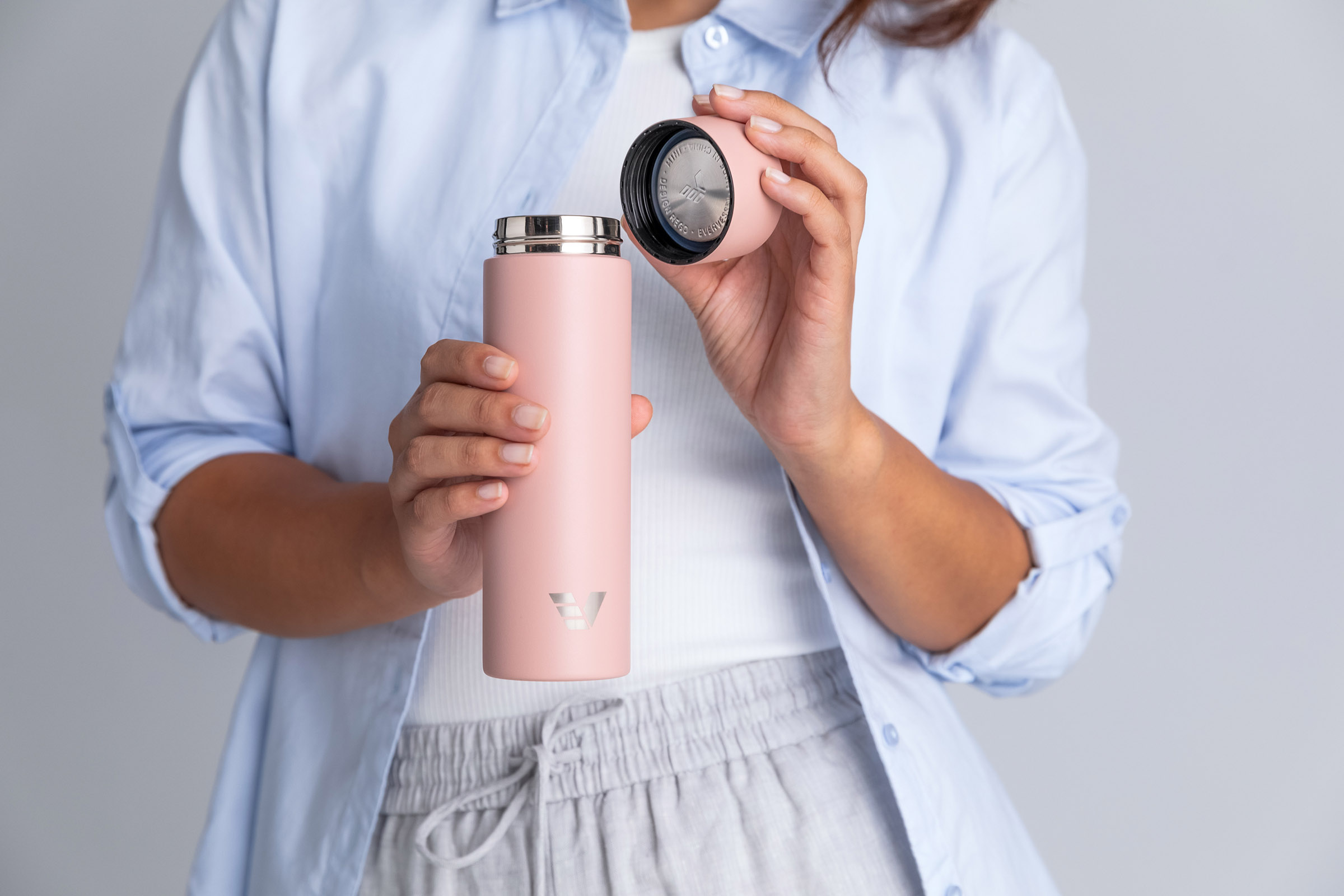
Because for something that follows us everywhere (desk, car, hikes, yoga…), the humble drink bottle is strangely prone to becoming a science experiment. Hard-to-clean corners and gaskets. Mystery smells. Bec Bligh and her husband Tim know it well. A six-month sailing trip along the Queensland coast left them with a lifetime of memories and one stubborn annoyance: mouldy water bottles they couldn’t properly clean.
So they did something about it.
Enter @EverVessel. Thoughtfully designed borosilicate glass and stainless steel bottles that keep things beautifully simple: durable materials, wide openings, easy-to-clean parts and none of the techy gimmicks that tend to age badly. Turns out simplicity, done well, is pretty powerful stuff. (Their many design awards agree!)
And lately they’ve added a little extra delight: the Artist Series, where creatives like Paola Castro, Ben Miners and Martin Thompson transform these everyday companions into tiny travelling artworks. There are more colabs in the works, too: hydration, but make it joyful! 🎨💧
We chatted with Bec about the sailing trip that started it all, the philosophy behind Ever Vessel, and why the most sustainable product is often just the one you keep using.
Tap the link in our bio to read the full conversation. 🚰
#EverVessel #ReusableWaterBottle


Pull up a chair… there’s room at this table!
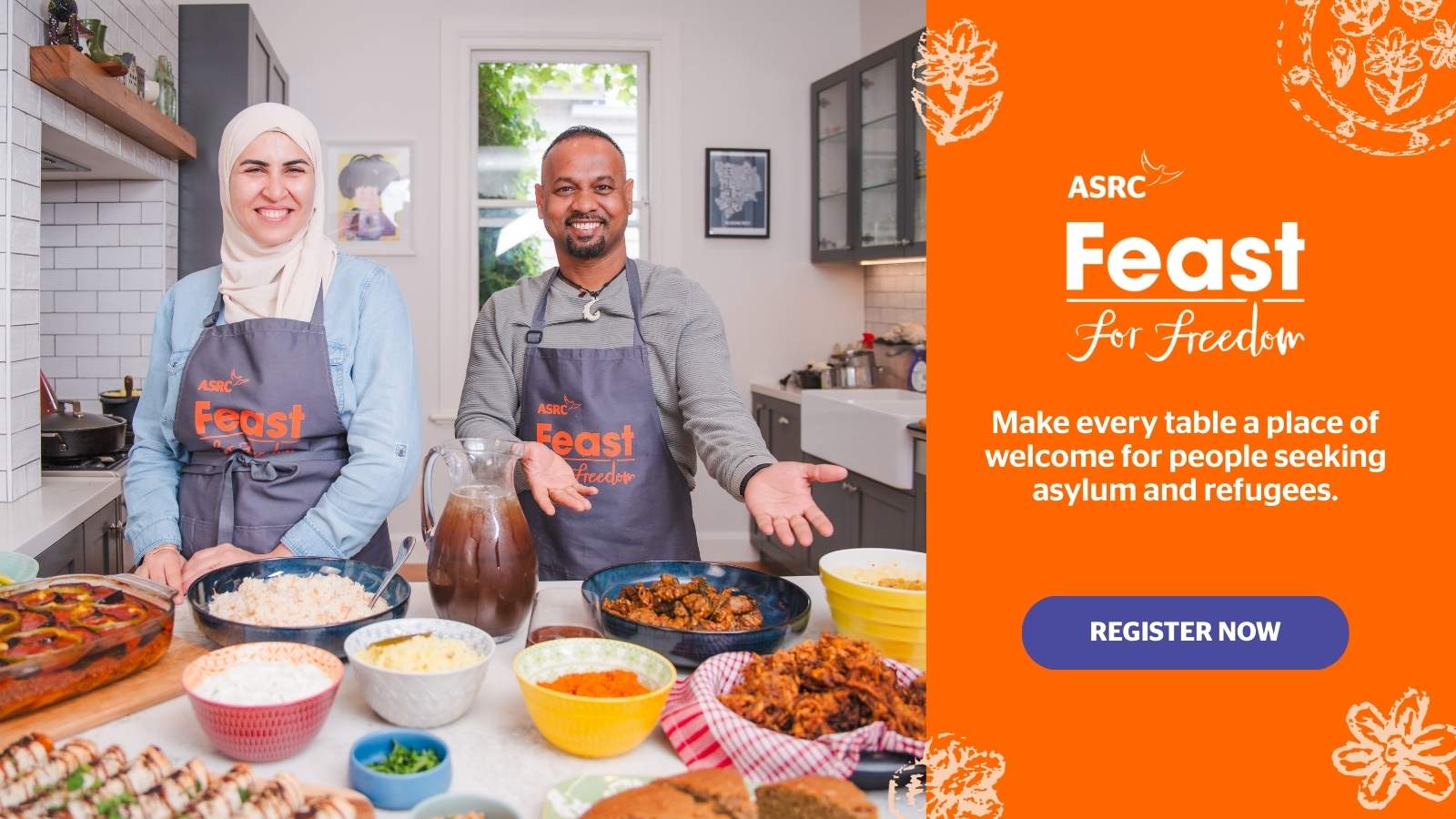
For the first time, Feast for Freedom is bringing people together for a spectacular long-table dinner as part of the Melbourne Food & Wine Festival.
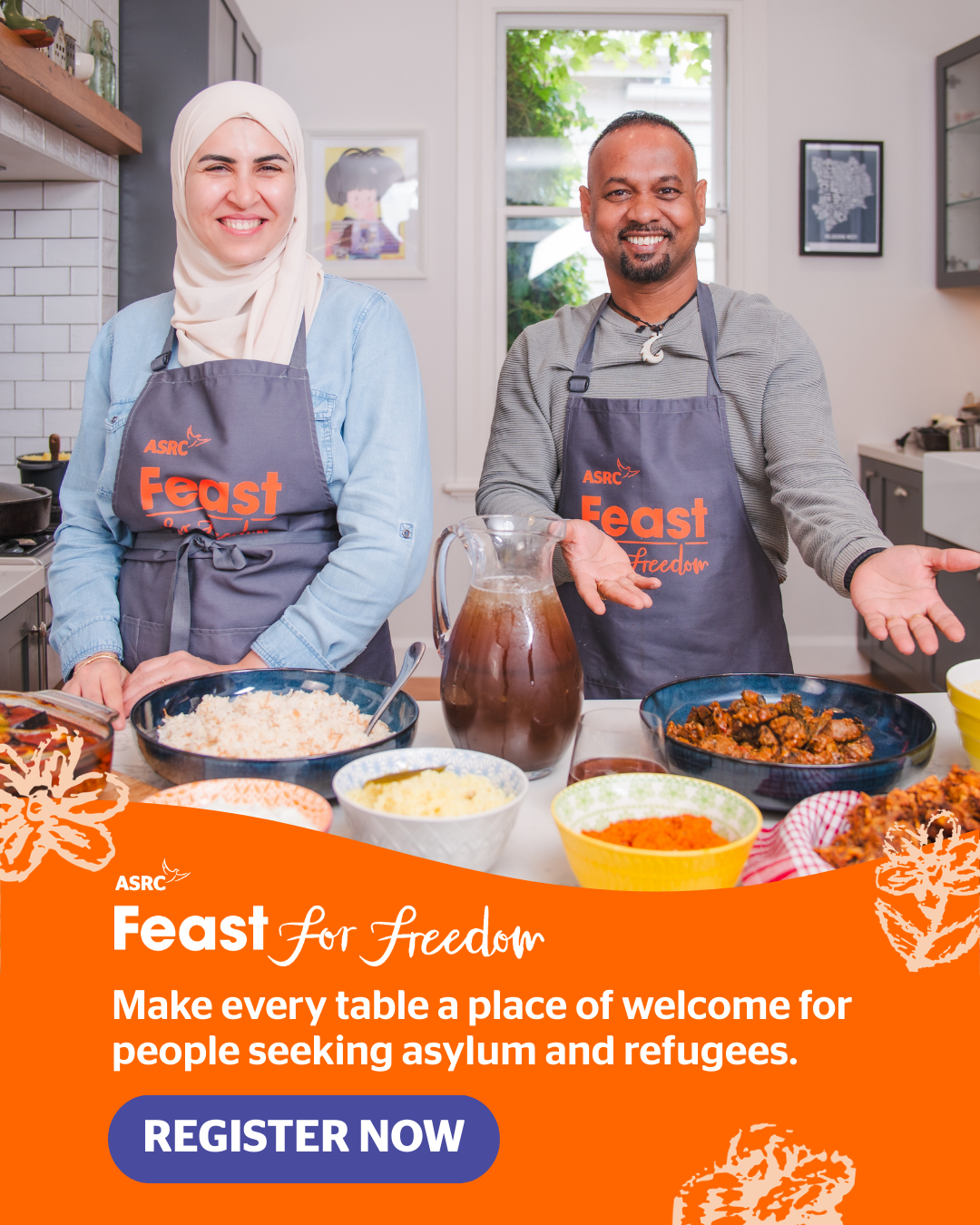
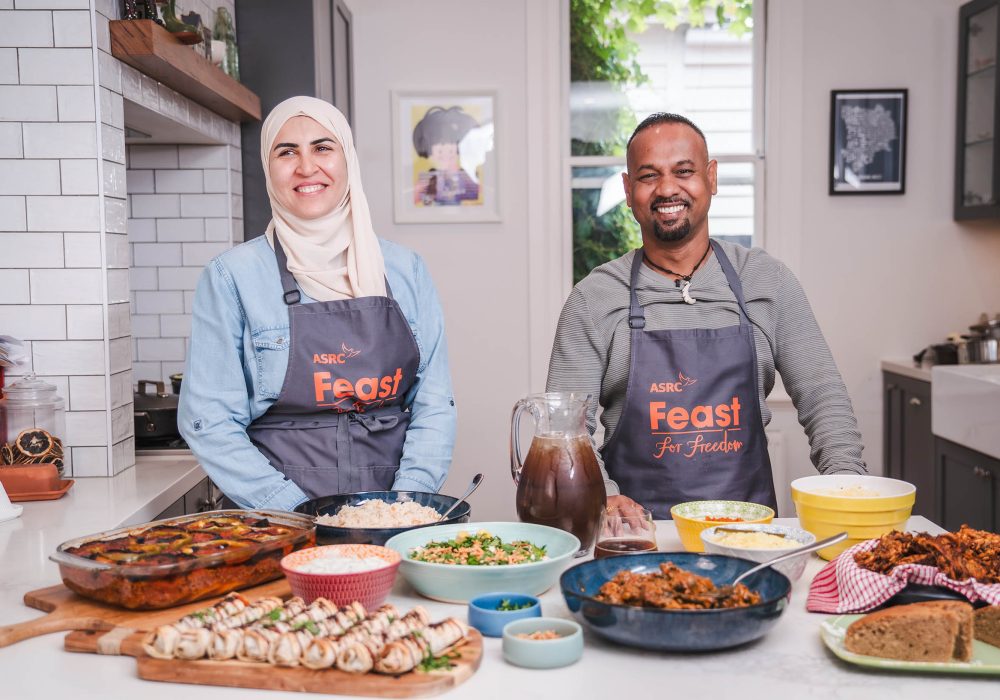
A Longer Table is exactly what it sounds like: one beautiful shared table inside the Asylum Seeker Resource Centre (@Asrc1), piled with generous dishes inspired by this year’s hero cooks, Noha and Nige.
From 6 to 9pm on Wednesday, 25 March, this is what you can expect:
🍽 A three-course shared feast
🍷 Matched drinks
🎶 Live entertainment
✨ A room full of good humans
Your ticket doesn’t just buy you a delicious dinner. It supports the ASRC’s vital work and helps create a fairer future for people seeking asylum.
Seats are limited, and long tables have a way of filling up quickly – head to @MelbFoodAndWine’s website to book now: feastforfreedom.org.au/mfwf
#FeastForFreedom #MelbourneFoodAndWineFestival #LongTableDinner #FoodForChange

Sew versatile! 🪡
Another great make from Lisa from @SunnySewsEveryday:
My #PeppermintWaratahWrapDress is finished and I’m so proud of it. It has been designed not to flap open and flash your pants in the wind, so I feel confident it will be a great wheelchair or standing dress in English weather.
#PeppermintPatterns #WrapDress #WrapDressPattern

Frame your face with the Peppermint Bucket Hat!
Stay safe and stylish in the sun with your very own self-sewn and self-drafted wide-brimmed bucket hat. This beginner-friendly sew is perfect for a sunny day. Get out your pencils – this pattern is created using equations and maths!
This DIY project was featured in Issue 53 and now you can access it for the lovely low price of only $5.
Sun-safe chic is always in style. ☀️
Find it via the link in our bio!
Photos: @KelleySheenan
#PeppermintPatterns #PeppermintBucketHat #BucketHat #BucketHatPattern #DIY

✨ INSTANT CLASSIC ✨
The Peppermint Myrtle Shift Dress is a beginner-friendly make with a few special details based on the ever-stylish shift shape – the perfect dress you need in your wardrobe right now!
Myrtle cuts above the knee with options to customise the length. Don’t think she’s reserved for hot weather either: try a heavier-weight fabric to turn your Myrtle into a pinafore-style garment for layering.
For our fabrics we chose two from our lovely sewing partner @Karmme_Apparel – the bold Rottnest Stripes in a lightweight, soft-drape cotton, and the quality linen in the handpainted Mexico Collection.
Get making the Myrtle – the only question is, can you stop at just one?
Link in bio 🪡
Fabric: @Karmme_Apparel
Sewist: @Laura_The_Maker
Photos: @KelleySheenan
Models: @SerahSews and @Pins_And_Tonic
Location: @ShareTheDignityAustralia
#PeppermintMyrtleShiftDress #PeppermintPatterns

It’s time to Feast!
Some recipes travel a long way before they land on your table to delight your taste buds. This year’s Feast for Freedom invites us to gather our friends, cook something delectable and raise funds for the incredible work of the Asylum Seeker Resource Centre (@Asrc1) while we’re at it.
The 2026 Feast features recipes shared by two remarkable cooks: Noha, who brought the flavours of Palestine with her when she arrived in Australia, and Nige, a Sri-Lankan Tamil cook whose journey with food began in the most unexpected of places.
You can host your own Feast up until 30 April – simply register online and get planning! Host a dinner, organise a workplace lunch, or gather your community… However you do it, the idea is simple: cook, connect and celebrate the cultures and stories that shape Australia.
Want to find out more? Head to the link in bio to meet Noha and Nige, learn more about their stories, and discover a delicious recipe to try.
#FeastForFreedom #PeppermintMagazine #FoodForGood #ASRC
