
White tundra and cobalt waters. When we think of Antarctica, one of the world’s most remote and isolated biomes, it’s usually as a pristine paradise. The threats of climate change and global warming are well-documented. But scientists are only just starting to grasp the impact of microplastic pollution on polar waters. Never one to back down from a challenge, tourism giant Airbnb wants to be part of the solution.
Their latest sustainability venture, the Antarctic Sabbatical, will see five volunteer Citizen Scientists join a month-long expedition to study the impact of microplastics on the region. The goal is to bring more attention to the issue of microplastic pollution and amplify the message of polar ocean conservation. But its not just an advocacy mission – volunteers will be actively involved in the research process, collecting samples from the Antarctic interior, an area that’s notoriously remote and under-studied.
The Antarctic Sabbatical
The second in Airbnb’s Sabbatical series, the Antarctic expedition is being held in partnership with Ocean Conservancy, a non-profit advocacy group based in Washington D.C. The team will be led by Kirstie Jones-Williams, a researcher with the British Antarctic Survey, whose work focuses on the impact of microplastics on marine life.
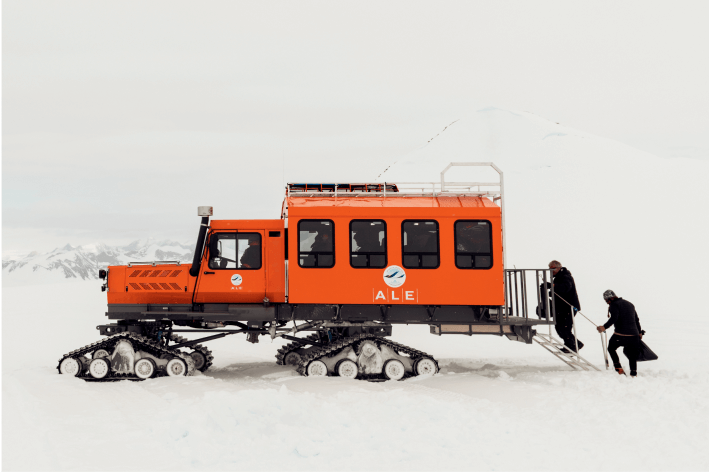
As well as receiving an all-expenses paid trip to Antarctica, Airbnb urges that successful applicants will “become ambassadors for protecting the oceans, sharing with the world how others can help minimize their collective plastic footprint and act as stewards to our planet.” Scheduled to start in November, the Sabbatical kicks off in southern Chile with a two-week training program. Participants will get acquainted with scientific processes and acclimatise to the environment, staying in Airbnb properties along the way. The team will then depart for Union Glacier Camp in Ellsworth Land for 10 days of sampling. The fourth and final week of the Sabbatical takes place back in Chile, where volunteers will start processing the samples they collected.
Why are microplastics a problem?
It’s hoped that data gleaned through the Antarctic Sabbatical will build on previous studies into microplastic pollution and potentially attract more research funding to the remote region. “If it’s a success, this expedition could lead to more studies on how to better protect this unique ecosystem and our planet as a whole,” Airbnb said in a press release. Previous studies reveal a troubling trend when it comes to plastics in the Southern Ocean and the delicate ecosystem around Antarctica. Up to 12 million tonnes of plastic waste reaches the world’s oceans every year. Microplastics, defined as fragments of plastic with a diameter of 5mm or less, are much more ubiquitous than large debris.
Until recently, scientists believed Antarctica was protected from plastic pollution by the Antarctic Circumpolar Current. But in study after study, microplastics have been detected in Antarctic water, snow and ice. In 2018, Greenpeace examined seabed and sea surface water samples to gain a better understanding of microplastic levels. The subsequent report, released under the Protect the Antarctic campaign, revealed that even the most pristine habitats of the Antarctic are contaminated with microplastic waste and persistent chemicals associated with plastic decomposition. The most common particles detected were polyester fibres and polypropylene fragments.
Another study by the University of Hull blew scientists’ predictions out of the water when it revealed the concentration of microplastics in Antarctic waters is up to 100,000 times higher than they first thought. Clean, healthy oceans are not only crucial to biodiversity, they are also a first defence against global warming. A new report from the Intergovernmental Panel on Climate Change (IPCC) released in September shows how coastal plants and marine life play an important role in absorbing and safely storing carbon. Microplastic pollution compromises ocean health, thereby limiting this ability.
Building on Airbnb’s sustainability efforts
The tourism industry contributes roughly 500kg of microplastic particles from personal care products and 25.5 billion clothing fibres annually. (Remember a poly fleece jacket can release more than 1,900 microfibres with every wash.) It’s only fitting that an industry giant like Airbnb steps up to the plate.
While the Antarctic Sabbatical is a new frontier for Airbnb, it’s also an extension of the company’s robust sustainability strategy. “Airbnb works to economically empower communities by spreading the benefits of tourism beyond traditional tourist hotspots, driving travel to lesser-known places, and supporting environmentally-friendly travel habits,” Sam McDonagh, Country Manager for Airbnb Australia and New Zealand, told Peppermint last year. Airbnb’s Office of Healthy Tourism, for example, has helped more than 88% of Hosts make their business more environmentally friendly.
The Antarctic Sabbatical is open to select nationalities – all you need is a passion for the environment and an existing platform you can use to amplify your message. Applications are open until October 8, 2019.
IMAGES: AIRBNB
“My piece of advice for makers and designers? Run your own race… make sure your key decisions stay anchored in your brand’s core beliefs.”
- Bec Bligh
Quick show of hands: who’s opened a water bottle expecting a refreshing sip… and instead been greeted by the unmistakable whiff of uh-oh?
Because for something that follows us everywhere (desk, car, hikes, yoga…), the humble drink bottle is strangely prone to becoming a science experiment. Hard-to-clean corners and gaskets. Mystery smells. Bec Bligh and her husband Tim know it well. A six-month sailing trip along the Queensland coast left them with a lifetime of memories and one stubborn annoyance: mouldy water bottles they couldn’t properly clean.
So they did something about it.
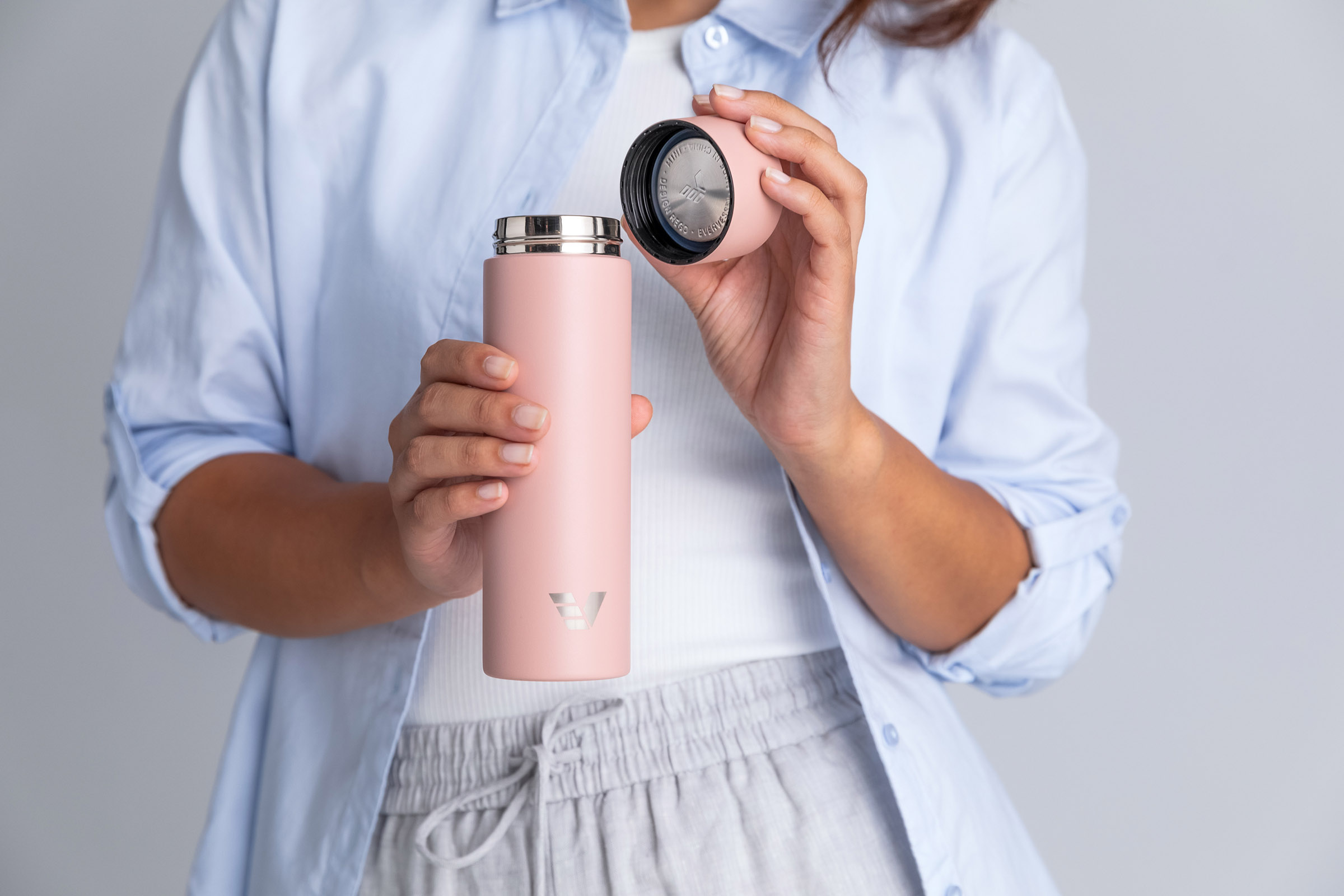
Enter @EverVessel. Thoughtfully designed borosilicate glass and stainless steel bottles that keep things beautifully simple: durable materials, wide openings, easy-to-clean parts and none of the techy gimmicks that tend to age badly. Turns out simplicity, done well, is pretty powerful stuff. (Their many design awards agree!)
And lately they’ve added a little extra delight: the Artist Series, where creatives like Paola Castro, Ben Miners and Martin Thompson transform these everyday companions into tiny travelling artworks. There are more colabs in the works, too: hydration, but make it joyful! 🎨💧
We chatted with Bec about the sailing trip that started it all, the philosophy behind Ever Vessel, and why the most sustainable product is often just the one you keep using.
Tap the link in our bio to read the full conversation. 🚰
#EverVessel #ReusableWaterBottle


Pull up a chair… there’s room at this table!
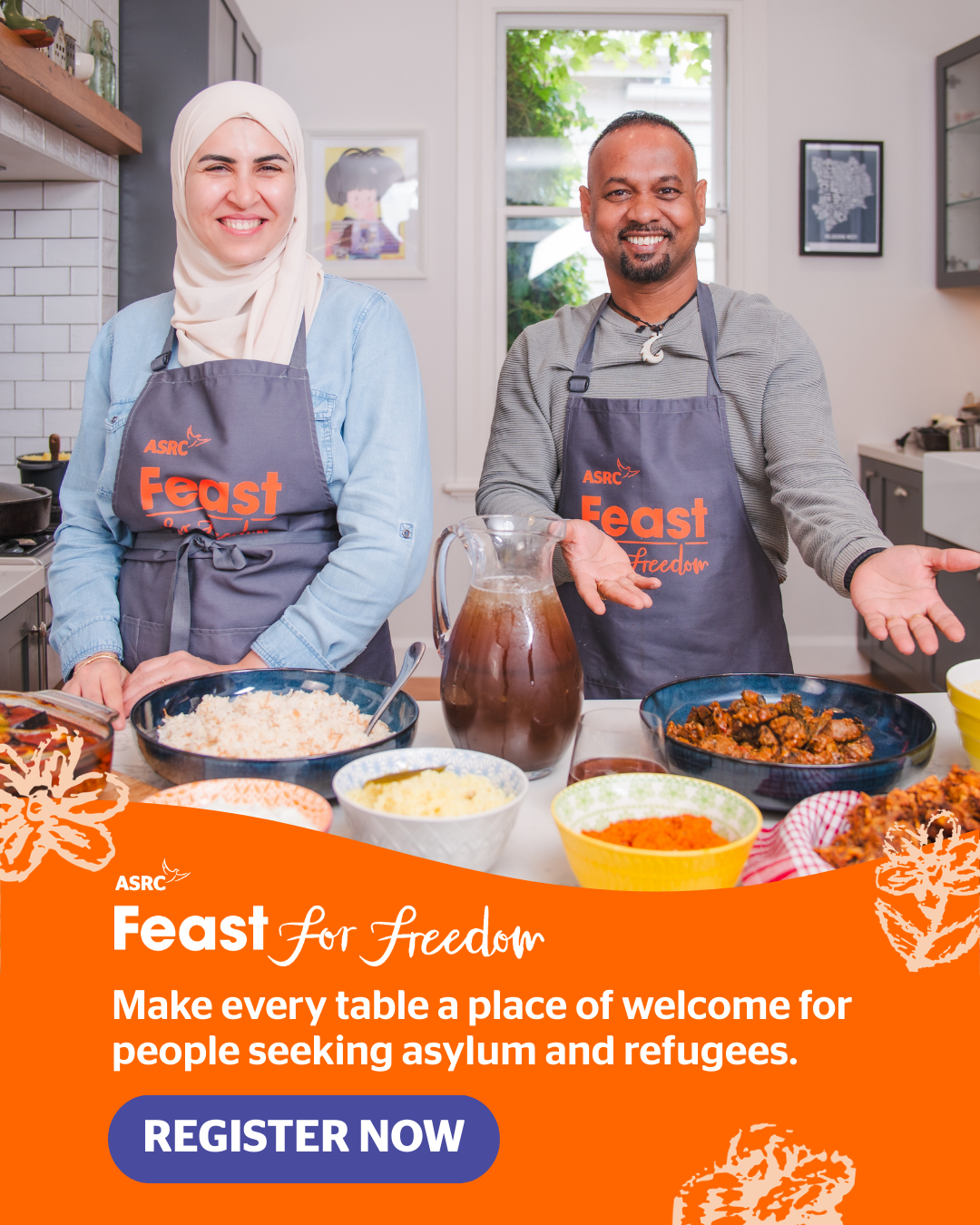
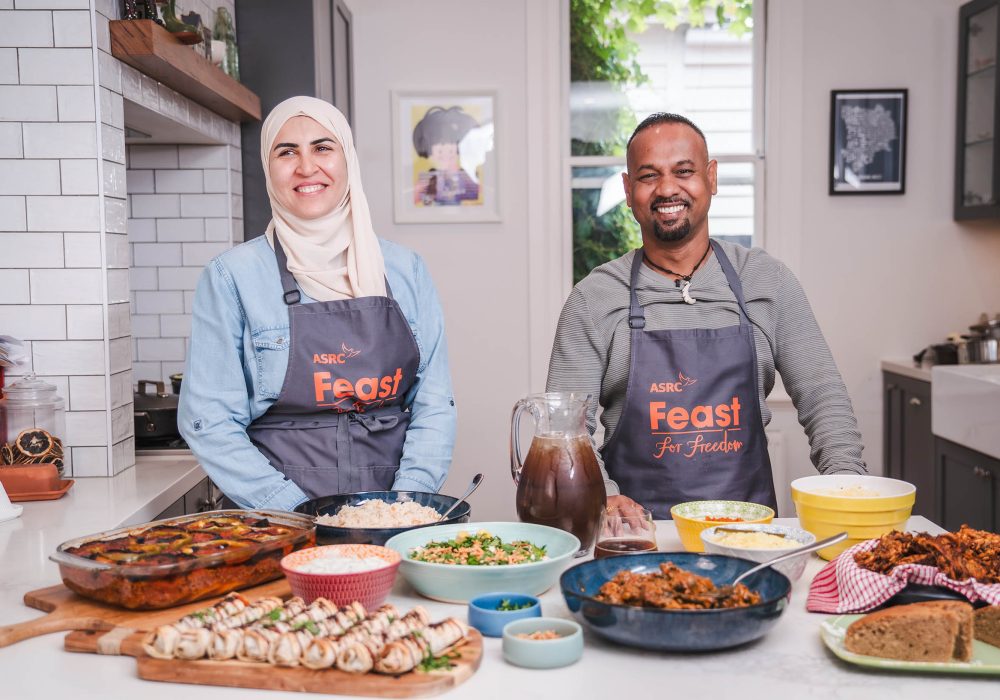
For the first time, Feast for Freedom is bringing people together for a spectacular long-table dinner as part of the Melbourne Food & Wine Festival.
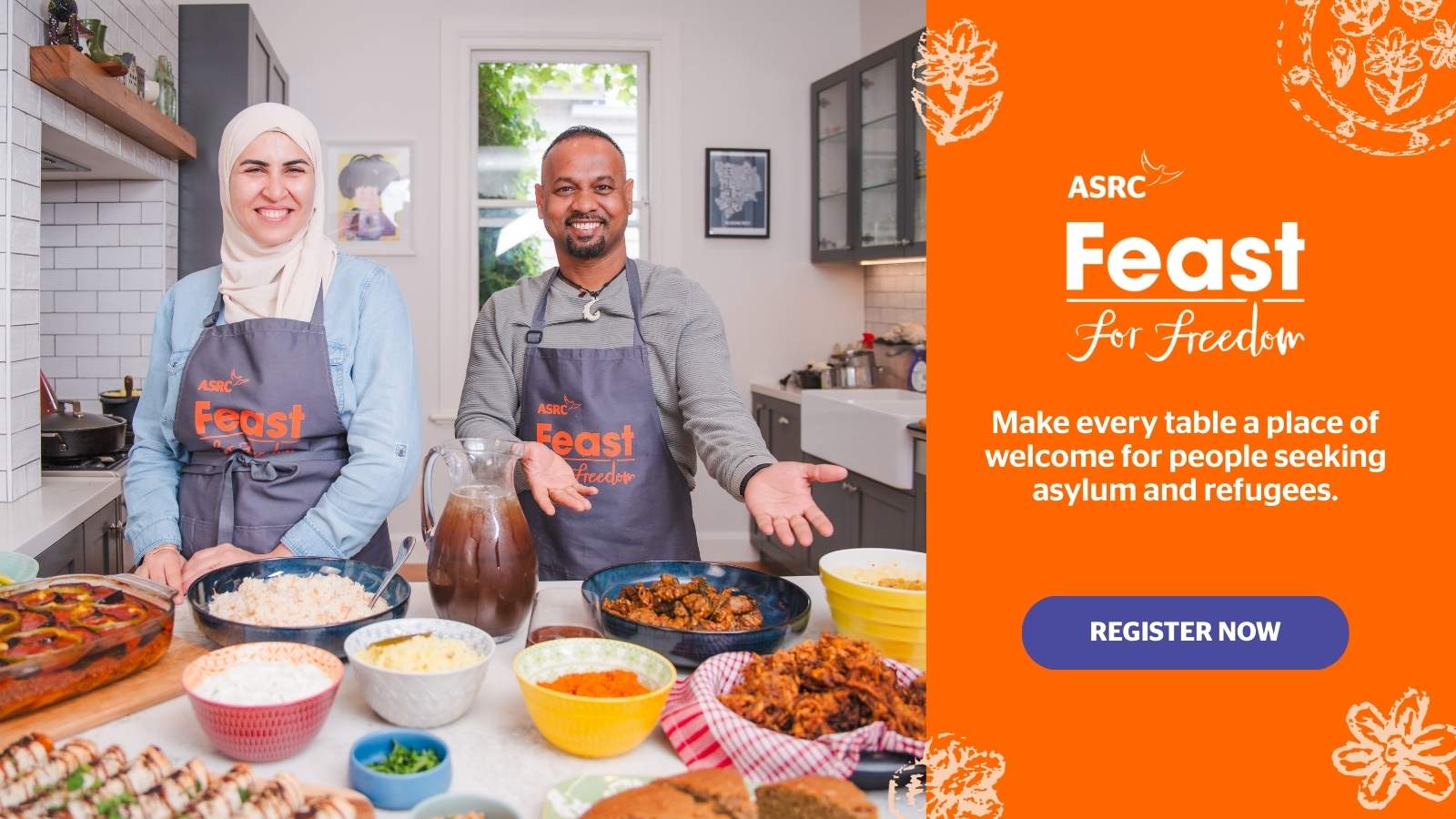
A Longer Table is exactly what it sounds like: one beautiful shared table inside the Asylum Seeker Resource Centre (@Asrc1), piled with generous dishes inspired by this year’s hero cooks, Noha and Nige.
From 6 to 9pm on Wednesday, 25 March, this is what you can expect:
🍽 A three-course shared feast
🍷 Matched drinks
🎶 Live entertainment
✨ A room full of good humans
Your ticket doesn’t just buy you a delicious dinner. It supports the ASRC’s vital work and helps create a fairer future for people seeking asylum.
Seats are limited, and long tables have a way of filling up quickly – head to @MelbFoodAndWine’s website to book now: feastforfreedom.org.au/mfwf
#FeastForFreedom #MelbourneFoodAndWineFestival #LongTableDinner #FoodForChange

Sew versatile! 🪡
Another great make from Lisa from @SunnySewsEveryday:
My #PeppermintWaratahWrapDress is finished and I’m so proud of it. It has been designed not to flap open and flash your pants in the wind, so I feel confident it will be a great wheelchair or standing dress in English weather.
#PeppermintPatterns #WrapDress #WrapDressPattern

Frame your face with the Peppermint Bucket Hat!
Stay safe and stylish in the sun with your very own self-sewn and self-drafted wide-brimmed bucket hat. This beginner-friendly sew is perfect for a sunny day. Get out your pencils – this pattern is created using equations and maths!
This DIY project was featured in Issue 53 and now you can access it for the lovely low price of only $5.
Sun-safe chic is always in style. ☀️
Find it via the link in our bio!
Photos: @KelleySheenan
#PeppermintPatterns #PeppermintBucketHat #BucketHat #BucketHatPattern #DIY

✨ INSTANT CLASSIC ✨
The Peppermint Myrtle Shift Dress is a beginner-friendly make with a few special details based on the ever-stylish shift shape – the perfect dress you need in your wardrobe right now!
Myrtle cuts above the knee with options to customise the length. Don’t think she’s reserved for hot weather either: try a heavier-weight fabric to turn your Myrtle into a pinafore-style garment for layering.
For our fabrics we chose two from our lovely sewing partner @Karmme_Apparel – the bold Rottnest Stripes in a lightweight, soft-drape cotton, and the quality linen in the handpainted Mexico Collection.
Get making the Myrtle – the only question is, can you stop at just one?
Link in bio 🪡
Fabric: @Karmme_Apparel
Sewist: @Laura_The_Maker
Photos: @KelleySheenan
Models: @SerahSews and @Pins_And_Tonic
Location: @ShareTheDignityAustralia
#PeppermintMyrtleShiftDress #PeppermintPatterns

It’s time to Feast!
Some recipes travel a long way before they land on your table to delight your taste buds. This year’s Feast for Freedom invites us to gather our friends, cook something delectable and raise funds for the incredible work of the Asylum Seeker Resource Centre (@Asrc1) while we’re at it.
The 2026 Feast features recipes shared by two remarkable cooks: Noha, who brought the flavours of Palestine with her when she arrived in Australia, and Nige, a Sri-Lankan Tamil cook whose journey with food began in the most unexpected of places.
You can host your own Feast up until 30 April – simply register online and get planning! Host a dinner, organise a workplace lunch, or gather your community… However you do it, the idea is simple: cook, connect and celebrate the cultures and stories that shape Australia.
Want to find out more? Head to the link in bio to meet Noha and Nige, learn more about their stories, and discover a delicious recipe to try.
#FeastForFreedom #PeppermintMagazine #FoodForGood #ASRC
