I lost my best friend recently.
She was everything you could hope for in a BFF – loyal, funny, supportive, protective, opinionated and gave great hugs. She didn’t put up with nonsense and she protected her boundaries with great passion. She was always up for a chat and ready to listen to my woes – although admittedly we didn’t actually speak the same language. In fact we weren’t even the same species… but that never got in the way of our love and connection.
I miss Sparky’s furry (forever-frowning-and-judgemental) feline face every day. Our pets most certainly are family, and in fact, research shows that the grief of losing an animal friend is comparable to losing a human loved one. I’ve found it’s also a very isolating mourning experience. As Professor of Psychology Frank T. McAndrew wrote for TheConversation.com: “Unfortunately, there’s little in our cultural playbook – no grief rituals, no obituary in the local newspaper, no religious service – to help us get through the loss of a pet, which can make us feel more than a bit embarrassed to show too much public grief over our dead dogs.”
There’s a lot to be learned about life from our cat companions. Boundaries for one – know what you want and need and protect it at all costs (with a decisive chomp when necessary). Stand up for your beliefs and ask for what you want, even if it’s 2am. Especially if it’s 2am. Be yourself. Own your emotions. Love unapologetically – unless it’s someone you don’t deem worthy of your time. Stretch – it improves flexibility, relieves tension and helps when you need to slide off the bed backwards at any moment. Cuddles, pats, back scratches – all crucial. But consent is everything. And above all else, prioritise sleep.
Napping isn’t just resting, it’s rebellion and resistance. Or so says author Stewart ‘Brittlestar’ Reynolds in his book Lessons From Cats For Surviving Fascism. “Nothing terrifies a fascist more than someone who’s wide awake, well rested and ready to strike.” Knocking things over is also a trait we need to learn from cats, says Stewart, in his amusing but on-point words. “Fascists, for all their bluster, are remarkably bad at handling disruption. They thrive on order and predictability because their entire worldview is about forcing everyone to stay in their assigned seats. The moment you start toppling things – even metaphorical things – they’re thrown into a tailspin,” Stewart explains. “The beauty of strategic chaos is that it doesn’t have to be loud or destructive to be effective. Sometimes, all it takes is a small, deliberate act – a sticker on a statue, a satirical meme, a perfectly timed sign of defiance. Like a cat swiping a glass of water off the counter, you’re sending a message: This doesn’t belong here. And neither do you.”
The whole world lost a bestie recently too.
Nobody knew the capacity of an animal to love and learn – and teach – better than the gentle giant, Dr Jane Goodall. “You cannot share your life with a dog, or a cat, and not know perfectly well that animals have personalities and minds and feelings,” Jane said of our pet pals. But it was her groundbreaking discoveries of chimpanzees that altered how scientists differentiated between humanity and the rest of the animal kingdom. The world-renowned primatologist and anthropologist, who was initially told she was “just a girl” and “too pretty for science”, upended the scientific world, forever changing what was known about chimpanzees, from using tools, hunting and waging wars, to showing familial bonds and compassion – all thought to be exclusive human traits. An advocate for the dignity and well-being of all living things, Jane was a beacon of hope and inspiration for feminism, anti-racism, animal and human rights, gender equality, climate action, conservation and so much more, through grace, non-violence, and her persistent, yet gentle, nature.
We could do much worse than to carry on Jane’s legacy by embracing respect and tolerance for others, with fur or without. Whether we speak the same language, wear the same clothes or have the same beliefs, gender, colour, race or even species… we all belong here. (Except fascists. Not you. Not even sorry.) We were honoured to interview the late, great Jane in Issue 10 of Peppermint, back in 2013, and she told us – “Let us try to replace impatience and intolerance with understanding, compassion and love”. I’m sure Sparky would have given a meow of approval. At 2am, no doubt.
EXTRACT FROM PEPPERMINT ISSUE 64
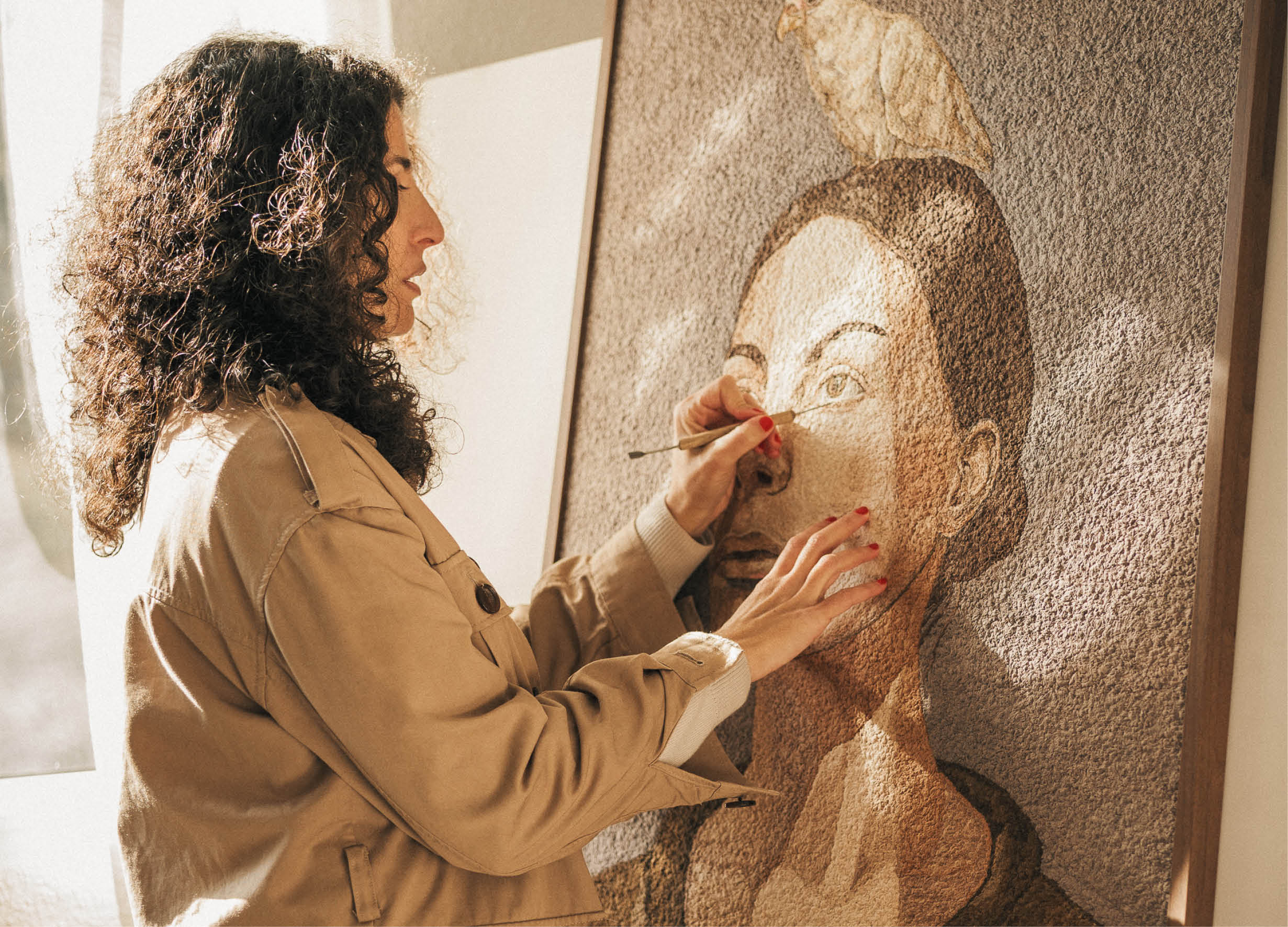


“My piece of advice for makers and designers? Run your own race… make sure your key decisions stay anchored in your brand’s core beliefs.”
- Bec Bligh
Quick show of hands: who’s opened a water bottle expecting a refreshing sip… and instead been greeted by the unmistakable whiff of uh-oh?
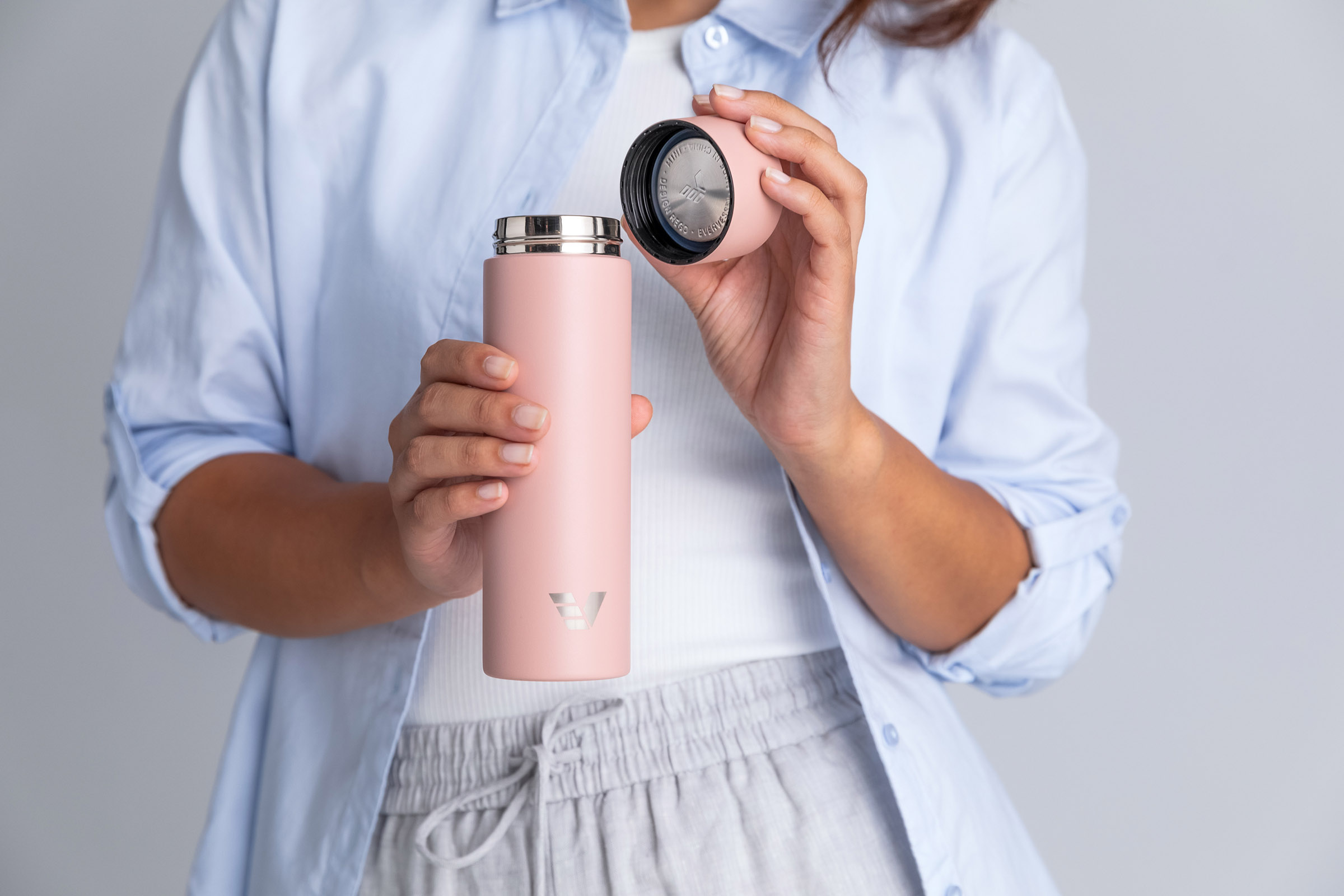
Because for something that follows us everywhere (desk, car, hikes, yoga…), the humble drink bottle is strangely prone to becoming a science experiment. Hard-to-clean corners and gaskets. Mystery smells. Bec Bligh and her husband Tim know it well. A six-month sailing trip along the Queensland coast left them with a lifetime of memories and one stubborn annoyance: mouldy water bottles they couldn’t properly clean.
So they did something about it.
Enter @EverVessel. Thoughtfully designed borosilicate glass and stainless steel bottles that keep things beautifully simple: durable materials, wide openings, easy-to-clean parts and none of the techy gimmicks that tend to age badly. Turns out simplicity, done well, is pretty powerful stuff. (Their many design awards agree!)
And lately they’ve added a little extra delight: the Artist Series, where creatives like Paola Castro, Ben Miners and Martin Thompson transform these everyday companions into tiny travelling artworks. There are more colabs in the works, too: hydration, but make it joyful! 🎨💧
We chatted with Bec about the sailing trip that started it all, the philosophy behind Ever Vessel, and why the most sustainable product is often just the one you keep using.
Tap the link in our bio to read the full conversation. 🚰
#EverVessel #ReusableWaterBottle


Pull up a chair… there’s room at this table!
For the first time, Feast for Freedom is bringing people together for a spectacular long-table dinner as part of the Melbourne Food & Wine Festival.
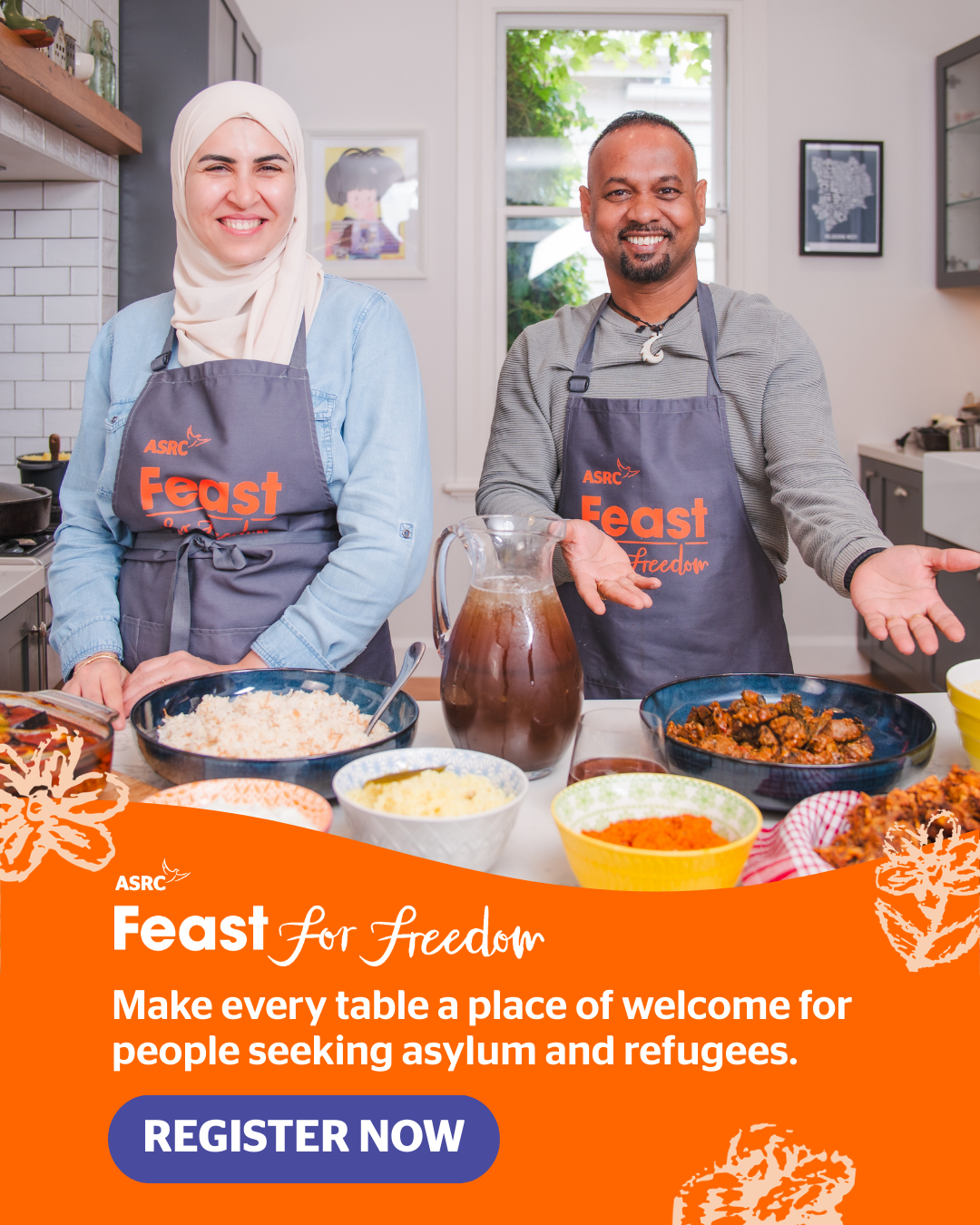
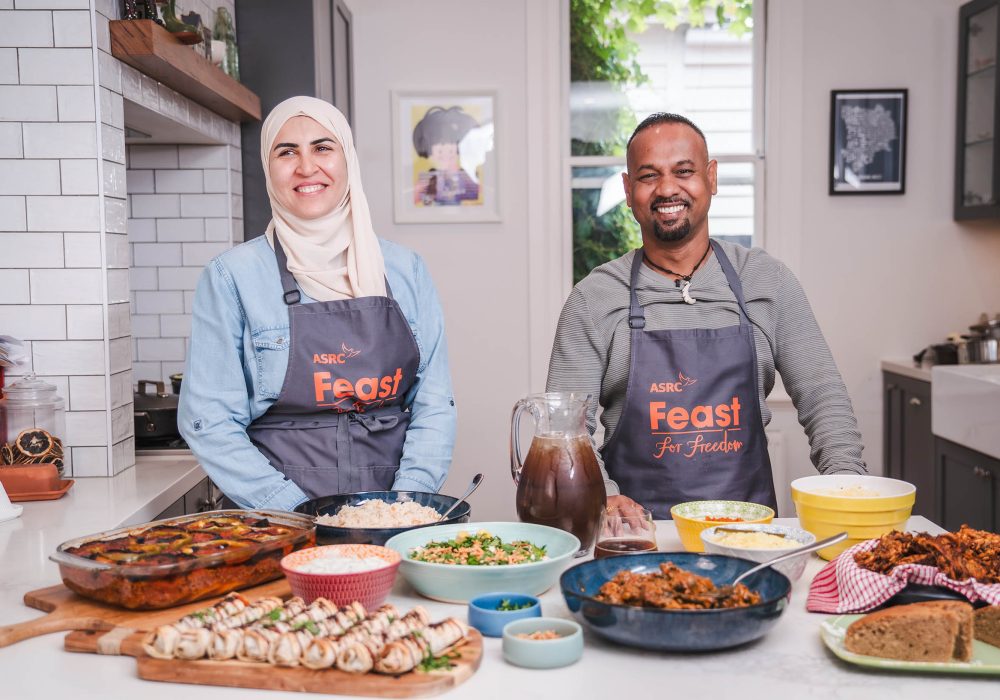
A Longer Table is exactly what it sounds like: one beautiful shared table inside the Asylum Seeker Resource Centre (@Asrc1), piled with generous dishes inspired by this year’s hero cooks, Noha and Nige.
From 6 to 9pm on Wednesday, 25 March, this is what you can expect:
🍽 A three-course shared feast
🍷 Matched drinks
🎶 Live entertainment
✨ A room full of good humans
Your ticket doesn’t just buy you a delicious dinner. It supports the ASRC’s vital work and helps create a fairer future for people seeking asylum.
Seats are limited, and long tables have a way of filling up quickly – head to @MelbFoodAndWine’s website to book now: feastforfreedom.org.au/mfwf
#FeastForFreedom #MelbourneFoodAndWineFestival #LongTableDinner #FoodForChange

Sew versatile! 🪡
Another great make from Lisa from @SunnySewsEveryday:
My #PeppermintWaratahWrapDress is finished and I’m so proud of it. It has been designed not to flap open and flash your pants in the wind, so I feel confident it will be a great wheelchair or standing dress in English weather.
#PeppermintPatterns #WrapDress #WrapDressPattern

Frame your face with the Peppermint Bucket Hat!
Stay safe and stylish in the sun with your very own self-sewn and self-drafted wide-brimmed bucket hat. This beginner-friendly sew is perfect for a sunny day. Get out your pencils – this pattern is created using equations and maths!
This DIY project was featured in Issue 53 and now you can access it for the lovely low price of only $5.
Sun-safe chic is always in style. ☀️
Find it via the link in our bio!
Photos: @KelleySheenan
#PeppermintPatterns #PeppermintBucketHat #BucketHat #BucketHatPattern #DIY

✨ INSTANT CLASSIC ✨
The Peppermint Myrtle Shift Dress is a beginner-friendly make with a few special details based on the ever-stylish shift shape – the perfect dress you need in your wardrobe right now!
Myrtle cuts above the knee with options to customise the length. Don’t think she’s reserved for hot weather either: try a heavier-weight fabric to turn your Myrtle into a pinafore-style garment for layering.
For our fabrics we chose two from our lovely sewing partner @Karmme_Apparel – the bold Rottnest Stripes in a lightweight, soft-drape cotton, and the quality linen in the handpainted Mexico Collection.
Get making the Myrtle – the only question is, can you stop at just one?
Link in bio 🪡
Fabric: @Karmme_Apparel
Sewist: @Laura_The_Maker
Photos: @KelleySheenan
Models: @SerahSews and @Pins_And_Tonic
Location: @ShareTheDignityAustralia
#PeppermintMyrtleShiftDress #PeppermintPatterns

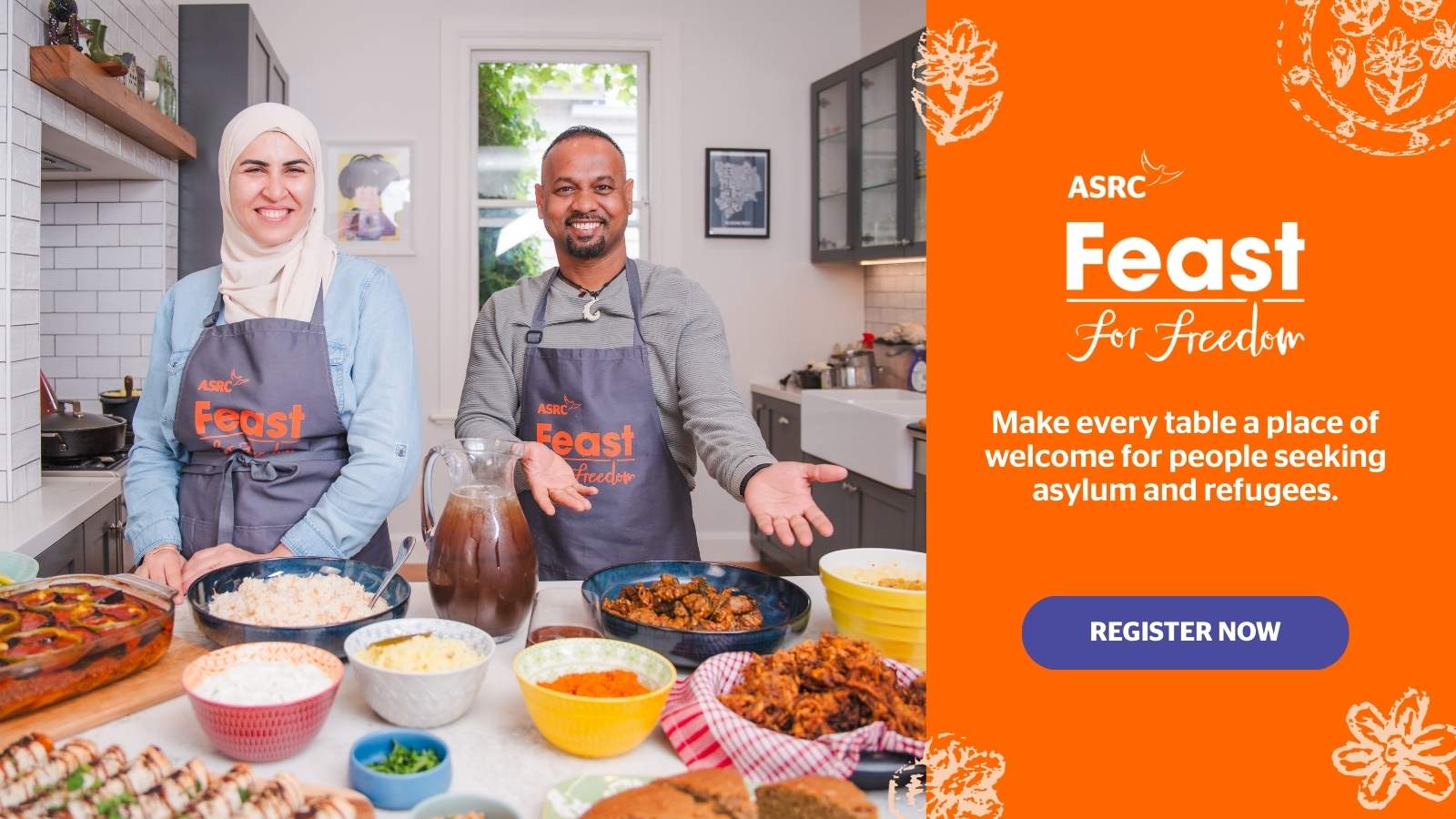
It’s time to Feast!
Some recipes travel a long way before they land on your table to delight your taste buds. This year’s Feast for Freedom invites us to gather our friends, cook something delectable and raise funds for the incredible work of the Asylum Seeker Resource Centre (@Asrc1) while we’re at it.
The 2026 Feast features recipes shared by two remarkable cooks: Noha, who brought the flavours of Palestine with her when she arrived in Australia, and Nige, a Sri-Lankan Tamil cook whose journey with food began in the most unexpected of places.
You can host your own Feast up until 30 April – simply register online and get planning! Host a dinner, organise a workplace lunch, or gather your community… However you do it, the idea is simple: cook, connect and celebrate the cultures and stories that shape Australia.
Want to find out more? Head to the link in bio to meet Noha and Nige, learn more about their stories, and discover a delicious recipe to try.
#FeastForFreedom #PeppermintMagazine #FoodForGood #ASRC
