words KELLEY SHEENAN, EDITOR-IN-CHIEF
The Britannica Dictionary describes a diamond in the rough to be “a person who has talent or other good qualities but who is not polite, educated, socially skilled, etc”. As we hit 60 issues (and loosely borrow the diamond jubilee symbolism for this milestone without the monarchist implications), this description feels apt of Peppermint>’s beginnings (and likely myself).
Grammarist goes on to say that there is a similar Japanese saying, tama migakasareba hikari nashi, which translates as ‘a jewel, unless polished, will not sparkle’. The last 15 years have seen my precious, rough gem be tumbled, cut and polished by all the brilliant people who have worked with me to make it what it is today.
A diamond itself does not shine; its sparkle is the result of three things: reflection, refraction and dispersion. To put it simply, the light enters, is bounced around and is then sent out into the world as an array of rainbow colours. Much like how I have always seen the pages of this magazine – a vehicle for the brilliance around us.
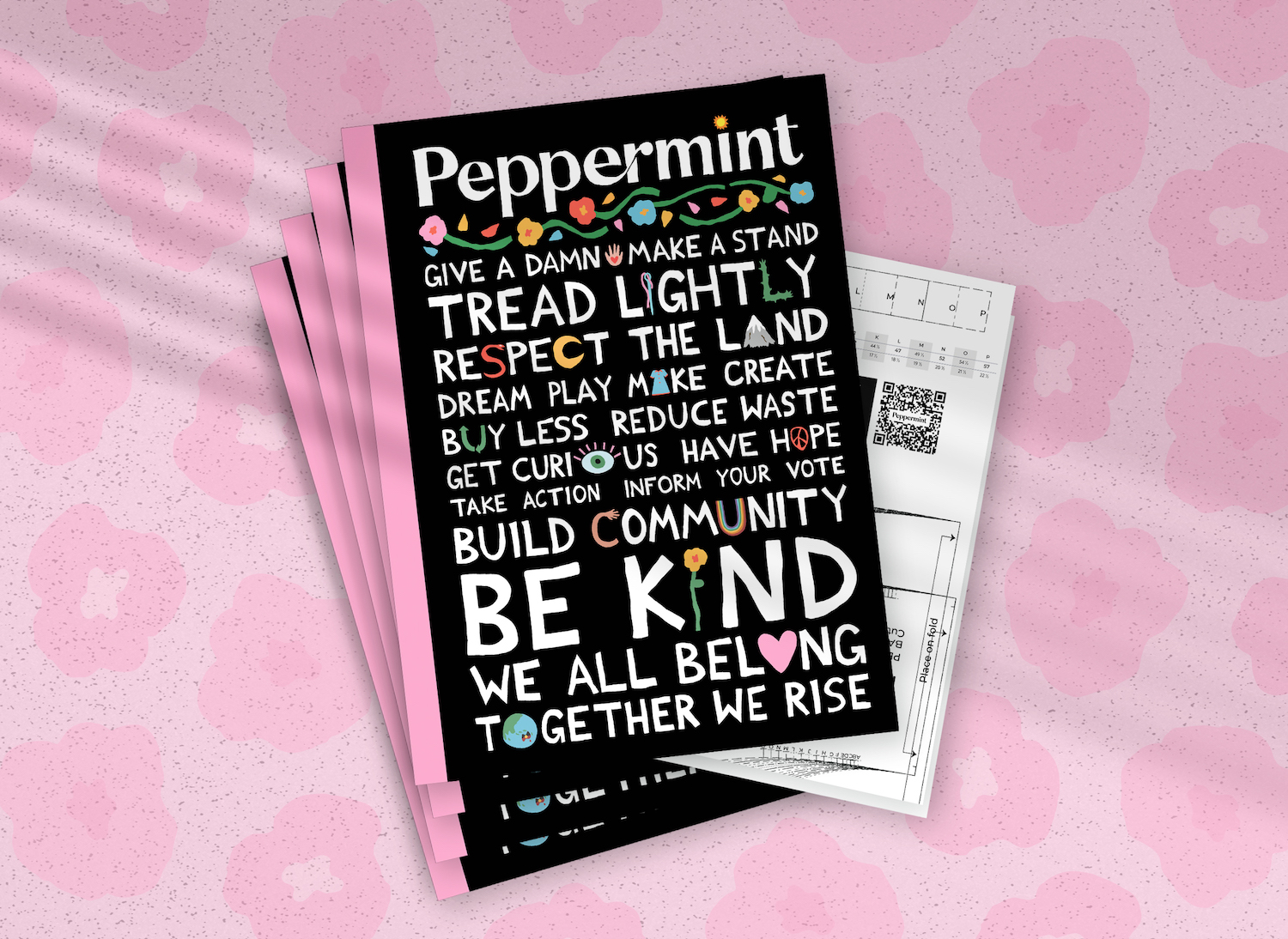
We wanted Issue 60’s special cover to shout to the world what our values are, what we care about and what we think matters. A manifesto of sorts. Luke John Matthew Arnold brought our carefully crafted words to life beautifully, words that we hope resonate with you too and inspire you to make change. Those changes can begin at home, with friends, family, your workplace, your community – and of course, ultimately – your world. I hope you find your own light to shine bright, and remember as Rihanna sang: “We’re beautiful like diamonds in the sky.”
– Kelley x
Subscribe (and never miss an issue).
Take a peek inside this issue!
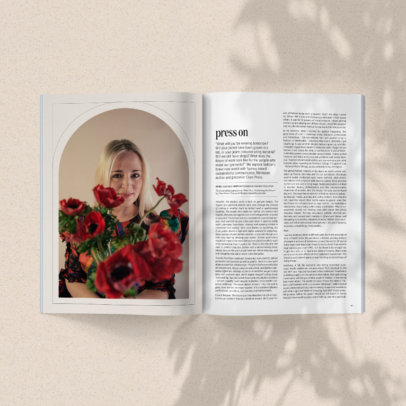
‘PRESS ON’ “What will you be wearing tomorrow? Will your jacket have been grown in a lab, or your jeans coloured using bacteria? Will we still have shops? What does the future of work look like for the people who make our garments?” We explore fashion’s brave new world. Words by Clare Press.
IMAGINE: The fashion world is built on genuine beauty. The appeal of a garment extends right back through the process of making it, whether that’s by skilled hand or sophisticated machine. The people who make our clothes are treated with respect. Materials are regenerative and biodegradable, recycled or upcycled. The fashion industry exceeded its 2030 climate targets, and reached net zero a few years later. It operates safely within planetary boundaries. Sharing and repairing clothes is convenient and inviting. Slow, local fashion is flourishing. But if you prefer, there’s a high-tech digital solution for everything. Apps connect circular fashion services, or you can change your look every hour by dressing your avatar. Greater government regulation means that new clothing from global brands is much more sustainable than it used to be. There is also less of it. We used to pretend that fast fashion was a democratising force, simply because the price points were low. We’ve wised up, and now recognise that value means more than price.
We’ve largely stopped talking about ‘sustainability’ but new words have come into fashion parlance – we link ‘empathy’ and ‘integrity’ to fashion, and consider ‘collective wellbeing’.
Success has been redefined. Companies now prioritise ethical production and purpose as well as profits. There is a new spirit of pre-competitive collaboration. This fairer fashion world is also an inclusive one. Design caters to every body, and fashion celebrates difference. Whether it’s DIY or AI-enabled, we get to play more with personal style. We’ve largely stopped talking about ‘sustainability’ but new words have come into fashion parlance – we link ‘empathy’ and ‘integrity’ to fashion, and consider ‘collective wellbeing’. The razzle dazzle remains – but the guilt is gone, since fashion no longer exploits. It is a positive influence on the planet, on culture, communities and mental health.
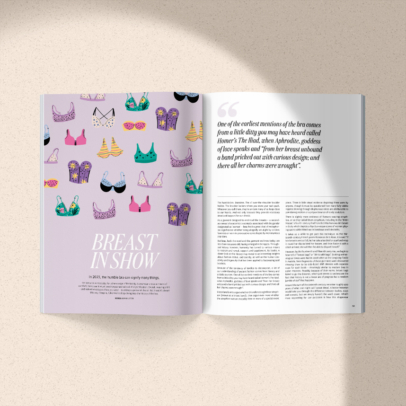
‘BREAST IN SHOW’ In 2023, the humble bra can signify many things. For some it’s a necessity; for others a sign of femininity. Some wear one as a means of comfort; some see it as yet another patriarchal tool of objectification. Overall, wearing a bra – and indeed what type of bra you wear – is entirely a personal choice. But it wasn’t always this way. Strap in, folks! We’re deep-diving into the history of the bra. Words by Bonnie Liston.
The humble bra. Brassiere. The ol’ over-the-shoulder boulder holder. The knocker lockers where you store your rack pack. Whatever you call them, they’re an item many of us keep close to our hearts. And not only because they provide necessary structural support for our chests.
As a garment designed to enshroud the breasts – a secondary sexual characteristic societally associated with the gender designated as ‘woman’ – bras hold a great deal of metaphorical significance whether being allegedly set alight by strident feminists or worn in provocative cone shapes by mononymous pop stars.
Bras hold a great deal of metaphorical significance whether being allegedly set alight by strident feminists or worn in provocative cone shapes by mononymous pop stars.
But bras, both the word and the garment we know today, are less than 100 years old, having emerged in the 1930s. Throughout history, however, humanity has turned to various means to restrain and reveal, support and supplement, its boobs. A closer look at this history may reveal to us interesting insights about fashion status, and society, as well as the human creativity and ingenuity that has been applied to buttressing said boobies.
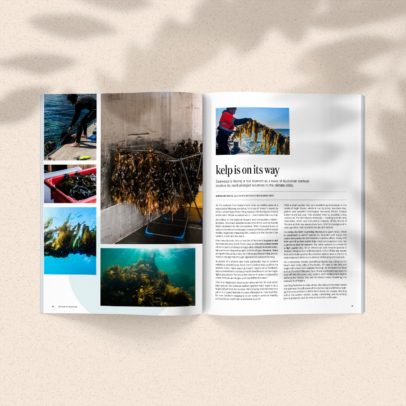
‘KELP IS ON ITS WAY’ Seaweed is having a real moment as a wave of Australian startups explore its multi-pronged solutions to the climate crisis. Words by Haley Kigbo.
As the wakame from today’s hunt dries on clothes racks in a repurposed shipping container, the irony of ‘Winter’s Warm’ by Eddy Current Suppression Ring playing in the background sticks in the mind. Winter is indeed warm – much earlier than normal.
According to the National Oceanic and Atmospheric Administration, the ocean absorbs about 30% of the carbon dioxide that’s released into the atmosphere. With increased levels of carbon dioxide come changes in ocean pH levels and increased acidity, negatively impacting fish, corals and shell builders like oysters, crabs and sea snails.
The irony of ‘Winter’s Warm’ by Eddy Current Suppression Ring playing in the background sticks in the mind. Winter is indeed warm – much earlier than normal.
Like many farmers, the co-founder of Southern Seagreens and commercial diver, Brent Cross, says you become acutely aware of the impacts of climate change when disruptive environmental events are happening right in front of you. However, Brent along with his co-founders, Cam Hines and Rob Brimblecombe, want to change that through regenerative seaweed farming.
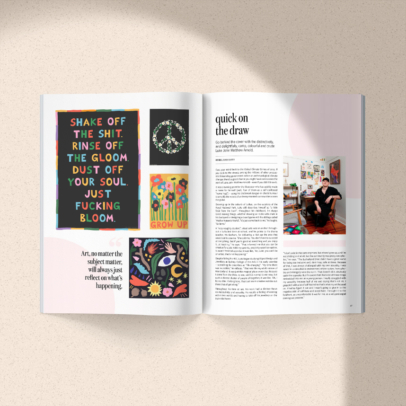
‘QUICK ON THE DRAW’ Go behind the cover with the distinctively, and delightfully, camp, colourful and crude Luke John Matthew Arnold. Words by Lauren Baxter.
Cast your mind back to the Global Climate Strikes of 2019. If you took to the streets among the millions of other protesters demanding government action on anthropological climate change, there’s a good chance you might have come across the work of Luke John Matthew Arnold – even if you didn’t know it.
It was a turning point for the illustrator who has quickly made a name for himself (well, four of them as a self-confessed “name hog”) – using his trademark tongue-in-cheek humour to amplify the voices of underrepresented communities across the globe.
You don’t have to succeed at everything, but if you’re good at something and you enjoy it, at least try.
Growing up in the suburb of Loftus, on the outskirts of the Royal National Park, Luke still describes himself as “a little feral from the bush”. Throughout his childhood, he always loved making things, whether drawing on rocks with chalk in his backyard or designing a board game with his siblings called ‘Mother Nature’s World’. “It’s just come back to me,” he laughs. “So lame.”
A “very naughty student”, visual arts was an anchor throughout a turbulent time at school, and he points to his drama teacher, Ms Gorham, for delivering a kick up the arse that would set his course. “She told me, ‘You don’t have to succeed at everything, but if you’re good at something and you enjoy it, at least try,’” he says. “That informed me that you can be creative for a job. With my parents, creativity wasn’t an option. It wasn’t frowned upon but it was like, ‘No, Luke, you can’t be an artist, that’s not happening.’”
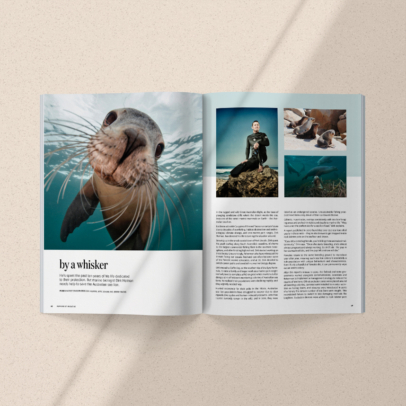
‘BY A WHISKER’ He’s spent the past ten years of his life dedicated to their protection. But marine biologist Dirk Holman needs help to save the Australian sea lion. Words by Harriet Spark.
In the rugged and wild Great Australian Bight, at the base of plunging sandstone cliffs where the desert meets the sea, lives one of the rarest marine mammals on Earth – the Australian sea lion.
But these adorable ‘puppies of the sea’ face an uncertain future due to decades of overfishing, habitat destruction and anthropological climate change, and one marine park ranger, Dirk Holman, has devoted his life to turning the situation around.
He realised their populations were declining rapidly, and they urgently needed help.
Growing up in the small coastal town of Port Lincoln, Dirk spent his youth surfing along South Australia’s coastline. It’s home to the largest commercial fishing fleet in the southern hemisphere, and after finishing high school, Dirk started working on these boats. Unsurprisingly, fishermen who have witnessed the threats facing our oceans firsthand can often become some of the fiercest marine advocates, and at 28, Dirk decided to switch career paths and enrolled in a marine biology degree.
Dirk moved to Coffin Bay, on the southern tip of the Eyre Peninsula, to raise a family and began work as a marine park ranger. He had plans to complete a PhD on great white sharks but after doing a stint of fieldwork monitoring colonies of Australian sea lions, he realised their populations were declining rapidly, and they urgently needed help.
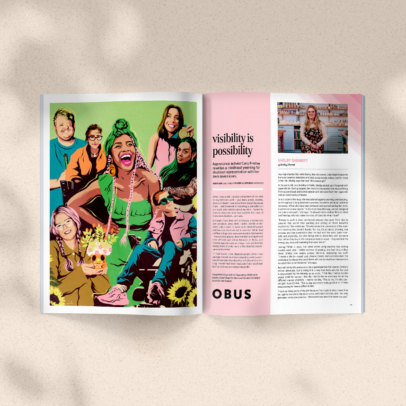
‘VISIBILITY IS POSSIBILITY’ Appearance activist Carly Findlay rewrites a childhood yearning for disabled representation with her own seven icons. Words by Carly Findlay.
When I was a kid, I used to put posters of my idols on my bedroom walls – pop stars, actors, models, even a cricketer! I wanted to know everything about them – and dreamed of becoming a journalist so I too could write articles about my idols. I looked to them to show me what was possible. But none of them were disabled… yet I was.
Although I have lived with ichthyosis, a severe rare skin condition, since birth, I didn’t identify as disabled until I came to know other disabled people and saw how much we had in common. While I had a different diagnosis, we experienced similar barriers – inaccessible spaces, discrimination and significant time off work and school because of illness, and hospital appointments and stays. I also admired the strong sense of pride many of the disabled people I came to know had.
I would have been reassured that I could lead both an ordinary and extraordinary life.
If I had known more disabled people when I was younger, I would have found disability pride sooner. I would have seen that disability isn’t shameful or limiting. I would have been reassured that I could lead both an ordinary and extraordinary life.
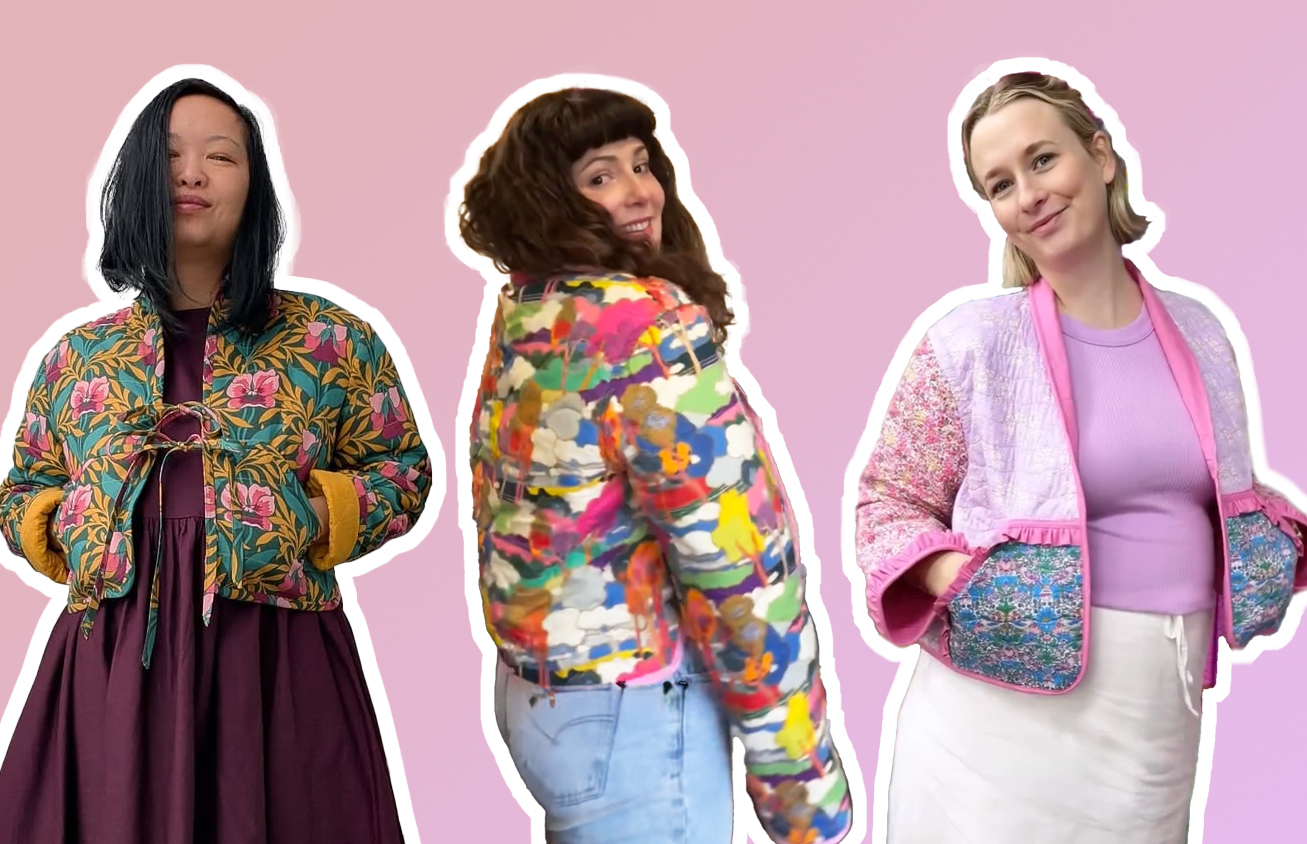
“My piece of advice for makers and designers? Run your own race… make sure your key decisions stay anchored in your brand’s core beliefs.”
- Bec Bligh
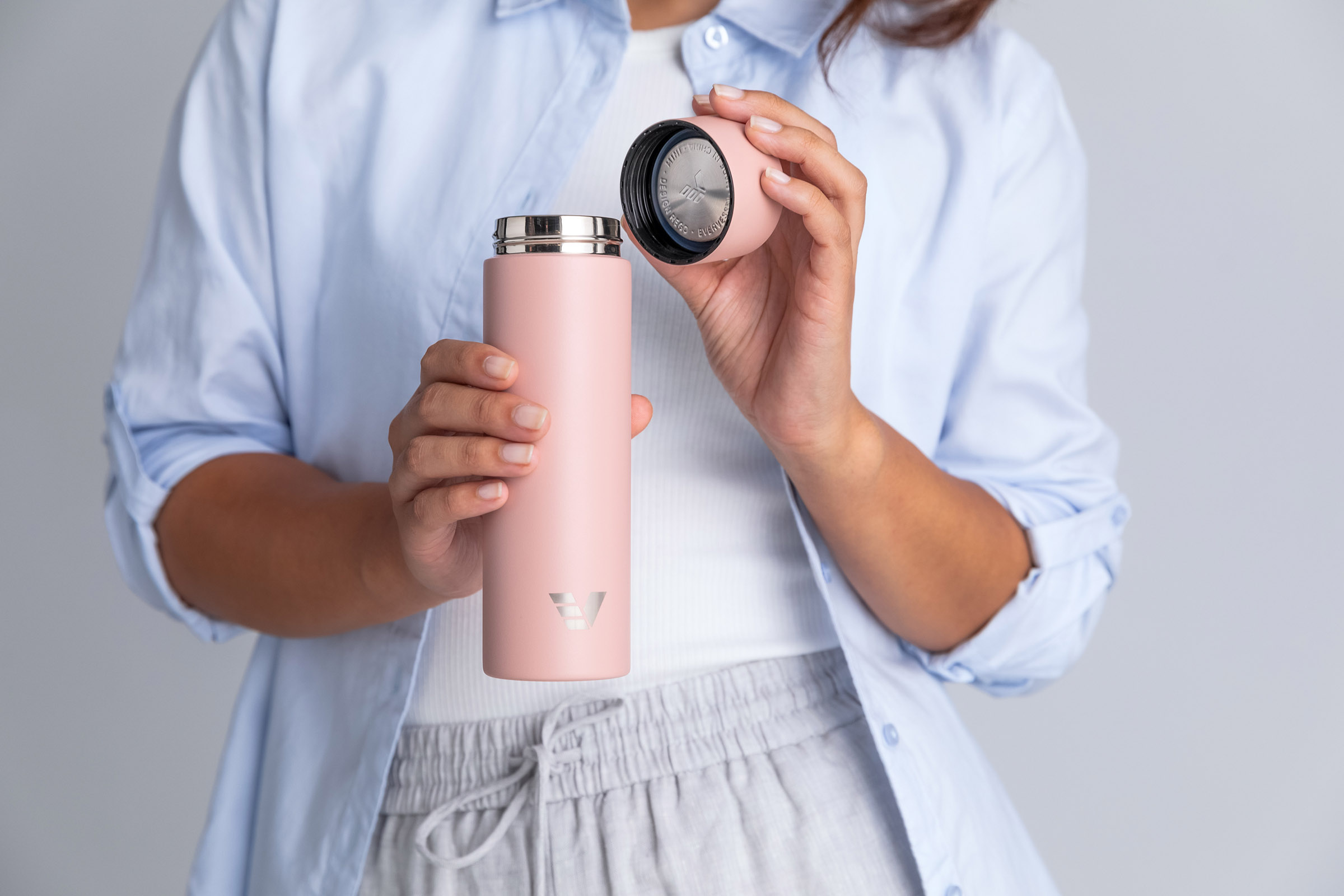
Quick show of hands: who’s opened a water bottle expecting a refreshing sip… and instead been greeted by the unmistakable whiff of uh-oh?
Because for something that follows us everywhere (desk, car, hikes, yoga…), the humble drink bottle is strangely prone to becoming a science experiment. Hard-to-clean corners and gaskets. Mystery smells. Bec Bligh and her husband Tim know it well. A six-month sailing trip along the Queensland coast left them with a lifetime of memories and one stubborn annoyance: mouldy water bottles they couldn’t properly clean.
So they did something about it.
Enter @EverVessel. Thoughtfully designed borosilicate glass and stainless steel bottles that keep things beautifully simple: durable materials, wide openings, easy-to-clean parts and none of the techy gimmicks that tend to age badly. Turns out simplicity, done well, is pretty powerful stuff. (Their many design awards agree!)
And lately they’ve added a little extra delight: the Artist Series, where creatives like Paola Castro, Ben Miners and Martin Thompson transform these everyday companions into tiny travelling artworks. There are more colabs in the works, too: hydration, but make it joyful! 🎨💧
We chatted with Bec about the sailing trip that started it all, the philosophy behind Ever Vessel, and why the most sustainable product is often just the one you keep using.
Tap the link in our bio to read the full conversation. 🚰
#EverVessel #ReusableWaterBottle


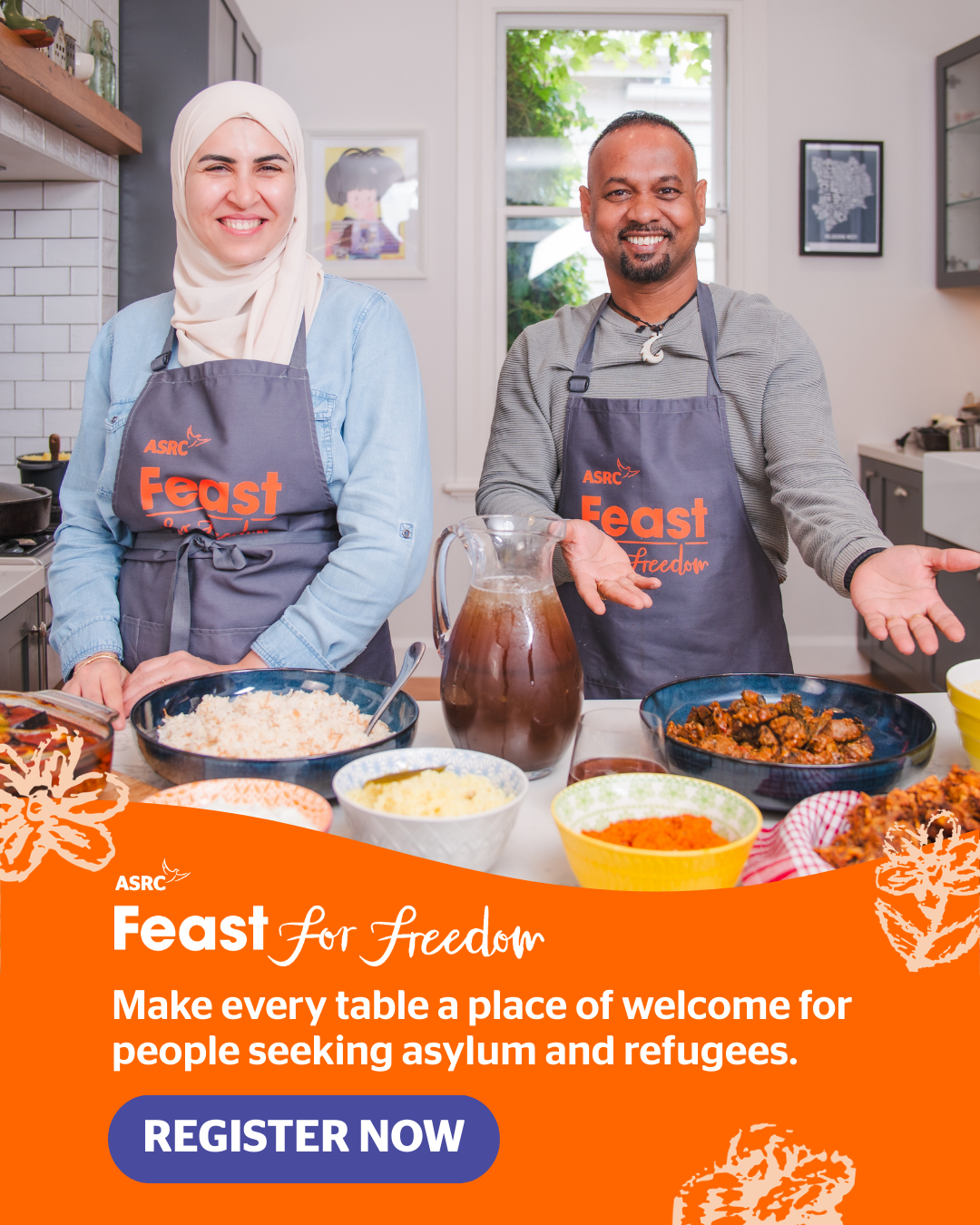
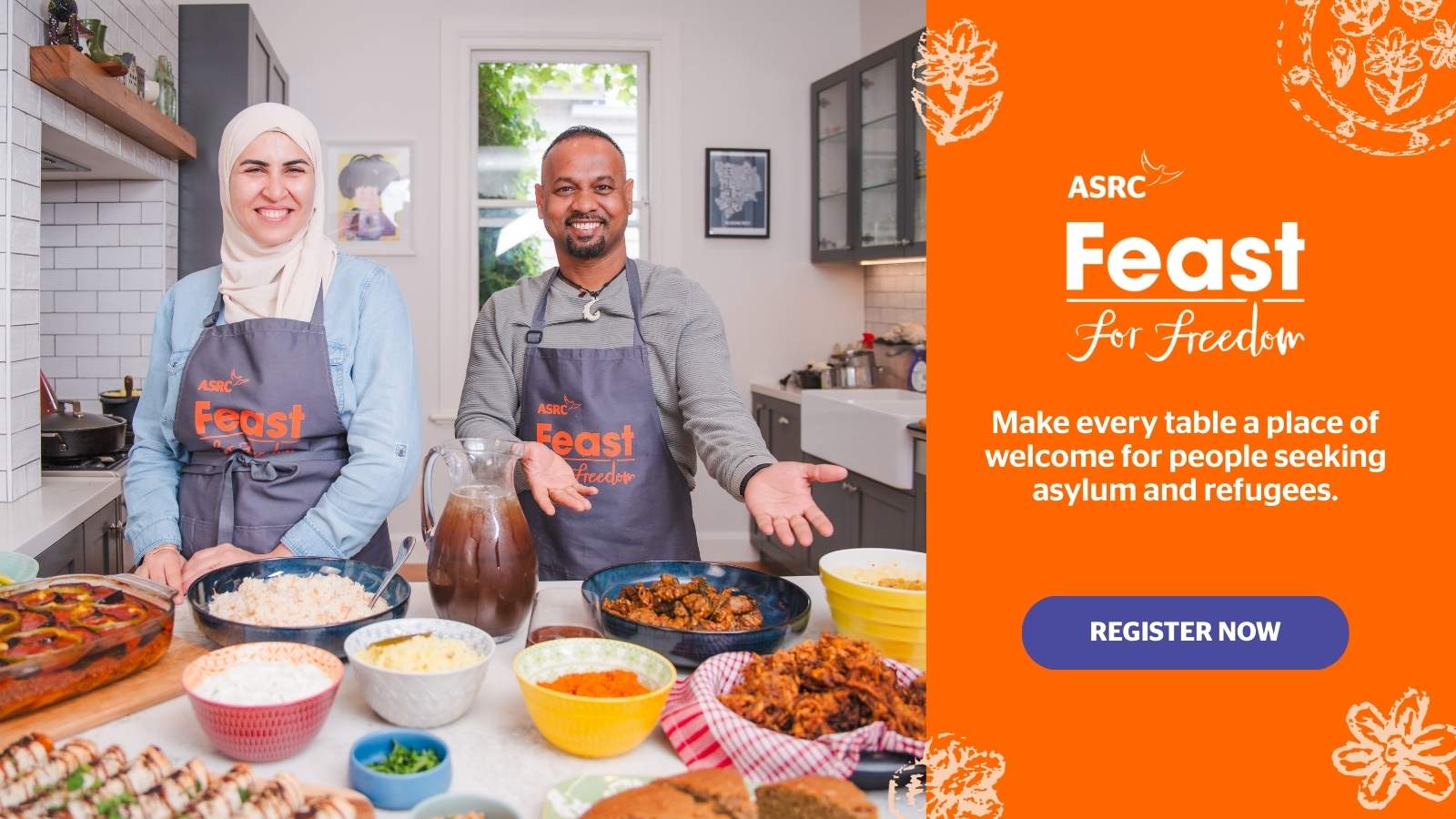
Pull up a chair… there’s room at this table!
For the first time, Feast for Freedom is bringing people together for a spectacular long-table dinner as part of the Melbourne Food & Wine Festival.
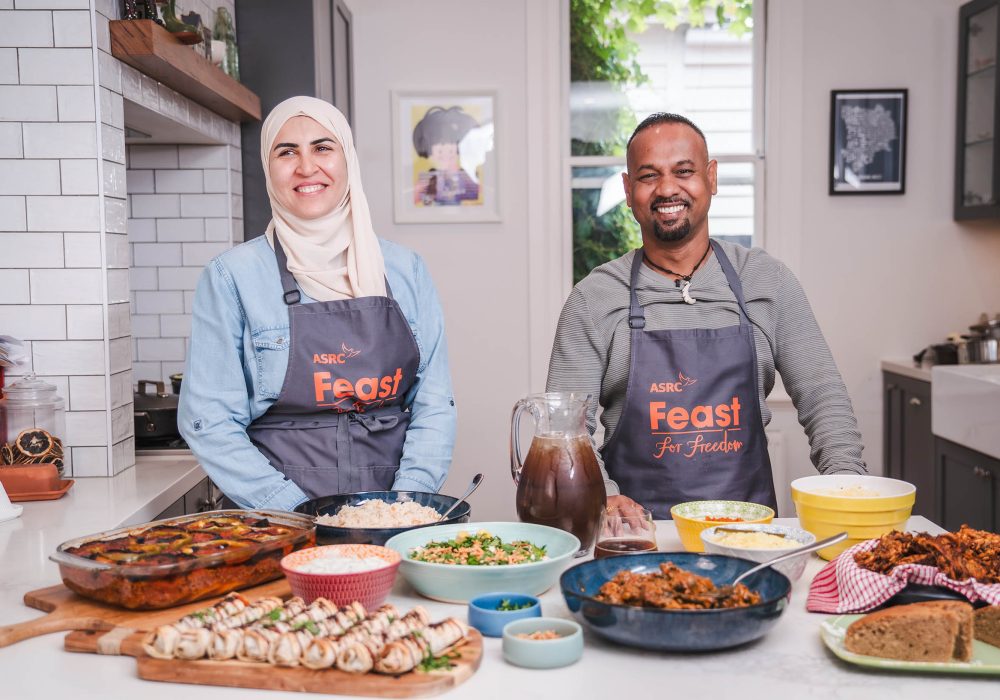
A Longer Table is exactly what it sounds like: one beautiful shared table inside the Asylum Seeker Resource Centre (@Asrc1), piled with generous dishes inspired by this year’s hero cooks, Noha and Nige.
From 6 to 9pm on Wednesday, 25 March, this is what you can expect:
🍽 A three-course shared feast
🍷 Matched drinks
🎶 Live entertainment
✨ A room full of good humans
Your ticket doesn’t just buy you a delicious dinner. It supports the ASRC’s vital work and helps create a fairer future for people seeking asylum.
Seats are limited, and long tables have a way of filling up quickly – head to @MelbFoodAndWine’s website to book now: feastforfreedom.org.au/mfwf
#FeastForFreedom #MelbourneFoodAndWineFestival #LongTableDinner #FoodForChange

Sew versatile! 🪡
Another great make from Lisa from @SunnySewsEveryday:
My #PeppermintWaratahWrapDress is finished and I’m so proud of it. It has been designed not to flap open and flash your pants in the wind, so I feel confident it will be a great wheelchair or standing dress in English weather.
#PeppermintPatterns #WrapDress #WrapDressPattern

Frame your face with the Peppermint Bucket Hat!
Stay safe and stylish in the sun with your very own self-sewn and self-drafted wide-brimmed bucket hat. This beginner-friendly sew is perfect for a sunny day. Get out your pencils – this pattern is created using equations and maths!
This DIY project was featured in Issue 53 and now you can access it for the lovely low price of only $5.
Sun-safe chic is always in style. ☀️
Find it via the link in our bio!
Photos: @KelleySheenan
#PeppermintPatterns #PeppermintBucketHat #BucketHat #BucketHatPattern #DIY

✨ INSTANT CLASSIC ✨
The Peppermint Myrtle Shift Dress is a beginner-friendly make with a few special details based on the ever-stylish shift shape – the perfect dress you need in your wardrobe right now!
Myrtle cuts above the knee with options to customise the length. Don’t think she’s reserved for hot weather either: try a heavier-weight fabric to turn your Myrtle into a pinafore-style garment for layering.
For our fabrics we chose two from our lovely sewing partner @Karmme_Apparel – the bold Rottnest Stripes in a lightweight, soft-drape cotton, and the quality linen in the handpainted Mexico Collection.
Get making the Myrtle – the only question is, can you stop at just one?
Link in bio 🪡
Fabric: @Karmme_Apparel
Sewist: @Laura_The_Maker
Photos: @KelleySheenan
Models: @SerahSews and @Pins_And_Tonic
Location: @ShareTheDignityAustralia
#PeppermintMyrtleShiftDress #PeppermintPatterns

It’s time to Feast!
Some recipes travel a long way before they land on your table to delight your taste buds. This year’s Feast for Freedom invites us to gather our friends, cook something delectable and raise funds for the incredible work of the Asylum Seeker Resource Centre (@Asrc1) while we’re at it.
The 2026 Feast features recipes shared by two remarkable cooks: Noha, who brought the flavours of Palestine with her when she arrived in Australia, and Nige, a Sri-Lankan Tamil cook whose journey with food began in the most unexpected of places.
You can host your own Feast up until 30 April – simply register online and get planning! Host a dinner, organise a workplace lunch, or gather your community… However you do it, the idea is simple: cook, connect and celebrate the cultures and stories that shape Australia.
Want to find out more? Head to the link in bio to meet Noha and Nige, learn more about their stories, and discover a delicious recipe to try.
#FeastForFreedom #PeppermintMagazine #FoodForGood #ASRC
