
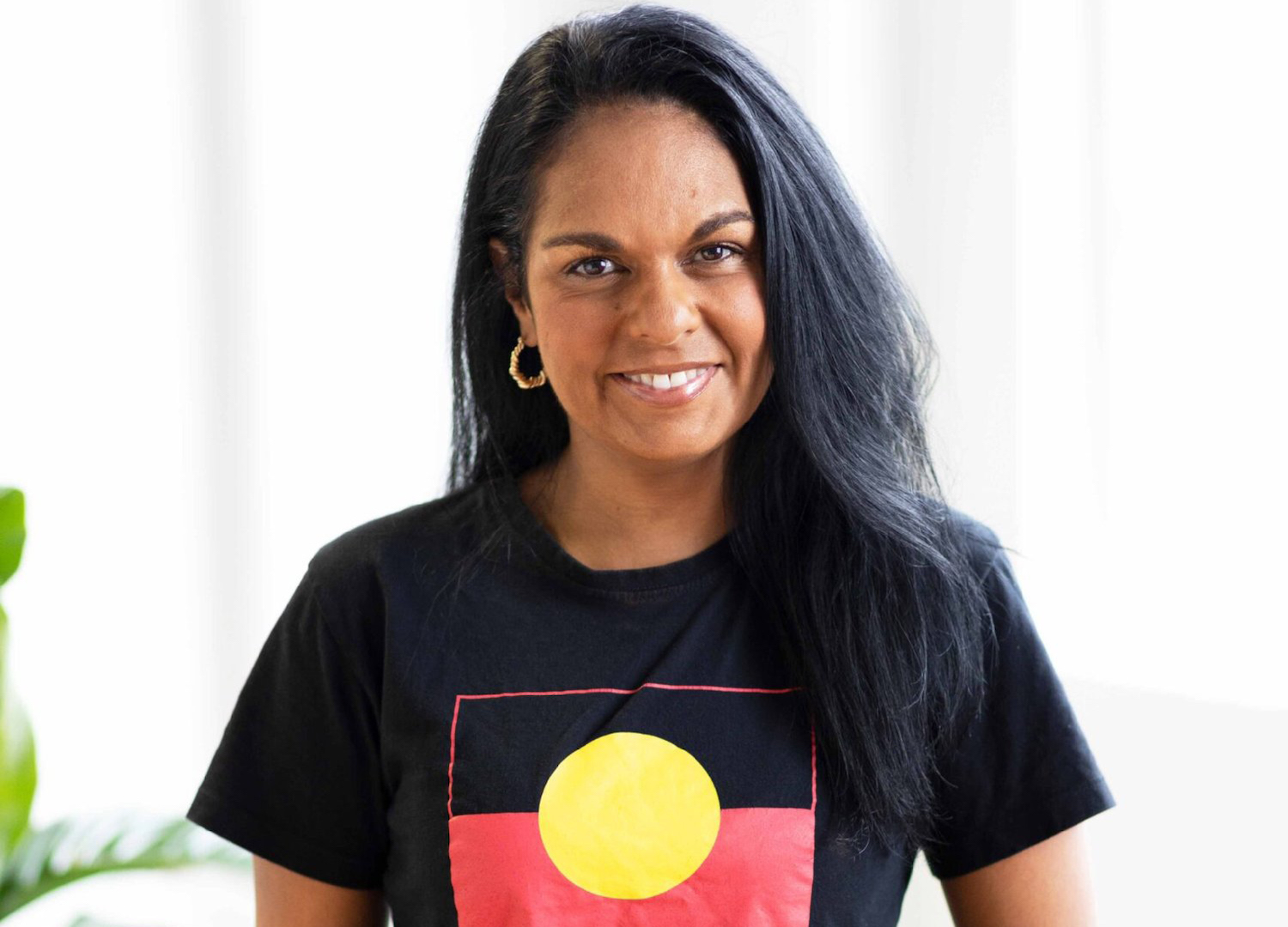
edited by TEELA REID artwork LAUREN ROGERS
This year will see a referendum called for First Nations constitutional recognition through an Indigenous Voice to Parliament. In Issue 57, our team had the honour of working alongside Wiradjuri and Wailwan lawyer Teela Reid as she penned the feature ‘Voice, A New Vision’.
“The idea to enshrine a First Nations Voice is one of the systemic changes mandated in the Uluru Statement from the Heart: ‘We call for a First Nations Voice to Parliament enshrined in the Constitution.’ That is the invitation the Australian people have overwhelmingly accepted at the heart of the Uluru Statement – to enshrine a First Nations Voice,” Teela writes.
“It invites the Australian people to ‘walk with us’ towards a First Nations Voice and a Makarrata Commission. A Makarrata Commission would supervise a process of treaties and truth-telling. Makarrata is a Yolngu word meaning ‘coming together after a struggle’. This is the vision for a better future and the mandate formulated by a cross-section of the First Nations community.”
As part of Peppermint’s commitment to sharing valuable resources and amplifying First Nations’ voices, over the next few weeks, we will be publishing this feature online in full so it is free for all to access. Here, Teela walks us through a chronology of action as we explore how First Nations peoples have been showing up and demanding to be heard for decades.
1770 – Captain Cook claims the east coast of Australia in the name of Britain. Diaries from the voyage record First Nations peoples living on these lands, making later claims of “terra nullius” blatantly bad faith on behalf of the British Empire.
1788 – The arrival of the First Fleet in Warrane marks the beginning of European colonisation in the lands of the Gadigal, Cammeraygal and Wangal peoples.
1901 – The Australian constitution comes into effect as Australia is formally recognised as a federation. First Nations peoples are excluded from conversations and conventions about its formation and the final document expressly discriminates against them – discounting them from the census and stating the commonwealth could not make laws concerning them.
1937 – Yorta Yorta elder William Cooper presents a petition to parliament, signed by over 1800 Aboriginal people from every state and territory in mainland Australia. It is to be sent to King George VI demanding Aboriginal representation in parliament.
1938 – Aboriginal leaders declare 26 January a Day of Mourning. A conference is held at Sydney’s Australian Hall, protesting the sesquicentenary of invasion. Aboriginal activist groups across the continent cooperate on the event, an early landmark in the contemporary Aboriginal political movement.
https://www.instagram.com/p/Csz-BtdPJKi/
1963 – The Yirrkala Bark petitions are presented to parliament by the Yolngu people. They are the first traditional documents prepared by Indigenous people to be recognised by the Australian Parliament – joining Indigenous lore with federal law.
1965 – A group of students from the University of Sydney – the Student Action for Aborigines, led by Arrente and Kalkadoon man Charlie Perkins – undertake a 15-day bus journey through regional NSW, called The Freedom Ride, exposing the entrenched racism and segregation within the state.
1966 – The Wave Hill Walk-Off marks the start of a seven-year strike, led by Gurindji legend Vincent Lingiari, calling for equal pay, land rights and political representation. It culminates in the government returning a small portion of Gurindji land to traditional owners in 1975, Prime Minister Gough Whitlam
symbolically pouring a handful of soil into Vincent’s hand.
1967 – The 1967 Referendum occurs with 90.77% of Australians voting yes to constitutional reform which recognised Aboriginal and Torres Strait Islander peoples as part of the Australian population and placed responsibility for policy and laws regarding Aboriginal and Torres Strait Islander peoples with the federal government rather than the states.
1971 – The Gove Land Rights Case, the first significant legal case for Aboriginal land rights in Australia, is decided with the NT Supreme Court ruling against the Yolngu people in favour of a bauxite mining company, and rejecting the doctrine of Native Title. This controversial case galvanised the Aboriginal land rights political movement, inspiring the Aboriginal Tent Embassy among other acts of protest.
1972 – The Larrakia Petition, signed by 1000 Aboriginal people from all states in mainland Australia, is sent to Queen Elizabeth II, calling for land rights and political representation. It declares that without treaty, they are “refugees in the country of our ancestors”.
1972 – The Aboriginal Tent Embassy is established in front of Parliament House to protest the government’s refusal to acknowledge Aboriginal land rights.
1973 – The Woodward Royal Commission is established by the Whitlam Government to find an appropriate way to recognise the traditional rights and interests of Aboriginal peoples in and to the land. A foundational step in the recognition of Aboriginal and Torres Strait Islander land rights in Australian law, the recommendations influenced the implementation of the Aboriginal Land Rights (Northern Territory) Act in 1976.
READ MORE – Voice, A New Vision: The Process and Principles of a Referendum
1980 – The National Aboriginal Conference (NAC) adopts the term Makarrata to describe the process of creating a treaty. Chairman of the NAC Jim Hagan says “using the word Makarrata makes it clear this is intended to be an agreement within Australia, between Australians”.
1982 – Five Meriam people led by Eddie Koiki Mabo launch the landmark Mabo v Queensland case in the High Court, claiming native title to the Murray Islands. Ten years later, the High Court delivers the Mabo Decision – rescinding terra nullius and recognising the land rights of Indigenous peoples.
1988 – The Barunga Statement is presented to the government calling for self-determination and the granting of social, economic and cultural rights. In response, Prime Minister Bob Hawke commits to developing a treaty by 1990 that never eventuates.
1990 – The Aboriginal and Torres Strait Islander Commission (ATSIC) is established – an Indigenous-elected national representative body through which Aboriginal peoples and Torres Strait Islanders are formally involved in the processes of government affecting their lives. The ATSIC is abolished by the Howard Government in 2005.
1994 – 26 January is made a National Public Holiday by Prime Minister Paul Keating, creating the current status quo of “Australia Day”.
2008 – The Yolngu and Bininj Leaders’ Statement of Intent is presented to Prime Minister Kevin Rudd calling for a process of constitutional reform to recognise and protect Aboriginal rights to culture, lands and waters, and self-determination.
2010 – Australia signs the United Nations Declaration of Rights for Indigenous Peoples (UNDRIP) after being one of only four nations that voted against it initially. Aboriginal and Torres Strait Islander peoples are involved in its drafting. While UNDRIP provides a framework for Indigenous political advocacy, it creates no enforceable rights in international law, and Australia has yet to implement its standards in a formal and comprehensive way.
2015 – The Kirribilli Statement is given to Prime Minister Tony Abbott and Opposition Leader Bill Shorten by 40 Indigenous leaders stating that symbolism and minimalist reform will not be acceptable and insisting that the path forward must be to give the First Nations enduring input into how they are to be recognised in the constitution.
2017 – The Uluru Statement from the Heart is issued to the Australian people asserting that Aboriginal and Torres Strait Islander sovereignty has never been ceded, calling for a constitutionally entrenched First Nations Voice to Parliament, and a Makarrata commission to oversee a process of treaty-making and truth-telling.
2019 – Eight claimants from Zenadh Kes, the Torres Strait 8, bring a human rights complaint against the Australian government to the United Nations over the government’s inaction on climate change, starting the Our Islands Our Home campaign. In 2022, the United Nations Human Rights Committee finds in favour of the Torres Strait 8 in a landmark international legal decision that sets a precedent for Indigenous peoples all around the world.
2022 – First Nations delegates, including members of The Uluru Dialogue and Uluru Youth Network, and Alfred ‘Pop Alf’ Neal – one of the last surviving leaders of the 1967 referendum campaign – deliver the Yarrabah Affirmation calling for a Voice referendum within the next parliamentary term.
2022 – The people of the Torres Strait Islands release The Masig Statement or Malungu Yangu Wakay (Voice from the Deep) outlining their aim to “achieve self-determination and regional autonomy” by 2037.





“My piece of advice for makers and designers? Run your own race… make sure your key decisions stay anchored in your brand’s core beliefs.”
- Bec Bligh
Quick show of hands: who’s opened a water bottle expecting a refreshing sip… and instead been greeted by the unmistakable whiff of uh-oh?
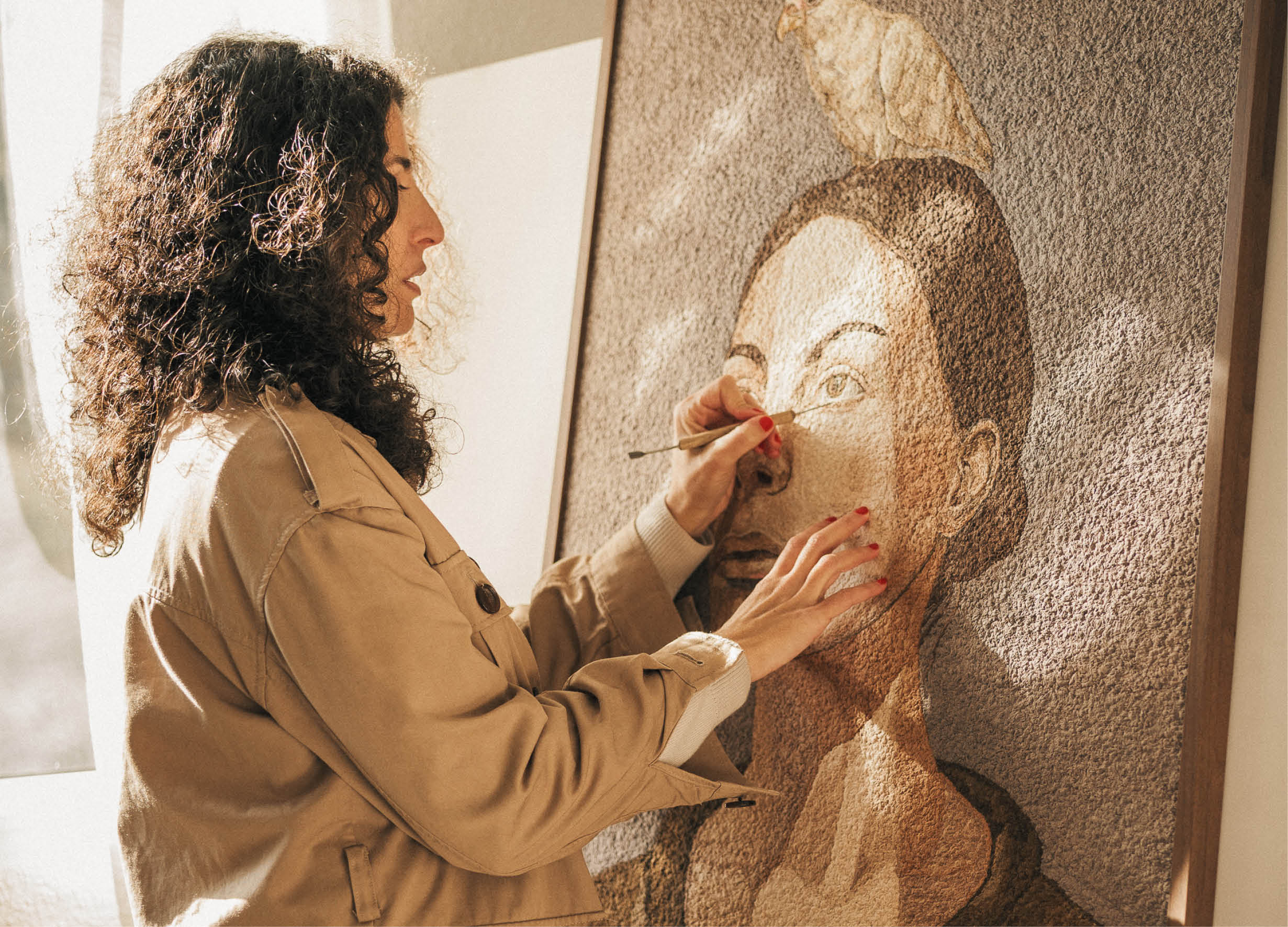
Because for something that follows us everywhere (desk, car, hikes, yoga…), the humble drink bottle is strangely prone to becoming a science experiment. Hard-to-clean corners and gaskets. Mystery smells. Bec Bligh and her husband Tim know it well. A six-month sailing trip along the Queensland coast left them with a lifetime of memories and one stubborn annoyance: mouldy water bottles they couldn’t properly clean.
So they did something about it.
Enter @EverVessel. Thoughtfully designed borosilicate glass and stainless steel bottles that keep things beautifully simple: durable materials, wide openings, easy-to-clean parts and none of the techy gimmicks that tend to age badly. Turns out simplicity, done well, is pretty powerful stuff. (Their many design awards agree!)
And lately they’ve added a little extra delight: the Artist Series, where creatives like Paola Castro, Ben Miners and Martin Thompson transform these everyday companions into tiny travelling artworks. There are more colabs in the works, too: hydration, but make it joyful! 🎨💧
We chatted with Bec about the sailing trip that started it all, the philosophy behind Ever Vessel, and why the most sustainable product is often just the one you keep using.
Tap the link in our bio to read the full conversation. 🚰
#EverVessel #ReusableWaterBottle


Pull up a chair… there’s room at this table!
For the first time, Feast for Freedom is bringing people together for a spectacular long-table dinner as part of the Melbourne Food & Wine Festival.
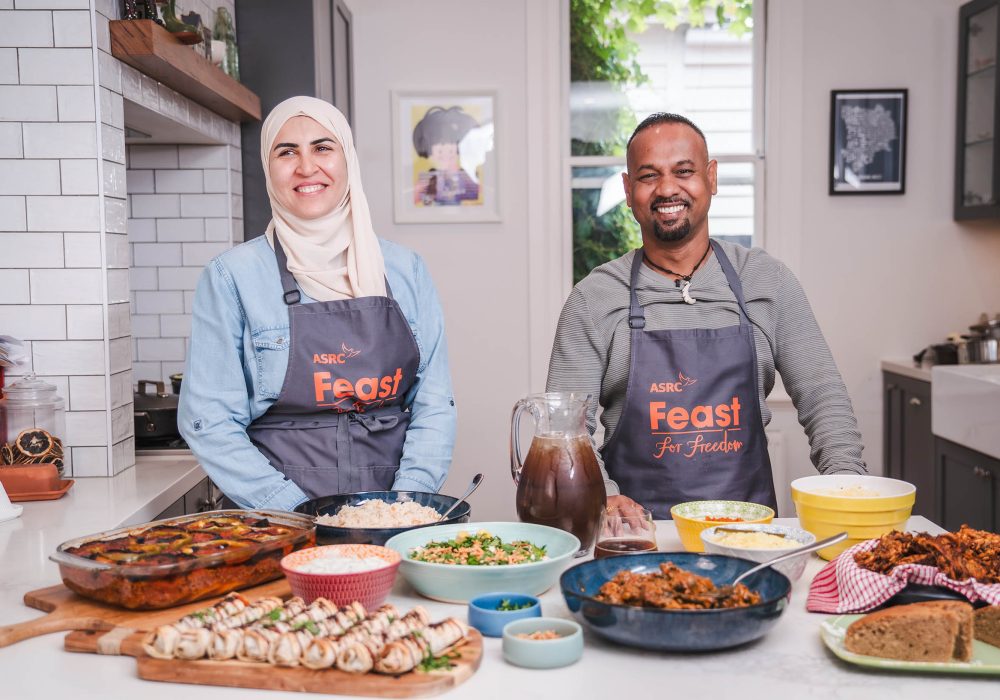
A Longer Table is exactly what it sounds like: one beautiful shared table inside the Asylum Seeker Resource Centre (@Asrc1), piled with generous dishes inspired by this year’s hero cooks, Noha and Nige.
From 6 to 9pm on Wednesday, 25 March, this is what you can expect:
🍽 A three-course shared feast
🍷 Matched drinks
🎶 Live entertainment
✨ A room full of good humans
Your ticket doesn’t just buy you a delicious dinner. It supports the ASRC’s vital work and helps create a fairer future for people seeking asylum.
Seats are limited, and long tables have a way of filling up quickly – head to @MelbFoodAndWine’s website to book now: feastforfreedom.org.au/mfwf
#FeastForFreedom #MelbourneFoodAndWineFestival #LongTableDinner #FoodForChange

Sew versatile! 🪡
Another great make from Lisa from @SunnySewsEveryday:
My #PeppermintWaratahWrapDress is finished and I’m so proud of it. It has been designed not to flap open and flash your pants in the wind, so I feel confident it will be a great wheelchair or standing dress in English weather.
#PeppermintPatterns #WrapDress #WrapDressPattern

Frame your face with the Peppermint Bucket Hat!
Stay safe and stylish in the sun with your very own self-sewn and self-drafted wide-brimmed bucket hat. This beginner-friendly sew is perfect for a sunny day. Get out your pencils – this pattern is created using equations and maths!
This DIY project was featured in Issue 53 and now you can access it for the lovely low price of only $5.
Sun-safe chic is always in style. ☀️
Find it via the link in our bio!
Photos: @KelleySheenan
#PeppermintPatterns #PeppermintBucketHat #BucketHat #BucketHatPattern #DIY

✨ INSTANT CLASSIC ✨
The Peppermint Myrtle Shift Dress is a beginner-friendly make with a few special details based on the ever-stylish shift shape – the perfect dress you need in your wardrobe right now!
Myrtle cuts above the knee with options to customise the length. Don’t think she’s reserved for hot weather either: try a heavier-weight fabric to turn your Myrtle into a pinafore-style garment for layering.
For our fabrics we chose two from our lovely sewing partner @Karmme_Apparel – the bold Rottnest Stripes in a lightweight, soft-drape cotton, and the quality linen in the handpainted Mexico Collection.
Get making the Myrtle – the only question is, can you stop at just one?
Link in bio 🪡
Fabric: @Karmme_Apparel
Sewist: @Laura_The_Maker
Photos: @KelleySheenan
Models: @SerahSews and @Pins_And_Tonic
Location: @ShareTheDignityAustralia
#PeppermintMyrtleShiftDress #PeppermintPatterns

It’s time to Feast!
Some recipes travel a long way before they land on your table to delight your taste buds. This year’s Feast for Freedom invites us to gather our friends, cook something delectable and raise funds for the incredible work of the Asylum Seeker Resource Centre (@Asrc1) while we’re at it.
The 2026 Feast features recipes shared by two remarkable cooks: Noha, who brought the flavours of Palestine with her when she arrived in Australia, and Nige, a Sri-Lankan Tamil cook whose journey with food began in the most unexpected of places.
You can host your own Feast up until 30 April – simply register online and get planning! Host a dinner, organise a workplace lunch, or gather your community… However you do it, the idea is simple: cook, connect and celebrate the cultures and stories that shape Australia.
Want to find out more? Head to the link in bio to meet Noha and Nige, learn more about their stories, and discover a delicious recipe to try.
#FeastForFreedom #PeppermintMagazine #FoodForGood #ASRC
