
words EMILY LUSH photos below SUPPLIED BY YALUMBA
Whether we care to admit it, it’s often beautiful design – or perhaps an evocative description on the back of the label – that is most likely to guide our buying decisions at the bottle shop. But as the true environmental impact of winemaking is further quantified, there’s growing reason to take a closer look at the fine print and consider your wine’s environmental credentials.
In this series – created in partnership with our good friends at Yalumba to celebrate the launch of their GEN collection of five ACO-certified, sustainably made wines – we’re doing a deep dive into some of the industry’s most pressing issues. In part one, we investigated the real meaning of ‘organic wine’. In the second of the series, we pose the question: Why is sustainability in winemaking so important?
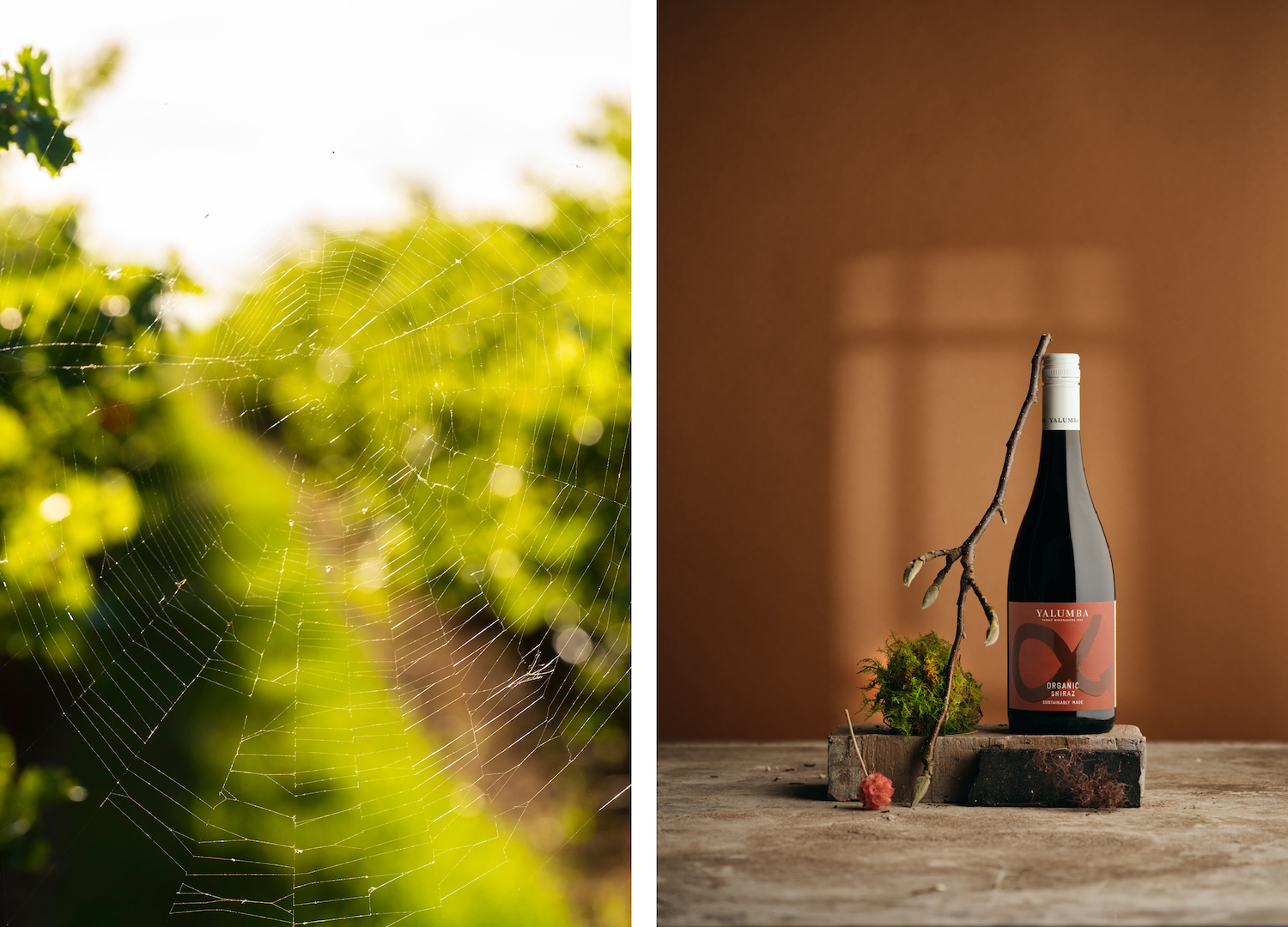
A good bottle of wine might be quick to savour, but its impact on our environment can be lingering. Winemaking is a complex process with many moving parts. Yet a significant portion of wine’s footprint comes down to two familiar factors: water consumption and carbon emissions.
Wine is the ‘canary in the coal mine of agriculture’.
According to WaterFootprint.org, cultivating one kilo of grapes for winemaking requires around 610 litres of water. Put another way, approximately 109 litres of water goes into every glass of vino. It’s a drop in the ocean compared to some of our most water-intensive crops such as cotton (priced at 10,000 litres of water per kilogram) – but it’s still significant. (And it’s 300% more than a schooner of beer made from barley, which has an average footprint of 150 litres of water.) Research puts the average carbon footprint of a bottle of wine at 1.28 kilograms of CO2.
READ MORE – Wine Talk: Are You Confused About What Organic Wine Really Means?
Concerningly, emissions released during the fermentation process are believed to be “the most concentrated of all industrial CO2 emissions”, according to research by Decanter. Packaging plays a huge role, with 39% of the wine industry’s total CO2 emissions contributed by glass bottles alone. Factor in the added cost of shipping those heavy bottles and you have a very compelling argument for drinking wines produced close to home.
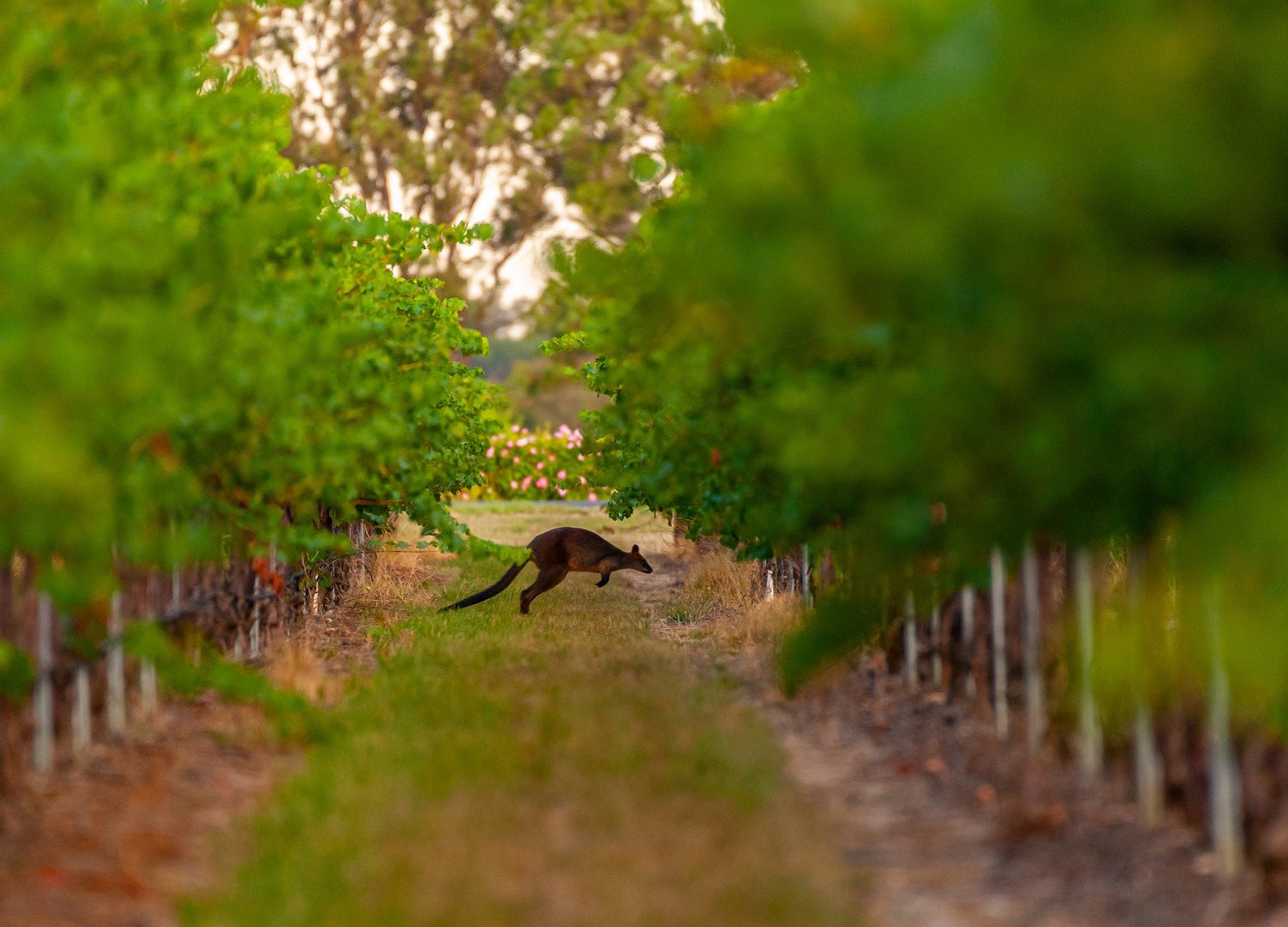
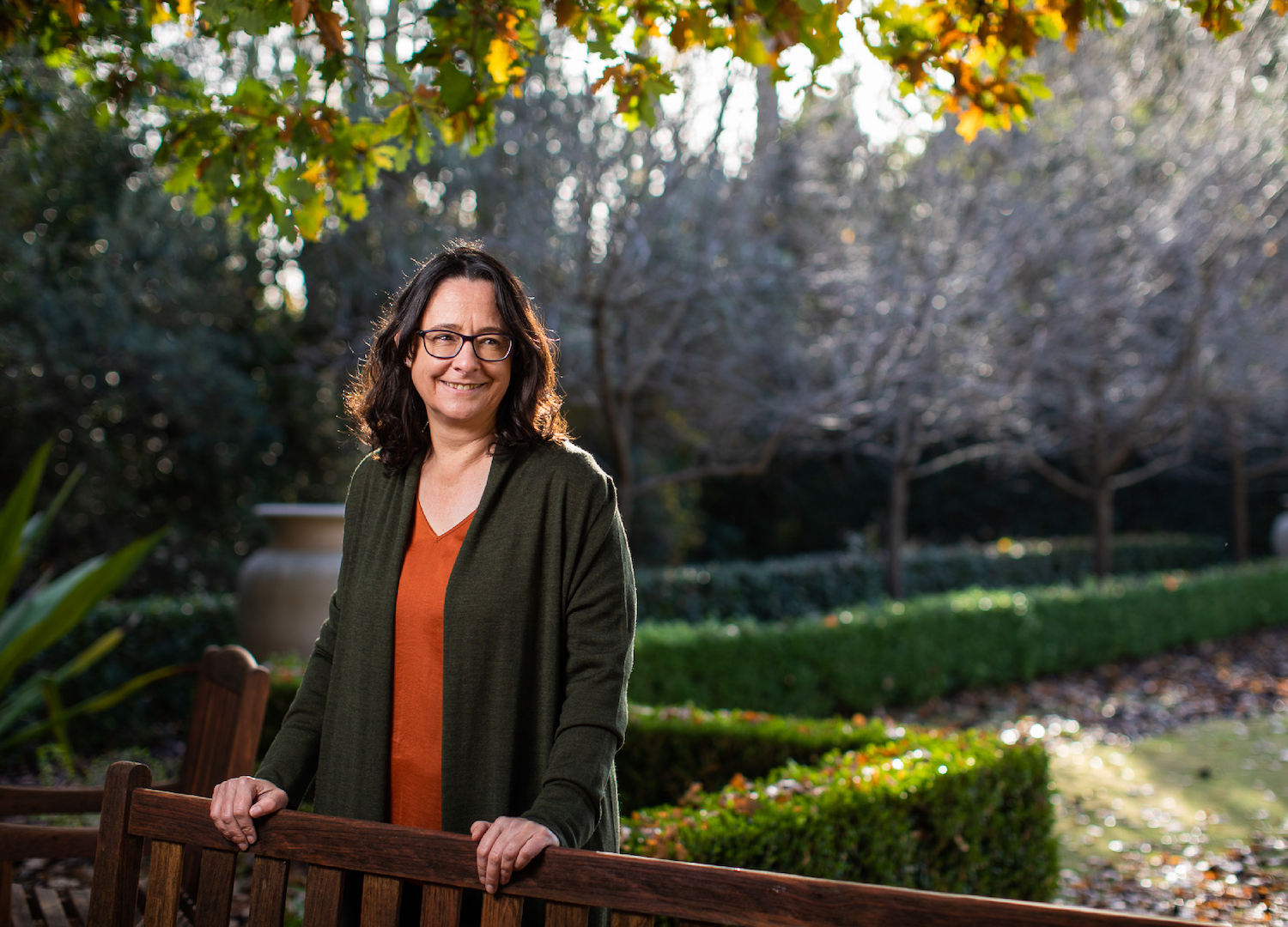
above LOUISA ROSE, HEAD WINEMAKER AT YALUMBA
While the wine industry is a contributor to emissions, when it comes to the impacts of a changing climate, there’s an argument to be made that the wine industry bears more than its fair share of the brunt. Vines are so sensitive to their environment, they are often the first to suffer from even the slightest changes in average temperature, variations in sunlight hours or shifts in rainfall patterns. As viticulturist Richard Smart put it, wine is the “canary in the coal mine of agriculture”.
It’s little wonder, then, that more and more Australian winemakers like Yalumba are looking at climate change adaptation with an increased sense of urgency. “Without sustainable viticulture, the future of winemaking is very bleak,” says Louisa Rose, Head Winemaker at Yalumba. The family-run winery outside Angaston in the Barossa has been pioneering climate mitigation measures since the 1990s. And experience has taught them that if sustainability doesn’t soon become the norm among vintners, “the industry will not have a place in the changing world landscape”.
Without sustainable viticulture, the future of winemaking is very bleak… the industry will not have a place in the changing world landscape.
“Sustainable winemaking is what we do at Yalumba and what we have done for the past 173 years,” Louisa explains. “It is about continual improvement and the desire to protect and respect the fundamental elements essential to making quality wine for generations to come.” From installing one of the largest solar power systems of any Australian winery and implementing an award-winning native saltbush planting and mulching program (which achieved a 25% reduction in water use), to pledging a commitment to transition to 100% recyclable or compostable packaging by 2025 and now releasing the GEN collection, a drinkable manifestation of the winery’s commitment to betterment, Yalumba’s approach is all-encompassing.
READ MORE – Drink Responsibly This Festive Season with These 10 Sustainable Wine Brands
In fact, the company has received more than 40 accolades for its sustainable viticulture programs, including the International Award of Excellence for Sustainable Wine Growing in 2013.
Yalumba’s mission is to foster “a cultivated but balanced vineyard ecosystem that makes efficient use of the natural features of the land, stems environmental decline, regenerates resources, and fosters biodiversity,” Louisa adds. Healthy vines are the heart of the operation, but the company’s commitment to sustainability goes well beyond the cellar door. They’ve implemented their Next 5 sustainability program with five supporting pillars – Resilient Terroir, Viable Planet, Prosperous Community, Thriving Workforce and Responsible Governance – that “all speak to ensuring that we take others on this journey”.
It is about continual improvement and the desire to protect and respect the fundamental elements essential to making quality wine for generations to come.
The importance of moving towards sustainable winemaking is now well understood, yet there is no one-size-fits-all approach. Every vineyard, Louisa explains, is unique. “It comes down to what needs to be done at that location,” she says. “Understanding and mapping vineyards is a good place to start. This will help to drive efficiencies in the location and future practices.”
Surveying the landscape is also an important first step for wine consumers who are interested in savouring more sustainable vino. There are several different marks and accreditations to look out for – including the Sustainable Winegrowing Australia seal of approval, which Yalumba is committed to achieving certification across all of their wines.
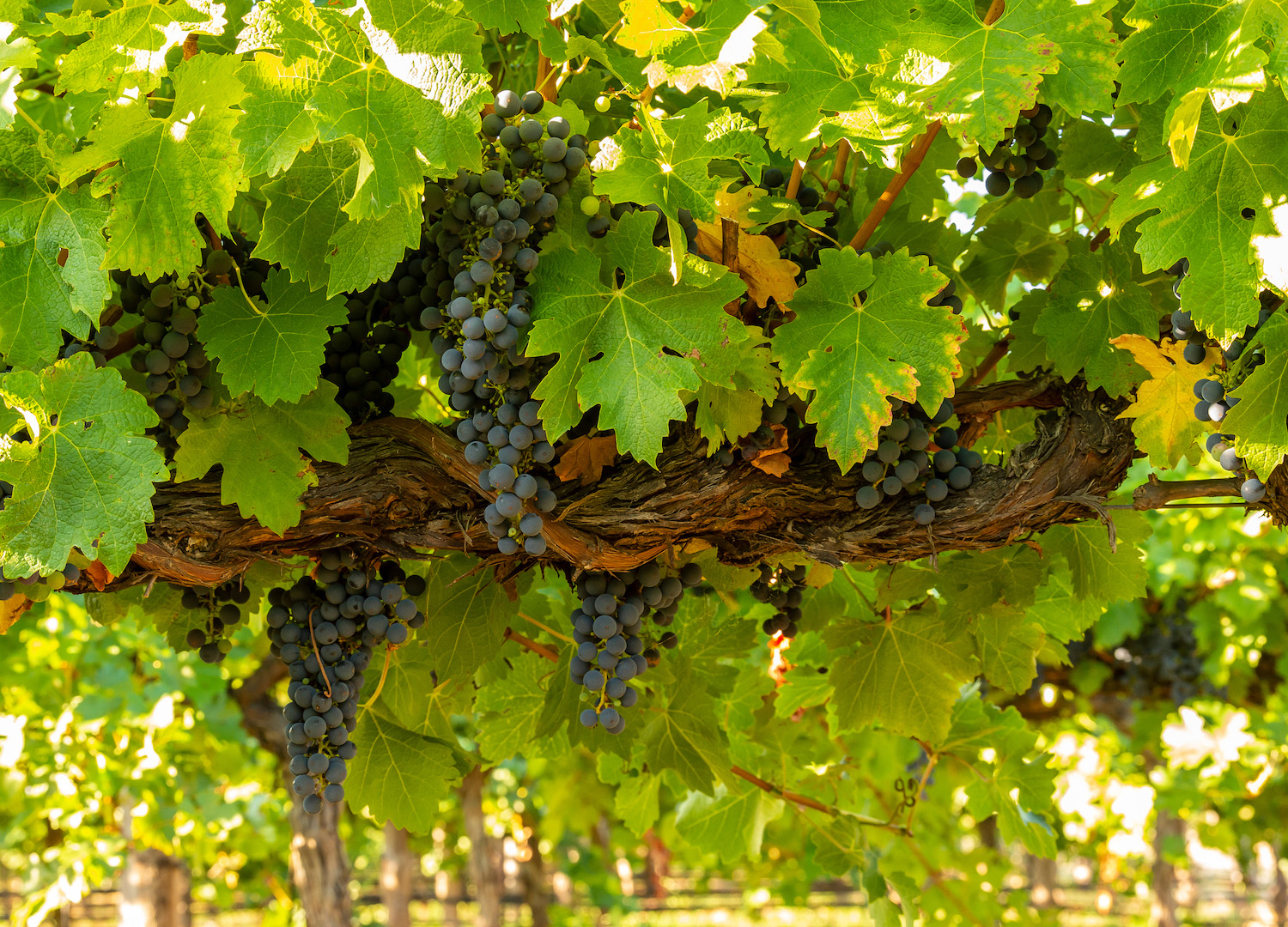
THIS ARTICLE WAS PRODUCED IN PARTNERSHIP WITH OUR FRIENDS AT YALUMBA AND THEIR NEW COLLECTION, YALUMBA GEN! COMMITTED TO BETTERMENT WITH A FIERCE DETERMINATION FOR THE FUTURE, THE FAMILY-OWNED WINERY BOASTS MORE THAN 173 YEARS OF SUSTAINABLE PRACTICE AND IS COMMITTED TO ALLOWING NATURE TO WORK ITS MAGIC WITH MINIMAL INTERVENTION. SHOP THE COLLECTION HERE.
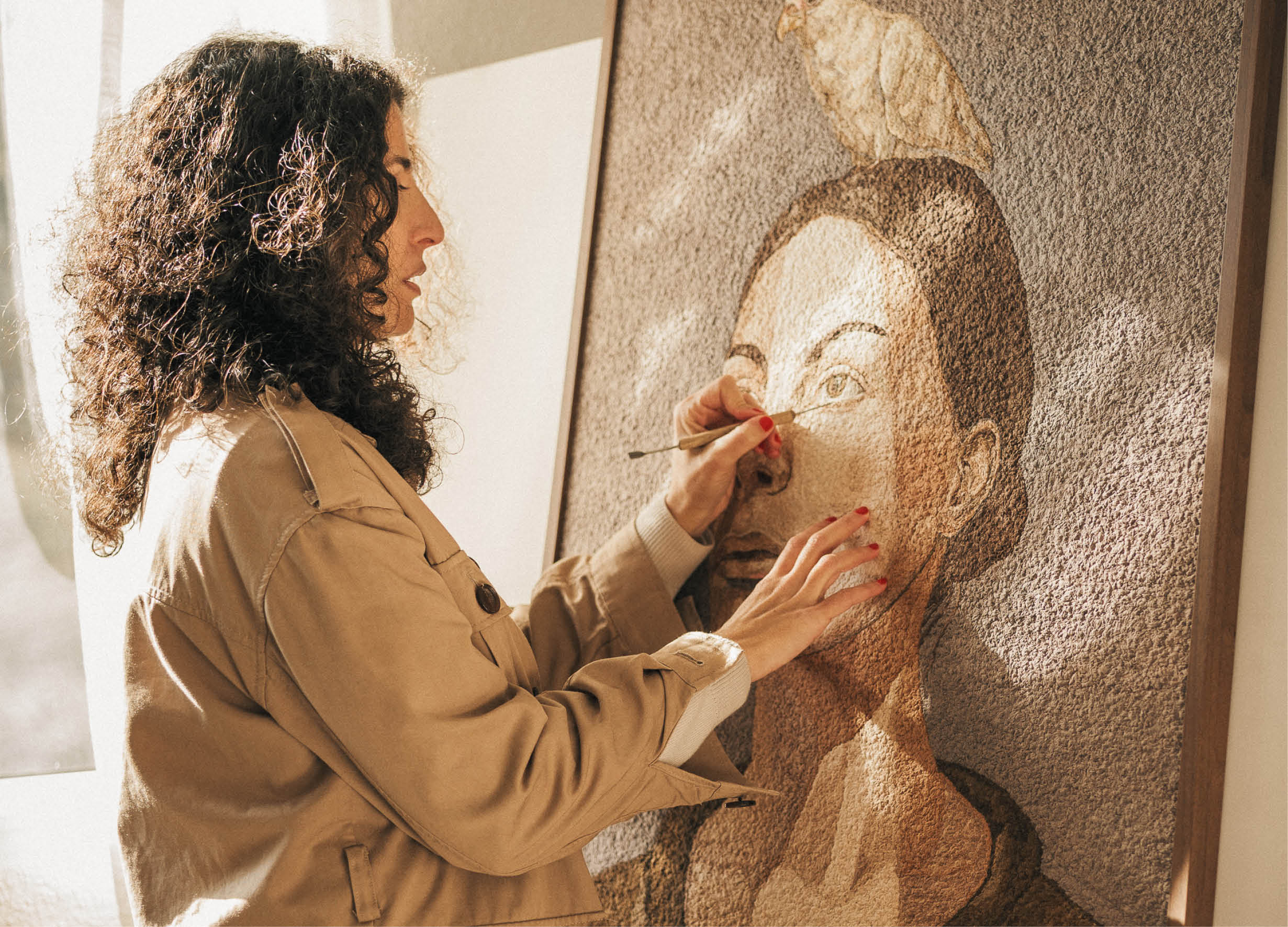

“My piece of advice for makers and designers? Run your own race… make sure your key decisions stay anchored in your brand’s core beliefs.”
- Bec Bligh
Quick show of hands: who’s opened a water bottle expecting a refreshing sip… and instead been greeted by the unmistakable whiff of uh-oh?
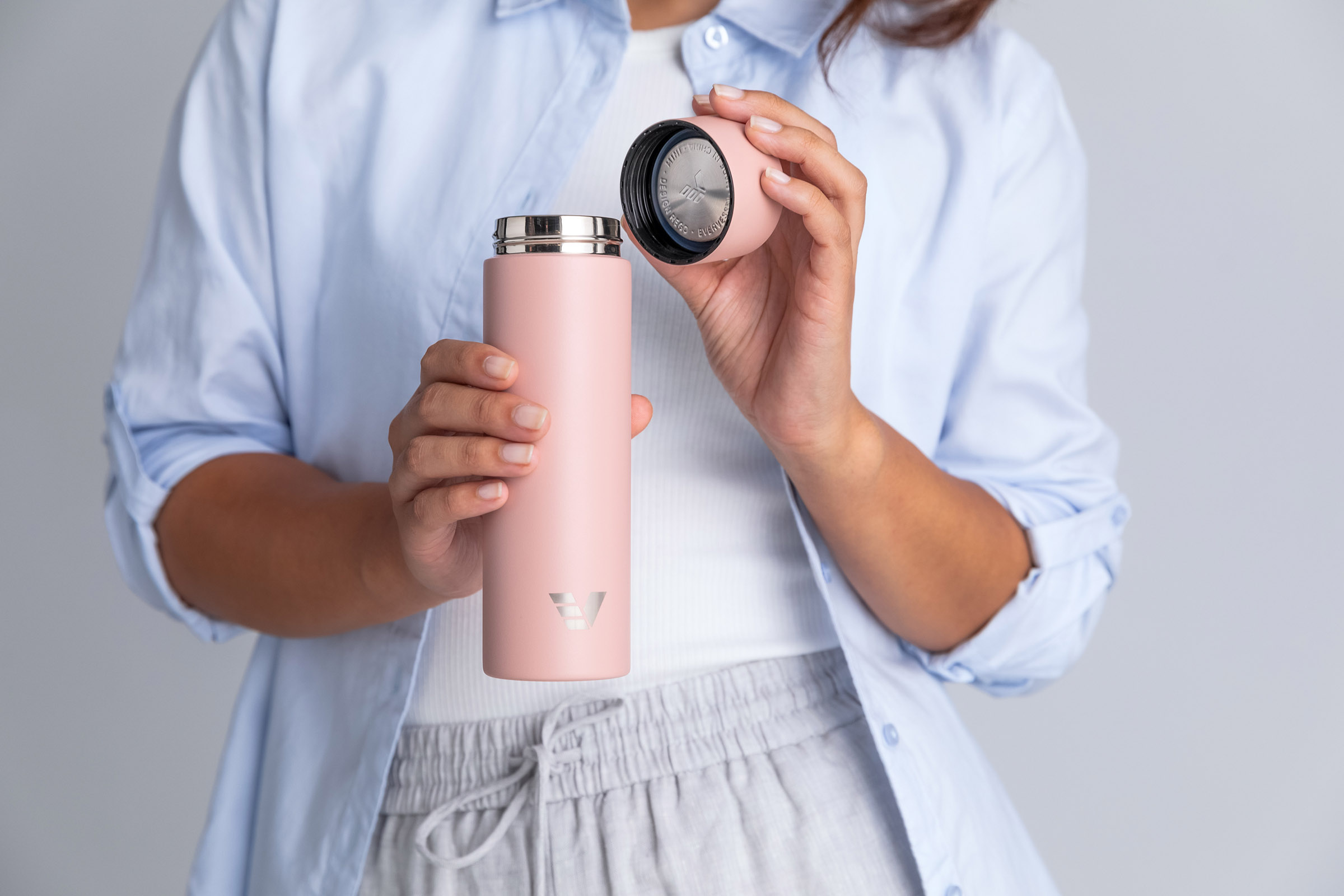
Because for something that follows us everywhere (desk, car, hikes, yoga…), the humble drink bottle is strangely prone to becoming a science experiment. Hard-to-clean corners and gaskets. Mystery smells. Bec Bligh and her husband Tim know it well. A six-month sailing trip along the Queensland coast left them with a lifetime of memories and one stubborn annoyance: mouldy water bottles they couldn’t properly clean.
So they did something about it.
Enter @EverVessel. Thoughtfully designed borosilicate glass and stainless steel bottles that keep things beautifully simple: durable materials, wide openings, easy-to-clean parts and none of the techy gimmicks that tend to age badly. Turns out simplicity, done well, is pretty powerful stuff. (Their many design awards agree!)
And lately they’ve added a little extra delight: the Artist Series, where creatives like Paola Castro, Ben Miners and Martin Thompson transform these everyday companions into tiny travelling artworks. There are more colabs in the works, too: hydration, but make it joyful! 🎨💧
We chatted with Bec about the sailing trip that started it all, the philosophy behind Ever Vessel, and why the most sustainable product is often just the one you keep using.
Tap the link in our bio to read the full conversation. 🚰
#EverVessel #ReusableWaterBottle


Pull up a chair… there’s room at this table!
For the first time, Feast for Freedom is bringing people together for a spectacular long-table dinner as part of the Melbourne Food & Wine Festival.
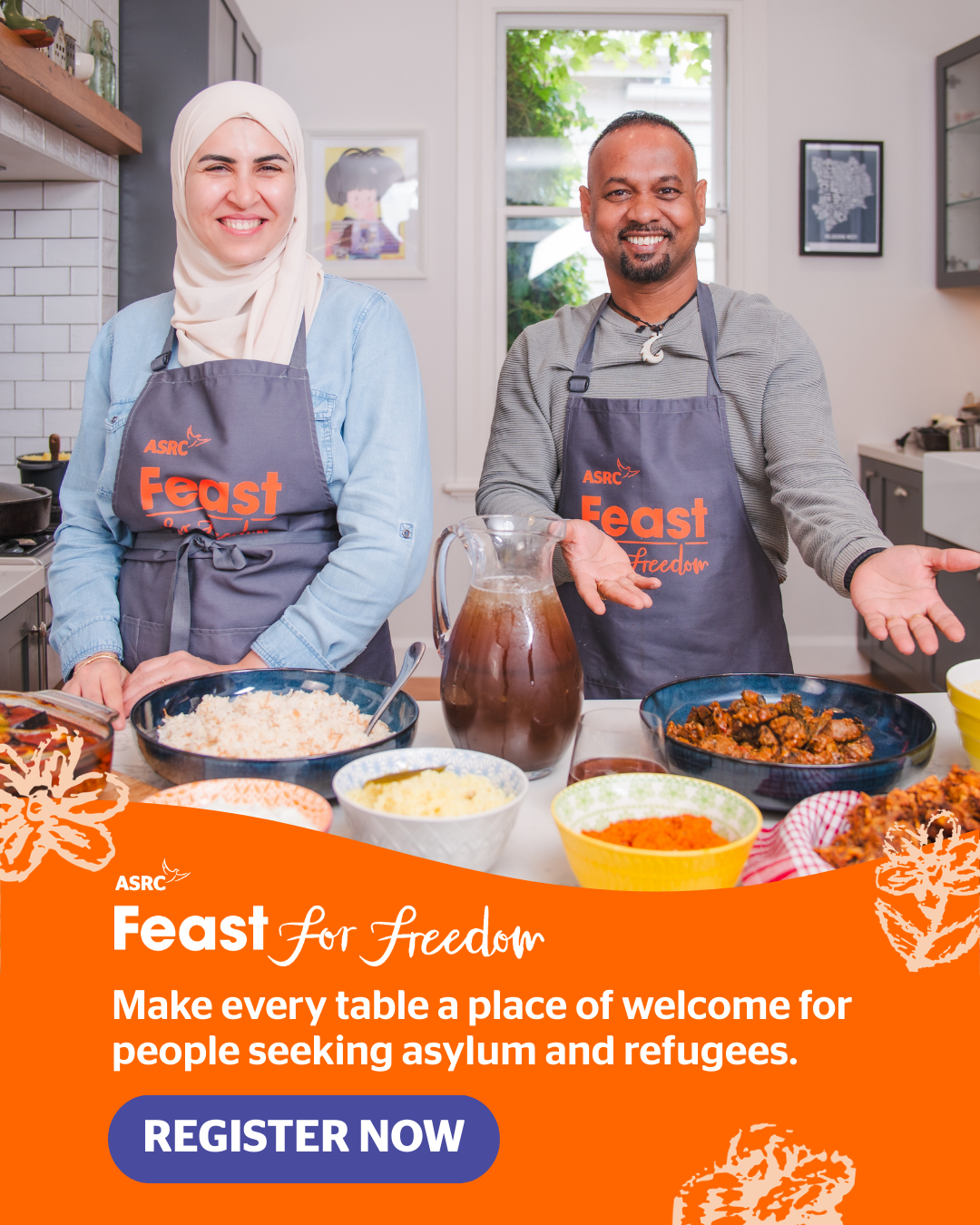
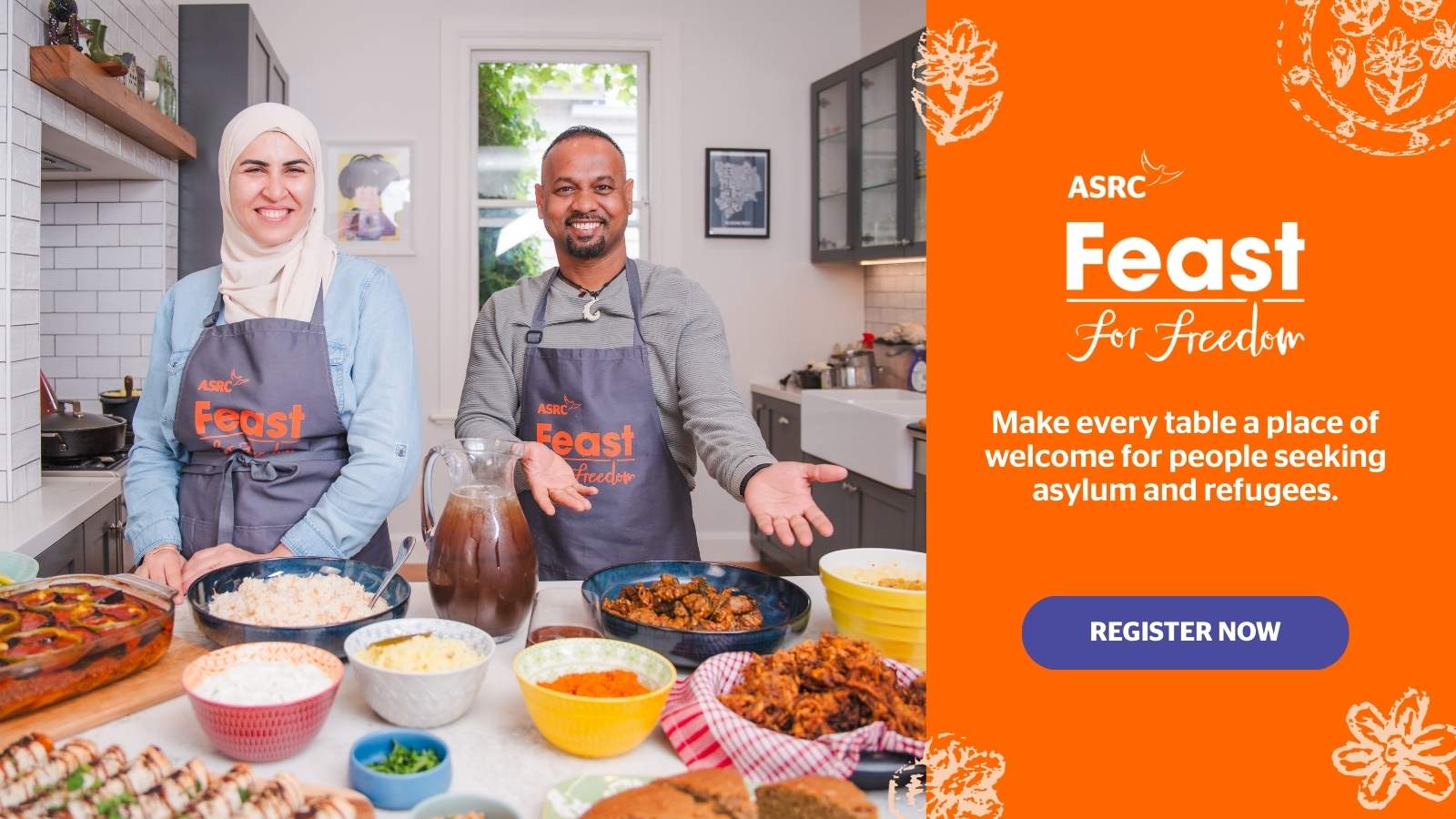
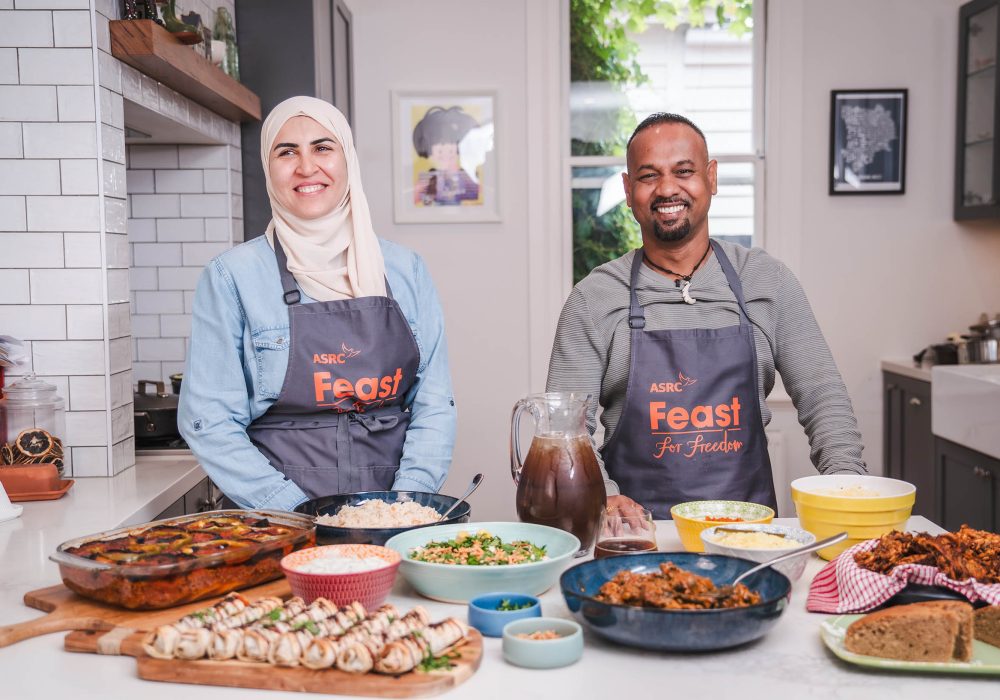
A Longer Table is exactly what it sounds like: one beautiful shared table inside the Asylum Seeker Resource Centre (@Asrc1), piled with generous dishes inspired by this year’s hero cooks, Noha and Nige.
From 6 to 9pm on Wednesday, 25 March, this is what you can expect:
🍽 A three-course shared feast
🍷 Matched drinks
🎶 Live entertainment
✨ A room full of good humans
Your ticket doesn’t just buy you a delicious dinner. It supports the ASRC’s vital work and helps create a fairer future for people seeking asylum.
Seats are limited, and long tables have a way of filling up quickly – head to @MelbFoodAndWine’s website to book now: feastforfreedom.org.au/mfwf
#FeastForFreedom #MelbourneFoodAndWineFestival #LongTableDinner #FoodForChange

Sew versatile! 🪡
Another great make from Lisa from @SunnySewsEveryday:
My #PeppermintWaratahWrapDress is finished and I’m so proud of it. It has been designed not to flap open and flash your pants in the wind, so I feel confident it will be a great wheelchair or standing dress in English weather.
#PeppermintPatterns #WrapDress #WrapDressPattern

Frame your face with the Peppermint Bucket Hat!
Stay safe and stylish in the sun with your very own self-sewn and self-drafted wide-brimmed bucket hat. This beginner-friendly sew is perfect for a sunny day. Get out your pencils – this pattern is created using equations and maths!
This DIY project was featured in Issue 53 and now you can access it for the lovely low price of only $5.
Sun-safe chic is always in style. ☀️
Find it via the link in our bio!
Photos: @KelleySheenan
#PeppermintPatterns #PeppermintBucketHat #BucketHat #BucketHatPattern #DIY

✨ INSTANT CLASSIC ✨
The Peppermint Myrtle Shift Dress is a beginner-friendly make with a few special details based on the ever-stylish shift shape – the perfect dress you need in your wardrobe right now!
Myrtle cuts above the knee with options to customise the length. Don’t think she’s reserved for hot weather either: try a heavier-weight fabric to turn your Myrtle into a pinafore-style garment for layering.
For our fabrics we chose two from our lovely sewing partner @Karmme_Apparel – the bold Rottnest Stripes in a lightweight, soft-drape cotton, and the quality linen in the handpainted Mexico Collection.
Get making the Myrtle – the only question is, can you stop at just one?
Link in bio 🪡
Fabric: @Karmme_Apparel
Sewist: @Laura_The_Maker
Photos: @KelleySheenan
Models: @SerahSews and @Pins_And_Tonic
Location: @ShareTheDignityAustralia
#PeppermintMyrtleShiftDress #PeppermintPatterns

It’s time to Feast!
Some recipes travel a long way before they land on your table to delight your taste buds. This year’s Feast for Freedom invites us to gather our friends, cook something delectable and raise funds for the incredible work of the Asylum Seeker Resource Centre (@Asrc1) while we’re at it.
The 2026 Feast features recipes shared by two remarkable cooks: Noha, who brought the flavours of Palestine with her when she arrived in Australia, and Nige, a Sri-Lankan Tamil cook whose journey with food began in the most unexpected of places.
You can host your own Feast up until 30 April – simply register online and get planning! Host a dinner, organise a workplace lunch, or gather your community… However you do it, the idea is simple: cook, connect and celebrate the cultures and stories that shape Australia.
Want to find out more? Head to the link in bio to meet Noha and Nige, learn more about their stories, and discover a delicious recipe to try.
#FeastForFreedom #PeppermintMagazine #FoodForGood #ASRC
