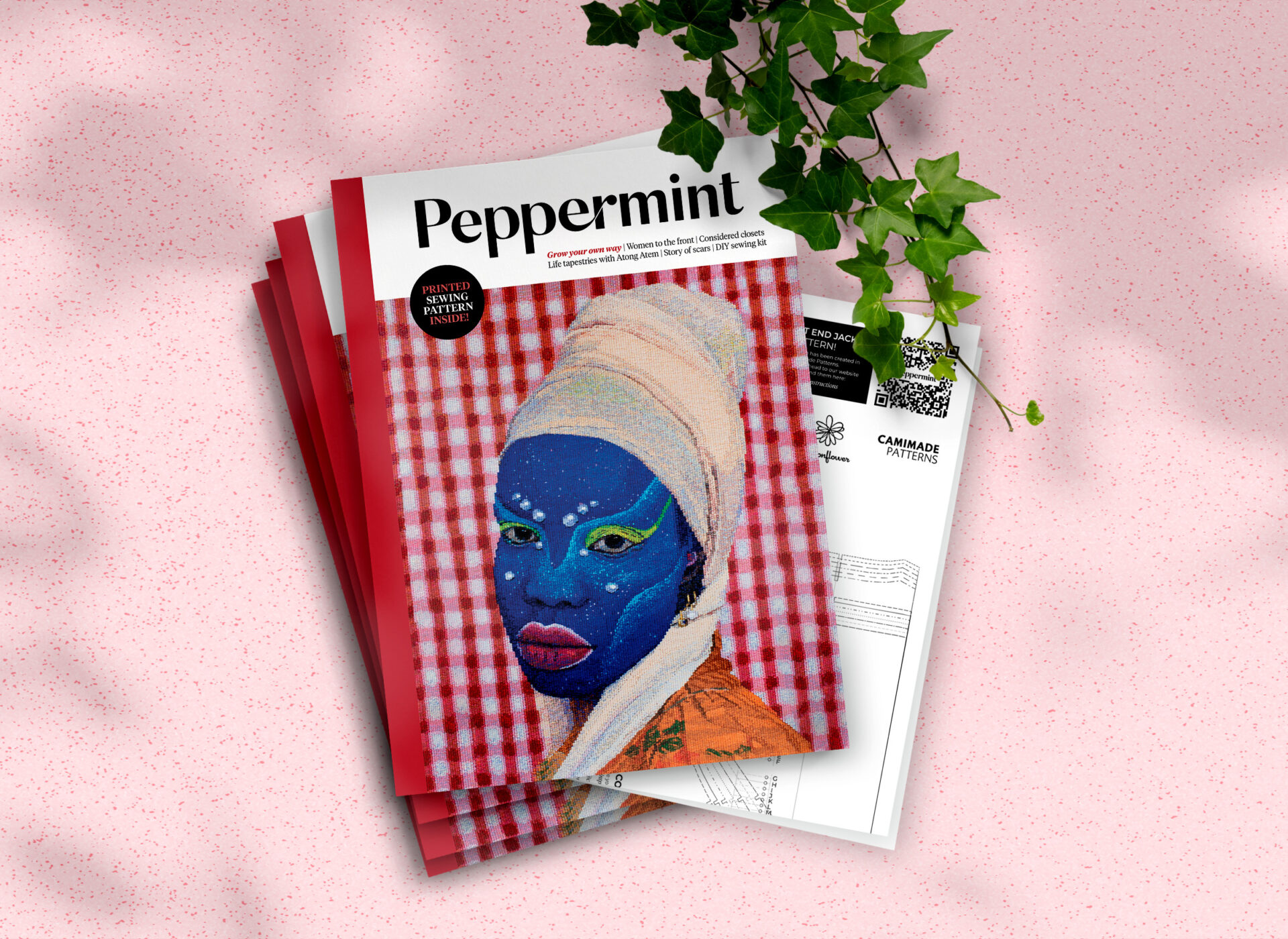
Like a seedling seeking the sun, soak up the warm glow of our beautiful and bright spring beauty, which is making its way to a shelf near you…
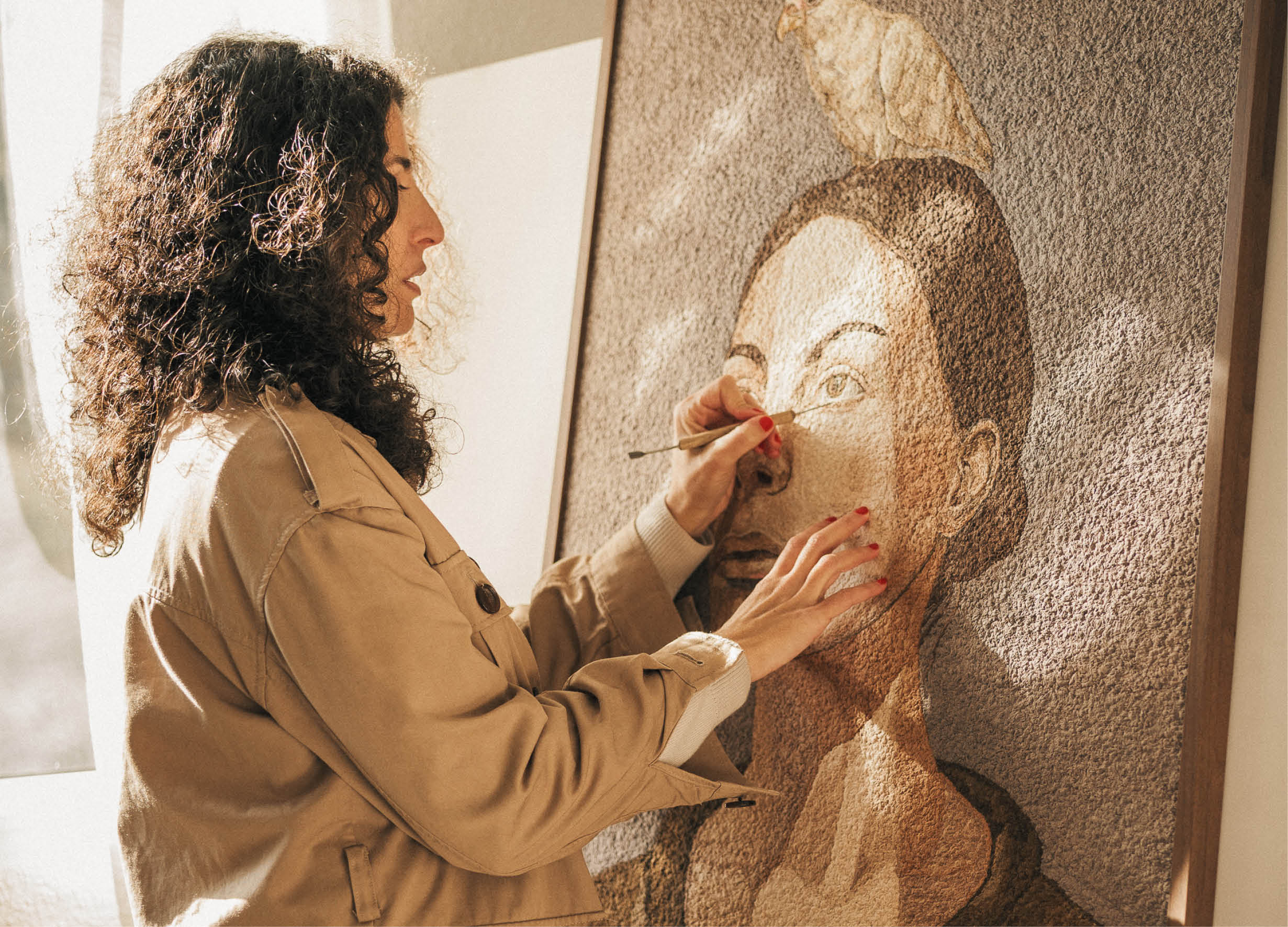
Grow you good thing and dig into all the usual Pepperminty fun of these gorgeous pages – made with heart and happiness. First stop: pick your jaw up off the floor after marvelling at our stunner of a cover (it’s a tapestry!). Woven by Pamela Joyce of the Australian Tapestry Workshop and based on the incredible self-portraiture work of Naarm-based South Sudanese artist Atong Atem, this textural beauty (along with much of Atong’s work) explores the convergence between politics, arts and craft – something that is endlessly inspiring to us.
Proving that there’s no intersection she can’t write about, encyclopaedic sewist extraordinaire Bonnie Liston turns her discerning feminist lens onto the injustice of sewn-in pockets. Journalist and author Gina Rushton speaks with powerhouse Daile Kelleher as she – at the helm of Children by Choice – continues to fight for reproductive justice. Putting phenomenal women right to the front, we ask some of Australia’s changemaking women about the women who made them to celebrate the power of womanhood and lifting women up.

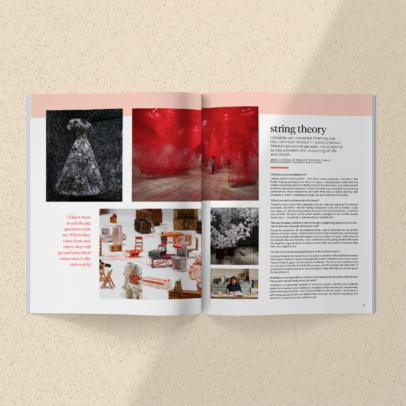
We go behind the seams with uber-creative, multi-hyphenate musician, suit maven and mum of five Anna Cordell in her Northcote shopfront, from where her coveted suits are taking over stages and streets all over the world! Photographer Jarrad Seng goes under the skin to explore the meaning of scars; Japanese installation artist Chiharu Shiota explores the meaning of life and death, asking what makes a soul; photographer and writer Sarah Collins finds that charm springs eternal in Victoria’s spa country, Daylesford; we head to Darwin to visit social enterprise and gallery Aboriginal Bush Traders; and we chat with the artistic director of Darwin Aboriginal Art Fair, Shilo McNamee, about the enduring power of art festivals.
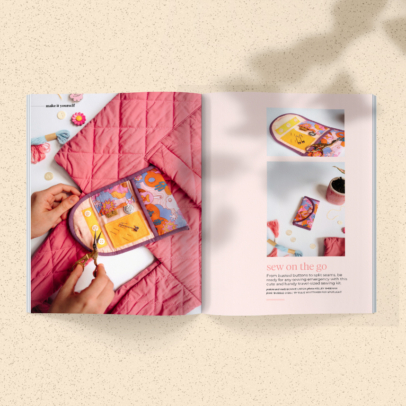
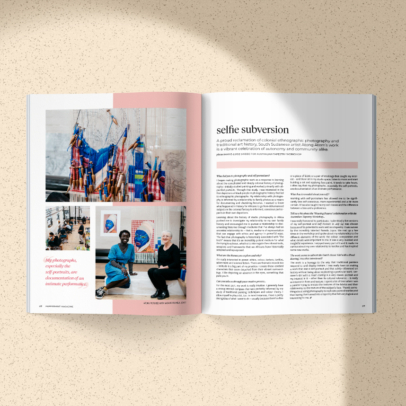
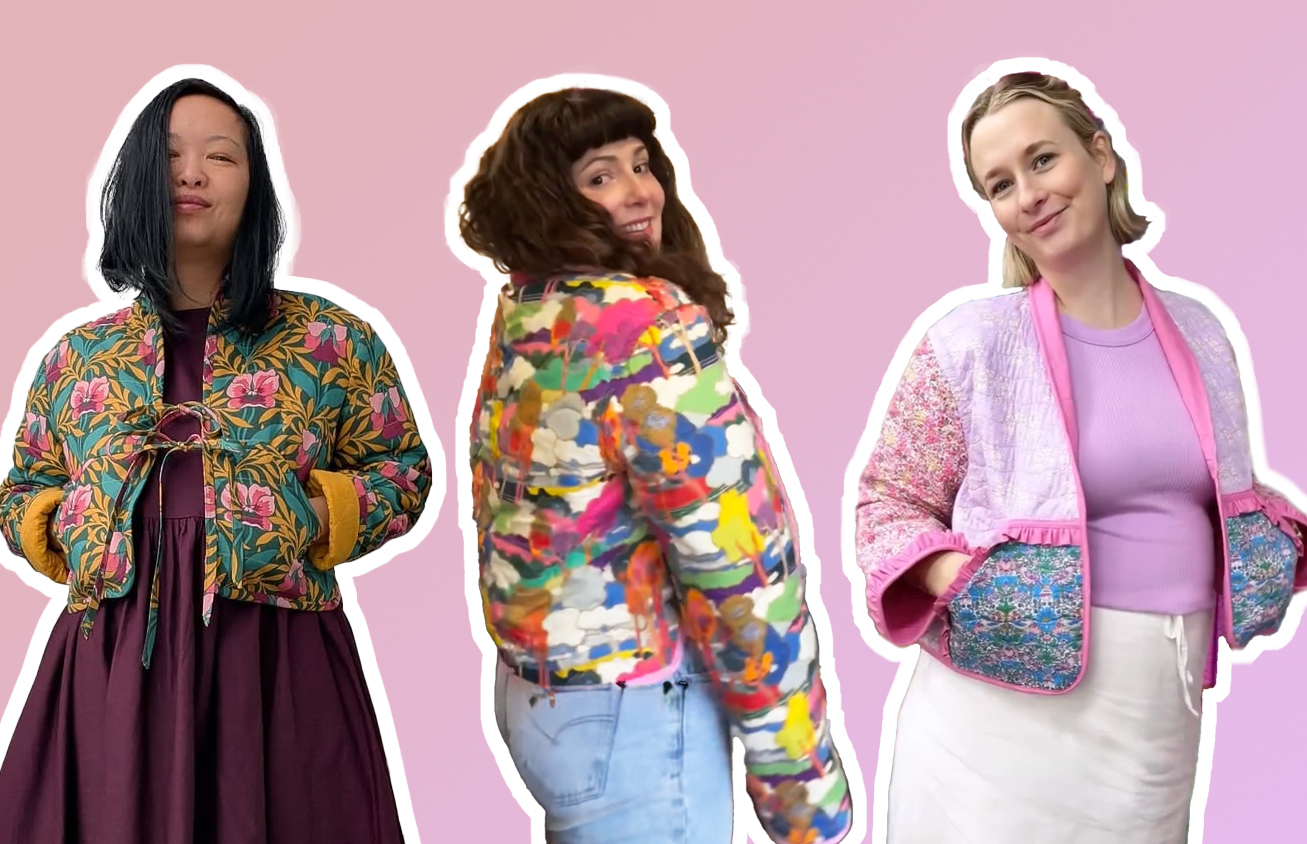
Continuing our love affair with all things craft, sewing and making your own, this issue’s pages hold our ever-popular printed sewing pattern (spoiler alert: it’s a trans-seasonal jacket with endless wearability!), a DIY macrame pot-plant holder and a scrap-busting sewing kit pattern – designed by Bonnie!
And finally, in a secret theme that emerged as we were putting the pages together, the transformative potential of getting your hands in the dirt – from farming to gardening – looms large in this issue. Nicola Harvey delves into becoming a living oxymoron: a farming climate activist, in an extract from her book Farm; journalist Koren Helbig discusses community gardening as both wellbeing tool and food security solution; and intrepid but accidental funny-vegetable gardener Claudia Hooper expounds the benefits of letting your garden grow in weird and wonderful ways.
And, once again, the FREE printed pattern (hurrah!) is nestled somewhere in your lovely issue so you can ready, set, sew, too!
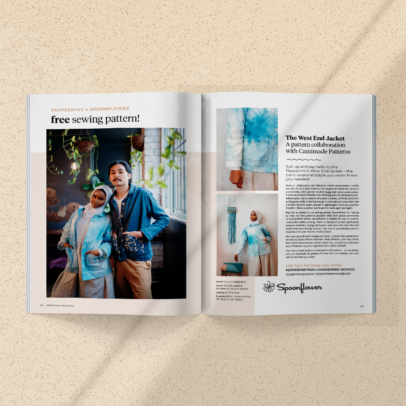
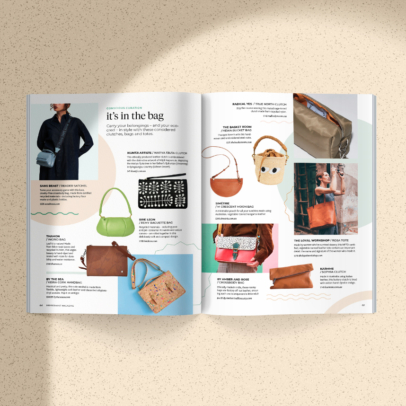
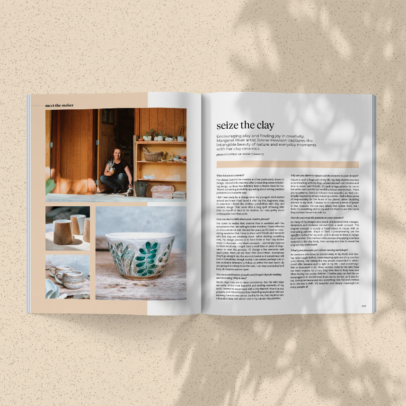
Give your to-read pile a tszujing by heading to a stockist today or purchase a copy from our shop (and for the digital version, head here).
Take a peek inside this issue!
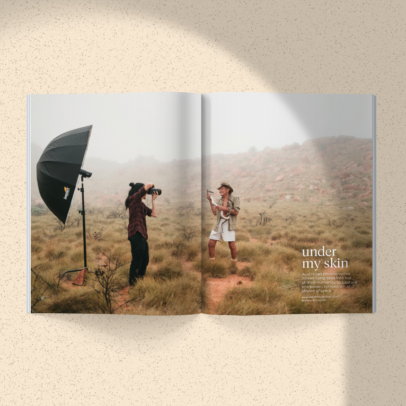
‘UNDER MY SKIN’ Australian photographer Jarrad Seng taps into our shared humanity to capture the power, symbolism and stories of scars.
I’ve always believed that every scar has a story.
And when I think of my own – whether big or small, whether from a surgery, from the time I fell over giving my little sister a piggyback or battle wounds from my short-lived time on Survivor – they each mark a vivid memory from my past. I wanted to explore this idea further. What untold stories of resilience, strength and trauma lie beneath the scars we all hold? What do they represent to people who have been through life-changing experiences and how has that perspective changed over time?
Scars, or trauma in general, can be quite uncomfortable or difficult to talk about. The power of photography is that I was able to talk about these human experiences with people in an intimate, unique and powerful way.
The process became quite poignant for me and the subject. I came into the project trying to make it as swift and easy as possible for everyone – with the mindset that I wanted to take up as little of their time as possible. But many of those I photographed thanked me afterwards. For them, the portrait was a chance for them to tell their story, to be heard. To talk about what happened in a safe and empowering way. There was a shared vulnerability between us – one that wouldn’t have happened without the camera in hand.
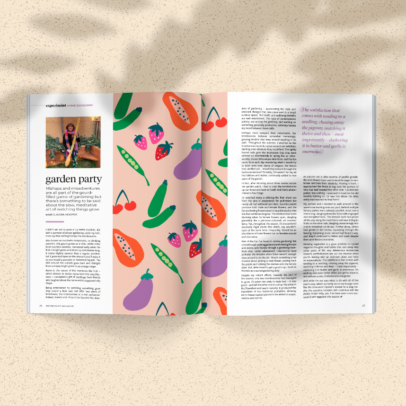
‘GARDEN PARTY’ Mishaps and misadventures are all part of the gourd-filled game of gardening but there’s something to be said about the slow, meditative art of watching things grow? Words by Claudia Hooper.
Being entertained by watching something grow may sound a little sad, but after two years of lockdowns, the tromboncino is a real performer. Indeed, there’s a lot of joy to be found in the slowness of gardening – appreciating the daily and seasonal changes that take place even in a small outdoor space. The health and wellbeing benefits are well established. This type of contemplative activity, out among the greenery, and working on something genuinely productive, definitely boosts my mood between Zoom calls.
…
I’d watched many a schlong-like fruit shoot out from the vine in preparation for pollination but nearly all had withered and died. Zucchini plants produce both male and female flowers, and the female fruiting flowers need to be pollinated so that the fruit continues to grow. The tromboncino looks stunning when its female flowers open, dangling gracefully like a primrose-coloured, art nouveau lamp. Yet, throughout the season, I’d encountered decidedly frigid plants that didn’t, nay wouldn’t, open at the same time. Frequently, there’d be an abundance of male flowers but no females around and vice versa.
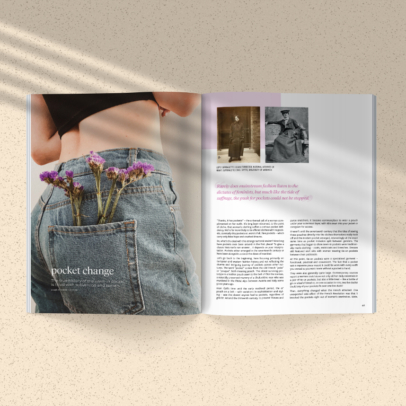
‘POCKET CHANGE’ The true history of the sewn-in pocket is filled with subversion and sexism. Words by Bonnie Liston.
“Thanks, it has pockets!” – the universal call of a woman complimented on her outfit. It’s long been observed, to the point of cliche, that women’s clothing suffers a serious pocket deficiency. We’re far more likely to be offered clothes with no pockets, comically tiny pockets or, worst of all, fake pockets – which carry only false hope and crushed dreams.
So, what’s the deal with this strange sartorial sexism? How long have pockets even been around in the first place? To give a classic historian’s non-answer… it depends on your interpretation. Pockets either emerged in the seventeenth century or have been alongside us since the dawn of mankind.
…
But why? Why do the fortunes of women’s pockets wax and wane so dramatically while men’s remain? The gendered baggage that pockets carry – or don’t if you’re a woman – is quite complex. Some suggest privacy as a factor – if women have a personal space of concealment, it’s hard to monitor or control what they might use it for. Others focus on autonomy – the more essentials you can carry on your person, the easier it is to negotiate public spaces and travel freely on your own.
The most obvious answer – and the one that explains the modern pocket drought that prevails even now that women have largely earned the freedom to hold their own things and travel where they will – is objectification.
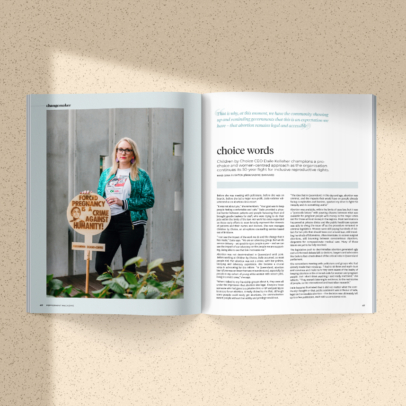
‘CHOICE WORDS’ Children by Choice CEO Daile Kelleher champions a pro-choice and women-centred approach as the organisation continues its 50-year fight for inclusive reproductive rights. Words by Gina Rushton.
“It was not about you,” she remembers. “Your goal was to keep people feeling comfortable and safe.” Daile provided a physical barrier between patients and people harassing them and brought goodie baskets for staff, who were trying to do their jobs within the limits of the law. Her work has since expanded on those early efforts to more broadly represent the interests of patients and their nurses and doctors. She now manages Children by Choice, an all-options counselling service based out of Brisbane.
“I can see the impact of the work we do and the change that it has made,” Daile says. “We are an advocacy group, but we do service delivery – we speak to 1500 people a year – and we can see the impact of our advocacy on the people we are supporting. Being able to see that link motivates me.”
Abortion was not decriminalised in Queensland until 2018. Before working at Children by Choice, Daile assumed, as most people did, that abortion was not a crime. With her politics, lobbying and advocacy experience, she became a crucial voice in advocating for the reform. “In Queensland, abortion law reform was an issue that was misunderstood, especially by people in my cohort of young white women with secure jobs, living in a metro area,” she says.
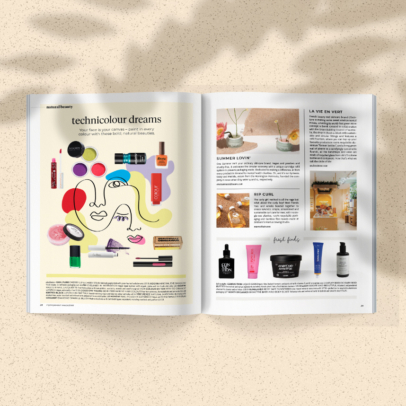
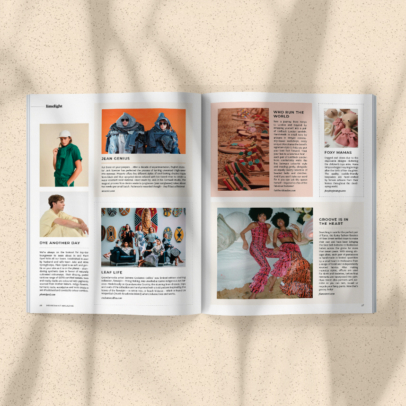
‘STACK THE DECK AGAINST DISASTER’ If calamity befalls, how do you pick yourself up and try again? With a little help from your friends and these hard-won insights…
The disaster is over, but what happens now? Moving on after great upheaval, be it flood or bushfire, cyclone or tsunami, can feel like a journey into the unknown – isolating, overwhelming and uncharted.
“With climate change, the number and intensity of disasters is increasing and we realised that helping one person, one community, one disaster at a time, was no longer enough. We felt compelled to create an ‘expert in a box’ to help more people recover, feel more in control and find clarity in the chaos,” says Elizabeth McNaughton. Director of New Zealand business Hummingly, creator of Cards for Calamity, she and her co-founder Jolie Wills have worked in disasters around the world for more than two decades gathering wisdom from over 100 crisis leaders, feedback from thousands of disaster survivors and scientific insights from their background in cognitive psychology. They share a passion to prepare the world to do disruption, stress and uncertainty well.
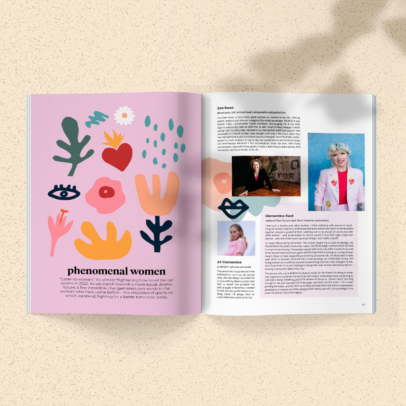
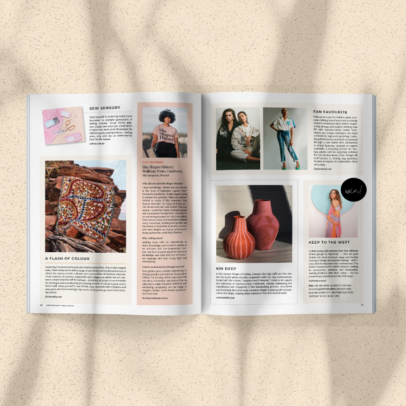
‘PHENOMENAL WOMEN’ “Listen to women.” It’s almost frightening how novel the call seems in 2022. As we march towards a more equal, diverse future, a few incredible changemakers pen words to the women who have come before – the shoulders of giants on which we stand, fighting for a better tomorrow, today.
Clementine Ford
Author of ‘How We Love’ and ‘Dear Clementine’ podcast host
I feel such a kinship with other women. I think solidarity with women is something we’ve been kept from embracing, because women who work in communities together present a powerful force. Learning not to be scared of community with other women – and, in particular, to not be scared of how that might make men see me – was one of the most important things I ever did for myself.
I’m truly influenced by all women. My mother taught me to seek knowledge. My friends teach me what community means. My fellow single mothers teach me how to be proud and strong. The women I speak with every day in the course of my work show me just how much love, grace and ferocity there is among us. Loving women doesn’t have to mean supporting everything all women do. It’s important to hold each other to account, because this is how we keep our community strong. But loving women as a political practice is something that has truly changed my life, and I hope that I’m in turn helping to change the lives of other women by demonstrating that love for them every day. The women who came before me planted seeds for the forest I’m sitting in today. I am inspired to continue that work by nurturing it, expanding it and continuing to cultivate a living, breathing place for women to thrive in.
I know I won’t live long enough to see just how wild the forest gets, but that’s not the point – it’s to keep growing the forest, and for all of us to keep passing down the tools to subsequent generations of women who’ll be charged with taking care of it. It’s a privilege to be a part of such an important legacy.
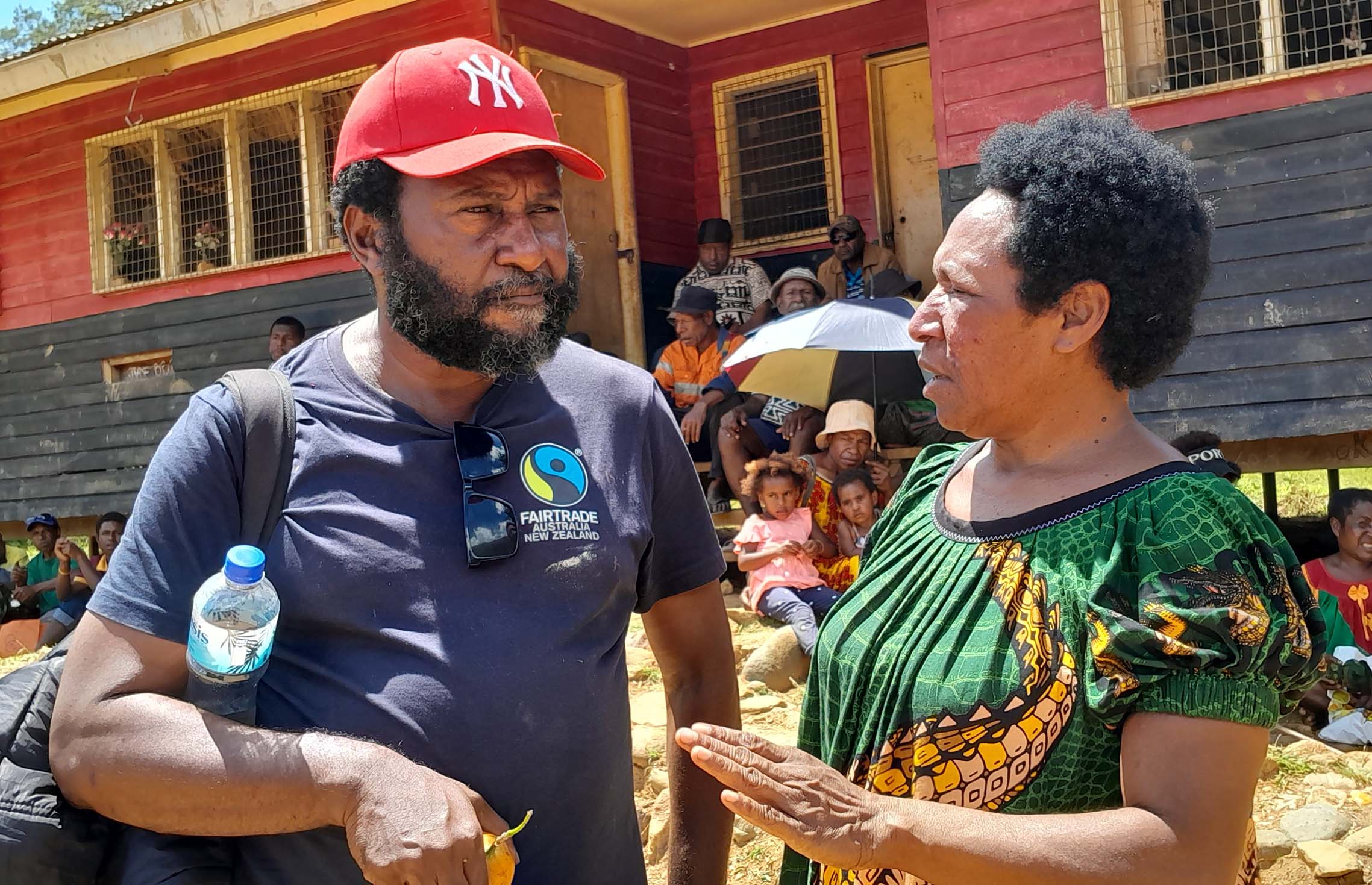
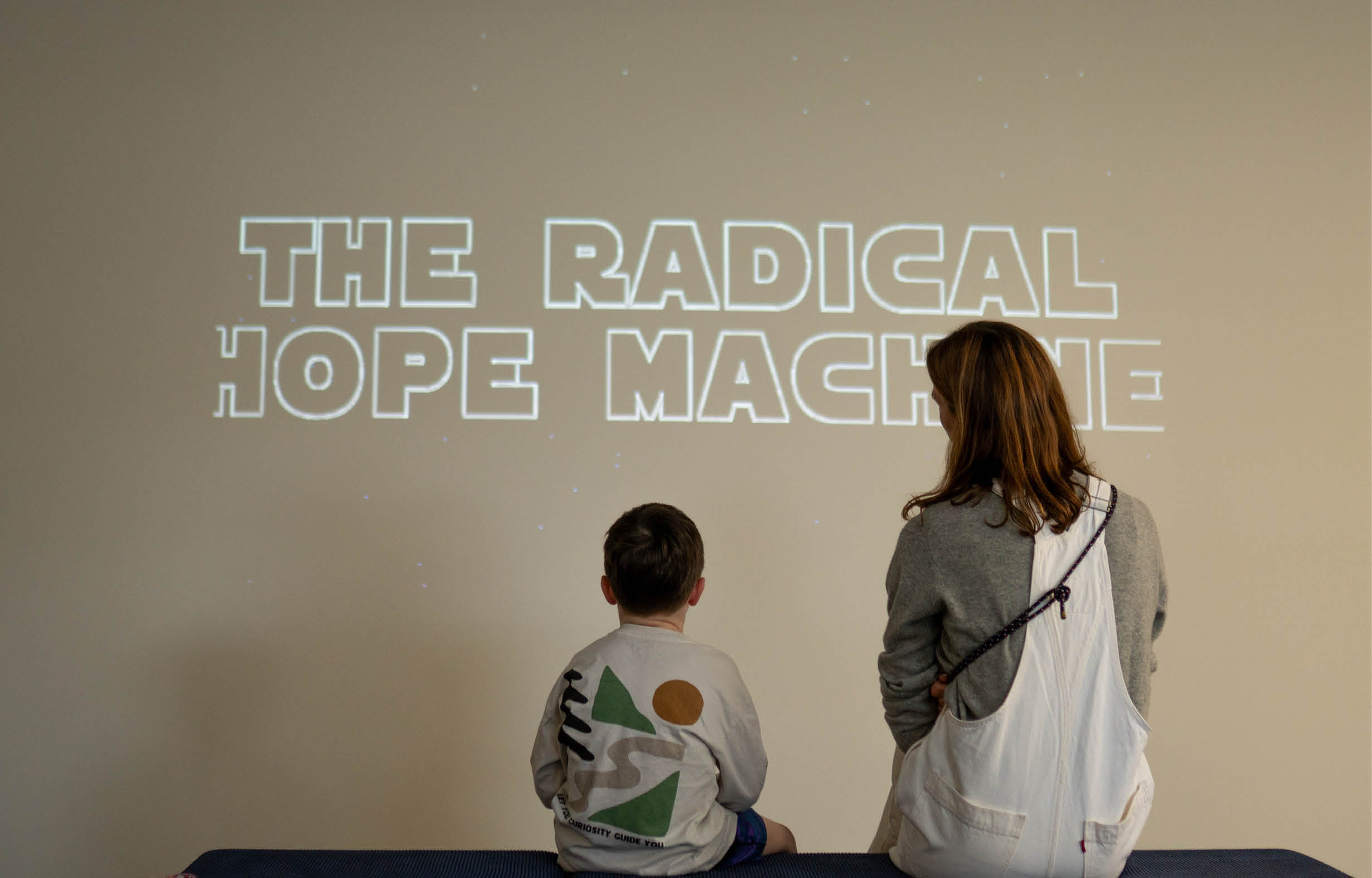
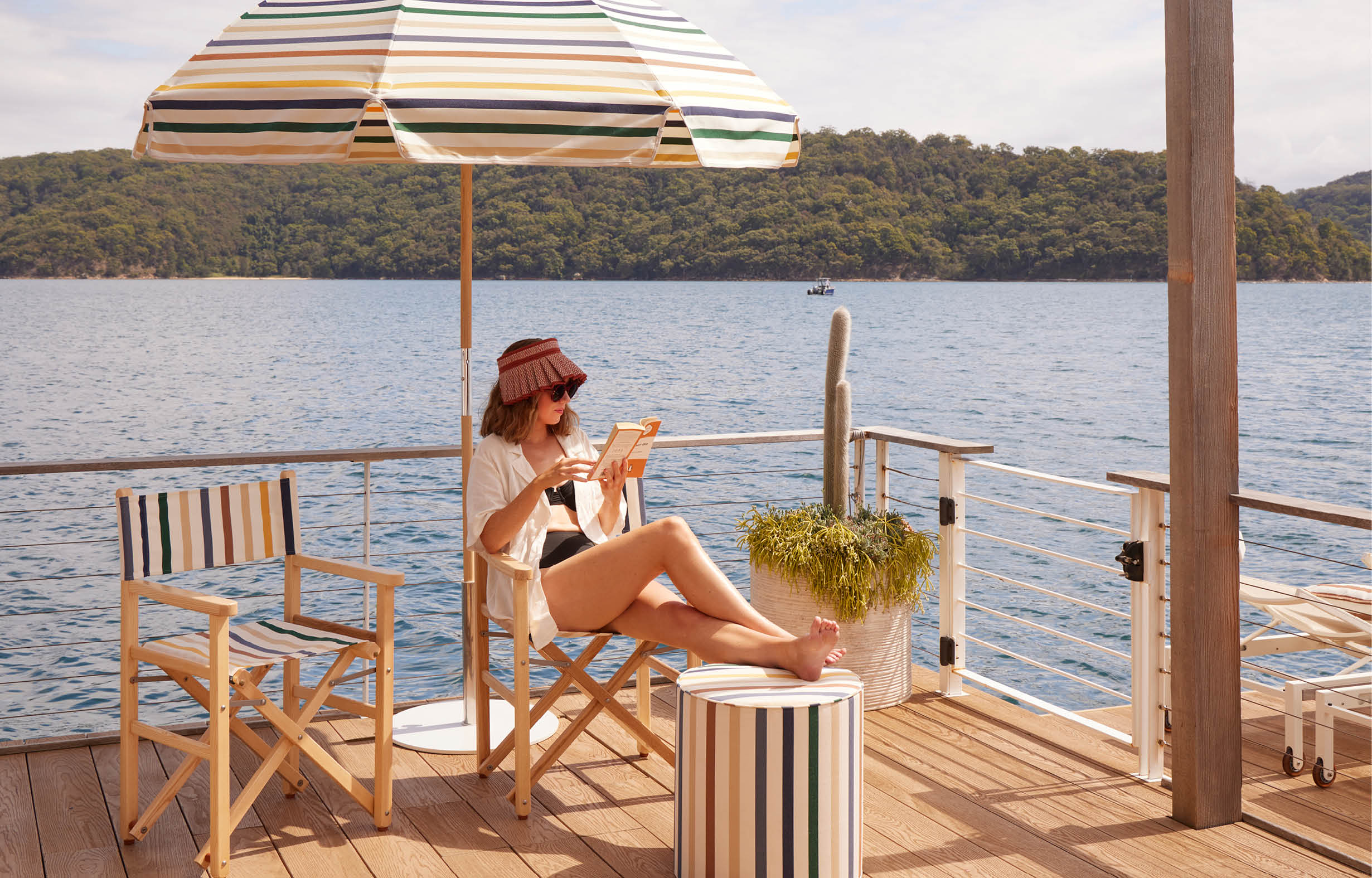
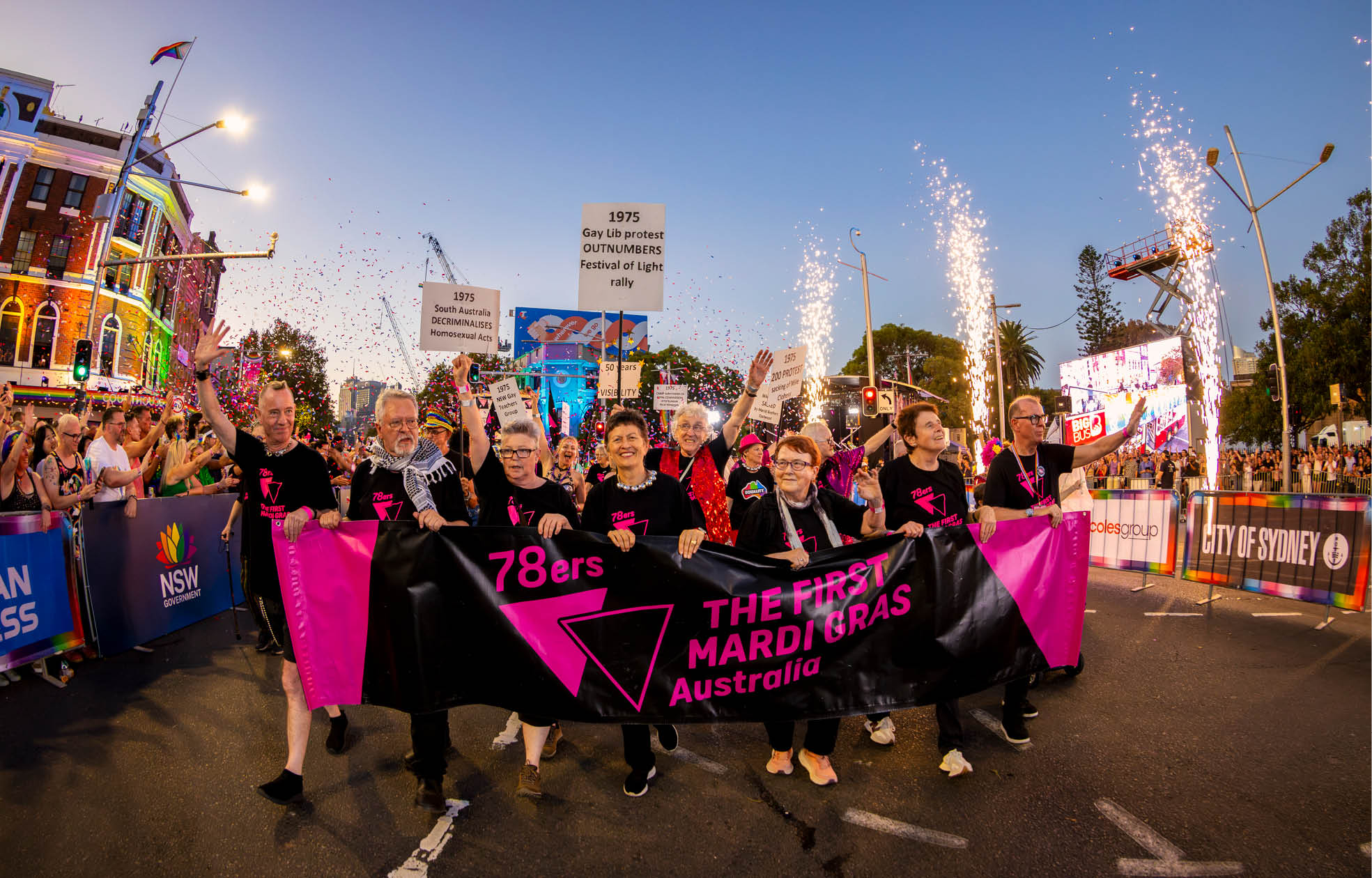
“My piece of advice for makers and designers? Run your own race… make sure your key decisions stay anchored in your brand’s core beliefs.”
- Bec Bligh
Quick show of hands: who’s opened a water bottle expecting a refreshing sip… and instead been greeted by the unmistakable whiff of uh-oh?
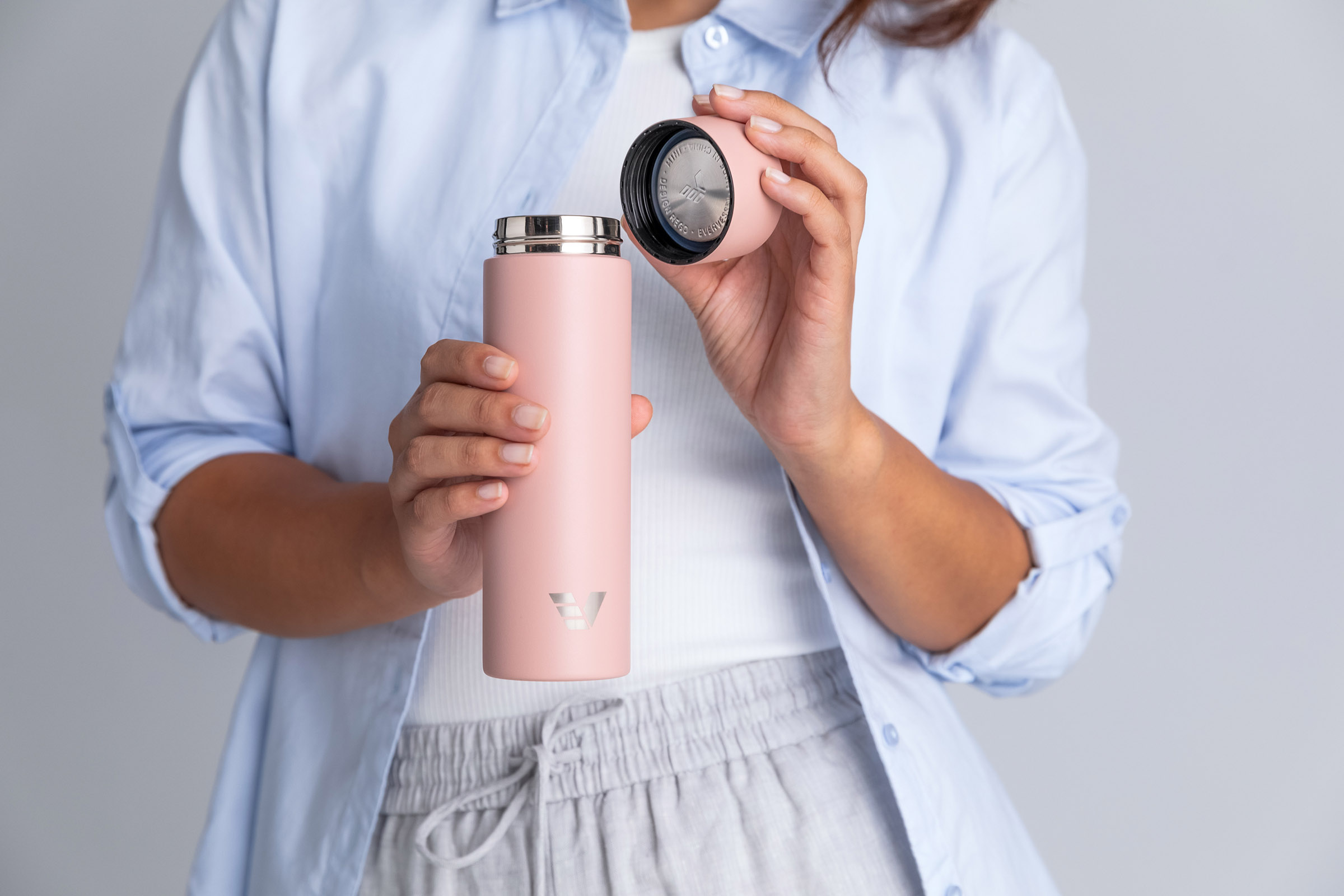
Because for something that follows us everywhere (desk, car, hikes, yoga…), the humble drink bottle is strangely prone to becoming a science experiment. Hard-to-clean corners and gaskets. Mystery smells. Bec Bligh and her husband Tim know it well. A six-month sailing trip along the Queensland coast left them with a lifetime of memories and one stubborn annoyance: mouldy water bottles they couldn’t properly clean.
So they did something about it.
Enter @EverVessel. Thoughtfully designed borosilicate glass and stainless steel bottles that keep things beautifully simple: durable materials, wide openings, easy-to-clean parts and none of the techy gimmicks that tend to age badly. Turns out simplicity, done well, is pretty powerful stuff. (Their many design awards agree!)
And lately they’ve added a little extra delight: the Artist Series, where creatives like Paola Castro, Ben Miners and Martin Thompson transform these everyday companions into tiny travelling artworks. There are more colabs in the works, too: hydration, but make it joyful! 🎨💧
We chatted with Bec about the sailing trip that started it all, the philosophy behind Ever Vessel, and why the most sustainable product is often just the one you keep using.
Tap the link in our bio to read the full conversation. 🚰
#EverVessel #ReusableWaterBottle


Pull up a chair… there’s room at this table!
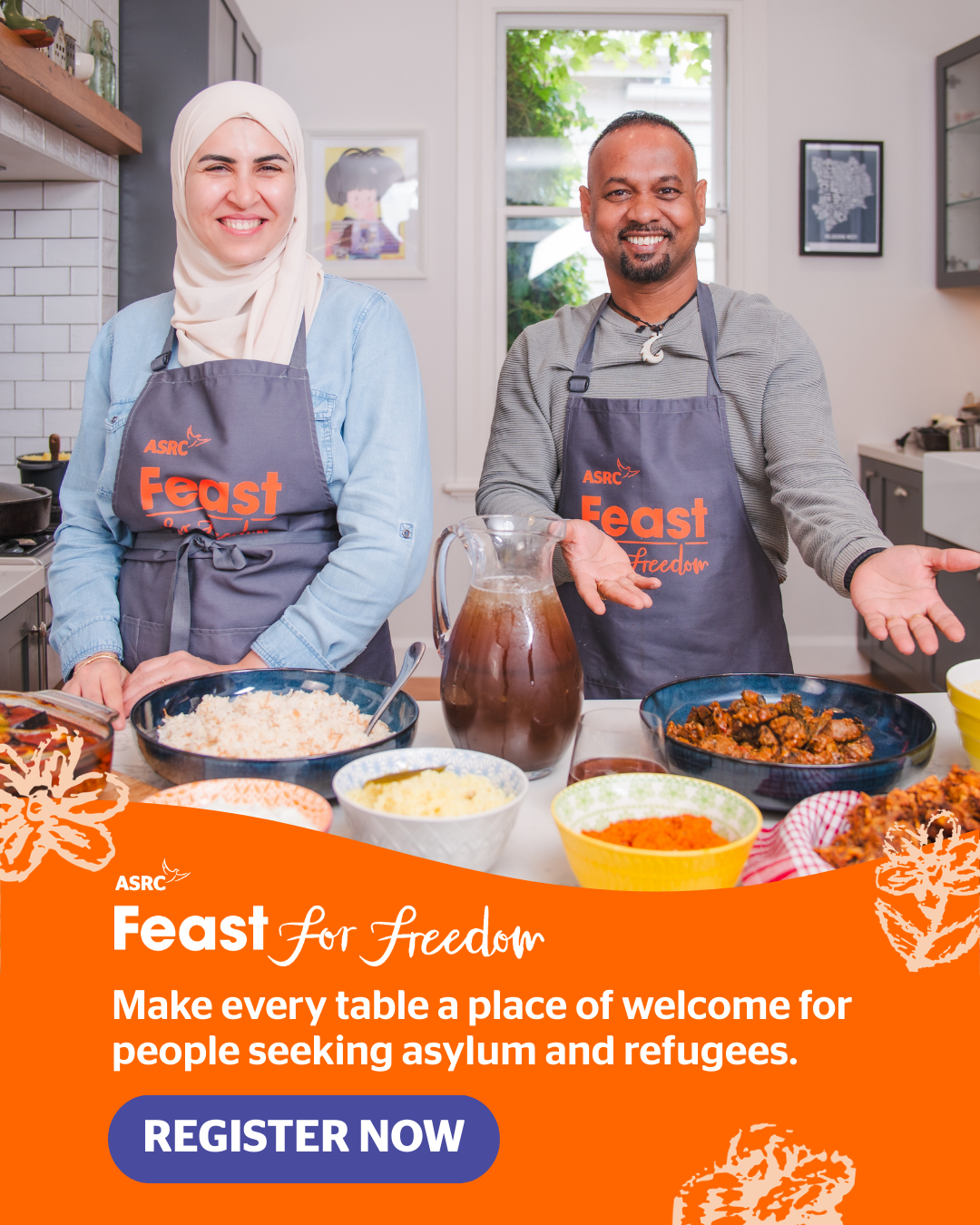
For the first time, Feast for Freedom is bringing people together for a spectacular long-table dinner as part of the Melbourne Food & Wine Festival.
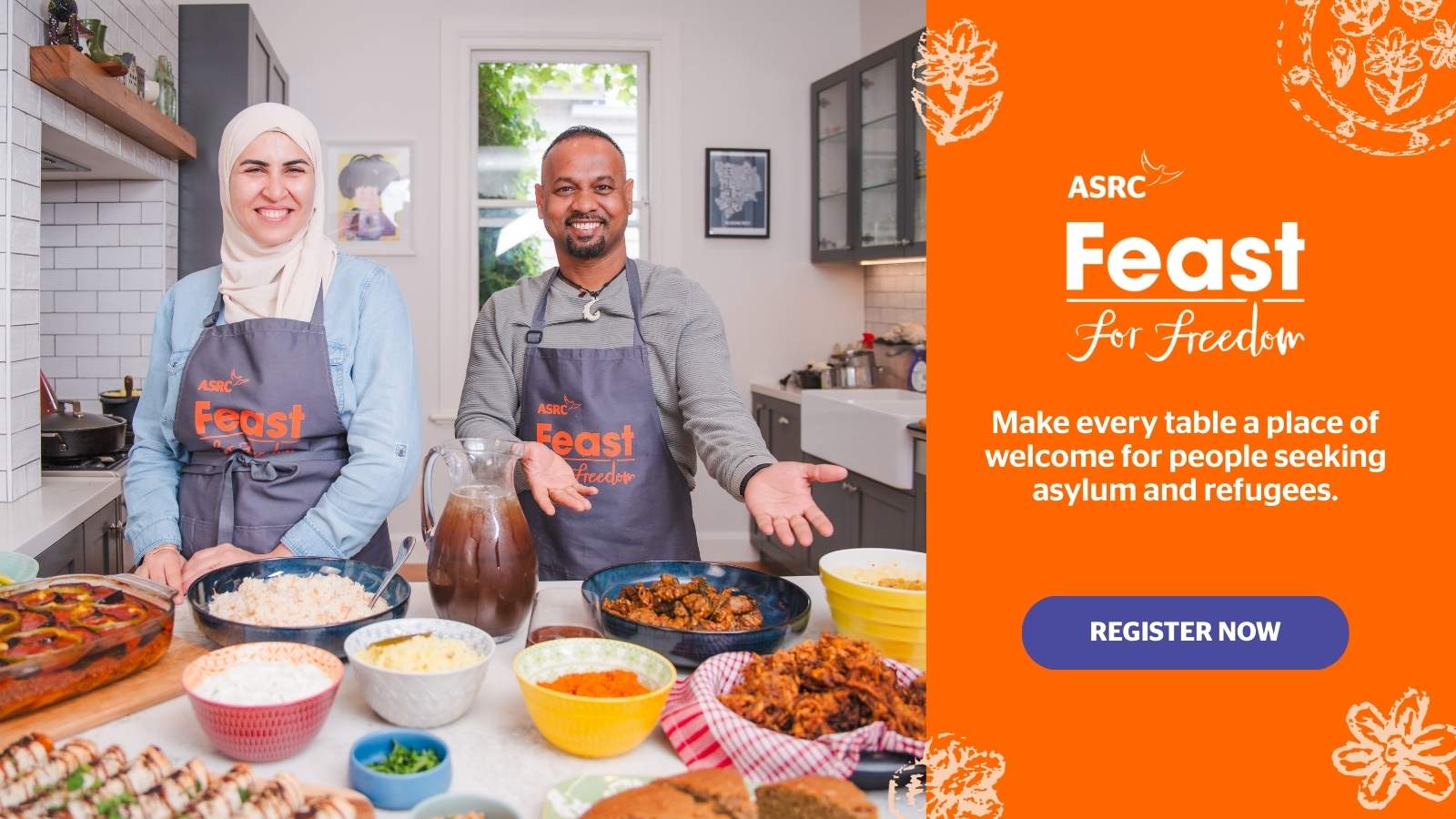
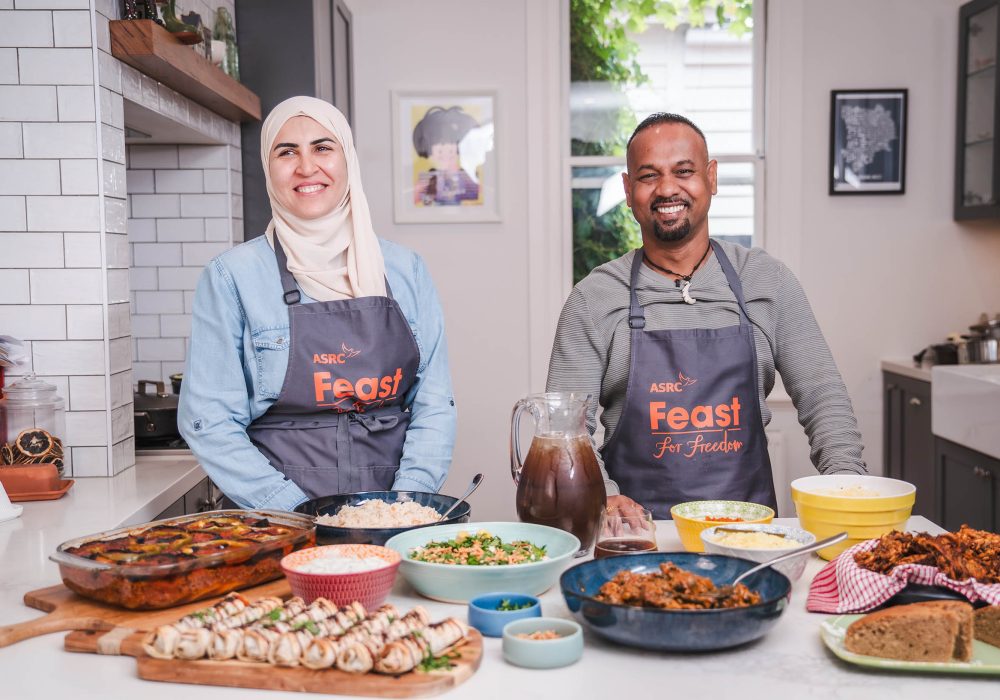
A Longer Table is exactly what it sounds like: one beautiful shared table inside the Asylum Seeker Resource Centre (@Asrc1), piled with generous dishes inspired by this year’s hero cooks, Noha and Nige.
From 6 to 9pm on Wednesday, 25 March, this is what you can expect:
🍽 A three-course shared feast
🍷 Matched drinks
🎶 Live entertainment
✨ A room full of good humans
Your ticket doesn’t just buy you a delicious dinner. It supports the ASRC’s vital work and helps create a fairer future for people seeking asylum.
Seats are limited, and long tables have a way of filling up quickly – head to @MelbFoodAndWine’s website to book now: feastforfreedom.org.au/mfwf
#FeastForFreedom #MelbourneFoodAndWineFestival #LongTableDinner #FoodForChange

Sew versatile! 🪡
Another great make from Lisa from @SunnySewsEveryday:
My #PeppermintWaratahWrapDress is finished and I’m so proud of it. It has been designed not to flap open and flash your pants in the wind, so I feel confident it will be a great wheelchair or standing dress in English weather.
#PeppermintPatterns #WrapDress #WrapDressPattern

Frame your face with the Peppermint Bucket Hat!
Stay safe and stylish in the sun with your very own self-sewn and self-drafted wide-brimmed bucket hat. This beginner-friendly sew is perfect for a sunny day. Get out your pencils – this pattern is created using equations and maths!
This DIY project was featured in Issue 53 and now you can access it for the lovely low price of only $5.
Sun-safe chic is always in style. ☀️
Find it via the link in our bio!
Photos: @KelleySheenan
#PeppermintPatterns #PeppermintBucketHat #BucketHat #BucketHatPattern #DIY

✨ INSTANT CLASSIC ✨
The Peppermint Myrtle Shift Dress is a beginner-friendly make with a few special details based on the ever-stylish shift shape – the perfect dress you need in your wardrobe right now!
Myrtle cuts above the knee with options to customise the length. Don’t think she’s reserved for hot weather either: try a heavier-weight fabric to turn your Myrtle into a pinafore-style garment for layering.
For our fabrics we chose two from our lovely sewing partner @Karmme_Apparel – the bold Rottnest Stripes in a lightweight, soft-drape cotton, and the quality linen in the handpainted Mexico Collection.
Get making the Myrtle – the only question is, can you stop at just one?
Link in bio 🪡
Fabric: @Karmme_Apparel
Sewist: @Laura_The_Maker
Photos: @KelleySheenan
Models: @SerahSews and @Pins_And_Tonic
Location: @ShareTheDignityAustralia
#PeppermintMyrtleShiftDress #PeppermintPatterns

It’s time to Feast!
Some recipes travel a long way before they land on your table to delight your taste buds. This year’s Feast for Freedom invites us to gather our friends, cook something delectable and raise funds for the incredible work of the Asylum Seeker Resource Centre (@Asrc1) while we’re at it.
The 2026 Feast features recipes shared by two remarkable cooks: Noha, who brought the flavours of Palestine with her when she arrived in Australia, and Nige, a Sri-Lankan Tamil cook whose journey with food began in the most unexpected of places.
You can host your own Feast up until 30 April – simply register online and get planning! Host a dinner, organise a workplace lunch, or gather your community… However you do it, the idea is simple: cook, connect and celebrate the cultures and stories that shape Australia.
Want to find out more? Head to the link in bio to meet Noha and Nige, learn more about their stories, and discover a delicious recipe to try.
#FeastForFreedom #PeppermintMagazine #FoodForGood #ASRC
