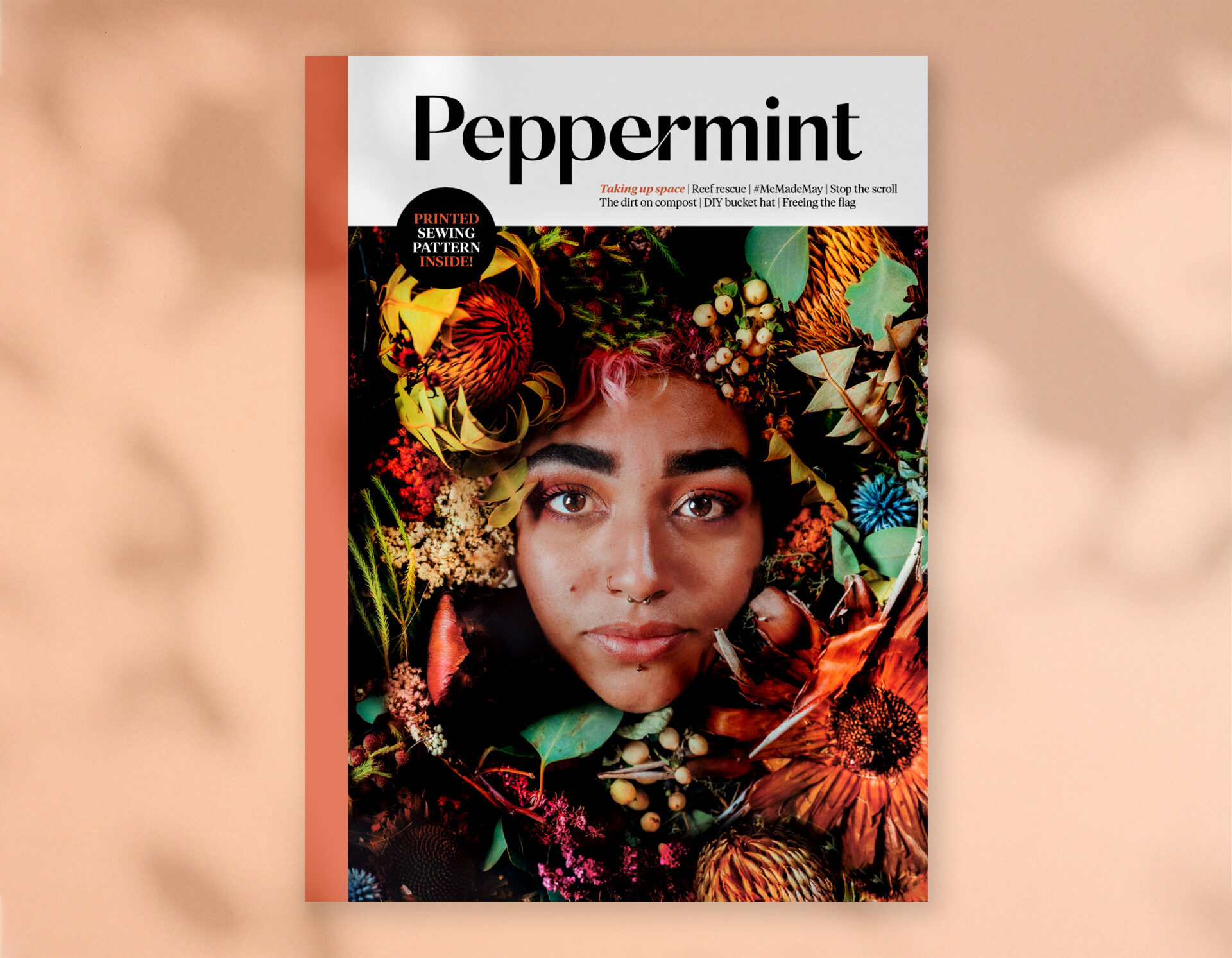
Drum roll, please… the richly hued, autumnal beauty that is our latest issue is finally here!
From the resplendent cover – created in collaboration with photographer, illustrator and proud Aboriginal creator Bobbi Lockyer – to the FREE printed pattern nestled within the pages of the mag for the first time ever, you’ll find so many things to inspire you to think, do and make…
We’re as overjoyed as ever to deliver this glorious, lush-paged baby to the world bursting with all the usual considered goodness. It’s the answer to all your pre-snuggle season questions – and a preamble to switching off and settling in for some well-deserved quiet time… In this issue’s pages you’ll dive into an undersea world with a crew of passionate citizen scientists working to rescue the Great Barrier Reef; be inspired by TikTok star and model AJ Clementine as she talks self-acceptance and gender identity; meet the bio-artist collaborating with Mother Nature by growing clothing from grass roots; read about Clothing the Gaps’ journey to freeing the Aboriginal flag; discover how social enterprise Second Stitch is empowering women from diverse backgrounds through the magic of sewing; go behind the seams of Afrofuturistic label Remuse Designs; talk trash about dirt with three local compost champions; discover the secrets of soapmaking with Washpool Skin Wellness; colour yourself happy with queen of chaotic, joyful hues Katie Kortman; and laugh as we try switching off from social media for a week.
Plus you’ll meet the founder of the #MeMadeMay movement; get making a cute DIY (and pattern-free) bucket hat; learn from artist and activist Brenna Quinlan who draws to inspire action; embrace the cosy art of hygge – minus the commercialism; bite into a sweeter tomorrow thanks to Fairtrade chocolate; waddle to the little town of Penguin, Tasmania; lean into the leaf trend with a curation of botanical beauties; plus cook with Indigenous chef Nornie Bero who brings big island vibes to Australian pantries with native ingredients! And for those in the back row: the free pattern is in the issue!
Get your copy today by visiting our shop or your closest stockist (and for the digital version, head here).
Take a peek inside this issue!
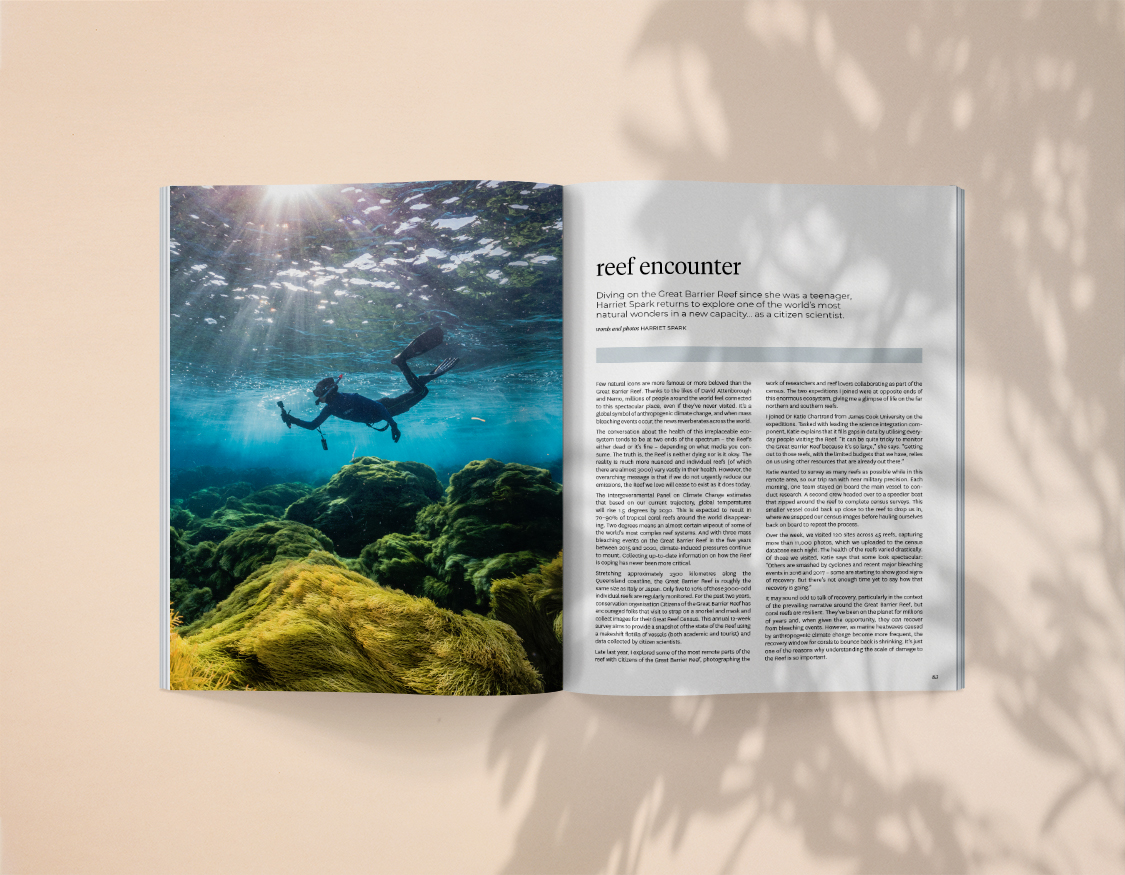
‘REEF ENCOUNTER’ Diving on the Great Barrier Reef since she was a teenager, Harriet Spark returns to explore one of the world’s most natural wonders in a new capacity… as a citizen scientist. Words and photos by Harriet Spark.
Few natural icons are more famous or more beloved than the Great Barrier Reef. Thanks to the likes of David Attenborough and Nemo, millions of people around the world feel connected to this spectacular place, even if they’ve never visited. It’s a global symbol of anthropogenic climate change, and when mass bleaching events occur, the news reverberates across the world.
The conversation about the health of this irreplaceable ecosystem tends to be at two ends of the spectrum – the Reef’s either dead or it’s fine – depending on what media you consume. The truth is, the Reef is neither dying nor is it okay. The reality is much more nuanced and individual reefs (of which there are almost 3000) vary vastly in their health. However, the overarching message is that if we do not urgently reduce our emissions, the Reef we love will cease to exist as it does today.
The Intergovernmental Panel on Climate Change estimates that based on our current trajectory, global temperatures will rise 1.5 degrees by 2030. This is expected to result in 70–90% of tropical coral reefs around the world disappearing. Two degrees means an almost certain wipeout of some of the world’s most complex reef systems. And with three mass bleaching events on the Great Barrier Reef in the five years between 2015 and 2020, climate-induced pressures continue to mount. Collecting up-to-date information on how the Reef is coping has never been more critical.
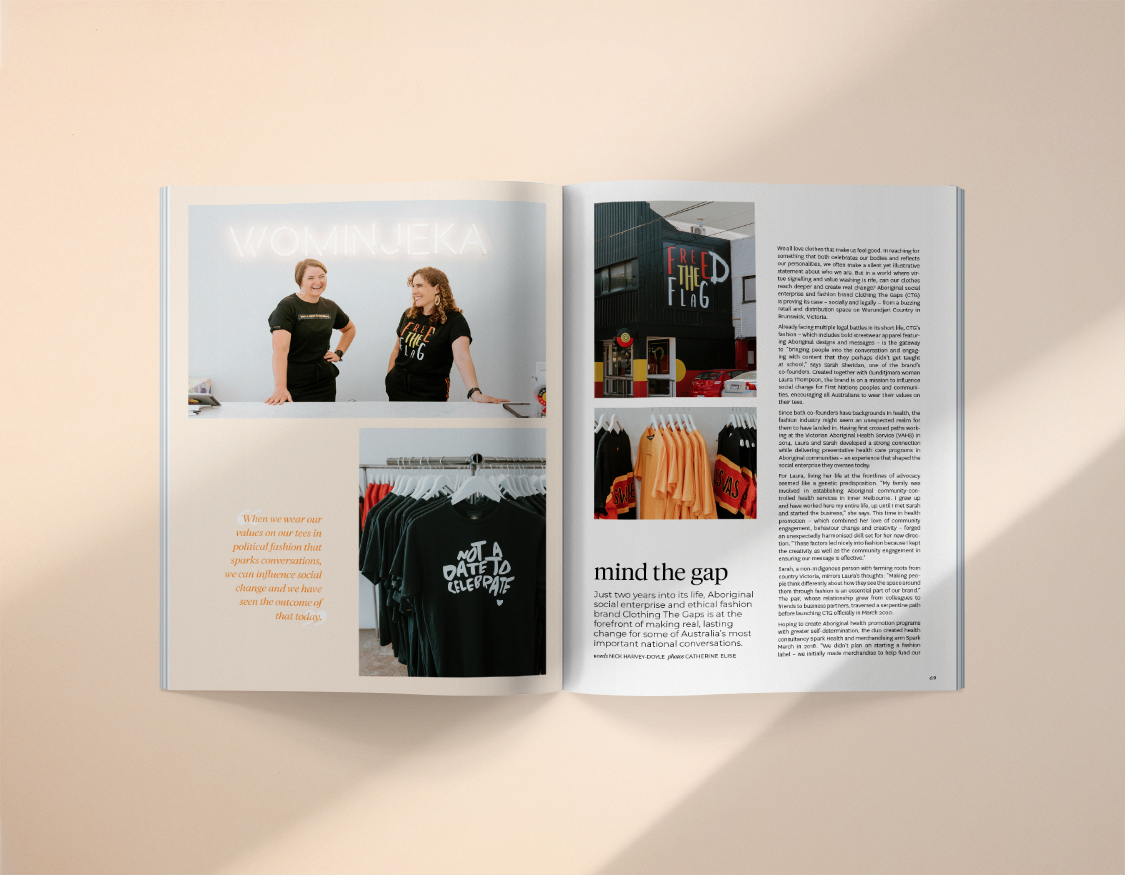
‘MIND THE GAP’ Just two years into its life, Aboriginal social enterprise and ethical fashion brand Clothing the Gaps is at the forefront of making real, lasting change for some of Australia’s most important national conversations. Words by Nick Harvey-Doyle
We all love clothes that make us feel good. In reaching for something that both celebrates our bodies and reflects our personalities, we often make a silent yet illustrative statement about who we are. But in a world where virtue signalling and value washing is rife, can our clothes reach deeper and create real change? Aboriginal social enterprise and fashion brand Clothing The Gaps (CTG) is proving its case – socially and legally – from a buzzing retail and distribution space on Wurundjeri Country in Brunswick, Victoria.
In a world where virtue signalling and value washing is rife, can our clothes reach deeper and create real change?
Already facing multiple legal battles in its short life, CTG’s fashion – which includes bold streetwear apparel featuring Aboriginal designs and messages – is the gateway to “bringing people into the conversation and engaging with content that they perhaps didn’t get taught at school,” says Sarah Sheridan, one of the brand’s co-founders. Created together with Gunditjmara woman Laura Thompson, the brand is on a mission to influence social change for First Nations peoples and communities, encouraging all Australians to wear their values on their tees.
Since both co-founders have backgrounds in health, the fashion industry might seem an unexpected realm for them to have landed in. Having first crossed paths working at the Victorian Aboriginal Health Service (VAHS) in 2014, Laura and Sarah developed a strong connection while delivering preventative health care programs in Aboriginal communities – an experience that shaped the social enterprise they oversee today.
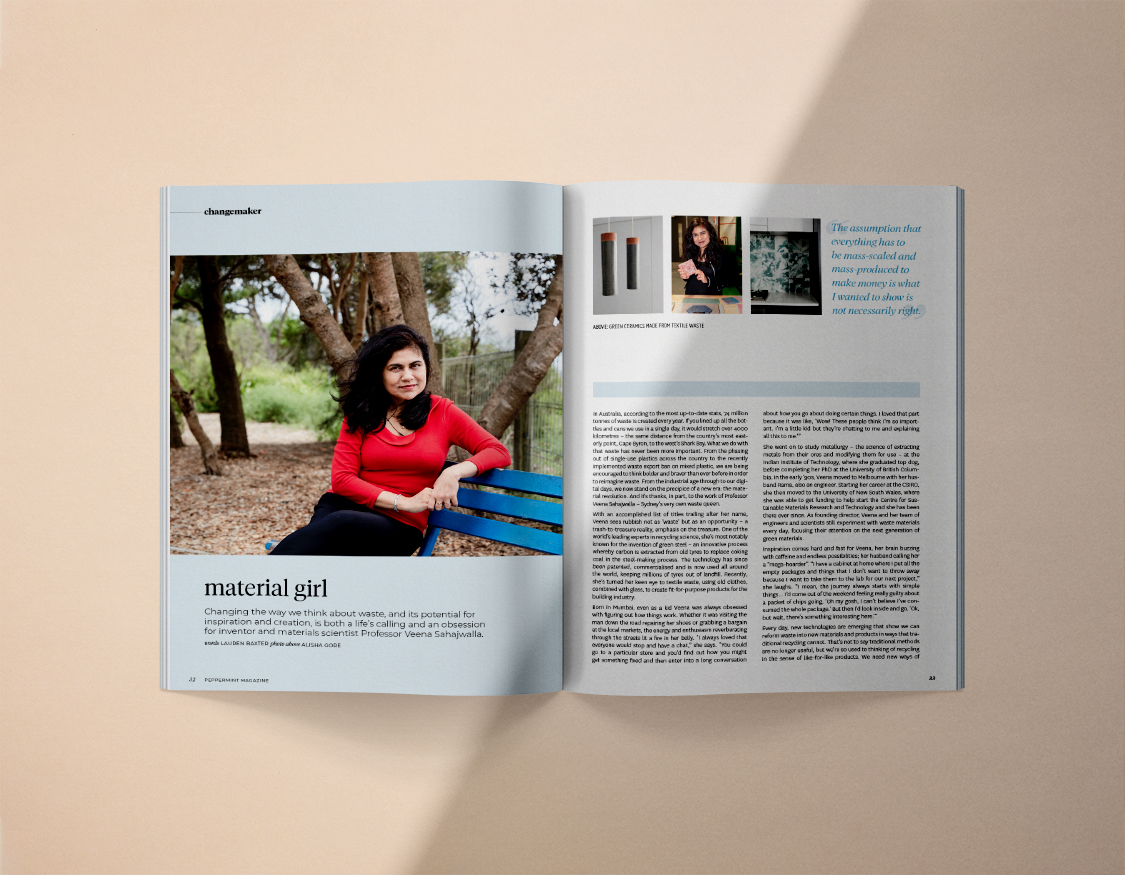
‘MATERIAL GIRL’ Changing the way we think about waste, and its potential for inspiration and creation, is both a life’s calling and an obsession for inventor and materials scientist Professor Veena Sahajwalla. Words by Lauren Baxter.
“I love that scientific challenge that asks, ‘If it no longer can be used as a piece of clothing or if it’s a broken bit of glass, but your town or the town next door doesn’t have a smelter, what else can you do with it?’” she enthuses. “Our solution, in the case of green ceramics, was a complete game changer in that we’ve actually shown that you don’t need to smelt glass to make that product. So it’s also about then challenging the notion that this is how traditional, conventional manufacturing is done. And what we’re saying is, ‘No, actually if you were doing it in a microfactory, you could do it in a completely different way.’ Because it all comes down to how you manufacture and for what purpose.”
These microfactories are intended to be used in the real world to produce these products in real time, turning consumer waste into commercially viable products and creating local jobs. The premise is to set them up alongside disposal centres and process the waste at the source, reducing carbon miles. “It was always about performance and quality of the product. The assumption that everything has to be mass-scaled and mass-produced to make money is what I wanted to show is not necessarily right,” Veena says. “Importantly,” she continues, “[the microfactories] only make as much as we need. You can literally get it in micro time and micro batches.”
On-the-ground, practical solutions that anybody in the world can deploy have always been Veena’s motivation.
“In my mind, waste shouldn’t be seen as waste,” she explains. “It’s a resource. But it only becomes a resource when it can actually come back to life as a manufactured product. And when we think about circular manufacturing, it’s not just one circular loop. It’s multiple circularity solutions.”
It brings into question how we view waste in the first place. “Growing up in a place like Mumbai, it was always about, to some extent, appreciating what you had because there was a sentimental value attached to it,” Veena reflects. “I remember the story of every piece of clothing that I got, and some things I still hang on to because they were from days when I was a student. There’s a photo of me wearing this t-shirt that I have in one of my albums. And the fact that it’s still hanging in my wardrobe, I mean, that’s the stuff that, I think, for all of us is important.”
“In my mind, waste shouldn’t be seen as waste. It’s a resource. But it only becomes a resource when it can actually come back to life as a manufactured product.”
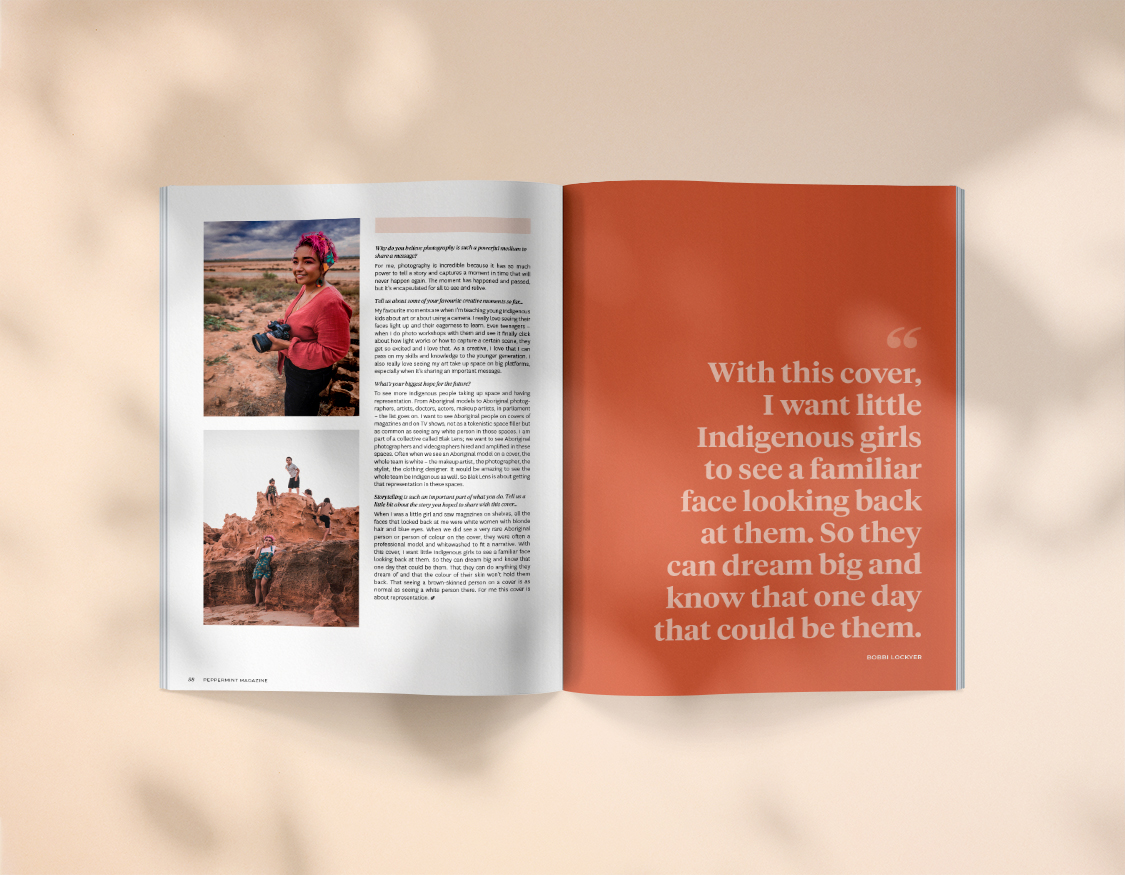
‘A SHIFTING LENS’ Last year’s NAIDOC Artist of the Year, Ngarluma, Kariyarra, Nyulnyul and Yawuru photographer and illustrator Bobbi Lockyer is the creative behind our autumnal, richly hued cover.
Why do you believe photography is such a powerful medium to share a message?
For me, photography is incredible because it has so much power to tell a story and captures a moment in time that will never happen again. The moment has happened and passed, but it’s encapsulated for all to see and relive.
Tell us about some of your favourite creative moments so far…
My favourite moments are when I’m teaching young Indigenous kids about art or about using a camera. I really love seeing their faces light up and their eagerness to learn. Even teenagers – when I do photo workshops with them and see it finally click about how light works or how to capture a certain scene, they get so excited and I love that. As a creative, I love that I can pass on my skills and knowledge to the younger generation. I also really love seeing my art take up space on big platforms, especially when it’s sharing an important message.
What’s your biggest hope for the future?
To see more Indigenous people taking up space and having representation. From Aboriginal models to Aboriginal photographers, artists, doctors, actors, makeup artists, in parliament – the list goes on. I want to see Aboriginal people on covers of magazines and on TV shows, not as a tokenistic space filler but as common as seeing any white person in those spaces. I am part of a collective called Blak Lens; we want to see Aboriginal photographers and videographers hired and amplified in these spaces. Often when we see an Aboriginal model on a cover, the whole team is white – the makeup artist, the photographer, the stylist, the clothing designer. It would be amazing to see the whole team be Indigenous as well. So Blak Lens is about getting that representation in these spaces.
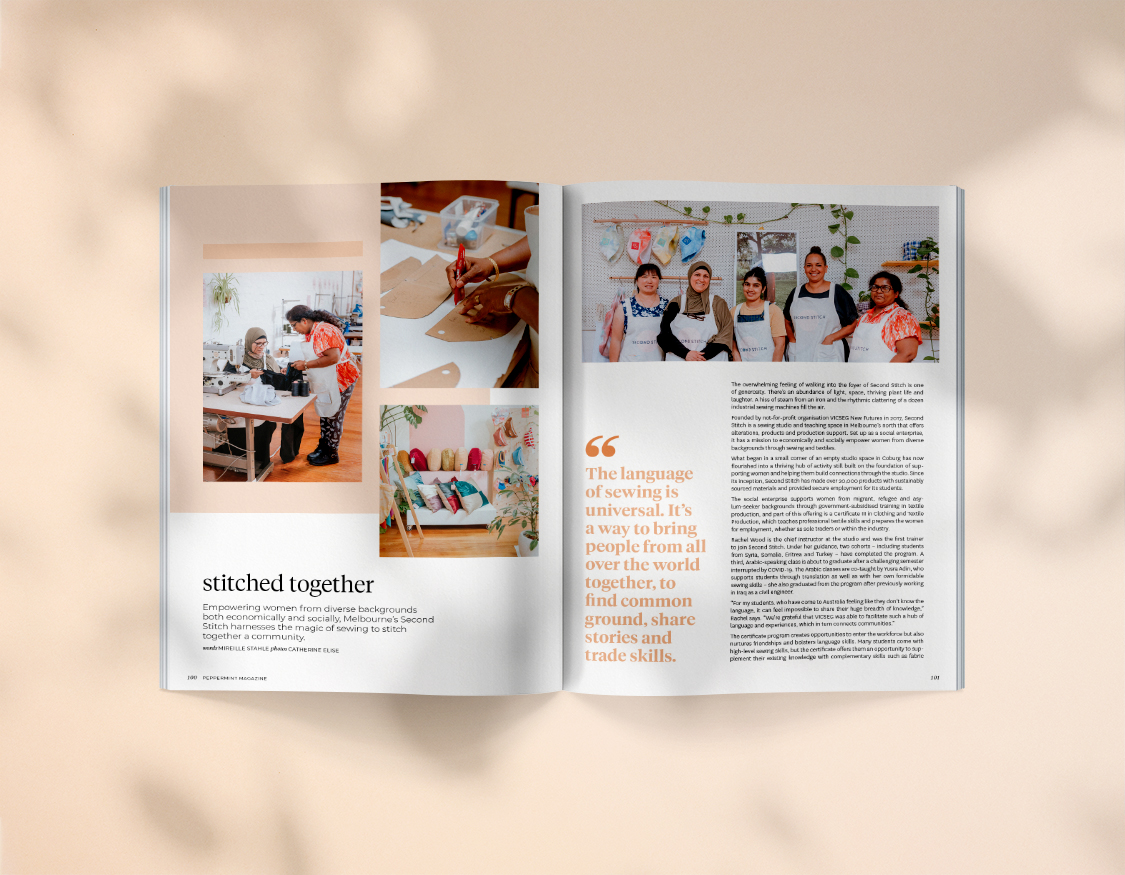
‘STITCHED TOGETHER’ Empowering women from diverse backgrounds both economically and socially, Melbourne’s Second Stitch harnesses the magic of sewing to stitch together a community. Words by Mireille Stahle.
Jaffna Tamil refugee Mary graduated from the certificate program which, in addition to her 15 years of tailoring experience, gave her the confidence to start her own baby clothing business.
“They were so supportive of my learning,” says Mary, who continues to work at the studio to stay connected to the community and practise speaking English.
For Rohini, also a Tamil refugee, the highlight of working at Second Stitch is the strong community focus. “I have been making my own clothes and clothes for my family since I was 12 years old,” she explains. “I escaped war with my son, and I struggled as a single mother with very little English. I love working with the community – we share skills, but also take care of each other. When I wake up in the morning, I’m excited to see my friends at Second Stitch.”
Rohini’s favourite part of work is meeting customers to discuss their alterations. “Talking to customers is how I’ve learned how to speak English!” she says proudly. “I love alterations because I love chatting to the customers.”
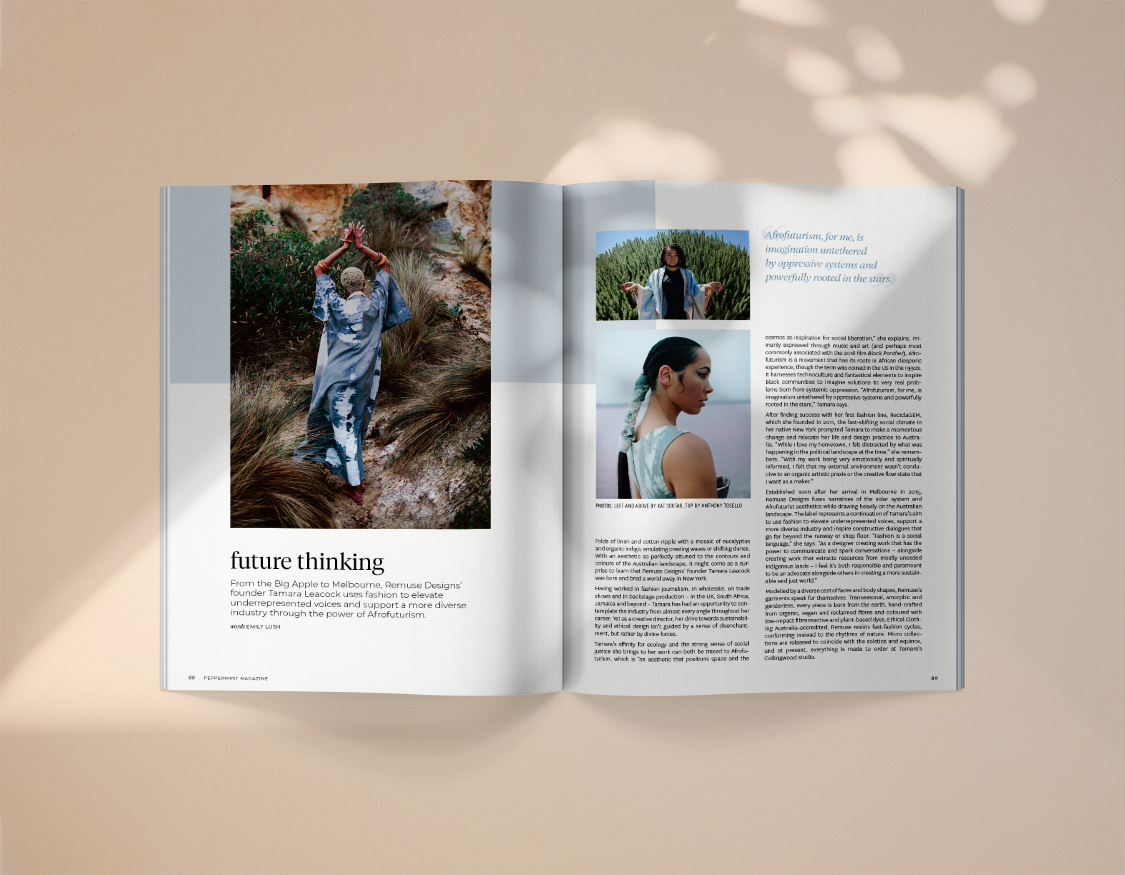
‘FUTURE THINKING’ From the Big Apple to Melbourne, Remuse Designs’ founder Tamara Leacock uses fashion to elevate underrepresented voices and support a more diverse industry through the power of Afrofuturism. Words by Emily Lush
Folds of linen and cotton ripple with a mosaic of eucalyptus and organic indigo, emulating cresting waves or shifting dunes. With an aesthetic so perfectly attuned to the contours and colours of the Australian landscape, it might come as a surprise to learn that Remuse Designs’ founder Tamara Leacock was born and bred a world away in New York.
Having worked in fashion journalism, in wholesale, on trade shows and in backstage production – in the UK, South Africa, Jamaica and beyond – Tamara has had an opportunity to contemplate the industry from almost every angle throughout her career. Yet as a creative director, her drive towards sustainability and ethical design isn’t guided by a sense of disenchantment, but rather by divine forces.
“Afrofuturism, for me, is imagination untethered by oppressive systems and powerfully rooted in the stars.”
Tamara’s affinity for ecology and the strong sense of social justice she brings to her work can both be traced to Afrofuturism, which is “an aesthetic that positions space and the cosmos as inspiration for social liberation,” she explains. Primarily expressed through music and art (and perhaps most commonly associated with the 2018 film Black Panther), Afrofuturism is a movement that has its roots in African diasporic experience, though the term was coined in the US in the 1990s. It harnesses technoculture and fantastical elements to inspire Black communities to imagine solutions to very real problems born from systemic oppression. “Afrofuturism, for me, is imagination untethered by oppressive systems and powerfully rooted in the stars,” Tamara says.
“My piece of advice for makers and designers? Run your own race… make sure your key decisions stay anchored in your brand’s core beliefs.”
- Bec Bligh
Quick show of hands: who’s opened a water bottle expecting a refreshing sip… and instead been greeted by the unmistakable whiff of uh-oh?
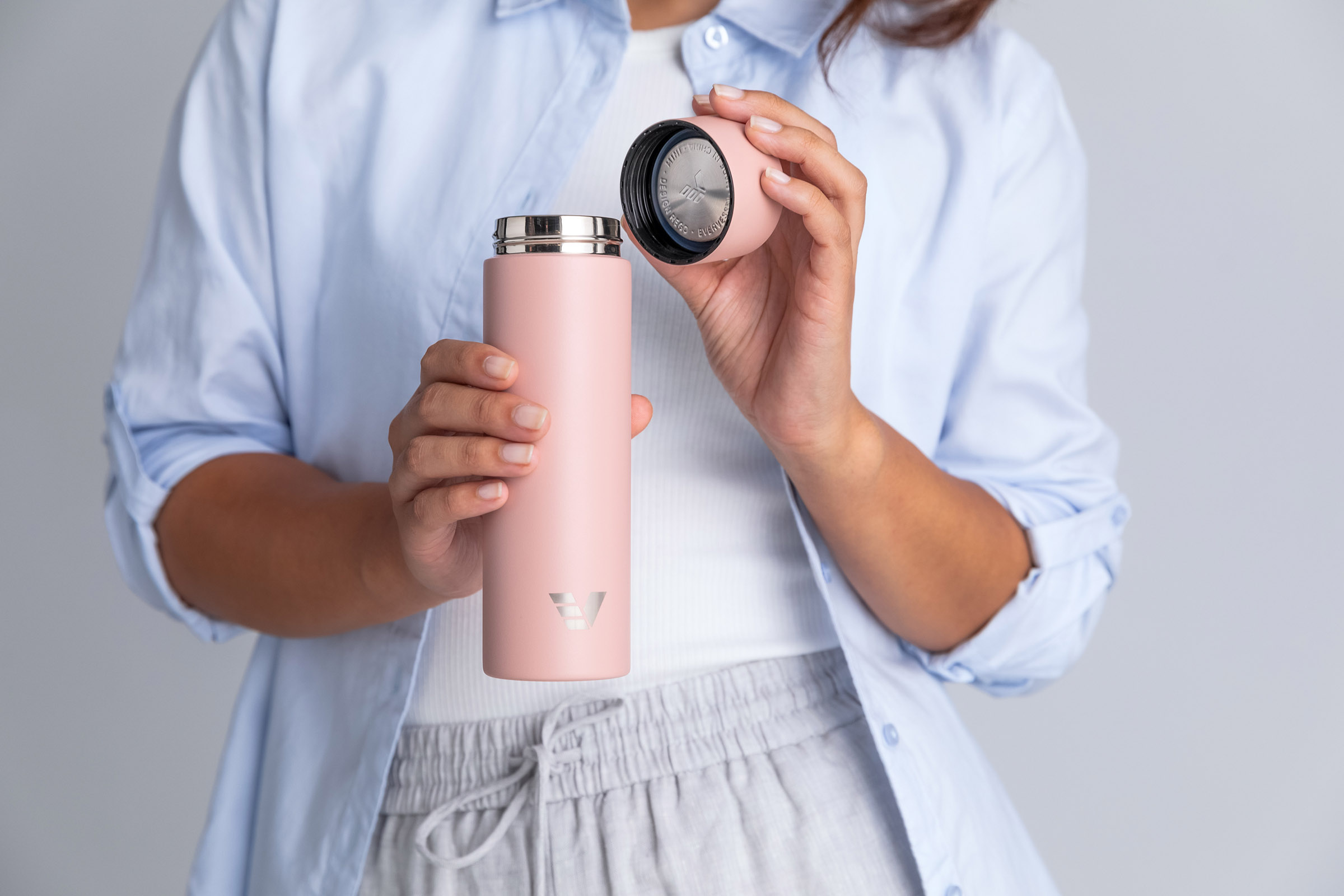
Because for something that follows us everywhere (desk, car, hikes, yoga…), the humble drink bottle is strangely prone to becoming a science experiment. Hard-to-clean corners and gaskets. Mystery smells. Bec Bligh and her husband Tim know it well. A six-month sailing trip along the Queensland coast left them with a lifetime of memories and one stubborn annoyance: mouldy water bottles they couldn’t properly clean.
So they did something about it.
Enter @EverVessel. Thoughtfully designed borosilicate glass and stainless steel bottles that keep things beautifully simple: durable materials, wide openings, easy-to-clean parts and none of the techy gimmicks that tend to age badly. Turns out simplicity, done well, is pretty powerful stuff. (Their many design awards agree!)
And lately they’ve added a little extra delight: the Artist Series, where creatives like Paola Castro, Ben Miners and Martin Thompson transform these everyday companions into tiny travelling artworks. There are more colabs in the works, too: hydration, but make it joyful! 🎨💧
We chatted with Bec about the sailing trip that started it all, the philosophy behind Ever Vessel, and why the most sustainable product is often just the one you keep using.
Tap the link in our bio to read the full conversation. 🚰
#EverVessel #ReusableWaterBottle


Pull up a chair… there’s room at this table!
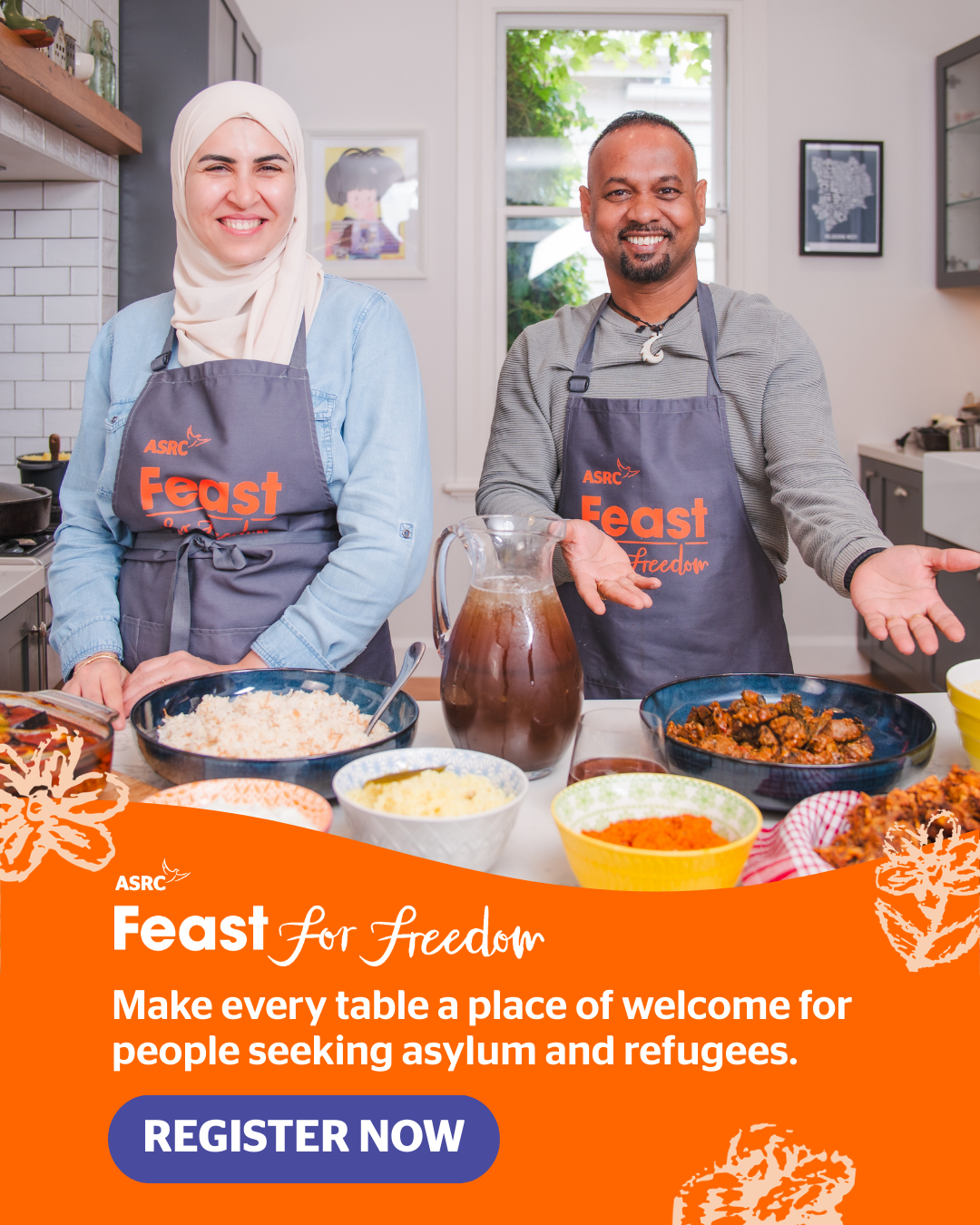
For the first time, Feast for Freedom is bringing people together for a spectacular long-table dinner as part of the Melbourne Food & Wine Festival.
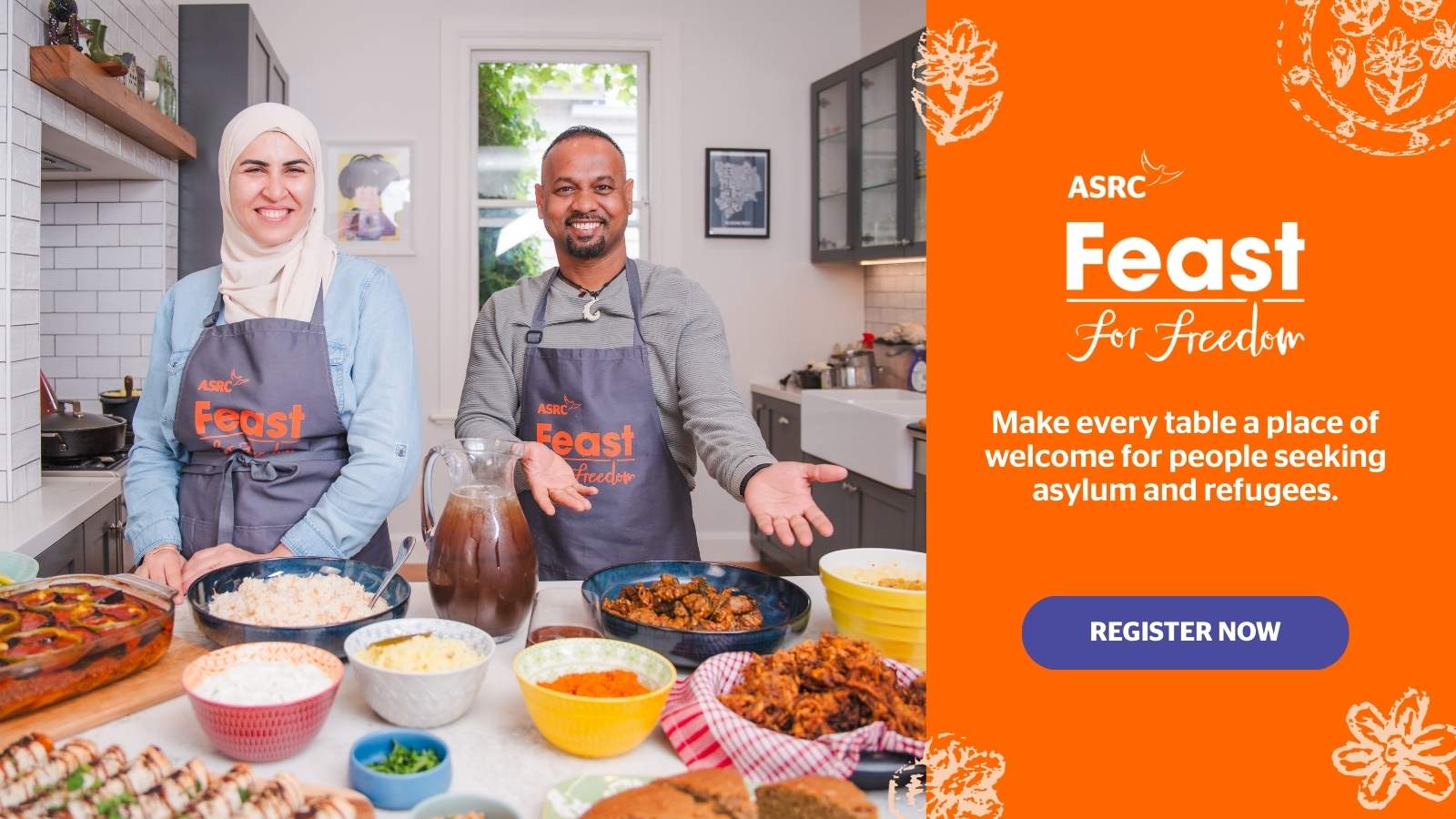
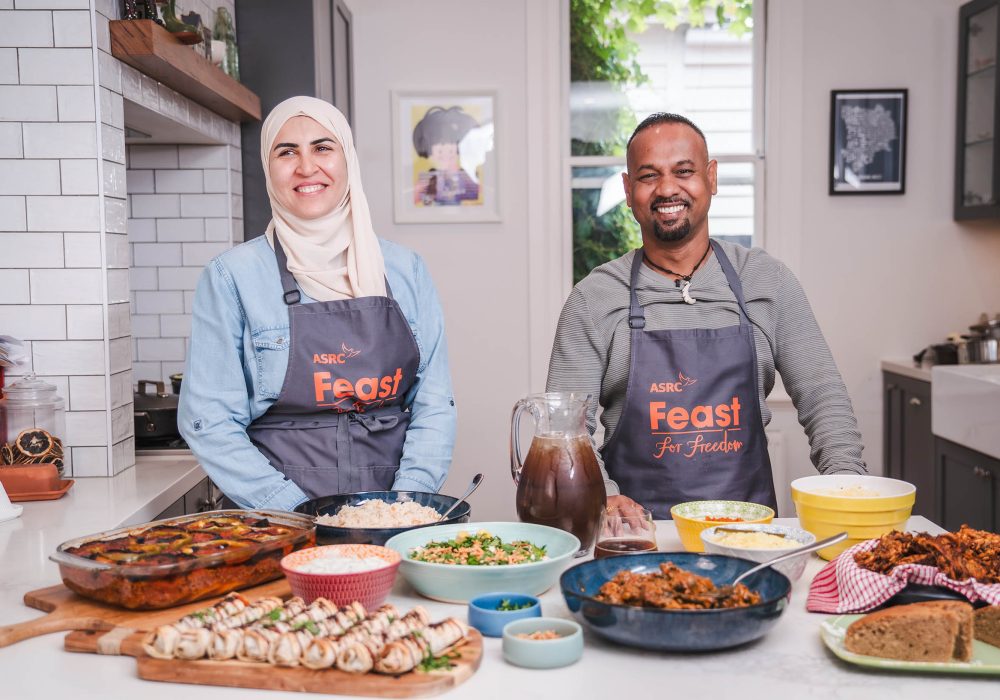
A Longer Table is exactly what it sounds like: one beautiful shared table inside the Asylum Seeker Resource Centre (@Asrc1), piled with generous dishes inspired by this year’s hero cooks, Noha and Nige.
From 6 to 9pm on Wednesday, 25 March, this is what you can expect:
🍽 A three-course shared feast
🍷 Matched drinks
🎶 Live entertainment
✨ A room full of good humans
Your ticket doesn’t just buy you a delicious dinner. It supports the ASRC’s vital work and helps create a fairer future for people seeking asylum.
Seats are limited, and long tables have a way of filling up quickly – head to @MelbFoodAndWine’s website to book now: feastforfreedom.org.au/mfwf
#FeastForFreedom #MelbourneFoodAndWineFestival #LongTableDinner #FoodForChange

Sew versatile! 🪡
Another great make from Lisa from @SunnySewsEveryday:
My #PeppermintWaratahWrapDress is finished and I’m so proud of it. It has been designed not to flap open and flash your pants in the wind, so I feel confident it will be a great wheelchair or standing dress in English weather.
#PeppermintPatterns #WrapDress #WrapDressPattern

Frame your face with the Peppermint Bucket Hat!
Stay safe and stylish in the sun with your very own self-sewn and self-drafted wide-brimmed bucket hat. This beginner-friendly sew is perfect for a sunny day. Get out your pencils – this pattern is created using equations and maths!
This DIY project was featured in Issue 53 and now you can access it for the lovely low price of only $5.
Sun-safe chic is always in style. ☀️
Find it via the link in our bio!
Photos: @KelleySheenan
#PeppermintPatterns #PeppermintBucketHat #BucketHat #BucketHatPattern #DIY

✨ INSTANT CLASSIC ✨
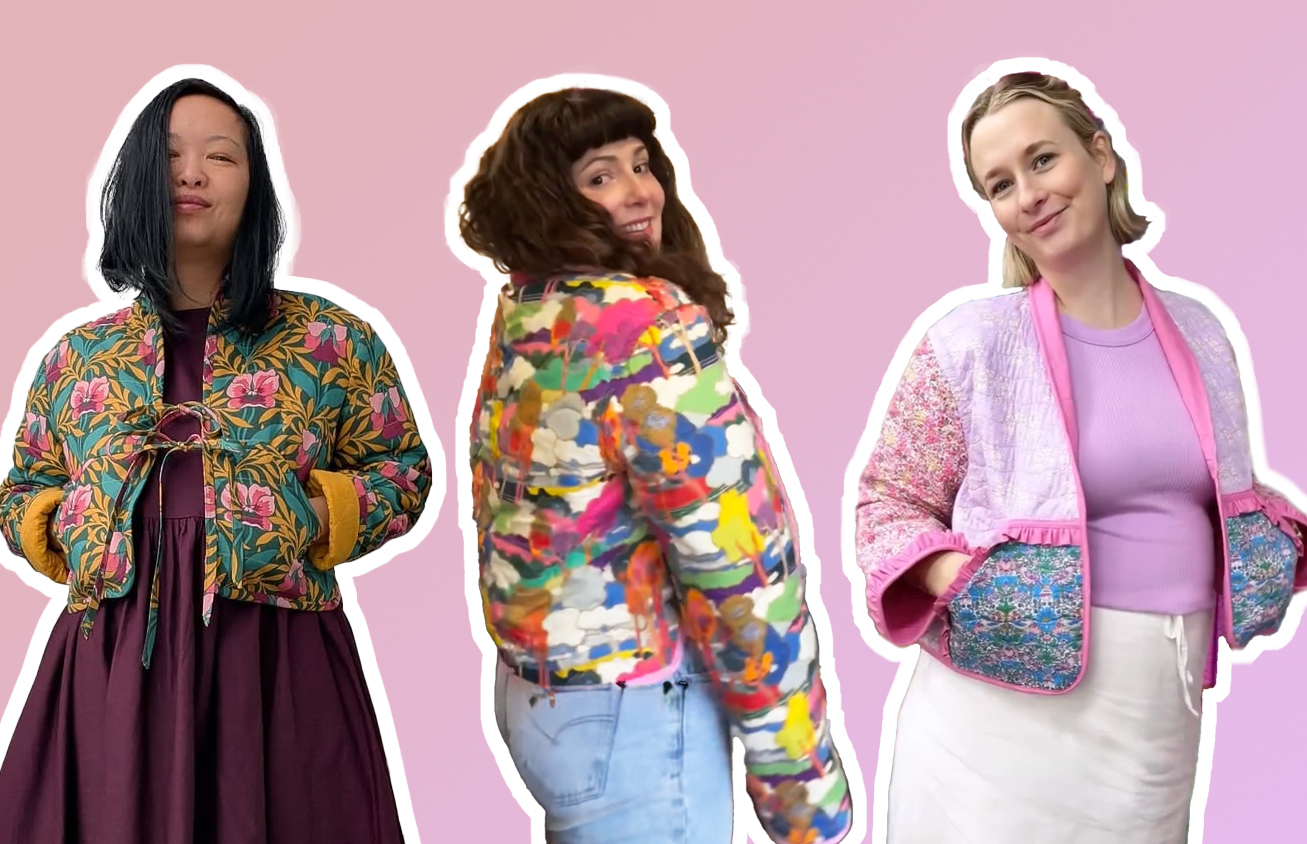
The Peppermint Myrtle Shift Dress is a beginner-friendly make with a few special details based on the ever-stylish shift shape – the perfect dress you need in your wardrobe right now!
Myrtle cuts above the knee with options to customise the length. Don’t think she’s reserved for hot weather either: try a heavier-weight fabric to turn your Myrtle into a pinafore-style garment for layering.
For our fabrics we chose two from our lovely sewing partner @Karmme_Apparel – the bold Rottnest Stripes in a lightweight, soft-drape cotton, and the quality linen in the handpainted Mexico Collection.
Get making the Myrtle – the only question is, can you stop at just one?
Link in bio 🪡
Fabric: @Karmme_Apparel
Sewist: @Laura_The_Maker
Photos: @KelleySheenan
Models: @SerahSews and @Pins_And_Tonic
Location: @ShareTheDignityAustralia
#PeppermintMyrtleShiftDress #PeppermintPatterns

It’s time to Feast!
Some recipes travel a long way before they land on your table to delight your taste buds. This year’s Feast for Freedom invites us to gather our friends, cook something delectable and raise funds for the incredible work of the Asylum Seeker Resource Centre (@Asrc1) while we’re at it.
The 2026 Feast features recipes shared by two remarkable cooks: Noha, who brought the flavours of Palestine with her when she arrived in Australia, and Nige, a Sri-Lankan Tamil cook whose journey with food began in the most unexpected of places.
You can host your own Feast up until 30 April – simply register online and get planning! Host a dinner, organise a workplace lunch, or gather your community… However you do it, the idea is simple: cook, connect and celebrate the cultures and stories that shape Australia.
Want to find out more? Head to the link in bio to meet Noha and Nige, learn more about their stories, and discover a delicious recipe to try.
#FeastForFreedom #PeppermintMagazine #FoodForGood #ASRC
