words WALTON WONG
The online resale industry is predicted to explode over the next five years – almost tripling its worth – thanks to apps like Depop. But as it grows ever popular with Generation Z, it brings with it issues rooted in gentrification, as Walton Wong explores.
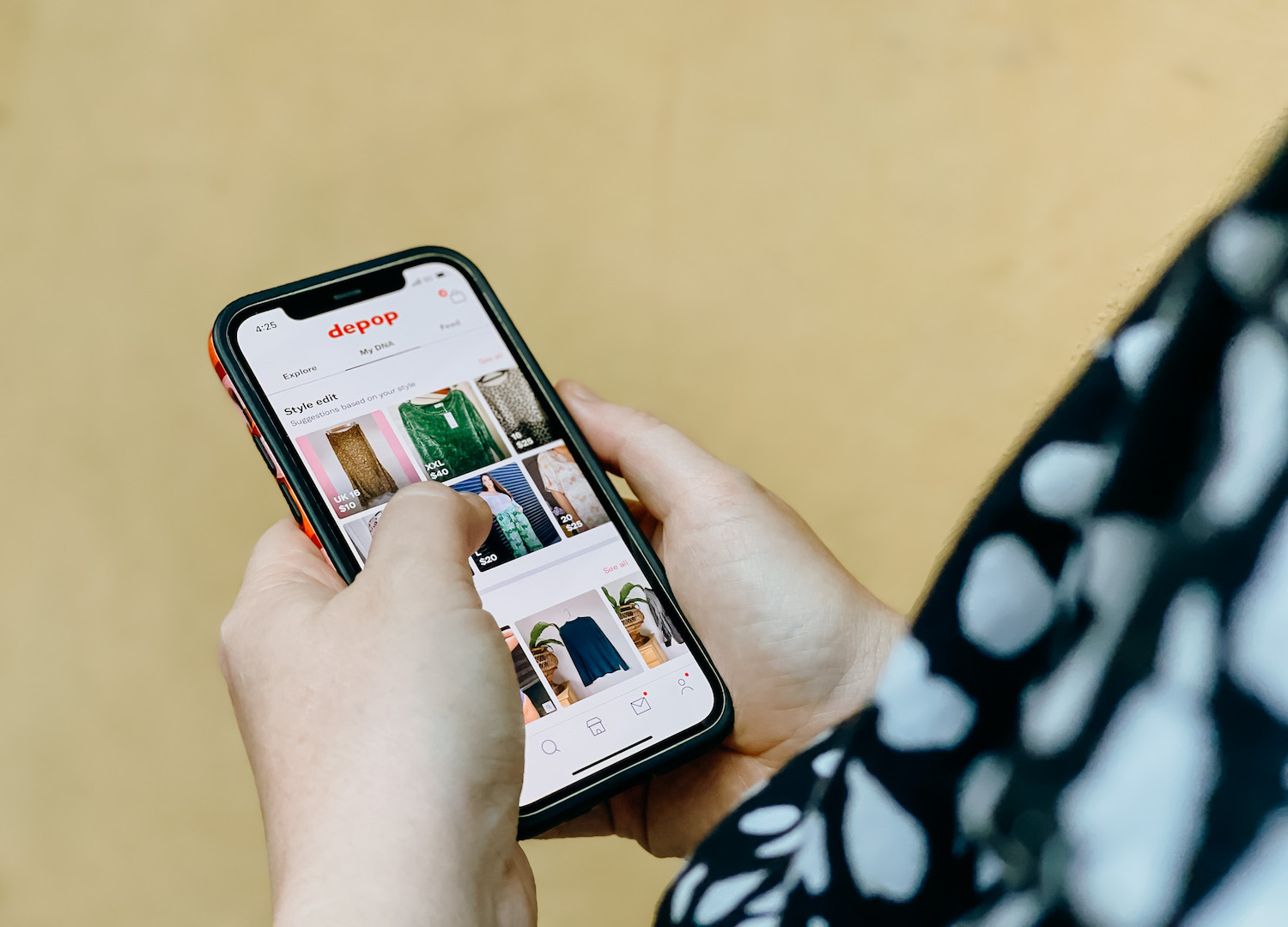
Depop – the trendy, secondhand e-commerce app you’re likely to have encountered online – combines the best facets of Instagram, Pinterest and eBay, all while providing consumers with an ethical way to shop.
Offering the social aspect of Instagram (with the ability to follow and interact with your favourite creators), the aesthetics of Pinterest and the purchasing power of eBay, the app is a popular, entertaining and unique way of shopping that fashion-forward teens have embraced with gusto.
And it’s not surprising – as the internet has grown up, so too has the generation that was raised alongside it. Born into the age of Instagram, TikTok and Twitter, Gen Z have witnessed content and trends moving fast and fashion moving even faster. In one second, something can be hot and the next it’s not. But as more and more are realising, this fast-paced, consumer-driven cycle promotes overproduction, frequent consumption and short-lived garment use… and it’s just not sustainable.
Historically, fashion trends could last up to a decade with most major brands dropping four seasons per year – corresponding with the actual seasons. In recent years, however, trend cycles have drastically condensed as fast-fashion brands produce clothes at lightning-fast rates, making multiple drops in a single month.
In recent years, however, trend cycles have drastically condensed as fast-fashion brands produce clothes at lightning-fast rates, making multiple drops in a single month.
The fact that this swing shows no sign of slowing down, coupled with growing scrutiny of the ethical and environmental impact these polluting supply chains have, many Zoomers have started to search for different ways of being fashion-forward – while also being more sustainable.
Although buying solely from sustainable brands may be a great sentiment, size inclusivity is often problematic, the price point is high and the aesthetics can leave something to be desired by the Gen Z eye. So, they’ve started buying secondhand, causing apps like Depop to skyrocket in popularity.
Trawling through Depop for secondhand goodies can be a much more ethical and sustainable way to shop, but it’s also a privilege. Once upon a time you could walk into your local Vinnies or Salvos to find a cute outfit. And while this is still possible, the chances of finding an outfit at a reasonable price is getting harder and harder. Price aside, finding something name-brand, well-made or trend-driven is even harder. And this is becoming more and more common as Depop sellers around Australia (and the world) bulk buy the better pieces and resell them on the app for upwards of five times their original value.
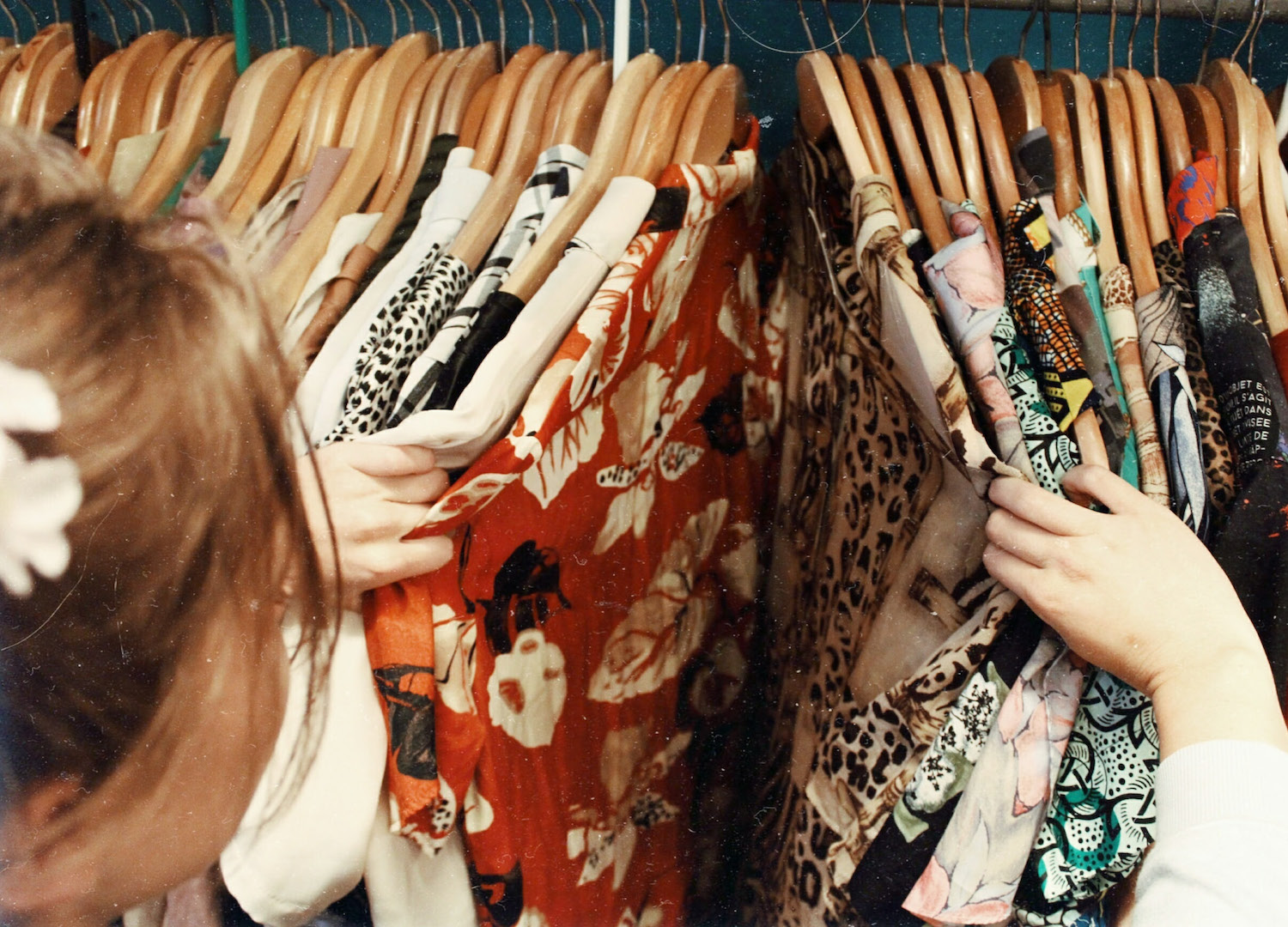
photo VIA UNSPLASH
It’s a big issue, especially since thrift shopping for low-income families isn’t a choice, it’s a necessity. These price hikes have essentially gentrified thrift stores, making them inaccessible to the people who have always relied on them.
Unsurprisingly, many garments making their way into thrift stores today are near new. They’re also typically from fast-fashion brands who simultaneously manufacture garments that aren’t built to last and use materials like polyester that take up to 200 years to decompose. And when you consider that a staggering 330,000 tonnes of textiles are imported into NSW each year, and about 305,000 tonnes are discarded, with only 800 tonnes recycled, that’s a lot of plastic.
Only a few years ago, Australians consumed 23 kilograms of textiles per person, per year, but with fast-fashion brands ruling our sartorial world, that number has increased to almost 31 kilograms. In addition, 240,000 tonnes of textiles go into landfill each year, and only 62,000 tonnes are exported for reuse by charities – bringing with it its own issues overseas. It’s clear that Aussie eyes have grown too big for their wardrobes, many throwing away near-new garments to make room for more clothes.
It’s no wonder why the generation that will inherit the Earth are choosing to shop secondhand on apps like Depop. Yes, Depop has its detractors but at the end of the day, shopping secondhand is still, arguably, the most sustainable way to shop (other than, obviously, not shopping at all).
The resale of preloved items is expected to grow from $15 billion to $47 billion by 2025, overtaking traditional thrift and donation.
Through apps like Depop, clothing is being circulated in a more sustainable and valued way. It allows consumers to reduce their environmental footprint; it provides small business owners with the opportunity to gain income without the outlay of a bricks-and-mortar store; and it provides the average person the means to make some extra pocket change from their preloved, one-of-a-kind, vintage, upcycled or self-made goodies. But most importantly, the reason the app has risen to the top, and why users continue to come back, are the buyers and sellers on the platform who’ve created a community that’s innovative, exciting and passionate about making fashion more sustainable while still looking fabulous.
So, while simply shopping through these apps isn’t going to change the fashion industry overnight, it is a step in the right direction and potentially the way of the future. They’re paving the way for exponential industrial growth. According to the latest thredUP Resale Report, the resale of preloved items is expected to grow from $15 billion to $47 billion by 2025, overtaking traditional thrift and donation. The report goes on to say over 36 million people resold clothes in 2020 for the first time and 33 million people bought secondhand apparel for the first time.
If you’re one of those people who are yet to take the plunge, Depop can be daunting. Here are a few tips to get you started:
- Only buy clothes you really want now and you’ll wear for years to come – always ask yourself, “Do I really need this?”
- Make use of filters: minimise the time you spend searching for things.
- Buy from local sellers, and if safe and possible, try to use the ‘pick up’ option to reduce your carbon footprint through postage.
- Try to avoid impulse purchases: just because it’s secondhand or a seller is having a sale, doesn’t mean you have to buy.
- Many “designer” items on these sites may not be genuine: always ask the seller for clear photos of the labels/receipt and details that might indicate its authenticity.
- Beware of sellers selling items firsthand: a lot of those are wholesalers who mark things up, which is not sustainable.
Happy Depoping!


“My piece of advice for makers and designers? Run your own race… make sure your key decisions stay anchored in your brand’s core beliefs.”
- Bec Bligh
Quick show of hands: who’s opened a water bottle expecting a refreshing sip… and instead been greeted by the unmistakable whiff of uh-oh?
Because for something that follows us everywhere (desk, car, hikes, yoga…), the humble drink bottle is strangely prone to becoming a science experiment. Hard-to-clean corners and gaskets. Mystery smells. Bec Bligh and her husband Tim know it well. A six-month sailing trip along the Queensland coast left them with a lifetime of memories and one stubborn annoyance: mouldy water bottles they couldn’t properly clean.
So they did something about it.
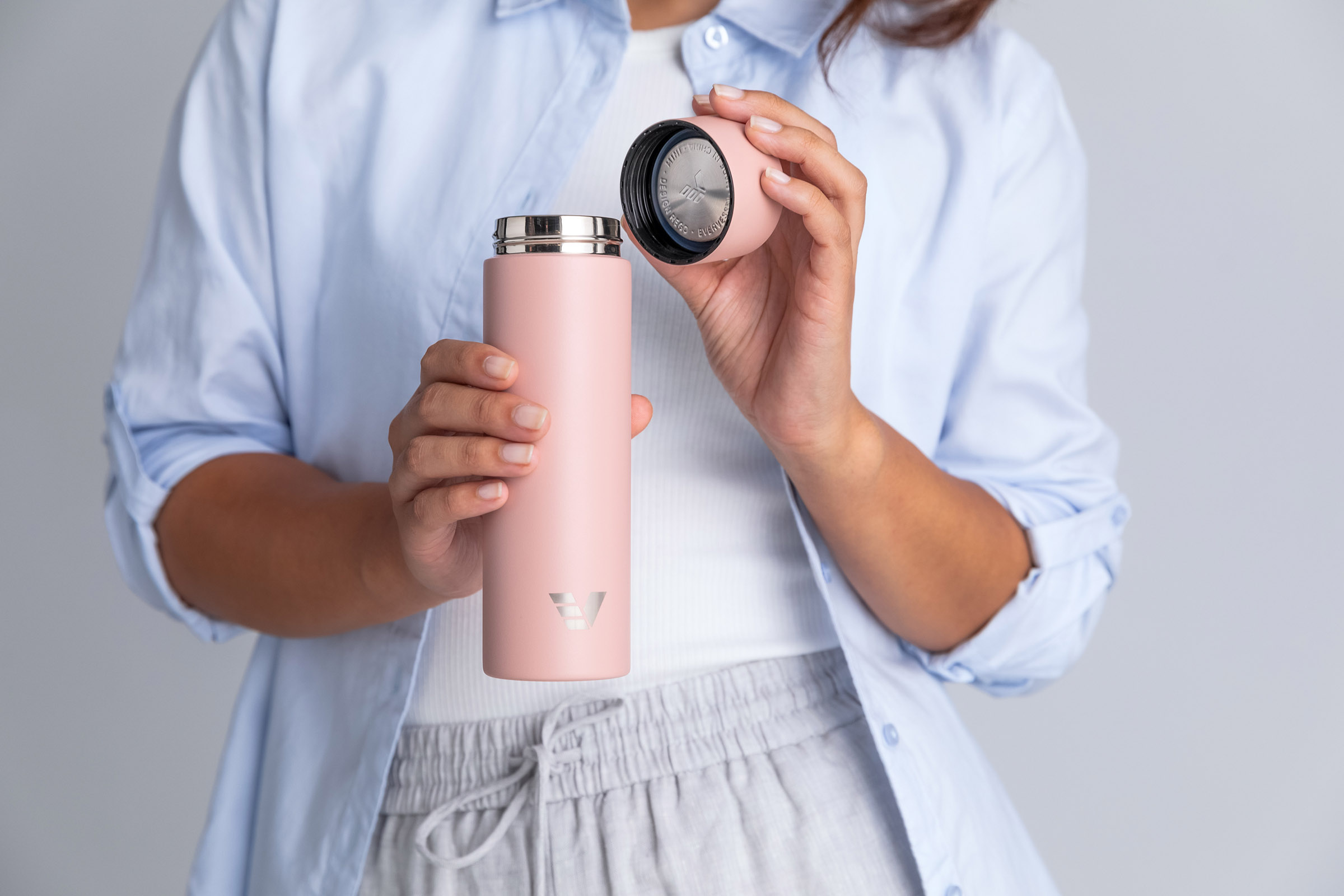
Enter @EverVessel. Thoughtfully designed borosilicate glass and stainless steel bottles that keep things beautifully simple: durable materials, wide openings, easy-to-clean parts and none of the techy gimmicks that tend to age badly. Turns out simplicity, done well, is pretty powerful stuff. (Their many design awards agree!)
And lately they’ve added a little extra delight: the Artist Series, where creatives like Paola Castro, Ben Miners and Martin Thompson transform these everyday companions into tiny travelling artworks. There are more colabs in the works, too: hydration, but make it joyful! 🎨💧
We chatted with Bec about the sailing trip that started it all, the philosophy behind Ever Vessel, and why the most sustainable product is often just the one you keep using.
Tap the link in our bio to read the full conversation. 🚰
#EverVessel #ReusableWaterBottle


Pull up a chair… there’s room at this table!
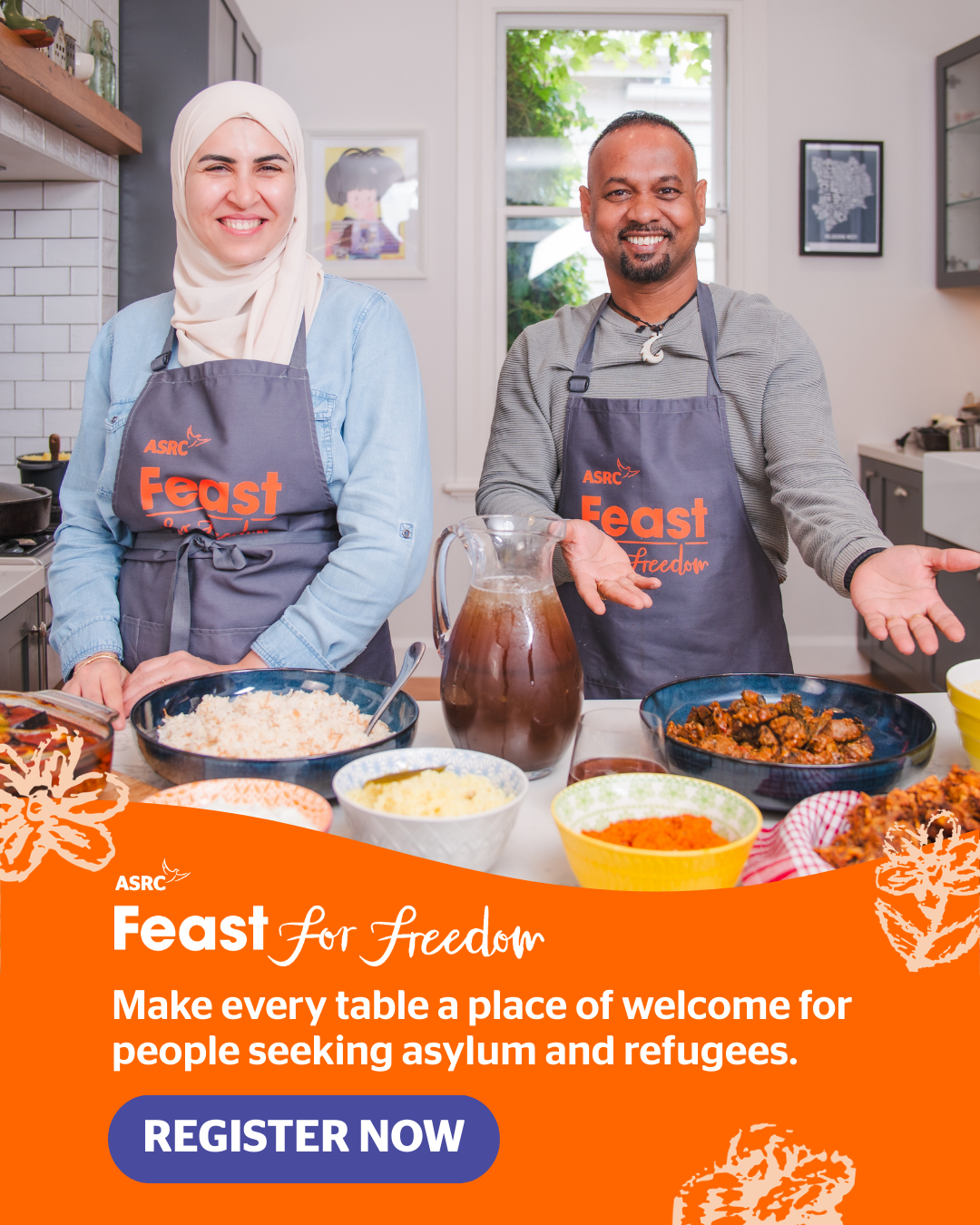
For the first time, Feast for Freedom is bringing people together for a spectacular long-table dinner as part of the Melbourne Food & Wine Festival.
A Longer Table is exactly what it sounds like: one beautiful shared table inside the Asylum Seeker Resource Centre (@Asrc1), piled with generous dishes inspired by this year’s hero cooks, Noha and Nige.
From 6 to 9pm on Wednesday, 25 March, this is what you can expect:
🍽 A three-course shared feast
🍷 Matched drinks
🎶 Live entertainment
✨ A room full of good humans
Your ticket doesn’t just buy you a delicious dinner. It supports the ASRC’s vital work and helps create a fairer future for people seeking asylum.
Seats are limited, and long tables have a way of filling up quickly – head to @MelbFoodAndWine’s website to book now: feastforfreedom.org.au/mfwf
#FeastForFreedom #MelbourneFoodAndWineFestival #LongTableDinner #FoodForChange

Sew versatile! 🪡
Another great make from Lisa from @SunnySewsEveryday:
My #PeppermintWaratahWrapDress is finished and I’m so proud of it. It has been designed not to flap open and flash your pants in the wind, so I feel confident it will be a great wheelchair or standing dress in English weather.
#PeppermintPatterns #WrapDress #WrapDressPattern

Frame your face with the Peppermint Bucket Hat!
Stay safe and stylish in the sun with your very own self-sewn and self-drafted wide-brimmed bucket hat. This beginner-friendly sew is perfect for a sunny day. Get out your pencils – this pattern is created using equations and maths!
This DIY project was featured in Issue 53 and now you can access it for the lovely low price of only $5.
Sun-safe chic is always in style. ☀️
Find it via the link in our bio!
Photos: @KelleySheenan
#PeppermintPatterns #PeppermintBucketHat #BucketHat #BucketHatPattern #DIY

✨ INSTANT CLASSIC ✨
The Peppermint Myrtle Shift Dress is a beginner-friendly make with a few special details based on the ever-stylish shift shape – the perfect dress you need in your wardrobe right now!
Myrtle cuts above the knee with options to customise the length. Don’t think she’s reserved for hot weather either: try a heavier-weight fabric to turn your Myrtle into a pinafore-style garment for layering.
For our fabrics we chose two from our lovely sewing partner @Karmme_Apparel – the bold Rottnest Stripes in a lightweight, soft-drape cotton, and the quality linen in the handpainted Mexico Collection.
Get making the Myrtle – the only question is, can you stop at just one?
Link in bio 🪡
Fabric: @Karmme_Apparel
Sewist: @Laura_The_Maker
Photos: @KelleySheenan
Models: @SerahSews and @Pins_And_Tonic
Location: @ShareTheDignityAustralia
#PeppermintMyrtleShiftDress #PeppermintPatterns

It’s time to Feast!
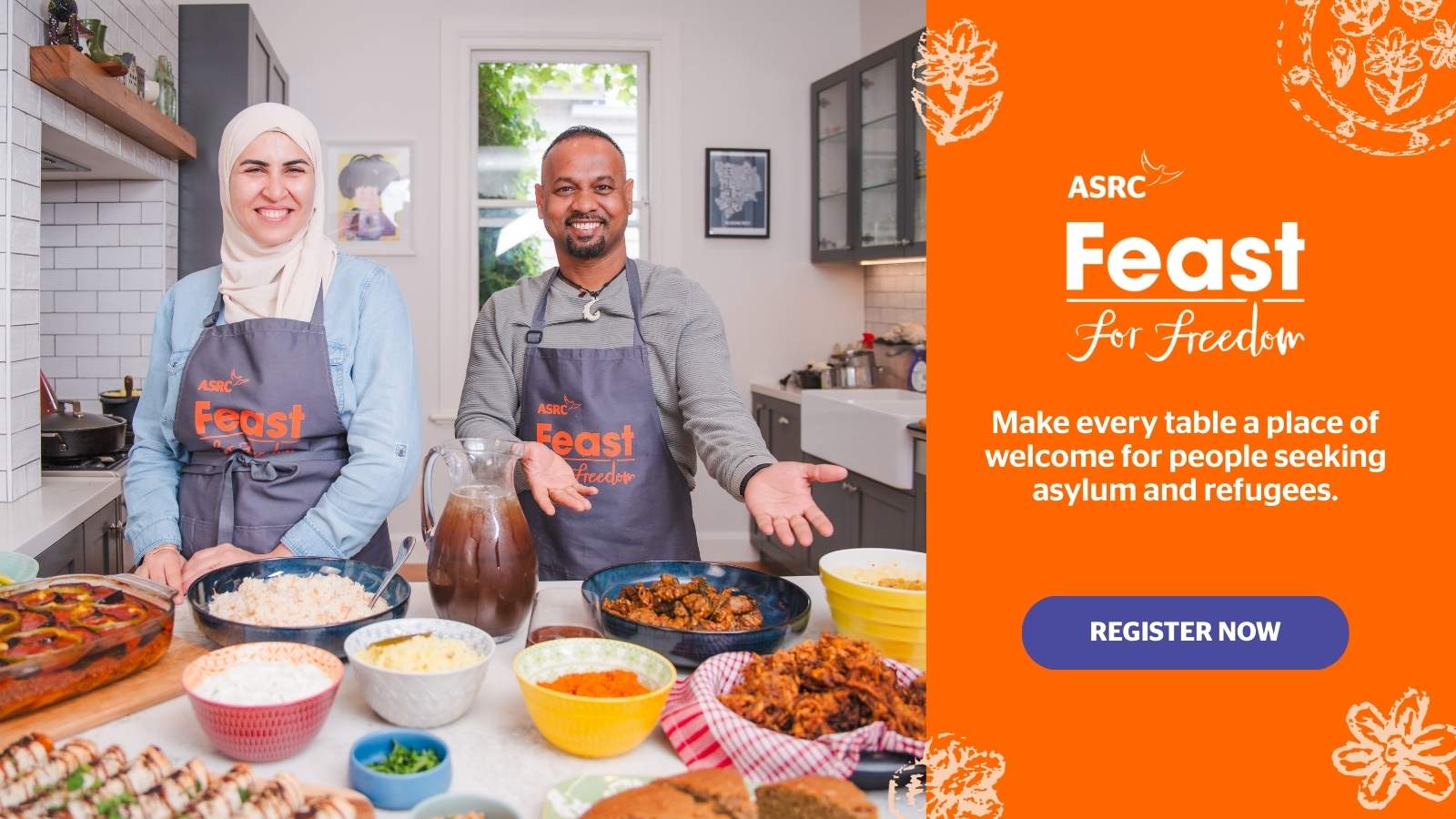
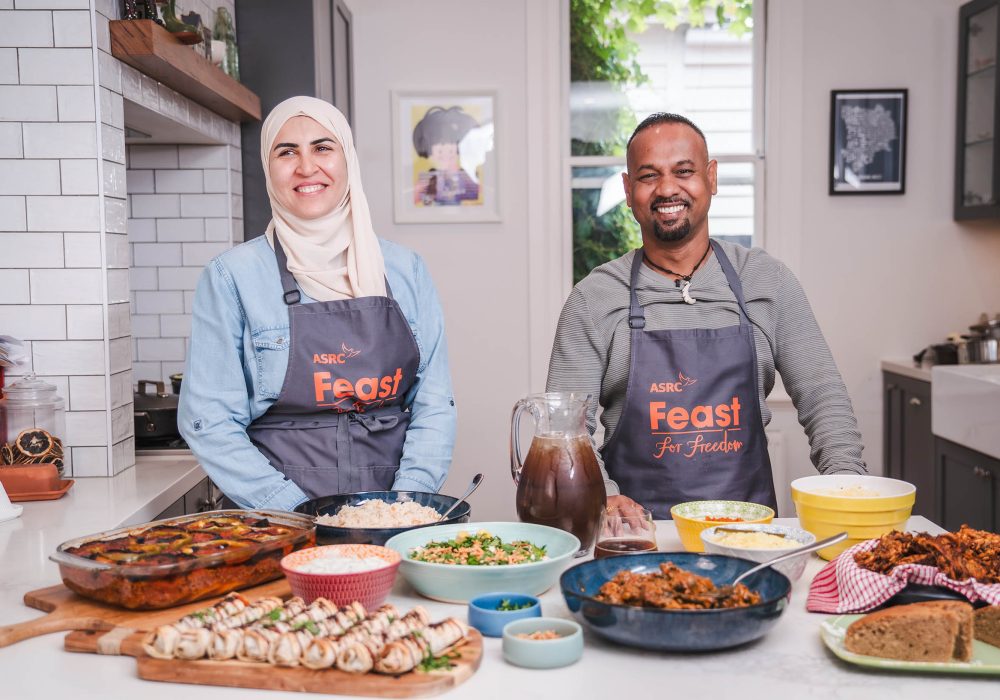
Some recipes travel a long way before they land on your table to delight your taste buds. This year’s Feast for Freedom invites us to gather our friends, cook something delectable and raise funds for the incredible work of the Asylum Seeker Resource Centre (@Asrc1) while we’re at it.
The 2026 Feast features recipes shared by two remarkable cooks: Noha, who brought the flavours of Palestine with her when she arrived in Australia, and Nige, a Sri-Lankan Tamil cook whose journey with food began in the most unexpected of places.
You can host your own Feast up until 30 April – simply register online and get planning! Host a dinner, organise a workplace lunch, or gather your community… However you do it, the idea is simple: cook, connect and celebrate the cultures and stories that shape Australia.
Want to find out more? Head to the link in bio to meet Noha and Nige, learn more about their stories, and discover a delicious recipe to try.
#FeastForFreedom #PeppermintMagazine #FoodForGood #ASRC
