words CLARE BIRCH AND COREY TUTT images SUPPLIED
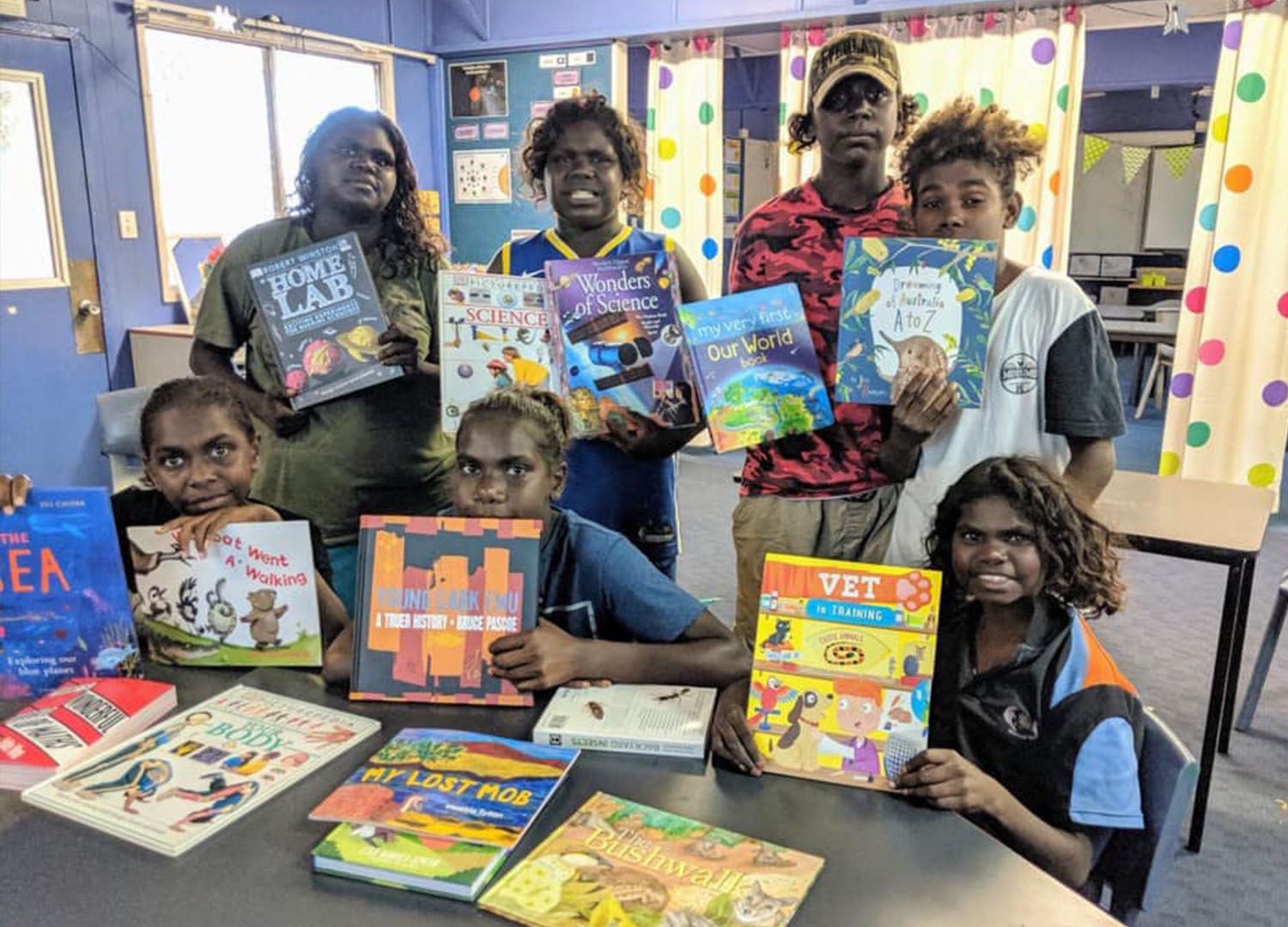
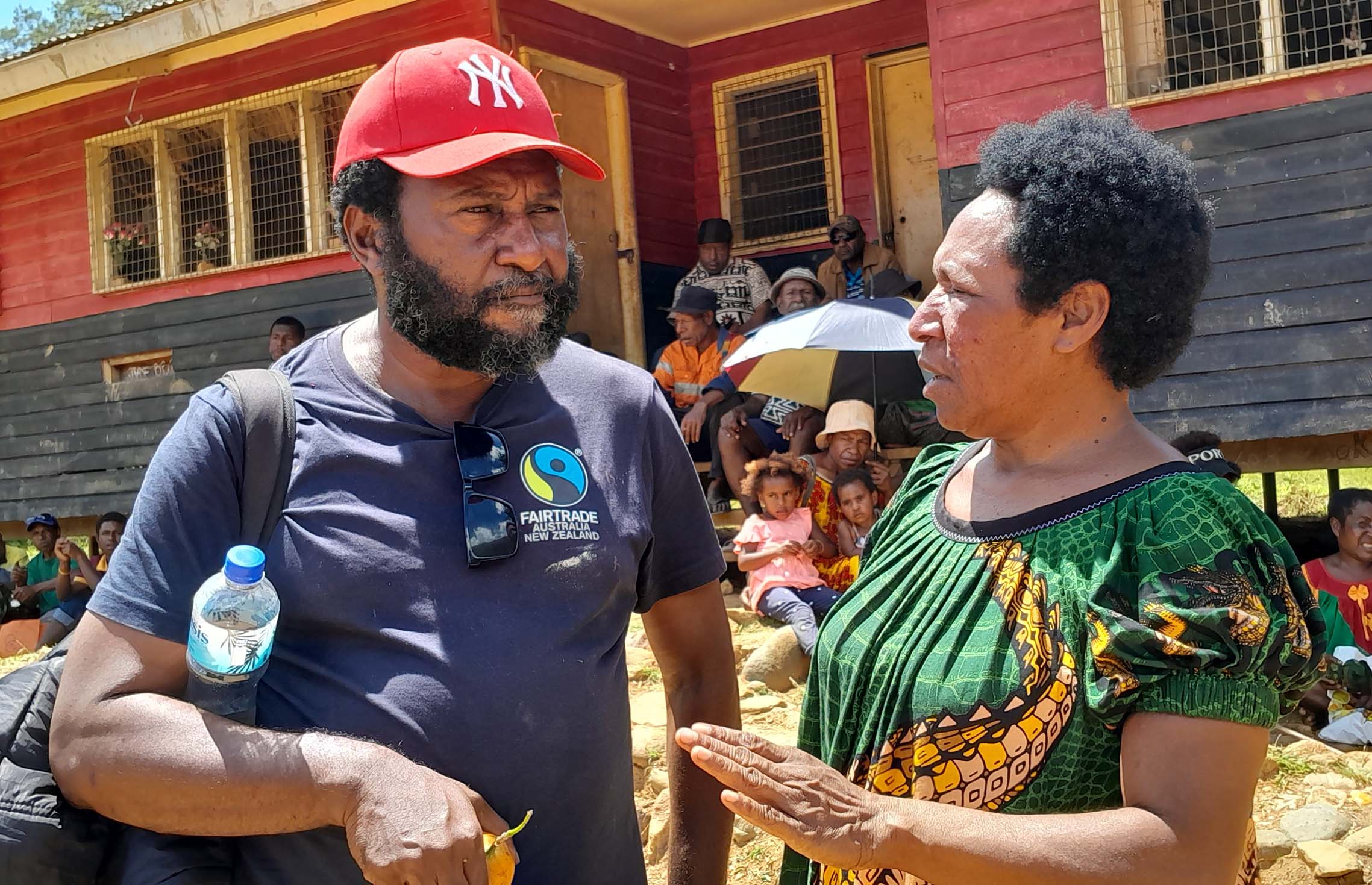
Founded by Kamilaroi man Corey Tutt, DeadlyScience was established to provide STEM resources to remote schools across Australia. To date, the charity has shipped over 16,000 books and over 500 telescopes to over 110 communities. Here, for National Science Week, Corey and Programs Coordinator Clare Birch share how the organisation is lighting a science-fuelled fire to inspire purpose and passion across the country.
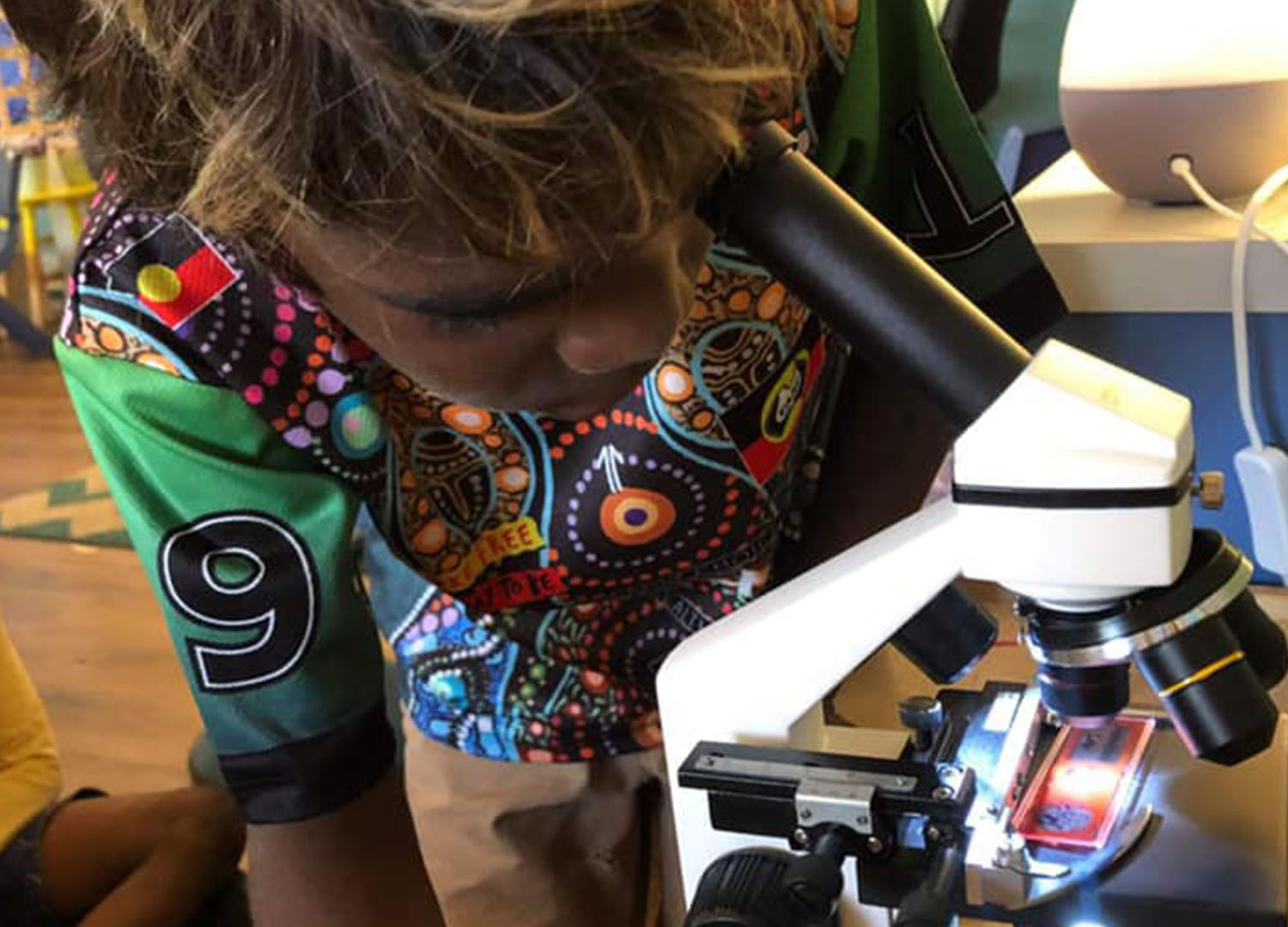
In June this year, as Delta dragged Sydney to a shuddering halt, the Bubunas science class at Robinson River School was talking to NASA.
Robinson River School isn’t just remote, it’s very remote – the 10-hour drive from Katherine ends with about 150 kilometres of dirt road and postage is a nightmare. Like many schools across the Territory, the Kimberley, and Far North Queensland, all of its 46 students come from a non-English-language background. But in June, equipped with telescopes donated by Balmain Public School through Indigenous STEM education organisation DeadlyScience, their science class was noticed by NASA.
This was a huge deal.
It’s also difficult to comprehend the kind of elaborate structure of opportunities, privilege and resources that it takes to experience that spark, and then to fan it from the embers of curiosity to the flames of a career.
Moments like these are when lifelong passions are sparked. They are elusive, vital, simple moments of serendipity. It’s hard to overstate their importance, especially in science, but it’s also difficult to comprehend the kind of elaborate structure of opportunities, privilege and resources that it takes to experience that spark, and then to fan it from the embers of curiosity to the flames of a career. This is even more complex in Indigenous education and remote communities, where limited resources, language differences and geographic barriers (to name a few) challenge the process at every stage.
The embers
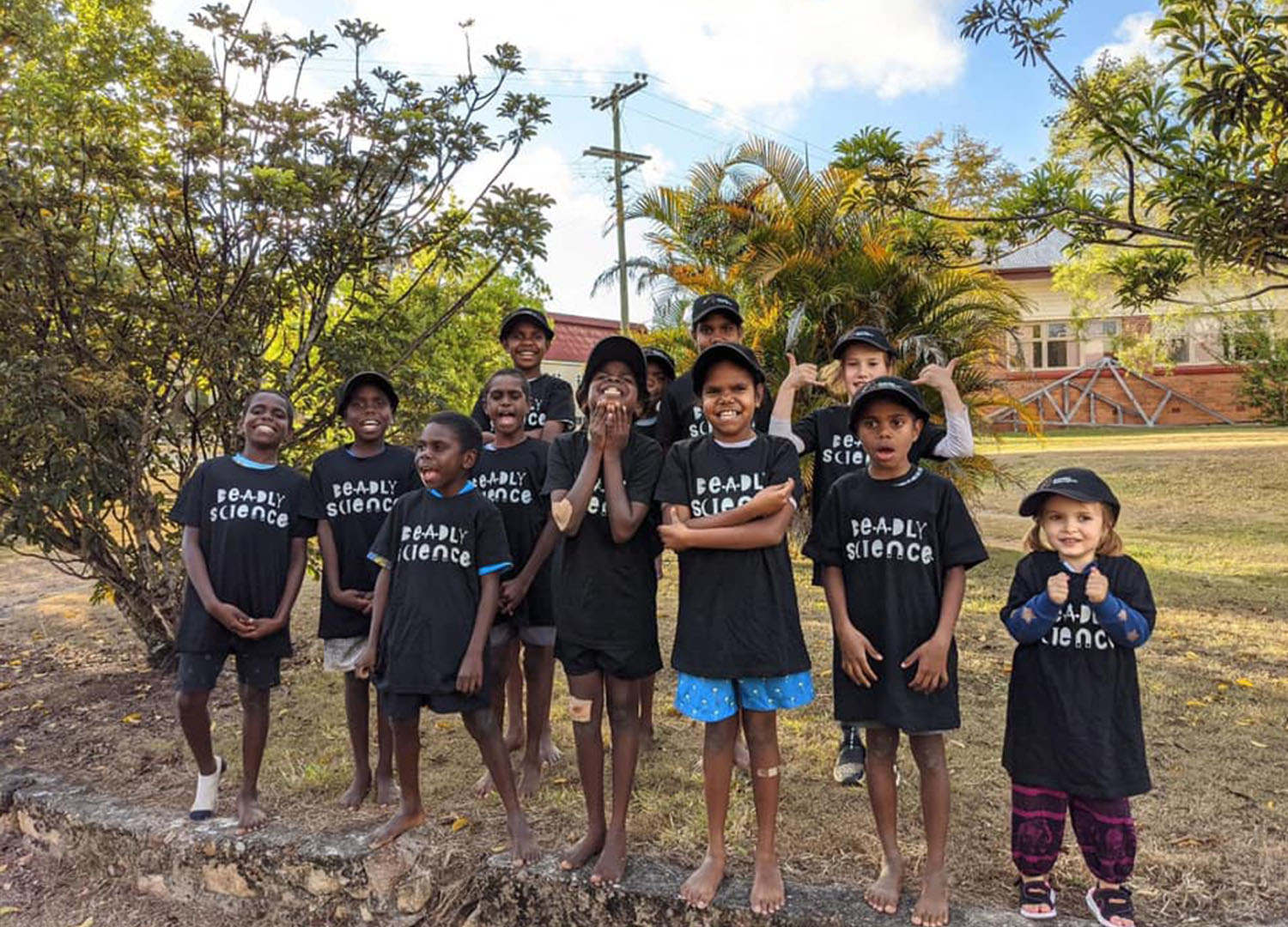
Some would say that ’science outreach’ exists to orchestrate these big moments. The problem is, there’s no such thing as science outreach. You see, ‘outreach’ connotes an evangelical exercise, a cabal of bespectacled strangers in white coats coaxing children into STEM careers with chromatic chemicals and awe-inspiring tales of the births and deaths of galaxies. In its curiosity, discovery and rigour, science is innate to the human spirit – the embers are already there – and so-called science ‘outreach’, especially with Indigenous communities, is really a conversation and extremely valuable exchange.
Science is innate to the human spirit.
Each of Australia’s Indigenous nations possess their own scientific and engineering knowledges, unique to their lands and their cultures. Corey Tutt, who founded DeadlyScience, lays this out in his upcoming book The First Scientists (available in October via Hardie Grant Publishing). Indigenous Australians were our first astronomers – the Boonorong people used the presence of Marpeankurnuk (Arcturus) in the sky as a seasonal indicator to harvest the pupa of the wood ant for food, for example. At 40,000 years old, the fish traps of the Ngemba Wayilwan nation are possibly the oldest existing human construction – an extraordinary feat of engineering. And today, continuous exchange of knowledge between Indigenous Elders and non-Indigenous scientists about land and fauna management betters all involved.
There’s already embers – science is intrinsic to the human spirit and science education is always a conversation. But still, there needs to be…
The spark
Moments like the Bubunas’s brush with NASA may be rare, but they can be made more likely – that’s the current goal of DeadlyScience. There are two main ingredients to this: resourcing and relationships. They’re both about stories – there is nothing as powerful as a story to spark children’s imagination and hope. After all, stories have the remarkable, sometimes dangerous, power of taking on their own lives while also shaping the world around us.
There is nothing as powerful as a story to spark children’s imagination and hope.
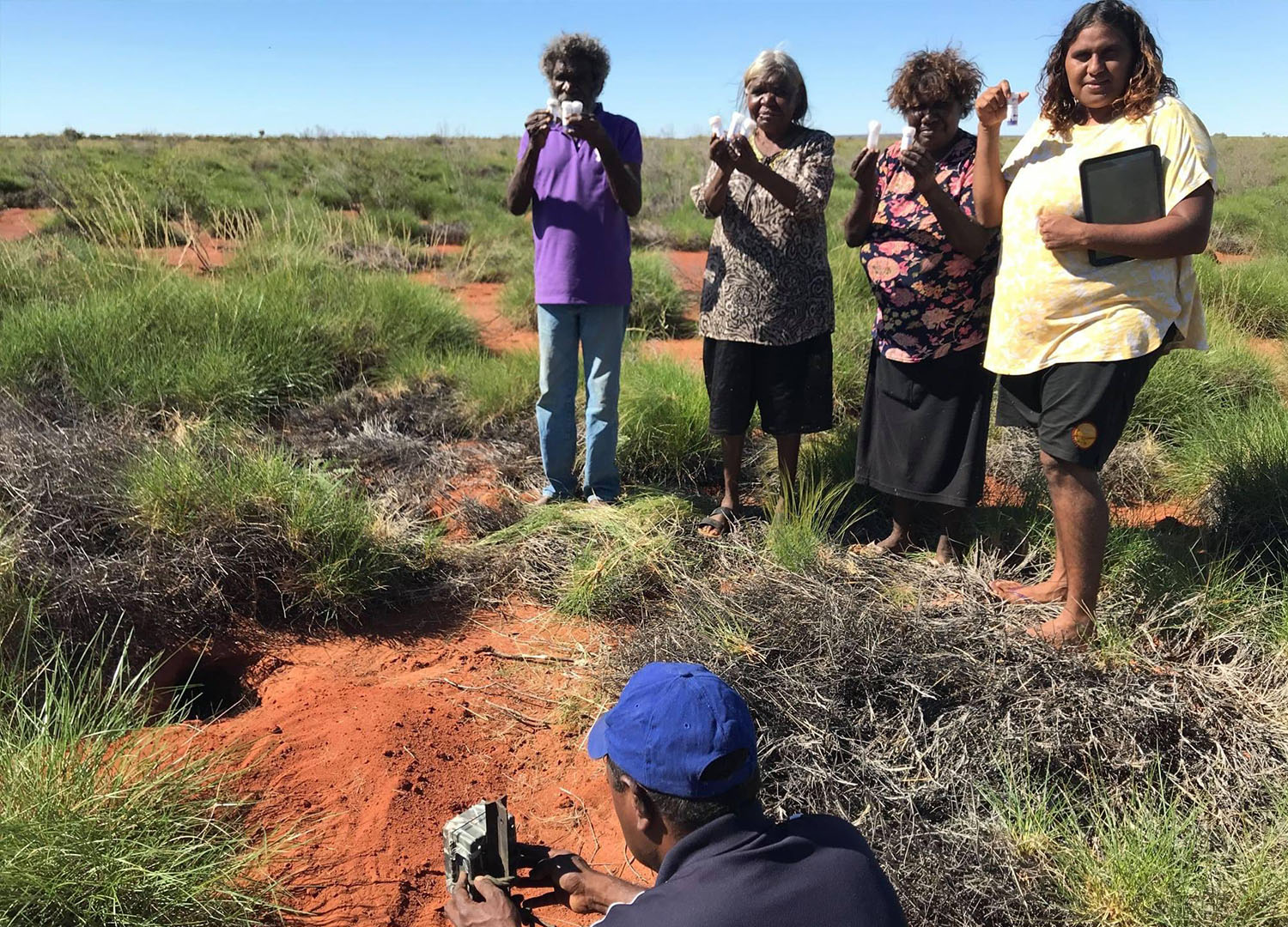
Resources like science books and equipment allow great community teachers and students to engage meaningfully and excitedly with the stories of science and to make their own. The relationship, however, is pivotal: it’s where students see what scientists look like, in all their grand diversity, and can imagine themselves in those people. Empathy is a powerful spark. After all, as we say again and again: you can’t be what you can’t see. Nowhere is this more visible than at Kiwirrkurra Remote Community School, where students and rangers alike collect and analyse bilby scat, contribute to the research of a genomics professor at University of Sydney and engage with scientists the whole way.
Building the fire
It is enough to have the possibility, the empowerment and the interest, but remote Indigenous kids who decide to take STEM further face up against a whole host of challenges. There’s a need for growth along their whole educational career, from basic literacy through to school attendance, scientific knowledge and academic success. Improved resourcing has a great impact on the first two – this has been shown time and time again – but there are unique challenges to the latter. In particular, three-quarters of Indigenous people for whom English is not their first language live in remote communities. For many, English isn’t just their second language – it’s their third or fourth.
So what does scientific literacy look like in a bilingual context? It’s not too difficult to imagine – bilingual schools exist in Indigenous and non-Indigenous communities. Yet, teaching non-Indigenous science in Indigenous languages is a challenge that’s only just begun to be tackled (yes, in part by DeadlyScience). Native-language STEM teaching is key to students owning their learning, feeling connected to material and growing into young scientists.
At the end of the day, science can be as inspiring to the human spirit as anything else and the young leaders of tomorrow are learning today – perhaps chatting with NASA in the Bubunas science class, or supporting genomics research in Kiwirrkurra. Their future is certainly bright. We’re looking forward to it.

“My piece of advice for makers and designers? Run your own race… make sure your key decisions stay anchored in your brand’s core beliefs.”
- Bec Bligh
Quick show of hands: who’s opened a water bottle expecting a refreshing sip… and instead been greeted by the unmistakable whiff of uh-oh?
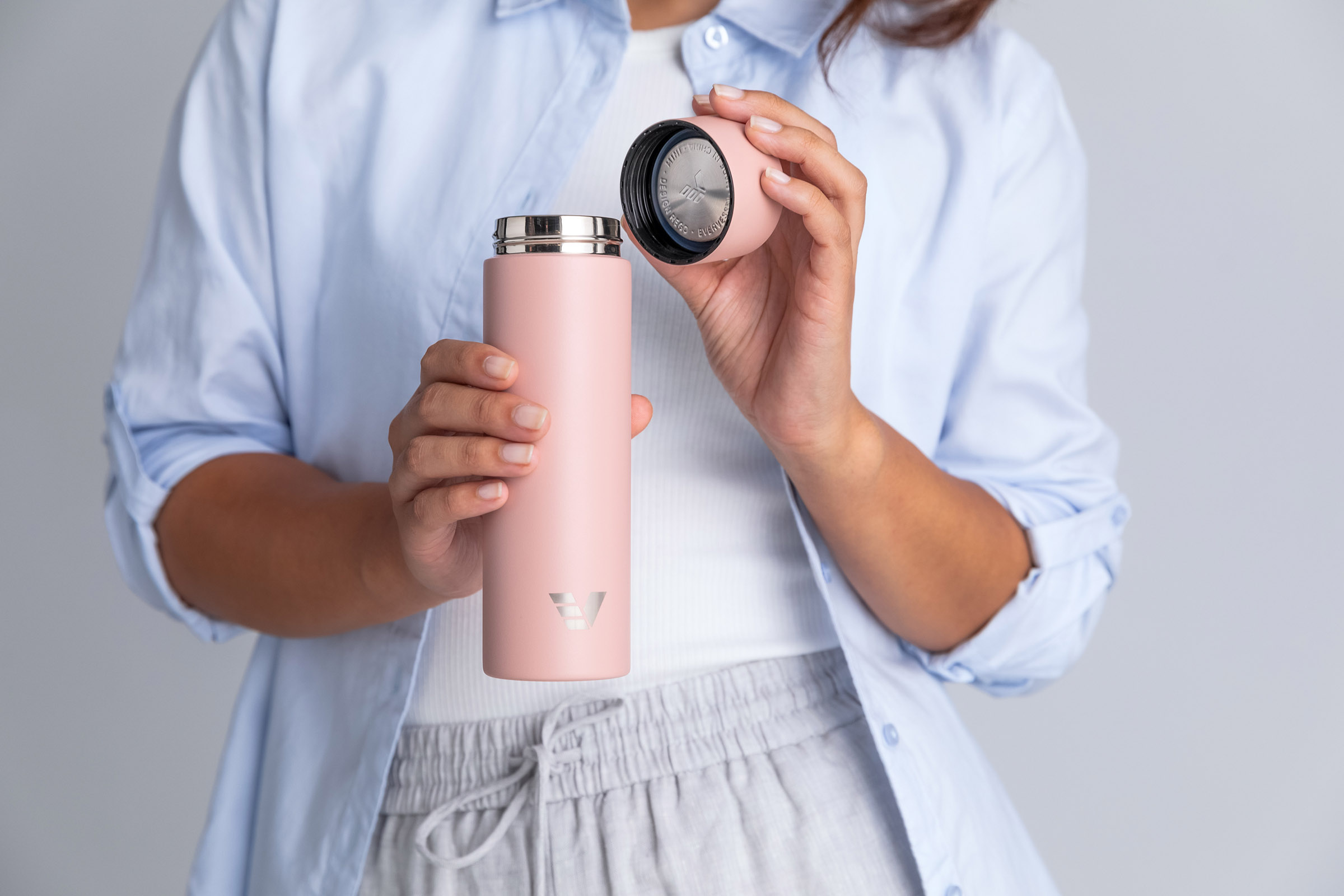
Because for something that follows us everywhere (desk, car, hikes, yoga…), the humble drink bottle is strangely prone to becoming a science experiment. Hard-to-clean corners and gaskets. Mystery smells. Bec Bligh and her husband Tim know it well. A six-month sailing trip along the Queensland coast left them with a lifetime of memories and one stubborn annoyance: mouldy water bottles they couldn’t properly clean.
So they did something about it.
Enter @EverVessel. Thoughtfully designed borosilicate glass and stainless steel bottles that keep things beautifully simple: durable materials, wide openings, easy-to-clean parts and none of the techy gimmicks that tend to age badly. Turns out simplicity, done well, is pretty powerful stuff. (Their many design awards agree!)
And lately they’ve added a little extra delight: the Artist Series, where creatives like Paola Castro, Ben Miners and Martin Thompson transform these everyday companions into tiny travelling artworks. There are more colabs in the works, too: hydration, but make it joyful! 🎨💧
We chatted with Bec about the sailing trip that started it all, the philosophy behind Ever Vessel, and why the most sustainable product is often just the one you keep using.
Tap the link in our bio to read the full conversation. 🚰
#EverVessel #ReusableWaterBottle


Pull up a chair… there’s room at this table!
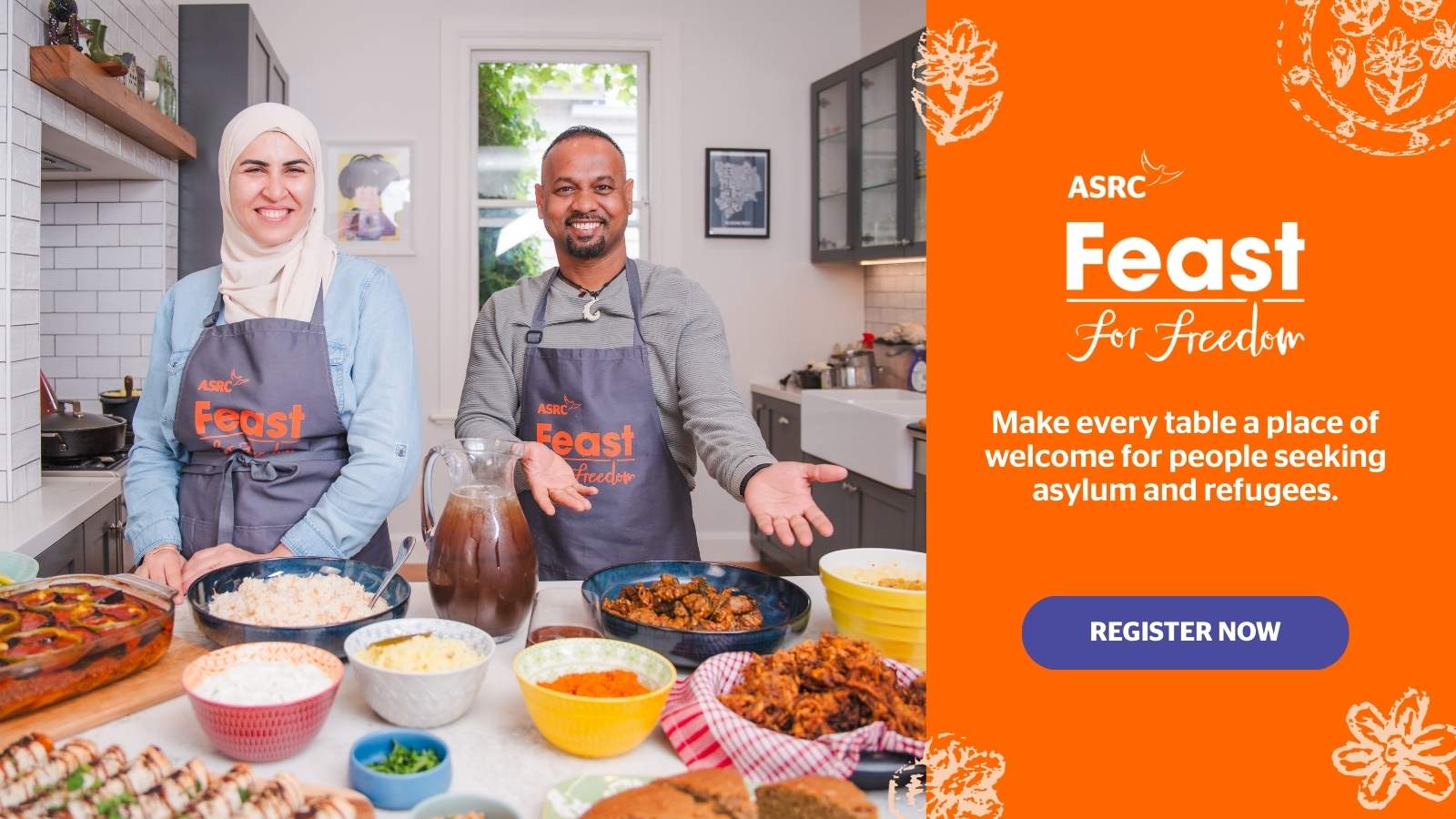
For the first time, Feast for Freedom is bringing people together for a spectacular long-table dinner as part of the Melbourne Food & Wine Festival.
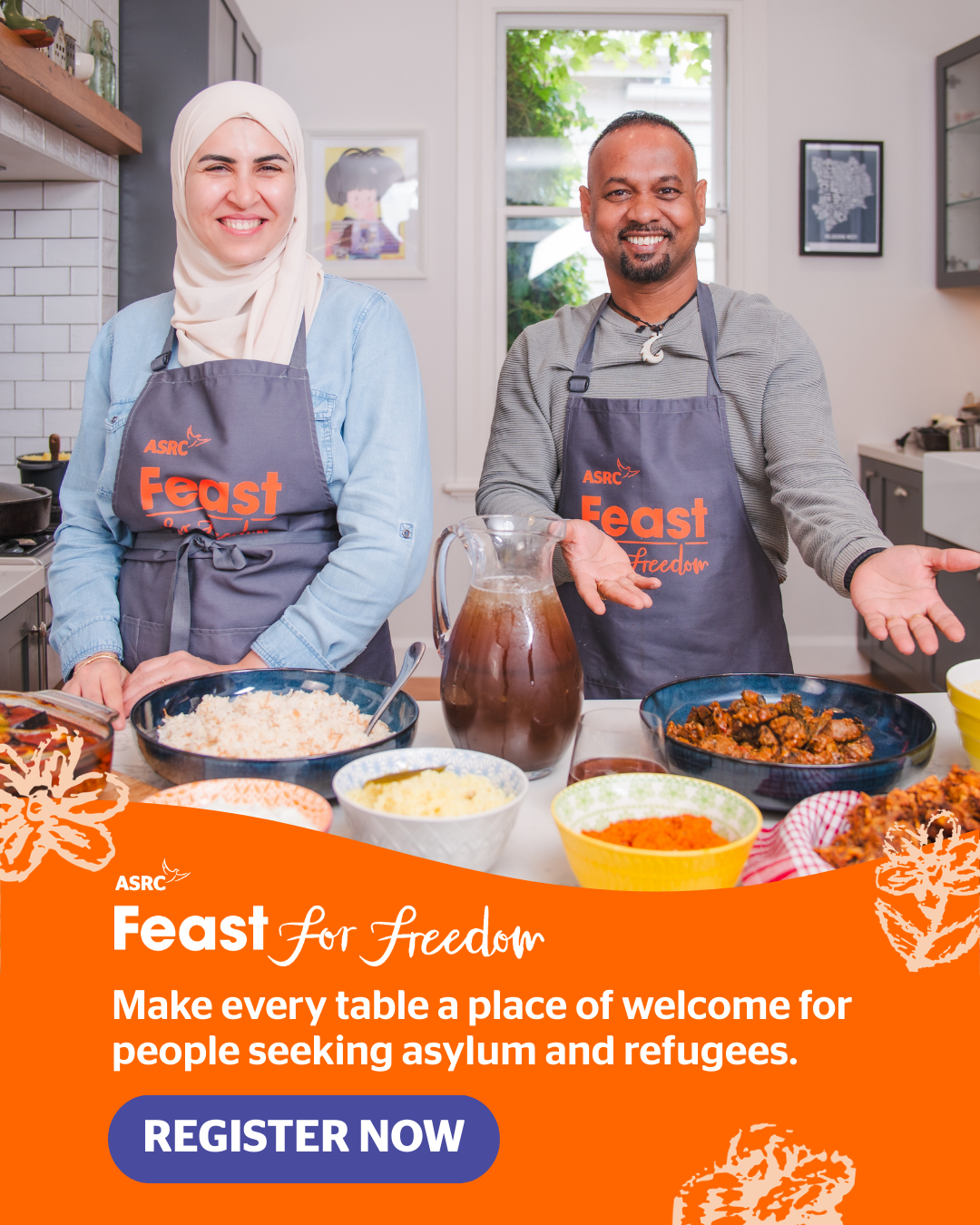
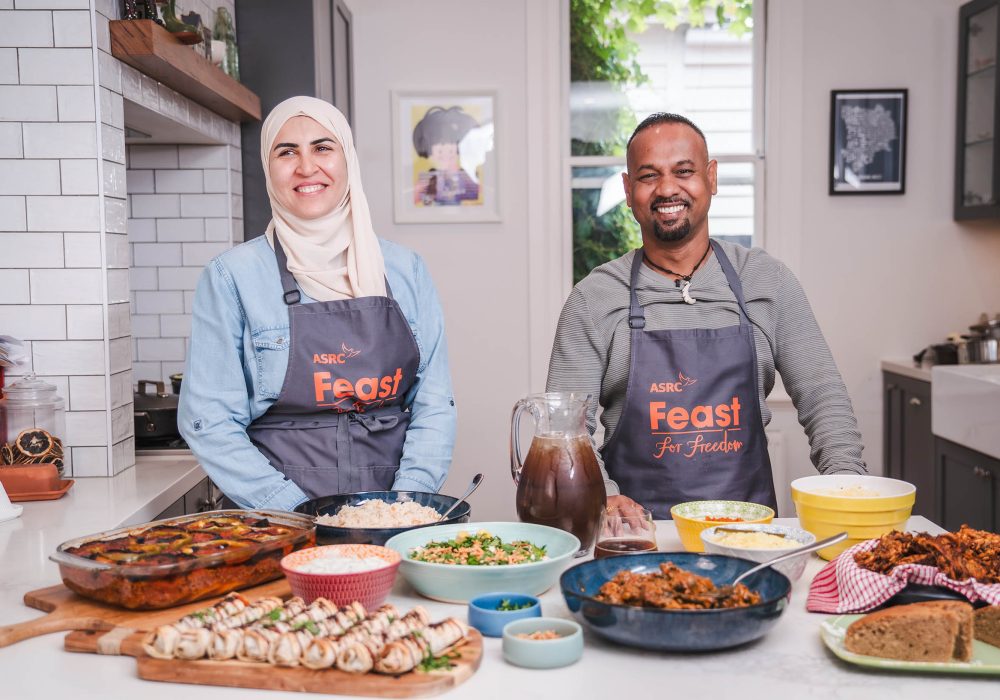
A Longer Table is exactly what it sounds like: one beautiful shared table inside the Asylum Seeker Resource Centre (@Asrc1), piled with generous dishes inspired by this year’s hero cooks, Noha and Nige.
From 6 to 9pm on Wednesday, 25 March, this is what you can expect:
🍽 A three-course shared feast
🍷 Matched drinks
🎶 Live entertainment
✨ A room full of good humans
Your ticket doesn’t just buy you a delicious dinner. It supports the ASRC’s vital work and helps create a fairer future for people seeking asylum.
Seats are limited, and long tables have a way of filling up quickly – head to @MelbFoodAndWine’s website to book now: feastforfreedom.org.au/mfwf
#FeastForFreedom #MelbourneFoodAndWineFestival #LongTableDinner #FoodForChange

Sew versatile! 🪡
Another great make from Lisa from @SunnySewsEveryday:
My #PeppermintWaratahWrapDress is finished and I’m so proud of it. It has been designed not to flap open and flash your pants in the wind, so I feel confident it will be a great wheelchair or standing dress in English weather.
#PeppermintPatterns #WrapDress #WrapDressPattern

Frame your face with the Peppermint Bucket Hat!
Stay safe and stylish in the sun with your very own self-sewn and self-drafted wide-brimmed bucket hat. This beginner-friendly sew is perfect for a sunny day. Get out your pencils – this pattern is created using equations and maths!
This DIY project was featured in Issue 53 and now you can access it for the lovely low price of only $5.
Sun-safe chic is always in style. ☀️
Find it via the link in our bio!
Photos: @KelleySheenan
#PeppermintPatterns #PeppermintBucketHat #BucketHat #BucketHatPattern #DIY

✨ INSTANT CLASSIC ✨
The Peppermint Myrtle Shift Dress is a beginner-friendly make with a few special details based on the ever-stylish shift shape – the perfect dress you need in your wardrobe right now!
Myrtle cuts above the knee with options to customise the length. Don’t think she’s reserved for hot weather either: try a heavier-weight fabric to turn your Myrtle into a pinafore-style garment for layering.
For our fabrics we chose two from our lovely sewing partner @Karmme_Apparel – the bold Rottnest Stripes in a lightweight, soft-drape cotton, and the quality linen in the handpainted Mexico Collection.
Get making the Myrtle – the only question is, can you stop at just one?
Link in bio 🪡
Fabric: @Karmme_Apparel
Sewist: @Laura_The_Maker
Photos: @KelleySheenan
Models: @SerahSews and @Pins_And_Tonic
Location: @ShareTheDignityAustralia
#PeppermintMyrtleShiftDress #PeppermintPatterns

It’s time to Feast!
Some recipes travel a long way before they land on your table to delight your taste buds. This year’s Feast for Freedom invites us to gather our friends, cook something delectable and raise funds for the incredible work of the Asylum Seeker Resource Centre (@Asrc1) while we’re at it.
The 2026 Feast features recipes shared by two remarkable cooks: Noha, who brought the flavours of Palestine with her when she arrived in Australia, and Nige, a Sri-Lankan Tamil cook whose journey with food began in the most unexpected of places.
You can host your own Feast up until 30 April – simply register online and get planning! Host a dinner, organise a workplace lunch, or gather your community… However you do it, the idea is simple: cook, connect and celebrate the cultures and stories that shape Australia.
Want to find out more? Head to the link in bio to meet Noha and Nige, learn more about their stories, and discover a delicious recipe to try.
#FeastForFreedom #PeppermintMagazine #FoodForGood #ASRC
