You don’t have to look far to find fast fashion brands aligning themselves with social causes. And one such cause that generally comes around with International Women’s Day is a focus on female empowerment, often communicated via selective model diversity and t-shirt slogans (#loveyourself).
But one thing that isn’t discussed is the way women are disempowered by the sheer existence of these same brands, 365 days a year. Here, Brittanie Dreghorn, of Britt’s List, unpacks why these fashion brands promoting feminism should first look at their own supply chains.
Fast fashion is a feminist issue
It’s estimated that of the global garment-making workforce, 80% of the people who make our clothes are women. The UK-based not-for-profit organisation Labour Behind The Label says: “This is not by chance, but the result of gender discrimination which runs through the industry. Women are desirable in the garment industry because employers take advantage of cultural stereotypes – to which women are often obliged to adhere – that portrays women as passive and flexible.”
Some of these environmental conditions, which women in these circumstances have little to no control over, include sexual assault, being forced to take painkillers and contraceptives and, in extreme circumstances, workplaces that are so unsafe that they literally crumble to the ground or catch fire – in some cases claiming the lives of the garment workers.
So how can we really empower women?
Workplace abuse and a basic level of safety aside, if we’re going to address the issue of female empowerment and gender equality globally, women need to be educated and they need to be paid enough to help change their circumstances.
As it stands, what female garment makers take home in their pay packets at the end of a gruelling month – where days easily stretch 12 hours and weeks are lucky to include a day off – is keeping them in poverty.
What She Makes… is keeping her in poverty
What She Makes is the name of the Oxfam campaign that’s reporting on the wages and living conditions of the women who make a lot of Australia’s fashion garments in Bangladesh.
Multiple reports released through the campaign reveal the poor business practices of major Australian fashion brands that are part of a system of exploitation keeping the women who make our clothes trapped in poverty.
The campaign’s Company Tracker calls on Australian fashion labels to work towards paying their garment makers a living wage. A wage which would ensure that these women can afford basic needs such as food and water, safe shelter, transport and access to medical services for themselves and their children.
On average, a living wage (as specified by the Global Living Wage Coalition) is about three times the minimum wage. In Dhaka, Bangladesh, the living wage is calculated at AU$276 per month. That’s less than a dollar an hour for those 12-hour shifts, six days per week.
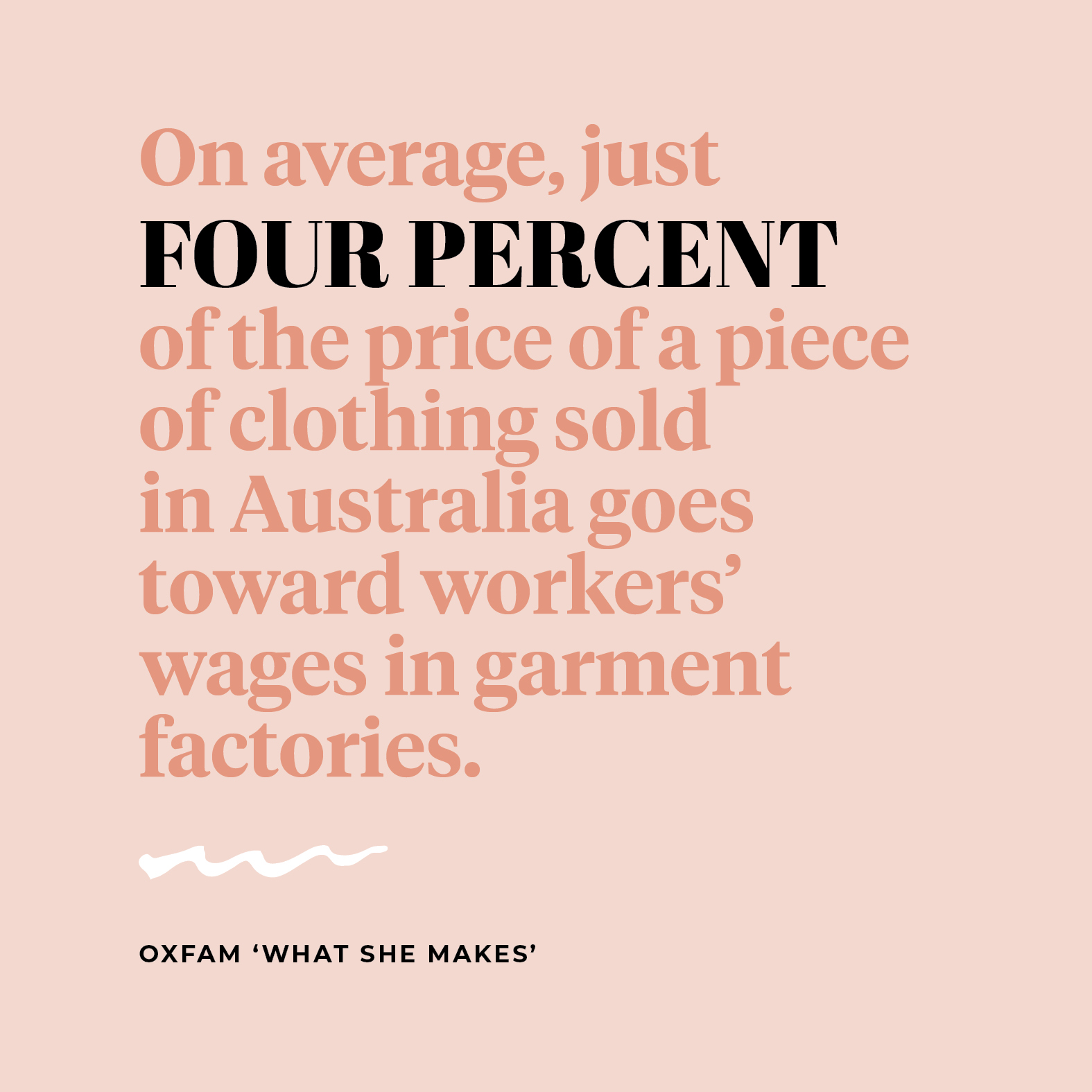
Currently, on average, just four percent of the price of a piece of clothing sold in Australia goes toward workers’ wages in garment factories. A living wage wouldn’t make a huge difference to this, but it would dramatically change the lives of the women and families on the receiving end of these wages.
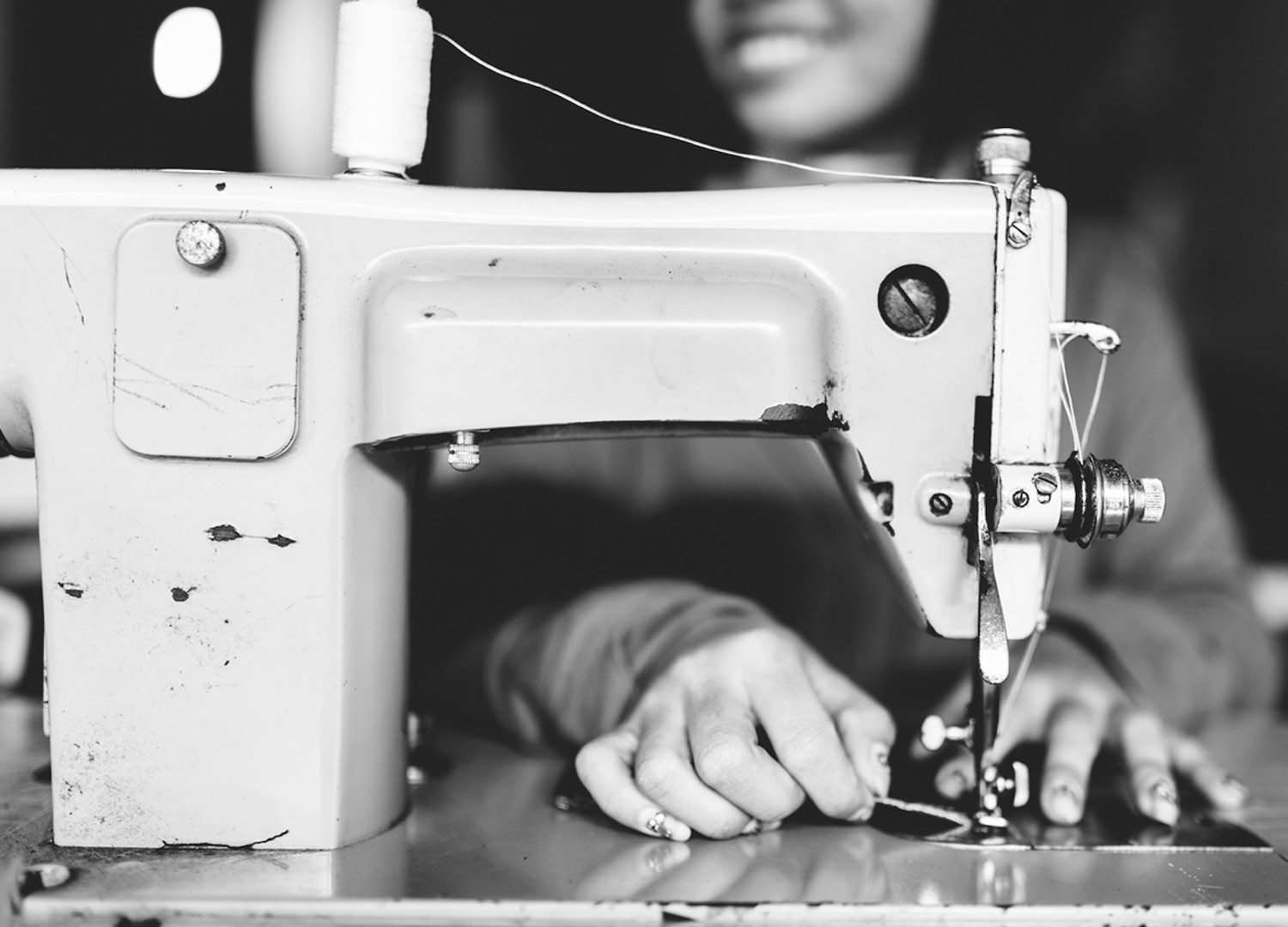
IMAGE: OUTLAND DENIM BY SOPHIE BAKER.
Stitching together a clear image of the industry
We need to look at the real picture of the impact of Australia’s fast fashion brands on women. The 2019 Oxfam report, Made in Poverty: The True Price of Fashion, found that:
- Nine out of 10 workers interviewed in Bangladesh cannot afford enough food for themselves and their families, forcing them to regularly skip meals and eat inadequately, or go into debt.
- 72% of workers interviewed in Bangladesh factories supplying to major brands in Australia cannot afford medical treatment when they get sick or injured.
- 76% of workers interviewed in Bangladesh factories supplying to major brands in Australia have no running water inside their home.
- In Bangladesh, one in three workers interviewed are separated from their children, with nearly 80% of those cases due to a lack of adequate income.
Australian fast fashion brands are keeping women in poverty. That’s the truth. And paying a living wage and ensuring they have workers’ rights similar to what we’d expect in Australia is the first step that needs to be taken.
In the meantime, the major Australian fashion labels that make claims celebrating female empowerment, while they perpetuate the issue of poverty among women in the fashion industry, need to be called out. And the ones that are doing the right thing need to be promoted.

IMAGE: OUTLAND DENIM 2020 SUSTAINABILITY REPORT.
What does female empowerment in fashion supply chains look like?
For brands such as Myer’s own brands, simply admitting there are issues and committing to transparency is the first step towards paying garment workers a living wage. From there it’s about making a time-bound commitment to paying living wages, separating wages out in their costs, publishing their plans and then actually paying a living wage. Brands such as Gorman and even H&M have taken some of these first steps, but they are still a while away from actually paying living wages.
There are, however, some Australian and New Zealand brands that are leading their industry by going beyond just paying living wages and publishing detailed information about their manufacturers and garment workers.
Outland Denim is a great example. The brand’s manufacturing takes place in Cambodia, where it helps create an avenue for women who have experienced sex trafficking to create monumental social change in these women’s lives and their communities. They provide dignified employment and a living wage so the workers are able to support themselves and their families, as well as teaching the skills needed to progress their careers through a program of cross-training and upskilling. Outland states that “a living wage ensures workers have enough income to afford a decent standard of living, cover necessary expenses, such as food, housing, healthcare, education and discretionary items, and allows them to save for unexpected events. For many of our staff, this level of financial security is freedom in itself. Freedom from worry. Our staff can send their children to school, provide for extended family, and plan for the future. All things previously not possible”.
With manufacturing operations closer to home, New Zealand-based underwear brand Nisa was set up in 2017 by Elisha Watson, after volunteering with a Red Cross refugee resettlement programme. Despite having no fashion experience, Elisha decided to set up a small sewing studio in her hometown of Wellington with the aim of working with refugees and new migrants to teach new skills, provide employment opportunities and help them integrate into society. The brand’s dream is to build an alumni of 100 former employees who go on to inspire their own communities. It’s fashion for good, in more ways than one.
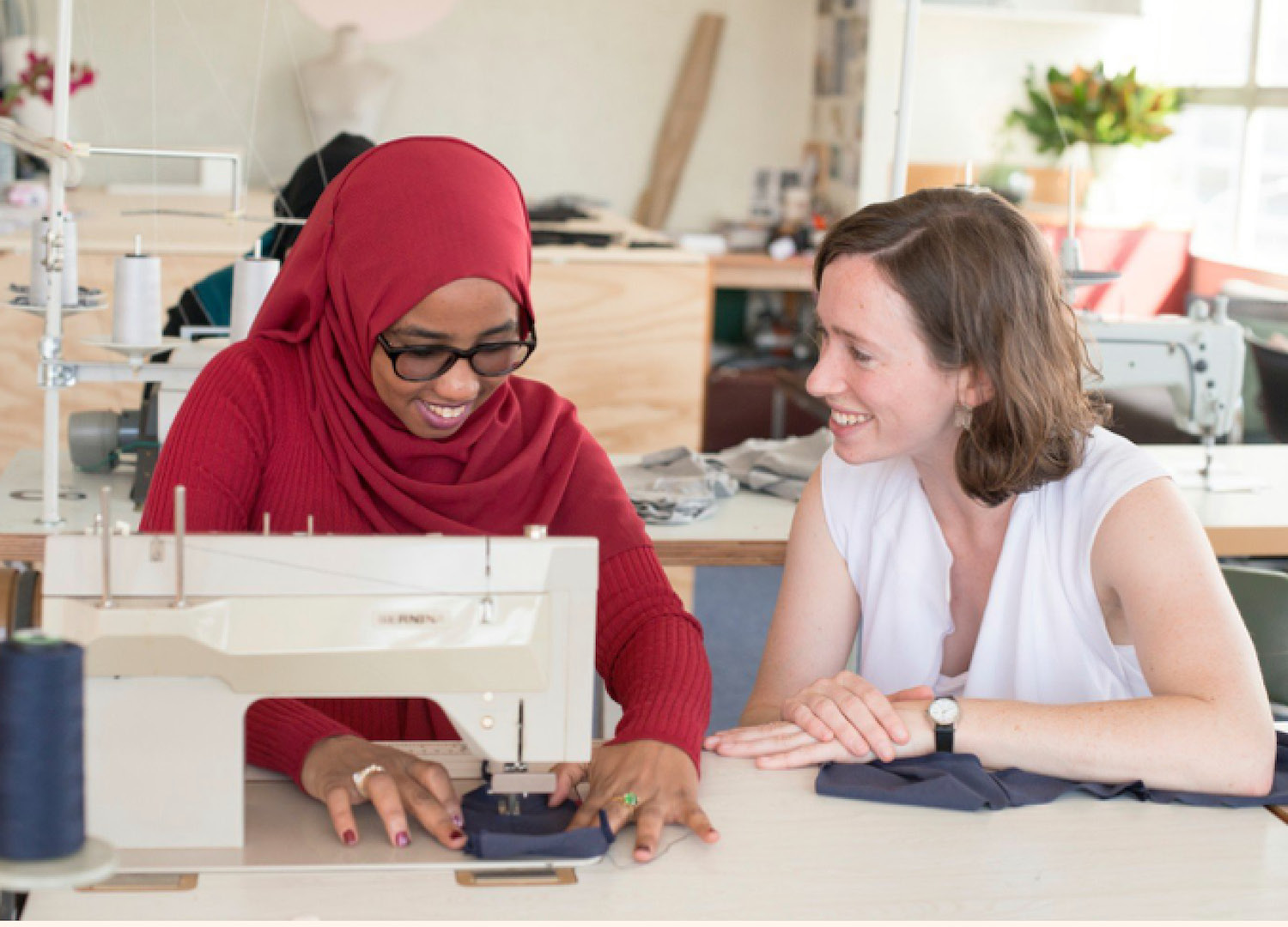
IMAGE: FOWZIYA AND NISA FOUNDER ELISA WATSON IN THE WORKSHOP.
Where to from here?
Australian and New Zealand brands are already proving it’s possible to pay staff in the supply chain a living wage and maintain a sustainable business model. Some are going even further to empower women. Is there really any excuse not to?
This International Women’s Day, let’s hope that the brands that profit from those t-shirts emblazoned with feminist slogans are making the changes within their own supply chains the industry so gravely needs. But at the end of the day, while brands may have the people to empower or disempower the women in their supply chains, we’re the ones with the real power. Go beyond the t-shirt slogan and vote with your wallet for the change you want to see.
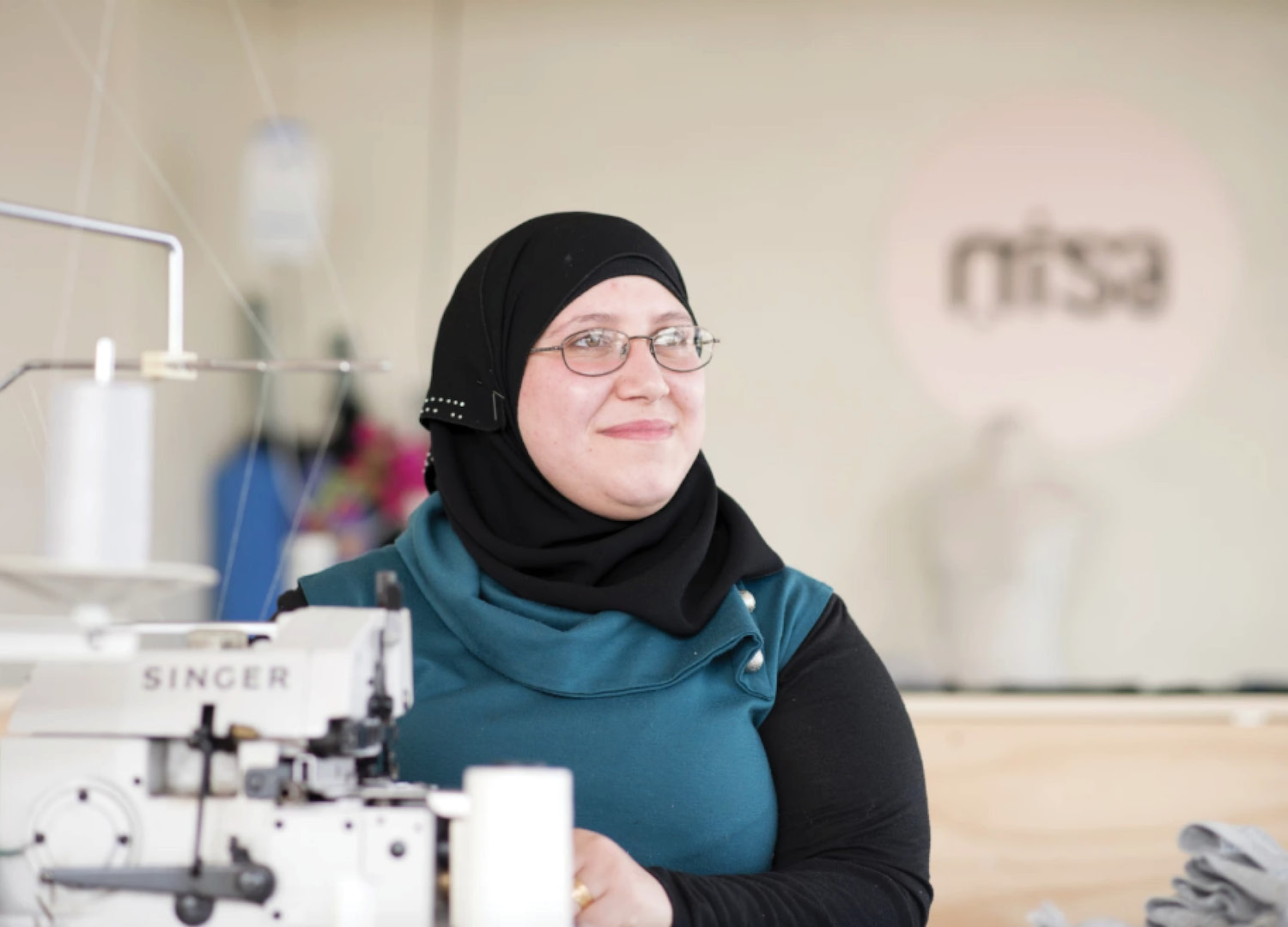
words BRITTANIE DREGHORN top image BOSHRA IN THE NISA WELLINGTON WORKSHOP
“My piece of advice for makers and designers? Run your own race… make sure your key decisions stay anchored in your brand’s core beliefs.”
- Bec Bligh
Quick show of hands: who’s opened a water bottle expecting a refreshing sip… and instead been greeted by the unmistakable whiff of uh-oh?
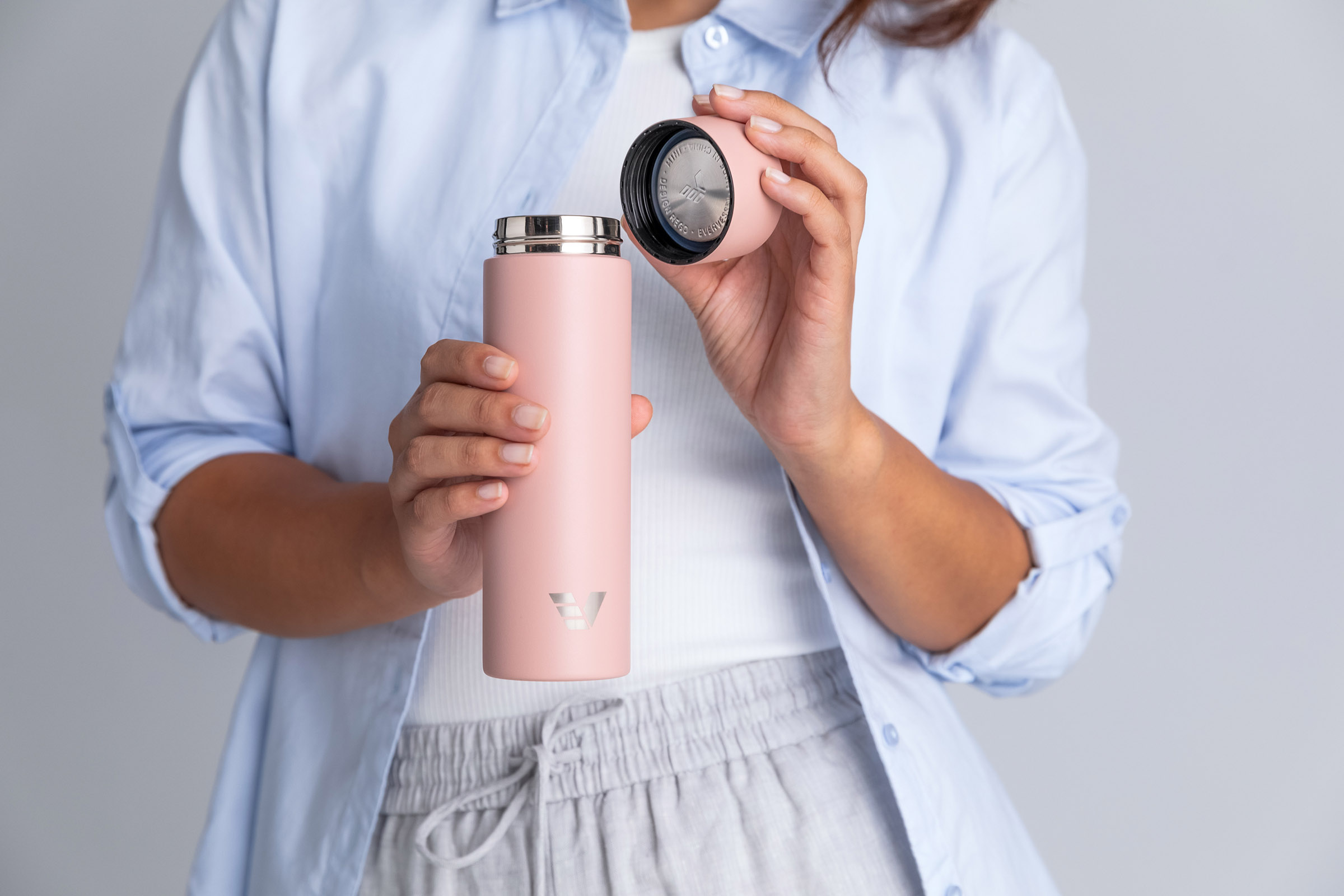
Because for something that follows us everywhere (desk, car, hikes, yoga…), the humble drink bottle is strangely prone to becoming a science experiment. Hard-to-clean corners and gaskets. Mystery smells. Bec Bligh and her husband Tim know it well. A six-month sailing trip along the Queensland coast left them with a lifetime of memories and one stubborn annoyance: mouldy water bottles they couldn’t properly clean.
So they did something about it.
Enter @EverVessel. Thoughtfully designed borosilicate glass and stainless steel bottles that keep things beautifully simple: durable materials, wide openings, easy-to-clean parts and none of the techy gimmicks that tend to age badly. Turns out simplicity, done well, is pretty powerful stuff. (Their many design awards agree!)
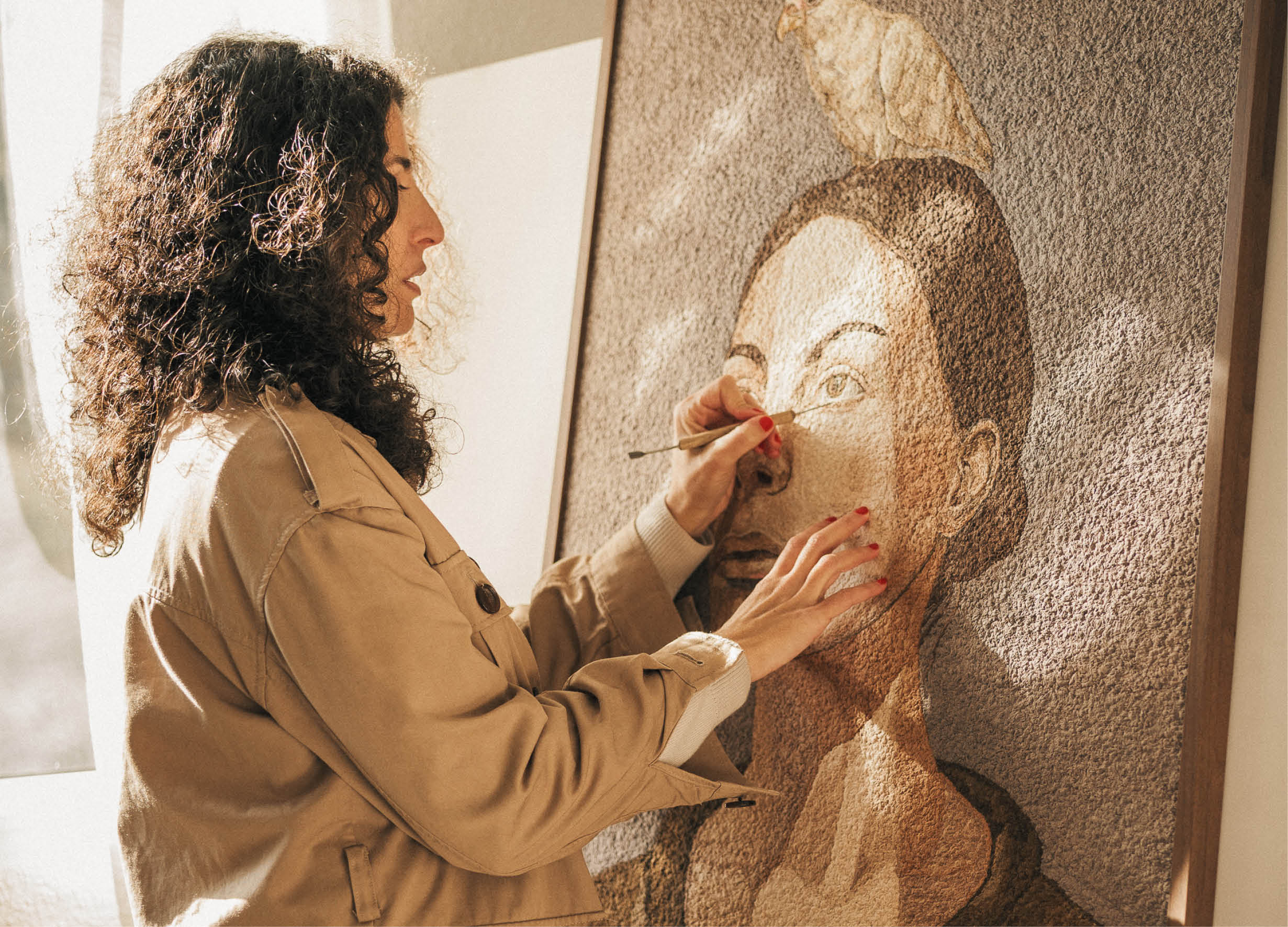
And lately they’ve added a little extra delight: the Artist Series, where creatives like Paola Castro, Ben Miners and Martin Thompson transform these everyday companions into tiny travelling artworks. There are more colabs in the works, too: hydration, but make it joyful! 🎨💧
We chatted with Bec about the sailing trip that started it all, the philosophy behind Ever Vessel, and why the most sustainable product is often just the one you keep using.
Tap the link in our bio to read the full conversation. 🚰
#EverVessel #ReusableWaterBottle


Pull up a chair… there’s room at this table!
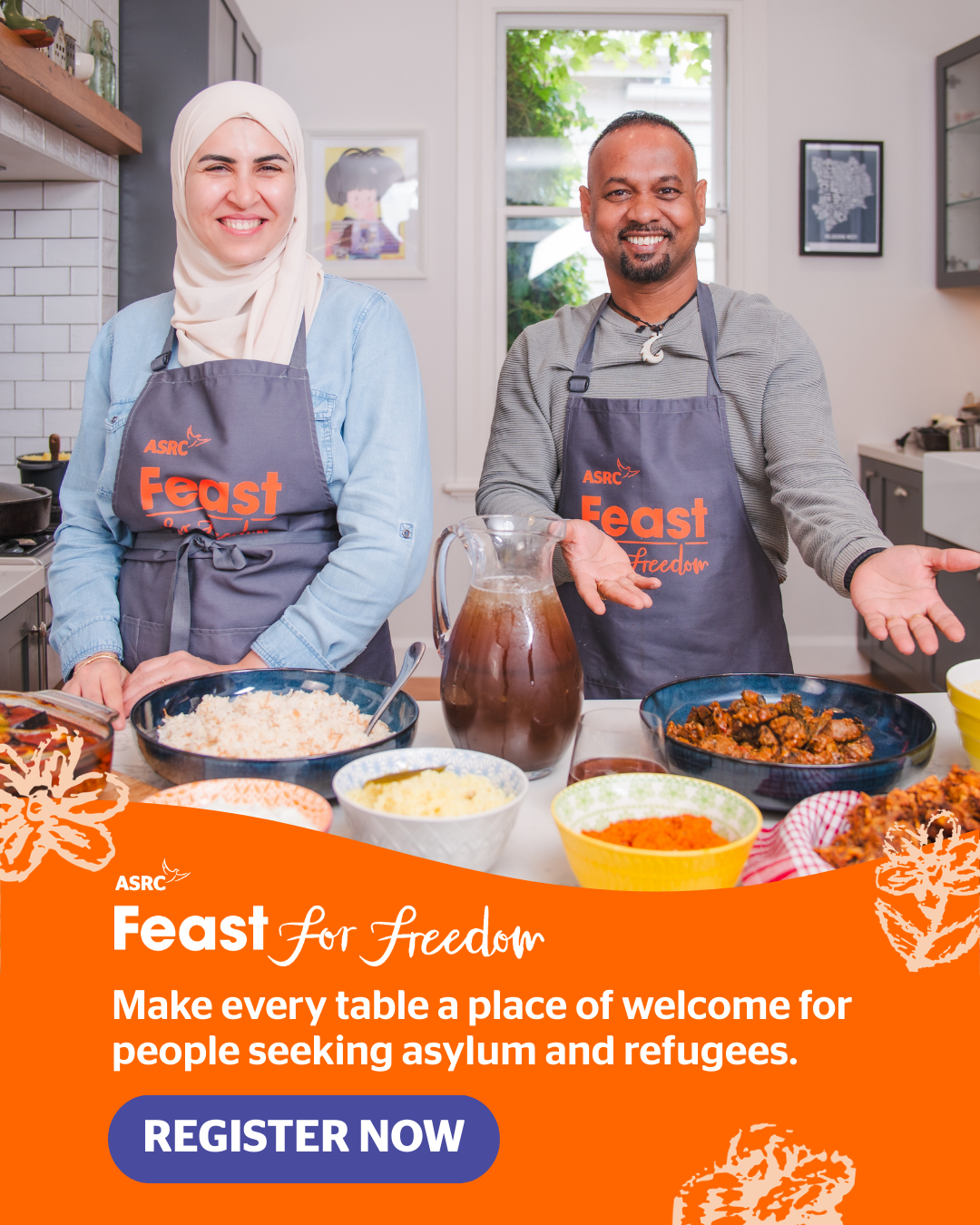
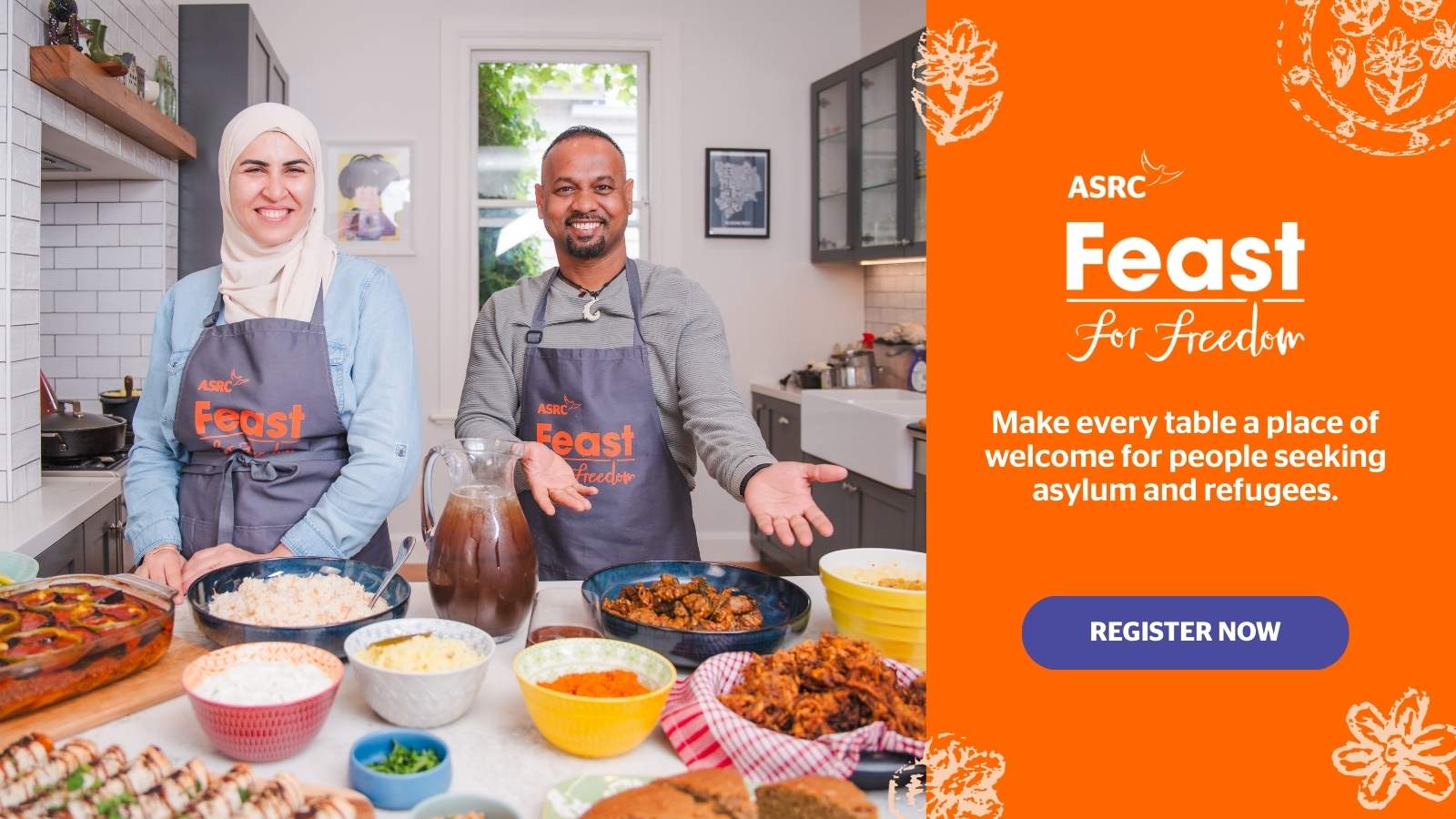
For the first time, Feast for Freedom is bringing people together for a spectacular long-table dinner as part of the Melbourne Food & Wine Festival.
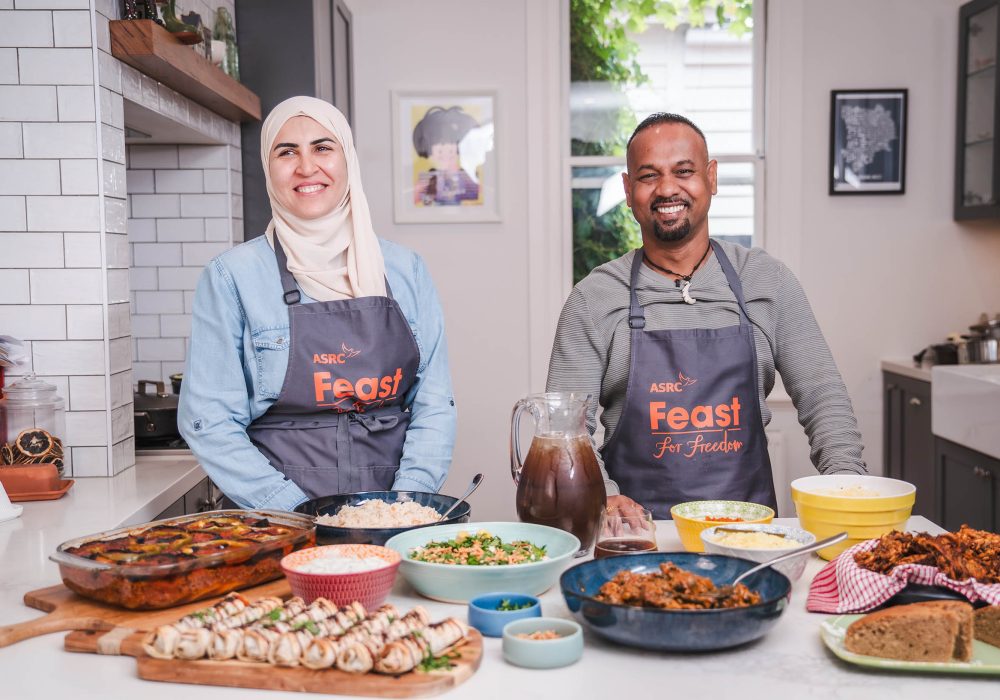
A Longer Table is exactly what it sounds like: one beautiful shared table inside the Asylum Seeker Resource Centre (@Asrc1), piled with generous dishes inspired by this year’s hero cooks, Noha and Nige.
From 6 to 9pm on Wednesday, 25 March, this is what you can expect:
🍽 A three-course shared feast
🍷 Matched drinks
🎶 Live entertainment
✨ A room full of good humans
Your ticket doesn’t just buy you a delicious dinner. It supports the ASRC’s vital work and helps create a fairer future for people seeking asylum.
Seats are limited, and long tables have a way of filling up quickly – head to @MelbFoodAndWine’s website to book now: feastforfreedom.org.au/mfwf
#FeastForFreedom #MelbourneFoodAndWineFestival #LongTableDinner #FoodForChange

Sew versatile! 🪡
Another great make from Lisa from @SunnySewsEveryday:
My #PeppermintWaratahWrapDress is finished and I’m so proud of it. It has been designed not to flap open and flash your pants in the wind, so I feel confident it will be a great wheelchair or standing dress in English weather.
#PeppermintPatterns #WrapDress #WrapDressPattern

Frame your face with the Peppermint Bucket Hat!
Stay safe and stylish in the sun with your very own self-sewn and self-drafted wide-brimmed bucket hat. This beginner-friendly sew is perfect for a sunny day. Get out your pencils – this pattern is created using equations and maths!
This DIY project was featured in Issue 53 and now you can access it for the lovely low price of only $5.
Sun-safe chic is always in style. ☀️
Find it via the link in our bio!
Photos: @KelleySheenan
#PeppermintPatterns #PeppermintBucketHat #BucketHat #BucketHatPattern #DIY

✨ INSTANT CLASSIC ✨
The Peppermint Myrtle Shift Dress is a beginner-friendly make with a few special details based on the ever-stylish shift shape – the perfect dress you need in your wardrobe right now!
Myrtle cuts above the knee with options to customise the length. Don’t think she’s reserved for hot weather either: try a heavier-weight fabric to turn your Myrtle into a pinafore-style garment for layering.
For our fabrics we chose two from our lovely sewing partner @Karmme_Apparel – the bold Rottnest Stripes in a lightweight, soft-drape cotton, and the quality linen in the handpainted Mexico Collection.
Get making the Myrtle – the only question is, can you stop at just one?
Link in bio 🪡
Fabric: @Karmme_Apparel
Sewist: @Laura_The_Maker
Photos: @KelleySheenan
Models: @SerahSews and @Pins_And_Tonic
Location: @ShareTheDignityAustralia
#PeppermintMyrtleShiftDress #PeppermintPatterns

It’s time to Feast!
Some recipes travel a long way before they land on your table to delight your taste buds. This year’s Feast for Freedom invites us to gather our friends, cook something delectable and raise funds for the incredible work of the Asylum Seeker Resource Centre (@Asrc1) while we’re at it.
The 2026 Feast features recipes shared by two remarkable cooks: Noha, who brought the flavours of Palestine with her when she arrived in Australia, and Nige, a Sri-Lankan Tamil cook whose journey with food began in the most unexpected of places.
You can host your own Feast up until 30 April – simply register online and get planning! Host a dinner, organise a workplace lunch, or gather your community… However you do it, the idea is simple: cook, connect and celebrate the cultures and stories that shape Australia.
Want to find out more? Head to the link in bio to meet Noha and Nige, learn more about their stories, and discover a delicious recipe to try.
#FeastForFreedom #PeppermintMagazine #FoodForGood #ASRC
