When it comes to living a more ethical and sustainable life, sometimes you’ve gotta put your money where your mouth is — literally. But talk is cheap and finance fickle, so in this four-part online series on ethical money, created in collaboration with our friends at Bank Australia, we’ve balanced the books so you can live a more balanced life and use your money as a force for good. Next in the series: making sure your investments are ethical.
……….
Shares, stocks, futures and dividends – for most of us, investment banking lingo conjures dizzying images of a fast-paced trading room floor.
If there’s one aspect of the financial world that feels utterly off limits to everyday folk, it’s investment. But getting started with investing or ramping up your portfolio is easier than you might think. And you don’t have to go full Wolf of Wall Street to start seeing results.
As with everything financial, the investments landscape is fraught with ethical landmines. One of the most important things to consider when deciding on a fund, advisor or company is the triple bottom line: investments that create a positive environmental and social impact as well as healthy financial returns.
What is investing anyway?
In the simplest sense, investing involves putting your money into an asset with the aim of generating a profit. Those profits are known as capital gains.
There are four broad classes of investment assets: stocks, bonds, commodities (such as gold and silver), and real estate. In terms of ethics, it’s the first two that can be particularly problematic.
When you purchase stocks, you buy into the company – and, by extension, its activities, code of conduct, business practices and ethos.
When a publicly traded company floats shares on the stock market or an organisation issues bonds, it’s essentially inviting you to buy a stake in its future. When you purchase stocks, you buy into the company – and, by extension, its activities, code of conduct, business practices and ethos – even if only temporarily. You profit off its successes and feel its losses.
What kind of companies are you prepared to invest in?
In the financial world, the concept of ‘sin stocks’ describes publicly traded companies associated with unethical or harmful industries. Prominent examples include the manufacture of nuclear weapons or industries linked to human trafficking. They may be profitable, but for many investors, the human and environmental cost is too much to bear.
Ethical investing, by contrast, describes the pursuit of investments that are net positive. It’s by no means a new concept – some of the earliest examples come from religious groups in the United States that prohibited their members from investing in the slave trade.
Today though, ethical investing is most often associated with social and environmental issues, particularly abstaining from fossil fuels like coal. The name ‘green bonds’ is used to describe investments that operate along that triple bottom line.
What does ‘ethical’ even mean in the investment world?
Coal mines versus hydropower is an obvious example, but not everything is so cut and dry. As ethical investing has surged in popularity, the market has become murkier and more saturated, making it difficult to navigate.
Ethical investors have criteria to help evaluate companies and industries though. Known as ESG (environmental, social and governance) factors, in practice they provide an alternative lens to examine an investment beyond the potential return, looking at how a company turns its profit. An ethical portfolio is built by rejecting companies that don’t align (exclusionary screening) and then targeting competitors with better ESGs.
The difficulty is that ESG factors are, to some degree, subjective. Every financial advisor and firm has a different tolerance for what’s ethical and what’s not. “For the most part, it means ‘do no harm’ or ‘avoid harm’, and more importantly, invest in doing more ‘good’,” explains Karen McLeod. A certified financial planner and member of Ethical Investment Advisers, Karen also sits on the board of the Responsible Investment Association Australasia (RIAA), a network of over 300 members who champion responsible investing in our region.
“It’s different for each person,” she continues, “but we do see some consistent themes: from renewable energy and clean technologies, recycling and closing the loop on waste, healthcare, education, all the way to microfinance loans and social infrastructure like bikeways.” By looking at ESGs, industries that are wasteful, polluting or non-renewable can be eliminated.
How can we set the bar higher?
The world is changing and transitioning to renewables, but many investments are yet to catch up. This has created a new phenomenon, something Carbon Tracker calls ‘stranded assets’ – investments that will stop earning a return long before their anticipated life cycle ends. In other words, assets that are at risk of being worth far less than was projected because the world has changed.
Action around climate change and global warming, particularly the signing of the Paris Accord, devalues fossil fuels and non-renewables. Gas reserves that may never see the light of day, pipelines that may never be completed, rigs and tankers that may never be used – these are all examples of stranded assets.
As we teeter on the brink of meaningful climate action, there’s never been a better time to drop potential stranded assets and invest in future-proof green bonds. Divesting from fossil fuels and casting a vote of confidence in companies working to improve the health of our planet is catching on. The RIAA’s 2020 Benchmark Report shows that of the consumers who used their online tool to screen funds, 36% wanted to exclude fossil fuel investments from the mix.
Recent research comparing more than 5,000 investment funds found that sustainable funds matched or outperformed traditional funds across a range of categories.
Ethical investing doesn’t mean having to compromise on returns, either. Quite the opposite in fact. Recent research comparing more than 5,000 investment funds found that sustainable funds matched or outperformed traditional funds across a range of categories. In hard numbers, the average annual return for an ethical fund invested in global companies was measured at 6.9% a year, while a traditionally invested fund came in at 6.3% a year.
Figures for 2020 are expected to be even more pronounced: investments in clean tech stock have soared during the pandemic while oil, gas and coal have plummeted.
Here in Australia, ethical investments now account for almost $1 trillion of professionally managed assets, according to data from RIAA. Ethical investors control 44% of all managed assets – a share that continues to grow year on year.
As Karen points out, ethical investing is booming because its appeal goes far beyond financial results. “Finding investments that close the loop on waste, that provide the solutions our environment and society needs (not wants!) is unbelievably rewarding,” she says. “Making a good return while knowing your money is having a positive impact gives you a great sense of satisfaction and peace of mind.”
Where do I start?
Draw your line – Ethics are subjective, so start with a firm idea of what companies/industries you would and wouldn’t feel comfortable investing in. The UN Principles for Responsible Investment and Dow Jones Sustainability World Index are a good place to start.
Calculate your (potential) impact – Still on the fence about ethical investing? Use an online impact calculator to see how your money could make a difference.
Know exactly where you’re investing – If you’re buying into a mutual fund or EFT, make sure they are transparent about all investment partners, “not just the top ten,” Karen says. “Ethical funds know this is important and in fact it’s law in basically every market except for Australia.”
Beware of greenwashing – Many investments claim to be ‘green’, ‘ethical’ or ‘socially responsible’, but often this is little more than a marketing ploy. “Greenwashing is rife as a tsunami of products are being launched,” Karen warns. “Make sure you read the fine print about the thresholds. Often a fund manager will still include a company in a portfolio if they have less than five percent of their revenue in a screened-out sector.”
Seek professional advice – If you’re new to investing, you might want to engage a financial advisor. Try using RIAA’s member directory of people and organisations engaged in responsible, ethical and impact investing across Australia and New Zealand.
READ MORE FROM OUR FUTURE FINANCE SERIES
General advice warning: This information is general and does not take into account your objectives, financial situation or needs. You should consider whether the advice is suitable for you and your personal circumstances. Before you make any decision about whether to acquire a certain product, you should obtain and read the relevant product disclosure statement.
Our Future Finance Series has been created in partnership with our friends at Bank Australia. Want to align your money with your values? Head to their website to find out how you can use your money for good.
words EMILY LUSH





“My piece of advice for makers and designers? Run your own race… make sure your key decisions stay anchored in your brand’s core beliefs.”
- Bec Bligh
Quick show of hands: who’s opened a water bottle expecting a refreshing sip… and instead been greeted by the unmistakable whiff of uh-oh?
Because for something that follows us everywhere (desk, car, hikes, yoga…), the humble drink bottle is strangely prone to becoming a science experiment. Hard-to-clean corners and gaskets. Mystery smells. Bec Bligh and her husband Tim know it well. A six-month sailing trip along the Queensland coast left them with a lifetime of memories and one stubborn annoyance: mouldy water bottles they couldn’t properly clean.
So they did something about it.
Enter @EverVessel. Thoughtfully designed borosilicate glass and stainless steel bottles that keep things beautifully simple: durable materials, wide openings, easy-to-clean parts and none of the techy gimmicks that tend to age badly. Turns out simplicity, done well, is pretty powerful stuff. (Their many design awards agree!)
And lately they’ve added a little extra delight: the Artist Series, where creatives like Paola Castro, Ben Miners and Martin Thompson transform these everyday companions into tiny travelling artworks. There are more colabs in the works, too: hydration, but make it joyful! 🎨💧
We chatted with Bec about the sailing trip that started it all, the philosophy behind Ever Vessel, and why the most sustainable product is often just the one you keep using.
Tap the link in our bio to read the full conversation. 🚰
#EverVessel #ReusableWaterBottle


Pull up a chair… there’s room at this table!
For the first time, Feast for Freedom is bringing people together for a spectacular long-table dinner as part of the Melbourne Food & Wine Festival.
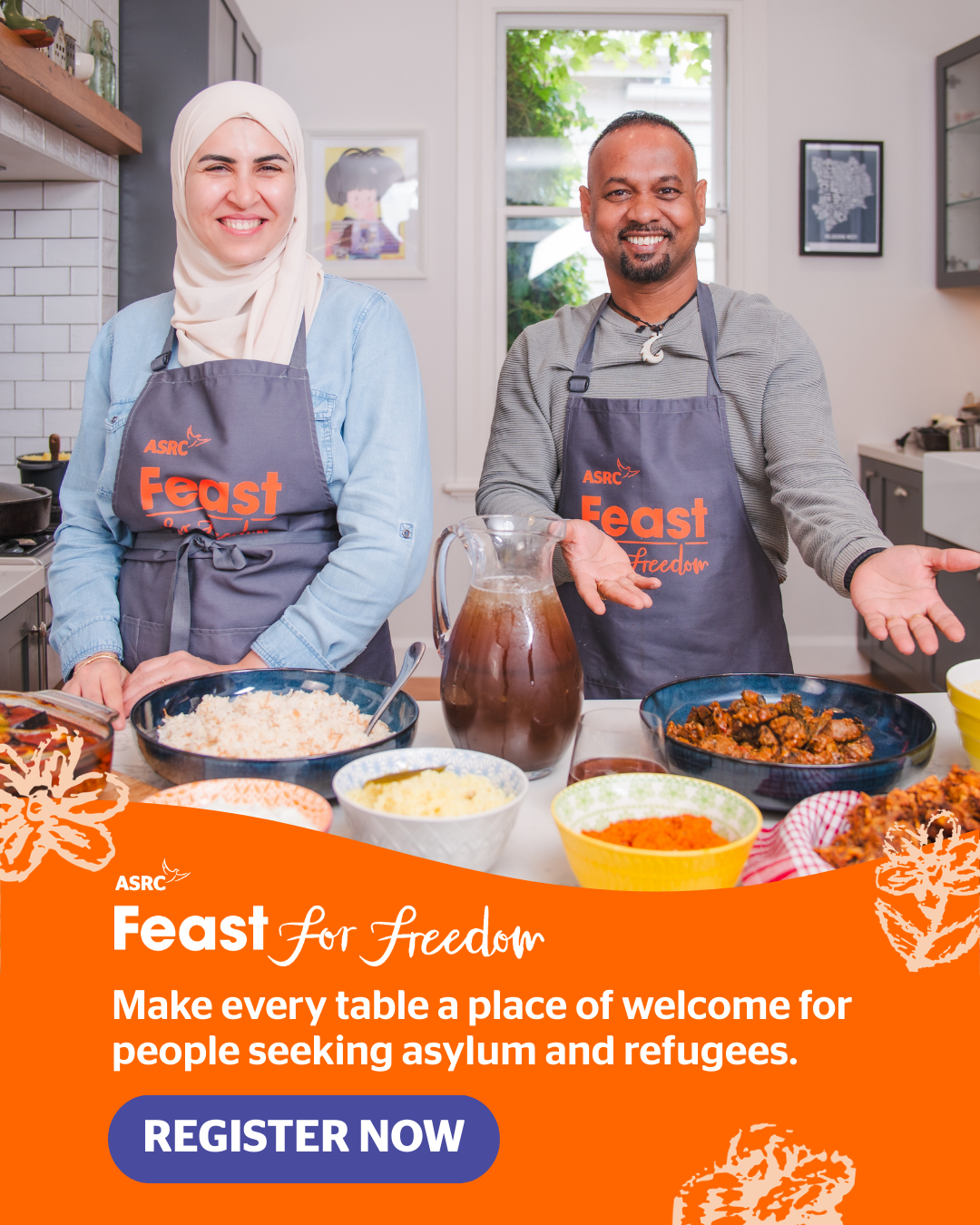
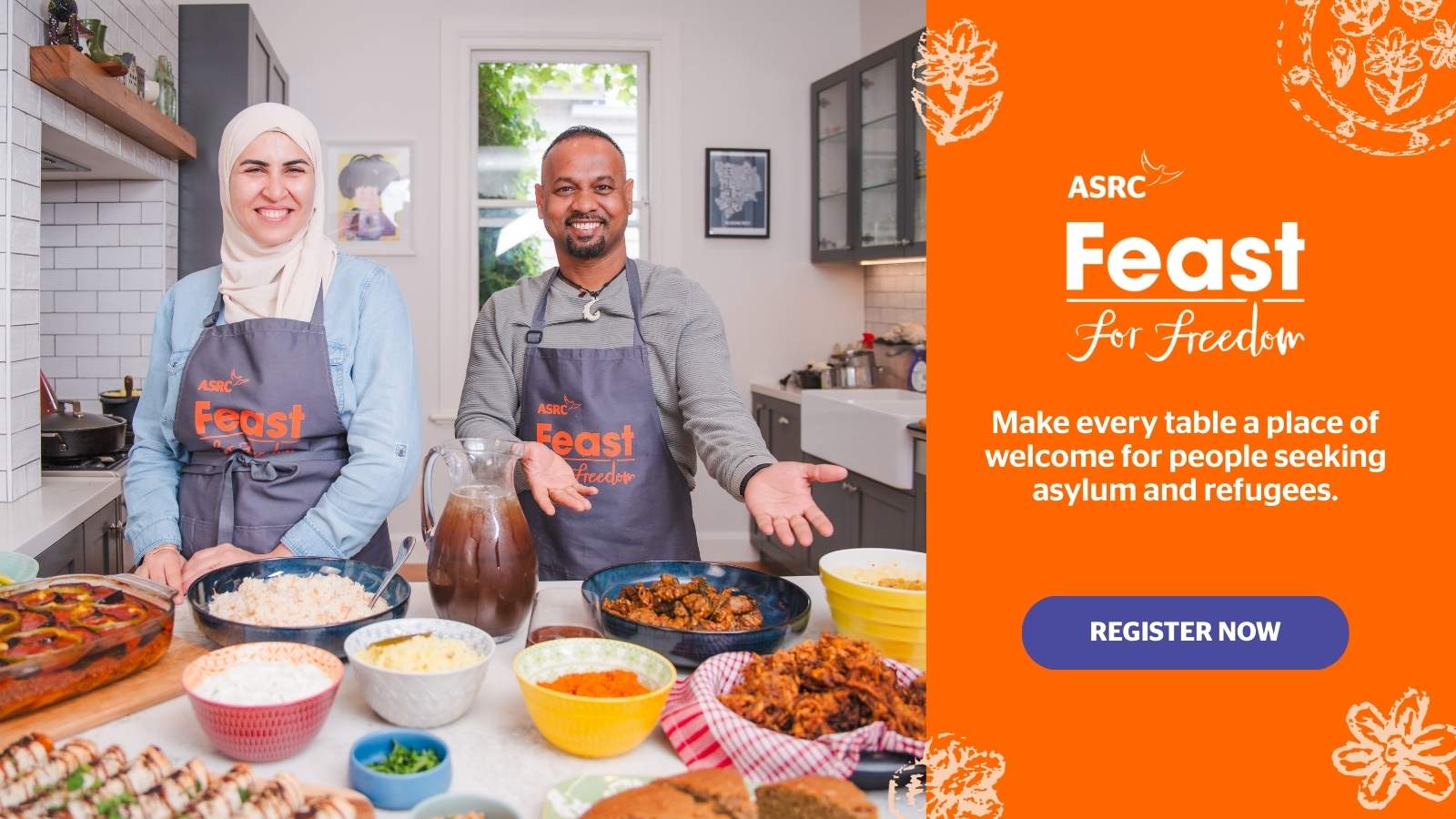
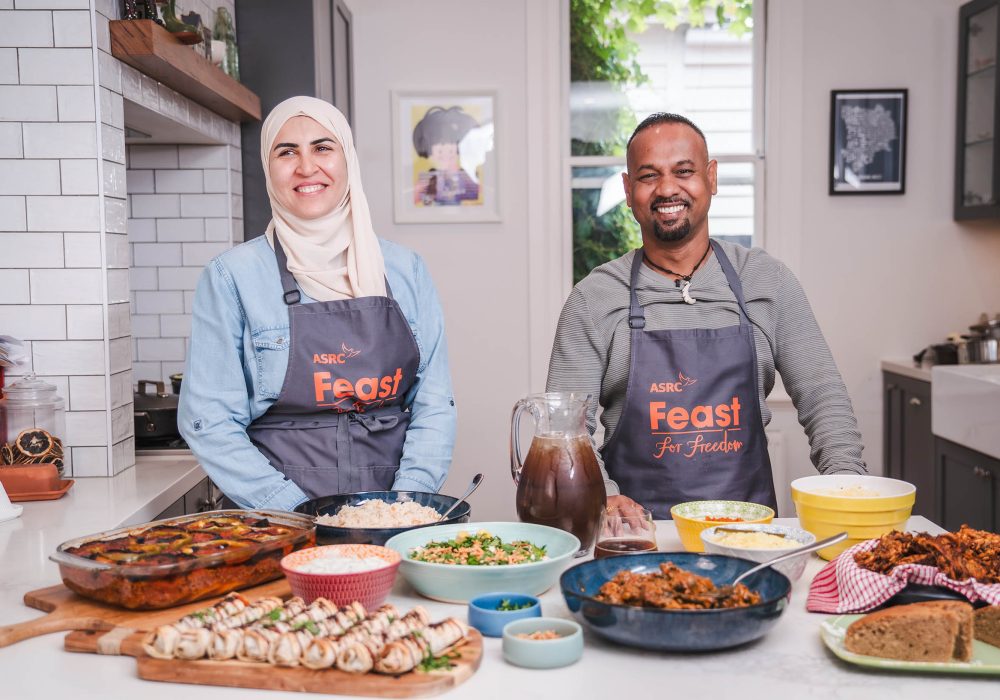
A Longer Table is exactly what it sounds like: one beautiful shared table inside the Asylum Seeker Resource Centre (@Asrc1), piled with generous dishes inspired by this year’s hero cooks, Noha and Nige.
From 6 to 9pm on Wednesday, 25 March, this is what you can expect:
🍽 A three-course shared feast
🍷 Matched drinks
🎶 Live entertainment
✨ A room full of good humans
Your ticket doesn’t just buy you a delicious dinner. It supports the ASRC’s vital work and helps create a fairer future for people seeking asylum.
Seats are limited, and long tables have a way of filling up quickly – head to @MelbFoodAndWine’s website to book now: feastforfreedom.org.au/mfwf
#FeastForFreedom #MelbourneFoodAndWineFestival #LongTableDinner #FoodForChange

Sew versatile! 🪡
Another great make from Lisa from @SunnySewsEveryday:
My #PeppermintWaratahWrapDress is finished and I’m so proud of it. It has been designed not to flap open and flash your pants in the wind, so I feel confident it will be a great wheelchair or standing dress in English weather.
#PeppermintPatterns #WrapDress #WrapDressPattern

Frame your face with the Peppermint Bucket Hat!
Stay safe and stylish in the sun with your very own self-sewn and self-drafted wide-brimmed bucket hat. This beginner-friendly sew is perfect for a sunny day. Get out your pencils – this pattern is created using equations and maths!
This DIY project was featured in Issue 53 and now you can access it for the lovely low price of only $5.
Sun-safe chic is always in style. ☀️
Find it via the link in our bio!
Photos: @KelleySheenan
#PeppermintPatterns #PeppermintBucketHat #BucketHat #BucketHatPattern #DIY

✨ INSTANT CLASSIC ✨
The Peppermint Myrtle Shift Dress is a beginner-friendly make with a few special details based on the ever-stylish shift shape – the perfect dress you need in your wardrobe right now!
Myrtle cuts above the knee with options to customise the length. Don’t think she’s reserved for hot weather either: try a heavier-weight fabric to turn your Myrtle into a pinafore-style garment for layering.
For our fabrics we chose two from our lovely sewing partner @Karmme_Apparel – the bold Rottnest Stripes in a lightweight, soft-drape cotton, and the quality linen in the handpainted Mexico Collection.
Get making the Myrtle – the only question is, can you stop at just one?
Link in bio 🪡
Fabric: @Karmme_Apparel
Sewist: @Laura_The_Maker
Photos: @KelleySheenan
Models: @SerahSews and @Pins_And_Tonic
Location: @ShareTheDignityAustralia
#PeppermintMyrtleShiftDress #PeppermintPatterns

It’s time to Feast!
Some recipes travel a long way before they land on your table to delight your taste buds. This year’s Feast for Freedom invites us to gather our friends, cook something delectable and raise funds for the incredible work of the Asylum Seeker Resource Centre (@Asrc1) while we’re at it.
The 2026 Feast features recipes shared by two remarkable cooks: Noha, who brought the flavours of Palestine with her when she arrived in Australia, and Nige, a Sri-Lankan Tamil cook whose journey with food began in the most unexpected of places.
You can host your own Feast up until 30 April – simply register online and get planning! Host a dinner, organise a workplace lunch, or gather your community… However you do it, the idea is simple: cook, connect and celebrate the cultures and stories that shape Australia.
Want to find out more? Head to the link in bio to meet Noha and Nige, learn more about their stories, and discover a delicious recipe to try.
#FeastForFreedom #PeppermintMagazine #FoodForGood #ASRC
