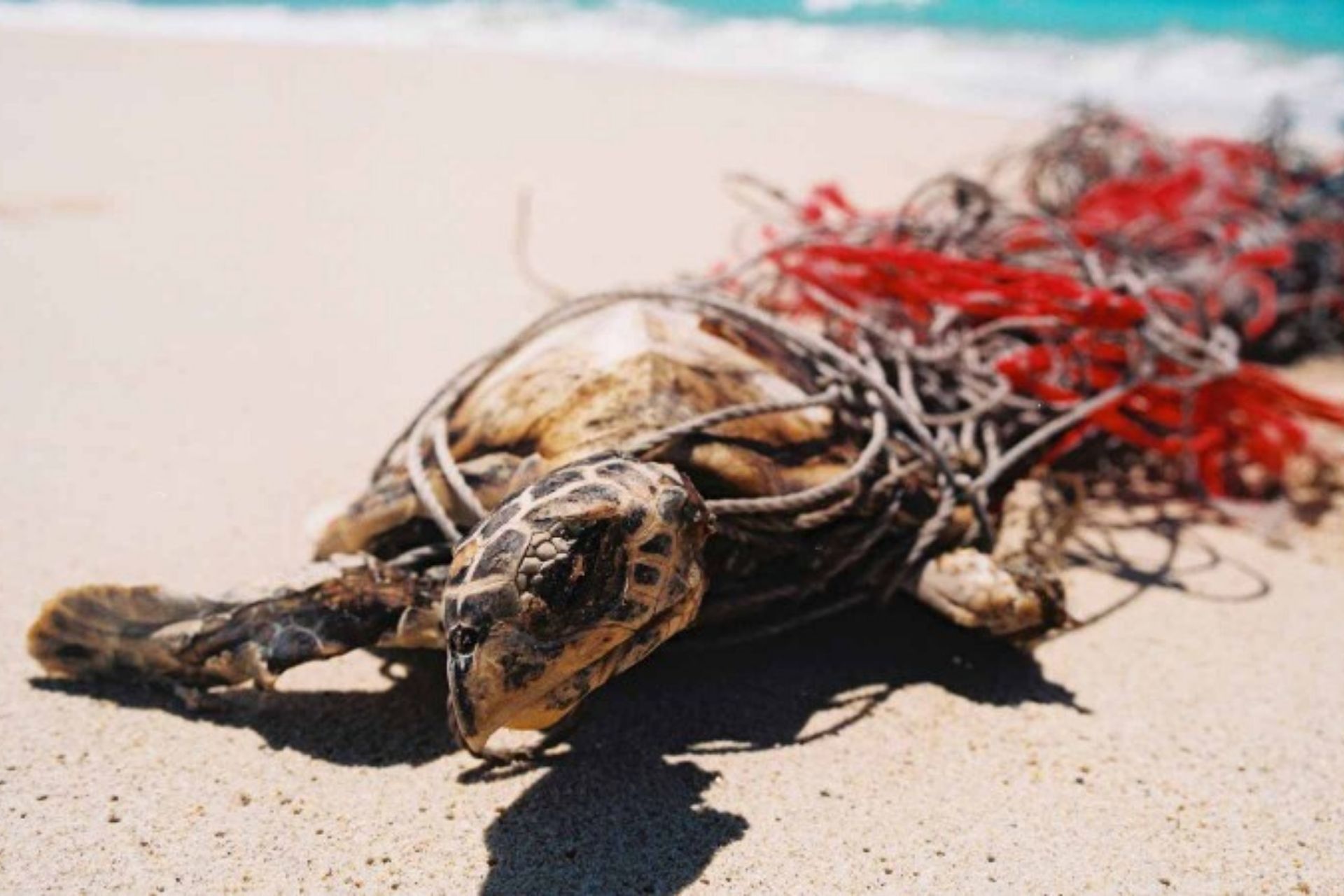
Today is World Oceans Day, the day we celebrate the vast wonder that spans 71% of our blue planet. The annual June 8 event is organised by the UN to champion the health and security of our global marine ecosystem. This year’s theme, ‘Innovation for a Sustainable Ocean’, calls attention to the creative minds who harness new technologies and ancient wisdom to mitigate marine pollution, rehabilitate damaged ecosystems and enhance biodiversity.
This year’s World Oceans Day will look a little different than normal, but it’s special for another reason, too. June 8 marks the launch of a fresh chapter in marine conservation as the UN calls on world leaders to protect 30% of the planet’s oceans by the year 2030.
The initiative, dubbed ‘30×30’, would see at least one-third of our marine environment safeguarded under a network of protected areas (like national parks for the ocean). Currently, as little as 2–5.3% of the world’s oceans fall under marine reserves. That’s despite accounting for 71% of the earth’s surface area, hosting 15% of all flora and fauna species and directly supporting 10% of our global population who rely on fishing for their livelihoods.
The new 30% target is an ambitious increase on the ‘10% by 2020’ goal previously set by the UN. For it to work, it will take top-level support and funding from governments and institutions – but the role of enterprising individuals and the communities who know the oceans best will be just as critical. Hence why this year’s World Oceans Day is honing in on the people and grassroots collectives who take marine management into their own hands.
Instead of the traditional in-person celebration at the United Nations Headquarters in New York, this year will be marked with a free virtual event that kicks off at 10am New York time (or 12am Brisbane time) on Monday.
To celebrate World Oceans Day, we’re spotlighting five incredible innovators and ocean heroes who hail from our own shores and are tackling one of the most pervasive problems: ocean pollution.
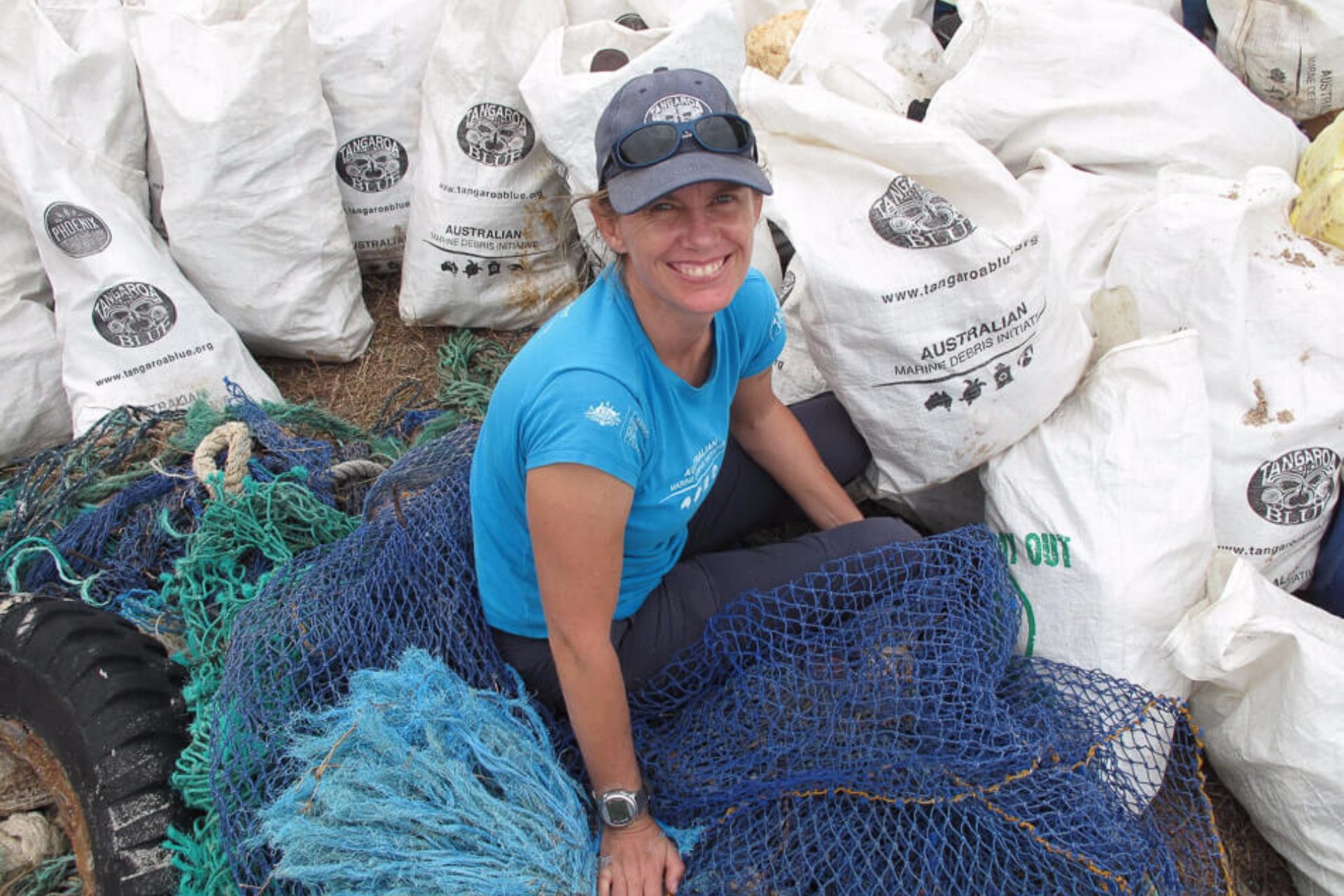
IMAGE: HEIDI TAYLOR – CREDIT: TANGAROA BLUE
Heidi Taylor
2020 is a sombre milestone for ocean health – it’s the year scientists predicted the number of plastic bags in the sea would surpass the number of fish. Unfathomable to most, it’s something Heidi Taylor – who spent 20 years underwater as a scuba instructor – saw coming almost two decades ago.
Her innovation isn’t a product or service, it’s a mindset. In 2004, Heidi co-founded Tangaroa Blue and the Australian Debris Initiative to try and curb ocean pollution in Australian waters. Powered by the mantra, ‘If all we do is clean-up, that’s all we’ll ever do’, her two-pronged approach to removing and preventing water-borne waste was quite radical at the time.
Australia’s leading organiser of reef and beach clean up events, Tangaroa has so far helped galvanise more than 160,000 volunteers to work across 3,500 clean-up sites, removing an estimated 1,300 tonnes of trash. Heidi’s approach to conservation that involves empowering communities to be stewards of their own environment has earned her many accolades, including being named one of the 18 Most Influential Women in Ocean Conservation by Ocean Geographic.
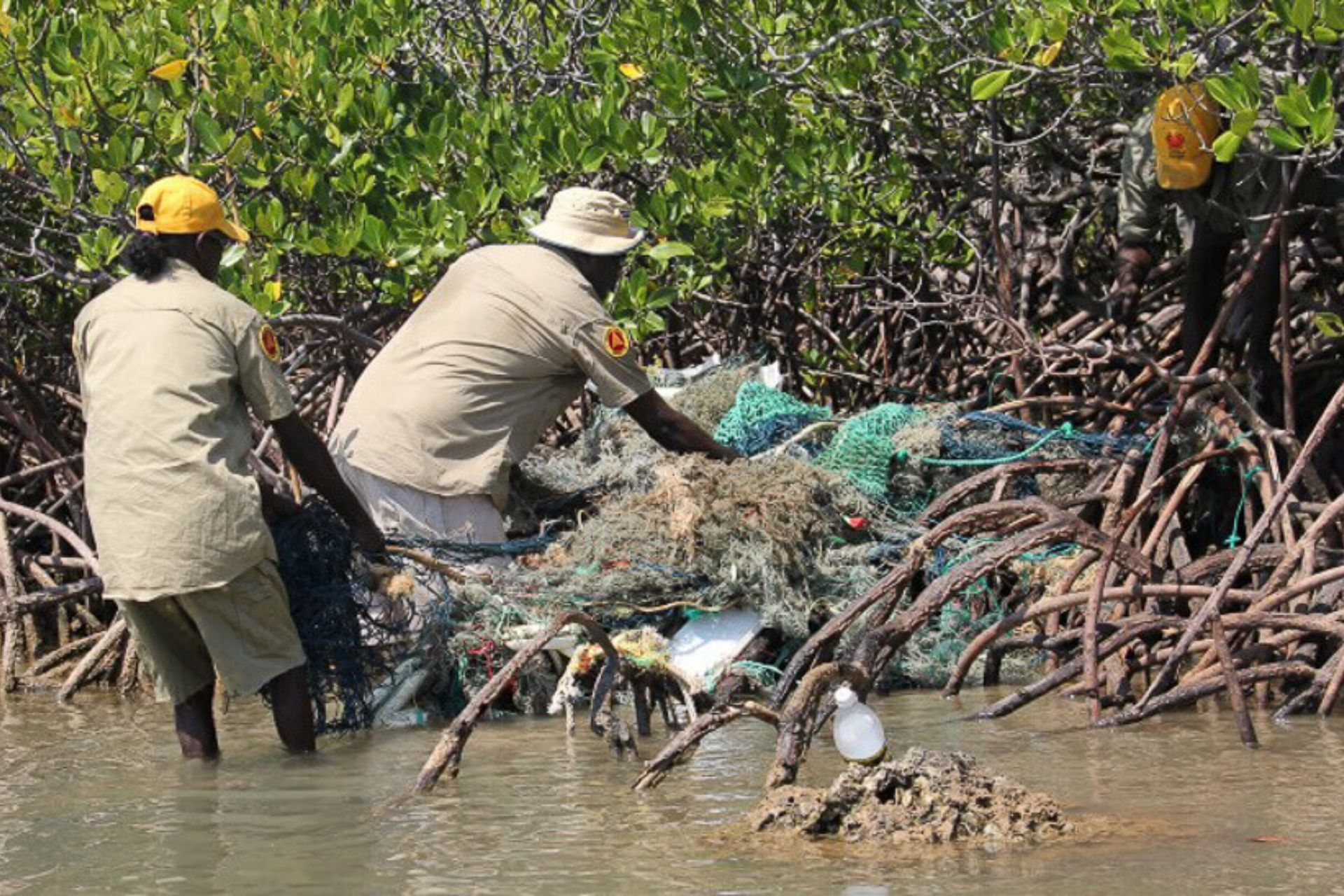
IMAGE: GHOSTNETS AUSTRALIA YIRRALKA LAYNHAPUY RANGERS – CREDIT: JANE DERMER
The Saltwater People
Our global system of oceans is interconnected – and this can be both a blessing and a curse. Fishing nets from Indonesia regularly make their way into Australian waters where they are a deadly hazard to marine life.
A disproportionate number of abandoned nets (or ‘ghost nets’) wash up in far-northern Australia’s Gulf of Carpentaria, also home to six of the world’s seven marine turtle species. A former fisher herself, Riki Gunn knew she could draw on indigenous knowledge and resources in the Top End to try and remedy the issue.
A joint project with the Saltwater People – a collective name for Indigenous Australians who live near and obtain their livelihood from the oceans – GhostNets Australia has helped rescue more than 300 turtles from fishing nets and removed 13,000 more nets from the water.
The innovation lies in Riki and the Saltwater People’s collective approach: over the years, they’ve allied with fishermen and authorities in Indonesia to prevent nets being discarded, while back home, they’ve developed projects to transform old nets into artworks, improving public awareness around the issue.

IMAGE: ANGELINA ARORA – CREDIT: AUSTRALIAN GEOGRAPHIC
Angelina Arora
Sydney teenager Angelina Arora made headlines in 2018 when her school science project turned into a ground-breaking innovation in biodegradable plastic. Last year, at the tender age of 17, she was named Australian Geographic’s Young Conservationist of the Year.
Stamping out the use of harmful single-use plastics is essential for long-term ocean health. The non-toxic, fully biodegradable plastic alternative that Angelina developed is one of the most promising solutions the world has seen yet. Made from a combination of discarded prawn shells and protein from spider’s webs, it breaks down naturally in as little as 33 days.
Angelina continues to develop her plastic for everyday use and medical applications – and in her spare time, she’s started working on a new project, this time setting her sights on how algae can play a role in restoring marine habitats after an oil spill.
One of the youngest people to ever give a TED talk, Angelina is a spokesperson for young women in STEM and one of Australia’s brightest minds when it comes to ocean innovation.
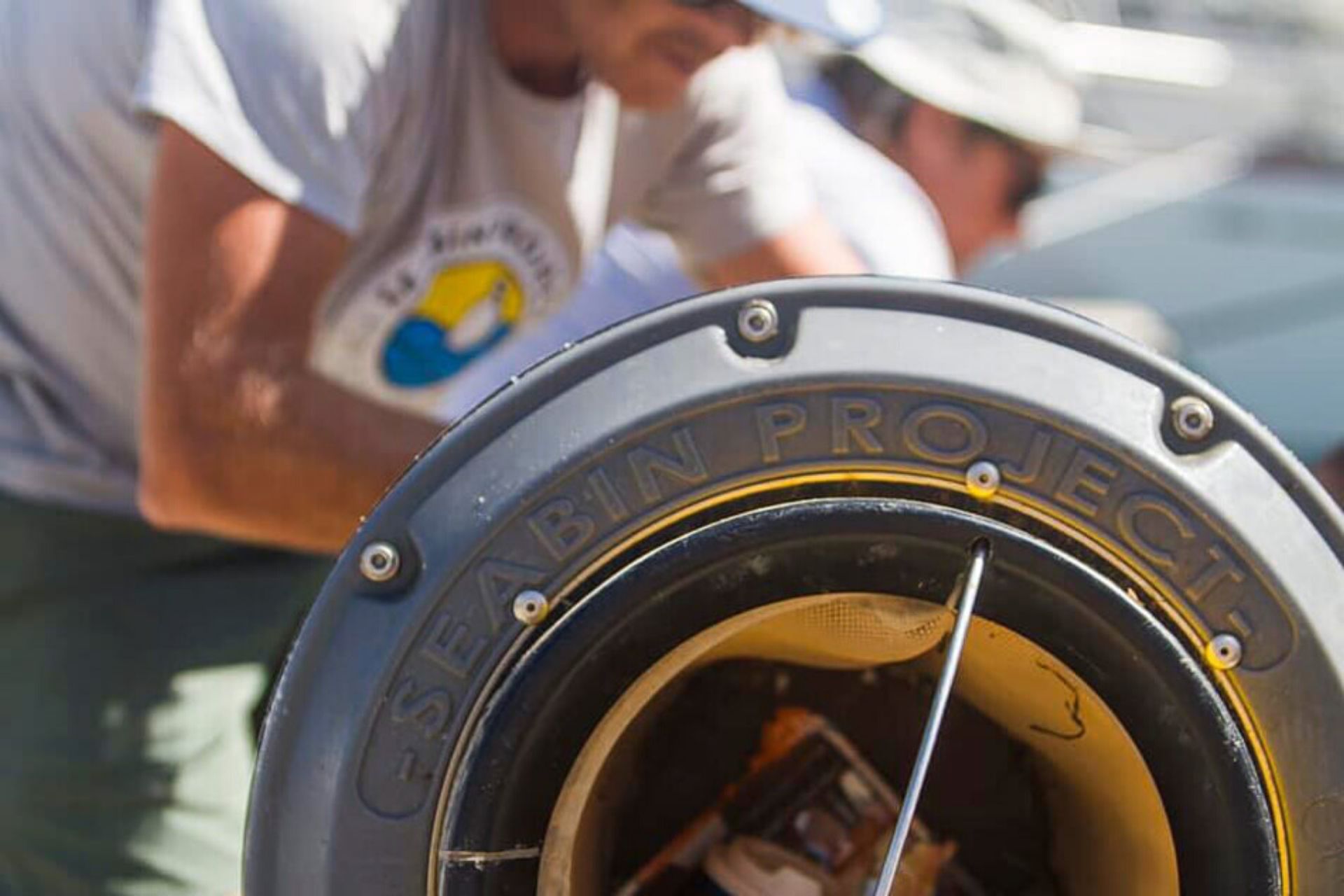
IMAGE: A SEABIN WATER FILTER – CREDIT: SEABIN
Andrew Turton and Pete Ceglinski
Debris that washes up on our coastline is one thing, but the vast proportion of the 10 to 20 million tonnes of waste deposited into oceans every year remains at sea.
Inspired to eliminate the notorious ‘Great Pacific garbage patch’ and other trash vortexes, Andrew Turton and Pete Ceglinski invented a piece of technology that’s become an invaluable part of our arsenal in the fight against ocean waste.
The Seabin works like a vacuum cleaner, filtering water and trapping floating plastic as it moves with the tide. Each unit captures an average 1.4 tonnes of debris annually, including troublesome microplastics as small as 2mm.
As you read this, there are more than 860 Seabins roving offshore from 50 different countries, extracting 3,600kg of waste from our ocean each and every day. Not a bad effort for two boat builders who invested their life savings and used YouTube videos to build their prototype.
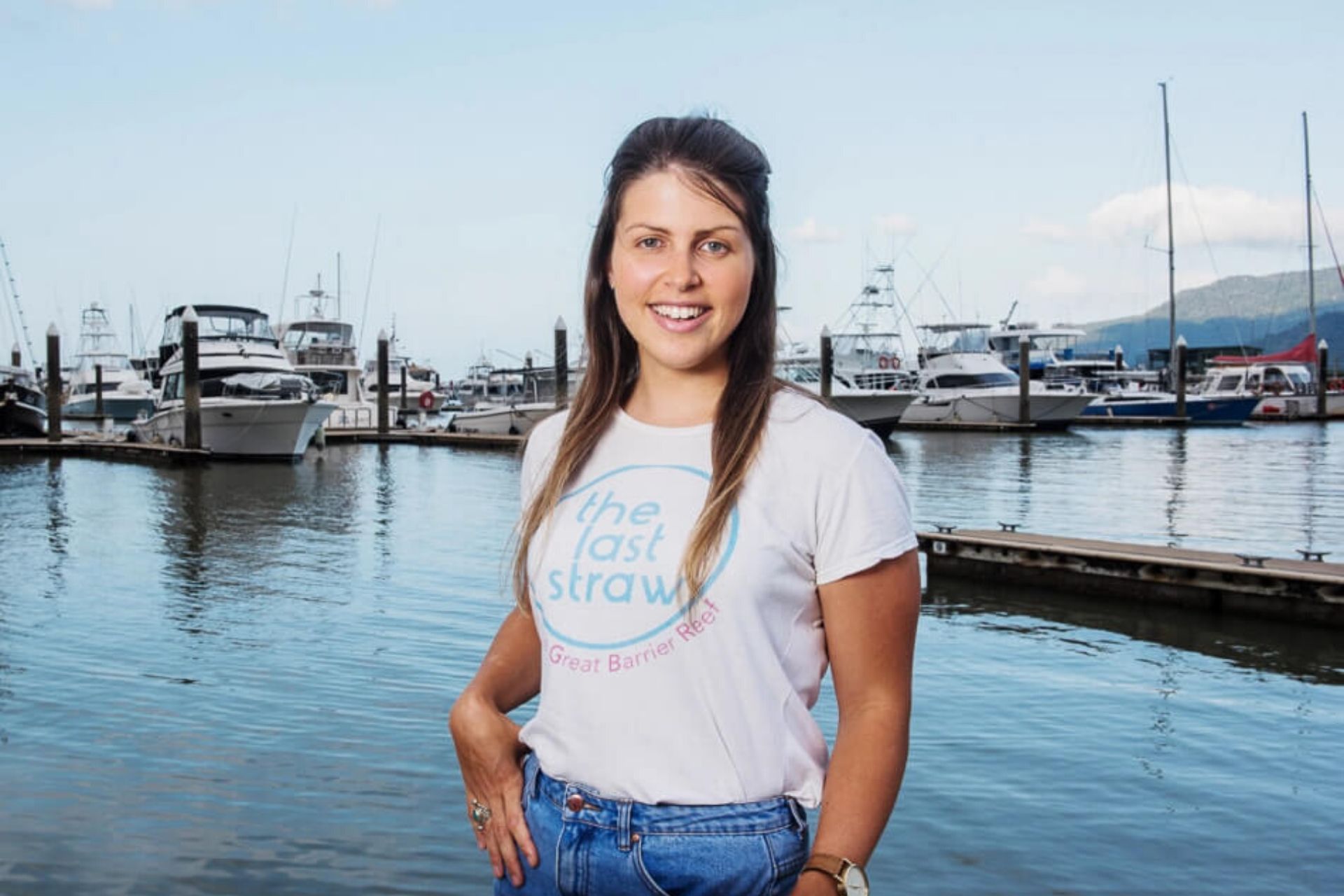
IMAGE: NICOLE NASH – CREDIT THE LAST STRAW
Nicole Nash
The battle for ocean health often centres on the fight to protect our greatest marine asset, the Great Barrier Reef. Nicole Nash’s innovative approach to tackling plastic waste on the reef may look like common sense on the surface, but proves that it’s often the simplest changes in mindset that can have the greatest impact.
A marine biologist by trade, Nicole worked closely with Tangaroa Blue in North Queensland before launching her own one-woman campaign. Still a passion project at heart, The Last Straw on the Great Barrier Reef has evolved into a regional movement, animating business owners and changing attitudes towards the humble plastic straw forever.
Under Nicole’s leadership, more than 350 cafes, tourist companies and other businesses – stretching from Cape York to Bundaberg – have jumped on board to say no to one of the most harmful ocean pollutants. Their efforts have helped keep close to an estimated 4.5 million straws out of circulation.
At the same time, Nicole kick-started a BYO straw movement that has swept the nation, spurring on other innovators including Adelaide-based Marion Vigot to invent biodegradable drinking straws.
WORDS: EMILY LUSH
BANNER IMAGE: GHOSTNETS AUSTRALIA
“My piece of advice for makers and designers? Run your own race… make sure your key decisions stay anchored in your brand’s core beliefs.”
- Bec Bligh
Quick show of hands: who’s opened a water bottle expecting a refreshing sip… and instead been greeted by the unmistakable whiff of uh-oh?
Because for something that follows us everywhere (desk, car, hikes, yoga…), the humble drink bottle is strangely prone to becoming a science experiment. Hard-to-clean corners and gaskets. Mystery smells. Bec Bligh and her husband Tim know it well. A six-month sailing trip along the Queensland coast left them with a lifetime of memories and one stubborn annoyance: mouldy water bottles they couldn’t properly clean.
So they did something about it.
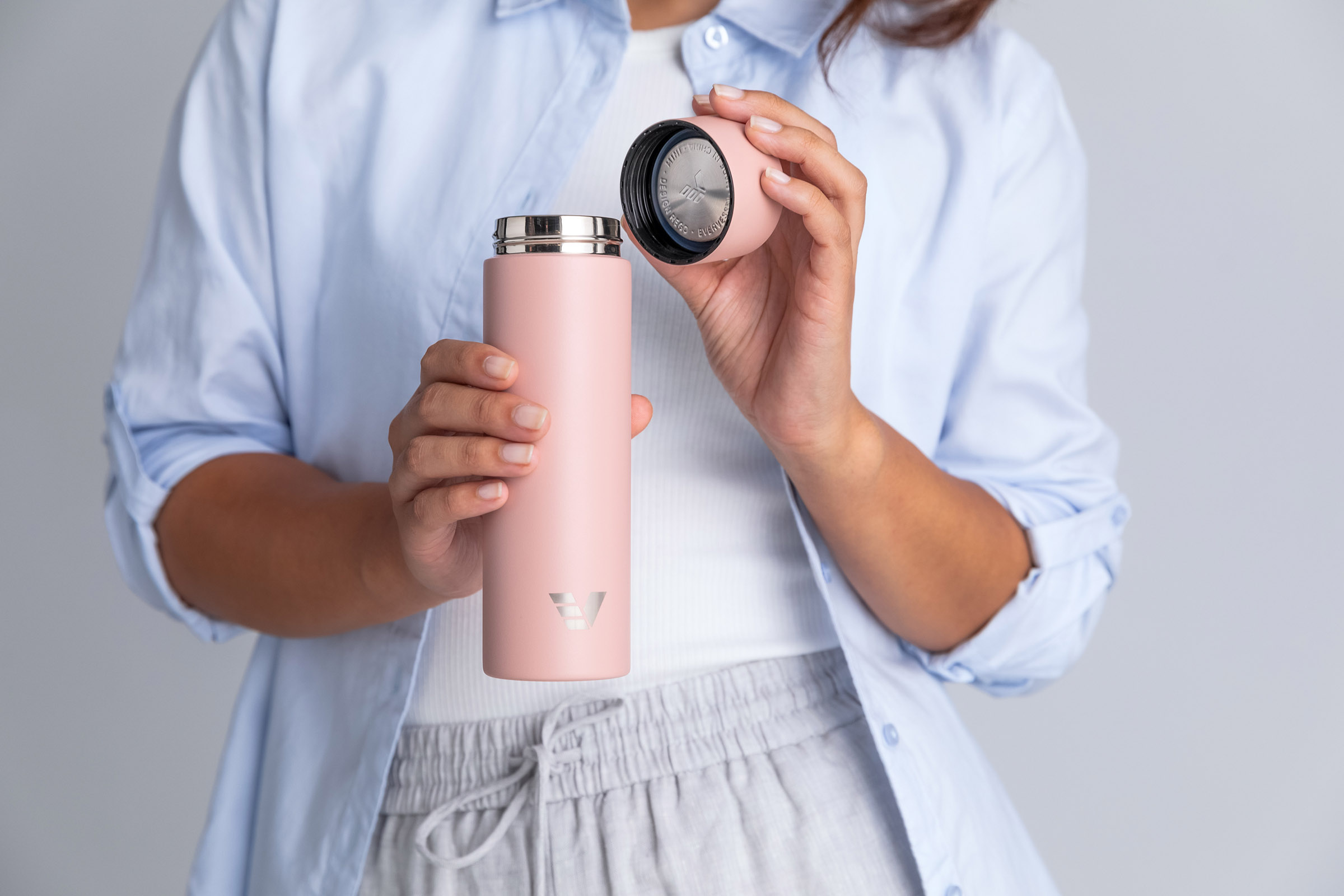
Enter @EverVessel. Thoughtfully designed borosilicate glass and stainless steel bottles that keep things beautifully simple: durable materials, wide openings, easy-to-clean parts and none of the techy gimmicks that tend to age badly. Turns out simplicity, done well, is pretty powerful stuff. (Their many design awards agree!)
And lately they’ve added a little extra delight: the Artist Series, where creatives like Paola Castro, Ben Miners and Martin Thompson transform these everyday companions into tiny travelling artworks. There are more colabs in the works, too: hydration, but make it joyful! 🎨💧
We chatted with Bec about the sailing trip that started it all, the philosophy behind Ever Vessel, and why the most sustainable product is often just the one you keep using.
Tap the link in our bio to read the full conversation. 🚰
#EverVessel #ReusableWaterBottle


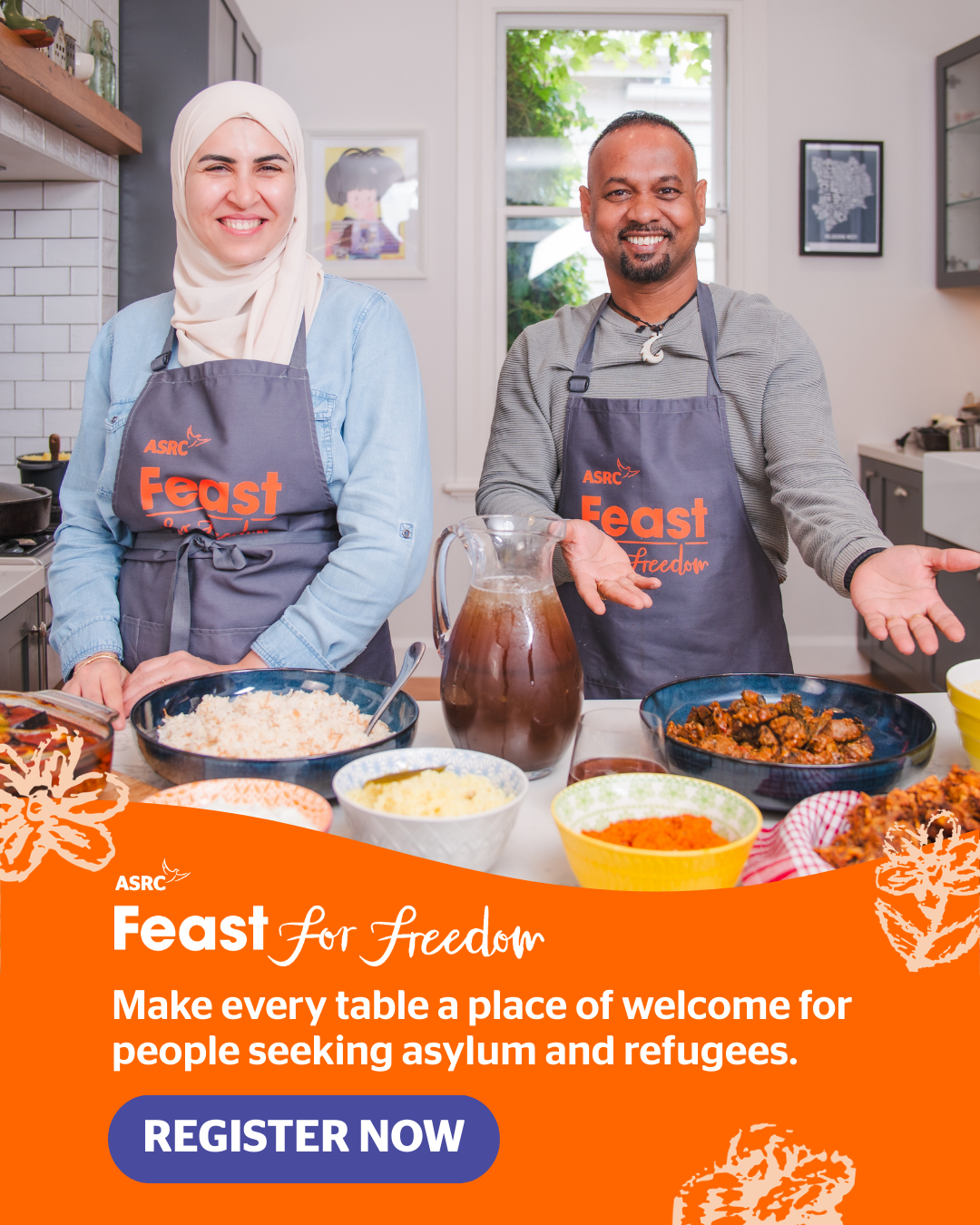
Pull up a chair… there’s room at this table!
For the first time, Feast for Freedom is bringing people together for a spectacular long-table dinner as part of the Melbourne Food & Wine Festival.
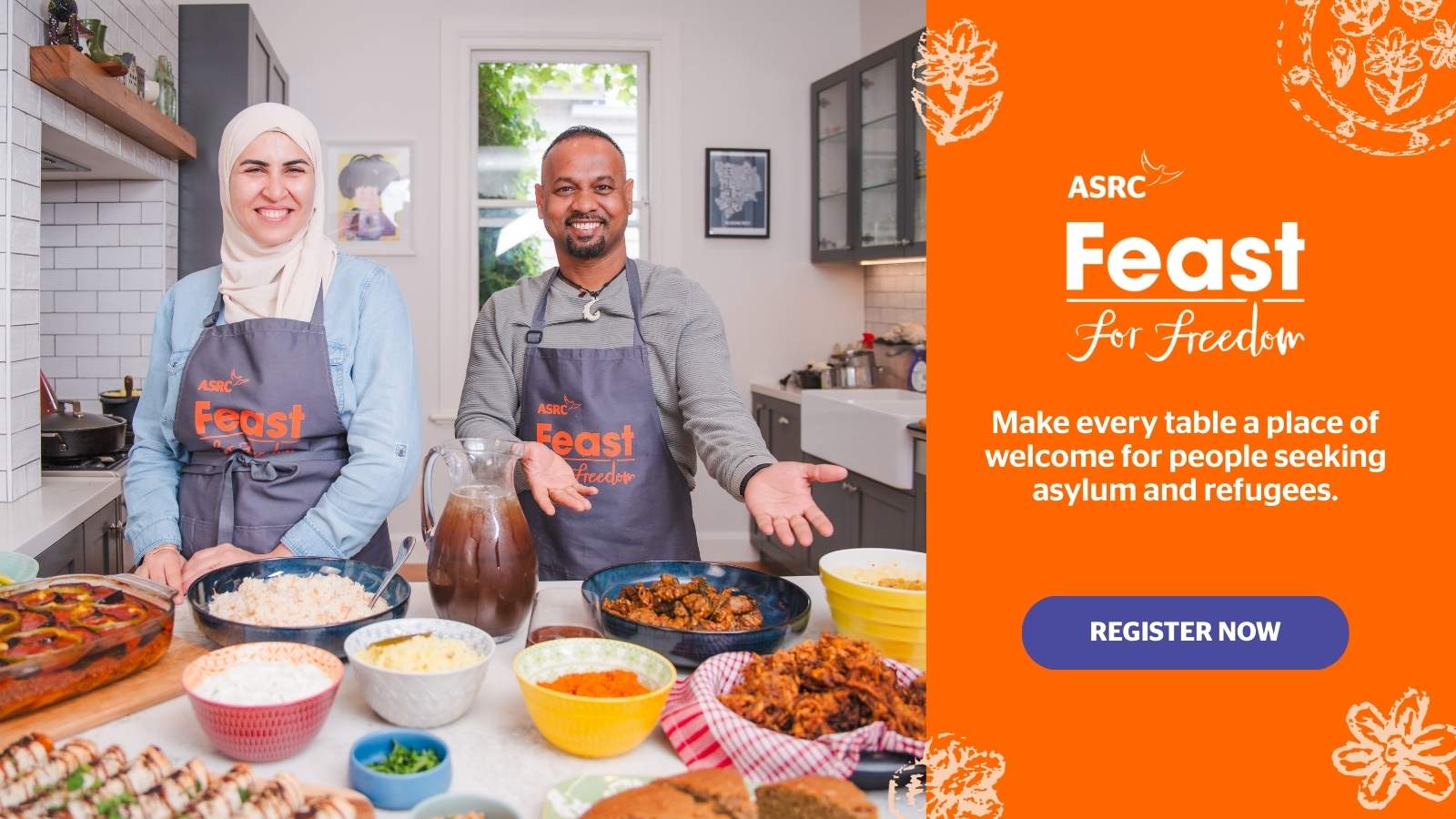
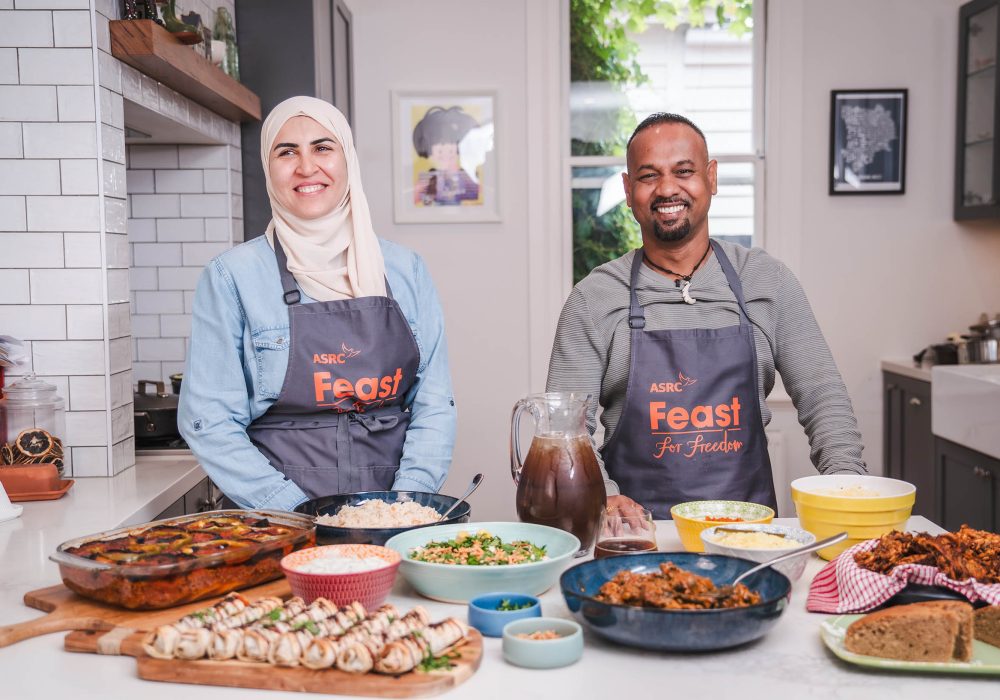
A Longer Table is exactly what it sounds like: one beautiful shared table inside the Asylum Seeker Resource Centre (@Asrc1), piled with generous dishes inspired by this year’s hero cooks, Noha and Nige.
From 6 to 9pm on Wednesday, 25 March, this is what you can expect:
🍽 A three-course shared feast
🍷 Matched drinks
🎶 Live entertainment
✨ A room full of good humans
Your ticket doesn’t just buy you a delicious dinner. It supports the ASRC’s vital work and helps create a fairer future for people seeking asylum.
Seats are limited, and long tables have a way of filling up quickly – head to @MelbFoodAndWine’s website to book now: feastforfreedom.org.au/mfwf
#FeastForFreedom #MelbourneFoodAndWineFestival #LongTableDinner #FoodForChange

Sew versatile! 🪡
Another great make from Lisa from @SunnySewsEveryday:
My #PeppermintWaratahWrapDress is finished and I’m so proud of it. It has been designed not to flap open and flash your pants in the wind, so I feel confident it will be a great wheelchair or standing dress in English weather.
#PeppermintPatterns #WrapDress #WrapDressPattern

Frame your face with the Peppermint Bucket Hat!
Stay safe and stylish in the sun with your very own self-sewn and self-drafted wide-brimmed bucket hat. This beginner-friendly sew is perfect for a sunny day. Get out your pencils – this pattern is created using equations and maths!
This DIY project was featured in Issue 53 and now you can access it for the lovely low price of only $5.
Sun-safe chic is always in style. ☀️
Find it via the link in our bio!
Photos: @KelleySheenan
#PeppermintPatterns #PeppermintBucketHat #BucketHat #BucketHatPattern #DIY

✨ INSTANT CLASSIC ✨
The Peppermint Myrtle Shift Dress is a beginner-friendly make with a few special details based on the ever-stylish shift shape – the perfect dress you need in your wardrobe right now!
Myrtle cuts above the knee with options to customise the length. Don’t think she’s reserved for hot weather either: try a heavier-weight fabric to turn your Myrtle into a pinafore-style garment for layering.
For our fabrics we chose two from our lovely sewing partner @Karmme_Apparel – the bold Rottnest Stripes in a lightweight, soft-drape cotton, and the quality linen in the handpainted Mexico Collection.
Get making the Myrtle – the only question is, can you stop at just one?
Link in bio 🪡
Fabric: @Karmme_Apparel
Sewist: @Laura_The_Maker
Photos: @KelleySheenan
Models: @SerahSews and @Pins_And_Tonic
Location: @ShareTheDignityAustralia
#PeppermintMyrtleShiftDress #PeppermintPatterns

It’s time to Feast!
Some recipes travel a long way before they land on your table to delight your taste buds. This year’s Feast for Freedom invites us to gather our friends, cook something delectable and raise funds for the incredible work of the Asylum Seeker Resource Centre (@Asrc1) while we’re at it.
The 2026 Feast features recipes shared by two remarkable cooks: Noha, who brought the flavours of Palestine with her when she arrived in Australia, and Nige, a Sri-Lankan Tamil cook whose journey with food began in the most unexpected of places.
You can host your own Feast up until 30 April – simply register online and get planning! Host a dinner, organise a workplace lunch, or gather your community… However you do it, the idea is simple: cook, connect and celebrate the cultures and stories that shape Australia.
Want to find out more? Head to the link in bio to meet Noha and Nige, learn more about their stories, and discover a delicious recipe to try.
#FeastForFreedom #PeppermintMagazine #FoodForGood #ASRC
