
One look at the neon colourways and you can probably guess that online clothing retailer Pretty Little Thing doesn’t favour natural dyes for its collections. But alarming viral posts have now found the fast-fashion brand might be using potentially harmful chemicals.
Owned by UK-based Boohoo Group, Pretty Little Thing sells women’s apparel in the UK, US, Australia, France and Ireland. They’ve collaborated with the likes of the Kardashians, been endorsed by Nicki Minaj, Miley Cirus, and other celebrities, and in 2017 the brand beat Gucci and Louis Vuitton to take out the title of ‘fastest-growing fashion company’ in a study that analysed Google search data. In the past few weeks, however, search queries related to the brand have taken a turn, with shoppers going online to find the answers the company has denied them.
Claims that Pretty Little Thing uses AZO dyes that have been linked to birth defects, reproductive health issues and cancer first came to light after a UK woman shared a screenshot of the brand’s terms and conditions page on Facebook. The post went viral, garnering 29,000 comments and almost as many shares from concerned customers and outraged consumers alike.
What are AZO dyes, and why are they a worry?
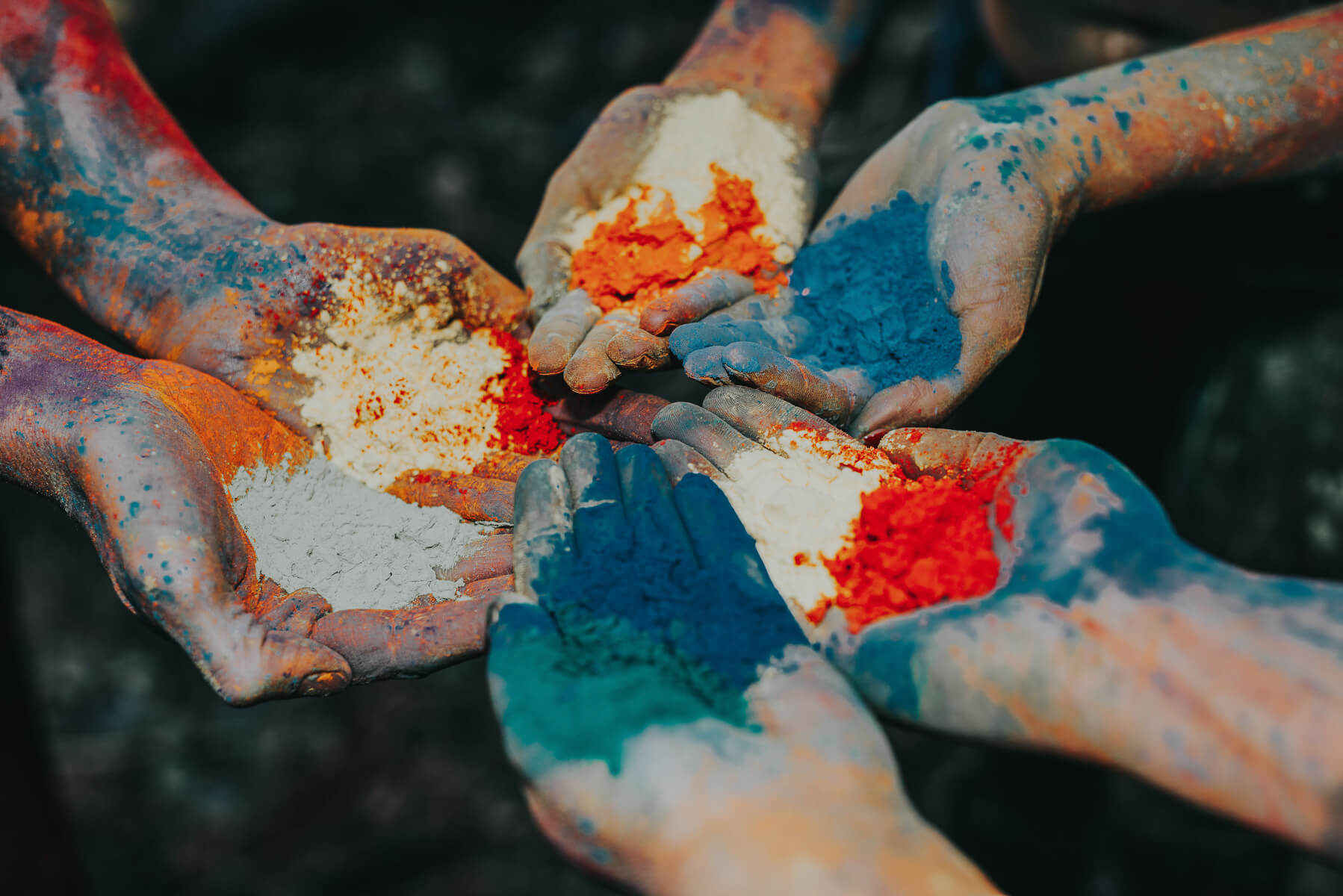
The Pretty Little Thing scandal revolves around the company’s use of AZO dyes. AZOs are synthetic colourants used to achieve vivid hues (think neon yellow or rich blue) in fibres, cosmetics, textiles, and even food products. First developed in laboratories in the 19th century, AZO dyes were standard practice in the textile industry for many decades. That’s until research into AZO dyes, which started in the 1940s, revealed their pitfalls for human health and the environment.
According to the ACCC’s Product Safety Australia website, a small proportion of AZO dyes are known to break down into chemical compounds called aromatic amines (AAs), which are ‘suspected carcinogens’. On direct contact, AAs can be absorbed through the skin. Roughly 20 out of the 300 most common AZO dyes break down into aromatic amines.
The Cancer Council Australia cautions that there are no studies to prove a direct causal link between AZO dyes and cancer in humans. They do, however, recommend minimising contact with the chemicals whenever possible. Manufacturers in Australia are banned from using AZO dyes, but there are no laws to say imported products made with AZOs can’t be sold here. The use of AZO dyes is still widespread in most garment-producing countries, including in India, Turkey, and in China – where Pretty Little Thing manufactures its apparel. When released into waterways, AZOs can cause neurosensory damage in marine wildlife.
Many Australian retailers have agreements with their suppliers to prevent products with AZOs coming in. But this system has been shown to be fallible. In 2014, more than 200,000 imported items including jeans and pillow cases were pulled from the shelves of Australian stores after they were discovered to contain AZOs. That was the result of a snap screening by the ACCC. Without legislation in place, consumers normally rely on voluntary testing and recalls on the part of the brand to keep them safe. It is therefore incumbent on shoppers to check for themselves.
Why weren’t shoppers warned?
One of the most disturbing aspects of this story is the lack of transparency on the part of Pretty Little Thing. Even if a brand is fully aware their products contain potentially harmful AZO dyes, they’re not obliged to disclose this information to Australian consumers. In the US state of California, it’s a different story. Proposition 65, a binding piece of legalisation enacted in 1986, dictates that companies must issue a warning to customers if their products contain any of 900 ‘blacklisted’ chemicals. This covers the gamut of consumer goods, from fashion to food. You can even find the warning displayed on signage at the Disneyland Resort in Anaheim. Topshop and ASOS publish similarly worded disclaimers on the terms and conditions pages of their US websites.
Like Australia, UK law doesn’t require such a disclosure. The statement that appeared in the infamous screenshot has since been removed from Pretty Little Thing’s UK website.
What this means for the industry
The fact that no warning need be issued to potential customers is almost as alarming as the company’s use of AZO dyes itself. This latest uproar points to a much bigger problem in the fashion industry: lack of transparency. Use of potentially harmful AZO dyes is just one more addition to the growing list of things fashion brands are at best elusive and at worst deceptive about.
In the 2019 Ethical Fashion Report, Boohoo Group received a grade of C- for transparency. Both Pretty Little Thing and its owner company were given an overall grade of C-, falling short of the median grade of C+. Although the Report doesn’t deal specifically with AZO dyes, it does note that Bohoo Group has a restricted substances list in place. The inconsistency between policy and practice is nothing new.
One thing that seems to be missing from news reports about the Pretty Little Thing scandal is the impact of AZO dyes on the health of workers who manufacture the clothing. According to the Ethical Fashion Report, only 35 percent of fashion companies listed take measures to ensure their employees are not exposed to potentially toxic chemicals.
WORDS: EMILY LUSH IMAGE: SANDRA SEITMAA/ANDREI PANFILOIU
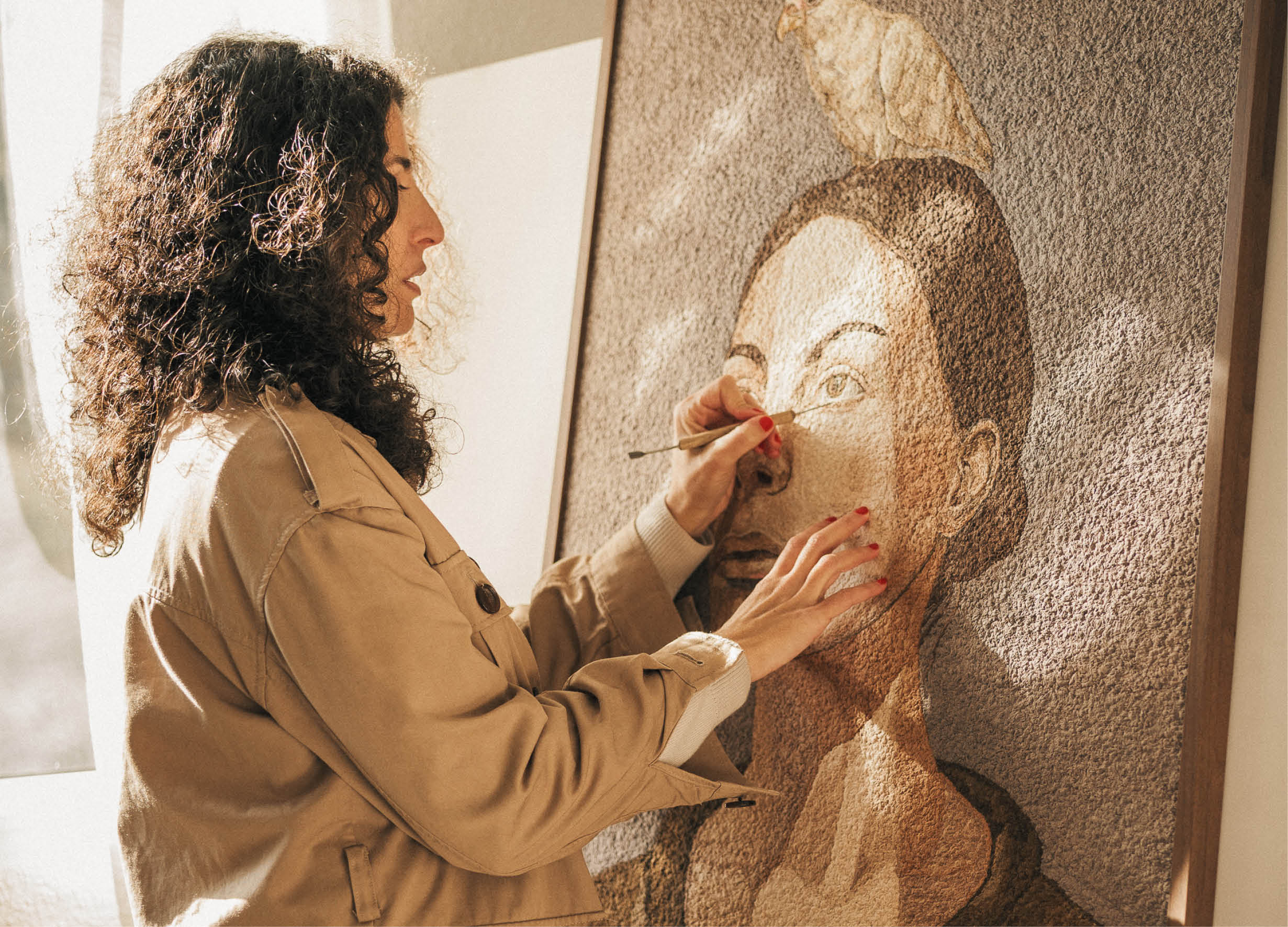
“My piece of advice for makers and designers? Run your own race… make sure your key decisions stay anchored in your brand’s core beliefs.”
- Bec Bligh
Quick show of hands: who’s opened a water bottle expecting a refreshing sip… and instead been greeted by the unmistakable whiff of uh-oh?
Because for something that follows us everywhere (desk, car, hikes, yoga…), the humble drink bottle is strangely prone to becoming a science experiment. Hard-to-clean corners and gaskets. Mystery smells. Bec Bligh and her husband Tim know it well. A six-month sailing trip along the Queensland coast left them with a lifetime of memories and one stubborn annoyance: mouldy water bottles they couldn’t properly clean.
So they did something about it.
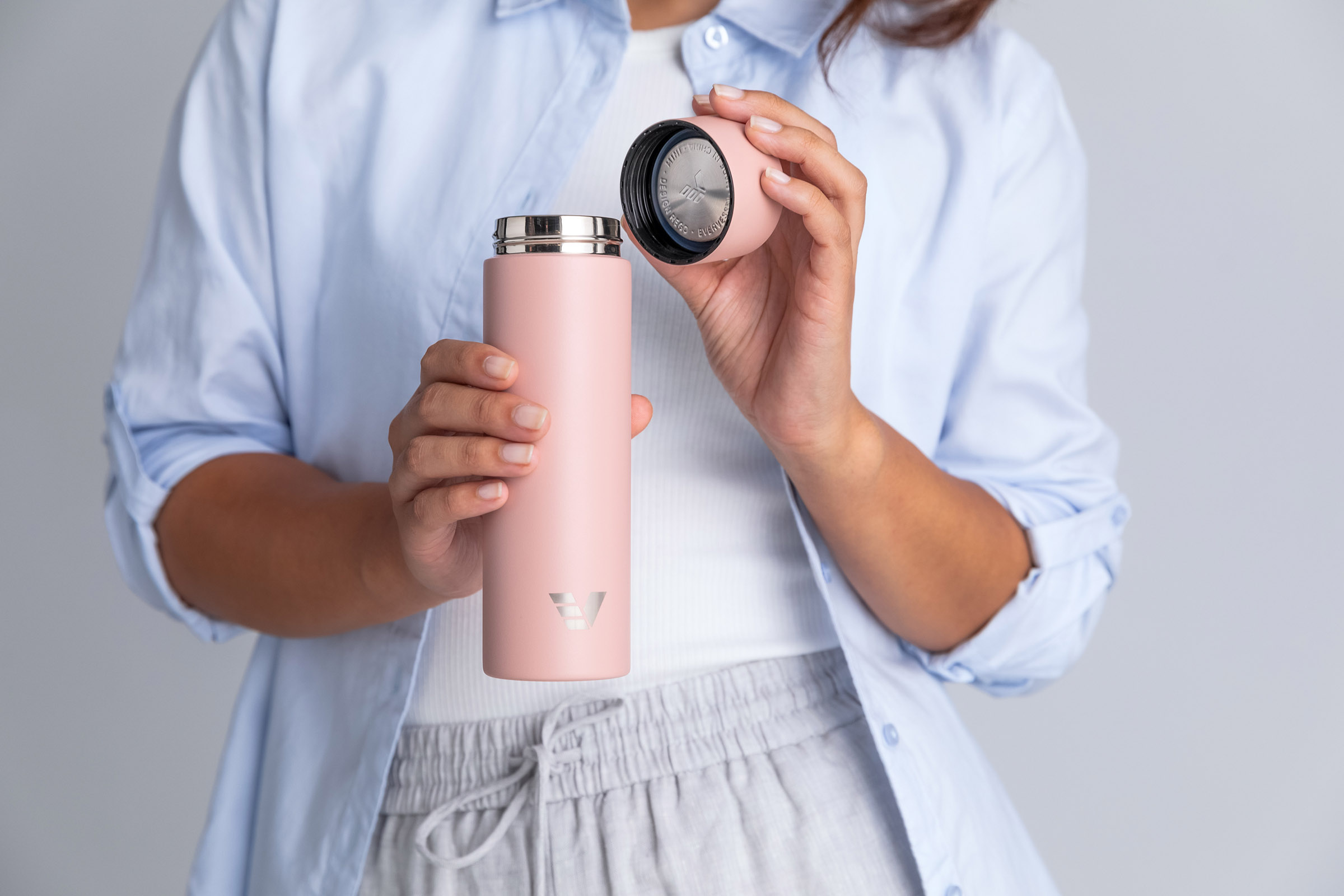
Enter @EverVessel. Thoughtfully designed borosilicate glass and stainless steel bottles that keep things beautifully simple: durable materials, wide openings, easy-to-clean parts and none of the techy gimmicks that tend to age badly. Turns out simplicity, done well, is pretty powerful stuff. (Their many design awards agree!)
And lately they’ve added a little extra delight: the Artist Series, where creatives like Paola Castro, Ben Miners and Martin Thompson transform these everyday companions into tiny travelling artworks. There are more colabs in the works, too: hydration, but make it joyful! 🎨💧
We chatted with Bec about the sailing trip that started it all, the philosophy behind Ever Vessel, and why the most sustainable product is often just the one you keep using.
Tap the link in our bio to read the full conversation. 🚰
#EverVessel #ReusableWaterBottle


Pull up a chair… there’s room at this table!
For the first time, Feast for Freedom is bringing people together for a spectacular long-table dinner as part of the Melbourne Food & Wine Festival.
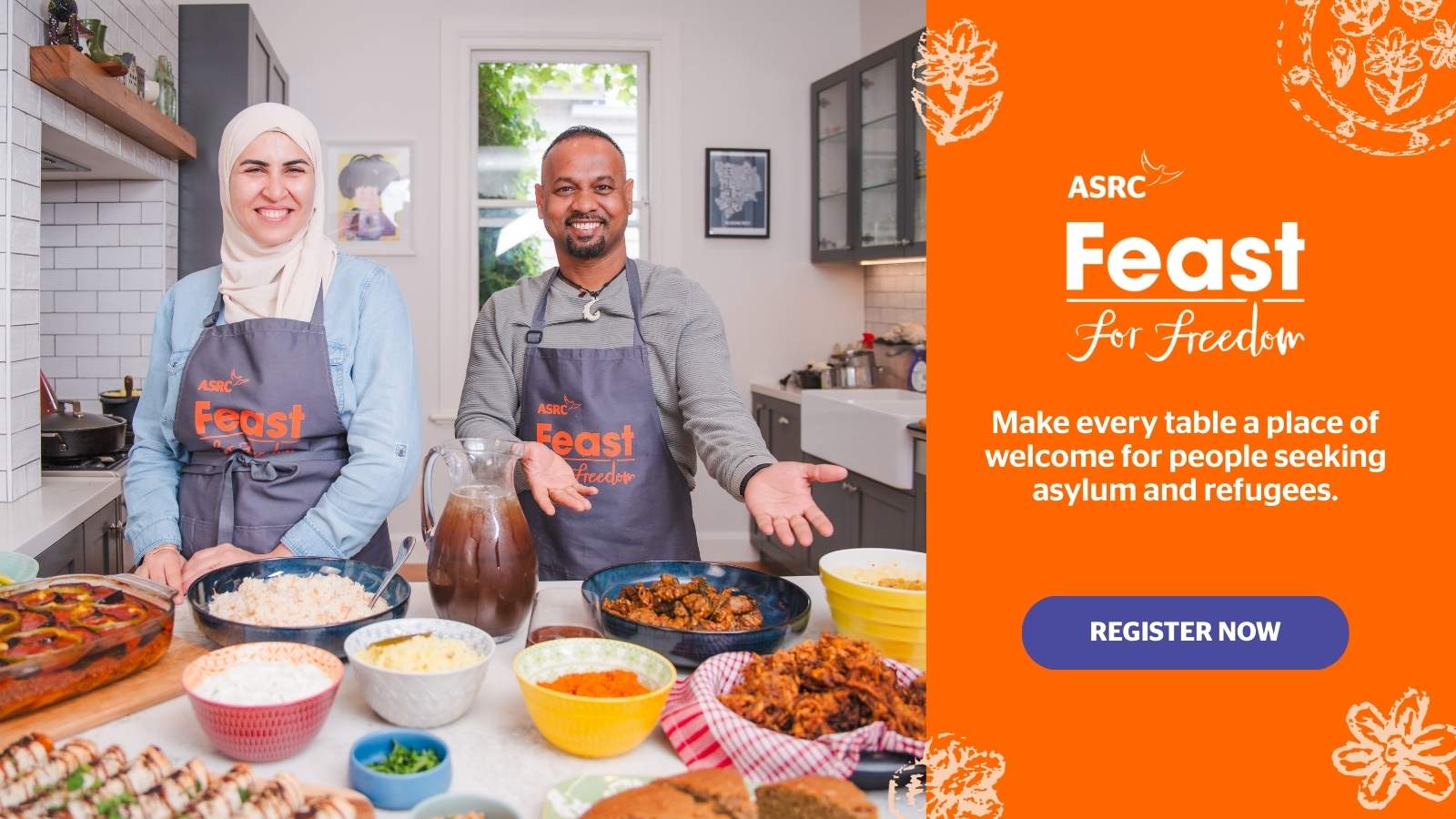
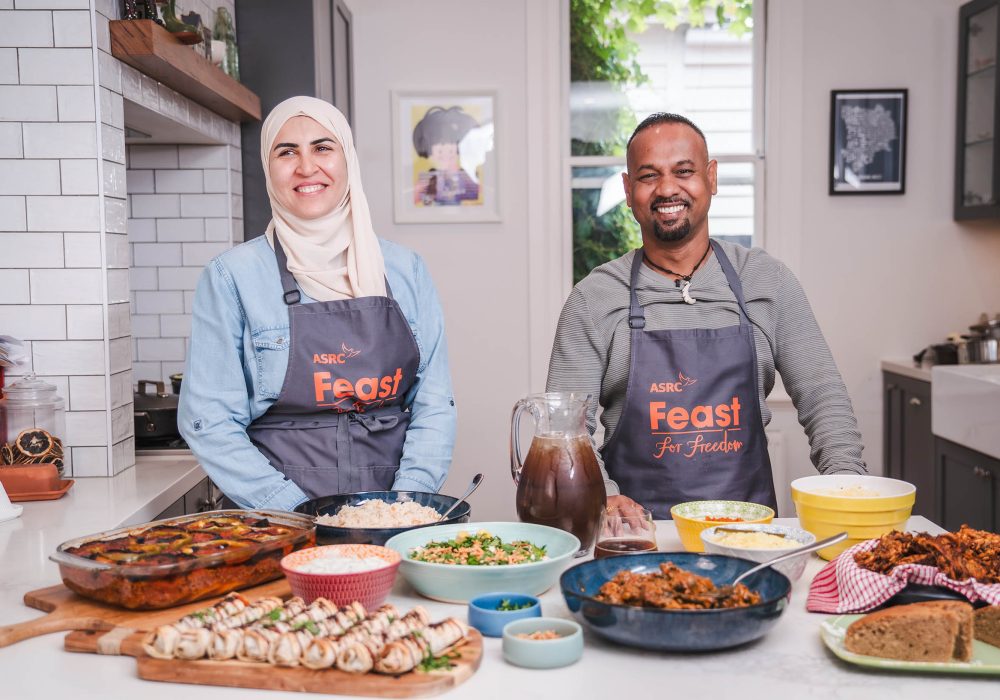
A Longer Table is exactly what it sounds like: one beautiful shared table inside the Asylum Seeker Resource Centre (@Asrc1), piled with generous dishes inspired by this year’s hero cooks, Noha and Nige.
From 6 to 9pm on Wednesday, 25 March, this is what you can expect:
🍽 A three-course shared feast
🍷 Matched drinks
🎶 Live entertainment
✨ A room full of good humans
Your ticket doesn’t just buy you a delicious dinner. It supports the ASRC’s vital work and helps create a fairer future for people seeking asylum.
Seats are limited, and long tables have a way of filling up quickly – head to @MelbFoodAndWine’s website to book now: feastforfreedom.org.au/mfwf
#FeastForFreedom #MelbourneFoodAndWineFestival #LongTableDinner #FoodForChange

Sew versatile! 🪡
Another great make from Lisa from @SunnySewsEveryday:
My #PeppermintWaratahWrapDress is finished and I’m so proud of it. It has been designed not to flap open and flash your pants in the wind, so I feel confident it will be a great wheelchair or standing dress in English weather.
#PeppermintPatterns #WrapDress #WrapDressPattern

Frame your face with the Peppermint Bucket Hat!
Stay safe and stylish in the sun with your very own self-sewn and self-drafted wide-brimmed bucket hat. This beginner-friendly sew is perfect for a sunny day. Get out your pencils – this pattern is created using equations and maths!
This DIY project was featured in Issue 53 and now you can access it for the lovely low price of only $5.
Sun-safe chic is always in style. ☀️
Find it via the link in our bio!
Photos: @KelleySheenan
#PeppermintPatterns #PeppermintBucketHat #BucketHat #BucketHatPattern #DIY

✨ INSTANT CLASSIC ✨
The Peppermint Myrtle Shift Dress is a beginner-friendly make with a few special details based on the ever-stylish shift shape – the perfect dress you need in your wardrobe right now!
Myrtle cuts above the knee with options to customise the length. Don’t think she’s reserved for hot weather either: try a heavier-weight fabric to turn your Myrtle into a pinafore-style garment for layering.
For our fabrics we chose two from our lovely sewing partner @Karmme_Apparel – the bold Rottnest Stripes in a lightweight, soft-drape cotton, and the quality linen in the handpainted Mexico Collection.
Get making the Myrtle – the only question is, can you stop at just one?
Link in bio 🪡
Fabric: @Karmme_Apparel
Sewist: @Laura_The_Maker
Photos: @KelleySheenan
Models: @SerahSews and @Pins_And_Tonic
Location: @ShareTheDignityAustralia
#PeppermintMyrtleShiftDress #PeppermintPatterns

It’s time to Feast!
Some recipes travel a long way before they land on your table to delight your taste buds. This year’s Feast for Freedom invites us to gather our friends, cook something delectable and raise funds for the incredible work of the Asylum Seeker Resource Centre (@Asrc1) while we’re at it.
The 2026 Feast features recipes shared by two remarkable cooks: Noha, who brought the flavours of Palestine with her when she arrived in Australia, and Nige, a Sri-Lankan Tamil cook whose journey with food began in the most unexpected of places.
You can host your own Feast up until 30 April – simply register online and get planning! Host a dinner, organise a workplace lunch, or gather your community… However you do it, the idea is simple: cook, connect and celebrate the cultures and stories that shape Australia.
Want to find out more? Head to the link in bio to meet Noha and Nige, learn more about their stories, and discover a delicious recipe to try.
#FeastForFreedom #PeppermintMagazine #FoodForGood #ASRC
