H&M has topped the 2020 Fashion Transparency Index compiled by not-for-profit campaign group Fashion Revolution. Now in its fifth year and published as part of Fashion Revolution Week 2020, the scope of the report continues to grow – an additional 50 brands went under the knife this year – as pressure mounts on the industry to become more transparent.
Hold up, remind me what the Fashion Transparency Index is again?
First compiled in 2015, the Fashion Transparency Index is an annual report by Fashion Revolution that ranks brands “according to how much they disclose about their social and environmental policies, practices and impacts”. This year, the report looked at 250 brands and retailers on 220 measures that covered everything from animal welfare and gender equality to supplier disclosure and working conditions. At the time of research, which was conducted pre-’Rona, all the brands and retailers had an annual turnover of over $US400 million.
The index was created with the aim of holding brands accountable through transparency, and used a ratings methodology to then categorise said brands. They earned points for all publicly disclosed information – whether that be through the company’s website, self-published annual reports, or links to third party disclosures – with a total of 250 points up for grabs. This number was then converted into a percentage for brand ranking and voila.
It’s important to note here that the report stresses it isn’t a measure of whether a brand is good or bad. Nor does it offer analysis regarding the quality, authenticity or accuracy of a brand’s policies and procedures. Rather, the purpose of the index is to track patterns within the industry regarding the information they put out into the world.
Ok got it, but why does transparency matter?
In April 2013, 1,138 fast fashion workers tragically lost their lives at the Rana Plaza Factory in Bangladesh. Fast forward seven years and it’s obvious now that transparency is a critical factor in creating a cleaner, more sustainable fashion industry. Obscure, multinational supply chains make it damn near impossible for customers to make ethical choices when purchasing and for brands to be held accountable when tragedies, like the Rana Plaza Factory disaster, occur.
Each year, more and more consumers are demanding to know #whomademyclothes, so tools like the Fashion Transparency Index have become really useful in bringing about public discourse to drive positive change. It allows us to make more ethical shopping choices, and also apply positive pressure to the relevant industry stakeholders.
So, how did the brands measure up in 2020?
Only one brand, H&M Group, scored over 70% in 2020, with a ranking of 73% (up 12% from last year’s report). C&A, Adidas, Reebok and Esprit all came in the 61–70% bracket, however the average rating for all surveyed brands was only 23%.
Encouragingly, more brands than ever disclosed their first-tier suppliers (40%) and processing facilities (24%), but information about raw material suppliers still lacked transparency. Only 7 percent of brands provided this information.
More so, 47% of the brands declined to participate in the study or were unresponsive to requests. A total of ten brands, including Jessica Simpson’s self-titled label, Bally, Max Mara, Pepe Jeans and Tom Ford, revealed nothing about their practices for 2020 and received zero points across the board.

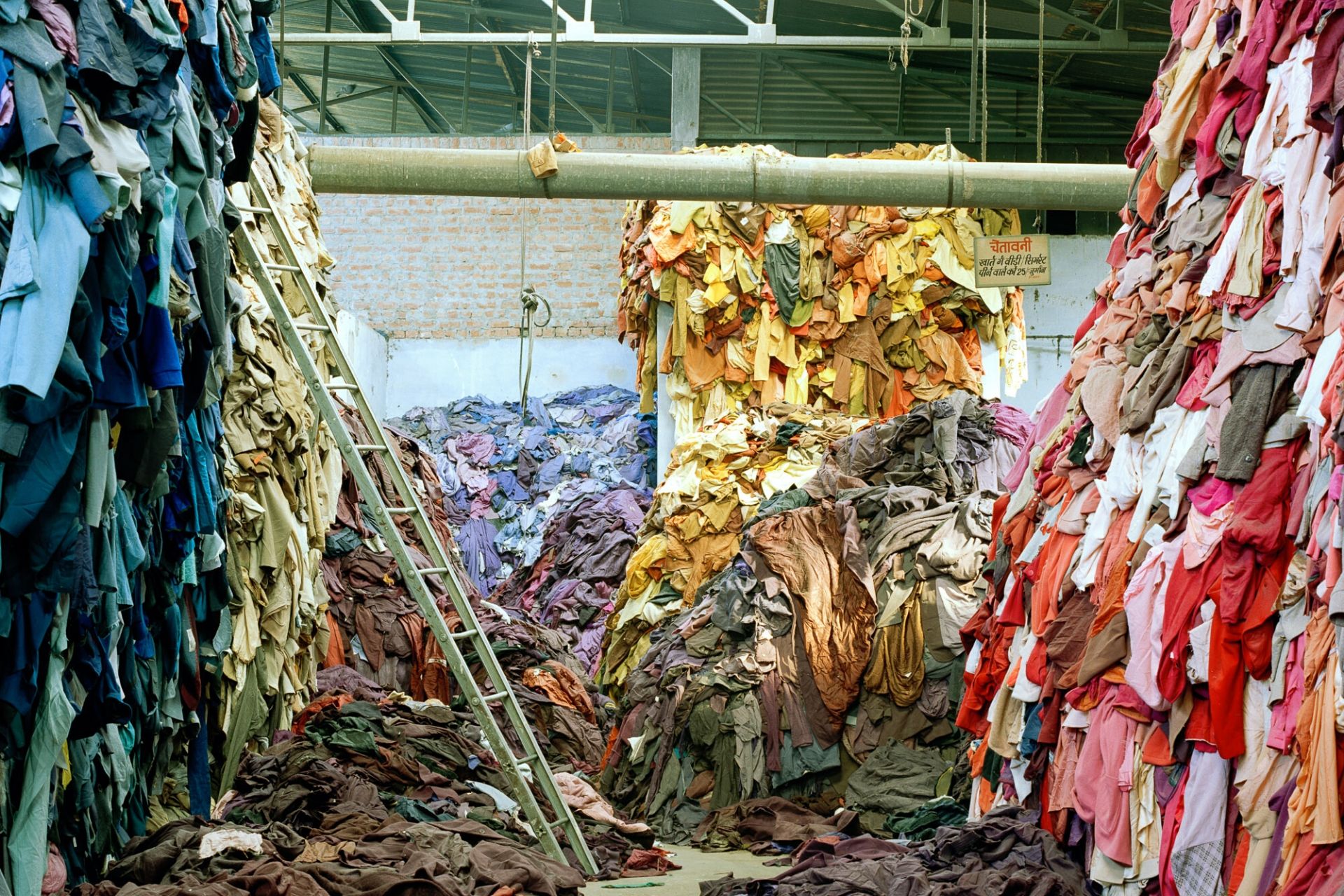
IMAGE ABOVE: H&M GARMENT COLLECTION PROGRAM
Sounds like some brands know how to talk the talk, but who is walking the walk?
As in previous years, brands were more likely to disclose policy information than quantify how they were putting it into action. The average score within the Policy & Commitments section was 52%, while all other sections were below 30%. Gucci was the highest rated brand within this section, scoring 100%, yet the report still saw 25 brands score in the lowest range here.
Governance was the next highest rated section with an average rating of 29%. Here, nine brands scored all available points meaning they defined corporate accountability from the board to supplier level, and provided appropriate contact details. 52% of brands scored less than 20% in this section.
The final three categories – Traceability; Know, Show & Fix; and Spotlight Issues – all averaged scores of less than 20%, highlighting the gap that still remains between policy and practice.
When it came to traceability, the majority of brands (148) did not disclose any suppliers. Furthermore, most brands shared little to no information about supply chain due diligence, supplier assessments and efforts to correct issues when found. The report’s most troubling results concerned working conditions, including living wages and purchasing practices. Less than 1 percent of companies published the number of their workers who earn a living wage, and only 11% disclosed their method for isolating labour costs from price negotiations.
While it is a start, it’s worth remembering too that the behemoth that is H&M doesn’t have a strong track record in other areas when it comes to their treatment of garment workers, as Livia Firth pointed out recently in her criticism of Fashion Revolution: “WHO MADE MY CLOTHES is exactly why fast fashion and H&M are like cowboys – hiding behind their ‘We are so transparent’ and enslaving millions of garment workers worldwide.” Transparency is important, yes, but being open about supply chains doesn’t always equate to those processes being above board. When your core business is dependent on fast fashion practices and overconsumption, it’s always going to be fundamentally unsustainable.
What next?
As we navigate through these uncertain times, scrutinising brands and holding companies accountable for their actions has never been more important. “Transparency is the first step towards a different culture, one where brands become open and accountable, and customers are ready to become vigilant and ask, ‘Who made my clothes?’” Orsola de Castro, co-founder of Fashion Revolution, wrote in the report. There’s still boundless room for improvement and an inherent hypocrisy apparent within the findings when you take into consideration overconsumption – looking at you fast fashion. However with a changing landscape as a result of COVID-19 shining a light on these failures, now more than ever, transparency can help the industry work towards stamping out its systemic problems once and for all.
Check out the top 20 scoring brands below and follow the link here to read the report in full.
……….
2020 Fashion Transparency Index (top 20 scoring brands)
H&M Group – 73%
C&A – 70%
Adidas – 69%
Reebok – 69%
Esprit – 64%
Marks & Spencer – 60%
Patagonia – 60%
The North Face – 59%
Timberland – 59%
Vans – 59%
Wrangler – 59%
Puma – 57%
ASOS – 55%
Converse – 55%
Jordan – 55%
Nike – 55%
United Colors Of Benetton – 55%
Calvin Klein – 54%
Tommy Hilfiger – 54%
Van Heusen – 54%
……….
BANNER IMAGE: TIM MITCHELL, FROM THE FASHION REVOLUTION 2020 FASHION TRANSPARENCY INDEX
WORDS: LAUREN BAXTER


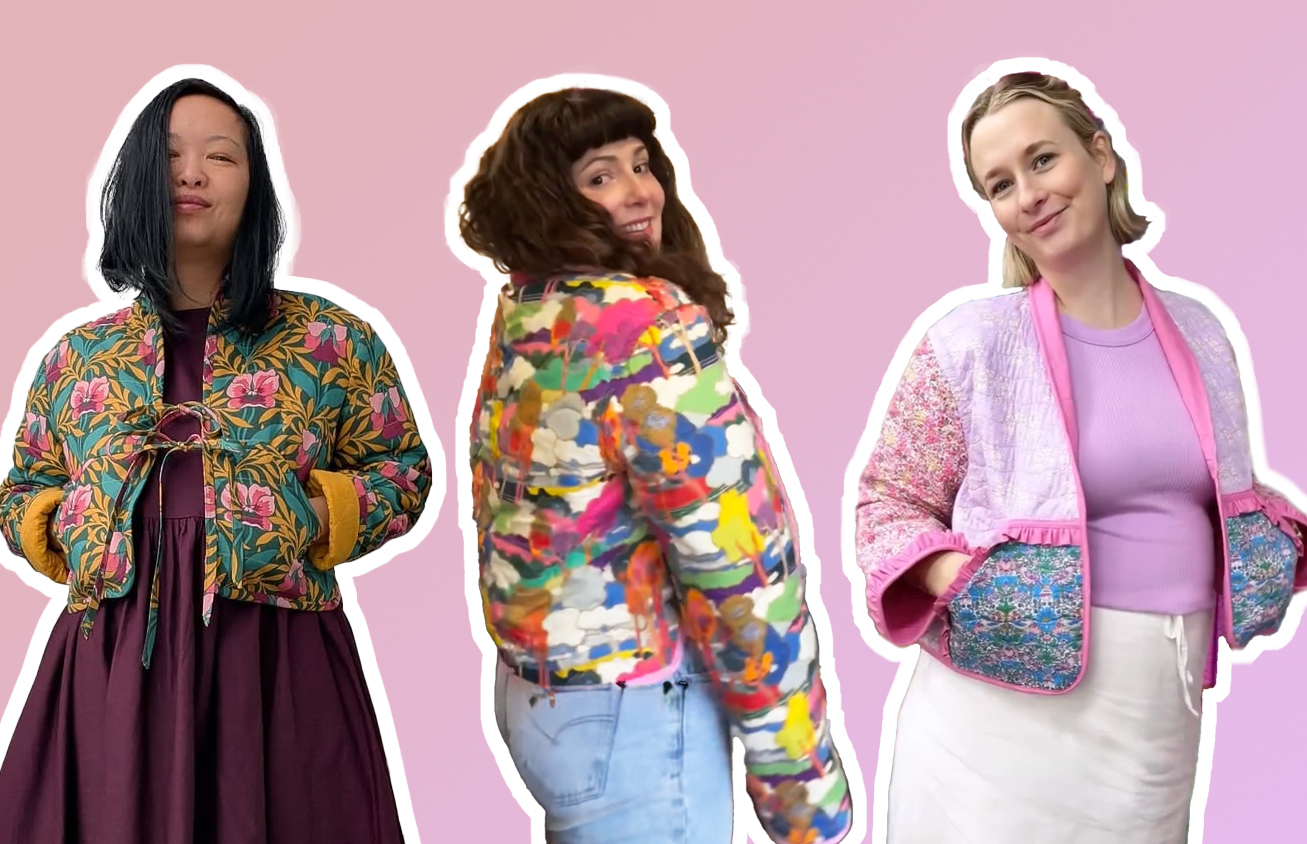
“My piece of advice for makers and designers? Run your own race… make sure your key decisions stay anchored in your brand’s core beliefs.”
- Bec Bligh
Quick show of hands: who’s opened a water bottle expecting a refreshing sip… and instead been greeted by the unmistakable whiff of uh-oh?
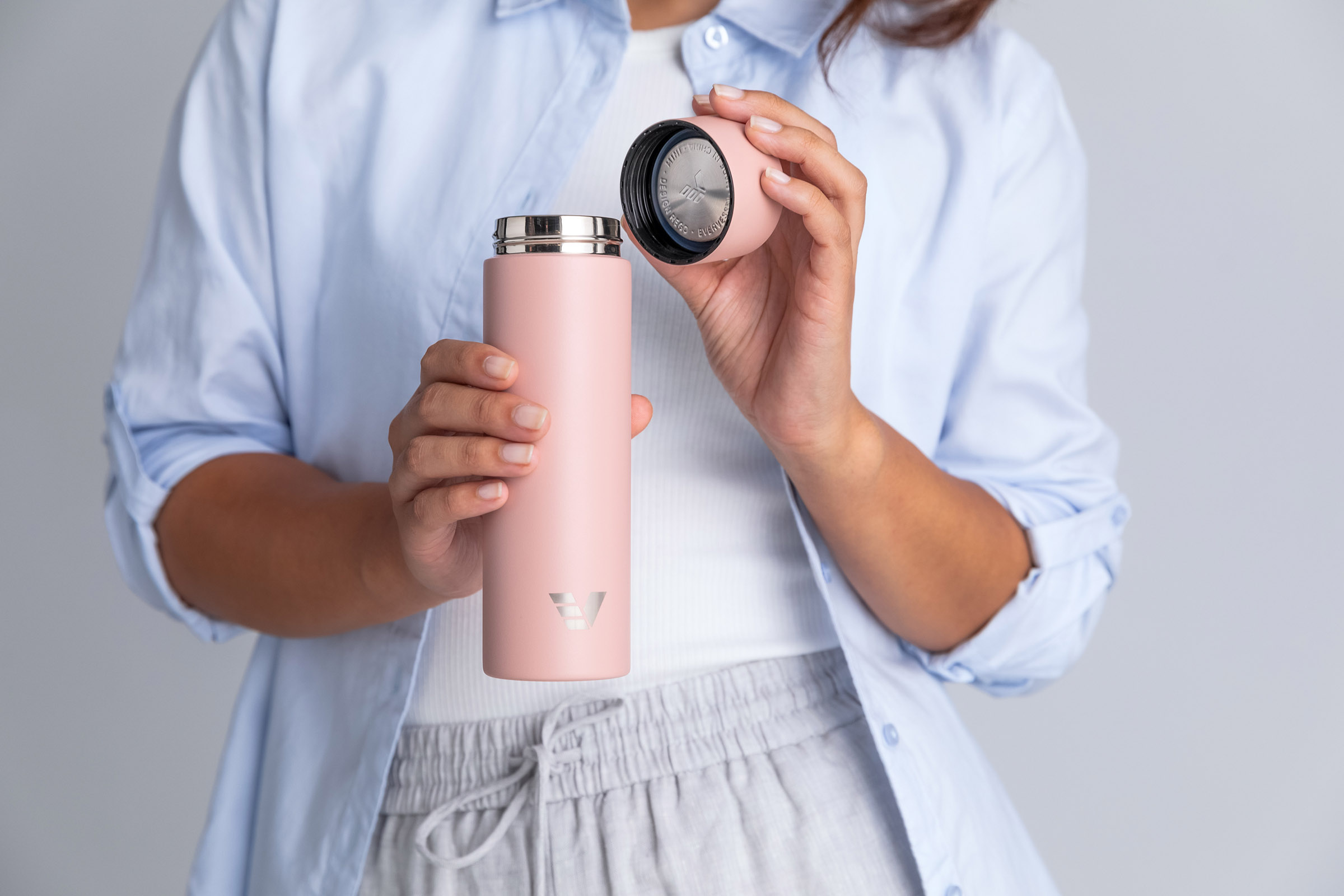
Because for something that follows us everywhere (desk, car, hikes, yoga…), the humble drink bottle is strangely prone to becoming a science experiment. Hard-to-clean corners and gaskets. Mystery smells. Bec Bligh and her husband Tim know it well. A six-month sailing trip along the Queensland coast left them with a lifetime of memories and one stubborn annoyance: mouldy water bottles they couldn’t properly clean.
So they did something about it.
Enter @EverVessel. Thoughtfully designed borosilicate glass and stainless steel bottles that keep things beautifully simple: durable materials, wide openings, easy-to-clean parts and none of the techy gimmicks that tend to age badly. Turns out simplicity, done well, is pretty powerful stuff. (Their many design awards agree!)
And lately they’ve added a little extra delight: the Artist Series, where creatives like Paola Castro, Ben Miners and Martin Thompson transform these everyday companions into tiny travelling artworks. There are more colabs in the works, too: hydration, but make it joyful! 🎨💧
We chatted with Bec about the sailing trip that started it all, the philosophy behind Ever Vessel, and why the most sustainable product is often just the one you keep using.
Tap the link in our bio to read the full conversation. 🚰
#EverVessel #ReusableWaterBottle


Pull up a chair… there’s room at this table!
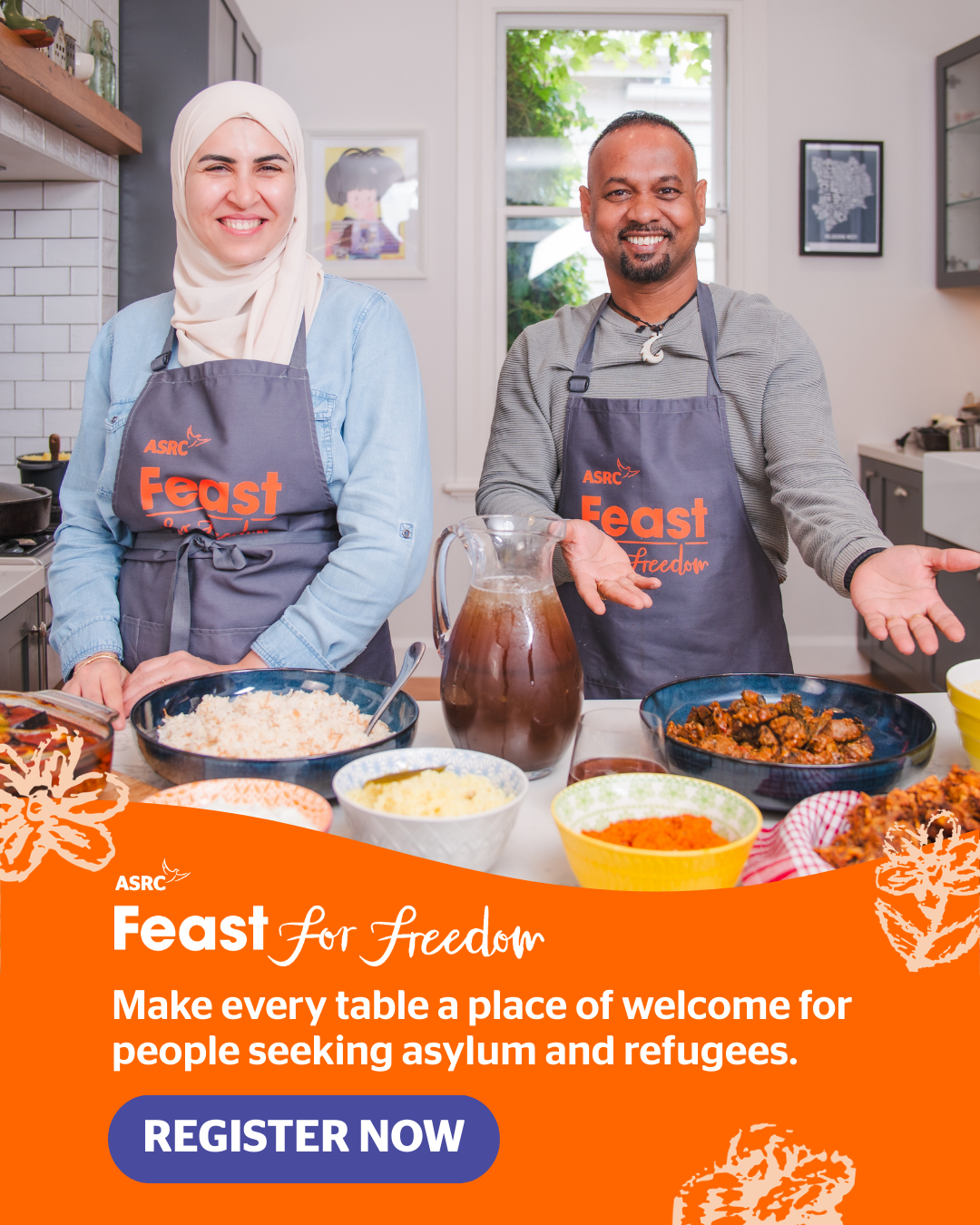
For the first time, Feast for Freedom is bringing people together for a spectacular long-table dinner as part of the Melbourne Food & Wine Festival.
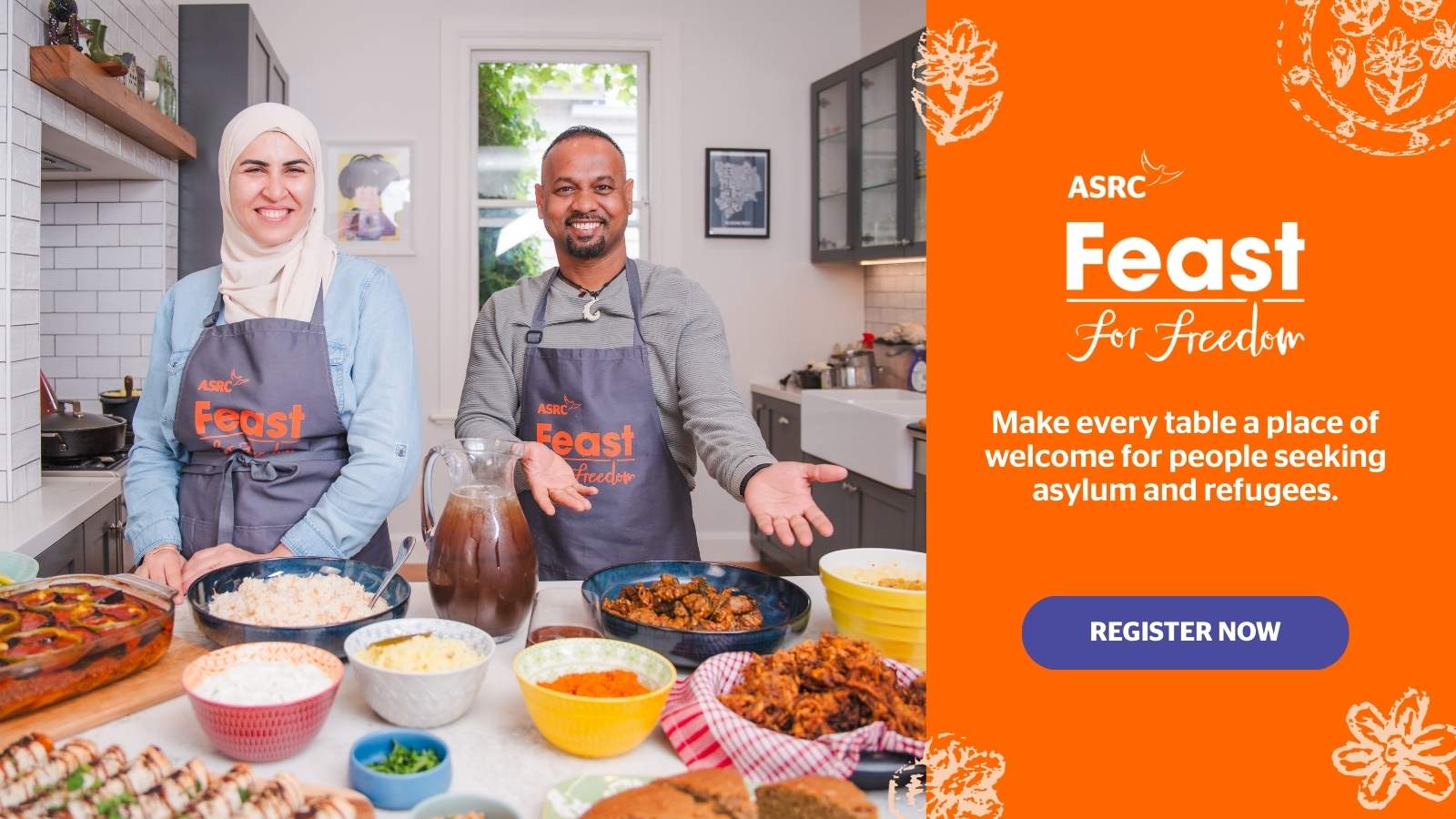
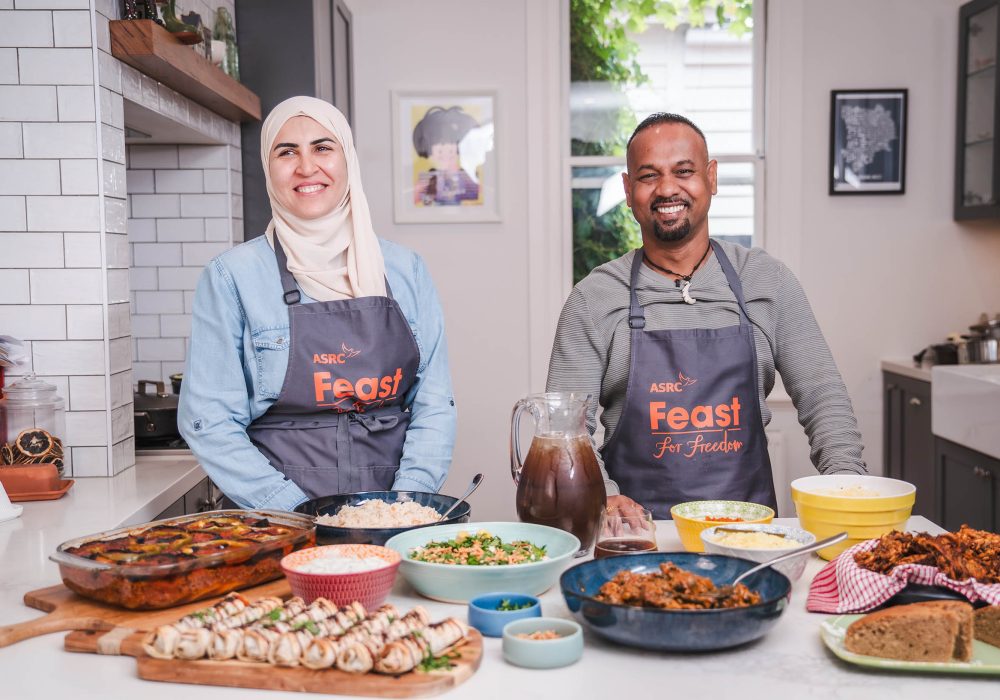
A Longer Table is exactly what it sounds like: one beautiful shared table inside the Asylum Seeker Resource Centre (@Asrc1), piled with generous dishes inspired by this year’s hero cooks, Noha and Nige.
From 6 to 9pm on Wednesday, 25 March, this is what you can expect:
🍽 A three-course shared feast
🍷 Matched drinks
🎶 Live entertainment
✨ A room full of good humans
Your ticket doesn’t just buy you a delicious dinner. It supports the ASRC’s vital work and helps create a fairer future for people seeking asylum.
Seats are limited, and long tables have a way of filling up quickly – head to @MelbFoodAndWine’s website to book now: feastforfreedom.org.au/mfwf
#FeastForFreedom #MelbourneFoodAndWineFestival #LongTableDinner #FoodForChange

Sew versatile! 🪡
Another great make from Lisa from @SunnySewsEveryday:
My #PeppermintWaratahWrapDress is finished and I’m so proud of it. It has been designed not to flap open and flash your pants in the wind, so I feel confident it will be a great wheelchair or standing dress in English weather.
#PeppermintPatterns #WrapDress #WrapDressPattern

Frame your face with the Peppermint Bucket Hat!
Stay safe and stylish in the sun with your very own self-sewn and self-drafted wide-brimmed bucket hat. This beginner-friendly sew is perfect for a sunny day. Get out your pencils – this pattern is created using equations and maths!
This DIY project was featured in Issue 53 and now you can access it for the lovely low price of only $5.
Sun-safe chic is always in style. ☀️
Find it via the link in our bio!
Photos: @KelleySheenan
#PeppermintPatterns #PeppermintBucketHat #BucketHat #BucketHatPattern #DIY

✨ INSTANT CLASSIC ✨
The Peppermint Myrtle Shift Dress is a beginner-friendly make with a few special details based on the ever-stylish shift shape – the perfect dress you need in your wardrobe right now!
Myrtle cuts above the knee with options to customise the length. Don’t think she’s reserved for hot weather either: try a heavier-weight fabric to turn your Myrtle into a pinafore-style garment for layering.
For our fabrics we chose two from our lovely sewing partner @Karmme_Apparel – the bold Rottnest Stripes in a lightweight, soft-drape cotton, and the quality linen in the handpainted Mexico Collection.
Get making the Myrtle – the only question is, can you stop at just one?
Link in bio 🪡
Fabric: @Karmme_Apparel
Sewist: @Laura_The_Maker
Photos: @KelleySheenan
Models: @SerahSews and @Pins_And_Tonic
Location: @ShareTheDignityAustralia
#PeppermintMyrtleShiftDress #PeppermintPatterns

It’s time to Feast!
Some recipes travel a long way before they land on your table to delight your taste buds. This year’s Feast for Freedom invites us to gather our friends, cook something delectable and raise funds for the incredible work of the Asylum Seeker Resource Centre (@Asrc1) while we’re at it.
The 2026 Feast features recipes shared by two remarkable cooks: Noha, who brought the flavours of Palestine with her when she arrived in Australia, and Nige, a Sri-Lankan Tamil cook whose journey with food began in the most unexpected of places.
You can host your own Feast up until 30 April – simply register online and get planning! Host a dinner, organise a workplace lunch, or gather your community… However you do it, the idea is simple: cook, connect and celebrate the cultures and stories that shape Australia.
Want to find out more? Head to the link in bio to meet Noha and Nige, learn more about their stories, and discover a delicious recipe to try.
#FeastForFreedom #PeppermintMagazine #FoodForGood #ASRC
